If you want the Colosseum to feel less like a photo stop and more like a story you can walk through, this 3-hour guided tour is a strong pick. You get exclusive access to the Underground and the arena area, plus a guided visit through the Roman Forum and Palatine Hill.
What I like most is how much you cover without feeling totally rushed, especially the underground rooms that explain what happened behind the scenes. I also like that your guide brings the site to life with clear pacing and headsets, so you can actually follow the details while you’re moving.
One thing to consider: the schedule is tight. Several travelers said there wasn’t much time to wander the very top of the Colosseum on their own, so if that’s your priority, plan your expectations.
- Key Things to Know Before You Go
- A 3-Hour Plan That Actually Makes the Colosseum Click
- Meeting Point: Via dei Fori Imperiali, 25 (and why you should arrive early)
- Roman Forum and Palatine Hill: the political “why” behind the show
- The Underground Tour: the behind-the-scenes spaces gladiators knew
- Walking the Arena Floor: standing where the crowd’s attention went
- Second-tier and the exhibition: how the layers change the view
- The Colosseum at your own pace: a nice finish, but time is real
- Guides: the difference between seeing Rome and understanding it
- Headsets and hearing your guide: usually helpful, sometimes not
- How the pace feels (and what to expect with crowds)
- Value for money: what you’re really paying for
- Rules and accessibility: this tour isn’t for everyone
- What to do with food and snacks (because the tour won’t)
- Who this tour is best for
- Should you book the Colosseum Underground Tour?
- FAQ
- How long is the Colosseum Underground and Ancient Rome Tour?
- Where is the meeting point?
- What areas are included during the tour?
- Are food and drinks included?
- What languages is the live guide available in?
- Is the tour refundable if plans change?
- More Tours in Rome
- More Tour Reviews in Rome
Key Things to Know Before You Go
 1 / 6
1 / 6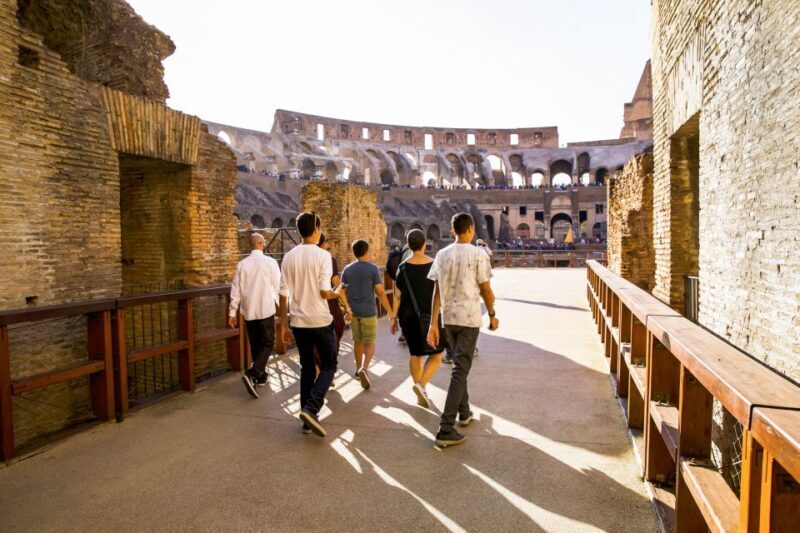 2 / 6
2 / 6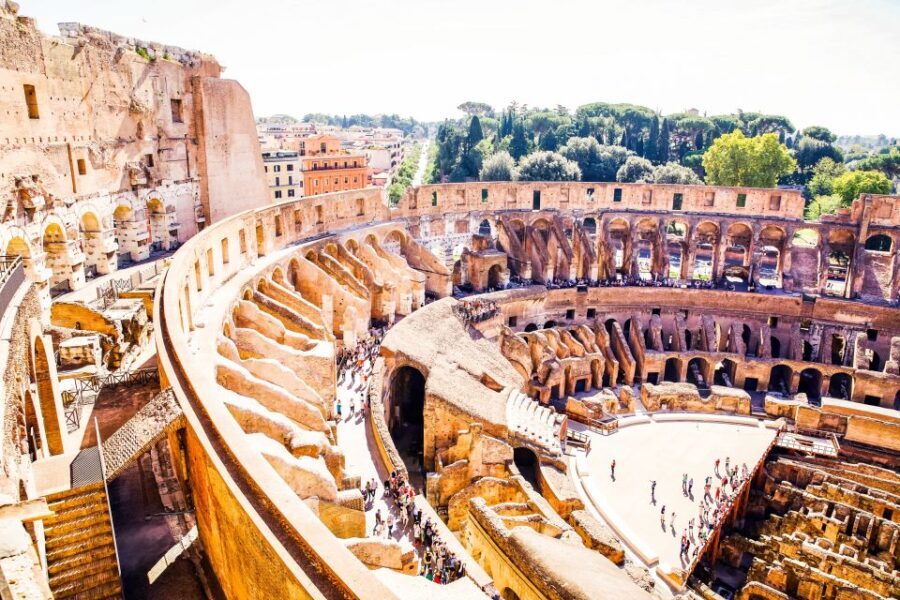 3 / 6
3 / 6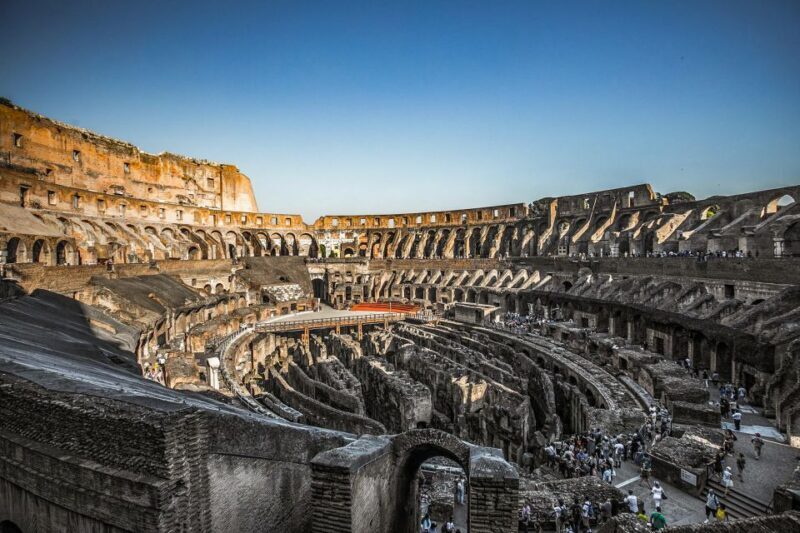 4 / 6
4 / 6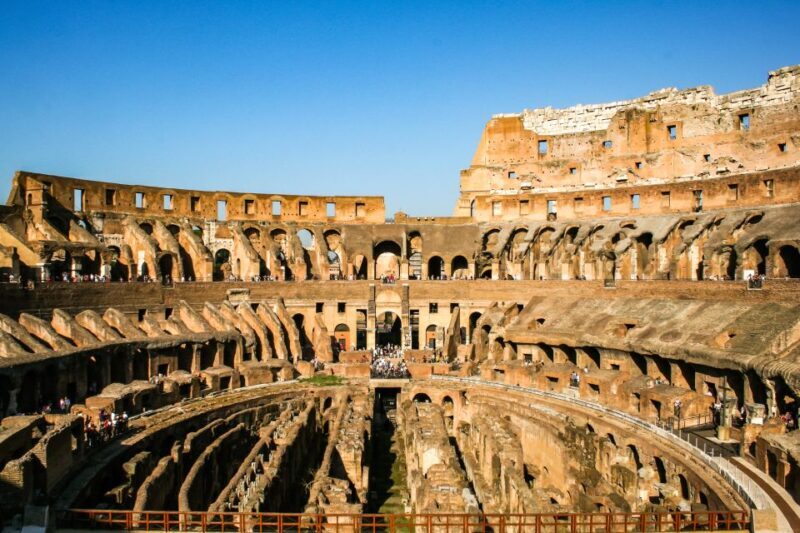 5 / 6
5 / 6 6 / 6
6 / 6- Underground access plus arena-floor time, not just outside views
- Roman Forum + Palatine Hill guided stop with lots of photo guidance
- Headsets included, helpful for hearing guides in busy areas
- Tour is about 3 hours with real walking and multiple levels/areas
- Expect non-refundable booking and strict entry rules (IDs, no big bags)
- Some reviewers mention limited time for the very top area, so go in with a game plan
A 3-Hour Plan That Actually Makes the Colosseum Click
Let’s be honest: the Colosseum is one of those places where self-guided wandering can turn into, wow, big… and then your brain goes blank. This tour is built to stop that. In about three hours, you’re guided through the Roman power center first, then you move into the Colosseum’s working spaces—down where gladiators and animals were staged, and up where spectators watched.
You’re paying for more than access. You’re paying for context. And that context matters here, because the Colosseum isn’t just “old stone.” It’s engineering, logistics, and spectacle, all stacked into one ruin that looks simple until you learn what each section was for.
You can also read our reviews of more tours and experiences in Rome.

Meeting Point: Via dei Fori Imperiali, 25 (and why you should arrive early)
The tour meets at Via dei Fori Imperiali, 25, right in front of the Tourist Information Point. Coordinators wear “The Ultimate Italy” t-shirts, which helps when you’re surrounded by other tour groups.
Several travelers flagged the same practical issue: Rome roadworks and crowding can make the last 20 minutes feel stressful. If you’ve got a fixed time slot, give yourself extra buffer. One review mentioned arriving late due to closures and road diversion; the team was patient and helped the group catch up, but you don’t want to gamble with your own stress level.
Roman Forum and Palatine Hill: the political “why” behind the show
The first major stop is the Roman Forum with a guided look at Palatine Hill as part of the same roughly one-hour block. If the Colosseum is where spectacle happened, the Forum and Palatine are where power, status, and politics lived.
This is where you start picking up the patterns: who mattered, what Rome valued, and why the empire could organize something as complex as arena events. Guided explanations also help with orientation—reviewers specifically mentioned routes around the perimeter for photos and knowing where to stand for the best angles.
Practical note: this is walking terrain. If you tend to get tired fast, wear comfortable shoes and keep water in mind even though the tour itself doesn’t include food or drinks.
The Underground Tour: the behind-the-scenes spaces gladiators knew
This is the heart of the experience. You get a guided visit to the Colosseum Underground chambers and tunnels, with the stories tied to what was happening offstage. Travelers described it as fascinating and a major reason to book the “full experience” instead of just seeing the arena from the outside.
Why this matters: underground areas change how you picture the show. Instead of thinking the arena events just appeared magically, you start understanding the machinery of spectacle—how people and animals were handled, how access worked, and why the arena could function as a high-speed production.
Also, underground access is where “skip-the-lines” turns into real value. If you try to sort underground tickets on your own, it can be tricky, and at least one traveler said they struggled getting underground access directly and were relieved the guided option worked out.
More Great Tours NearbyWalking the Arena Floor: standing where the crowd’s attention went
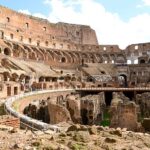
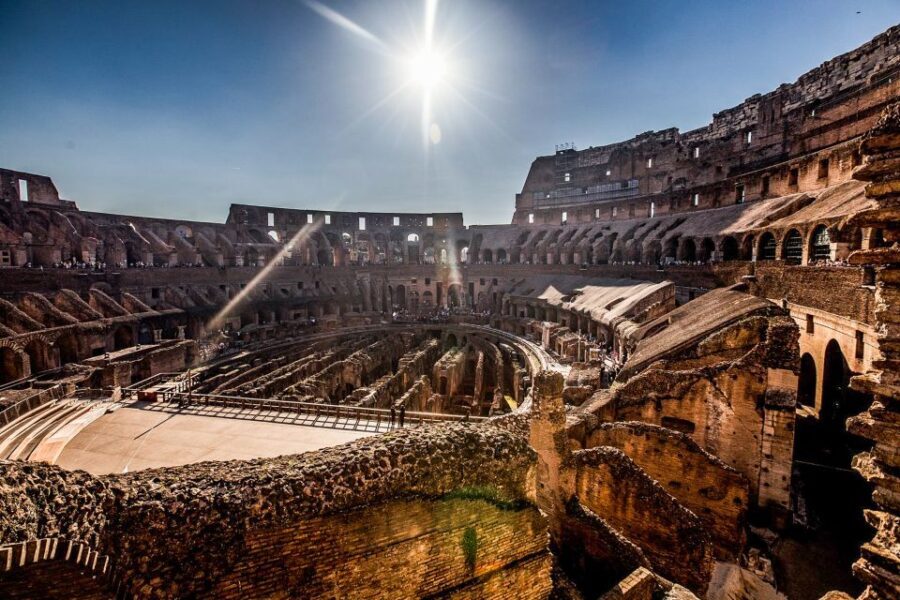
After the underground, the tour continues to the arena floor and then on to the arena’s other levels (including ground floor and 1st level, plus second-tier access as listed). This part is where the Colosseum stops being a landmark and starts being a stage.
You’ll walk on the arena area and move through parts of the Colosseum that most visitors only see from ground level. Reviewers often mention it as the moment they felt closest to how the event might have felt—especially the idea of where an emperor would have been positioned high above, deciding the fate of gladiators as the crowd roared.
Even if you’re not a “gladiator person,” this section gives you something you can’t get from photos: spatial understanding. You learn how sightlines and movement would have worked, and you can finally visualize the performance flow.

Second-tier and the exhibition: how the layers change the view
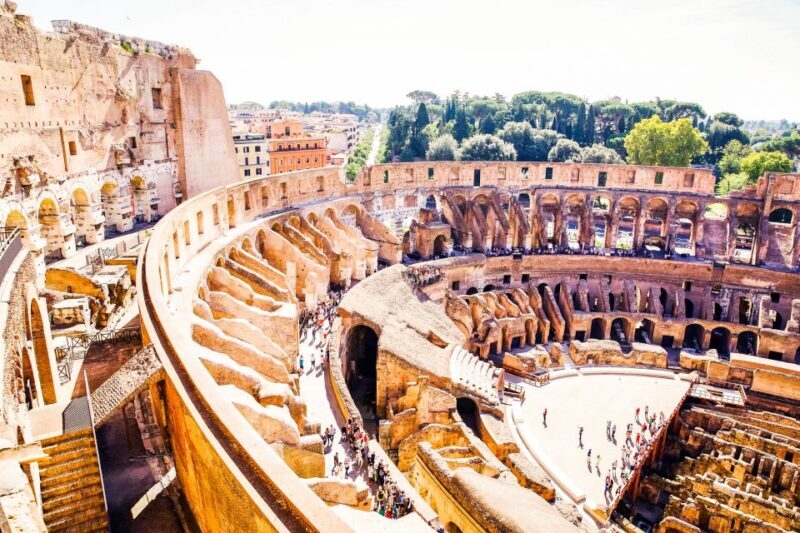
The tour includes access to the second tier and an exhibition area. This is important because the Colosseum isn’t one flat bowl. It’s layered. Those tiers helped shape audience experience, sound, and the way different groups watched.
In a practical sense, the second-tier/exhibition access gives you more ways to read the structure. On a self-guided visit, it’s easy to miss what certain levels were used for. With a guide, you get the “why” connected to the “what.”
A caution from traveler feedback: some people felt there wasn’t enough time to complete a full top-level circuit on their own. If your plan includes lingering for extra views from higher points, know that your guided time is scheduled and you may need to do extra exploring later with a separate ticket or after the tour.
The Colosseum at your own pace: a nice finish, but time is real
The experience ends with you still having time to see the Colosseum and surrounding areas, at your own pace. That’s a good setup for grabbing photos and taking in the scale.
But again, keep expectations realistic. A reviewer noted they barely had time to walk around the top. In other words: the tour covers a lot, but it doesn’t cover “everything slowly.” If you’re the type who wants to roam for an extra hour just to soak in views, plan an additional visit or schedule buffer time afterward.
Guides: the difference between seeing Rome and understanding it
Multiple reviews mention one thing over and over: the guides are knowledgeable, enthusiastic, and good at answering questions. That’s not always guaranteed with big-name attractions, so it’s worth calling out.
Examples from traveler reports include:
- Carmelo, praised for answering questions and making the experience feel smooth
- Chris, described as enthusiastic and very knowledgeable
- Teddy, noted for solid value and a strong pace
- Maya, mentioned for using photo books to show what structures may have looked like
- Mitra, recommended for deep knowledge
- Enza, praised for friendly explanations of features visitors might otherwise miss
- Evessi, described as very knowledgeable with a smaller-group feel
- Maya also showed up more than once, which usually means she’s memorable to travelers
A fun detail: some guides seemed to bring humor and personality without turning the tour into a comedy show. One review said the guide made the trip not boring or scary—sounds obvious, but it’s exactly what you want when a site is crowded and loud.
Headsets and hearing your guide: usually helpful, sometimes not
Headsets are included, and most travelers said they were helpful. One reviewer reported issues like crackling, echo, and even battery problems that made the radio hard to rely on at times.
So here’s the practical advice: if you’re sensitive to audio issues, stand close to the guide when you can. And if you’re hard of hearing, bring your hearing assistance plan. The tour provides headsets, but the quality can depend on the day and the equipment.
How the pace feels (and what to expect with crowds)
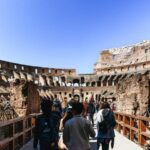
This is a walking tour with multiple parts: Roman Forum/Palatine Hill, underground, arena floor, and different Colosseum levels. Several reviews describe the pace as good and not rushed, with information that kept people engaged.
At the same time, you’re moving through some of the busiest tourist zones in Rome. That’s why the guided structure is a plus: it helps you keep momentum and not get stuck standing around for too long.
One practical benefit: travelers reported that they effectively skipped the biggest lines, and underground access tends to be more restricted than the “just walk in” parts.
Value for money: what you’re really paying for
At $160 per person for about 3 hours, it’s not a bargain on paper. But several reviews treat it as good value because it bundles:
- Guided access through multiple sections
- Underground entry (which has its own separate admission fee)
- Arena-area access and additional levels
- Headsets so you can actually hear explanations
- A licensed guide’s time and planning to keep everything running
The operator also notes a breakdown: the Colosseum Underground admission fee is 24€ for adults plus a 2€ booking fee, with children under 18 entering for free. The remaining cost goes toward the professional licensed guide, services like headsets, and other tour amenities.
So the value question becomes simple:
- If you want the underground and arena experience with guidance, this is likely worth it.
- If you only want exterior photos and general vibes, a cheaper ticket might be enough.
Rules and accessibility: this tour isn’t for everyone
This tour is not suitable for people with mobility impairments and wheelchair users. Also, entry rules are strict:
- No luggage or large bags
- No backpacks
- Unaccompanied minors aren’t allowed
- You must provide full names matching your documents when booking
Bring your passport or ID card. A copy is accepted for some travelers (the policy notes a copy accepted). If you’re traveling with kids, include their ID/passport as specified.
One traveler specifically warned about using the exact same name format as on your passport/ID to avoid access problems. That’s the kind of detail that can ruin a morning—so double-check it before you book.
What to do with food and snacks (because the tour won’t)
Food and drinks are not included. That means you’ll want to plan a snack or plan lunch before or after your 3-hour window.
This also means the tour stays focused on the sites. If you’re hoping for a “tapas stop,” you won’t find it inside the booking. You’ll likely be best off grabbing something quick in the area either before you meet or after you finish.
Who this tour is best for
I’d point you toward this tour if:
- You care about gladiator-era stories and want to see the Underground portion
- You get overwhelmed at big attractions and prefer a clear route
- You like asking questions and want a guide who can answer
- You’d rather pay for guidance than fight ticket logistics
It might be less ideal if:
- You strongly prefer slow, independent wandering with lots of unstructured top-level time
- You need wheelchair accessibility (this one isn’t set up for that)
- You dislike walking and multi-level sites
Should you book the Colosseum Underground Tour?
If your goal is the full Colosseum experience—Forum, Palatine Hill, and the Underground + arena—then yes, I think it’s a smart booking. Multiple travelers called the underground the favorite part, and the common theme is that the guide makes the difference between seeing the Colosseum and actually understanding it.
Just book with eyes open:
- It’s busy and physical
- The schedule may leave you short on time for a long, top-level wander
- Double-check your ID name match and travel light (no big bags/backpacks)
- Leave extra time for the meeting point, since road closures and signage confusion can happen
If you want your Colosseum visit to feel like a guided walk through how Rome worked, not just how Rome looks, this is the kind of tour that earns its place on your itinerary.
Colosseum: Underground and Ancient Rome Tour
FAQ
How long is the Colosseum Underground and Ancient Rome Tour?
The tour duration is 3 hours.
Where is the meeting point?
You meet at Via dei Fori Imperiali, 25, 00186 Rome (RM), in front of the Tourist Information Point at Fori Imperiali. Coordinators wear “The Ultimate Italy” t-shirts.
What areas are included during the tour?
It includes a guided visit of the Roman Forum and Palatine Hill, plus guided access to the Colosseum Underground, the arena floor, the ground floor, and the second tier and exhibition areas.
Are food and drinks included?
No. Food and drinks are not included.
What languages is the live guide available in?
The live guide offers tours in French, English, and Spanish.
Is the tour refundable if plans change?
No. The activity is listed as non-refundable.
You can check availability for your dates here: