After reviewing hundreds of traveler experiences with this tour, we’ve found a genuinely useful option for visitors trying to tackle three of Southern Italy’s most significant archaeological sites without the logistical headache. What we love most is the straightforward approach: you get comfortable transportation between three locations and included entry to Mt. Vesuvius, leaving you free to explore at your own pace. The drivers are consistently praised for their knowledge and friendliness, often sharing fascinating local insights during the transfers.
The main consideration worth understanding upfront is what you’re actually getting. This is fundamentally a transportation-based experience with on-board commentary during the drive, not a guided walking tour at each site. You’ll need to purchase separate tickets to Pompeii and Herculaneum, and exploring independently means you won’t have someone pointing out specific details as you walk through the ruins.
This tour works best for independent travelers who prefer flexibility, those short on time who need to see multiple sites in a single day, and visitors comfortable navigating archaeological sites with maps and apps. If you’re someone who wants a licensed guide walking beside you through every ruin, you’ll want to budget extra or choose a different experience.
- What You’re Actually Getting: Breaking Down the Value
- Stop One: Herculaneum—The Often-Overlooked Gem
- Stop Two: Mt. Vesuvius—Standing on the Rim of History
- Stop Three: Pompeii—The Ancient City That Stopped in Time
- The Driver Experience: What Sets This Tour Apart
- The Hidden Costs and How to Budget Properly
- Who Should Book This Tour—And Who Shouldn’t
- Practical Details That Matter
- FAQ: Practical Questions Answered
- The Bottom Line: Is This Tour Worth Your Money?
- More 1-Day Tours in Naples
- More Tour Reviews in Naples
What You’re Actually Getting: Breaking Down the Value
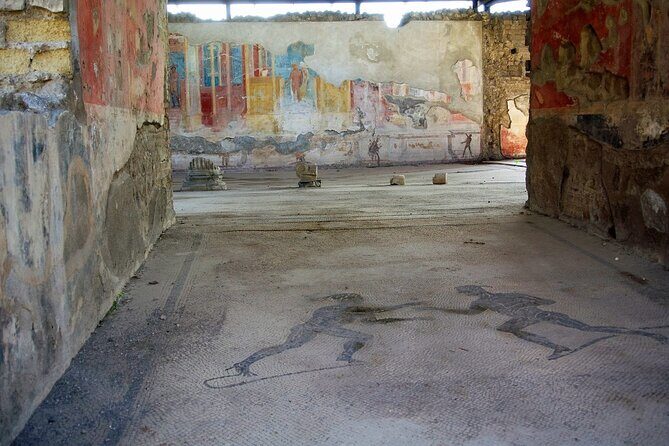
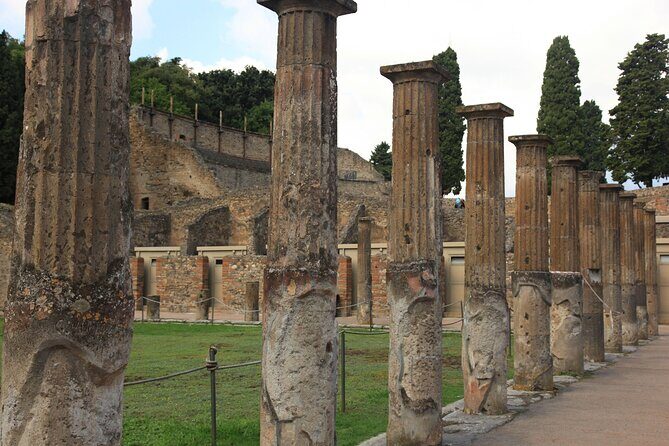
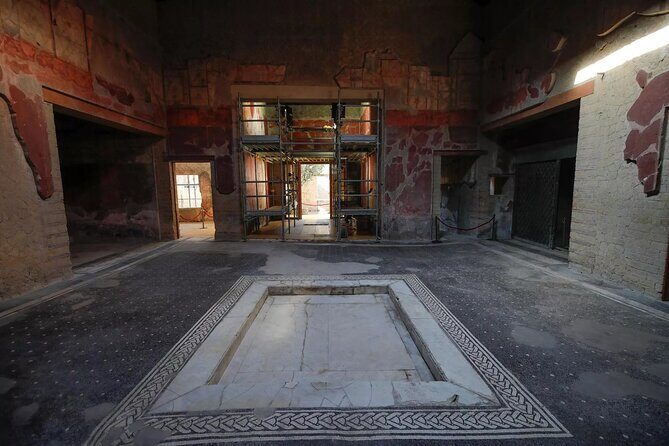
At $145.12 per person, this tour includes round-trip transportation from Naples (either the cruise terminal or Ramada hotel), an 8-hour itinerary covering three major sites, entrance to Mt. Vesuvius National Park, on-board commentary from your English-speaking driver, and complimentary water. Sounds straightforward, right? The reality requires a bit more unpacking.
The inclusion of Vesuvius entry is genuinely valuable—that’s one less ticket to hunt down separately. But here’s where travelers frequently find themselves surprised: Pompeii and Herculaneum tickets aren’t included. You’ll pay approximately €31 more at the sites themselves (€18 for Pompeii, €13 for Herculaneum). Add lunch, and suddenly what looked like a €145 experience becomes closer to €200-220 per person. Several reviewers have pointed out this disconnect between the advertised price and actual total spending.
One traveler summed it up honestly: “The cost of this tour is Euro 216 for 2 travellers but all this actually delivers is a van with driver and entry to Vesuvius National Park. Additional charges include entry to Herculaneum… entry to Pompeii… plus lunch… and suddenly what seemed a reasonable tour had become a very expensive one.” This isn’t a complaint about the tour operator being dishonest—the information is clearly stated in the booking details. But it’s worth knowing before you commit.
That said, if you value not having to arrange your own transportation between these three sites, coordinate timing, and navigate the logistics of visiting them separately, the convenience factor has real worth. You’re essentially paying for someone else to handle the driving and timing while you focus on the experience.
Stop One: Herculaneum—The Often-Overlooked Gem
Your day typically begins at Herculaneum (Parco Archeologico di Ercolano), the smaller but in many ways more intimate sister site to Pompeii. You’ll have approximately 2 hours here, which gives you meaningful time to explore without feeling rushed.
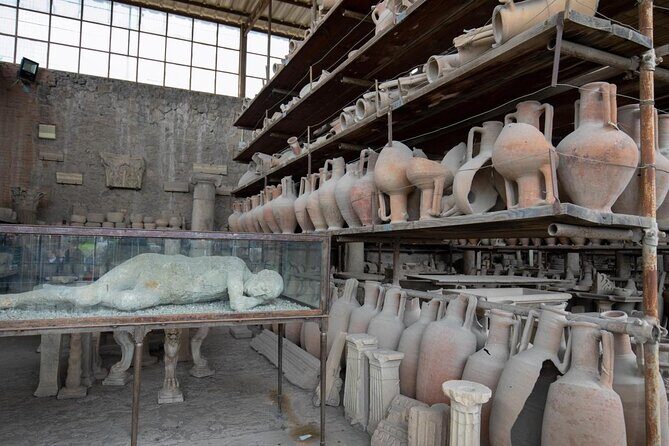
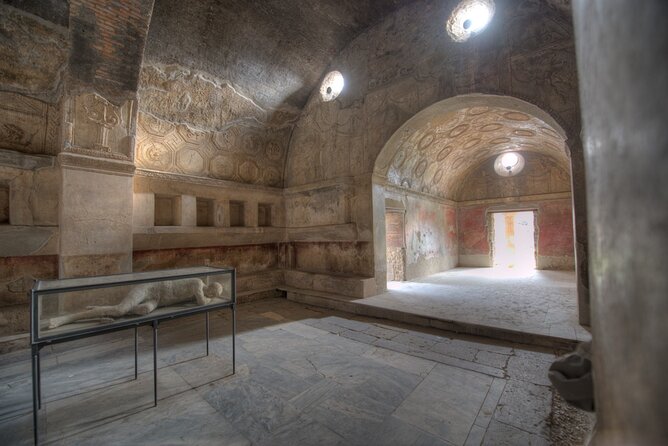
What makes Herculaneum special is the preservation method. When Vesuvius erupted in 79 AD, Pompeii was buried under pumice and ash. Herculaneum, closer to the volcano, was engulfed by a pyroclastic surge—superheated gas and ash moving at incredible speed. This dramatic difference meant that Herculaneum’s organic materials survived in remarkable condition. You’ll see wooden beams, furniture, and even food that’s still recognizable after nearly 2,000 years.
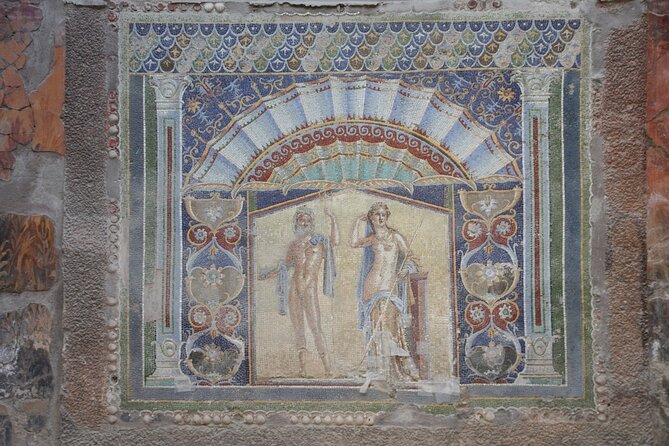
The site is also notably less crowded than Pompeii, which means you can actually stand in front of a mosaic without someone’s shoulder blocking your view. The House of the Papyri, with its collection of ancient scrolls, and the House of the Deer, decorated with sculptures, are highlights worth seeking out. The scale is more manageable than Pompeii too—you can actually get a sense of completing your visit rather than scratching the surface.
One reviewer captured this well: “The ruins of Herculaneum and Pompeii were incredible.” Another noted that while the time allocated is limited, “if you try to visit all locations yourself, you will not make it in one day. It is a bargain, highly recommended.” The key is going in with realistic expectations about coverage—you won’t see everything, but you’ll see plenty.
You can also read our reviews of more tours and experiences in Naples

Stop Two: Mt. Vesuvius—Standing on the Rim of History
After Herculaneum, you’ll head to Mt. Vesuvius National Park, where entry is included in your tour price. You have roughly 90 minutes here, which breaks down to about 30 minutes of driving/parking and an hour for the actual crater visit.
The climb itself is moderate but steady—it’s not technical hiking, but you will be walking uphill on a volcanic slope for about 20-30 minutes. One reviewer advised: “Be prepared for a ton of walking! The climb to the top of Mt. Vesuvius is a bit challenging.” Another mentioned you should “need to be in shape to climb Mont Vésuve.” This isn’t to scare you away, but wear good shoes and bring water beyond what’s provided.
The payoff is genuinely spectacular. Standing at the crater rim, you’re looking into the cone of the volcano that changed the course of history. On clear days, you can see across the Bay of Naples to Sorrento and Capri. The locals call Vesuvius the “Good Giant”—a term that speaks to how this dangerous mountain has become part of the region’s identity. One traveler described it perfectly: “We had a good hike to the crater of Mt. Vesuvius with a beautiful view of Naples, the crater, the country side, Sorrento and Capri.”
The weather matters significantly here. If conditions aren’t favorable, the crater might be closed. One traveler had their Vesuvius hike canceled due to fires in the area—their driver pivoted and arranged a wine tasting and lunch in the countryside instead, turning a potential disappointment into a pleasant alternative experience.
Stop Three: Pompeii—The Ancient City That Stopped in Time
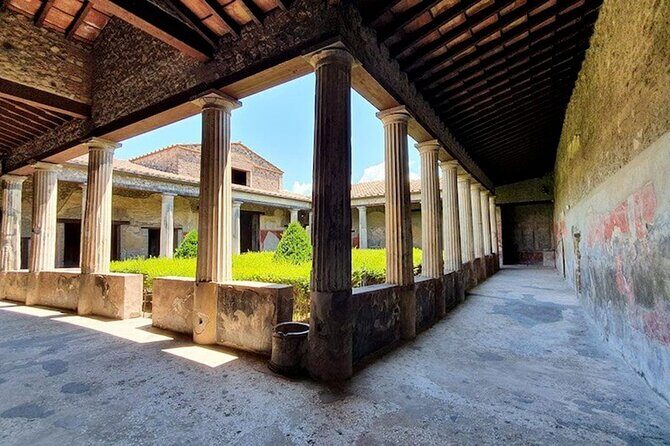
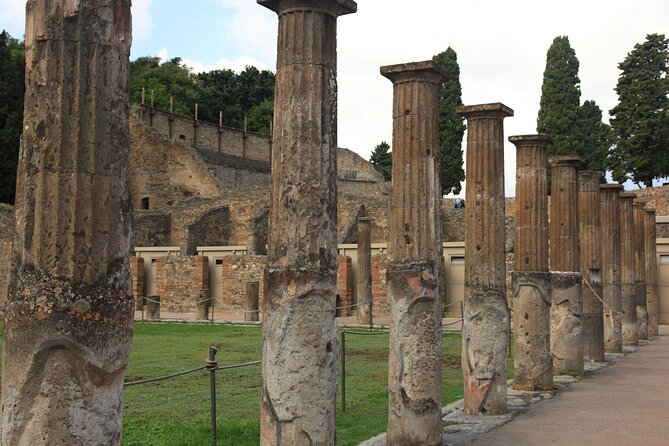
You’ll spend your final 2 hours at Pompeii Archaeological Park, the world’s most famous open-air museum. This is where you’ll want to be strategic about your time.
Pompeii is enormous—roughly 170 acres with thousands of structures. In 2 hours, you cannot see everything. Several reviewers mentioned this limitation honestly: “Pompeii is very big so I had to rush to see it but I also wanted to see Vesuvius park and Herculaneum on the same day so this tour really met my expectations.”
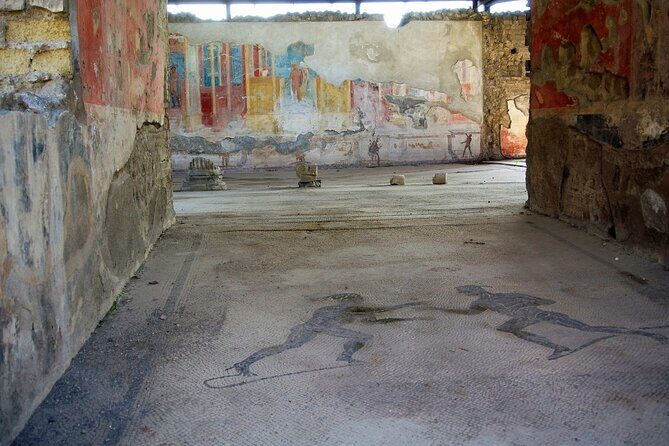
What you should prioritize: the Temple of Apollo, the Forum (the commercial and political heart of the city), the House of the Faun with its stunning Alexander Mosaic, the Amphitheater, and the House of the Vettii if time allows. Download a map app before you arrive—you’ll be navigating independently, and having a digital guide helps you make the most of your time.
One critical piece of advice from a traveler who learned this the hard way: “Get your Pompeii tickets immediately after booking. It isn’t explained well in the description but you have to get them on your own from their website and spaces are limited daily. I didn’t get that info until the night before the trip and was lucky to be there early to get in. Walking up and hoping is very stressful.” Book your Pompeii tickets online as soon as you book the tour. Don’t wait.
The Driver Experience: What Sets This Tour Apart
The quality of your day hinges significantly on your driver. This is important because you’ll be spending 4-5 hours in a minibus with this person, and they’re your primary source of information about the sites.
The reviews reveal a pattern: good drivers make this experience genuinely enjoyable. One group had drivers named Polly and Enzo, and their review captures what makes the difference: “On the ride to Herculaneum, Polly kept us engaged with fascinating stories and history, making the drive itself part of the experience… Polly’s insights… made the day even more meaningful… Enzo was a fantastic driver, navigating the day with ease and comfort.”
Another traveler praised their driver Luca: “Luca was a laugh a minute and the highlight of the day. He was very knowledgeable and had a humorous way of telling stories about history and life in Italy.” And another appreciated how their driver Caesar “explained what we needed to do to buy our tickets when we arrived at Herculaneum and Pompeii. Everything was very straightforward.”
These aren’t minor details. When your driver is knowledgeable, personable, and genuinely interested in the sites, the drive between locations becomes part of the education, not dead time. The minibus size (typically 8-12 people based on reviews) is small enough that you feel like you’re with a group, not part of a massive tour bus, but large enough to share costs.
Not every experience is perfect, though. Some travelers felt their driver was friendly but limited in expertise. Others were disappointed that on-board commentary was their only source of detailed information. The company’s response to these concerns is consistent: the tour is designed this way intentionally. If you want a licensed guide at the sites, you need to book and pay for that separately.
The Hidden Costs and How to Budget Properly
This is where brutally honest planning matters. Here’s what you’re looking at:
Tour base price: $145.12 per person
Actual site entries:
– Herculaneum: €13 per person
– Pompeii: €18 per person
– Vesuvius: Included
– Subtotal for entries: €31 per person ($34 USD)
Optional but realistic:
– Lunch: €15-40 per person depending on where you eat
– Licensed guide at sites: €20-25 per person (if you want one)
– Parking, drinks, snacks: €10-15 per person
Real total per person: $190-240 USD
One traveler calculated their entire day at over €470 for two people ($510 USD), which was more than double the base tour cost. They weren’t complaining about being overcharged—everything was disclosed. They were simply pointing out the math doesn’t match the initial price impression.
The transparency here matters. The tour operator’s website clearly lists what’s not included. But the gap between what you see advertised and what you actually spend can feel jarring if you don’t read carefully.



Who Should Book This Tour—And Who Shouldn’t
This experience works exceptionally well for:
Time-constrained travelers. If you’re in Naples for 2-3 days and want to see all three sites, this is vastly more efficient than figuring out public transportation or renting a car. As one satisfied traveler noted: “Best choice if you stay in Napoli for a couple of days. You will not have enough time to explore all Herculaneum and Pompei however if you try to visit all locations yourself, you will not make it in one day.”
Independent explorers. If you enjoy wandering, reading plaques, using apps, and discovering things at your own pace rather than following a guide’s scripted narrative, you’ll appreciate the freedom here. Several reviewers specifically mentioned preferring this approach: “We were dropped off at the 3 locations and left to tour our way—which we prefer.”
Cruise passengers. The tour offers pickup at the cruise terminal and returns you there, solving the transportation puzzle for people with limited time in port.
Budget-conscious travelers (with caveats). If you factor in the convenience of transportation, the included Vesuvius entry, and comfortable minibus travel, the value is reasonable compared to arranging everything independently. Just don’t underestimate the additional costs.
This tour doesn’t work well for:
People wanting guided experiences. If you expect a licensed archaeologist walking you through the ruins, pointing out details and answering questions in real-time, you need a different tour. Multiple reviewers expressed disappointment on this point, though the tour operator’s response is fair—this limitation was disclosed upfront.
Travelers needing extensive Pompeii time. If seeing Pompeii thoroughly is your priority, dedicate a full day to it. Two hours here feels rushed if that’s your main interest.
Those uncomfortable with self-directed exploration. If you need hand-holding and clear direction, the independence required here might feel stressful rather than liberating.
Practical Details That Matter
Pick-up timing: You’ll need to arrange pick-up at either the cruise terminal (Stazione Marittima) or the Ramada by Wyndham Naples. Confirm your exact time when you book—the tour requires coordination.
Group size: The minibus typically holds 8-15 people. This is small enough to feel personal but large enough to keep per-person costs reasonable.
Physical demands: You’ll do significant walking at all three sites, plus a moderate uphill climb at Vesuvius. Wear comfortable shoes and bring sunscreen. The Vesuvius climb takes about 30 minutes round-trip at a steady pace.
Weather considerations: The tour operates in most weather, but Vesuvius access can be restricted by poor visibility or hazardous conditions. The company isn’t responsible for weather-related closures, but they’ll offer alternatives (like the wine tasting that replaced one group’s Vesuvius visit).
Cancellation policy: You can cancel free up to 24 hours before departure. Less than 24 hours, and you lose your money. Book with confidence knowing you have a full day to change your mind if needed.
What to bring: Comfortable walking shoes (non-negotiable), sunscreen, hat, water bottle (they provide one bottle, but you’ll want more on a hot day), portable phone charger, and a small backpack. Download offline maps of both sites before you go.
FAQ: Practical Questions Answered
Q: Do I really need to buy tickets to Pompeii and Herculaneum separately?
Yes. The tour includes only Vesuvius entry. You’ll purchase Pompeii and Herculaneum tickets either online in advance or at the gate. Book Pompeii online ahead of time—spaces are limited daily and showing up hoping for walk-up entry can be stressful.
Q: Is 2 hours enough time at Pompeii?
It depends on your expectations. You’ll see major highlights and get a sense of the site, but you won’t explore comprehensively. If Pompeii is your primary interest, consider a full-day dedicated visit instead. For a multi-site day, 2 hours works if you’re selective.
Q: Will the driver guide us through the archaeological sites?
No. The driver provides commentary during the minibus rides to and between sites. At each location, you explore independently using maps, apps, or printed guides. This is a key distinction—read the tour description carefully if you’re unsure about this.
Q: How difficult is the climb up Vesuvius?
It’s moderate. You’re walking uphill on a volcanic slope for roughly 20-30 minutes. It’s not technical hiking, but you should be in reasonable physical condition. Wear good shoes and take your time. If weather or visibility is poor, access may be restricted.
Q: What if I want a licensed guide at the sites?
You can arrange one for additional cost (typically €20-25 per person), though you’d need to book this in advance or coordinate with the tour operator. Alternatively, many travelers successfully use apps like Pompeii Guide or printed guides available at the sites.
Q: Are meals included?
No. Lunch is on you. There are restaurants and cafes near all three sites, though dining at Pompeii tends to be pricier. Budget €15-30 per person for a basic meal. One traveler noted they felt obligated to join a group lunch, which increased their costs significantly—plan ahead to avoid surprises.
Q: Can I book this tour with a small group or friends?
Yes. Groups regularly book together, and the minibus accommodates small parties. The tour requires a minimum number of passengers (typically 4-6), and it can be canceled if that minimum isn’t met 24 hours before departure. Larger groups are more likely to depart as scheduled.
Day Trip of Pompeii, Herculaneum and Vesuvius from Naples
The Bottom Line: Is This Tour Worth Your Money?
This tour delivers genuine value if you understand what you’re buying and budget accordingly. You’re paying for convenient transportation between three significant archaeological sites, included entry to Vesuvius, and access to knowledgeable drivers who can share local insights during the journey. The flexibility to explore each site at your own pace appeals to independent travelers who don’t want to follow a guide’s scripted narrative.
The 4.5-star rating from 547 reviews reflects a tour that generally satisfies its core promise: getting you to three major sites in one day without the logistical headache. The negative reviews almost universally stem from mismatched expectations about what “guided tour” means in this context—many people expected walking guides at the sites and were surprised to learn they don’t get that.
At $145 base price, this seems reasonable. At $200-240 total per person including site entries and lunch, it’s still competitive with alternatives, especially when you factor in the convenience of coordinated transportation and included Vesuvius entry.
Book this tour if you’re visiting Naples with limited time, value independent exploration, want to see three major sites in one day without planning transportation logistics, and don’t mind navigating archaeological sites with maps and apps. Skip it if you want a licensed archaeologist guiding you through the ruins, if you need extensive time at any single site, or if you prefer more structured, hand-held experiences. The best travelers for this experience are those who read the fine print, budget realistically for the hidden costs, and embrace the flexibility of self-directed exploration.