We’ve reviewed plenty of day tours over the years, and the ones that stick with you are the ones that balance substance with practicality. This 10-hour excursion from Tbilisi checks both boxes beautifully: you’re getting genuine historical significance without feeling rushed through UNESCO sites like you’re on a museum conveyor belt. The guides consistently earn praise for bringing centuries of Georgian history to life with real knowledge rather than rehearsed scripts, and at $29 per person, you’re looking at exceptional value for a full day of transportation, professional guidance, and access to some of the country’s most important cultural landmarks.
One thing worth knowing upfront: this tour involves considerable walking over uneven terrain, particularly at Uplistsikhe’s cave city. The itinerary also includes a visit to the Stalin Museum, which some travelers find more interesting with context than others. That said, the flexibility built into the tour—with optional lunch and free time to explore—means you’re not locked into experiencing everything the same way as the person next to you.
This tour works best for history enthusiasts, cultural explorers, and travelers who want to understand Georgia’s layered past without renting a car or navigating the country alone. If you’re spending just a few days in Tbilisi and want to see the most important sites outside the capital, this is the tour to book.
- What You’re Actually Getting: The Real Value Breakdown
- Stop One: Uplistsikhe Cave City—The Highlight Most People Remember
- Stop Two: Gori and Lunch—Where You Get to Make Choices
- Stop Three: Stalin Museum—The Controversial Must-See
- Stop Four: Jvari Monastery—Where the Rivers Meet
- Stop Five: Svetitskhoveli Cathedral—The Grand Finale
- The Guides Make or Break This Tour
- What Travelers Actually Say: Real Feedback From Real Visitors
- Practical Details That Actually Matter
- Is This Tour Right for You?
- Frequently Asked Questions
- The Best Of Tbilisi!
- More 1-Day Tours in Tbilisi
- More Tour Reviews in Tbilisi
What You’re Actually Getting: The Real Value Breakdown
Let’s talk about what $29 really means in this context. Most group tours of this caliber run $50-75 per person in other countries. You’re getting round-trip transportation from central Tbilisi, a professional English-speaking guide for the entire day, and entrance fee flexibility that lets you choose which sites matter most to you. The tour operates year-round in all weather conditions, departs at 9 a.m., and gets you back to the Avlabari metro station by early evening—making it genuinely practical for travelers working with a limited schedule.
The group size maxes out at 100 people per departure, but most reviews mention traveling with groups closer to 12-16 people. That’s the sweet spot for a day tour: large enough that you’re not the only family or couple, small enough that you’re not herding through sites like cattle. One traveler noted they “traveled in a 16 passenger van with just 12 of us,” which speaks to how these tours often operate in practice.
Transportation matters more than people think on long day trips, and the reviews repeatedly mention comfortable rides and safe, skilled drivers. One guest specifically praised their driver for managing “what can be chaotic Georgian roads” with confidence. Another traveler’s guide and driver were so well-coordinated that “we were always the first ones to arrive at the sites, and so they weren’t crowded at all.” That kind of logistical excellence is worth its weight in gold when you’re trying to see multiple locations in a single day.

👉 See our pick of the 15 Best Walking Tours In Tbilisi (With Reviews & Prices)
Stop One: Uplistsikhe Cave City—The Highlight Most People Remember
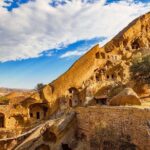
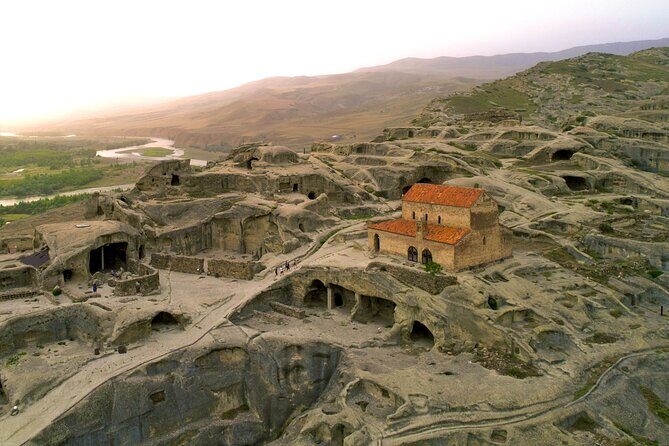
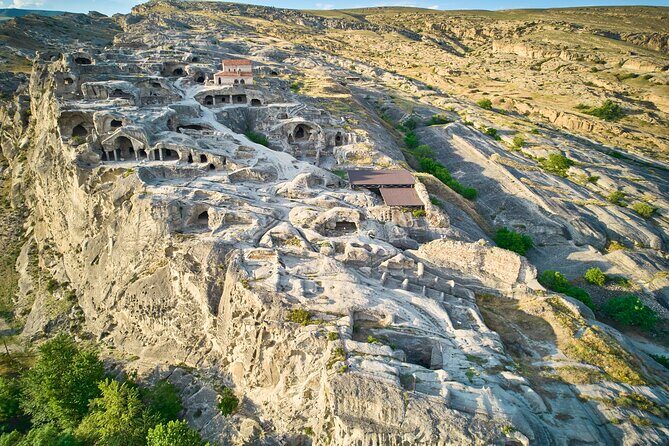
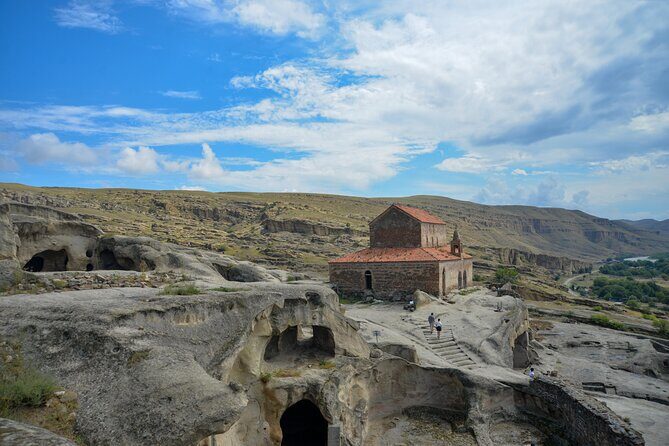
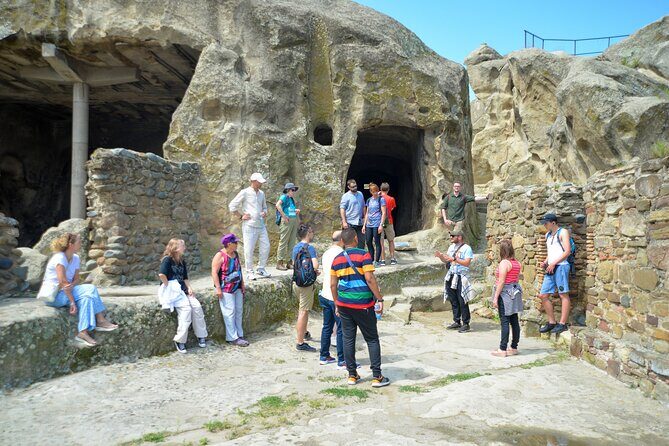
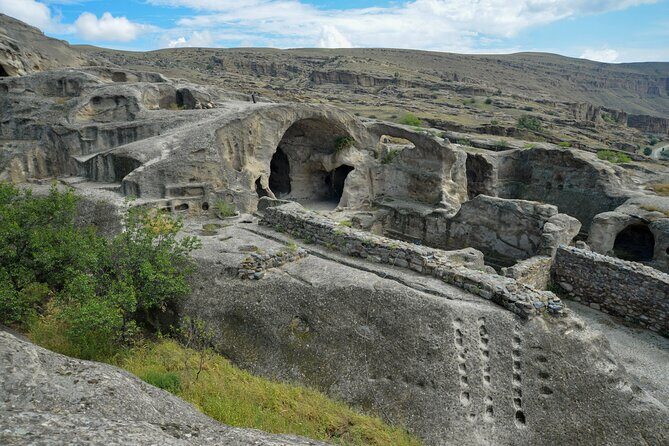
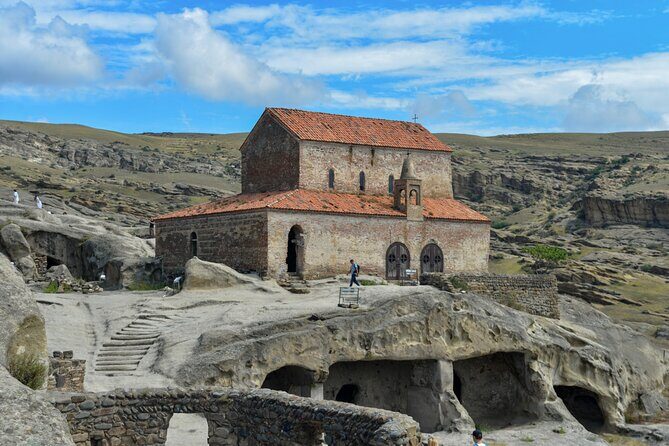
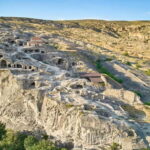
You start your day by 11 a.m. at Uplistsikhe, a rock-hewn settlement that’s been carved into the landscape since the Early Iron Age. This isn’t just old; it’s architecturally significant old. The site represents a unique blend of Anatolian and Iranian rock-cut traditions, with pagan and Christian structures existing side by side. What that means in practical terms is you’re looking at cave dwellings, churches, and communal spaces all carved directly from the stone—a tangible window into how people actually lived centuries ago.
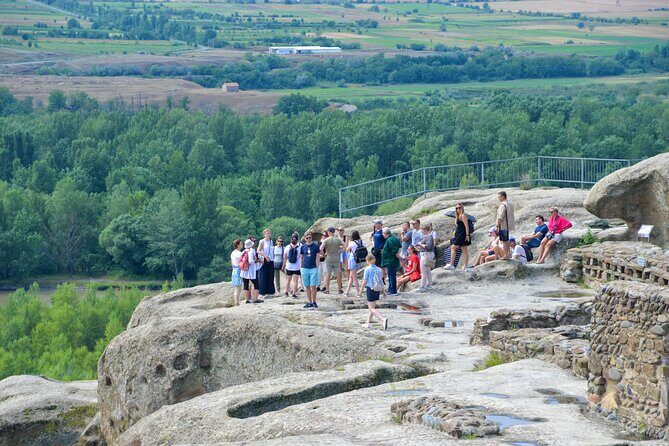
The entrance fee is 15 GEL (about $6), which isn’t included in your tour price. You’ll spend roughly 90 minutes here, which gives you time to explore without feeling pressured. One reviewer who had visited Cappadocia’s famous cave structures said, “Even if you’ve been to Cappadocia, you will still be impressed by the cave city, as it’s very different.” Another traveler called it “a fascinating mix of mystery, human ingenuity, and stunning views,” highlighting how the site works on multiple levels—you’re getting history, geology, and scenery all at once.
Here’s what matters for practical planning: bring proper footwear. Multiple reviewers mention uneven ground and lots of steps. One experienced traveler advised, “it’s a challenging trek over uneven ground and lots of steps for us older folk! Don’t be put off however, it’s manageable with sensible footwear and a hat. Do bring your own bottled water though as none is provided.” There’s a café and restrooms at the entrance and exit, but don’t count on finding water bottles for sale. The site sits on the left bank of the Mtkvari River, so the views themselves are worth the walking.
You can also read our reviews of more tours and experiences in Tbilisi
Stop Two: Gori and Lunch—Where You Get to Make Choices
By 1 p.m., you’re in Gori, a city that’s been inhabited since the Bronze Age and carries weight from medieval Georgian history through recent conflict. This is where the tour structure gets interesting: you can either opt for the included free time to explore the city independently, or add lunch at a local restaurant for about $17 per person.
The lunch option deserves attention because it’s genuinely optional and genuinely worth considering. Travelers who chose it reported “delicious and plentiful” food that gave them “the full Georgian experience.” One guest noted that choosing lunch also meant “you get to spend more time with the group,” which appeals to solo travelers looking to meet people. However, another traveler felt the restaurant logistics were awkward—”the food place isn’t in the city center, so if you’re not choosing the free time, they drive you there, then drive you back”—suggesting that timing and logistics can vary.
If you skip the organized lunch, you’ll have roughly 90 minutes of free time. Several travelers used this to visit Gori Fortress, a medieval stronghold that offers panoramic views of the city and surrounding landscape. One reviewer specifically recommended it: “We decided to visit the Gori Fortress instead, a medieval stronghold that offers an eagle-eye view of the city of Gori and its surroundings. It’s a great spot for taking panoramic photos and simply enjoying the scenery.” That kind of flexibility—where you can customize your experience based on your interests—is genuinely valuable.
Stop Three: Stalin Museum—The Controversial Must-See
The Stalin Museum sits at 2:45 p.m. on the itinerary, and yes, it’s worth discussing because it generates mixed feelings. The entrance fee runs 15 GEL (about $6), and it’s optional. The museum preserves Soviet-era characteristics, Stalin’s original house, and his railway carriage—essentially creating a time capsule of a specific historical moment.
Some travelers came specifically for this. One said, “Wanting to see the birthplace of Joseph Stalin is why I chose this tour,” and found the experience thought-provoking. Another noted that “The Stalin Museum especially, I feel wouldn’t have been as interesting without the guide’s commentary”—which tells you something important. The quality of your guide dramatically affects how you process what you’re seeing here. With a guide providing context and perspective, it becomes a meaningful historical stop. Without that guidance, it’s just a museum building.
One traveler deliberately skipped it: “I wasn’t really apprehensive about the Stalin Museum but it turned out to be an interesting experience.” That’s honest feedback suggesting the museum might surprise you in a positive way even if you’re uncertain about it going in. The important thing is that it’s optional—you’re not forced to visit if it doesn’t align with your interests or comfort level.
Stop Four: Jvari Monastery—Where the Rivers Meet
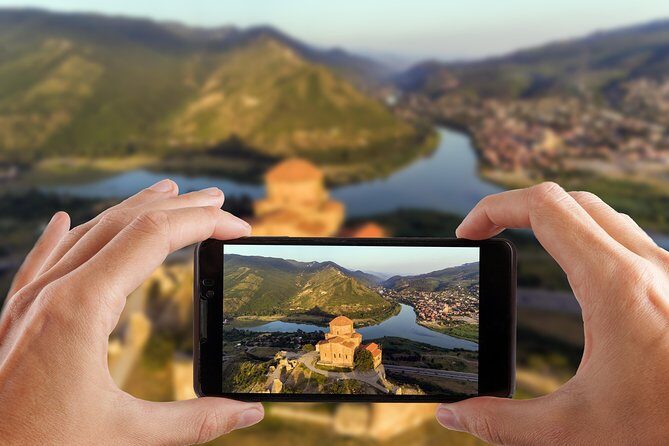
At 4:35 p.m., you arrive at Jvari, the “Monastery of the Cross,” a 6th-century Georgian Orthodox monastery that sits on a rocky mountaintop at the confluence of the Mtkvari and Aragvi rivers. This is where you get your first real sense of the physical landscape that shaped Georgia’s history. The monastery overlooks Mtskheta, the former capital, creating a visual connection between past and present.
Jvari is a UNESCO World Heritage Site, and the 30 minutes you spend here is enough to walk around the exterior, take in the views, and absorb the spiritual weight of the place. One traveler specifically mentioned “Despite the weather doing its best to dampen the experience at the final two stops, we thoroughly enjoyed visiting Jvari Church and Svetitskhoveli Cathedral.” That comment matters because it suggests these sites have genuine power even in less-than-ideal conditions.
There’s no entrance fee for Jvari—it’s free to visit. The views from the monastery encompass the valley below and the surrounding hills, making it a photographer’s favorite and a moment to pause and reflect on what you’ve already seen that day.
Stop Five: Svetitskhoveli Cathedral—The Grand Finale
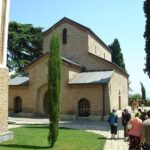
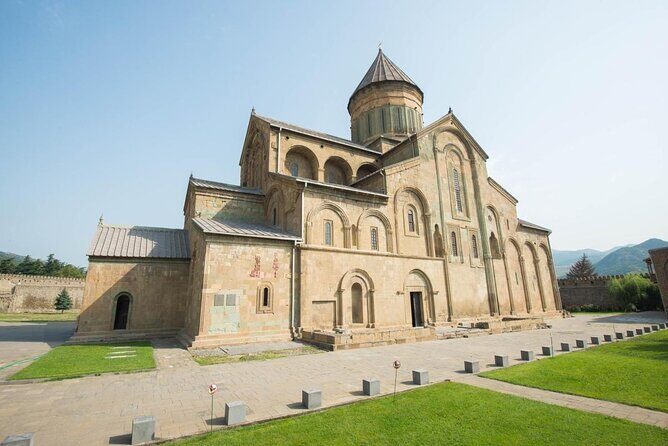
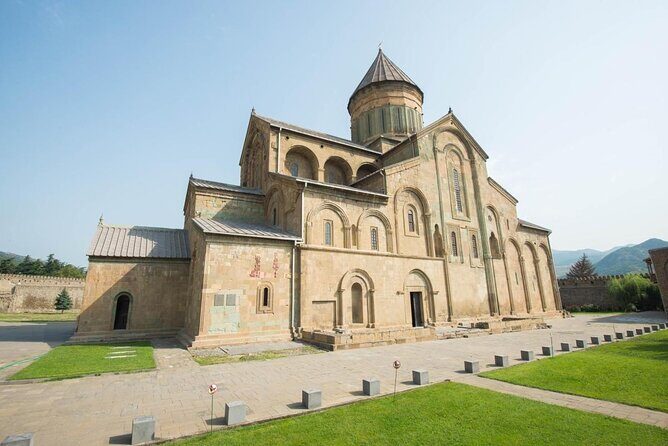
Your final major stop, arriving around 5:25 p.m., is Svetitskhoveli Cathedral in Mtskheta, the second-largest church in Georgia after the Holy Trinity Cathedral. The name translates to “Cathedral of the Living Pillar,” and it’s one of the principal Georgian Orthodox churches. Historically, it served as the coronation and burial site for most Georgian kings until the 19th century. The cathedral is also believed to be the burial site of Christ’s robe, making it a place of significant pilgrimage.
Mtskheta itself is one of Georgia’s oldest cities, founded in the 5th century and serving as the capital of the kingdom of Iberia from the 3rd century BC onward. Walking through Mtskheta and approaching the cathedral, you’re walking through layers of history. One reviewer noted that “Finishing the tour in Mtskheta at sunset was a nice touch,” suggesting that the tour’s timing often works out to catch good light at this final stop.
The cathedral has no entrance fee, but dress code matters here. Women need to cover their heads, and shorts aren’t permitted for anyone. If you’re not prepared, you might not be able to enter, so plan accordingly. One traveler mentioned being “apprehensive” about the experience but ultimately found it meaningful—the spiritual atmosphere and architectural beauty tend to resonate even with skeptical visitors.

The Guides Make or Break This Tour
Here’s something that jumps out from reading through the reviews: the guides genuinely matter. This isn’t a tour where you’re herded through sites by someone reading from a script. The guides consistently get praised for specific qualities: knowledge of Georgian history, the ability to connect historical facts to the places you’re seeing, friendliness, humor, and responsiveness to questions.
One traveler said their guide “is a very knowledgeable, calm, good guy. Great for conversation and filled us with a great amount of information.” Another noted, “Learning a lot of history and loved the cave town and Stalin museum.” A third reviewer specifically mentioned that their guide “speaks fluent English and is very passionate about her job. I understand more about the history of Georgia after this tour.”
The guides we see named in reviews include Nini, Metroman, Niko, George, Paata, Giorgi, Dimitri, Maria, Omar, Nina, Tota, Toka, Shoti, Tako, Nene, and Deme. The fact that multiple guides are named and praised specifically suggests this isn’t a company where one person carries the load—it’s a team effort, and the company clearly invests in quality guide training.
What Travelers Actually Say: Real Feedback From Real Visitors
With 1,801 reviews and a 4.9 average rating, the feedback is substantial enough to reveal patterns. The overwhelming majority of travelers (99% recommended the tour) mention specific things they appreciated: the itinerary pacing, the guide’s knowledge, the variety of sites, and the value for money.
One consistent theme: travelers appreciate that the tour doesn’t feel rushed. “The itinerary was well planned and covered important historical sites without feeling rushed” is representative of multiple reviews. This matters because day tours often sacrifice depth for quantity. This one seems to find a middle ground.
Another pattern: solo travelers and couples consistently mention meeting other travelers through the tour. One solo traveler said the group lunch “gave us the chance to sample Georgian food” and connect with others. The tour structure—starting at a “Traveler’s Meeting Point” with board games, music, and wine—actively facilitates this social element.
There’s also honest criticism. One traveler noted there was “a lot of dead time in Gori” and suggested “the museum is a must see,” indicating that the free time structure doesn’t work equally well for everyone. Another mentioned that “The lunch however was disastrous. Needed to order 1 hour in advance, arrived at the restaurant. Table laden with food which was stone cold.” That’s real feedback suggesting the lunch component can be inconsistent.
One unusual review mentioned an early departure: “I thought, ‘IDK why we need to be there THAT early, but okay, they said 8:30 so 8:30.’ Get there at 8:30. The tour did NOT leave at 9:00. It left at 8:40.” The tour operator responded that early departures happen when guests arrive early, which actually gives you more time throughout the day—but the communication could be clearer.
Practical Details That Actually Matter
Timing and Logistics: The tour departs at 9 a.m. from the Avlabari metro station area and returns by 7-7:30 p.m. That’s a full day, but most reviewers found the pace manageable. One traveler mentioned their tour “started at 7am, ended at 11pm (16hrs),” suggesting variation in actual duration depending on group dynamics and choices made.
Weather Preparedness: The tour operates in all weather conditions, so dress accordingly. Multiple reviewers mention bringing hats and water, particularly for Uplistsikhe. Comfortable walking shoes are essential, not optional.
Group Size: Maximum 100 people per tour, but most groups run 12-16 people. This is a significant difference from larger bus tours where you might be one of 50 people.
Cancellation: Free cancellation up to 24 hours before the tour, so there’s no financial risk if your plans change.
What’s Included vs. What Costs Extra:
– Included: Round-trip transportation, professional guide, Traveler’s Meeting Point access, Jvari Monastery (free entrance), Svetitskhoveli Cathedral (free entrance)
– Not included: Uplistsikhe entrance (15 GEL/$6), Stalin Museum entrance (15 GEL/$6), lunch in Gori (45 GEL/$17)
In total, if you want the full experience with all entrances and lunch, you’re looking at roughly $58 per person—still competitive for a full day of guided touring.
Is This Tour Right for You?
This tour is genuinely good for history buffs, cultural explorers, and travelers with limited time who want to understand Georgia beyond Tbilisi. It’s particularly valuable if you don’t have a car or don’t want to navigate Georgian roads yourself. It works well for solo travelers who want structure and the chance to meet others. It’s less ideal if you want a leisurely pace or prefer exploring one site deeply rather than sampling multiple locations.
The physical demands (walking, uneven terrain, steps) mean it’s not ideal for travelers with significant mobility limitations, though one reviewer noted that with sensible footwear and planning, it’s manageable for older travelers.
Bottom line: This is a well-executed, genuinely valuable tour that delivers on the promise of seeing Georgia’s most important historical sites outside Tbilisi. The guides know their material, the logistics work, and at $29 base price, you’re getting exceptional value. The flexibility to customize your experience—choosing lunch or free time, which museums to visit—means you’re not locked into someone else’s vision of what matters. Book it if you want real history, real guides, and real value.
Day Trip to Mtskheta Gori and Uplistsikhe
Frequently Asked Questions
Q: Is the entrance fee to Uplistsikhe really not included in the $29 price?
A: Correct. The base price covers transportation and guiding, but Uplistsikhe entrance is 15 GEL (about $6) extra. The Stalin Museum is also optional at 15 GEL. Jvari and Svetitskhoveli are free to enter. This structure actually works in your favor if you want to customize your experience—you’re not paying for sites you don’t want to visit.
Q: How much walking is involved, and is it accessible for people with mobility issues?
A: Uplistsikhe involves considerable walking over uneven ground with lots of steps. Multiple reviewers mention this as a challenge, though one noted it’s “manageable with sensible footwear and a hat” for older travelers. The other sites involve moderate walking. If you have significant mobility limitations, this tour would be challenging. Discuss your specific needs with the tour operator before booking.
Q: What’s the deal with the lunch option, and is it worth the extra $17?
A: Lunch at a local restaurant costs about 45 GEL ($17) and is optional. Travelers who chose it reported “delicious and plentiful” Georgian food. However, reviews suggest the lunch logistics can vary—you’re driven to the restaurant, and the food quality has been inconsistent. If you want to experience Georgian cuisine with the group, it’s worth considering. Otherwise, free time in Gori gives you flexibility to explore independently or grab faster food.
Q: What should I know about visiting the churches and monasteries?
A: Both Jvari and Svetitskhoveli have dress codes: women must cover their heads, and shorts are not permitted for anyone. There’s no entrance fee to either site, but if you’re not dressed appropriately, you won’t be allowed in. The sites are actively used for worship, so behave respectfully.
Q: How early do I need to arrive at the meeting point?
A: The tour departs at 9 a.m., and you’re asked to arrive by 8:30 a.m. One traveler noted the tour actually left at 8:40 a.m. when everyone had arrived early. Arriving early gives you time to meet other travelers at the Traveler’s Meeting Point, which has wine, board games, and music. Plan to arrive by 8:30 to be safe.
Q: Is the Stalin Museum worth visiting, or can I skip it?
A: It’s entirely optional, and whether it’s worthwhile depends on your interests. Reviewers who visited found it more interesting with the guide’s commentary providing historical context. If you’re interested in Soviet history or want to understand this period of Georgia’s past, it’s worth the 15 GEL entrance fee. If you prefer to spend the time exploring Gori or resting, skipping it is perfectly fine—the tour accommodates both choices.