Dresden can feel like a postcard from a distance, but this guided city walk makes the place click on a deeper level. In just 90 minutes, you get a clear storyline from Middle Ages hardship to Renaissance energy, Baroque grand design, and the meanings people still carry from 1989.
I love that the route is built around big, recognizable landmarks like the Frauenkirche and the Semperoper, not random trivia stops. I also like that you don’t just stare at buildings—you learn why Dresden looks the way it does, including the way newer, sometimes controversial construction fits into the city’s long memory.
One consideration: the tour runs in German only, so if you’re not comfortable with that, you’ll want to choose a different option or be ready for a lot of explanation you can’t fully follow.
- Key things to know before you go
- A 90-minute Dresden walk that connects buildings to real stories
- Price and value: for guided context, not just sightseeing
- Where the tour starts: Dresden Information in the QF Passage
- What to expect: a guided timeline from Middle Ages to modern Dresden
- Stallhof: the courtyard feel that sets the tone
- Fürstenzug, the Procession of Princes: a street-level art lesson
- Brühl’s Terrace: the view-and-story combo
- Semperoper: why the theater is more than a theater
- Zwinger: Baroque at full volume
- Nymphenbad in the Zwinger: the mystery stop
- Dresden Castle and Residenzschloss area: royal buildings with context
- Augustus Bridge and Taschenbergpalais: the city’s links and transitions
- Finishing near the Frauenkirche: a powerful ending point
- Skip-the-ticket-line style logistics (and why it matters)
- Insider tips from your guide: where to eat and what to do next
- Group-friendly experience details: wheelchair access and pace
- Language note: German only
- Booking flexibility: free cancellation and pay later
- Child and school group policies
- Who this tour is best for
- Should you book this Dresden Guided City Walk?
- FAQ
- Is the Dresden city walk 90 minutes long?
- How much does the guided city walk cost?
- Where do I meet for the tour?
- What sights will I see during the walk?
- What’s included with the ticket?
- Is the tour wheelchair accessible?
- What language is the tour offered in?
- Is there an option to skip the ticket line?
- What are the cancellation terms?
- More Guided Tours in Dresden
- More Walking Tours in Dresden
- More Tour Reviews in Dresden
Key things to know before you go
 1 / 10
 2 / 10
 3 / 10
 4 / 10
 5 / 10
 6 / 10
 7 / 10
 8 / 10
 9 / 10
 10 / 10
- 90 minutes is long enough for real context, short enough to stay energized
- You’ll see major Baroque landmarks plus lesser-known details like the Nymphenbad in the Zwinger
- The guide shares stories that connect architecture to moments like the Peaceful Revolution of 1989
- Check-in happens at the QF Passage level, in the Dresden Information seating area
- Expect best photo stops built into the walk, not just a speed tour
- It’s wheelchair accessible, with a walking pace designed for a guided group
A 90-minute Dresden walk that connects buildings to real stories
This is the kind of tour I like when I’m visiting a city for the first time. You get the headline sights right away—Frauenkirche, Semperoper, the Zwinger—but the payoff is how your guide stitches them together into a timeline you can actually remember.
Dresden’s past isn’t just dates on a board. The tour frames eras as emotional shifts: darker days in the Middle Ages, Renaissance vigor, Baroque grandeur, and then the complicated feeling of modern times after Germany’s division. You’ll hear how the background of the Peaceful Revolution in 1989 shaped the people living through it—something you can’t easily get from guidebook reading.
You can also read our reviews of more walking tours in Dresden
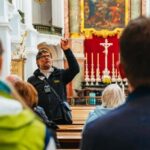


Price and value: $15 for guided context, not just sightseeing
At $15 per person for 90 minutes, this is solid value—especially because it’s not only a walking route. Your ticket covers a live, licensed city guide, stops at major attractions, and built-in time for the best photo opportunities.
Also, the tour includes a visit to the Nymphenbad in the Zwinger. That’s the sort of detail that can get skipped when you go alone, because it’s not always the first thing travelers think to look for. Add insider tips on restaurants and leisure activities, and the guide’s value goes beyond the landmarks themselves.
Where the tour starts: Dresden Information in the QF Passage
Meeting point matters when a walking tour is time-based. Here, you meet in the Untergeschoss (basement) of the QF Passage, in the seating area of Dresden Information.
If you’re arriving by transit, take an extra moment to find that exact spot before you worry about your shoes, your camera, or where you’ll get coffee after. A small navigation win early means you can focus on the walk instead of sprinting to catch up.
What to expect: a guided timeline from Middle Ages to modern Dresden
The tour is designed as a historical storyline you walk through. You’ll move through old-town Dresden while learning how different periods shaped what you see.
You can expect the guide to talk about:
- hardship and darker times linked to the Middle Ages
- energy connected to the Renaissance
- the grandeur of the Baroque and why it looks the way it does
- the human meaning behind the Peaceful Revolution of 1989, including what it might have felt like to live in the former East and West Germany
In other words, this isn’t only architecture talk. It’s how architecture becomes a record of the city’s changing identity—sometimes triumphant, sometimes complicated, sometimes controversial.
More Great Tours NearbyStallhof: the courtyard feel that sets the tone
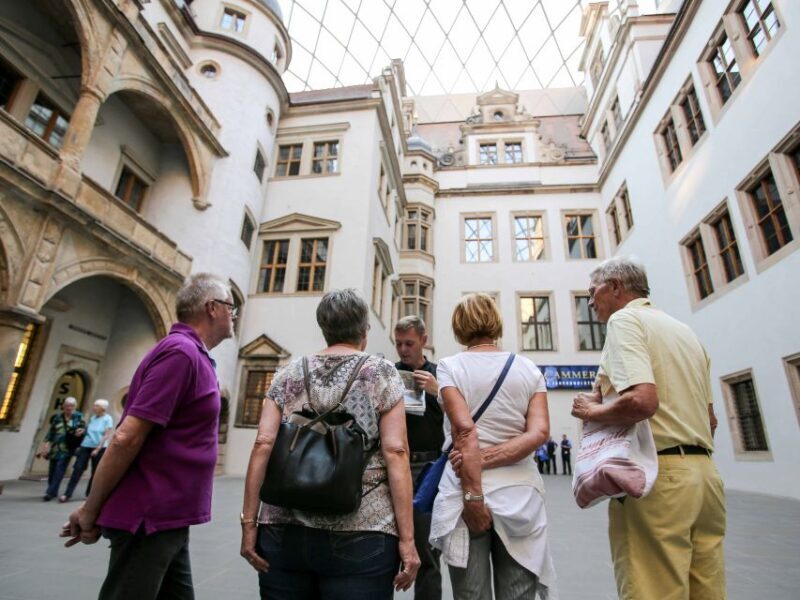
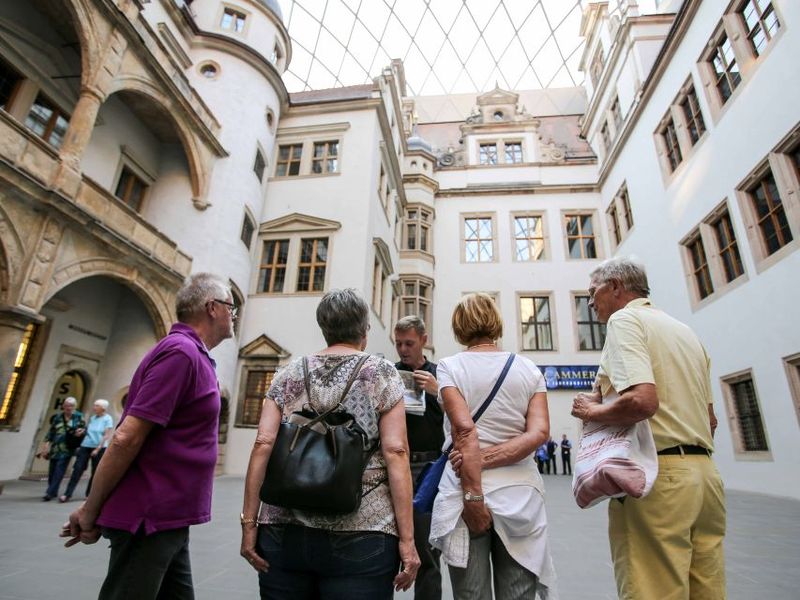
One of the first guided stops you’ll likely hit on the route is Stallhof. Think of this as a place where you get the “you are in Dresden now” moment—courtyard space, strong geometry, and a sense of how the old city worked around grand institutions.
For travelers, courtyards like this are helpful because they give you a quick reset from streets and traffic. It’s also a place where a guide can point out details that are easy to miss when you’re walking fast.
You can also read our reviews of more guided tours in Dresden

Fürstenzug, the Procession of Princes: a street-level art lesson
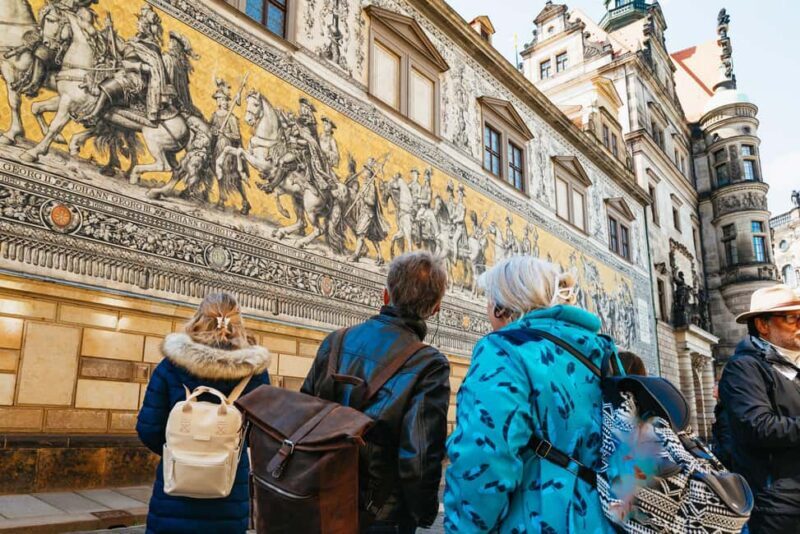
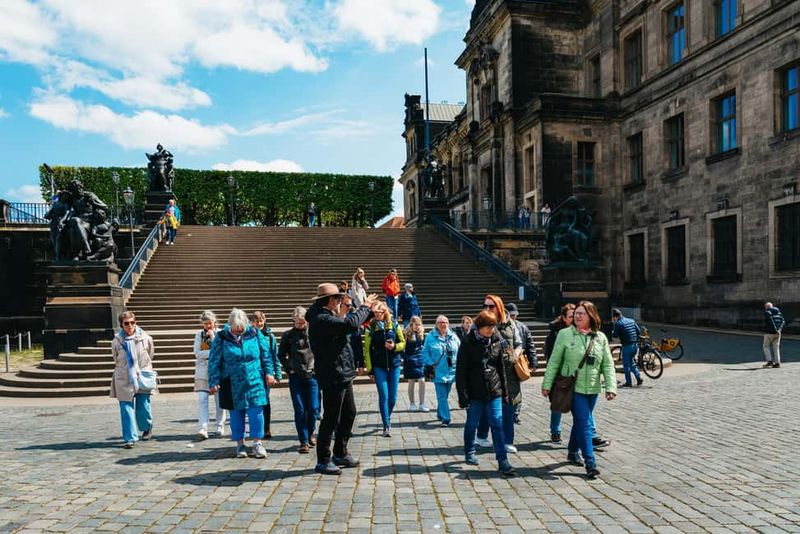
The Fürstenzug—often called the Procession of Princes—is one of those Dresden sights that feels huge even if you’re standing relatively close. This is where the city turns into a visual narrative.
On the tour, you don’t just see it. You get guided context so you understand what you’re looking at and why it matters. If you like history told through art, this is a high-value stop because you can spend a few minutes looking on your own after the guide points the right things out.
Brühl’s Terrace: the view-and-story combo
Next comes Brühl’s Terrace, a stop that blends scenery with explanation. It’s a good location for photos because it naturally gives you lines of sight and a sense of where you are along Dresden’s river area.
What makes this stop work on a guided tour is the commentary. Instead of treating the terrace as a photo background, you learn how the city’s layout and major projects tie back into older power structures and later growth.
Semperoper: why the theater is more than a theater
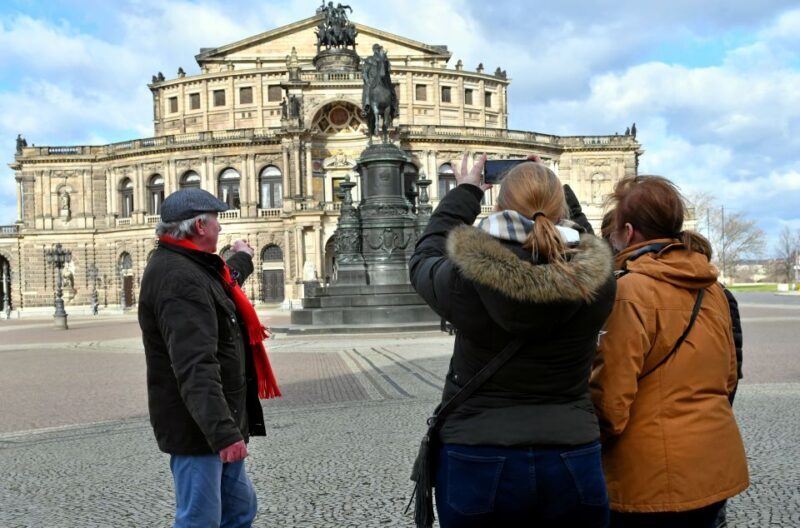
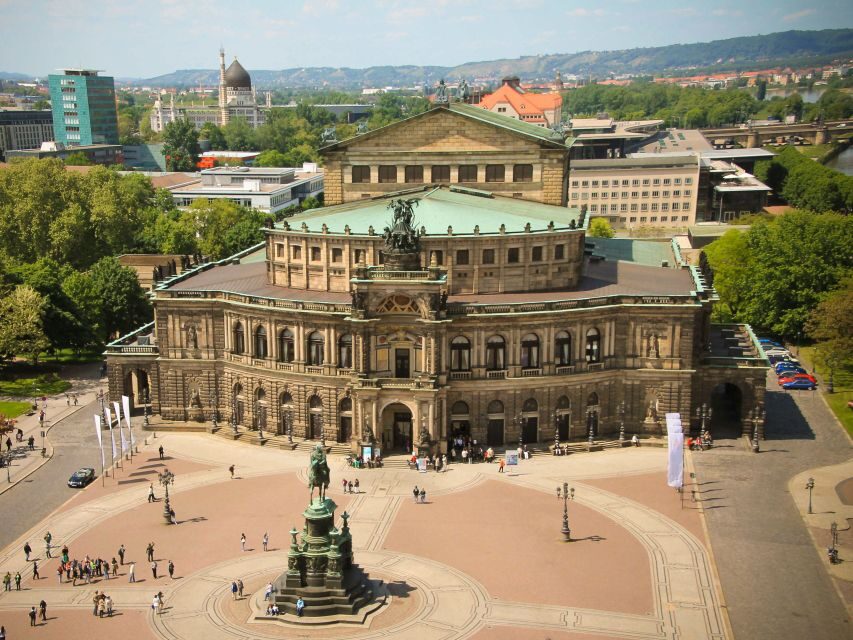
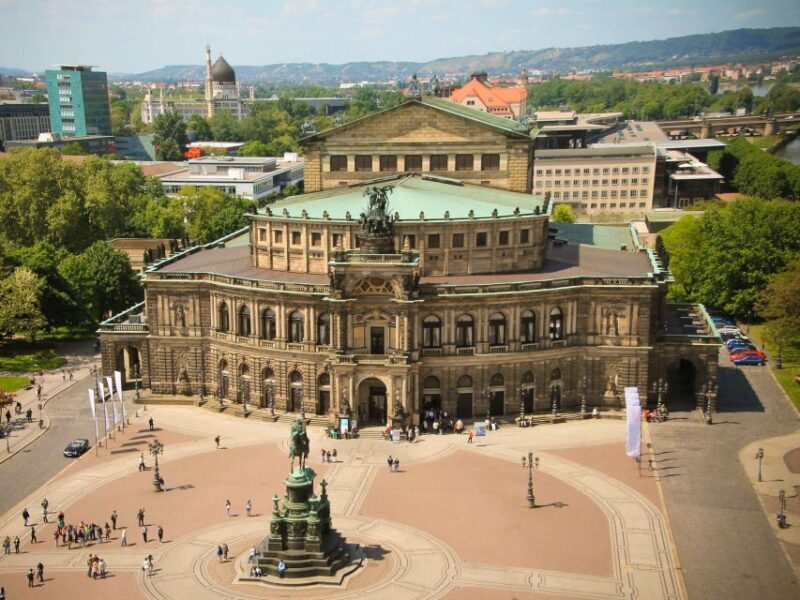
The Semperoper is one of Dresden’s most famous buildings, and the guide uses it as a teaching moment. This isn’t just about admiring the facade. It’s about the role major cultural landmarks play in a city’s self-image.
For you, that means you’ll look at the building a little differently when you’re done. You’ll likely pick up why it’s such a symbol, not only a performance venue—and how that symbolism fits with Dresden’s bigger historical arc.
Zwinger: Baroque at full volume
Then you reach the Zwinger, the kind of place where your eyes want to run ahead. But on this tour, you’re supposed to slow down. The Zwinger is a strong example of Baroque design, and your guide helps you read it as more than an impressive collection of walls.
You’ll get a guided look at how Baroque style expresses power and order. And because this is a walking tour, you’re not stuck in one spot—you connect what you saw at earlier landmarks to what you see here.
Nymphenbad in the Zwinger: the mystery stop
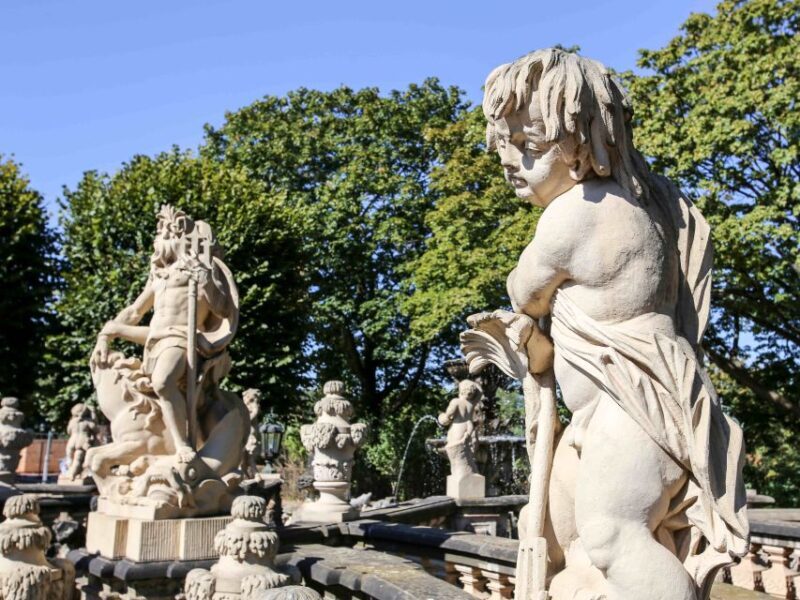
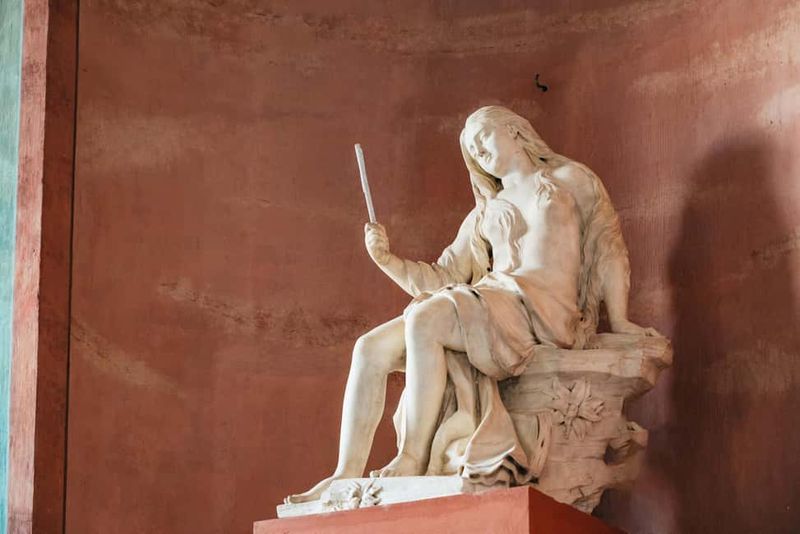
One included highlight is a visit to the Nymphenbad inside the Zwinger. The description calls it mysterious, and that’s a fair expectation—more of a “how is this tucked in here?” moment than a typical open-sky overlook.
You’ll get to experience it as part of the guided flow, which matters. When you’re alone, you might miss it or not have the patience to understand what makes it special. Here, it’s planned as a stop worth your attention.
Dresden Castle and Residenzschloss area: royal buildings with context
The tour includes Dresden Castle and references Residenzschloss as part of the sights you’ll pass and hear about. Royal residences can feel overwhelming if you show up with only curiosity but no framework.
A guided walk helps because the guide can point out what changes you should notice as you move from one viewpoint to another. Even if you don’t go inside anything, the outside conversation teaches you the logic behind the complex: where authority sat, how the city organized itself, and how later periods interpreted what came before.
Augustus Bridge and Taschenbergpalais: the city’s links and transitions
As the route continues, you’ll walk past Augustus Bridge and reach Taschenbergpalais. These stops are great for travelers who like “connective tissue” sights—places that show how Dresden links neighborhoods and eras rather than only showcasing isolated monuments.
Bridges and palaces also help the story land. They show how the city moves forward in style and planning, not just how it preserved older grandeur. If you’ve already started noticing that Dresden can have controversial modern additions, these stops give you a better sense of how old and new coexist.
Finishing near the Frauenkirche: a powerful ending point
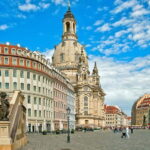
The walk ends near Frauenkirche (An der Frauenkirche, 01067 Dresden). This works well as a finale because the landmark is so central to how many visitors understand Dresden at first glance.
But the tour doesn’t treat it like a simple photo stop. It ties the feeling of place to the broader story of 1989 and the experiences people endured across East and West Germany. Even if you’re not from Germany, you’ll likely leave with a better grasp of why this building matters beyond architecture.
Skip-the-ticket-line style logistics (and why it matters)
The activity info notes skip the ticket line. That’s a practical benefit, especially in a city center where waiting can drain your energy fast.
Even though this is a guided walk, you still want to spend time learning, not standing around. In a 90-minute tour, saving time is part of the value.
Insider tips from your guide: where to eat and what to do next
One reason I’m willing to pay for a guided walk is the off-the-map guidance. This tour includes insider tips on restaurants and leisure activities.
Your best use of those tips is simple: after the walk, pick one meal and one next activity that fits your energy level. You’ll know which neighborhoods the guide thinks make sense, and you’ll avoid the trap of choosing only the most obvious options right next to the biggest landmark.
Group-friendly experience details: wheelchair access and pace
This tour is listed as wheelchair accessible. That’s important because not every “city walk” truly works for mobility needs.
Also, the duration is 90 minutes, which is a good middle ground. Long enough for a guided storyline, short enough that you’re not stuck when you’re tired, hungry, or your legs want a break.
Language note: German only
This is German only. That’s the one clear drawback to plan around.
If you speak German, you’ll likely enjoy how smooth the narrative flows. If you don’t, you can still enjoy the landmarks visually, but you should expect that some of the most meaningful historical context may be harder to follow.
Booking flexibility: free cancellation and pay later
This experience includes free cancellation up to 24 hours in advance for a full refund. It also offers reserve now & pay later, which is handy when you’re juggling weather or coordinating timing with other Dresden plans.
For a first-time visitor, that flexibility matters. Dresden history is deep, and you might want to adjust your day based on museum hours, meal plans, or transit.
Child and school group policies
The activity details include a family-planning rule: per adult, a maximum of 4 children tickets can be booked.
For larger groups, school classes and youth groups with participants under 15 years old are asked to book an exclusive group tour if the group is 10 people or more.
If you’re traveling with a mixed group, it’s worth checking these policies early so there are no surprises when you book.
Who this tour is best for
I’d steer you toward this guided walk if you:
- want a first-timer friendly route through Dresden’s main landmarks
- like your sightseeing connected to a timeline, not a list
- care about how the city experienced major historical turning points, including 1989
- want practical help finding places to eat and spend time after the tour
You might look elsewhere if you only want independent wandering with zero explanation, or if German-only is a dealbreaker for your group.
Should you book this Dresden Guided City Walk?
Yes, I’d book it if you want value that goes beyond photos. For $15 and 90 minutes, you get major sights like Frauenkirche, Semperoper, and the Zwinger, plus a planned detour to the Nymphenbad, and you leave with the kind of context that makes Dresden easier to remember.
Book it especially if you’re the type of traveler who likes a clear narrative. The guide’s stories turn the city into something you can place in time, and that’s what keeps the walk from feeling like “just another landmark tour.”
My one caution is simple: double-check that German only works for you. If it does, this is a smart, efficient way to get grounded in Dresden—old town, Baroque highlights, and the bigger human story all in one smooth loop.
Dresden: Guided City Walk
FAQ
Is the Dresden city walk 90 minutes long?
Yes. The tour duration is listed as 90 minutes.
How much does the guided city walk cost?
The price is listed as $15 per person.
Where do I meet for the tour?
You should go to the Untergeschoss of the QF Passage, and the meeting point is in the seating area of Dresden Information.
What sights will I see during the walk?
You’ll visit or pass by major attractions including Frauenkirche, Semperoper, Zwinger, Taschenbergpalais, and Augustus Bridge, along with other historic old town highlights such as Stallhof and the Fürstenzug.
What’s included with the ticket?
Included are a guided walking tour, a top-informed tour guide, stops at the best photo opportunities, insider tips on restaurants and events, and a visit to the Nymphenbad in the Zwinger.
Is the tour wheelchair accessible?
Yes, the tour is listed as wheelchair accessible.
What language is the tour offered in?
The tour is available in German only.
Is there an option to skip the ticket line?
Yes. The activity info states skip the ticket line.
What are the cancellation terms?
There is free cancellation up to 24 hours in advance for a full refund.
You can check availability for your dates here: