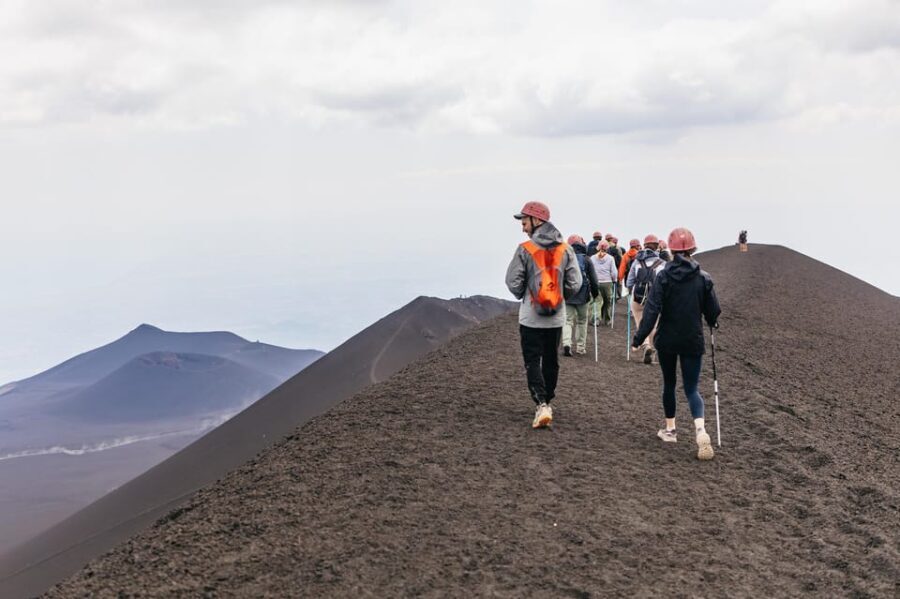
I like this Etna experience because it’s built like a real climb on an active volcano: you get certified guidance, then a mix of cable car and 4×4 up high, and finally a hands-on walk around the crater areas. It’s also fairly time-efficient at 6 hours, starting from Rifugio Sapienza on Etna’s south side.
What I especially like is how much you learn along the way. Travelers consistently mention guides who explain the volcanic mechanics clearly, from the crater rim viewpoints to the meaning of lava flows and gas emissions. The other standout is the scenery: even when conditions limit how far you go, the crater-rim panorama is still the kind of view people remember for years.
One thing to factor in: Etna is active, so the route can change. If summit access is restricted due to volcanic activity or strong winds, you may stop around 3000 m and take only the cable car, which changes both what you see and the extra cost.
- Key highlights worth booking
- Rifugio Sapienza to Ashàra meet-up: start smart
- Cable car to altitude: the shortcut that sets the tone
- 4×4 jeep transfer to 2,800 m: how it changes the day
- The climb begins: roughly 2 hours to the crater area
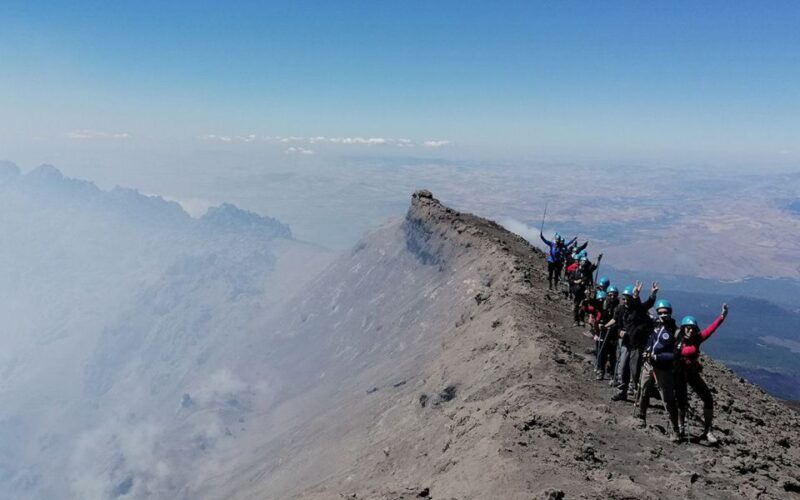
- Central Crater rim views: where the volcano story becomes real
- Lava channels and lunar-like trekking: the landform you can’t fake
- Valle del Bove: big horizons and a dramatic descent
- The extra altitude moment: return by cable car at around 2,500 m
- Guides matter on active Etna: the names people remember
- Price and logistics: what really means
- What’s included vs what you must bring
- Difficulty level: medium-high, not technical but not casual
- Weather reality: wind, snow, and itinerary changes
- Photo stops and timing: where your best shots happen
- Should you book the Etna summit craters trek?
- More Hiking & Trekking Tours in Mount Etna
- More Guided Tours in Mount Etna
- More Tour Reviews in Mount Etna
Key highlights worth booking
 1 / 10
 2 / 10
 3 / 10
 4 / 10
 5 / 10
 6 / 10
 7 / 10
 8 / 10
 9 / 10
 10 / 10
- Summit crater rim walking with guide-led geology explanations
- Cable car at altitude for a fast jump upward to about 2500 m before the final trek
- 4×4 transfer to reduce drive time and get you into the landscapes quickly
- Lava-channel scenery and Valle del Bove during the descent route
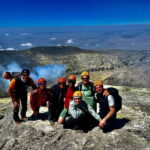
- Small-group feel on many days, with guides pacing the hike and safety checks that travelers notice
- Safety-first itinerary changes if weather or volcanic conditions shift
Rifugio Sapienza to Ashàra meet-up: start smart
The tour meets at Ashàra Volcanological Guides info point by Rifugio Sapienza on Etna’s south side, near the Terrazza dell’Etna restaurant. This location matters because Etna South is where the access points and lifts are concentrated, so your day starts already “in the volcano zone,” not in the middle of a long transfer.
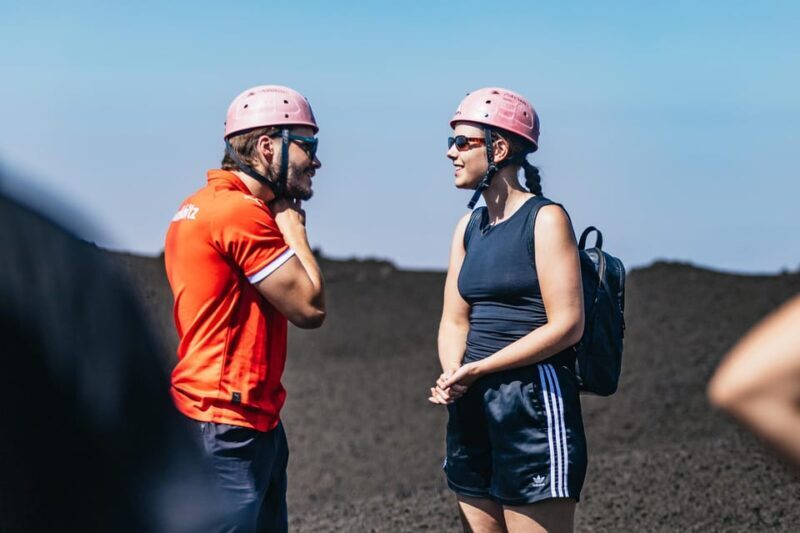
Check in early if you can. Even in good conditions, you’ll likely spend time getting grouped and outfitted. Some travelers mention that getting into hiking boots and helmets can take time, especially if the day’s group size runs larger.
Also plan for quick weather shifts. Etna can go from pleasant on the coast side to cold and windy once you’re higher up. Pack like you expect wind, because many visitors do.
You can also read our reviews of more guided tours in Mount Etna
Cable car to altitude: the shortcut that sets the tone
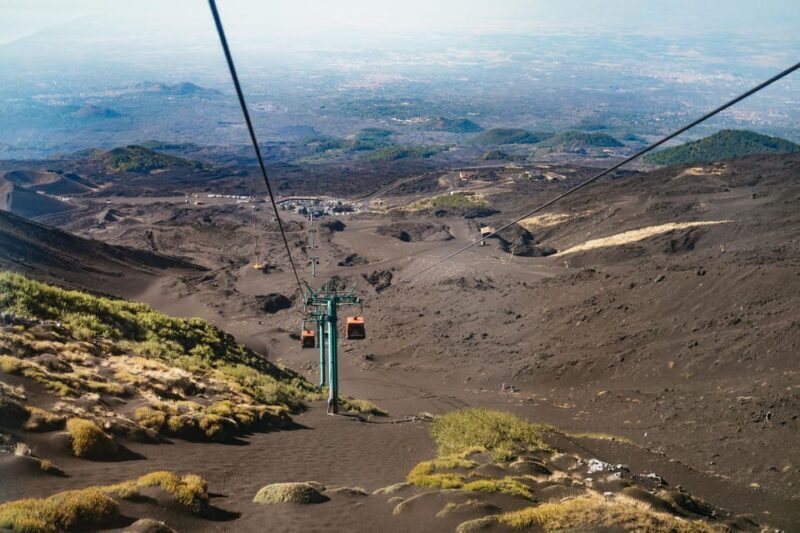
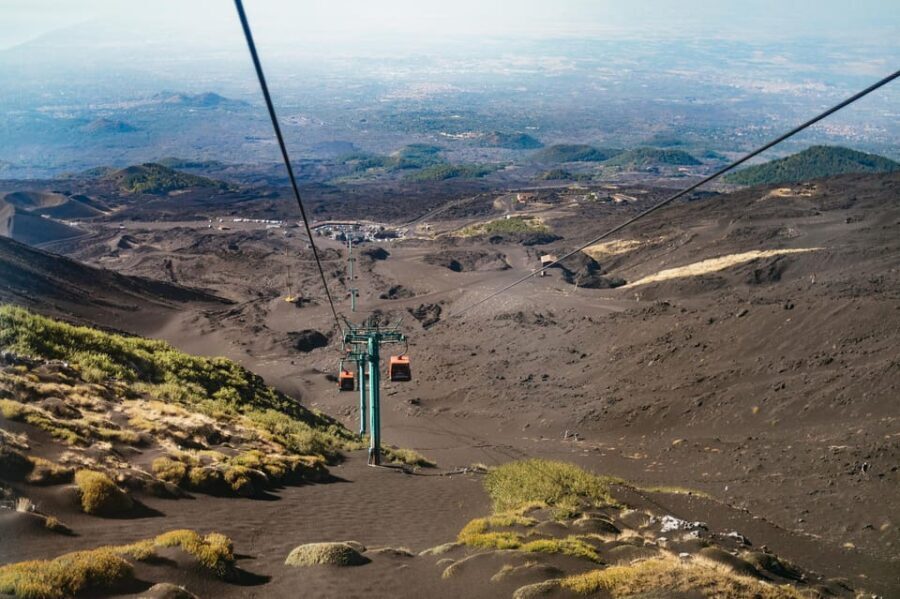
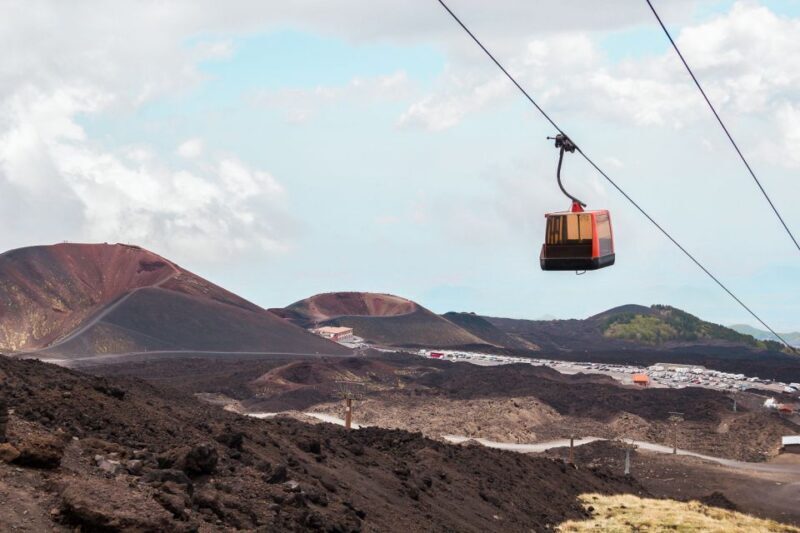
You ride a cable car for about 25 minutes. It’s more than just transportation. This is part of the “Etna shock” moment: you’re moving upward while the world below changes fast, and it helps you spend your energy on the hike rather than on long, exhausting approaches.
You’ll later use the cable car again on the way back (also about 25 minutes). If you’re prone to fatigue on climbs, that return cable car is a big relief.
Tip: if you’ve ever done hikes where you start high and still feel fresh at the top, this is that style. You spend more time on the rim and less time grinding to reach it.
4×4 jeep transfer to 2,800 m: how it changes the day
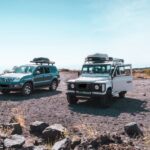
After the cable car, you take a jeep/SUV for around 30 minutes toward about 2,800 m. This is the practical half of the adventure: it gets you to higher volcanic terrain without wasting your legs on rough roads.
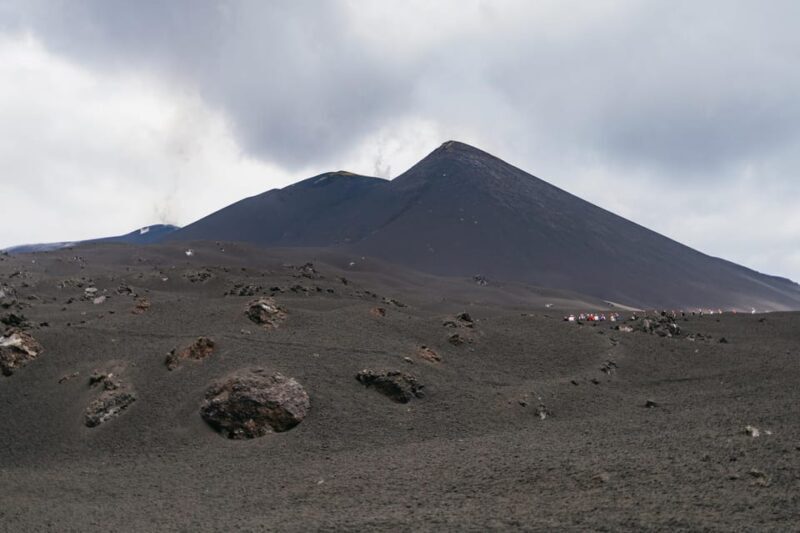
People tend to remember this part because it’s where the landscape looks less like “mountain” and more like a working volcanic environment. You’re heading into lunar-like zones shaped by past flows, not into lush hiking paths.
One more logistics point: the cable car and 4×4 tickets are not included. You pay them on the spot in cash (€65 per person). One traveler also reported an extra fee on their day due to safety reasons, so keep a little buffer mindset even if the standard amount is clear.
The climb begins: roughly 2 hours to the crater area
Once you reach the higher starting zone, you begin a hike that totals about 2 hours to the summit crater areas (with photo stops built into the pace). Expect uneven, sandy, volcanic ground. This is not a “smooth trail” hike, and your guide’s job is to keep you moving while managing footing.
In the reviews, travelers mention guides being attentive about pace and breaks. That matters because altitude + wind can make you feel slower than your legs suggest. You’re working at a breathing-and-balance level, not just a cardio level.
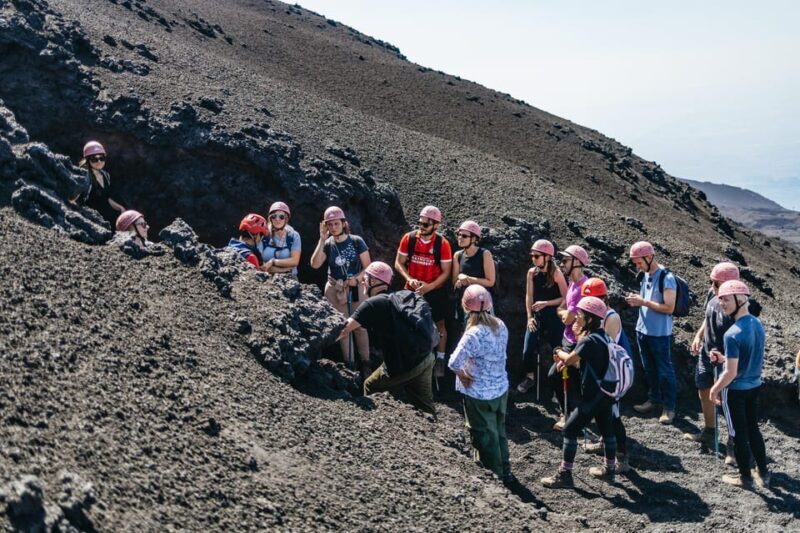
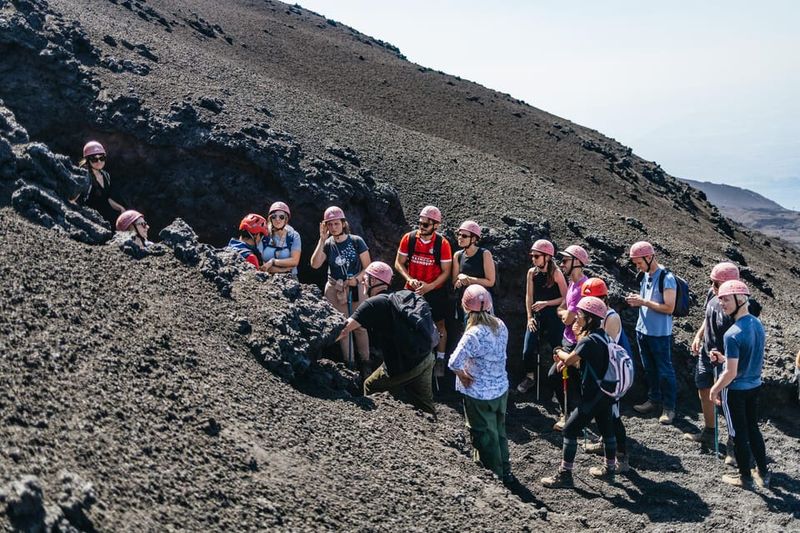
You’ll get pauses where the guide can explain what you’re standing on. It’s also when your photos get best “depth,” because you can see the crater rim structure and the scale of the volcano.
More Great Tours NearbyCentral Crater rim views: where the volcano story becomes real
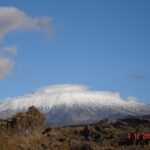
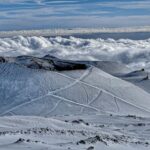
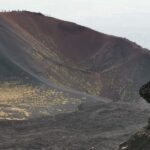
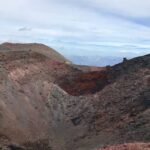
At the crater rim, the experience turns from scenic to educational. You walk near Crater Centrale, and you’ll have dramatic views down toward the Northeast and Southeast Craters. This is where you can connect the shape of the volcano to how it behaves.
What makes this stop special is that the guide-led explanation gives you a way to interpret what you’re seeing: not just “there’s a crater,” but how different crater areas relate to past and ongoing activity. Travelers consistently describe the guides as knowledgeable and able to answer real questions, not just deliver a canned speech.
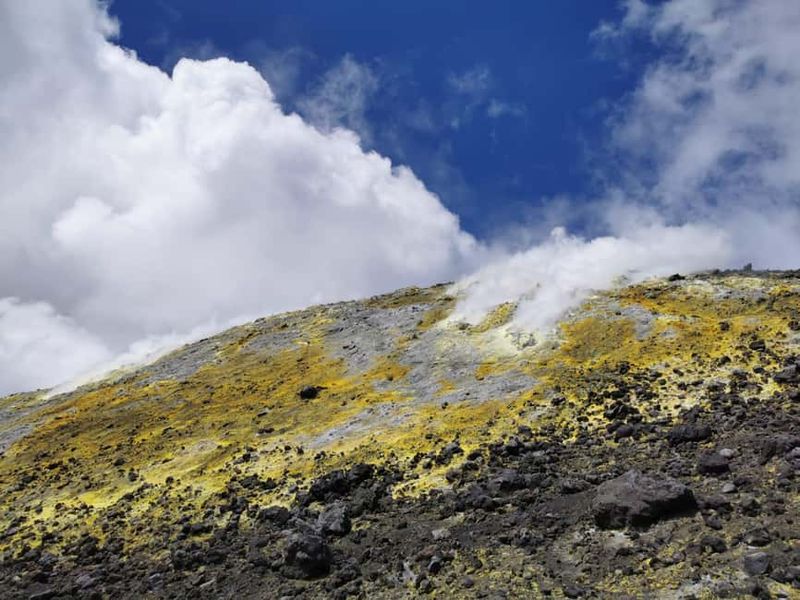
You’ll also notice physical signs of active volcanism in the environment—things like gas emissions and volcanic materials around you. It’s a live classroom, with safety rules.
You can also read our reviews of more hiking tours in Mount Etna
Lava channels and lunar-like trekking: the landform you can’t fake
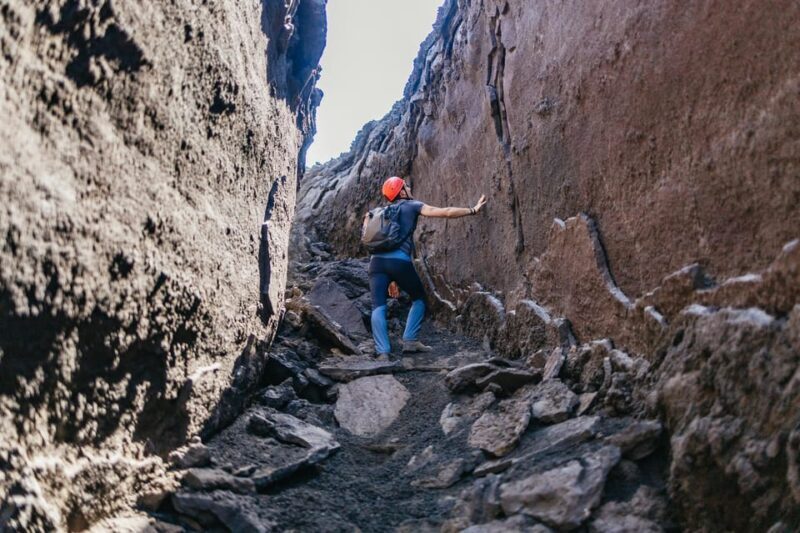
One of the most memorable parts is the trek across volcanic terrain that feels otherworldly. The route includes passing through a lava channel and walking across landscapes that can look like a different planet.
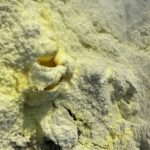
On active volcano days, you may see colored ground where different elements change how the surface looks. Sulfur is specifically mentioned, and that’s a smell you’ll likely associate with Etna afterward.
This section is also where a helmet and walking sticks can make a real difference. The ground can be fragile, uneven, and slippery in wind. The guide helps you place your feet and move as a group.
Photographer’s note: these are the moments for textures—powdery surfaces, sharp edges, and wide angles of the crater field. Give your eyes time to adjust. Your best shots often come after a minute of stillness.
Valle del Bove: big horizons and a dramatic descent
During the descent, the itinerary includes Valle del Bove. This is a change of pace in scenery: you’re no longer focused only on craters up close. You’re looking at a massive volcanic valley shape where the volcano has “opened” space through its long geologic history.
The tour also mentions visiting the Barbagallo craters on the way down. Even if your ability to climb higher is limited by conditions, these stops can still feel like the highlights, because they show different volcanic features in one day.
The practical side: the descent is still hiking. Expect to keep moving carefully on uneven terrain, especially if wind is strong or if the ground is dusty.
The extra altitude moment: return by cable car at around 2,500 m
After the crater-area and valley trekking, you board the cable car again at about 2,500 m and head back to the starting point.
This return segment is why the day feels doable for many “moderately trained” hikers. The goal is not to test you for hours; it’s to give you a summit-level experience with a managed workload.
If weather turns and the volcano won’t allow the planned summit access, the alternative becomes simpler: stop around 3000 m and take only the cable car for the rest of the day.
Guides matter on active Etna: the names people remember
This tour’s reputation is strongly tied to guide quality. In the reviews, guides like Antonio, Massimo, Giacomo, Giovanni, Luca, Max, Nello, and Marco come up repeatedly. What travelers appreciate isn’t just facts. It’s the way guides handle safety, pace, and group morale.
A few specific patterns show up:
- Guides adjust routes quickly when wind or volcanic activity makes certain areas unsafe.
- Guides maintain a pace that works for the group and give encouragement when conditions are tough.
- Some travelers mention small-group dynamics, including days where the crater-rim area felt less crowded.
- Several reviews highlight safety-conscious leadership, especially when reaching the top isn’t permitted.
If you like learning while moving, this is one of the best ways to understand Etna without feeling lost in a big landscape.
Price and logistics: what $77 really means
The tour price is listed as $77 per person, and the duration is 6 hours. But the big separate costs are the transport tickets once you’re on the mountain.
Cable car + 4×4 jeep tickets are €65 per person, payable on the spot in cash only. If you can’t reach the summit craters due to activity, you may stop at 3000 m and take only the cable car at €52 per person.
So is it good value? For many travelers, yes, because:
- The included gear (like hiking boots, rock helmet, and walking sticks) saves you hassle and rental cost.
- You’re paying for a certified volcano/alpine guide, not just a walk.
- The combination of lift + vehicle + guided rim access gives you more “Etna per hour” than doing everything independently.
One note: one traveler reported an additional 60€ per person fee due to safety reasons on their date. That sounds like a variable that depends on conditions, so I’d go in expecting that the volcano can change the day’s practical details.
What’s included vs what you must bring
Included:
- Hiking tour with a volcano or alpine multilingual guide
- Hiking boots
- Rock helmet
- Walking sticks
- RCT insurance
Not included:
- Cable car and 4×4 tickets
- Food and water
What to bring is clearly spelled out, and I agree with it. The essentials are:
- Sunglasses, sun hat, sunscreen
- Jacket + long pants + long socks
- Daypack (about 10–20L), snacks, and a packed lunch
- Water and extra layers
From reviews, a few extra “real world” items pop up. In cold/windy conditions, travelers mention warm jackets, gloves, and even a face cover when wind and snow show up.
Difficulty level: medium-high, not technical but not casual
The hike is aimed at moderately trained hikers who are comfortable hiking on sandy or uneven terrain. That’s “medium-high” by the tour’s own description.
And health limits are strict. The tour is not suitable for:
- Children under 11
- Pregnant women
- People with back problems
- Heart problems
- Vertigo
- Respiratory issues
- High blood pressure
If you’re unsure, the guide’s discretion matters. Even when you feel capable, the volcano may force route changes. Several travelers also mention how altitude affects breathing. Most manage fine, but it’s a good reason to bring water, move steadily, and trust the guide’s pace.
Weather reality: wind, snow, and itinerary changes
Etna weather can be serious. Reviews mention strong winds that prevented reaching the top, and in some seasons conditions included snow. On those days, guides organized alternative programs up to the maximum allowed altitude and still delivered crater-area views and rich geology info.
The key takeaway: don’t see a shortened summit as a failure. The guide’s job is to keep the group safe and still make the day meaningful. If the summit craters are forbidden, the itinerary changes rather than forcing the plan.
This is also why you should bring layers even if you think you know the weather from the coast.
Photo stops and timing: where your best shots happen
The tour builds in photo time at the crater rim and scenic viewpoints on the way up and around the summit area. You also get guided breaks, which helps because your photos will be better when you’re not rushed and your footing is stable.
If you’re chasing “wow” angles, focus on:
- The rim views down into the volcano’s crater structure
- The textures of sulfur-stained ground and volcanic materials
- Wide horizons from high points toward the Ionian coast side
Also remember that cloud and wind can roll in fast. If you’re the type who always waits for perfect light, you’ll still come home with strong memories. But you might need to accept that Etna’s weather is part of the drama.
Etna: summit craters trekking with volcano guide 3350mt
Should you book the Etna summit craters trek?
If you want a guided, safe-when-needed way to experience Etna’s summit craters, I think you should book it—especially if you like learning geology in the field and you don’t mind that the volcano can change the plan.
Book it if:
- You’re comfortable on uneven, volcanic terrain
- You value knowledgeable volcano guides who adjust for safety
- You want cable car + 4×4 logistics so you spend your energy on the rim walk
Skip or reconsider if:
- You’re in one of the listed health-risk categories
- You’re not comfortable in cold/windy conditions and can’t dress in layers
- You need a guaranteed route with no changes. Etna is active, and the day can adapt fast.
If you go in with the right expectations—active volcano rules, extra cash for transport, and a solid layer strategy—you’ll get the kind of Etna day that feels completely different from a standard sightseeing stop.
You can check availability for your dates here: