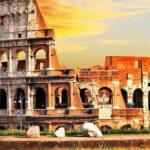
When you’re planning a Rome trip, the challenge isn’t finding things to do—it’s deciding how to experience the city’s most famous monuments without getting lost in crowds or missing the real stories behind the ruins. We’ve reviewed this expert-guided tour of the Colosseum, Roman Forum, and Palatine Hill, and we genuinely think it deserves serious consideration if you want to make the most of a few hours in Rome.
Two things stand out immediately about this experience. First, you get access to restricted areas of the Colosseum that regular ticket holders never see—either the underground chambers where gladiators and wild animals waited, or the actual Arena floor where ancient Rome’s most famous games played out. Second, the tour consistently delivers guides who don’t just recite facts but bring history to life with real storytelling ability. One reviewer put it perfectly: “He painted an extraordinary and panoramic context of this historical site.”
The main consideration? This tour involves genuine walking and climbing. You’ll cover considerable ground moving between three different archaeological zones, and Palatine Hill means ascending stairs. Come prepared with comfortable shoes and realistic expectations about exertion.
This experience works best for curious travelers who want context and depth rather than just photo opportunities, and for anyone short on time who wants to see multiple must-see sites efficiently in one morning or afternoon.
- What You’re Actually Getting: Beyond the Basic Tour
- The Colosseum: Behind the Velvet Rope
- The Roman Forum: Walking Where History Happened
- Palatine Hill: Views and the Founding Legend
- The Guide Experience: Your Real Value
- Logistics and Practical Considerations
- What to Bring and How to Prepare
- Value Analysis: Is This Worth the Price?
- Who This Tour Is Perfect For
- Frequently Asked Questions
- The Bottom Line
- The Best Of Rome!
- More Guided Tours in Rome
- More Tours in Rome
- More Tour Reviews in Rome
What You’re Actually Getting: Beyond the Basic Tour
 1 / 9
1 / 9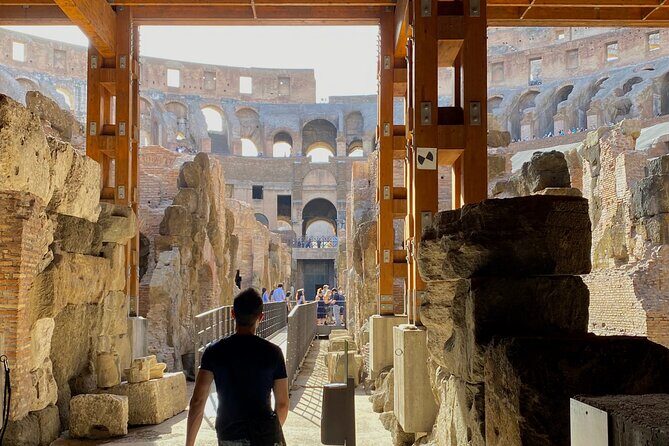 2 / 9
2 / 9 3 / 9
3 / 9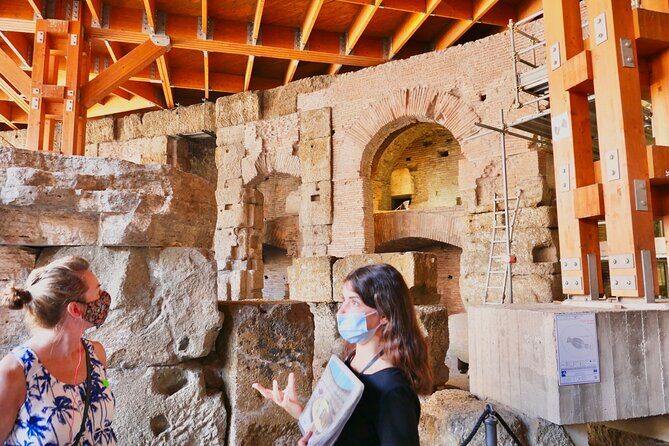 4 / 9
4 / 9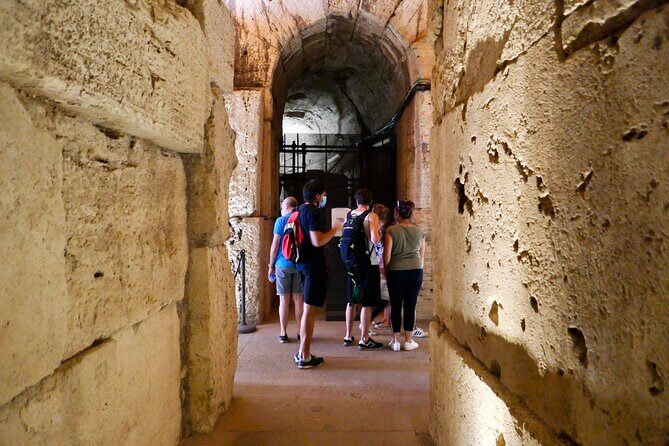 5 / 9
5 / 9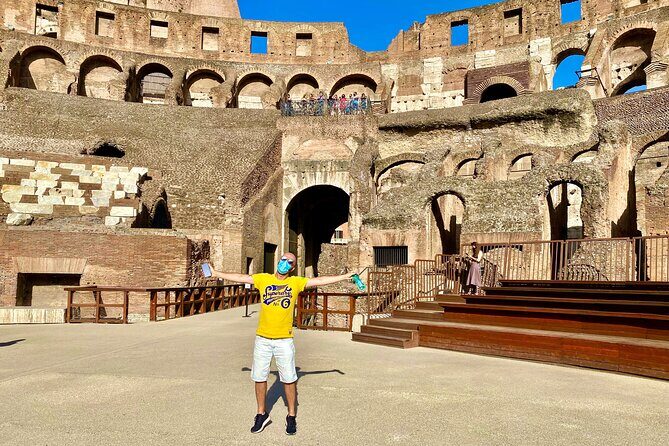 6 / 9
6 / 9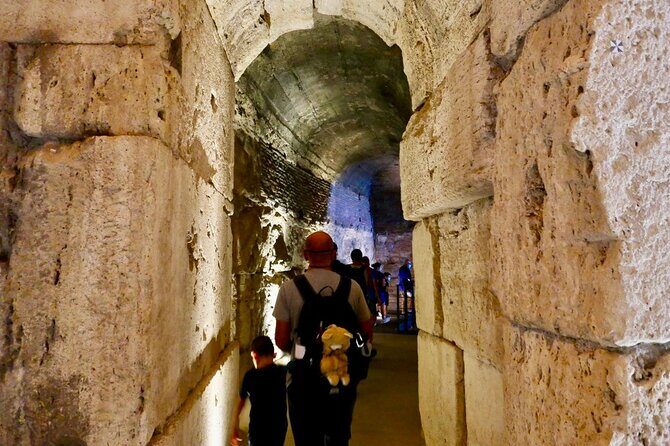 7 / 9
7 / 9 8 / 9
8 / 9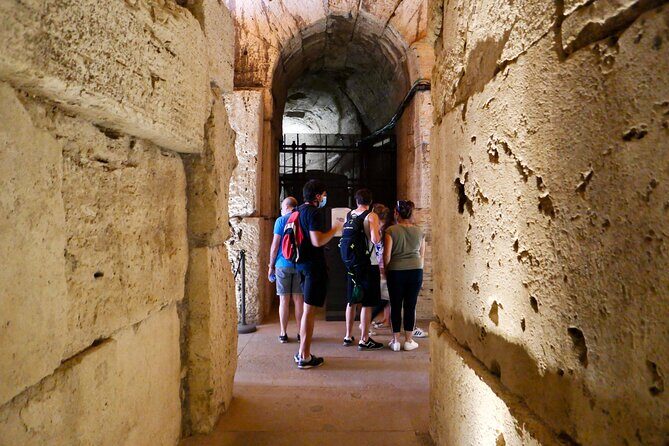 9 / 9
9 / 9At $107.63 per person, you might wonder what separates this from a cheaper self-guided visit or a basic group tour. The difference becomes clear once you understand what’s included. You’re getting skip-the-line access to three separate archaeological sites, a live expert guide, reserved entry times (which matters enormously in Rome), and wireless earphones so you can hear your guide clearly even when standing 30 feet away in an open ruin.
The earphones deserve mention because they’re genuinely useful. One traveler with hearing difficulties noted: “I very much appreciate the use of headsets to make it easy to hear…I wish all the tours did this.” In noisy outdoor environments, this feature makes a real difference in whether you actually catch what your guide is saying.
The group size caps at 25 people, which means you’re not herded through like cattle. In practice, many tours run much smaller—one reviewer mentioned having just four people on their tour. This creates opportunities for questions and a pace that feels genuinely relaxed rather than rushed, which matters when you’re trying to absorb 2,000 years of history.

👉 See our pick of the Discover 2 Great Tours In Rome
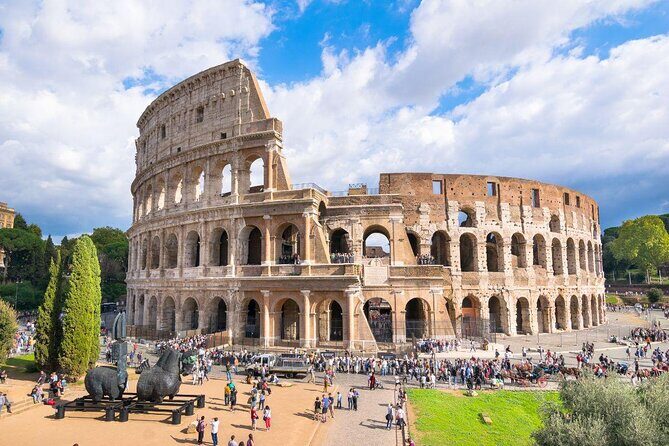
The Colosseum: Behind the Velvet Rope
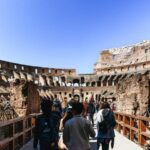
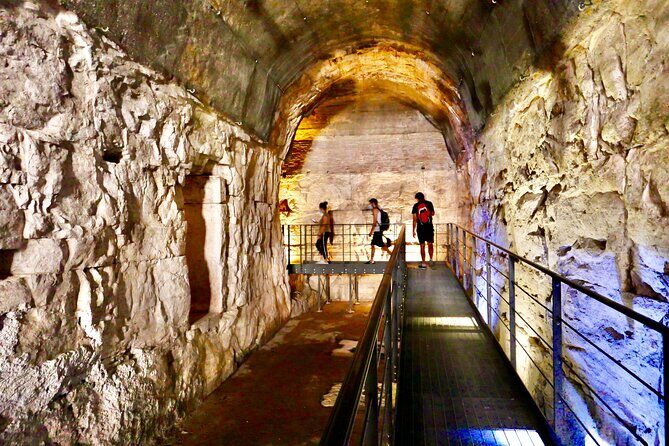
You’ll spend roughly 70 minutes at the Colosseum, and here’s where this tour genuinely differs from a standard visit. When you book, you choose between two exclusive experiences: descending into the Underground (the hypogeum) or walking across the Arena floor itself. You can’t do both in one tour, so pick based on what speaks to you.
The Underground option takes you beneath the arena to see the mechanical systems, trap doors, and holding areas where gladiators and condemned prisoners waited. You’ll learn how stage crews operated the elaborate pulley systems and understand the logistics behind the spectacles that could involve flooding the entire arena for mock naval battles. It’s the behind-the-scenes look at ancient engineering and organization that most visitors never access.
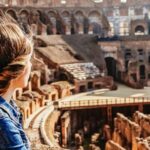
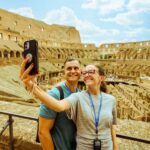
The Arena floor option puts you literally where gladiators stood. Your guide will explain the layout, describe how the crowd would have reacted, and help you visualize the scale of the structure from that perspective. One traveler described it as “a whole new perspective” compared to their previous visit years earlier.
Either way, you’re getting access that costs extra at the Colosseum or isn’t available at all through standard ticketing. The tour includes the entrance ticket (valued at €18-€24 depending on your option) plus the €2 reservation fee, so you’re not paying extra for these restricted areas on top of the tour price.
Your guide will explain the innovative building techniques—the Roman engineers’ use of concrete, the efficient drainage systems, the way they constructed it without modern machinery. One reviewer noted: “We didn’t know that what was missing had been removed and used to construct new structures,” which highlights how guides often reveal details that add layers of understanding to what you’re seeing.
You can also read our reviews of more guided tours in Rome


The Roman Forum: Walking Where History Happened
After the Colosseum, you’ll walk past the Arch of Constantine (a 10-minute stop that provides important historical context) and into the Roman Forum itself. This is where the tour really earns its value, because the Forum is genuinely confusing if you’re navigating it alone. Without guidance, you’re looking at scattered columns and foundations wondering what you’re seeing.
Your guide will walk you through a clearly planned route, explaining the function of each structure and connecting individual buildings to larger historical narratives. You’ll see the Temple of Vesta and learn about the Vestal Virgins and their role in Roman society. You’ll stand in the Senate House and hear how senators made decisions that shaped the republic—and how Julius Caesar was murdered and cremated in the Forum itself, not far from where you’re standing.
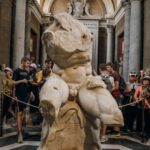
The Basilica Julia, the Temple of Castor and Pollux, the Arch of Titus—each gets explained in context. One guide brought visual aids showing what these structures looked like when they were intact, helping travelers understand that these aren’t just ruins; they’re remnants of functioning buildings that once dominated this space.
A reviewer captured this value well: “I would not have appreciated the significance or beauty of Palatine Hill or the Forum without our wonderful guide. I’m so glad we did this with a small group.” This isn’t about hearing random facts; it’s about understanding why these sites mattered and how they functioned.
Palatine Hill: Views and the Founding Legend
The final 30 minutes take you to Palatine Hill, where you’ll climb to elevated positions offering views over both the Colosseum and the Roman Forum simultaneously. This perspective is invaluable—you can see how these sites relate spatially, understanding Rome’s geography in a way that ground-level viewing never provides.
Your guide will explain why emperors preferred this location for their residences, the legend of Romulus and Remus, and what the archaeological evidence tells us about daily life among Rome’s elite. From the heights, you’ll also see the Circus Maximus in the distance, getting a sense of the scale of ancient Roman public spaces.
One reviewer mentioned: “Really spectacular” in describing Palatine Hill specifically, and many travelers highlight the views as a memorable aspect of the tour. The walking here is steeper than the Forum, but the payoff in terms of perspective and photographic opportunities makes it worthwhile.
The Guide Experience: Your Real Value
Reading through 5,041 reviews, one pattern emerges consistently: the quality of your guide matters enormously to this tour’s success. Travelers repeatedly praised specific guides by name—Gabriel, Bogdan, Guido, Nicoletta, Rosy, Patrick—describing them as “knowledgeable,” “passionate,” “charismatic,” and “incredible.”
This isn’t coincidence. The tour operator clearly invests in guide quality. One reviewer noted their guide was “a mature Italian native that was a history major. Really knew his stuff.” Another described their guide as having “great story telling abilities” and making “modern day links” between ancient history and contemporary understanding.
Guides brought visual aids, answered rapid-fire questions, accommodated travelers with mobility limitations, and created an atmosphere where people actually wanted to engage rather than just passively listen. One traveler with mobility concerns specifically praised their guide: “Patrick was great to accommodate as much as possible…You allowed us to participate the entire tour and truly enjoy ourselves.”
This matters because not all tour companies prioritize guide quality equally. When you’re paying $107.63, you want someone who elevates the experience beyond what you could glean from a guidebook. The reviews suggest this company consistently delivers that.
Logistics and Practical Considerations
The tour departs from Piazza del Colosseo at 21, right at the Colosseum entrance, which is well-served by public transportation. You need to arrive 30 minutes early to complete signup, and the group leaves 15 minutes before the official start time to pass through security checks.
This timing matters. Rome’s archaeological sites have serious security screening, and these aren’t skippable. By building in buffer time, the tour operator ensures you’re not stressed about missing your group while waiting in a security line. It’s the kind of practical detail that separates well-organized tours from chaotic ones.
You’ll need to bring your passport or ID matching the name on your booking. The tickets are nominative (registered to specific individuals), so bring the correct documents. This is important to note because denied entry would be frustrating, but it’s also a security measure that makes sense.
Weather can affect the tour. If canceled due to poor weather, you get either an alternative date or full refund, which is fair and straightforward.
The group caps at 25 people maximum, and in practice often runs much smaller. You can cancel up to 7 days in advance for a full refund, giving you reasonable flexibility for planning.


What to Bring and How to Prepare
Comfortable walking shoes are non-negotiable. You’ll cover significant ground with moderate climbing, and Rome’s ancient stones aren’t forgiving on feet. One traveler recommended bringing a hat to manage the sun exposure, which is solid advice for a 3-hour outdoor tour.
Bring water, though the review data doesn’t specify whether the tour includes water stops. Don’t bring large backpacks, trolleys, glass containers, metal containers, or sprays—these aren’t allowed at the archaeological sites. Service animals are permitted, but other animals aren’t.
The tour is offered in English and described as suitable for “most travelers,” though the walking and climbing do require a moderate fitness level. If you have mobility concerns, contact the operator in advance—at least one reviewer praised how their guide accommodated limitations.
Value Analysis: Is This Worth the Price?
At roughly $108 per person for 3 hours, you’re looking at about $36 per hour. That’s not cheap for a tour, but context matters. You’re getting:
- Skip-the-line access to three major archaeological sites (which saves time and frustration)
- Entrance tickets valued at €18-€24 per person included
- A live expert guide (not recorded audio)
- Wireless earphones for clear communication
- Access to restricted areas most visitors never see
If you were to visit these sites independently, you’d spend more time navigating, miss the restricted areas entirely, and wouldn’t have anyone explaining the historical significance. The time saved alone—avoiding security line confusion and ticket-buying delays—has real value when you’re visiting a city for a limited time.
Reviews consistently mentioned “value for money,” with one stating: “Amazing tour and value for money” and another calling it “well worth the small fee for a far better experience than going on your own.”
The booking data shows people reserve this tour an average of 35 days in advance, suggesting it fills up regularly. That’s not surprising given the 91% recommendation rate and consistently high ratings.
Who This Tour Is Perfect For
This experience suits travelers who want depth over breadth, who appreciate understanding context and history rather than just collecting photos, and who are short on time but don’t want to sacrifice quality. It works well for first-time Rome visitors who want to understand the city’s historical foundation, and equally well for returning visitors who want to see things they missed before.
It’s ideal for couples on romantic trips who want to experience Rome’s history together with expert guidance. It works for families with teenagers old enough to appreciate history and handle the walking. It’s perfect for solo travelers who want the security of a group and the efficiency of guided navigation.
It’s less suitable for travelers with severe mobility limitations (though you should contact the operator to discuss options), or for people who prefer self-guided exploration without any schedule constraints.
Frequently Asked Questions
Q: What’s the difference between the Arena floor and Underground options?
A: You choose one at booking. The Arena floor option puts you on the actual gladiator fighting surface, while the Underground option takes you into the hypogeum (the mechanical systems and holding areas beneath the arena). Both are restricted areas most visitors can’t access, but they offer different perspectives on how the Colosseum functioned.
Q: Do we really need to arrive 30 minutes early?
A: Yes, this isn’t a suggestion. The tour operator needs time for signup, and the group leaves 15 minutes before the official start time to pass through security. Arriving late might mean you don’t get accommodated, so plan accordingly.
Q: Is this tour physically demanding?
A: There’s a moderate amount of walking and climbing, particularly on Palatine Hill. You’ll be on your feet for the entire 3 hours with no vehicle transportation between sites. If you have mobility concerns, contact the operator beforehand—they may be able to accommodate you based on the specific limitations.
Q: What if the weather is terrible?
A: The tour can be canceled if weather is poor. If that happens, you get either an alternative date or a full refund. There’s no penalty for weather-related cancellations on the tour operator’s end.
Q: Are the tickets really included in the price, or is that just marketing?
A: The entrance tickets are genuinely included. The Colosseum ticket alone (€18-€24) plus the €2 reservation fee are part of what you’re paying for. You’re not being charged extra for those on top of the tour price.
Q: How big are the groups typically?
A: The maximum is 25 people, but many tours run significantly smaller. One reviewer mentioned having just four people on their tour, which creates a more personalized experience than the maximum allows.
Q: What happens if I’m late to the meeting point?
A: The tour operator might not be able to accommodate you. They ask that you arrive 30 minutes before the start time, and the group leaves 15 minutes before the official start to pass security. Plan to be there early.
Q: Do I need to bring my passport?
A: Yes, you need a valid passport or ID document matching the name on your booking. The tickets are nominative (registered to specific people), so bring the correct identification or you won’t be allowed entry.
Q: Can I extend the tour if I want to see more of the Roman Forum or Colosseum?
A: The tour concludes within the archaeological zone, and you’re free to continue exploring independently afterward. Many travelers likely do this, spending additional time at sites they found particularly interesting. The tour gives you the guided introduction and context; you can then explore further on your own.
Q: What can’t I bring to the archaeological sites?
A: Large backpacks, trolleys, drones, knives, glass containers, metal containers, and sprays are prohibited. Service animals are allowed, but other animals aren’t. Pack light and bring only essentials.
Expert Guided Tour of Colosseum Arena OR Underground, and Forum
The Bottom Line
This tour delivers genuine value for travelers who want to understand Rome’s most iconic sites rather than just see them. The combination of restricted-area access, expert guides, small group sizes, and included skip-the-line tickets creates an experience that justifies the cost—especially when you factor in the time saved and the depth of knowledge you’ll gain. Whether you’re visiting Rome for the first time or returning to see it differently, this tour efficiently covers three major sites in three hours while actually helping you understand why they mattered. The consistently high reviews and strong recommendation rate suggest the tour operator takes both guide quality and traveler experience seriously. If you have a few hours in Rome and want to spend them well, this is a smart choice.