

You’ll transform teenage eye-rolls into genuine excitement by setting realistic budgets, planning adventures that create shareable stories, and establishing meaningful family rituals. Schedule activities in advance while balancing structure with flexibility, prioritize outdoor time and laughter-filled moments, and leverage community resources to reduce costs. Involve teens in planning decisions, focus on nature-based activities like hiking or camping, and document experiences through photos. These strategies strengthen family bonds and create lasting memories that your teenagers will actually cherish for years to come.
- Set a Realistic Budget and Stick to Cost-Effective Activities
- Plan Adventures That Create Stories Worth Sharing
- Establish Summer Rituals That Build Family Connection
- Prioritize Laughter and Silly Moments Together
- Schedule Activities in Advance Rather Than Winging It
- Choose Real-World Experiences Over Screen Time
- Focus on Free and Low-Cost Local Entertainment Options
- Create Opportunities for Your Teen to Make New Friends
- Balance Structure With Flexibility in Daily Routines
- Invest in Activities That Have Lasting Impact
- Use Government-Funded Programs and Community Resources
- Make Fresh Air and Outdoor Time Non-Negotiable
- Last Words
Set a Realistic Budget and Stick to Cost-Effective Activities

While the average family travel budget jumped to over $8,000 in 2024, you don’t need to break the bank to create memorable holiday experiences with your teenagers. With 73% of parents citing affordability as their top travel challenge, smart budgeting becomes essential.
Start by setting a realistic spending limit—consider that sightseeing and entertainment average $55 per person daily. Look for free or low-cost alternatives since 46% of families limit paid attractions to save money.
National parks offer incredible value at just $28 per vehicle, providing days of exploration. Consider planning off-peak vacations which are becoming more popular due to lower costs and fewer crowds.
Book accommodations with kitchens, as 50% of families do, to cut food costs. Plan activities in advance to secure discounts and avoid last-minute price surges that can quickly derail your budget.
Plan Adventures That Create Stories Worth Sharing
Once you’ve nailed down your budget, it’s time to focus on the experiences that’ll have your teenagers talking for years to come. Adventure activities create the strongest memories – think hiking challenging 12km trails, canoeing through scenic waterways, or camping where your teens cook over an open fire.
These experiences foster skill mastery and genuine accomplishment that teens crave. Choose activities that push comfort zones without breaking the bank. Swimming, hiking, and paddling rank highest for teen engagement while building confidence.
Adventure-focused trips typically last four days, giving families extended bonding time away from daily distractions. Adventure parks involve physical, participatory activities, making them particularly appealing to families seeking active experiences together. Research shows 90% of moms report camping creates better family communication than other activities, and overcoming novel challenges together encourages your teenagers to stay open to new experiences long after you return home.
Establish Summer Rituals That Build Family Connection
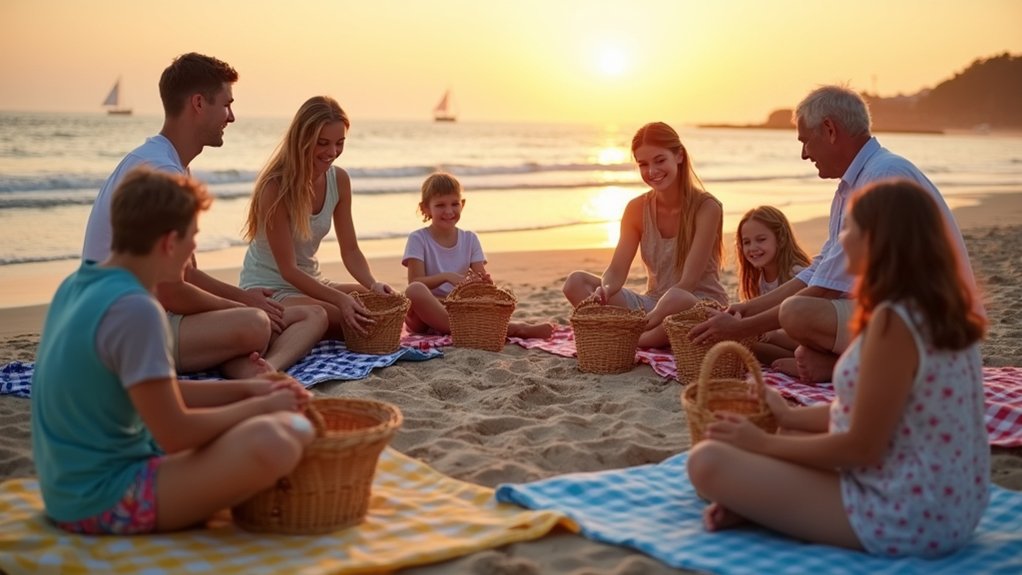
Summer rituals create the protective foundation your teenager’s mental health needs most. Research shows family rituals profoundly reduce anxiety and depression symptoms in teens while boosting social connectedness and self-esteem.
You don’t need elaborate plans—consistent mealtimes, regular outdoor time, or simple holiday traditions work powerfully.
Consider aiming for 20 hours weekly in nature together, establishing meaningful mealtime conversations, or planning summer reunions.
Even small rituals like saying grace before meals (practiced by 48% of families) strengthen bonds. The key is consistency, not complexity. These traditions provide predictability and security that help your teen feel grounded in an often confusing world.
These rituals teach your teen relationship-building skills that extend beyond family, reducing isolation and risky behaviors.
Prioritize Laughter and Silly Moments Together
Beyond establishing those meaningful summer rituals, you’ll want to weave plenty of laughter and playful moments throughout your family holidays. These silly shared moments actually combat the financial and family stress your teen inevitably picks up on during holiday periods.
Don’t underestimate how powerful humor can be. When teens lack engaging activities, half of parents worry they’ll waste entire summers on social media. Instead of expensive entertainment that costs families an average of £1,260, focus on low-cost laughter options that naturally boost mental health. Consider exploring government-funded programs like the National Citizen Service that provide structured, affordable alternatives to costly summer activities.
Playful family time does more than entertain—it builds genuine connections. The affection shown through fun moments links directly to better school performance, while lighthearted interactions create protective barriers against depression and anxiety that often spike during holiday seasons.
Schedule Activities in Advance Rather Than Winging It

While spontaneous adventures have their charm, planning your family holiday activities in advance transforms teenage eye-rolls into genuine excitement. When you involve your teens in the planning process, 74% of parents report their children genuinely love to travel.
Your teenagers want their preferences to matter, and advance planning shows you’re listening.
Let them research destinations using their preferred sources—friends and social media—then evaluate options together. This collaborative approach reduces mid-trip conflicts by addressing different preferences before you leave. Consider using digital tools to help manage your budget and find deals during the planning process.
Beach vacations top teen preferences at 62%, followed by theme parks at 45%.
When teens help plan activities, they become 84% more adaptable to new experiences. You’ll see a 61% improvement in their happiness and engagement simply by giving them a voice in the itinerary.
Choose Real-World Experiences Over Screen Time
When your teenager spends nearly 7.5 hours daily staring at screens, family holidays become the perfect opportunity to reconnect them with real-world experiences that actually enhance their mental health.
Research shows teens with over four hours of daily screen time experience anxiety rates of 27% and depression rates of 26%, while those under four hours see these numbers drop to just 12% and 9.5% respectively.
Holiday activities like hiking, cooking together, or playing board games help develop essential social skills that screen interactions can’t provide.
Since 54% of teens already worry they use phones too much, they’ll likely welcome engaging alternatives.
Focus on activities involving physical movement, face-to-face conversation, and hands-on creativity. Background TV can interfere with attention and reduce quality of parent-child interactions, so consider keeping screens off entirely during family activities.
Your family will return home feeling more connected and emotionally balanced.
Focus on Free and Low-Cost Local Entertainment Options

Since holiday budgets often stretch thin with gift-giving and travel expenses, you’ll be relieved to discover that many of the Bay Area’s best family activities won’t cost you a dime.
Take advantage of free museum days like the Oakland Museum of California‘s first Sunday admission or the Cantor Arts Center’s always-free entry with Sunday family programs.
Outdoor adventures like strolling the Golden Gate Bridge or watching sea lions at Pier 39 provide memorable experiences without breaking the bank. For evening entertainment, consider telescope viewing at Chabot Space & Science Center on Friday and Saturday nights.
Your teens might enjoy photo scavenger hunts around the city or sliding down Seward Street Slides with cardboard.
Check out free community events like library storytimes or explore hands-on science classes at Intel Museum in Santa Clara for educational entertainment.
Create Opportunities for Your Teen to Make New Friends
Teenagers crave social connections, and holiday trips present perfect opportunities to help them build new friendships while strengthening family bonds. Choose destinations that naturally facilitate peer interactions—beach vacations are particularly popular with 62% of families because they create relaxed environments for meeting others.
Theme parks and water parks, selected by 45% of families, also provide excellent social settings.
Consider multi-generational trips since 57% of families plan these experiences, creating larger social circles. Traveling with extended family or even non-relative families (42% do this) expands friendship possibilities.
When 52% of teens travel with parents and siblings, it enables natural group mingling with other families. While maintaining safety, allow your teen some independence to explore and connect, as moderate independence during vacations can significantly benefit their personal growth and confidence.
Select accommodations and activities where your teen can interact with peers while maintaining appropriate supervision and safety boundaries.
Balance Structure With Flexibility in Daily Routines

While holidays offer a welcome break from school’s rigid schedule, your teen still benefits from having predictable routines that provide stability without feeling restrictive. Sit down together to create flexible schedules that balance family plans with their growing need for autonomy.
Establish non-negotiables like consistent wake-up times, meals, and basic chores, but build in plenty of unstructured periods for relaxation and spontaneous activities.
Use shared calendars to visualize everyone’s commitments and hold honest conversations about priorities. This creates agreements rather than imposed rules.
Maintain core elements like regular bedtimes and family dinners while allowing your teen to fill in their preferred activities. Remember that routines provide safety and security amid holiday chaos, helping reduce anxiety even when some disruption is inevitable.
Invest in Activities That Have Lasting Impact
When you’re planning holiday activities with your teenager, focus on experiences that’ll strengthen your relationship long after the vacation ends. Nature-based adventures like hiking, camping, or beach trips create the most meaningful memories while boosting your teen’s confidence and reducing stress.
These shared outdoor experiences away from daily routines naturally foster deeper conversations and stronger family bonds. Just as legal professionals use detailed case reports to make informed decisions, documenting your family adventures through photos and journals helps create lasting records of these special moments together.
Choose activities that encourage your teenager’s growing independence—let them help plan parts of the itinerary or navigate new places. Quality time without digital distractions enhances communication and creates those etched childhood memories they’ll treasure forever.
Use Government-Funded Programs and Community Resources

Creating memorable holiday experiences doesn’t have to drain your wallet, especially when you’re working with a teenager’s evolving interests and your family’s budget constraints. Government-funded programs and community resources can markedly ease holiday financial pressure.
If you’re receiving public assistance, programs like the Empty Stocking Fund provide free gifts for your children. The Supplemental Nutrition Assistance Program helps cover holiday meal costs, while local government offices can connect you with food banks and toy drives.
Don’t overlook community initiatives either. Toys for Tots operates in over 800 communities nationwide, and organizations like Youth Villages offer holiday support programs. Some programs allow young parents to earn holiday bucks by participating in agency services, which can then be used to purchase gifts for family members. Contact your local social welfare agencies or churches—they often coordinate with these programs to identify families who could benefit from holiday assistance during this special season.
Make Fresh Air and Outdoor Time Non-Negotiable
Even though your teenager might roll their eyes at the suggestion, prioritizing outdoor time during family holidays isn’t just beneficial—it’s essential for their mental health and your family’s well-being.
Research shows family outdoor interactions provide heightened benefits compared to solo participation, making holiday adventures particularly powerful.
Don’t negotiate on this one. Schedule hiking, camping, or even simple walks as non-optional family activities. Family-based programming with low-stress activities like nature walks, birding, and outdoor festivals effectively attracts children and sustains their outdoor interest.
These experiences counteract excessive screen time while supporting emotional regulation during those challenging teenage years.
Last Words
You’ve got the blueprint for creating meaningful memories with your teenagers during the holidays. Remember, it’s not about perfection—it’s about connection. Some days will be amazing, others might feel like herding cats, and that’s completely normal. Trust yourself, stay flexible, and don’t forget to enjoy these moments. Your teens won’t remember every detail, but they’ll remember how these holidays made them feel. You’re doing better than you think.