I’m reviewing a very practical Paris shortcut for perfume lovers: a 45-minute mini workshop at the Fragonard Perfume Museum near Opéra Garnier, where you mix a personal scent and leave with a 12 ml bottle. It combines a guided look at perfume history and objects with a guided blending lesson focused on the perfume note system.
What I like most is how structured (and actually useful) it is. Guides named in reviews, like Naomi and Yoko, are praised for making the material clear and entertaining, and many travelers say the pace feels just right for a short visit.
One thing to consider: the experience is compact, so if you’re the type who likes to linger in museums, you may feel the museum portion is a bit fast. A couple of people specifically mentioned wishing they had more time to browse afterward.
- Key things to know before you go
- Fragonard in 45 minutes: what this mini workshop is really like
- Where to meet: Fragonard Perfume Museum near Opéra Garnier
- Museum tour first: perfume history, bottles, and a laboratory feel
- The note lesson: top, heart, and base in plain language
- How the workshop actually works with the Flower of the Year notes
- What you’ll smell, and how to use your new bottle at home
- The guide experience: why people keep praising names like Naomi and Yoko
- Timing, pacing, and group size: fast, but not chaotic
- Price and value: for tour plus a real take-home bottle
- Who should book this (and who might not love it)
- Small group comfort meets central-city convenience
- Tickets, cancellation, and booking flexibility
- What to expect at the shop (optional, but likely part of the rhythm)
- Should you book the Fragonard Mini Perfume Workshop?
- More Workshops & Classes in Paris
- More Tour Reviews in Paris
Key things to know before you go
- Small group (up to 10) makes it easier to ask questions and smell along without feeling lost
- You work with three note levels (top, heart, base) using the Flower of the Year Eau de Toilette concept
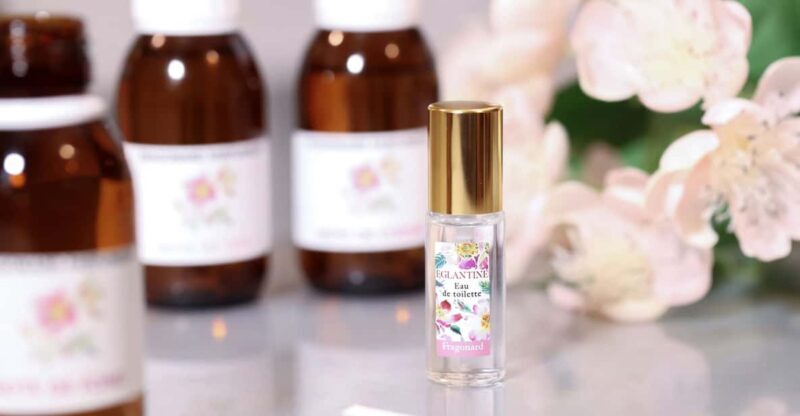
- You take home a 12 ml spray bottle you created yourself
- The English guide format is friendly and geared for first-timers, not just fragrance nerds
- It’s at the Fragonard Perfume Museum, a Second Empire mansion-style visit right by Opéra Garnier
Fragonard in 45 minutes: what this mini workshop is really like
This is not a huge two-hour perfume seminar. It’s a tight, guided experience built around one goal: help you understand how perfume is constructed, then let you blend your own version to take home.
The schedule is simple. You start at the museum, get a guided introduction, and then move into the hands-on mixing portion. Even though the tour and workshop are connected, the flow is designed so you don’t spend the whole time listening or staring at glass cases. You smell, you learn the logic of notes, and then you do the mixing.
At this price point, the big value is that you’re buying more than a product. You’re paying for a guided lesson plus a take-home bottle created during the session.
You can also read our reviews of more tours and experiences in Paris

Where to meet: Fragonard Perfume Museum near Opéra Garnier
You’ll meet at the Fragonard Perfume Museum. That location matters because you’re not tacking on a faraway detour. Being close to Opéra Garnier makes it easy to fold into an otherwise standard Paris day—especially if you’re building your itinerary around central neighborhoods.
Because this is a short experience, it’s also a good fallback when the weather turns. Rain in Paris can happen fast, and this kind of indoor activity keeps your day moving without turning into a long recovery plan later.
Practical note: the activity is not set up for wheelchair users, so accessibility is something you should check early if that affects your plans.
Museum tour first: perfume history, bottles, and a laboratory feel
Before you mix anything, you’ll do a guided tour inside the Fragonard museum. Expect a focus on perfume as both culture and craft: how it’s made, where ingredients come from, and why fragrance objects became status symbols and gifts.
The museum setting is described as a Second Empire atmosphere with three-thousand-years-spanning themes. One part is presented like a perfumer’s workshop—an environment that connects raw materials, vanished ingredients, and historic objects to how fragrance is built. Another part leans more artistic, showing old objects and goldsmithery, including unusual bottles and designs that range from ancient references to decorative, collectible-era styles.
That sounds lofty, but travelers usually experience it in a more concrete way: the guide ties the museum visuals back to what you’ll be doing next in the workshop—especially the note system. In other words, you’re not just viewing; you’re being prepped.
A possible drawback: a few people said the museum portion felt a little quick. If you love browsing at your own pace, you might want to plan extra time to return later (or at least schedule this when you’re not rushing to a show).
The note lesson: top, heart, and base in plain language
Perfume can feel like magic until someone explains the math of smell. This activity uses the olfactory pyramid approach, which breaks a fragrance into three time-scale layers:
- Top notes: the first impression you catch quickly
- Heart notes: what becomes clearer after the opening
- Base notes: what lingers longer
The workshop is built around this idea, so you’re not just learning the labels—you’re learning how the layers behave when blended together.
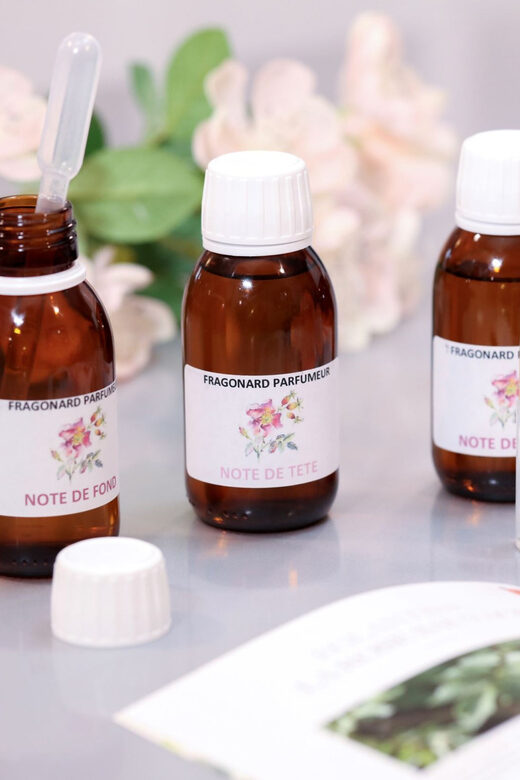
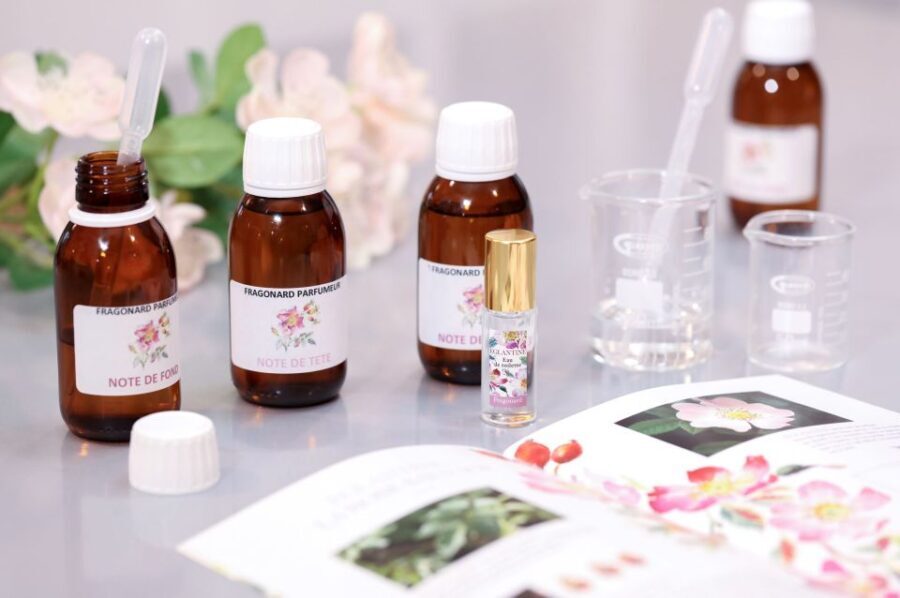
In this Fragonard experience, the key theme is the Flower of the Year Eau de Toilette. You’re guided to recognize the three note levels through three pre-composed notes, then use them as your building blocks when you create your bottle.
I like this teaching method because it gives you a framework you can reuse later. Even if you never buy another workshop bottle, you walk away understanding why some scents smell bright at first and soft later.
More Great Tours NearbyHow the workshop actually works with the Flower of the Year notes
The workshop portion is about 20 minutes, and it’s the hands-on highlight for most people. You blend your own Eau de Toilette based on the year’s set of three pre-composed notes.
You’ll create and customize your fragrance with guidance from the teacher. The outcome is a personal take-home bottle: a 12 ml spray filled with your blend.
This structure matters because it removes the intimidation factor. If you’ve never mixed perfume before, you can still succeed because you’re not starting from raw ingredients like petals and resins. You’re combining pre-built note components in a way that teaches the system without turning it into a chemistry class.
A small detail from traveler feedback: one person noted that how you balance the three components changes the final scent, so it’s normal for people in the same group to come up with different results. That’s exactly what you want—your bottle shouldn’t smell identical to everyone else’s.

What you’ll smell, and how to use your new bottle at home
You’re creating a personal scent, so the payoff is immediate. But don’t expect your perfume to behave the same way the second you first spray it. Like all layered fragrances, it unfolds over time.
Here’s how to get the most from your 12 ml bottle once you’re back home:
- Wear it and give it time to settle, instead of judging it instantly
- Notice how the opening feels compared with what stays on your skin longer
- If you buy other fragrances later, try to identify top, heart, and base behavior on your own
This activity also helps you build confidence. A couple of reviews mention leaving with a new appreciation for perfume-making, and that’s common. Once you understand the note logic, perfume shopping turns from guessing into experimenting.
The guide experience: why people keep praising names like Naomi and Yoko
The experience is only as good as the person guiding it, and in these reviews, guides are a standout theme. People mention guides with names including Naomi, Yoko, and Sofia, and they consistently describe guides as knowledgeable, friendly, and good at keeping the experience entertaining.
You can also see a pattern in what travelers value: clear explanation, good timing, and help during the tasting or category-learning moments.
One review described extra coaching at the end about identifying perfume categories like citrus, floral, and oriental. Not every guide will necessarily add the same extra layer, but it gives you a sense of how the museum teaching connects to real-world fragrance understanding—how to talk about scents instead of just describing them vaguely as good or bad.
Timing, pacing, and group size: fast, but not chaotic
The activity runs 45 minutes total, and the workshop itself is about 20 minutes. Small group size is a big part of why this can work at all: it’s limited to 10 participants.
With a group that small, you get a better chance to:
- ask questions without waiting forever
- smell along with the guide’s explanation
- keep the session on track without feeling like you’re in a crowd
That said, the total time is short. A few people said they wished the museum tour was longer or that the guide moved too quickly. If you prefer slow museum wandering, you might find the pacing a little intense. If you prefer efficient, hands-on learning, it’s probably a perfect fit.
Price and value: $36 for tour plus a real take-home bottle
At $36 per person, you’re paying for:
- a guided museum tour
- a guided perfume workshop
- a 12 ml spray bottle you made yourself
Many Paris activities charge similar money for a ticket and a generic pass-through. Here, the value is clearer because the experience includes a product created during your session—something you can actually use later.
It also helps that the guide focus seems strong across reviews. When an experience is well-led, it justifies the price more than if you’re left with vague instructions and no memorable lesson.
If you’re deciding whether this is worth it for you, the simplest test is this: do you enjoy guided learning that’s practical and sensor-based? If yes, the price tends to feel fair.
Who should book this (and who might not love it)
This works especially well for travelers who want a France moment that’s not only a photo stop. People mention the experience as a great option when they want something less obvious, and there’s a strong “family bonding” vibe in the feedback too.
It’s also a nice fit for:
- couples who want a shared activity and a souvenir
- curious first-timers in perfume
- teens who can handle a short museum tour and enjoy hands-on mixing
- rainy-day plans in central Paris
Children are accepted upwards of 8 years old, but only under the responsibility of a paying adult. If you’re traveling with kids, plan for them to participate actively rather than just observe.
Who might want to skip or adjust plans:
- wheelchair users, because it’s not suitable
- anyone expecting a long, in-depth museum visit (the format is compact)
- anyone bringing pets, because pets are not allowed
Small group comfort meets central-city convenience
One of the underrated benefits here is the combination of central location and small group size. You don’t have to do the “big tour bus” thing to get an expert-guided experience, and you don’t lose half a day traveling to something remote.
Also, because the session is short, it’s easier to schedule around other bookings like a dinner reservation or a theater start time. You can keep your day tight without feeling like you’re gambling on timing.
Tickets, cancellation, and booking flexibility
You get two practical booking advantages:
- Free cancellation up to 24 hours in advance for a full refund
- Reserve now & pay later, so you can keep plans flexible
If you’re building a Paris itinerary and you want your schedule to adapt to weather or other ticket changes, this matters.
Duration is listed as 45 minutes, and you’ll want to check availability for starting times so you match it to your day flow.
What to expect at the shop (optional, but likely part of the rhythm)
After the museum and workshop, there’s a shop element you can use for follow-up. Reviews mention people purchasing additional bottles, and at least one traveler specifically noted getting help identifying and choosing scents during the shopping time.
So while the main event is creating your 12 ml bottle, it’s also a place where you can turn curiosity into a take-home collection. Just remember: the workshop bottle is already included, so any extra buying is purely optional.
Fragonard Paris: Mini Perfume Workshop
Should you book the Fragonard Mini Perfume Workshop?
Book it if you want a well-guided, sensory activity that’s short, central, and actually teaches you how perfume is put together. The repeated praise for guides like Naomi and Yoko, plus the clear learning structure around top, heart, and base notes, makes this a strong choice for value.
Skip it if you’re looking for a long, self-paced museum experience. At 45 minutes, you’ll likely feel the session is brisk, and you may want to come back later if you love reading every label.
My practical verdict: if you’re in Paris and you like the idea of leaving with a scent you personally blended—this is one of the better, more hands-on options.
You can check availability for your dates here: