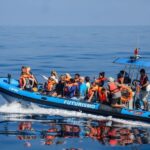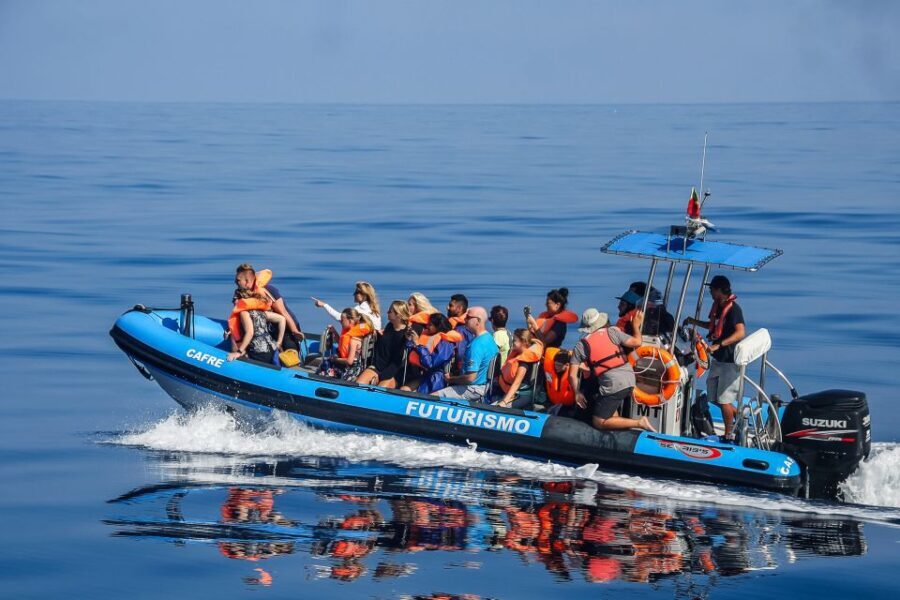
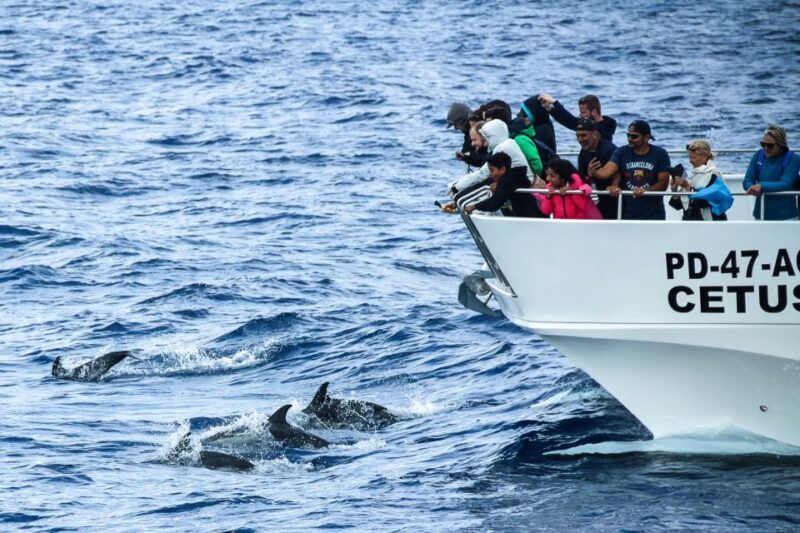
Off the coast of Ponta Delgada, this 3-hour outing pairs live marine biologist commentary with real chances at multiple cetacean sightings. You’ll head from the harbor into the Atlantic, with catamaran or Zodiac options depending on how you want the ride.
What I like most is the focus on education—rules, safety, and how to observe without stressing animals. The second thing: the experience is built around results, with an offer of a second tour if you don’t spot wildlife the first time.
One consideration: this is still open-ocean boating, and the Zodiac option can feel punchier in waves. Add the reality of weather-based cancellations, and you’ll want to plan with a little flexibility.
- Key highlights to know before you go
- Why whale watching from Ponta Delgada is such a good bet
- Getting started at Futurismo Azores Adventures (and the quick safety briefing)
- Catamaran or Zodiac: choose your comfort level first
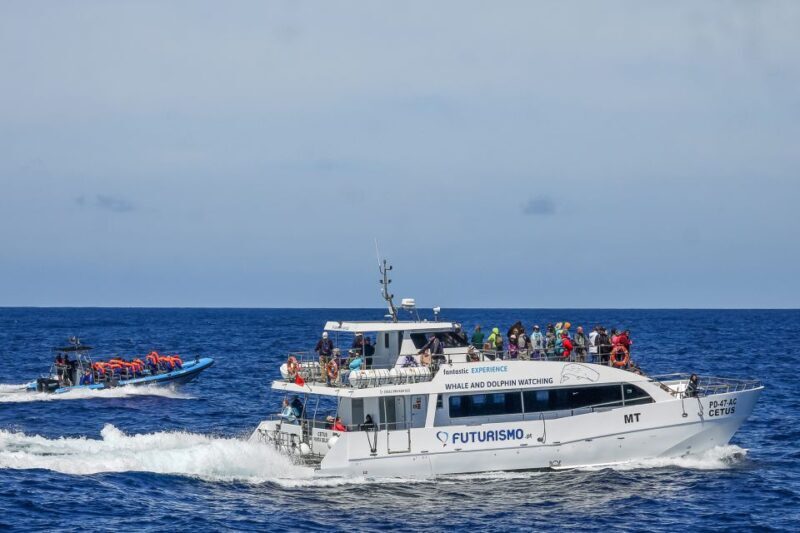
- Catamaran option: best for extra comfort
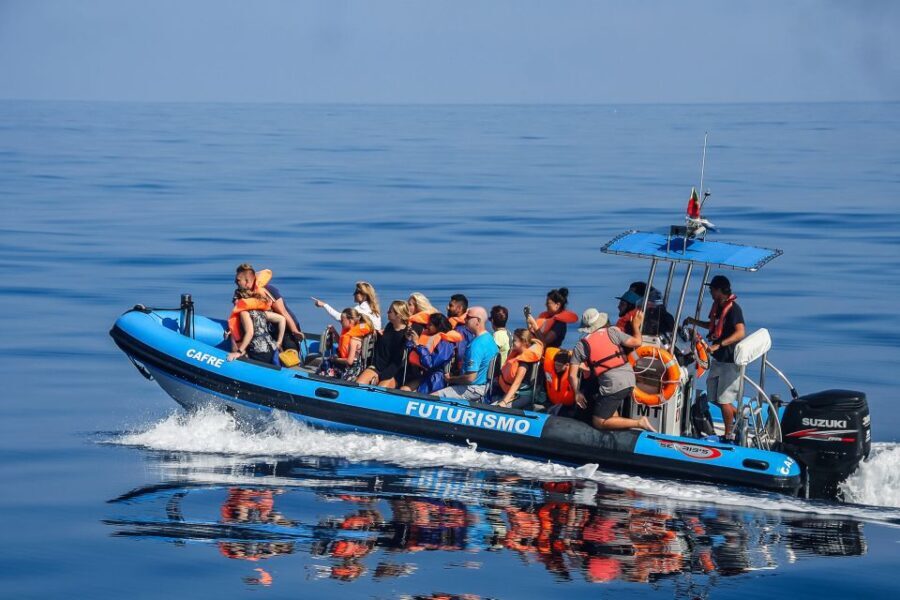
- Zodiac option: more expedition feel, but be ready for motion
- What the marine biologist actually does during the trip
- Where you go on the water (and what “watching” looks like)
- Species you might see: dolphins year-round, whales by season
- Year-round possibilities (common sightings)
- Summer months
- Spring and migrating baleen whales
- What guests sometimes report
- The views: not just whale spotting, but the whole Atlantic scene
- Comfort and practical tips that save your trip
- Weather can change everything
- Seat choice can matter on busy days
- Clothing and shoes rules
- Value for money: what buys you in real terms
- Safety, rules, and animal ethics: why the approach matters
- If you don’t see animals: the second-tour safety net
- Who should book this trip (and who should choose something else)
- Should you book Futurismo Azores Whale Watching?
- FAQ
- How long is the whale and dolphin watching trip?
- Where do I meet for the Ponta Delgada tour?
- What’s included in the price?
- Is hotel pickup included?
- Do I need to bring food or drinks?
- What boat options are available?
- Do I get rain gear or safety equipment?
- Is there a second tour if we don’t see any animals?
- What languages are the guides?
- What cancellation options do I have?
- More Dolphin Watching Tours in Sao Miguel Island
- More Whale Watching Tours in Sao Miguel Island
- More Tour Reviews in Sao Miguel Island
Key highlights to know before you go
 1 / 10
 2 / 10
 3 / 10
 4 / 10
 5 / 10
 6 / 10
 7 / 10
 8 / 10
 9 / 10
 10 / 10
- Marine biologists on board with English or Portuguese live guidance
- Catamaran vs Zodiac choice to match comfort and mobility needs
- Ethical viewing approach and clear observation rules during sightings
- Seasonal species variety including year-round dolphins and seasonal whales
- Second tour offer if the trip turns up no animals
- Gear included where it counts: life jacket on Zodiac, plus raincoat and pants for Zodiac guests
Why whale watching from Ponta Delgada is such a good bet
The Azores sit right in the path of migrating wildlife and also serve as a home base for many species. That geography is the reason you can go out for a short morning trip and still have a chance at something impressive—especially if you’re flexible on what you might see.
The operation also helps you stack the odds. You’re not just cruising in a generic loop. You get a pre-departure briefing that covers how to watch responsibly, what to expect in the water, and the general history of whale watching in the Azores. That makes a big difference once you’re out there, because spotting marine life is partly science and partly patience.
You can also read our reviews of more whale watching tours in Sao Miguel Island
Getting started at Futurismo Azores Adventures (and the quick safety briefing)
You meet at Ponta Delgada Harbour at Portas do Mar, Shop 26. Plan to be there on time so you get the full 15-minute safety briefing without rushing. That briefing matters because your viewing success depends on how quickly everyone understands the ground rules.
From there, you sail out into the Atlantic. You’ll be in the water zone where more than a third of the world’s whale and dolphin species are either permanent residents or passing through, which is why the itinerary is built around scanning and waiting for the “right” water conditions.
Catamaran or Zodiac: choose your comfort level first
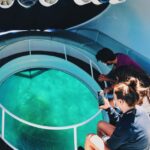
This trip lets you choose between a catamaran and a Zodiac/inflatable rubber boat at booking. The difference isn’t just “different boats.” It affects how stable the ride feels, how you experience the coastline, and how easy it is to stay comfortable when the sea has opinions.
Catamaran option: best for extra comfort
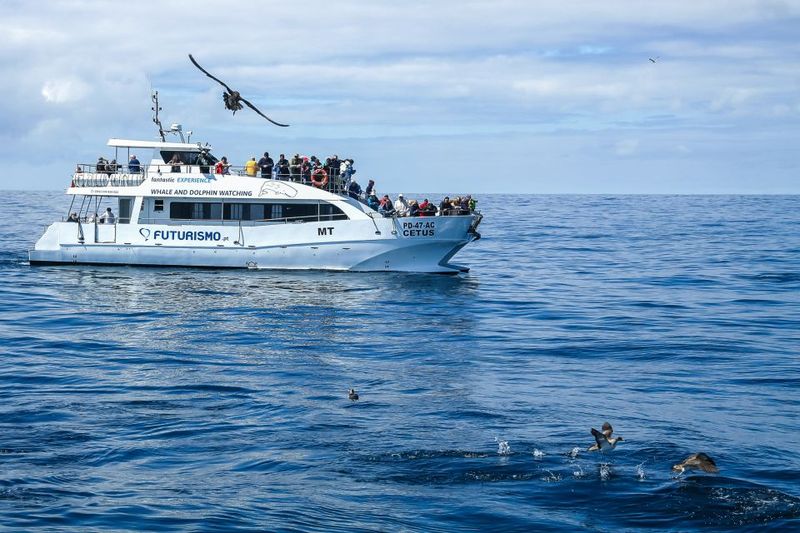
The catamaran is the smoother pick. It’s recommended for families with children under 8, seniors, pregnant women, and people with limited mobility, back issues, or other health concerns. If you’re traveling with any mobility or comfort constraints, this option usually helps you enjoy the day instead of bracing for every wave.
More Great Tours NearbyZodiac option: more expedition feel, but be ready for motion
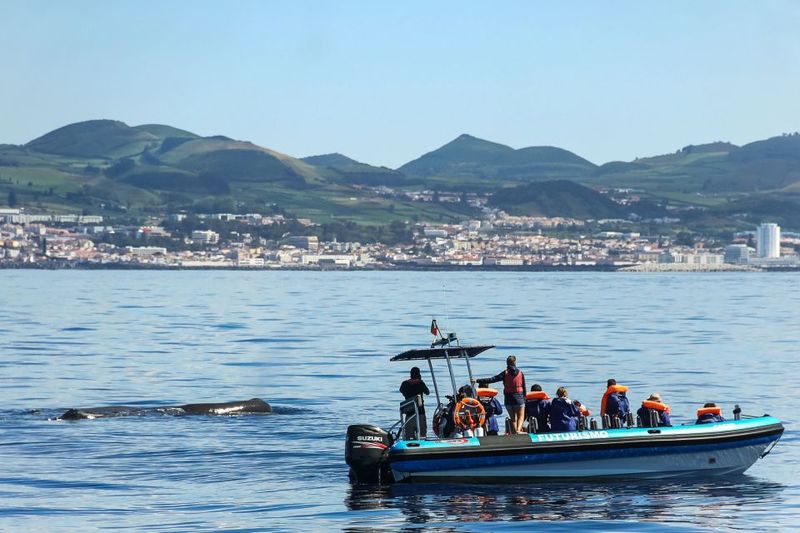
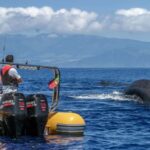
The Zodiac can feel more hands-on and “close to the action.” It also comes with mandatory life jackets, and guests on Zodiac boats receive raincoat and pants (available only for that choice). Reviews suggest some people love the Zodiac vibe, while others mention that sea conditions can feel more intense.
If you’re sensitive to motion, it’s smart to plan for it before you get on the boat. One traveler advice that keeps coming up: take sea sickness meds ahead of time rather than waiting until you feel awful.
You can also read our reviews of more dolphin watching tours in Sao Miguel Island
What the marine biologist actually does during the trip
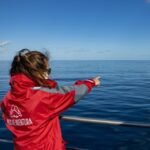
A lot of tours point at wildlife and say something like, “That’s a dolphin.” This one aims higher. You’ve got a marine biologist or nature guide on board, and the commentary is part of the experience from the start.
You’ll learn what you’re seeing and why it’s there—plus how the Azores fit into whale and dolphin movements. The on-board explanation isn’t just facts. It also teaches you the observation rules: how to watch without crowding, how to behave around wildlife, and how to keep safety and animal welfare balanced.
One detail that stood out from guest feedback: there are clear ethical rules in action during real sightings. In at least one reported encounter with orcas, the engine was turned off so the animals would not be disturbed, and the animals were approached from behind with proper distance. That approach is exactly the kind of thing you want when you’re paying to be near wildlife.
Where you go on the water (and what “watching” looks like)
After leaving Ponta Delgada harbour, you head out into the Atlantic. There isn’t a “single destination” like a lighthouse you can photograph from the same angle every time. Instead, the day is about searching smarter than harder.
Expect a pattern of scanning, listening, repositioning, and then settling when you find a cluster of marine life. This is why the trip runs around 2.75 hours of whale watching within a total 3-hour experience. If conditions are good and sightings happen quickly, you’ll still spend real time watching—especially if the animals keep moving through your area.
Some guests also noted that the team didn’t always rush back the moment the first sightings happened. There are reports of additional time on the water when animals were still active, including extra minutes on the way back.
Species you might see: dolphins year-round, whales by season
The Azores are known for dolphins and whales that show up throughout the year, plus seasonal visitors. The operator mentions more than 25 cetacean species that can be found in the region, and that’s reflected in the range of guest sightings.
Year-round possibilities (common sightings)
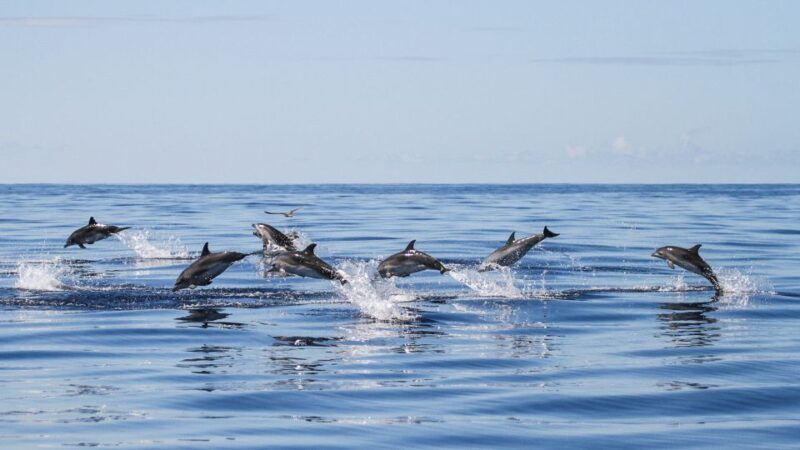
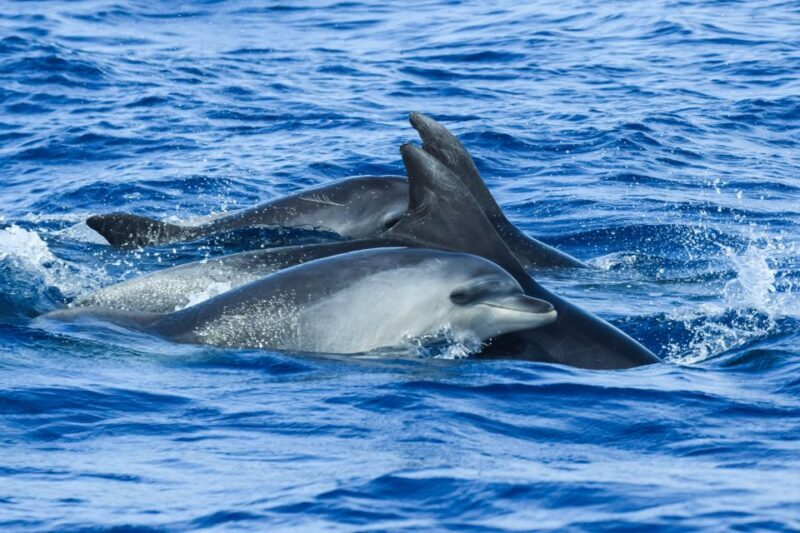
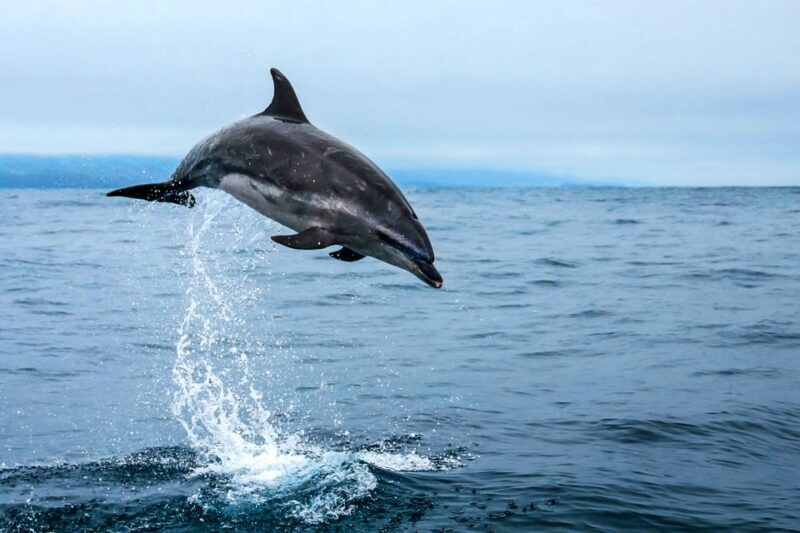
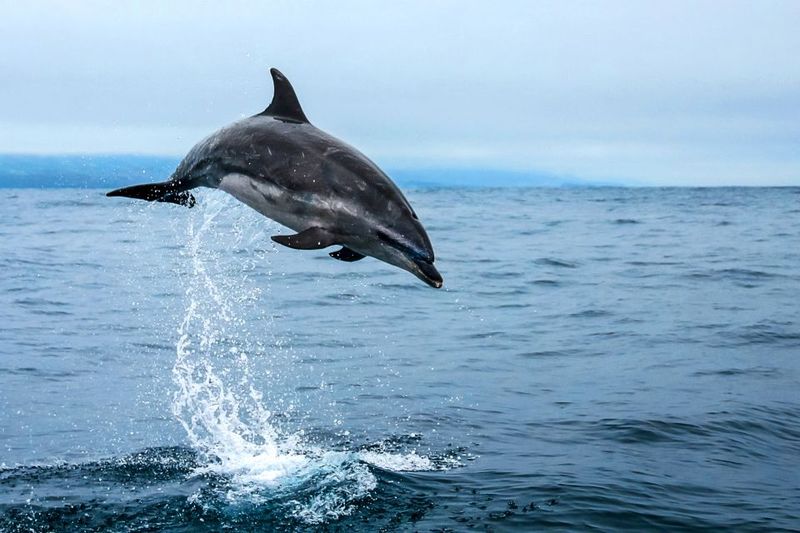
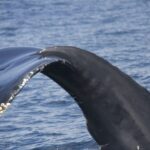
You can be watching for sperm whales, common dolphins, bottlenose dolphins, and Risso’s dolphins. Turtles and seabirds are also part of the general wildlife mix, and you may spot other marine life once you’re scanning more carefully.
Summer months
In summer, the season adds more dolphin options—pilot whales and striped dolphins are specifically mentioned as possibilities. Many travelers go in summer expecting dolphins to be the surest bet, and that expectation often isn’t wrong.
Spring and migrating baleen whales
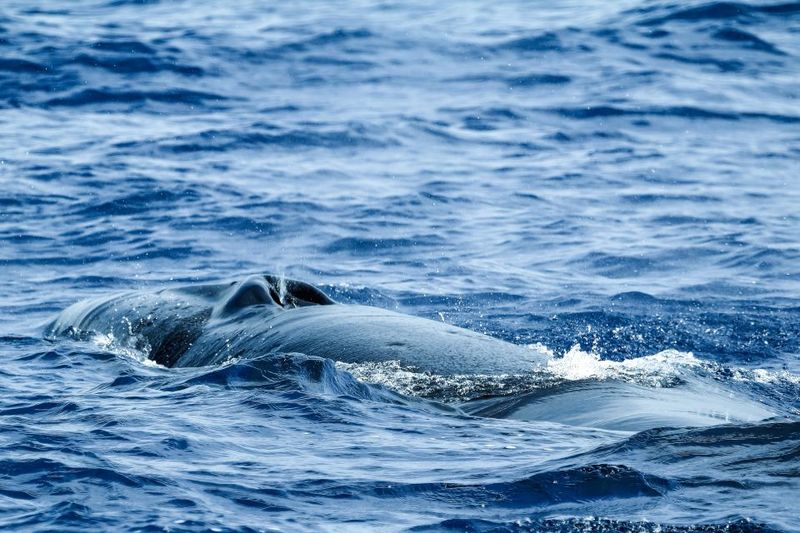
Spring is the time when you might get a shot at migrating baleen whales such as blue whales, fin whales, and sei whales. In other months, you might still see whales, but spring is where the “bigger whale” story becomes more prominent.
What guests sometimes report
While the core species list focuses on the more consistent names, guest reports include surprises. Some people reported seeing orcas, Bryde’s whale, hammerhead shark, and flying fish. Don’t count on those every time, but it’s a reminder that the ocean can hand you unexpected extras when you’re paying attention.
The views: not just whale spotting, but the whole Atlantic scene
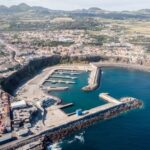
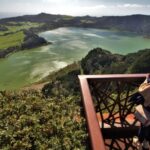
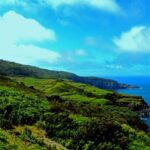
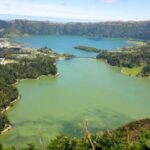
Even if whales are elusive, the coastline can be stunning. The Azores are volcanic and green, and you’ll see dramatic landscapes paired with wide-open ocean.
Guests describe the day as feeling like stepping into a postcard—volcanic craters, lush scenery, and endless blue water. That matters because whale watching isn’t always guaranteed in the way a museum ticket is guaranteed. If the ocean gives you dolphins and birds plus great weather, the day still feels like a win.
Comfort and practical tips that save your trip
This is where real-world advice matters.
Weather can change everything
Trips are subject to cancellation due to weather conditions and if minimum numbers aren’t met. That’s normal for sea excursions, but it still affects planning. If you’re short on time in São Miguel, consider booking earlier in your stay so you have a chance to rebook if the forecast doesn’t cooperate.
Seat choice can matter on busy days
Some travelers mentioned the boat can be full, and everyone wants the best viewing angle. If you have the choice, pick seats that give you a stable view toward where the sightings might appear. It sounds basic, but it’s the difference between watching and craning.
Clothing and shoes rules
High-heeled shoes aren’t allowed. Smoking and drones are out, and alcohol and drugs are prohibited. You’ll also want to dress for a cool Atlantic wind because even when the sky is bright, the open water can feel sharp.
On Zodiac trips, you’ll receive raincoat and pants. That’s a big help if there’s mist, spray, or sudden changes.
Value for money: what $82 buys you in real terms
At around $82 per person for a 3-hour experience, the value is in the combination: time on the water plus expert guidance plus safety basics included.
Here’s what you get that contributes to value:
- Pre-tour briefing and on-water education
- A marine biologist or nature guide on board
- Life jacket for Zodiac guests (mandatory)
- Raincoat and pants for Zodiac guests
- A structured plan that follows animal-watching rules rather than random driving
What you don’t get:
- Hotel pickup and drop-off
- Food and drink
So think of this as a focused morning or afternoon activity. Plan your meal separately and you’ll feel like you got your money’s worth.
Safety, rules, and animal ethics: why the approach matters
Responsible whale watching changes the tone of the trip. The onboard briefing covers water safety and the rules of observation, and the crew’s behavior during sightings is part of what guests praise most.
Ethical practices you might see in action include keeping proper distance and approaching in a way that minimizes disruption. At least one reported encounter included engine-off behavior near orcas, which shows the crew isn’t treating wildlife like a photo prop.
This is one reason the trip often feels more meaningful than a typical sightseeing outing. You’re not just chasing a checklist. You’re learning how to witness wildlife with respect.
If you don’t see animals: the second-tour safety net
You’re not guaranteed whales every time. That’s the honest part of ocean life. But the operator offers a second tour if no animals are sighted during the experience.
That’s not a small detail. It turns a potential disappointment into a second chance, and it makes the booking feel less risky if you’ve only got one shot at São Miguel.
Who should book this trip (and who should choose something else)
This outing isn’t for everyone, and the eligibility notes are worth taking seriously.
Not suitable for:
- Children under 8
- Pregnant women
- People with back problems
At the same time, the operator notes that the catamaran option is recommended for pregnant women and people with limited mobility or back problems. That’s a clear hint that boat type matters for comfort and safety—but because the activity is marked not suitable for these groups, you should confirm eligibility directly with the provider before booking.
If you are:
- Comfortable with open water
- Ready for a bit of wind and movement
- Interested in learning from a marine biologist rather than just spotting animals
…then this is a strong fit.
Should you book Futurismo Azores Whale Watching?
If your goal is a short, guided whale and dolphin experience with real marine education, this one makes a lot of sense. The reviews consistently point to guides, strong wildlife-finding effort, and stunning Azores scenery. The second-tour offer if sightings don’t happen also reduces the chance of wasting your only whale-watching slot.
Book with extra caution if you’re prone to sea sickness or you need the steadiest ride possible—choose catamaran if you can, and plan for motion. And keep a flexible mindset for weather-related cancellations.
If you want, tell me your travel month and whether you’re leaning catamaran or Zodiac. I’ll help you decide what’s smartest for comfort and what sightings are most realistic for that time of year.
From Ponta Delgada: Whale and Dolphin Watching Trip
FAQ
How long is the whale and dolphin watching trip?
The trip lasts about 3 hours, with around 2.75 hours spent whale watching after a safety briefing.
Where do I meet for the Ponta Delgada tour?
Meet at Futurismo Azores Adventures at Ponta Delgada Harbour, Portas do Mar – Shop 26, 9500-771 São Miguel, Azores, Portugal.
What’s included in the price?
Included are the pre-tour briefing, and a marine biologist or nature guide on board. For Zodiac boats, life jackets are mandatory. Raincoat and pants are available for Zodiac boats.
Is hotel pickup included?
No. Hotel pickup and drop-off are not included.
Do I need to bring food or drinks?
Food and drink are not included, so you’ll need to plan your own meals and snacks.
What boat options are available?
You can choose between a catamaran or a Zodiac (inflatable rubber boat) at the time of booking.
Do I get rain gear or safety equipment?
If you book the Zodiac option, you’ll get raincoat and pants, and you must wear a life jacket.
Is there a second tour if we don’t see any animals?
Yes. If no animals are sighted during the experience, a second tour is offered.
What languages are the guides?
The live tour guide is available in English and Portuguese.
What cancellation options do I have?
Free cancellation is available up to 24 hours in advance for a full refund.
You can check availability for your dates here: