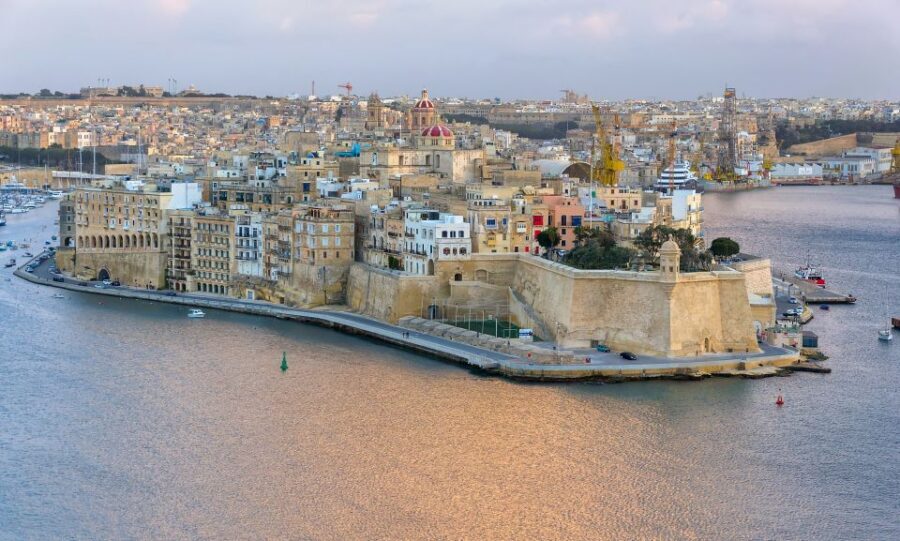
If you want a fast, low-effort way to see Valletta’s harbours without sitting in traffic, this 90-minute harbour cruise from Sliema is a smart pick. You’ll glide around Grand Harbour, Marsamxett Harbour, the Three Cities, and a string of creeks, all while English audio commentary keeps you oriented.
What I like most is the combo of stunning harbour views and practical context. The commentary helps you recognize what you’re looking at, so the fortifications and dockyards feel less random and more like part of a plan.
One thing to consider: this cruise isn’t for everyone. It’s not suitable for people prone to seasickness or motion sickness, and wheelchair access isn’t listed as available.
- Key highlights worth getting excited about
- Why this Valletta harbour cruise is a smart first day in Malta
- Starting in Sliema: finding Ferries 4 and getting good seats
- The onboard experience: open-air views and English audio
- Marsamxett Harbour and Manoel Island: the cruise’s scenic warm-up
- Yachts, marinas, and ship-linked creeks: Msida, Ta’ Xbiex, Pieta
- Approaching Valletta: St Andrew’s and Vendôme Bastions in view
- Fort St Elmo and Saint Elmo Bay: seeing the defenses from the sea
- Grand Harbour and Floriana: the big panoramic payoff
- Marsa creeks and Palumbo Malta shipyard: the “working coastline” moment
- The Three Cities from the water: Vittoriosa, Cospicua, Senglea
- Birgu and Fort St Angelo: fort-on-the-water perspective
- Kalkara, Rinella Bay, and Fort Ricasoli: a coastline sweep
- Duration and pacing: how 1.5 hours feels in real life
- Weather, winds, and cancellations: plan with the sea in mind
- Who should book this cruise (and who shouldn’t)
- Price and value: is about actually worth it?
- What to bring: comfort and sun protection
- Food and tapas: what’s included and what’s not
- Best time to go: morning calm vs sunset mood
- Final thoughts: should you book this Sliema to Valletta and Three Cities harbour cruise?
- FAQ
- How long is the cruise?
- Where does the cruise depart from?
- Is there an audio guide, and what language is it in?
- Is food or drinks included?
- What should I bring?
- What’s the cancellation policy?
- What happens if the cruise is canceled due to weather?
- Is this cruise suitable for wheelchair users or people with motion sickness?
- More Boat Tours & Cruises in Sliema
- More Tour Reviews in Sliema
Key highlights worth getting excited about
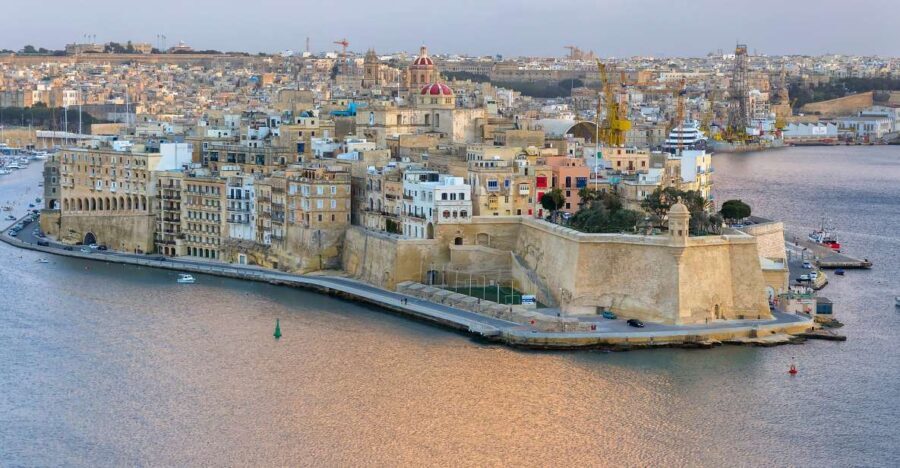
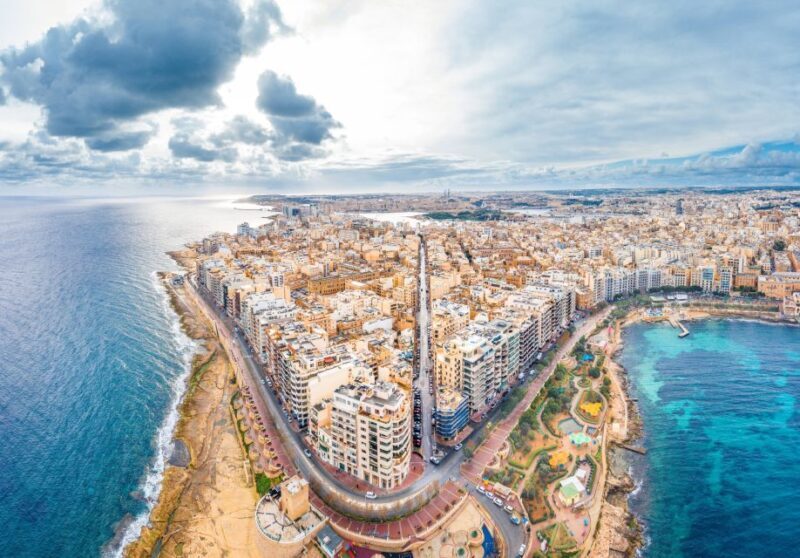
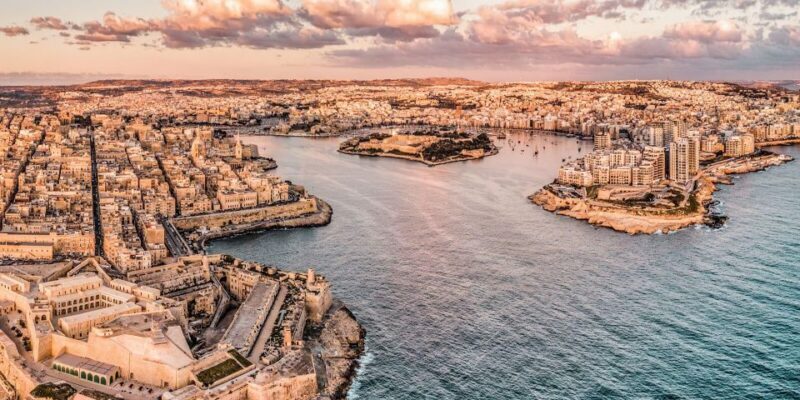
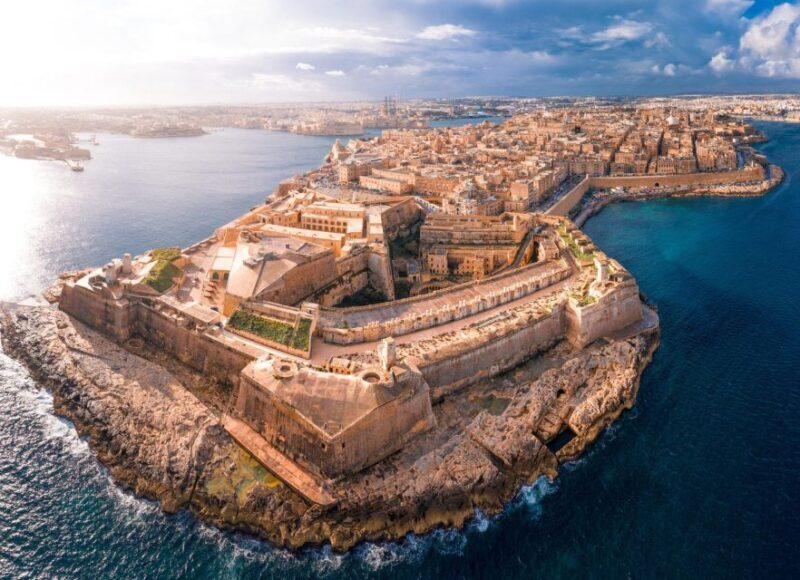
- Audio commentary in English helps you understand what you’re seeing as the boat moves
- Two natural harbours (Marsamxett and Grand Harbour) give you different angles of Valletta
- Creek-side views mean you can spot Valletta’s shape without heavy crowds
- Three Cities from the water: Vittoriosa, Senglea, and Cospicua come into focus fast
- Value for money at about $24 for roughly 1.5 hours of sightseeing by boat
Why this Valletta harbour cruise is a smart first day in Malta
Malta can feel like a “spot the church dome, then the next one” kind of trip if you only explore on foot. This cruise gives you a bigger picture quickly. From the water you see how Valletta sits like a fortress against the sea, and you understand why ships, guns, and harbours mattered so much.
You also get variety without changing locations. In about 90 minutes you go from working marinas and shipyards to historic viewpoints around the fortifications and the Three Cities. It’s the kind of tour that helps you plan the rest of your days, because you’ll start noticing landmarks later on foot.
You can also read our reviews of more boat tours in Sliema
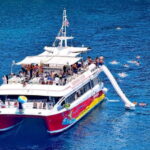
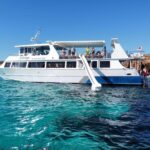
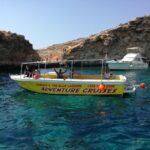
Starting in Sliema: finding Ferries 4 and getting good seats
The boat departs from Sliema Ferries, near the Ferries 4 bus stop (Triq Ix-Xatt). Aim to arrive about 10 to 15 minutes early. That’s not just for the check-in pace—if the boat fills up, being early helps you choose where you’ll sit.
From traveler tips, the seat choice can matter. One reviewer specifically recommended sitting on the right side for closer views of some sights. That won’t guarantee every landmark lines up perfectly, but it’s a useful trick if you’re aiming for photos.
The onboard experience: open-air views and English audio
This is not a “sit in a dark room” tour. Expect open sea air, lots of water-facing angles, and plenty of natural movement from the harbor setting. Reviewers repeatedly mention the ride feels smooth enough for many people, but it’s still a boat at sea—so if you’re motion sensitive, take that warning seriously.
Instead of a live guide speaking throughout, you get an English audio guide plus an English host/greeter. Many people find the commentary informative without being too loud or constant. One traveler did note that the audio can feel a bit outdated, but overall the guidance seems to do its job: connect the views to what you’re seeing.
Marsamxett Harbour and Manoel Island: the cruise’s scenic warm-up
Right after you depart, you’ll pass along the Sliema area and the Sliema promenade from the water. It’s a quick introduction to the city’s shoreline lifestyle—then the boat heads toward Manoel Island (Gżira).
Manoel Island is a great “before Valletta” stop because it shifts the feeling from built-up coast to calmer harbor views. You’ll see how Malta’s harbors aren’t just pretty—they’re functional, ringed with navigation points and built infrastructure that supports daily movement.
More Great Tours NearbyYachts, marinas, and ship-linked creeks: Msida, Ta’ Xbiex, Pieta
As you continue, the route threads through marinas and creeks: Manoel Island Yacht Marina, Lazzaretto, Ta’ Xbiex, Msida Yacht Marina, and Pieta. This is where the cruise becomes more than sightseeing.
From the water, working ports make sense. You’ll be able to see how the coast bends around bays and how small stretches of waterfront connect into a system. Travelers mention this part as a big reason the tour feels worthwhile: you’re not only photographing monuments; you’re seeing Malta’s maritime “everyday.”
There’s also Sa Maison Ferry Terminal on the way. It’s useful because it reminds you this is a real transit zone, not a sealed-off tourist set.
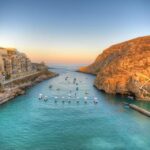

Approaching Valletta: St Andrew’s and Vendôme Bastions in view
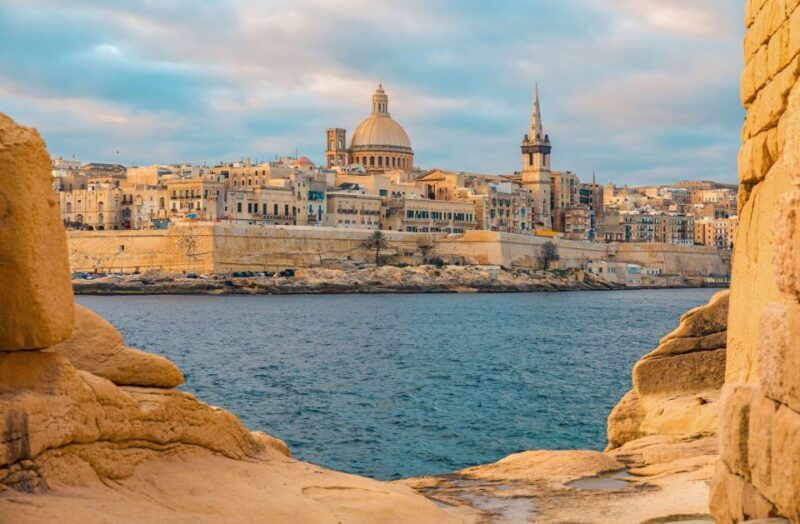
When you head toward Marsamxett Harbour and then into Valletta’s approach, the skyline starts to read like defense architecture. This is where you’ll likely notice the cruise’s main advantage: you’re not staring at fortifications from one street-level angle.
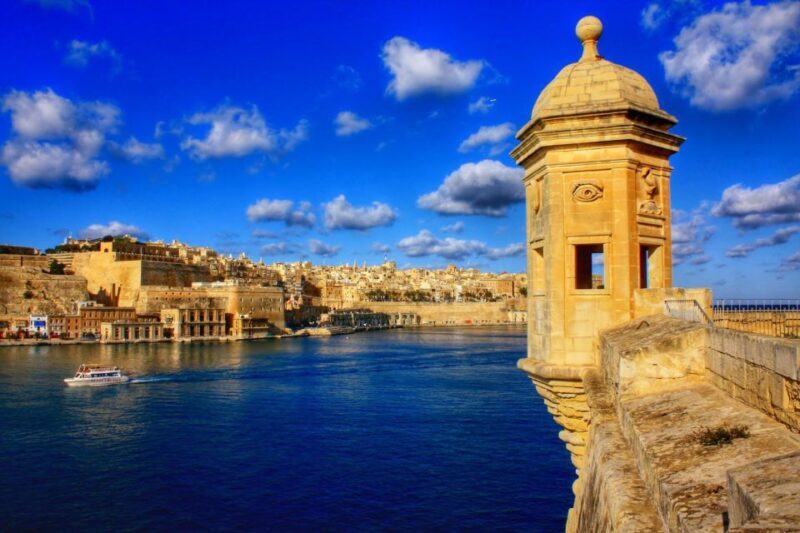
You’ll pass St Andrew’s Bastions and Vendôme Bastion. These stops are valuable because they show the geometry of the fortifications—where the walls meet, how the bastions project outward, and how the water shapes the defensive line. Even if you don’t know the names at first, the audio helps connect structure to purpose.
Fort St Elmo and Saint Elmo Bay: seeing the defenses from the sea
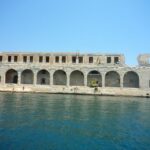
Next comes National War Museum – Fort St Elmo and Saint Elmo Bay. This is one of the most recognizable “that’s important” locations on the route. From the water, Fort St Elmo doesn’t just look like a building—it looks like a strategic point overlooking the harbor approach.
Why this matters for you: when you later walk around Valletta, you’ll have a mental map of where the strongpoints are. You’ll understand why certain corners and viewpoints are watched so carefully.
Grand Harbour and Floriana: the big panoramic payoff
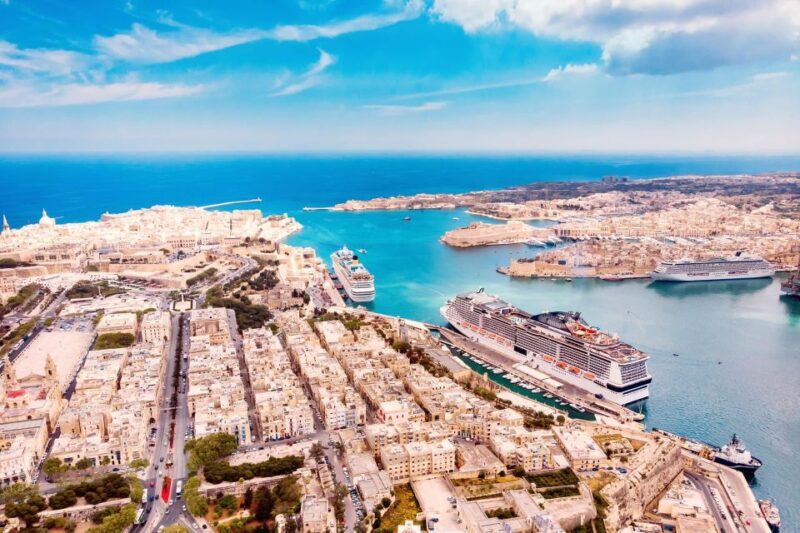
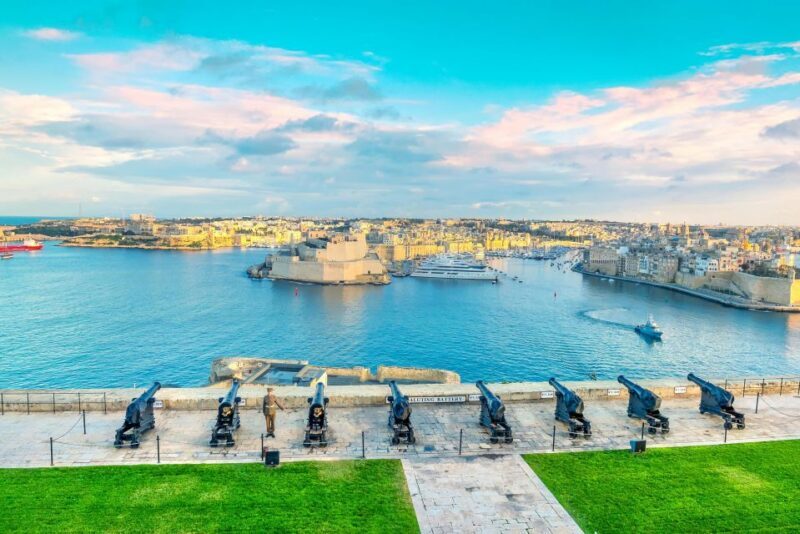
Then you hit the star of the show: Grand Harbour, Valletta, with Floriana along the way. Reviewers call this the highlight, and it’s easy to see why. Grand Harbour gives you scale—ships, docks, waterfront walls, and the way Valletta’s city mass rises from the edge of the water.
If you’re the kind of traveler who likes photos but also likes context, this is your stretch. The commentary plus the wide angles make it easier to translate what you see into what it probably felt like from the sea centuries ago.
Marsa creeks and Palumbo Malta shipyard: the “working coastline” moment
The route doesn’t only focus on the postcard. You’ll pass through Marsa creeks and the Palumbo Malta shipyard area. This is a practical, grounded part of the cruise.
It’s valuable because it balances the historic sights. You’ll see that Malta’s harbors are not frozen in time. They’re still used, still maintained, and still busy—so the historic fortifications didn’t exist for decoration. They existed because sea traffic and control were the story.
The Three Cities from the water: Vittoriosa, Cospicua, Senglea
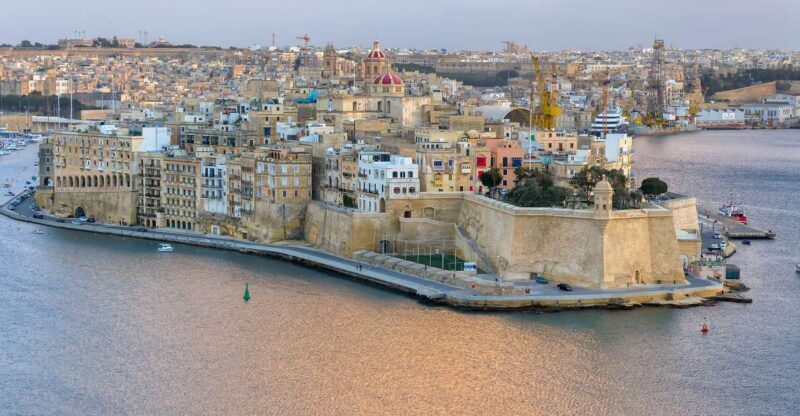
Now you get into the famous trio: Cospicua, Senglea, and Vittoriosa (Birgu), often described as the Three Cities. The cruise gives you a whole new angle on these places because you’re seeing them across water instead of from one hillside street.
From the water, the cities read as clusters of ports and fortifications. That changes how you process the architecture. Instead of treating buildings as individual stops, you start seeing them as part of an urban-defense-and-trade system.
And yes, this is a big reason travelers feel the tour is good value: you’re getting a structured look at multiple historic areas in one sitting.
Birgu and Fort St Angelo: fort-on-the-water perspective
You’ll pass Fort St Angelo, Birgu, then continue on to Birgu itself. Fort St Angelo stands out in a way that’s hard to replicate from land, because you naturally get the waterline relationship: where the fort controls the approach, and how the harbor framing makes it feel larger than expected.
This is the kind of viewing that can improve the rest of your trip. If you decide to visit Birgu later, you’ll know what to look for, and you’ll feel less like you’re “guessing” your way through the streets.
Kalkara, Rinella Bay, and Fort Ricasoli: a coastline sweep
After the Three Cities segment, the cruise heads along additional shoreline viewpoints: Kalkara, Rinella Bay, and Fort Ricasoli, Kalkara, before returning to Sliema Ferries (Ferries 4).
Why this part is worth it: Malta’s coast changes character as you move along. This segment helps you understand the coastline as a whole—bays, headlands, and defensive posts placed where they could watch movement at sea.
It’s also a nice “last look” wave if you’re thinking of getting one more photo or one more perspective before you leave the boat.
Duration and pacing: how 1.5 hours feels in real life
The cruise is listed at about 90 minutes (1.5 hours). That’s a good length. It’s long enough to see the main clusters—Valletta harbors, the bastion zones, and the Three Cities—without turning into a full-day commitment.
Pace matters here. People mention the cruise feels well organized, with a relaxed rhythm. You’re not constantly standing; you’re mostly viewing, listening, and shifting seats when you spot a view worth lingering on.
Weather, winds, and cancellations: plan with the sea in mind
Strong winds can be a factor in Malta harbor cruising. The operator notes that if the cruise is canceled due to poor weather or sea conditions, you’ll be offered a reschedule date, and if you can’t reschedule you get a full refund.
Route changes are also possible depending on prevailing weather. That doesn’t mean you’ll lose the experience; it means you should treat the itinerary as flexible sea routes rather than a rigid script.
Who should book this cruise (and who shouldn’t)
This tour fits travelers who want:
- A big-picture Malta orientation quickly
- Harbor views without the hassle of moving between multiple viewpoints
- An English audio explanation while you sit back
It may not fit if:
- You’re using a wheelchair (not suitable per the tour details)
- You have trouble with seasickness or motion sickness (not suitable)
- You need to bring lots of gear—large bags and oversize luggage aren’t allowed
Also, pets aren’t allowed. If you’re traveling with a companion animal, you’ll need a different plan.
Price and value: is about $24 actually worth it?
At around $24 per person, the value comes from what you’re buying: time on the water plus built-in context. You’re seeing multiple historic zones—Valletta’s harbors and fortifications, plus the Three Cities—without spending the day hopping around by taxi or waiting for buses.
It’s also a smart choice if you’re traveling with people who don’t want a museum pace. The scenery is the main event, and the commentary supports it instead of competing with it.
One traveler even mentioned thinking it was a bit expensive, but still worth trying. That matches the overall theme: most people feel it delivers, especially if you’re new to Malta and want a quick mental map.
What to bring: comfort and sun protection
Bring comfortable shoes even though you’re mostly seated—there can be a bit of walking for boarding and getting to vantage points. Also bring sunscreen. Open harbor decks get sun even when you’re not fully aware of it.
On a practical note: keep your luggage light. The tour notes restrictions on pets and large bags, so pack for the day, not for a week.
Food and tapas: what’s included and what’s not
This cruise includes sightseeing and audio commentary, not food or drinks. So if you like snacks, plan for them separately. If you’re hoping for tapas to be part of the experience, you’ll need a pre- or post-cruise meal on land.
That can actually be a benefit. You’ll finish with a natural appetite for something local, and you won’t feel stuck timing a meal around a boat schedule.
Best time to go: morning calm vs sunset mood
If you can pick your departure time, think about your goal.
- Morning cruises can feel less crowded, which some travelers liked. One person said a 10:30 departure wasn’t too busy and they enjoyed it.
- Sunset can be a payoff. Some reviews mention a nice view in the evening light.
The real trick: show up a little early so you can choose your seat. If you want the most flexible viewing, being toward the front or selecting the side that gives you closer sightlines can help.
Final thoughts: should you book this Sliema to Valletta and Three Cities harbour cruise?
You should book this cruise if you want an easy win in Malta: 90 minutes, big harbor scenery, and English audio commentary that makes the landmarks easier to understand. The consensus is that it’s a great way to see Valletta’s harbors and the Three Cities without turning your day into a transport puzzle.
Skip it if you know you’re prone to motion sickness, need wheelchair access, or you’re hoping food and tapas are included on board. And if you’re a super audio-nitpicky traveler, know the guidance is audio-based, not a live guide at every moment.
If your goal is simple—get your bearings fast and enjoy the views—this one is hard to beat for the price.
From Sliema: Cruise Around Malta’s Harbours & Creeks
FAQ
How long is the cruise?
The duration is approximately 1.5 hours (about 90 minutes).
Where does the cruise depart from?
It departs from Sliema Ferries, near the Ferries 4 bus stop on Triq Ix-Xatt.
Is there an audio guide, and what language is it in?
Yes. The cruise includes an audio commentary in English.
Is food or drinks included?
No. Food and drinks are not included.
What should I bring?
Bring comfortable shoes and sunscreen.
What’s the cancellation policy?
You can cancel up to 24 hours in advance for a full refund.
What happens if the cruise is canceled due to weather?
If canceled due to poor weather/sea conditions or strong winds, you’ll be offered a reschedule date. If you can’t reschedule, you’ll get a full refund.
Is this cruise suitable for wheelchair users or people with motion sickness?
No. It’s listed as not suitable for wheelchair users and people prone to seasickness or motion sickness.
You can check availability for your dates here: