This 8 to 9-hour tour from Yerevan packs an impressive amount of ground without feeling rushed—a balance that many day tours fail to achieve. You’ll visit four distinct locations that showcase what makes Armenia historically significant and visually stunning: the clifftop Sevanavank Monastery overlooking Lake Sevan, the forest-nestled Haghartsin Monastery, the medieval educational center of Goshavank, and the charming restored streets of Dilijan. The whole experience costs just $31 per person, which works out to roughly $3.50 per major site. That kind of value is genuinely hard to find.
What makes this tour work is the variety of experiences rather than repetition. You’re not monastery-hopping in a blur. Instead, you’ll spend genuine time at each monastery learning specific details—like how Sevanavank got its name from King Ashot I’s daughter Mariam in 874, or how Goshavank’s collection of laws by Mkhitar Gosh influenced legal systems worldwide. The guides consistently earn praise for being knowledgeable and genuinely engaged, with visitors frequently mentioning guides by name: Hasmit, Govorg, Ani, Armine, Jasmine. That personal touch matters over nine hours.
One practical consideration: this is a full commitment to your day. You’ll be on the road from 9 AM until around 6 or 7 PM depending on traffic and how long you linger at each stop. The tour involves some physical movement, including roughly 200-270 steps up to Sevanavank Monastery (which can be slippery in winter), plus walking around multiple monastery complexes. If you’re not comfortable with moderate hiking or have mobility concerns, you should know this upfront.
- Starting at Lake Sevan: The Second-Highest Freshwater Lake in the World
- Climbing to Sevanavank: Where Yerevan’s Name Was First Recorded
- Haghartsin Monastery: Built with Two Types of Stone in a Forest Valley
- Goshavank: Medieval Armenia’s Most Famous Spiritual Center
- Dilijan: The Swiss Alps of Armenia
- Lake Parz: The Quieter Alpine Lake
- The Quality of Guides Makes or Breaks the Day
- Transportation and Timing: What to Expect
- Food and Drink: Bring Your Own or Plan Ahead
- The Real Value Proposition
- Who Should Book This Tour
- Weather and Seasonal Considerations
- Making Your Decision
- FAQ
- How physically demanding is this tour?
- What should I bring or wear?
- Is there really a zip line at Lake Parz?
- What if I don’t speak much English?
- Will we actually visit all four monasteries mentioned?
- How much free time do I get at each stop?
- The Best Of Yerevan!
- More Tour Reviews in Yerevan
Starting at Lake Sevan: The Second-Highest Freshwater Lake in the World
 1 / 8
1 / 8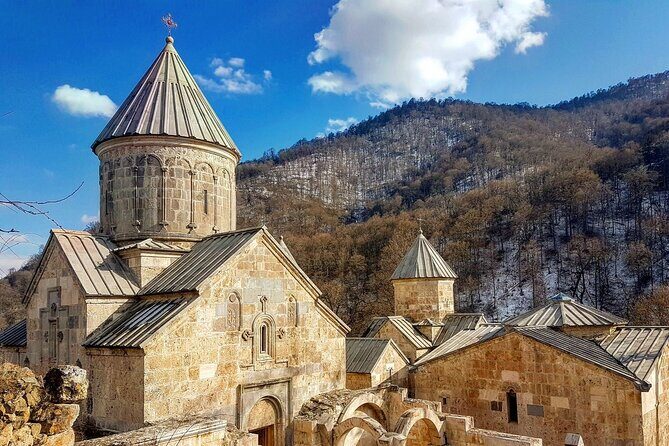 2 / 8
2 / 8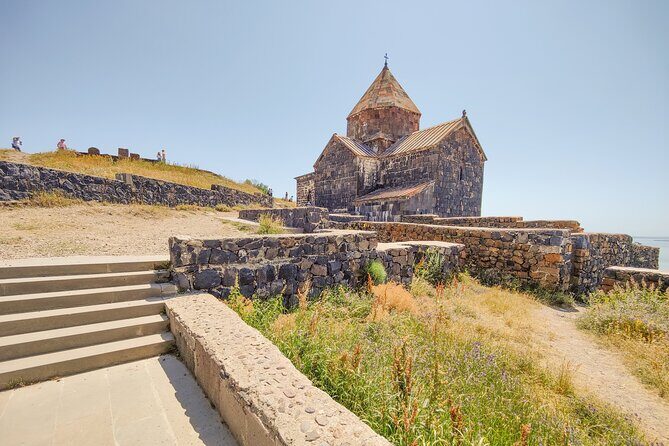 3 / 8
3 / 8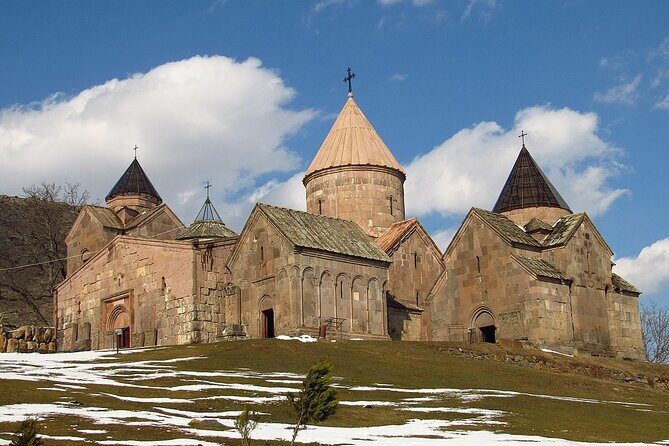 4 / 8
4 / 8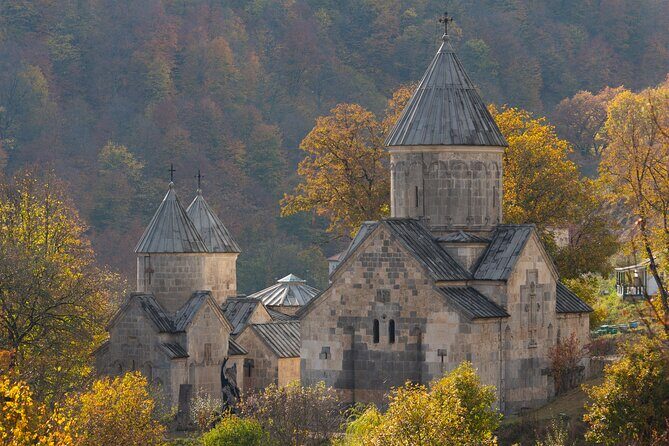 5 / 8
5 / 8 6 / 8
6 / 8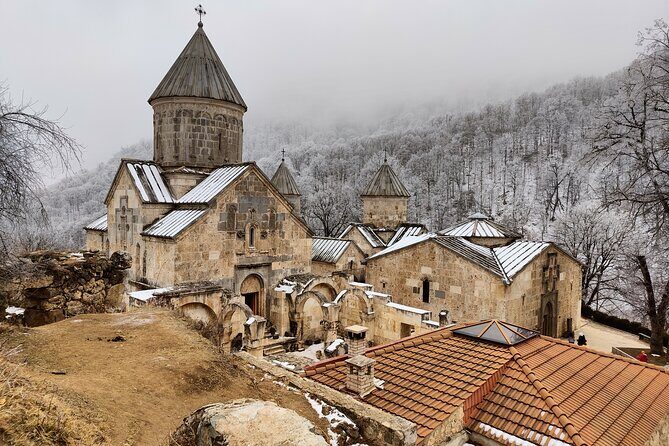 7 / 8
7 / 8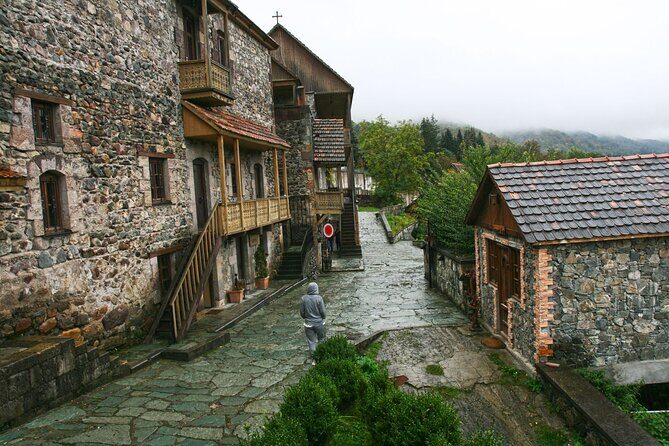 8 / 8
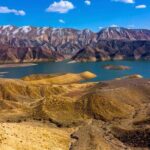
8 / 8Your day begins with Lake Sevan, sitting at nearly 6,000 feet elevation and holding the distinction of being the world’s second-highest freshwater lake. Even if you’ve seen plenty of lakes, Sevan has a particular quality—the water is impossibly clear, and the surrounding mountains create this sense of being in a completely different world from Yerevan.
The lake itself is volcanic in origin, divided into two parts by a peninsula. Most tours spend about an hour here, which gives you time to walk along the shore, grab a coffee, or simply sit and take in the views. Several visitors mention the panoramic views from the hill where Sevanavank Monastery sits are particularly stunning on clear days—worth timing your visit for good weather if possible.
👉 See our pick of the Yerevan’s 2 Best Workshops & Classes (With Prices & Reviews)
Climbing to Sevanavank: Where Yerevan’s Name Was First Recorded
Sevanavank sits on a peninsula jutting into the lake, and reaching it involves climbing those 200+ steps. It’s not a casual stroll, but it’s doable for most people with reasonable fitness. The reward is standing at a monastery built in 874 while looking out at the entire lake spread below you.
The monastery itself tells a remarkable story. Mariam, daughter of King Ashot I, vowed to build 30 churches in honor of her late husband and actually completed that promise over her lifetime. Sevanavank was one of them. What’s particularly interesting is that the name of Yerevan was recorded for the first time on the dome of this monastery—making it historically significant beyond its architectural beauty.
You’ll see two standing churches here and a unique 17th-century khachkar covered in biblical scenes. Most guides point out these details, which helps you understand what you’re actually looking at rather than just snapping photos.
You can also read our reviews of more tours and experiences in Yerevan.

Haghartsin Monastery: Built with Two Types of Stone in a Forest Valley
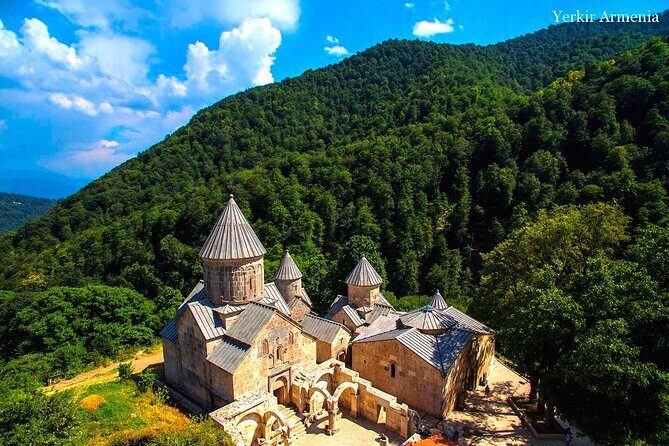
Moving inland from the lake, you’ll head to Haghartsin Monastery, built starting in the 10th century in a beautiful valley surrounded by Tavush forest. What makes this monastery visually distinctive is that it’s constructed from both travertine and basalt stone—an unusual combination in Armenian architecture, which typically relies on just one type.
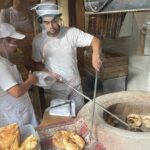
The white stone gives it a softer appearance than many Armenian monasteries. The complex includes a refectory that’s considered an architectural masterpiece on its own. There’s also a royal mausoleum here, and if you’re arriving hungry, local vendors sell gata (a traditional Armenian pastry) nearby—worth trying if you didn’t grab breakfast.
The forest setting genuinely feels different from the exposed lakeside. It’s quieter, older-feeling, and the trees provide shade that’s appreciated on warmer days.
Goshavank: Medieval Armenia’s Most Famous Spiritual Center
Goshavank represents the intellectual heart of medieval Armenia. It’s named after Mkhitar Gosh, a multi-talented clergyman and scientist whose collection of laws was so exceptional that it influenced legal systems across the world—an impressive claim, but one backed up by historical records.
The monastery complex is substantial: five churches, three chapels, a vestroom, and a refectory. You could spend hours here if you wanted to examine every carved detail. Most tours allocate around an hour, which gives you time to walk through the main structures and listen to your guide explain the significance of what you’re seeing.
The 13th-century khachkar by master Poghos is particularly worth examining—it’s intricately carved and represents the height of Armenian stone carving skill.
Dilijan: The Swiss Alps of Armenia
After the monasteries, you’ll roll into Dilijan, a town that’s been deliberately restored to recreate its early 20th-century character. The main restored street features wooden balconies, local craftspeople’s workshops, art galleries, and cafés designed to look like they did decades ago.
This stop is brief—usually around 20 minutes from the vehicle—but it serves an important function: it breaks up the monastery monotony and shows you a different side of Armenian culture. It’s a place where artists and poets historically retreated, and you can still feel that creative energy. Local artisans sell work right there: carpenters, jewelers, potters, and bakers all have shops along the main street.
Some visitors mention wishing they’d had more time in Dilijan to explore properly, which is fair feedback if you’re interested in shopping or sitting in a café. The brief stop feels like a teaser rather than a full experience, but it does give you a sense of the place.
Lake Parz: The Quieter Alpine Lake
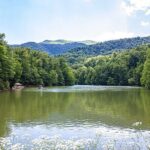
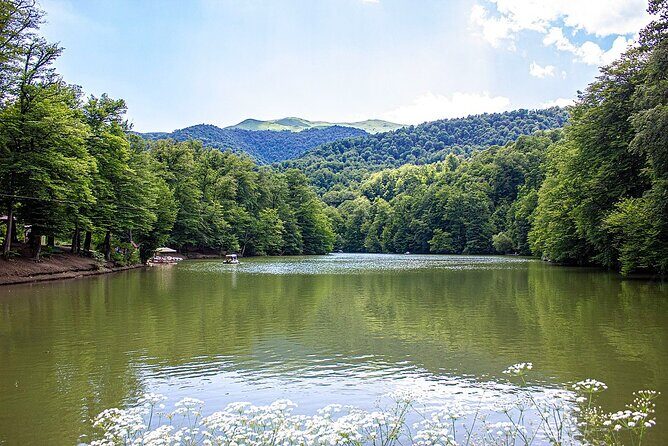
Your final stop is Lake Parz, a smaller alpine lake that’s a pleasant contrast to the massive Sevan. This is where you can rent boats, do a zip line over the water (if you’re feeling adventurous), or simply relax by the shore with ducks for company.
Several visitors note that the water can be quite cold even in summer, and some cafés near the lake may be closed or quiet depending on the season. It’s not as developed as Sevan, which is partly why it feels peaceful. If you’re tired from the day, this is a good spot to sit. If you still have energy, the zip line option adds an unexpected element of adventure.
The Quality of Guides Makes or Breaks the Day
Here’s something that comes up repeatedly in visitor feedback: the quality of your guide determines whether this is just a nice day trip or something genuinely memorable. Guides like Hasmit, Armine, Hasmik, and Jasmine consistently get mentioned by name for being knowledgeable, engaging, energetic, and genuinely interested in sharing Armenian history and culture.
These guides don’t just rattle off facts. They explain why things matter. They share stories about Armenian history that make the sites come alive. They’re patient when you want to take photos or ask questions. They manage group dynamics well over a long day.
That said, not every guide hits the same mark. A small number of visitors reported guides who seemed disengaged or provided significantly more attention to Russian-speaking participants than English speakers. This isn’t the norm based on the overall feedback, but it’s worth noting that your experience can vary.
Transportation and Timing: What to Expect
You’ll meet at the Komitas Yerevan State Conservatory at 9 AM sharp. The tour returns to the same spot by late afternoon or early evening. Transportation is by coach, and most feedback suggests the vehicles are comfortable, though one visitor mentioned an older bus (license plate ending in 044) that was worn out and uncomfortable. This suggests the fleet varies, so you might get a well-maintained coach or an older one—it’s somewhat a luck of the draw.
The maximum group size is 50 people, which is on the larger side. Some visitors found this acceptable, while others might have preferred something smaller for a more intimate experience.
Food and Drink: Bring Your Own or Plan Ahead
Food and drinks are not included in the tour price. There’s typically a lunch stop at a travel center food court where you can buy what you want—one visitor was genuinely impressed by how clean and well-organized this facility was, with good quality options. However, another visitor noted that the lunch stop comes relatively early in the day, which might feel rushed if you prefer eating later.
Bringing snacks and a water bottle is smart planning. Several visitors mentioned wishing they’d had water readily available during the tour, and the long day means staying hydrated matters.
The Real Value Proposition
At $31 per person, this tour costs less than a decent dinner in Yerevan. For that price, you get professional transportation, a knowledgeable English-speaking guide, and access to four major sites plus a restored historic town. You’re not getting meals or fancy extras, but you’re getting genuine historical education and stunning scenery.
The math works out to roughly $7.75 per major site, or about $3.50 per hour of guided experience. Compare that to what you’d spend renting a car and trying to navigate on your own, or hiring a private guide. The value is legitimately strong.
Who Should Book This Tour
This experience works best for visitors who genuinely care about history and architecture rather than those looking for an adrenaline rush or beach relaxation. If medieval monasteries and religious history feel like chores, you might find this day long and repetitive. But if you’re interested in understanding how Armenia’s culture developed, what role the church played in preserving that culture, and you enjoy walking around old buildings, this hits the mark.
It also suits people with limited time in Armenia who want to see multiple important sites without renting a car or worrying about directions. For solo travelers, it’s a good way to meet other visitors and have a structured day. For couples or small groups, it offers flexibility—you can stay together or split up at each stop depending on your interests.
The physical demands are moderate but real. You’re not summiting mountains, but you are climbing stairs and walking around monastery grounds. If you have knee issues or serious mobility concerns, check with the operator before booking.
Weather and Seasonal Considerations
This tour operates year-round, but weather matters. One visitor mentioned it gets hot in summer, while another noted icy stairs at Sevanavank in winter. Spring and fall are probably ideal—warm enough to be comfortable but not scorching. The tour can be canceled due to poor weather, in which case you get a full refund or a different date.
Making Your Decision
Book this tour if you want a comprehensive introduction to Armenian history and culture delivered by someone who actually knows their material, you’re comfortable spending 9 hours on a coach with up to 50 other people, and you’re interested in monasteries and landscapes. The price is fair, the sites are genuinely important, and most guides make the experience engaging rather than tedious.
Skip it if you prefer slower travel with deeper dives into fewer places, you’re not interested in religious history, or you want meals and activities included in the package. There’s no shame in that—it’s just a different style of travel.
The honest takeaway: this is a well-organized, good-value day tour led by guides who generally care about what they’re sharing. It won’t be the most relaxing day you’ve ever had, but it will give you real understanding of why Armenia matters historically and why its landscape is worth seeing.
From Yerevan:Sevan, Dilijan, Haghartsin, Goshavank, Lake Parz
FAQ
How physically demanding is this tour?
You’ll climb approximately 200-270 steps to reach Sevanavank Monastery, which can be steep and slippery in winter. Beyond that, you’ll walk around multiple monastery complexes and spend time on your feet exploring each site. Most visitors with reasonable fitness can manage it, but if you have knee problems, significant mobility concerns, or struggle with stairs, mention this to the operator when booking. They may be able to advise whether certain stops work for you.
What should I bring or wear?
Comfortable walking shoes are essential since you’ll be on your feet much of the day. Bring a water bottle and snacks—food and drinks aren’t included, though there’s a lunch stop with a food court. Sunscreen and a hat help in summer, while layers are smart in cooler months. The monastery sites require respectful dress (covered shoulders and knees), so plan accordingly.
Is there really a zip line at Lake Parz?
Yes, a zip line operates over Lake Parz, but it’s not included in the tour price and isn’t mandatory. It’s an optional activity if you want an extra adventure. You can also rent boats or simply relax by the lake. Check current pricing and availability with the tour operator.
What if I don’t speak much English?
The tour is offered in English, and guides are professional English speakers. However, one visitor mentioned that some guides provided more detailed commentary in Russian than English, so experiences may vary. If you’re concerned about language, mention this when booking.
Will we actually visit all four monasteries mentioned?
Most visitors do see Sevanavank, Haghartsin, and Goshavank. One reviewer reported that a monastery advertised as part of the tour wasn’t accessible on their tour date, which suggests occasionally a site might be unavailable. The tour is well-structured, but weather or unexpected circumstances can occasionally affect the itinerary.
How much free time do I get at each stop?
Most stops receive approximately one hour, which gives you time to walk around, take photos, and listen to your guide’s explanations without feeling rushed. Several visitors specifically praised the pacing, noting that it balances guided commentary with personal exploration time. You’re not herded through like cattle, but you’re also not abandoned for hours.