
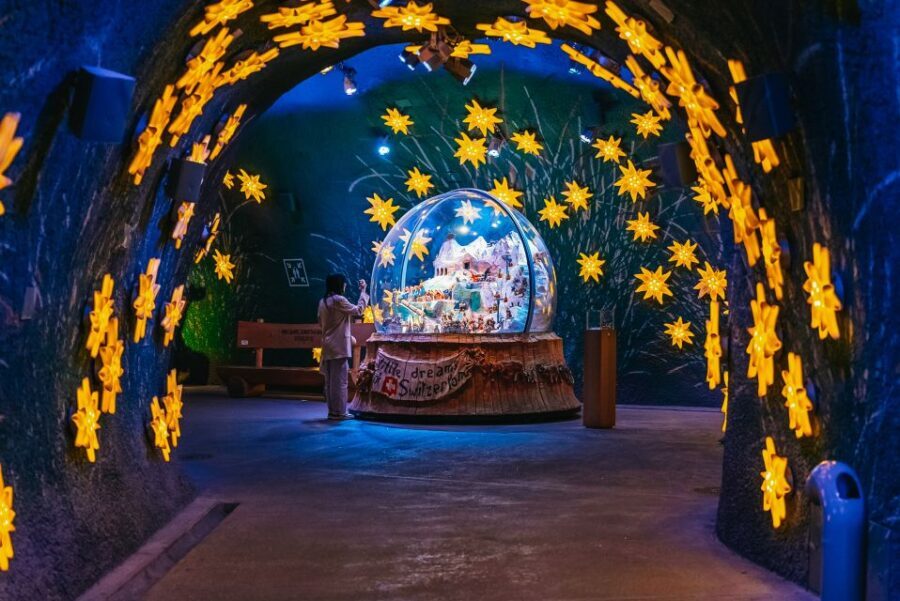
I can’t personally confirm I did this exact tour, but after reading what travelers consistently praise and matching it to how the routing works, it’s clear why this trip is so popular. From Zurich you’re whisked into the Bernese Oberland, then you ride the Eiger Express gondola up to the glacier before switching to a traditional cogwheel train for the ascent to Jungfraujoch. One repeat theme: the scenery builds, smoothly and dramatically, until you’re standing on Europe’s highest train station.
Two things travelers seem to love most are the guides (many groups mention friendly, clear guidance—often highlighting people like Marianne, Olga, Jean & Ping, Bruno, and Roberto) and the pure wow-factor views at the top. The day is long, but people say it stays organized and stress-free even with all the moving parts. A possible consideration: it’s a packed schedule, so Interlaken time can feel short or a bit “waiting around” depending on how you use that break.
- Key Things I’d Bet On
- From Zurich to Jungfraujoch: What This Day Trip Really Feels Like
- Meeting Point in Zurich: Sihlquai Bus Station (Don’t Be Late)
- Coach Ride to the Alps: Brünig Pass and Lake Brienz Vibes
- Interlaken Break: A Quick Reset, Not a Full Day
- Grindelwald Terminal to Eiger Glacier: The 15-Minute Gondola Moment
- The Cogwheel Train Up: Eiger, Mönch, and Jungfrau on the Route
- Jungfraujoch Time: Sphinx Observation Terrace and Aletsch Glacier Views
- Ice Palace Tunnels: Glacier Up Close (and Cold in a Good Way)
- Alpine Sensation and the 100-Year Jungfrau Railway Angle
- Wengen and Lauterbrunnen: Coming Down Without Losing the Scenery
- Price and Value: What You’re Paying For (and Why It’s Not Just the Ticket)
- Comfort, Altitude, and Who Should Think Twice
- Food and Drink Strategy: Plan for Summit Prices
- Weather and Flexibility: When the Alps Play the Schedule
- Guides and Drivers: Why the Day Feels Easy
- Accessibility and Practical Notes You Should Actually Read
- Who This Tour Fits Best (and Who Might Want Another Option)
- Should You Book This Tour?
- FAQ
- How long is the day trip from Zurich to Jungfraujoch?
- Where does the tour meet in Zurich?
- What transport is included to reach Jungfraujoch?
- How much time will I have at Jungfraujoch?
- What do I need to bring, and do I need ID?
- Is food and drinks included in the price?
- More Guided Tours in Lauterbrunnen
- More Tour Reviews in Lauterbrunnen
Key Things I’d Bet On



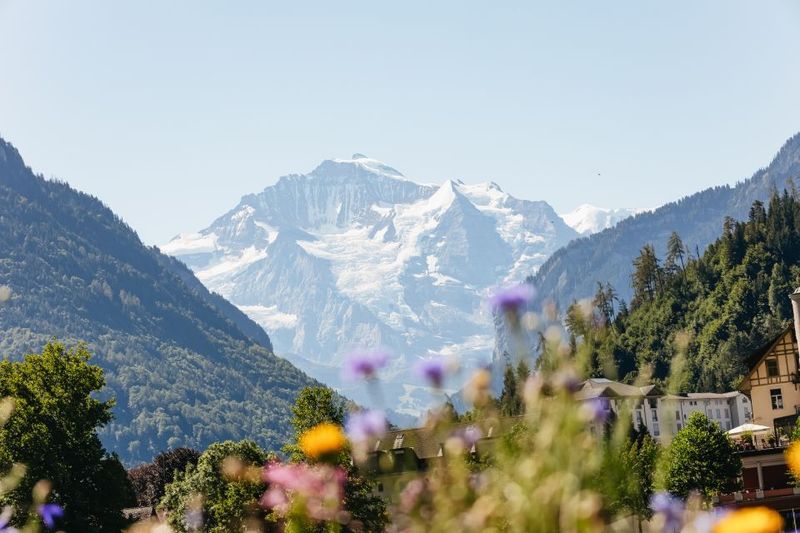
- UNESCO-listed High Alps scenery at altitude, with the Aletsch Glacier viewpoints as a major payoff
- A satisfying transport combo: gondola + cogwheel train, with classic mountain panoramas on the way up
- A real glacier experience: Sphinx Observation Terrace and the Ice Palace tunnels
- Seat reservation and preferred boarding, plus a separate entrance that helps you skip some hassle
- Most travelers say the day runs on time, mainly because the guide manages the handoffs tightly
From Zurich to Jungfraujoch: What This Day Trip Really Feels Like
If you’re staying in Zurich and want the big Swiss Alpine headline without wrestling timetables, this is a strong choice. You leave the city early, ride through the lake-and-mountain landscape of the Bernese Oberland, then climb in big steps: gondola to the Eiger Glacier area, cogwheel train up to Jungfraujoch. Once you’re at the top, the experience shifts from “scenery from the window” to “glacier world all around you.”
The top-of-the-peak feeling is the point. At Jungfraujoch, you’re not just looking at snow-covered mountains; you’re surrounded by ice, rock, and high-altitude views that make the Alps feel bigger than pictures. Travelers describe the day as a highlight because it packs in multiple iconic stops, without requiring you to plan routes or connections on your own.
You should also know what kind of “tour pace” you’re signing up for. The day is built for logistics. That means fewer wandering hours and more clearly timed segments—great if you like an itinerary. Not so great if you prefer long, slow, unscheduled drifting.
You can also read our reviews of more guided tours in Lauterbrunnen
Meeting Point in Zurich: Sihlquai Bus Station (Don’t Be Late)
This tour departs from Zurich Sihlquai Bus Station near Zurich HB (main train station). The instructions are specific: follow track 18 (the last street-level track), walk about 50 meters, and you’ll find the bus station across from Starbucks. Arrive 15 minutes early for check-in at the Best of Switzerland Tours counter.
This matters more than you might think. With a day trip like this, missing the initial handoff can throw off the whole chain of connections. Even travelers who loved everything emphasized how smoothly the day ran when they were punctual at the start.
Bring a valid passport or ID card and have your QR code voucher ready for scanning. It’s one less “where’s my phone” moment when you’re staring at Alpine ticket counters and high-altitude timelines.
Coach Ride to the Alps: Brünig Pass and Lake Brienz Vibes
The bus portion isn’t filler. It’s the “scenery warm-up,” setting you up for what’s coming. You’ll move from Zurich toward the Bernese Oberland area, with an included scenic ride along the Brünig Pass and the shores of Lake Brienz. This is where the Alps start to feel real—valleys open up, mountains sharpen, and you get that steady sense of going higher even before the trains start.
Expect some sightseeing stops along the way, plus rest breaks built into the schedule. The coach rides are also a practical advantage: instead of splitting your day across multiple transit tickets, you’re riding as part of a group with a guide coordinating the next step.
One thing to keep in mind: you’re spending a long day in transit. If you hate long stretches on buses, the ride time might feel like more than just “getting there.”
Interlaken Break: A Quick Reset, Not a Full Day
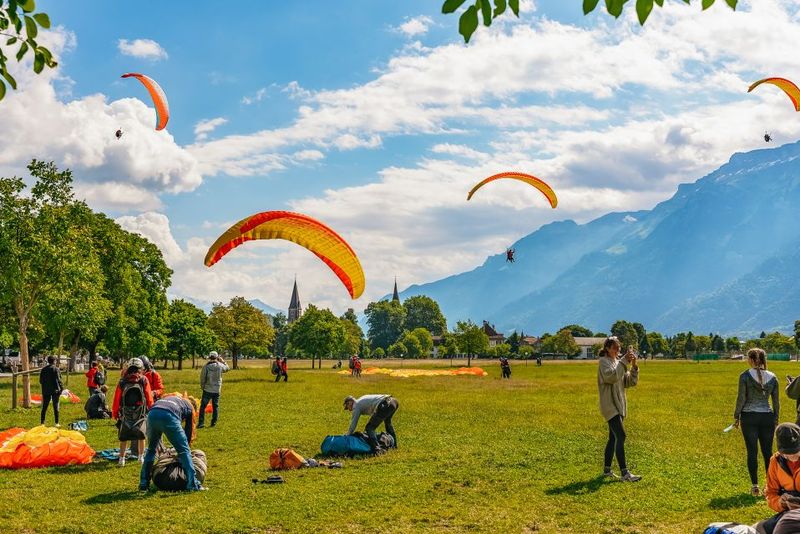
You’ll have a break in Interlaken for sightseeing and a stretch of legs. Travelers often describe this stop as useful for coffee and a quick reset, but a few note it doesn’t do much for them compared to the mountain time you’ll get later.
So I’d use Interlaken strategically:
- If you want a snack or a restroom break, this is your moment.
- If you prefer fewer “city moments,” keep your expectations modest. The real payoff is later at the Jungfraujoch viewpoints.
Also, traffic and seasonal timing can sometimes affect how the day feels. One traveler mentioned the Interlaken stop being cut short due to earlier traffic. That doesn’t mean the whole day falls apart—it just reinforces that this is a logistics-built tour.
Grindelwald Terminal to Eiger Glacier: The 15-Minute Gondola Moment
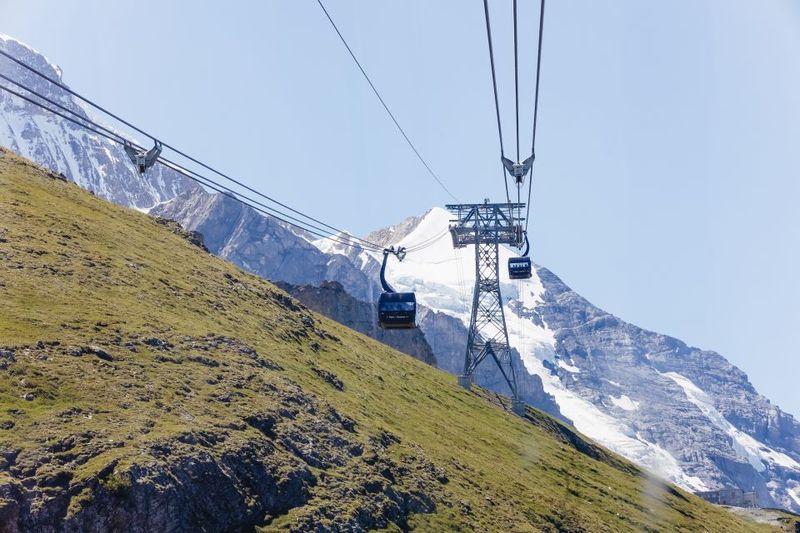
At Grindelwald Terminal, you switch to the gondola—an included Eiger Express ride up to the Eiger Glacier area. The ride itself is about 15 minutes, but it’s the kind of short segment that matters, because it changes the atmosphere fast. You go from “mountain views” to “glacier energy.”
Travelers mention the cable car as a standout because it gives big panoramas without requiring effort from you. This is also where the altitude starts to feel closer. You’ll want to be ready to move at the stations—follow the guide’s timing and keep an eye on the group.
This gondola-to-train switch is one of the reasons this tour is such a good deal for many first-timers. You get two different transport styles that are very Swiss, and you don’t have to figure out the transfer details alone.
The Cogwheel Train Up: Eiger, Mönch, and Jungfrau on the Route
Once you’re at Eigergletscher Station, you take the included train from Eiger Glacier to Jungfraujoch. The train ride is about 50 minutes and passes through some of the most famous Alpine scenery lines—especially the classic view of the triple peaks: Eiger, Mönch, and Jungfrau.
This part hits a sweet spot: it’s scenic enough to feel like an attraction, and practical enough to keep the ascent smooth. Many travelers also highlight that the guide repeatedly reminds people where to be, when to board, and how to maximize the time you have at the summit.
If you’ve ever underestimated Swiss vertical distances, this train will correct that fast. One of the best values here is the contrast: you’re not just paying to get to the top—you’re paying for a guided, structured climb.
Jungfraujoch Time: Sphinx Observation Terrace and Aletsch Glacier Views
When you reach Jungfraujoch, the schedule includes guaranteed minimum stay of 2 hours at the top. That minimum matters because it sets expectations. You’re not rushing through a photo stop—you’re given time to actually take in the viewpoints.
A major highlight is the Sphinx Observation Terrace and Plateau. This is where you get expansive views of the Aletsch Glacier, and where the landscape stops being “mountains in the distance” and becomes something closer to a frozen world. Travelers consistently describe the views as breathtaking, and many say Jungfraujoch ends up being a top memory from their whole trip.
The key practical point: at altitude, moving calmly helps. Sit when you need to. Don’t sprint between platforms. This is also when good footwear pays off, because surfaces can be slick depending on conditions.
Ice Palace Tunnels: Glacier Up Close (and Cold in a Good Way)
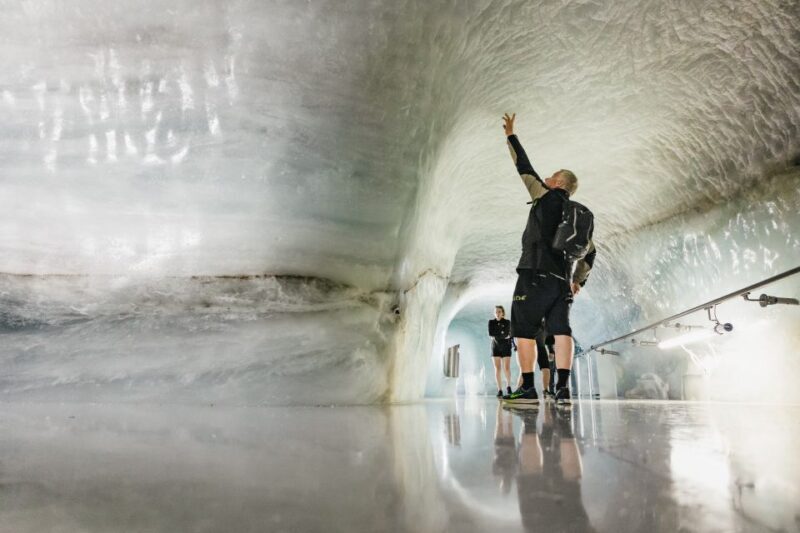
Included in the experience is a stroll through the Ice Palace, a tunnel-like area inside the glacier. This is the part that turns “viewing” into “walking through it.” Even if you’re not the kind of person who goes crazy for ice-themed attractions, glacier tunnels have a strong effect because you’re literally inside the material you came to see.
If you’re traveling in cold months, plan for temperature contrast. You can spend time outside, then step into a colder interior. Dress in layers, and keep something handy you can add or remove without needing to unpack your entire daypack.
Also remember that guided groups converge. A few travelers mention crowding around the lifts at the highest areas. That’s normal for a place this famous, so keep your patience on standby.
Alpine Sensation and the 100-Year Jungfrau Railway Angle
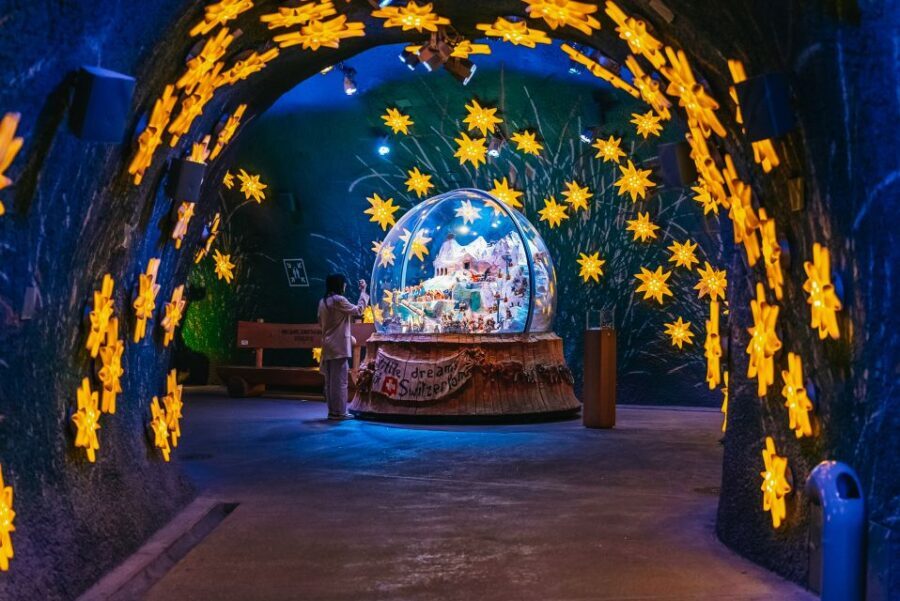
The tour also includes the Alpine Sensation discovery tour, marking the 100-year anniversary of the Jungfrau Railway. This isn’t just extra trivia. It helps you connect what you’re seeing—this enormous engineering feat—to the mountains themselves.
When you know a little of the “why,” the place feels more real. You’re not only visiting a viewpoint; you’re seeing how Swiss rail technology carved a path to one of the most dramatic High Alps locations in Europe.
Guides often explain these elements clearly, and travelers frequently mention that their guides were professional and informative. So even if you’re not a rail nerd, the context can make your time feel richer.
Wengen and Lauterbrunnen: Coming Down Without Losing the Scenery
The return journey is just as scenic. After time at the top, you descend via the car-free resort of Wengen to Lauterbrunnen, and then take the bus back toward Zurich.
This is a smart design. You get variety: big summit views first, then a more relaxed valley-level scene on the way down. Plus, you avoid the stress of trying to coordinate your own connections after a long day at altitude.
One more practical note: after hours in cold and at elevation, you’ll likely feel more tired than you expect. The bus return gives you that last “sit and recharge” buffer before reaching Zurich.
Price and Value: What You’re Paying For (and Why It’s Not Just the Ticket)
At about $367 per person for a 12-hour guided day trip, the price can feel high at first glance—especially if you think of it as transportation only. But most of that cost is tied to what you can’t easily DIY:
- Reserved seating and preferred boarding
- Cable car ride from Grindelwald to Eiger Glacier
- Cogwheel train from Eiger Glacier to Jungfraujoch
- Train back down to Lauterbrunnen
- A multilingual professional guide managing all the transitions
Travelers often mention that the train ticket and cable car costs are a big chunk of the total, so the value comes from the fact that you get the mountain access plus a smooth, guided logistics layer.
In plain terms: this tour saves you time, reduces stress, and helps you actually enjoy the day instead of constantly checking where to go next.
Comfort, Altitude, and Who Should Think Twice
Jungfraujoch is high. Swiss railways specifically recommend you be physically fit and healthy. Not recommended: pregnant women from the 7th month or people with high-risk pregnancies, and children under age 2 due to pressure equalization and fluid intake concerns.
Even if you’re healthy, some people can feel mild altitude effects. A few travelers specifically recommend taking it slow, drinking water, and not pushing yourself right after arrival.
Also note the practical limits:
- Wheelchair users: not suitable
- Babies under 1 year: not suitable
- Pets are not allowed (assistance dogs allowed)
If any of these apply, it’s worth checking alternate ways to experience the Jungfrau region at lower altitude.
Food and Drink Strategy: Plan for Summit Prices
Food and drinks are not included. That matters because a lot of travelers are surprised by how quickly summit food can add up.
A practical tip that comes up in traveler advice: grab snacks or a light meal from a supermarket area near the base before heading up. People also mention that you often have time for lunch, but summit options can be pricey, so having a plan helps.
On the bus, you’re also not allowed to bring food and drinks into the vehicle. So think “buy before you board” rather than trying to pack a picnic for the coach.
If you’re planning a day at high altitude, pack simple comfort. Your best friend is a calm, steady energy routine: water, layers, and a light snack when you feel hungry.
Weather and Flexibility: When the Alps Play the Schedule
The Alps don’t follow our plans. The tour notes that routing and transport methods may be amended during maintenance work or seasonal schedules, without prior notice.
That doesn’t mean your day is chaos. In fact, travelers often praise that everything ran on schedule and that guides handled coordination well. Still, you should keep a flexible mindset. If weather is rough, you may feel it most in the timing or in how crowded certain platforms get.
The best strategy is simple: check conditions before you go, dress for cold and changing conditions, and assume the guide will keep you moving to the next step.
Guides and Drivers: Why the Day Feels Easy
This is one of those tours where the guide makes a real difference. Many travelers mention guides who were friendly, professional, and clear with instructions—names that come up include Marianne, Alexander, Jean & Ping, Olga, Bruno, Roberto, and Andrea. People also mention guides who handled the group well, watched for late arrivals, and kept everyone on track with timing.
That matters because you’re moving across multiple transport modes and stations. If people are left guessing, the day becomes stressful fast. When the guide is proactive, the whole schedule feels lighter.
One more detail: this tour runs with live tour guide in English, Chinese, and Spanish. So you’re not just riding—you’re getting context and help along the way.
Accessibility and Practical Notes You Should Actually Read
Here are the items that affect real travelers:
- ID is required (passport or ID card)
- Arrive 15 minutes early for check-in and QR scan
- Bring good footwear for safe walking on varied surfaces
- Pets aren’t allowed (assistance dogs are)
- Not recommended for some pregnancy situations and very young children
- Wheelchair access isn’t available
If you’re a careful planner, you’ll appreciate these notes now rather than later.
Who This Tour Fits Best (and Who Might Want Another Option)
This day trip is ideal if you:
- Want a first-time Jungfraujoch visit without planning transfers
- Prefer a guided route with clear timing
- Like seeing multiple modes of transport in one day
- Enjoy big viewpoints more than slow, wandering exploration
It may not be ideal if you:
- Hate long days on the clock
- Want a lot of free, unscheduled time
- Need wheelchair-friendly access
Also, if you’re the type who gets bored by a short city break, Interlaken may not be your favorite part. The value is still the mountain experience—just don’t mistake the Interlaken stop for the main event.
Should You Book This Tour?
I’d book it if your priority is the Top of Europe experience with minimal hassle. The combination of gondola + cogwheel train, guided handoffs, and high-altitude highlights like the Sphinx Terrace and Ice Palace makes this a solid use of a single day from Zurich.
I’d hesitate only if you’re sensitive to altitude, need accessibility accommodations, or you strongly dislike tightly scheduled days. And if you’re on a budget, do your homework on food costs—bring a snack plan so the summit doesn’t surprise you.
If you want one “big Alpine day” that feels organized and worth the effort, this is a very dependable way to do it. Just show up on time, dress warm, and treat the mountain like the main character.
From Zurich: Day Trip to Jungfraujoch – Top of Europe
FAQ
How long is the day trip from Zurich to Jungfraujoch?
The tour duration is listed as 12 hours.
Where does the tour meet in Zurich?
You depart from Zurich Sihlquai Bus Station near Zurich HB. You’re instructed to follow track 18 (last street-level track) and walk about 50 meters; the station is across from Starbucks.
What transport is included to reach Jungfraujoch?
You’ll use a bus to reach the mountain region, then an included cable car ride from Grindelwald to Eiger Glacier, followed by a cogwheel train up to Jungfraujoch, and then trains back down to Lauterbrunnen.
How much time will I have at Jungfraujoch?
A minimum stay of 2 hours at the top is guaranteed.
What do I need to bring, and do I need ID?
You should bring a passport or ID card. The tour also notes bringing your voucher QR code for scanning.
Is food and drinks included in the price?
No. Food and drinks are not included, and you can’t bring food or drinks in the vehicle.
You can check availability for your dates here: