When you’re planning a day in Crete, you want something that goes beyond the typical tourist traps. This full-day small-group tour from Safari Experts Crete delivers exactly that—a genuine window into how locals actually live, work, and eat in the island’s mountainous interior. What makes this experience particularly worthwhile is the combination of hands-on activities (you’ll actually milk goats and make pottery) paired with the kind of scenery that makes you understand why people fall in love with Greece. The obvious consideration is that the famous Cave of Zeus has been closed for multi-year renovations, though the operators have been transparent about this and developed solid alternative activities.
This tour works best for travelers who want to experience the real Crete rather than just check boxes at famous sites, and it’s genuinely suitable for families, seniors, and active adults alike.
- What You’re Really Getting for Your Money
- The Itinerary: A Real Journey Through Rural Crete
- Morning: Getting Your Bearings in the Foothills
- Mid-Morning: Water and Wild Landscapes
- Late Morning: The Windmills and Plateau Gateway
- Midday: The Cave Situation (And What It Actually Means)
- The Meal: Why the Lunch Matters
- Afternoon: The Historic Tree and Final Vistas
- The Guides: Why They Make or Break This Experience
- Practical Considerations That Matter
- The Vehicle and Road Conditions
- Group Size and Timing
- What to Bring
- Child Seats and Accessibility
- The Money Question: Is It Worth 7.63?
- What Could Be Better
- Who Should Book This Tour
- Frequently Asked Questions
- The Best Of Crete!
- More Full-Day in Crete
- More Tours in Crete
- More Tour Reviews in Crete
What You’re Really Getting for Your Money
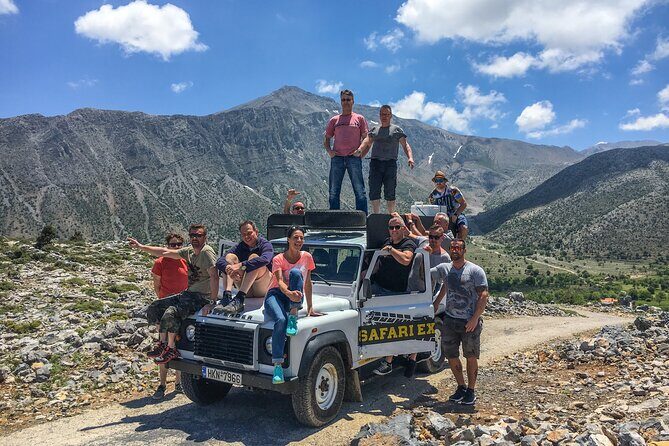
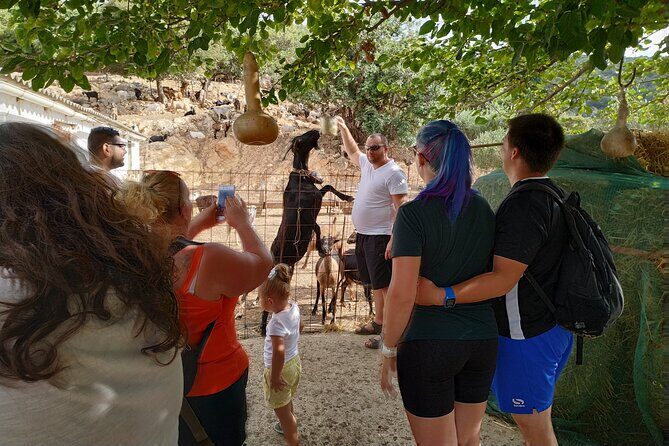
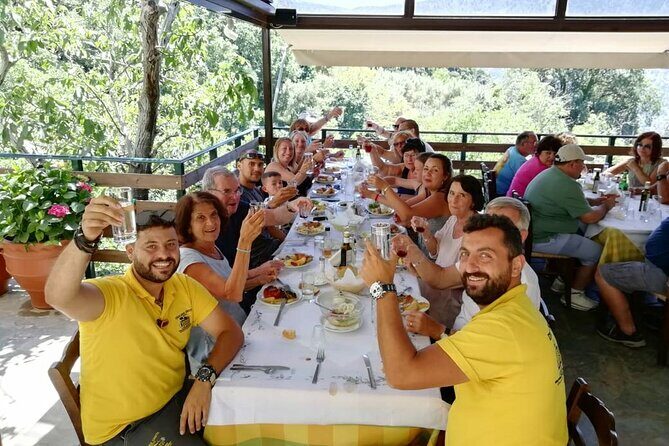
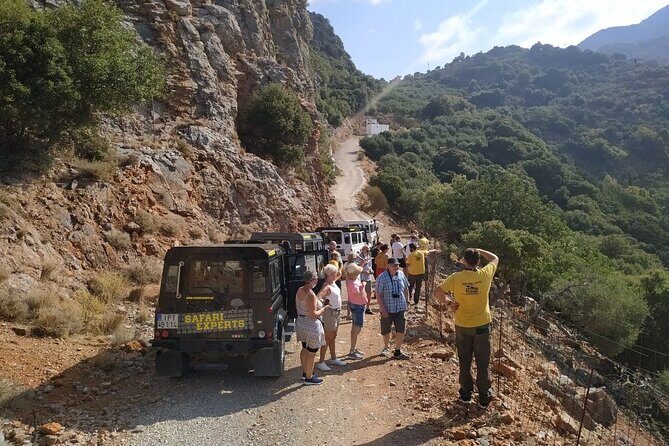
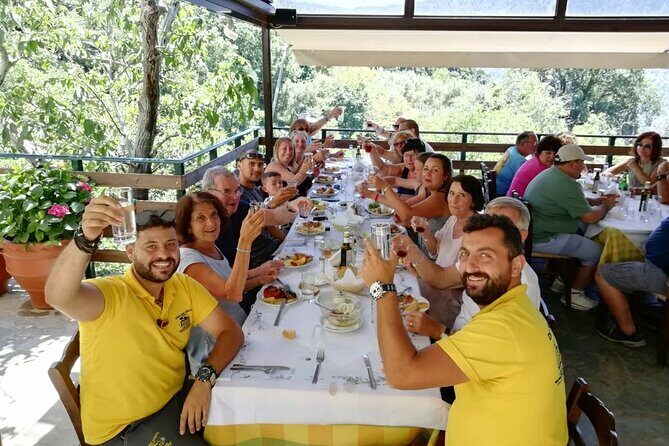
At $107.63 per person, this eight-hour tour includes quite a bit: hotel pickup and drop-off from multiple locations around Heraklion, lunch with wine and water, transportation in a 4WD vehicle, and the expertise of experienced local guides. The small-group format maxes out at 15 travelers, which means you’re not herded around like cattle but can actually have conversations and ask questions.
The value here is legitimate. You’re not paying premium prices for a luxury experience, but you’re getting something far more valuable—access to the island’s working communities and genuine cultural experiences rather than manufactured attractions. The included lunch alone at a traditional mountain taverna would cost you €15-20 if you found it independently, and the farm visits and demonstrations would be impossible to arrange on your own.
👉 See our pick of the Crete’s 13 Top Snorkeling Experiences (With Prices)
The Itinerary: A Real Journey Through Rural Crete
You can also read our reviews of more tours and experiences in Crete


Morning: Getting Your Bearings in the Foothills
Your day starts with hotel pickup between 7:45 and 9:00 AM from various locations around Heraklion and the surrounding resort areas. The exact timing comes after you book, which is worth noting since one traveler had a frustrating experience with a pickup location change that wasn’t properly communicated. When you’re coordinating hotel pickups across multiple areas, communication matters significantly.
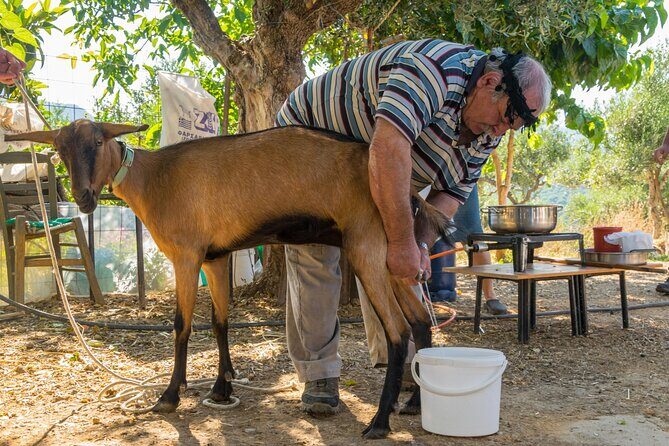
The first stop takes you to Potamies, a traditional Cretan village that actually functions as a living community rather than a museum piece. Here’s what makes this different from typical “village tours”—you’re visiting a working farm where you’ll watch locals milk animals and see cheese being made the way it’s been done for generations. You’ll taste fresh cheese, sample local olive oil, and try rakomelo (a traditional raki-based drink). One reviewer noted that “we milked a goat, made a pottery, watch a cooking demonstration and eat good food,” and this farm visit is where that hands-on experience begins. The stop lasts 45 minutes, which is enough time to actually engage rather than just snap photos.
Mid-Morning: Water and Wild Landscapes
The Aposelemis Dam stop might sound like an unusual tourist destination, but it’s worth the 20-minute visit. This is the largest water supply project in Crete, and there’s something haunting about seeing the old village of Sfendili partially submerged beneath the waters, its houses faintly visible on the surface. The dam area also attracts a variety of birds, so if you’re interested in wildlife, bring binoculars. It’s a quick stop, but it gives you perspective on how modern Crete balances development with its landscape.
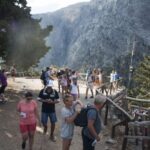
From here, the tour heads uphill using dirt roads through the Ebassas Gorge toward Ano Kera. This is where the 4WD vehicle earns its place on the itinerary. The mountain scenery becomes genuinely impressive, and your guide will make stops to collect local herbs—oregano, thyme, sage—explaining how Cretans have traditionally used them. It’s the kind of small detail that transforms a tour from “seeing things” to “understanding how people actually live.” This 45-minute section includes the scenic gorge drive and stops, and while one reviewer mentioned the driver occasionally went too fast on rough roads, this appears to be an isolated incident rather than standard practice.
Late Morning: The Windmills and Plateau Gateway
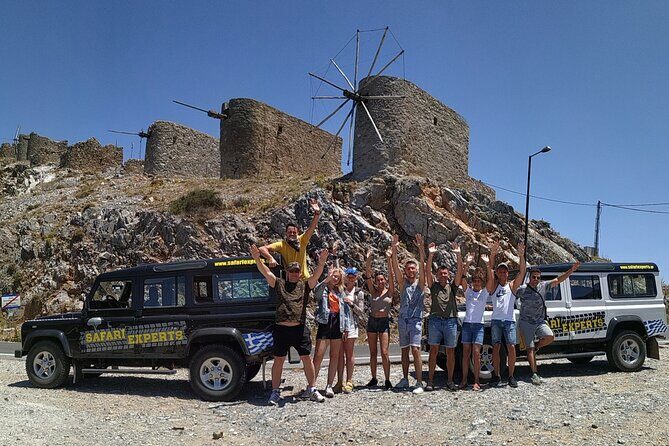
The Windmills of Lasithi Plateau stop gives you your first real panoramic views. This is the longest windmill line in Crete, and even though many of these traditional windmills are no longer in active use, they’re visually striking and historically significant. Your guide explains their role in Cretan agriculture and water management. The 15-minute stop is perfect for photos and getting oriented to the landscape you’re about to explore more deeply.
Midday: The Cave Situation (And What It Actually Means)
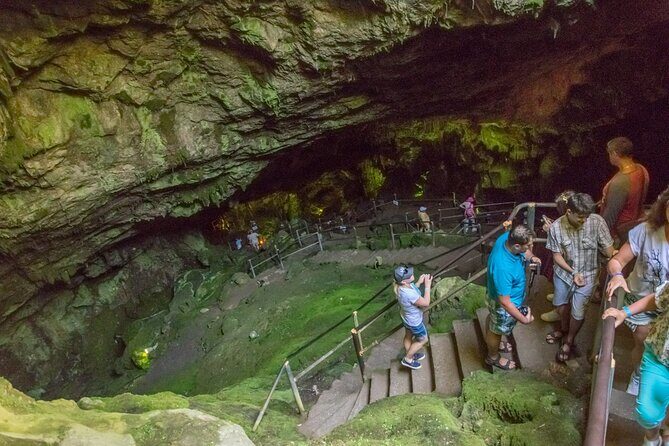
The Dikteon Cave—also called the Cave of Zeus—is where things get complicated. This cave has legendary significance in Greek mythology as the birthplace of Zeus, and it would normally be a highlight of any Crete tour. However, it’s currently closed for multi-year renovations by the Ministry of Culture, and there’s no official reopening date. This is genuinely beyond the tour operator’s control, and to their credit, they’re transparent about it.
Here’s the practical reality: you get 1.5 hours at the Lasithi Plateau regardless. If the cave were open, the €15 entrance fee would be your responsibility (not included). Since it’s closed, you can have coffee at a nearby café or participate in whatever alternative activity the guide arranges. Several reviewers who experienced the cave closure ended up at a pottery workshop run by a local artisan, and they found it equally engaging. One traveler noted that “the stop off at the ceramics workshop was actually a highlight for us! It was incredible getting to watch a master at work in his shop and his crafts were beautiful.”
This is worth emphasizing: the tour doesn’t fall apart without the cave. It adapts. Some visitors have gone to Milatos Cave instead, others have done pottery or local craft demonstrations. Your experience largely depends on your guide’s resourcefulness and your own flexibility.
The Meal: Why the Lunch Matters
Two separate stops on the itinerary involve food, and this is actually one of the tour’s strongest elements. After descending from Ano Kera, you’ll have lunch at a traditional tavern where food is cooked in a wood oven—the kind of place that serves travelers because locals eat there too, not the other way around. Wine and water are included, along with what reviewers consistently describe as delicious, authentic food.
The meal typically includes multiple courses (appetizers, mains, dessert) and often features a cooking demonstration where you might learn to make tzatziki or prepare traditional stuffed peppers and tomatoes. One reviewer raved that “the whole day was packed with culture, fun, and breathtaking scenery” and specifically highlighted the cooking demonstration as a favorite moment. Another noted that lunch featured “appetiser, main, dessert and red/white wine” and called it “superb in traditional Greek taverna.”
This isn’t fancy dining—it’s genuine, hearty Greek mountain food that tastes better because you understand where the ingredients come from and how they’re prepared.
Afternoon: The Historic Tree and Final Vistas
After lunch, you’ll visit Krasi and its famous Platanus Tree, a massive plane tree that’s over 2,000 years old and dominates the village square. Standing beneath a tree that’s been growing since before the Roman Empire existed puts things in perspective. The 20-minute stop gives you time to walk around, photograph, and appreciate the village square’s character.
The final stop at Mochos offers panoramic views stretching from Sissi to Analipsi along the coast. It’s the kind of sunset-ready viewpoint where the day comes together visually, and you get a sense of Crete’s geography that’s hard to grasp from the resort areas where most travelers stay.
The Guides: Why They Make or Break This Experience
The reviews consistently praise the guides, and this matters more than you might think. These aren’t people reading from scripts—they’re locals passionate about showing their island. Guide names that appear repeatedly in reviews include Nikos, Vagelis, Michael, Andreas, Mario, and others, and travelers describe them as “knowledgeable,” “charismatic,” “passionate,” and “hilarious.”
One reviewer wrote that their guide “was so passionate about making us have the best time ever. He was so knowledgeable, charismatic and got us all laughing out loud.” Another noted that their guide’s “passion for Crete is palpable, which makes sense as it is where he was born, raised, and currently operates a self-sustaining farm.” This is what separates a good tour from an unforgettable one—guides who actually care about the place and people they’re showing you.
Practical Considerations That Matter
The Vehicle and Road Conditions
You’ll be traveling in a 4WD vehicle, which is necessary for the dirt roads and mountain terrain. This also means the ride can be bumpy. One reviewer mentioned that “if you have back problems wouldn’t recommend as it can get a little rough,” which is fair warning. The rough roads aren’t a bug; they’re a feature that allows access to places regular tour buses can’t reach. Just know what you’re signing up for.
Group Size and Timing
With a maximum of 15 travelers per group, you’re not in a massive tour. The full day runs approximately 8 hours, with pickup between 7:45-9:00 AM and drop-off between 4:30-5:00 PM. This is a full day—not a half-day squeeze.
What to Bring
The tour recommends bringing walking shoes, sunscreen, a hat, sunglasses, and a jacket. The elevation gain and exposed mountain terrain mean you’ll want sun protection, and the temperature can drop as you climb. Water is essential.
Child Seats and Accessibility
Child seats are available if you request them during booking. The tour is described as accessible for most travelers, though it’s not recommended for people with serious medical conditions. Pregnant women might want to reconsider given the rough roads.
The Money Question: Is It Worth $107.63?
Yes, particularly when you factor in what’s included. You’re paying roughly $13 per hour for a guided experience that covers significant ground, includes lunch with wine, involves hands-on activities, and provides genuine cultural interaction. The hotel pickup alone saves you the hassle of arranging transportation and navigating to a meeting point.
Compare this to booking activities separately—the farm visit, lunch at a mountain taverna, pottery workshop, and private transportation would easily cost €150-200 per person. The tour isn’t luxurious, but the value is solid for travelers who prioritize authentic experience over comfort.
What Could Be Better
The communication issue mentioned by one traveler is worth noting. If your hotel pickup location changes, you need clear notification and instructions on where to go instead. The tour operator has said they’ll inform you after booking, but reading the reviews, it seems this doesn’t always happen reliably. Check your email carefully after booking, and if you don’t receive confirmation 24 hours before the tour, contact them directly.
The Cave of Zeus closure is disappointing if that’s specifically why you booked, but the transparency about it and the willingness to adapt the itinerary shows reasonable problem-solving.
Who Should Book This Tour
This tour is genuinely suitable for a wide range of travelers. Families love the hands-on activities and manageable pace. Active travelers appreciate the hiking and scenery. Cultural enthusiasts get real interaction with Cretan life. Even seniors have positive reviews, though those with mobility limitations might find the rough roads and walking challenging.
You’ll get the most from this tour if you’re genuinely interested in how people live in rural Crete rather than just checking famous sites off a list. If you want air-conditioned comfort and polished attractions, this isn’t your tour. But if you want to understand Crete beyond the beaches, this delivers.
Full-Day Small-Group Tour in Crete with Zeus Cave Visit
Frequently Asked Questions
Q: Is the Cave of Zeus visit guaranteed?
A: No. The cave is currently closed for multi-year renovations by the Ministry of Culture with no official reopening date. The tour operator includes alternative activities (pottery, ceramics, or other local experiences) when the cave is closed, but the cave visit itself cannot be guaranteed. This is disclosed after booking.
Q: What’s included in the price?
A: Hotel pickup and drop-off, 4WD vehicle transportation and fuel, lunch with wine and water, and an experienced guide. The entrance fee to the Cave of Zeus (€15 per person for adults) is not included and is optional. All other stops are free.
Q: How rough are the roads?
A: The tour uses dirt roads and mountain terrain that require a 4WD vehicle. If you have back problems or are sensitive to bumpy rides, this may not be comfortable. One reviewer noted the roads “can get a little rough,” and another mentioned a driver occasionally went faster than necessary. Most reviewers don’t complain, but it’s not a smooth experience.
Q: What time do I need to be ready for pickup?
A: Pickups occur between 7:45 AM and 9:00 AM depending on your location and the operator’s route. You’ll receive your exact pickup time after booking. The tour ends with drop-off between 4:30 PM and 5:00 PM.
Q: Can I cancel if I’m not happy with the booking confirmation?
A: Yes. You can cancel up to 24 hours before the tour starts for a full refund. If you cancel less than 24 hours before, the amount is not refunded. Changes made less than 24 hours before are not accepted.
Q: Is this tour suitable for children and seniors?
A: Yes to both, with considerations. Multiple reviewers traveled with children and seniors and had positive experiences. However, the rough roads and walking involved mean it’s not ideal for people with serious mobility issues. Child seats are available upon request.
Q: What’s the group size?
A: Maximum 15 travelers per tour. This is small enough to allow interaction with your guide and other travelers without feeling crowded, but large enough to share costs.
Q: What should I bring?
A: Walking shoes, sunscreen, hat, sunglasses, and a jacket. The tour involves elevation gain and exposed mountain terrain, so sun protection is essential. Bring water, though the tour makes stops where you can purchase drinks.
Q: What if the weather is bad?
A: If the tour is canceled due to poor weather, you’ll be offered a different date or a full refund. The rough roads and mountain terrain make the tour weather-dependent.
Q: How far in advance should I book?
A: On average, this tour is booked 36 days in advance. It’s popular, so booking at least a few weeks ahead is recommended to secure your preferred date.
Bottom Line: This isn’t a polished, resort-style tour experience—it’s something considerably more valuable. You’re spending a full day with knowledgeable locals exploring how real Cretans live, work, and eat in the island’s mountain communities. At $107.63 per person with lunch included, the value is genuinely strong. The guides consistently earn praise for their knowledge and charisma, the scenery is spectacular, and the hands-on activities (milking goats, making pottery, watching cooking demonstrations) create memories that outlast typical sightseeing. Yes, the Cave of Zeus is currently closed, but the tour adapts with alternative experiences that most travelers find equally engaging. If you want to understand Crete beyond the beaches and resort areas, and you’re comfortable with bumpy roads and an active day, this tour delivers authentic cultural experience at a fair price.