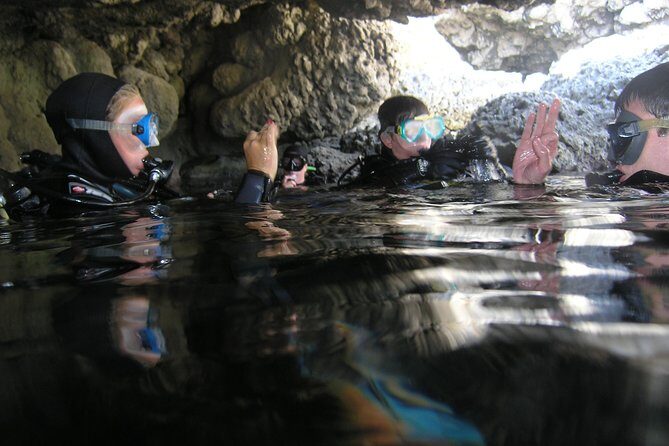
This full-day scuba diving experience in Rhodes offers first-timers a chance to explore the Mediterranean’s underwater world with some of Greece’s most experienced instructors. You’ll spend roughly eight hours on a boat journey to a protected bay, where the water stays crystal clear and marine life thrives. The whole operation is run by the Waterhoppers Diving School, a PADI 5 Star IDC center that’s been teaching people to dive since the late 1970s and has operated on Rhodes since 1990. What makes this experience genuinely special isn’t just the location—it’s the crew’s obsessive focus on safety and patience with nervous beginners.
I love two things about this tour right away. First, the instructors genuinely know their stuff and seem to enjoy working with people who’ve never breathed underwater before. Multiple reviewers mentioned specific guides by name—Mike, Martin, Chris, Sharon, and Lou—and described them as patient, encouraging, and skilled at calming nervous divers. Second, you’re not trapped sitting on a boat between dives. While waiting for your turn or after your initial dive, you can snorkel with free equipment, swim in the bay, or simply relax on the water. The setting itself—a protected bay with views of Rhodes’ medieval fortifications from the sea—beats sitting in a crowded pool.
The main thing to understand upfront: this isn’t eight hours of continuous diving. You get one 20-minute dive included, and while that might sound short, it’s actually the right amount of time for your first underwater experience. Everything happens slowly. You’ll spend time in the water practicing breathing and getting comfortable before you actually go anywhere. If you want more diving, you can book a second dive for €35 (roughly half the original price), which several reviewers said was worth every euro.
- Getting to the Dive Site and Meeting Your Crew
- The Medical Check and Gear Fitting
- Your First 20 Minutes Underwater
- What Happens Between Your Dives
- The Second Dive: Worth the Extra Cost
- The Kalithea Springs Setting
- Professional Photography (At Extra Cost)
- Seasonal Timing and Weather Considerations
- The Cost Breakdown and Value
- Who This Experience Suits Best
- The Crew and Safety Culture
- Practical Logistics That Actually Matter
- Should You Book This Experience?
- FAQ
- What’s included in the price of .65?
- Do I need any diving experience or certification?
- How much time will I actually spend diving?
- What happens if I get nervous or panicked underwater?
- Is there shade on the boat, and what should I bring?
- When does this tour operate, and what if the weather is bad?
- Are there any medical conditions that would prevent me from diving?
- Can I book a hotel transfer, and how much does it cost?
- The Best Of Rhodes!
- More Full-Day in Rhodes
- More Scuba Diving Tours in Rhodes
- More Tour Reviews in Rhodes
Getting to the Dive Site and Meeting Your Crew
 1 / 7
1 / 7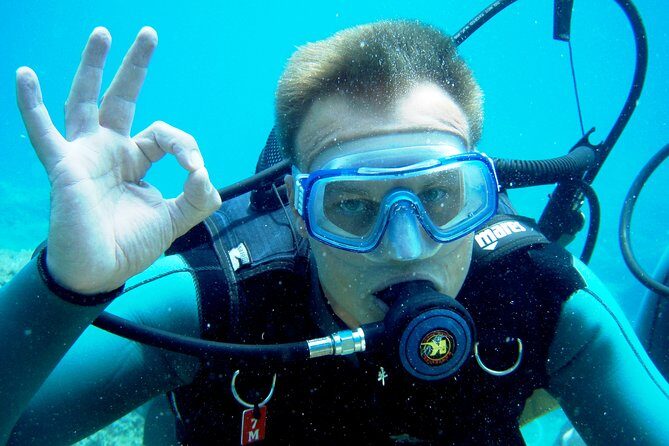 2 / 7
2 / 7 3 / 7
3 / 7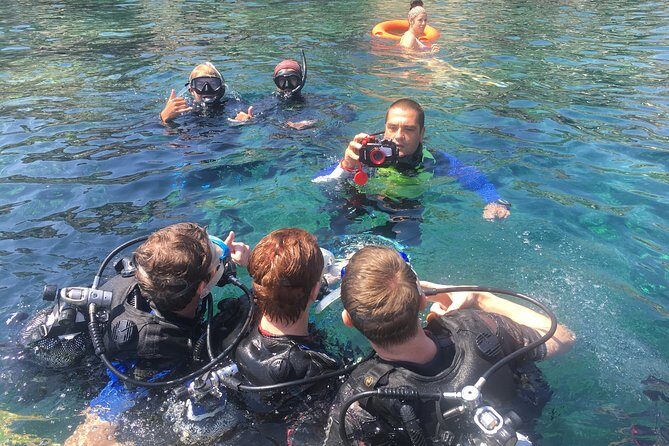 4 / 7
4 / 7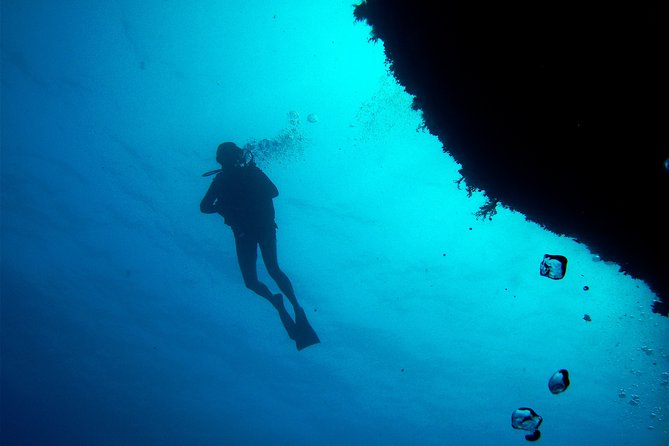 5 / 7
5 / 7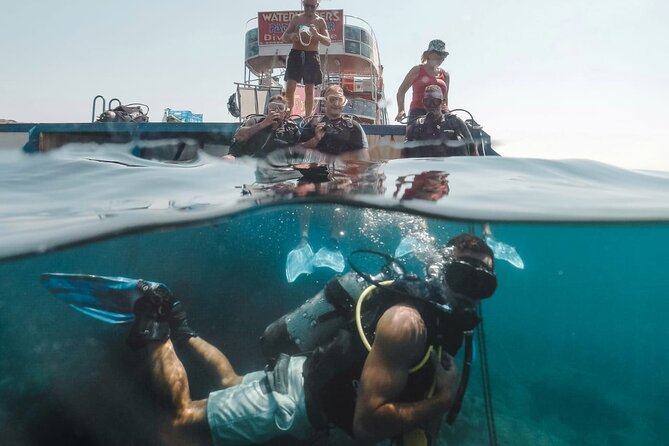 6 / 7
6 / 7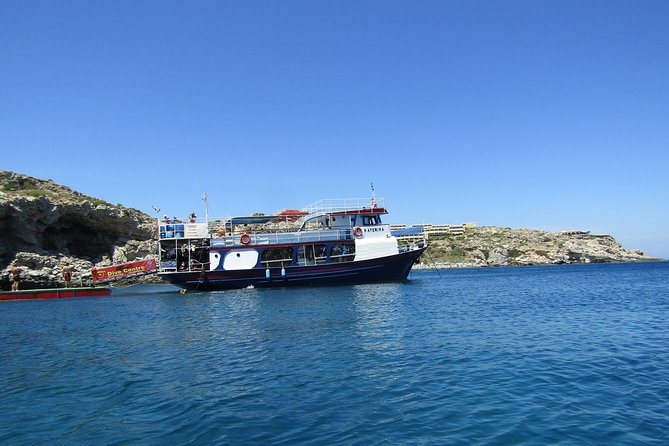 7 / 7
7 / 7The day starts at 8:30 AM at the Waterhopper’s meeting point near Pl. Eleftherias in Rhodes town. You’ll need to be there on time—one reviewer had a frustrating experience arriving early and waiting, though that seems to be an isolated incident given the overwhelmingly positive feedback. The crew offers optional hotel transfers for €8 per person each way, which beats the €13 taxi fare you’d likely pay otherwise.
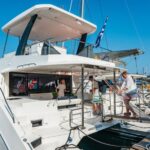
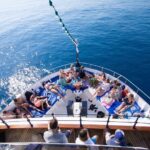
Once you’re aboard the boat, you’ll join a group of up to 70 people, though the actual diving happens in smaller groups of about six. The journey to the dive site takes roughly 45 minutes. During the sail, one of the instructors—typically Mike or another experienced diver—gives a safety briefing in English that covers essential rules, hand signals, and what you might see underwater. If you’re not comfortable with English, note that German and French guides are sometimes available, though you’ll want to confirm when booking.

👉 See our pick of the You’ll Love These 8 Workshops & Classes In Rhodes
The Medical Check and Gear Fitting
Before anything happens in the water, you’ll complete a health questionnaire that every diver must fill out. This isn’t bureaucratic red tape—it’s serious. The school has a doctor on board who reviews these forms. People with certain medical conditions, including epilepsy or serious heart issues, won’t be cleared to dive. This might sound strict, but it exists because diving puts real physical stress on your body. One reviewer actually suffered a heart event during a dive, and the crew’s immediate response—getting him to shore and into an ambulance within minutes—probably saved his life.
After clearance, the staff will help you into your wetsuit and diving gear, making sure everything fits properly. This is where patience matters. If you’re nervous about straps and buckles and feeling claustrophobic in neoprene, the crew takes time to walk you through it. Reviewers consistently mentioned feeling supported during this part, especially those who were anxious.
You can also read our reviews of more scuba diving tours in Rhodes
Your First 20 Minutes Underwater
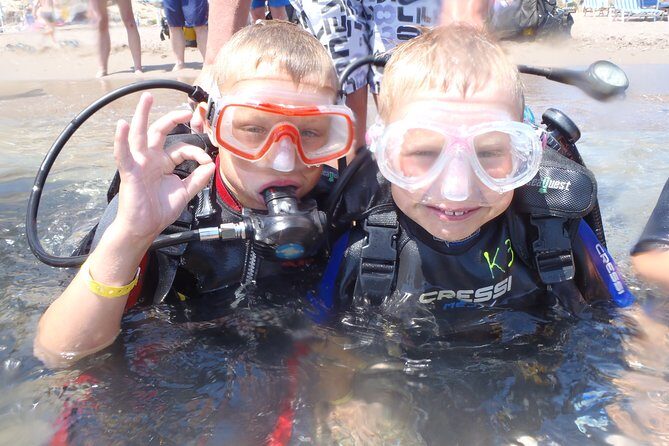
The actual dive happens in stages. You’ll enter the water with your instructor and spend the first few minutes getting used to breathing through a regulator while staying in shallow water. This part feels unnatural—you’re literally retraining your brain to breathe while submerged—but instructors are used to slight panic here. One reviewer described initially panicking, telling the crew, and being brought back up and reassured before successfully completing the dive. That’s exactly how it should work.
Once you’re comfortable, you’ll go deeper into the bay. At roughly 5-12 meters down, you’ll see small schools of fish, rocky formations, and the seafloor. It’s not a tropical reef, but it’s genuinely beautiful. The clarity of the water here is remarkable—you can see details and navigate easily. Several reviewers mentioned being surprised by how peaceful it felt underwater and how quickly they became comfortable breathing.
One honest note: the dive isn’t long enough to feel like you’ve truly explored. You’re not traveling far or seeing vast underwater landscapes. But for someone who’s never breathed underwater before, 20 minutes is actually perfect. You get the core experience without exhaustion, and you leave wanting more rather than feeling overwhelmed.
What Happens Between Your Dives
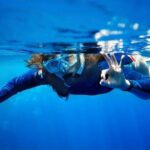
This is where the experience gets interesting. After your first dive, you have hours to fill. If you’re not doing a second dive, you have choices. The boat provides free snorkeling equipment, and many reviewers said snorkeling was surprisingly rewarding—they saw plenty of fish and sea life just below the surface, sometimes more than they saw while scuba diving. You can also simply swim off the boat or float around.
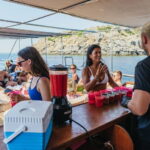
There’s a small bar on board where you can buy sandwiches and drinks, though prices are typical for a boat (a bit marked up). Several reviewers mentioned bringing their own lunch, which is perfectly fine. The boat does have shade in the central area, though one reviewer complained about sun exposure. If you’re sensitive to heat, wear serious sunscreen and consider bringing a hat or light cover-up. By mid-afternoon, when you’re heading back to shore, the sun will have done its work if you’re not careful.
The Second Dive: Worth the Extra Cost
Many reviewers specifically recommended booking the optional second dive for €35. At that price, it’s genuinely good value—you’re paying roughly half the original dive cost for additional bottom time. The second dive tends to be longer (around 20-30 minutes) and slightly deeper, and reviewers consistently said it felt more relaxed. You’ve already proven to yourself you can do it, so there’s less anxiety. You can actually enjoy the underwater scenery rather than just managing your breathing.
One reviewer mentioned that the crew initially made it unclear this was optional, and they were charged without fully understanding. That’s been addressed in responses, but it’s worth confirming when you book whether you want the second dive included or if you prefer to decide on the day. Most people who took it said they were glad they did.
The Kalithea Springs Setting
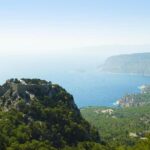
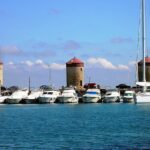
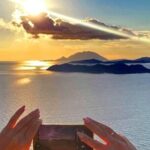
The dive location is in the Kalithea Springs area, a protected bay with historical significance. What makes this matter is that the water here is exceptionally clear and the setting feels special. You’re not diving in some generic training zone—you’re in a place that’s genuinely beautiful. The medieval fortifications of Rhodes visible from the water add to the atmosphere. If you’re someone who cares about the where as much as the what, this location delivers.
You can also read our reviews of more tours and experiences in Rhodes
Professional Photography (At Extra Cost)
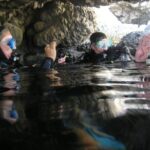
The crew takes photos of you both above and below water. These cost €20 per group to purchase (€15 if you’re diving solo). One reviewer mentioned initially being disappointed that much of their dive time seemed spent posing for photos. That’s worth keeping in mind—if you’re hoping for uninterrupted exploration time, you might want to skip the photos. That said, most people seemed happy to have them as souvenirs, and having photos of your first dive is genuinely special.
Seasonal Timing and Weather Considerations
The boat operation runs from May through the end of October. If you’re visiting outside those months (March, April, or November), the school offers a half-day beach diving program where you travel to Ladiko by road and dive from the shore instead. This is worth knowing if you’re planning a shoulder-season trip.
Weather matters here. If conditions are rough, the trip can be canceled, and you’ll either get a different date or a full refund. Rhodes is generally sunny and calm during the summer months, but spring and fall can be unpredictable. Check the forecast before your trip, and don’t stress if you need to reschedule.
The Cost Breakdown and Value
At $84.65 per person (roughly €79), you’re getting a full day on the water, professional instruction, all diving equipment, and access to snorkeling gear. Add the optional second dive (€35), underwater photos (€20), and hotel transfers (€16 for two people), and you’re looking at roughly $130-140 per person for the complete experience. That’s not cheap, but it’s fair given what’s included.
I think about value differently than just price. You’re paying for a PADI-certified school with decades of experience, a doctor on board, a professional crew that prioritizes safety above everything else, and access to genuinely beautiful water. The instructors aren’t cutting corners or rushing through groups. One reviewer who had a medical emergency during their dive wrote from their hospital bed praising the crew’s response. That level of professionalism costs money, and it’s worth it.
Who This Experience Suits Best
This tour is genuinely designed for complete beginners. You don’t need any prior diving experience, and the crew explicitly welcomes nervous divers. If you’ve always wanted to try scuba but felt intimidated, this is the right entry point. The group sizes are small enough that you get real attention, and the instructors have the patience of saints.
It’s also good for people who want to see if diving is something they want to pursue further. The school offers PADI certification courses that you can book on the same day at a discounted rate. Several reviewers mentioned starting with this experience and then committing to full certification.
It’s less suitable for experienced divers looking for serious underwater exploration or people who need constant activity and stimulation. If you get bored easily, the wait time between dives might frustrate you. And if you’re claustrophobic or have genuine anxiety about water, this might not be the right experience—you’d be better off doing research and possibly consulting a therapist before committing.
The Crew and Safety Culture
I want to emphasize something that comes through in nearly every positive review: the crew genuinely cares about your safety and comfort. This isn’t marketing speak. Reviewers mentioned instructors staying one-on-one with nervous divers, crew members being visible in the water watching groups, and a medical emergency being handled with immediate professionalism. One reviewer described the crew as having “the patience of a saint.” Another said they felt so safe they never had to worry.
This matters because scuba diving does carry real risks. The crew’s obsessive focus on safety—the health questionnaires, the doctor on board, the small group sizes, the constant supervision—isn’t overkill. It’s exactly what you want.
Practical Logistics That Actually Matter
The full experience runs roughly eight to nine hours from start to finish, including hotel transfers and travel time. You’re looking at a full commitment. Don’t plan a leisurely breakfast before heading to the boat, and don’t expect to do much else that day. Your body will be tired from the sun, salt water, and the physical effort of diving.
Bring a light cover-up or rash guard if you’re prone to sunburn. Bring cash if you want to buy food or photos on the boat. Bring a towel and a change of clothes. Don’t eat a huge meal right before diving—you want your stomach settled. And remember the 18-hour no-flying rule after diving. If you’re heading to the airport later that day, this won’t work.
The maximum group size of 70 people sounds large, but it’s managed well. You’re divided into smaller diving groups, and the boat has enough space that it doesn’t feel claustrophobic. One reviewer complained about being packed like cattle, but the boat company’s response pointed out that shade and space exist throughout the boat—you’re not forced to sit in the sun if you don’t want to.
Should You Book This Experience?
Yes, if you’re a beginner diver or someone who’s always wanted to try scuba and hasn’t yet. The crew is genuinely excellent, the location is beautiful, and the safety standards are serious. The value is solid when you factor in what’s included.
Book the second dive when you reserve rather than deciding on the day. Most people who did it said they were glad they did, and it’s easier to commit upfront than to decide with your adrenaline pumping.
Be realistic about what you’re getting. You’re getting a 20-minute introduction to scuba diving, not a full day of exploration. But that introduction is excellent, and it might spark a passion that leads you to full certification and years of diving adventures.
Skip the underwater photos unless you really care about souvenirs. They’re nice but not essential, and you’ll save €20.
Don’t book this if you’re highly anxious about water, have serious claustrophobia, or need constant activity and stimulation. This is a contemplative, slow experience, and if you’re not suited to that pace, you won’t enjoy it.
And don’t book if you’re planning to fly that same day. The 18-hour no-flying rule is non-negotiable for safety reasons.
(Full day)Scuba Diving in Rhodes
FAQ
What’s included in the price of $84.65?
The price covers all scuba equipment (wetsuit, tank, regulator, BCD), professional instruction from a PADI-certified instructor, one 20-minute dive, and free access to snorkeling gear. It also includes the boat ride to and from the dive site. Hotel transfers are available for an additional €8 per person each way.
Do I need any diving experience or certification?
No. This experience is specifically designed for complete beginners. You don’t need any prior diving knowledge or certification. The instructors will teach you everything you need to know during the safety briefing and in the water.
How much time will I actually spend diving?
You’ll get one 20-minute dive included. Before that, you’ll spend time in shallow water practicing breathing and getting comfortable with the equipment. If you want additional diving time, you can book a second dive for €35, which typically lasts 20-30 minutes and goes slightly deeper.
What happens if I get nervous or panicked underwater?
The instructors are trained to handle nervousness and will stay with you. If you panic, they’ll bring you back to the surface and reassure you. Several reviewers mentioned feeling anxious initially but being supported through it successfully. The crew prioritizes your comfort and safety above everything.
Is there shade on the boat, and what should I bring?
There is shade in the central area of the boat reserved for divers. However, if you’re sensitive to sun, bring sunscreen, a hat, and a light cover-up or rash guard. Bring a towel, a change of clothes, cash for purchases on the boat, and your own lunch if you prefer (though food is available for purchase).
When does this tour operate, and what if the weather is bad?
The boat operates from May through the end of October. If weather is poor and the trip is canceled, you’ll either be offered a different date or receive a full refund. In March, April, and November, the school offers a half-day beach diving program from Ladiko instead.
Are there any medical conditions that would prevent me from diving?
Yes. People with epilepsy or certain serious medical conditions won’t be cleared to dive. You’ll fill out a health questionnaire, and a doctor on board will review it. This isn’t bureaucratic—it’s a safety measure because diving puts physical stress on your body.
Can I book a hotel transfer, and how much does it cost?
Yes. Hotel transfers are available for €8 per person each way, which is cheaper than a taxi. The crew will pick you up and drop you off at your accommodation. You should arrange this when booking your dive experience.