This Funchal: Old Town Walking Tour is a smart 2-hour way to get your bearings in Madeira’s main city. You start at the Colégio dos Jesuítas area (near D’Oliveiras Madeira Wine), then move through the historic core with stops that connect everyday life to the big themes of Funchal: sugar, trade, faith, and local craft.
What I like most is the way the tour blends big landmarks with smaller, easy-to-miss places. Reviewers keep praising the guides for being genuinely knowledgeable, including names like Annabelle, Elias, and Elea, with a pace that lets you look around rather than speed-walk you past history.
One consideration: the route includes cobbled streets and slight inclines. It’s listed as wheelchair accessible, but some travelers may still find certain sections tough if mobility is limited.
- Key Points You’ll Actually Care About
- Entering the Old Town: Where the Tour Starts and Why It Matters
- Meeting Point Reality Check: No Luggage Allowed
- The Tour Pace: How Long It Feels and Who It Suits
- Stop 1: A Hidden Start Inside Funchal City Hall
- Stop 2: The 19th-Century Sweet Factory (Local Craft With a Backbone)
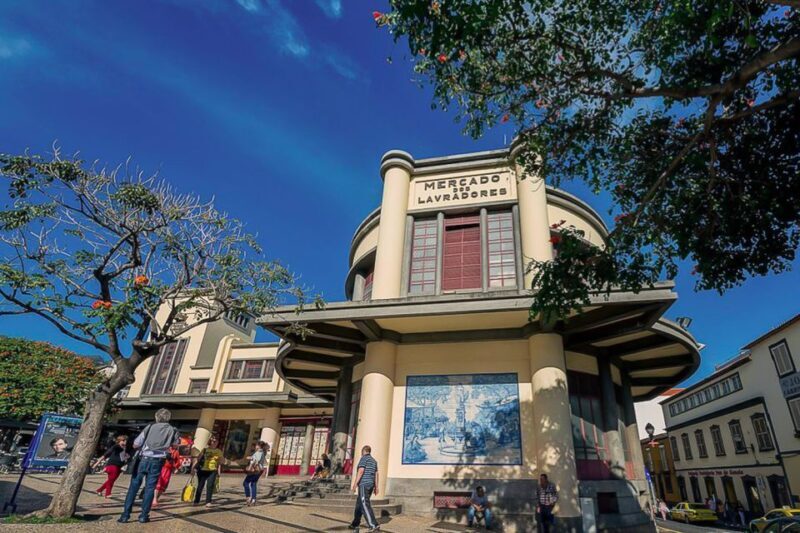
- Stop 3: Farmers’ Market Funchal and the Craft Story Behind It
- Medieval Streets: Santa Maria Street, Admiral’s Garden, and Old Fortress Ruins
- Colombo Square: Sugarcane History and the Columbus Connection
- Key Landmarks Without the Rush: Assembly, Cathedral, and Big-Scope History
- Municipal Garden and a Traditional Wine Lodge Stop
- The Finale: Jesuits’ Church and the College Founded by King Sebastian
- What Guides Do Differently Here (And Why Guests Keep Complimenting Them)
- Wine Stop and Madeira’s Flavor: What to Expect From the Lodge Visit
- Accessibility and Footing: Wheelchair-Friendly on Paper, Cobblestones in Real Life
- Weather and Season Tips for a Coastal City Walk
- Value for Money: Why Works Here
- Practical Tips for Your Day in Funchal
- Who Should Book This Tour (and Who Might Skip)
- Should You Book This Funchal Old Town Walking Tour?
- FAQ
- How long is the Funchal Old Town Walking Tour?
- What is the price per person?
- Where do I meet the guide?
- Is there hotel pickup or drop-off?
- What’s included in the tour?
- Are food and beverages included?
- Does the tour include a wine stop?
- What languages are the guides available in?
- Is the tour wheelchair accessible?
- Is the tour suitable for children?
- More Walking Tours in Madeira
- More Tours in Madeira
- More Tour Reviews in Madeira
Key Points You’ll Actually Care About
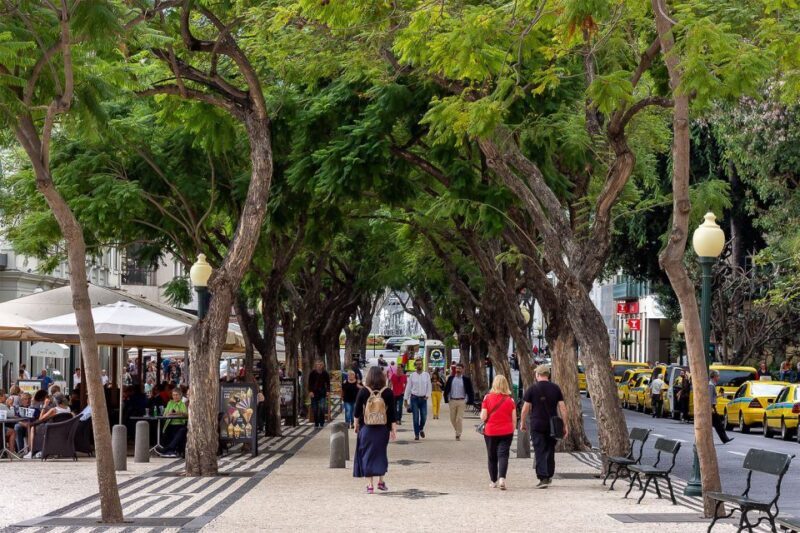
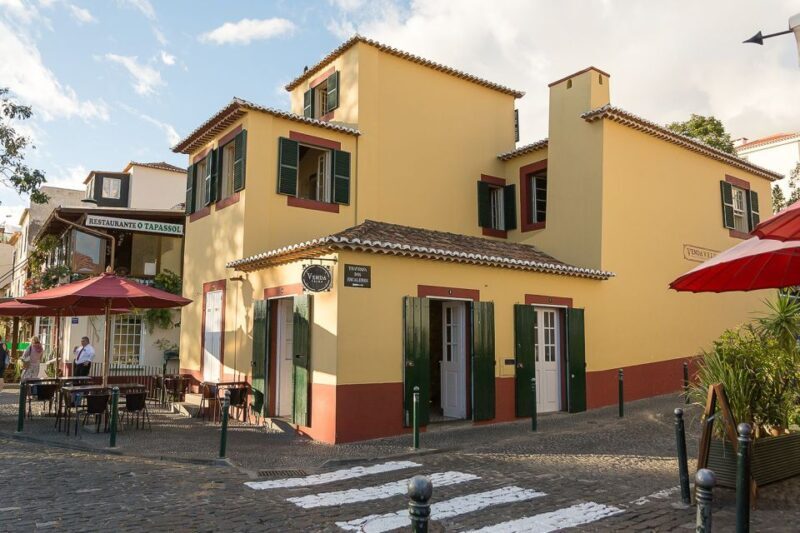
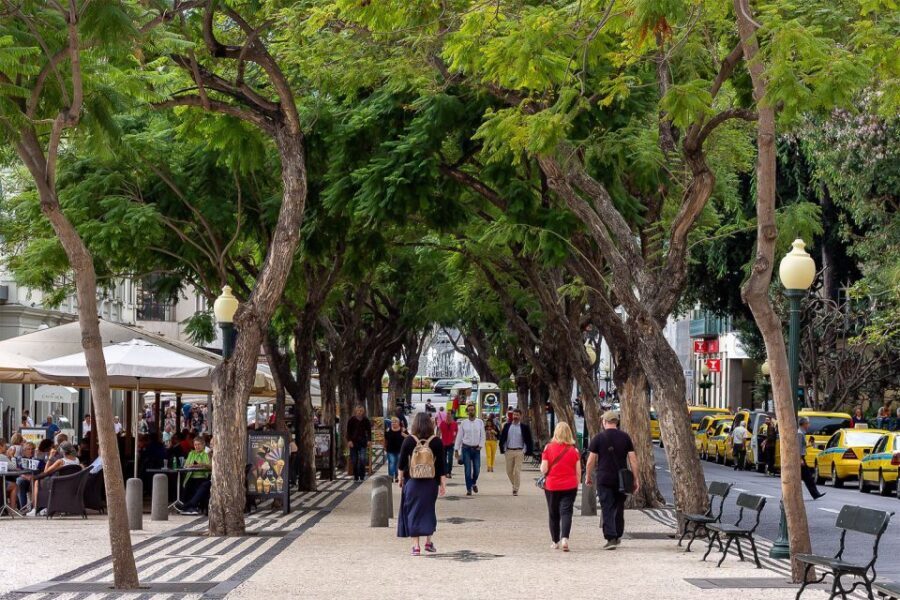
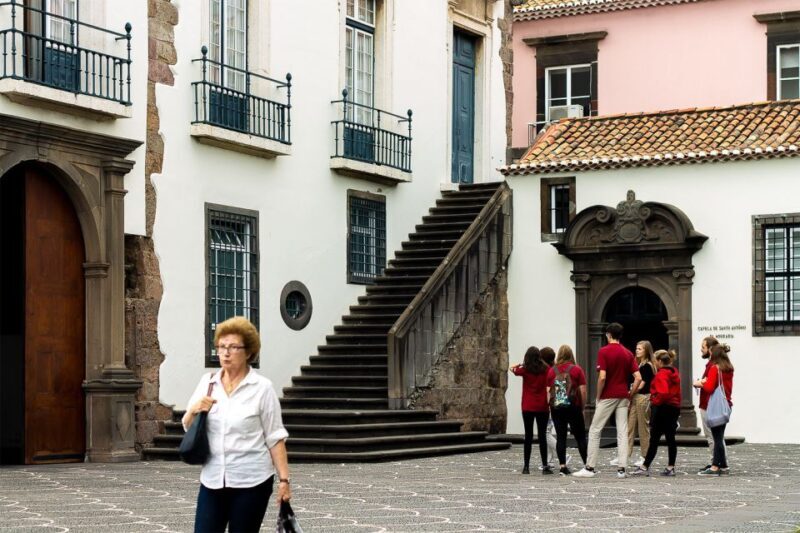
- Madeiran Heritage guides use storytelling to connect places (market, churches, fort ruins) to Madeira’s past.
- Farmers’ Market + 19th-century sweet factory give you real local flavor, not just photos at monuments.
- Medieval streets and flood-protection ruins near old riverbeds add context for how the city grew.
- Sugarcane history at Colombo Square, including a surprising link to Columbus, makes the topic click.
- Traditional Wine Lodge stop, and multiple guests mention a small Madeira wine tasting at the end.
- Small-group format means questions get answered, and the tour stays personal.
Entering the Old Town: Where the Tour Starts and Why It Matters
You meet at the Jesuits’ College of Funchal, part of the University of Madeira complex, next to D’Oliveiras Madeira Wine on Rua dos Ferreiros. Look for the glass doors and the University of Madeira signage. The key detail here is simple: this is not inside the church doors—plan to find the University entrance on the street.
Arrive about 10 minutes early. That buffer matters because you’ll want to settle in, meet your guide, and start together rather than rush. Also, there’s no hotel pickup, so treat this like a neighborhood stroll you start from the city centre.
You can also read our reviews of more walking tours in Madeira


Meeting Point Reality Check: No Luggage Allowed
The tour doesn’t allow luggage or large bags. If you’re in a hotel with easy storage, great. If you’re coming straight from a day trip with extra gear, plan to carry only what you need for a short walk (and keep it light).
This kind of rule usually keeps the group moving smoothly. It also means you can focus on the buildings, streets, and little stops instead of playing luggage Tetris.
The Tour Pace: How Long It Feels and Who It Suits
The official duration is 2 hours, and it’s designed as a walk through the heart of Funchal rather than a long hike. Reviews repeatedly mention it as an easy pace, not exhausting on the feet, even for travelers on short stops.
This is a strong fit for:
- First-timers who want city context fast
- Cruise passengers who need a useful old-town introduction
- Travelers who enjoy history but hate when tours turn into lectures
If you’re someone who struggles with uneven ground, expect cobbles and slight inclines. It’s marked wheelchair accessible, but the route notes suggest you should still consider your specific comfort level on older paving.
Stop 1: A Hidden Start Inside Funchal City Hall
Right after you begin, the tour heads to a hidden gem inside Funchal City Hall. That’s a great way to kick things off because it signals the tour style: you’re not just looking outward—you’re also learning about lesser-known spaces where decisions and stories play out.
Think of it as the primer. Once you understand what city leaders and institutions valued, the later stops (assembly, churches, gardens) make more sense.
More Great Tours NearbyStop 2: The 19th-Century Sweet Factory (Local Craft With a Backbone)
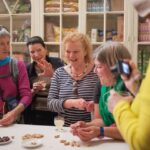
Next comes a visit to a traditional sweet factory founded in the 19th century. This stop feels important because Madeira sweets aren’t only about dessert. They’re part of how ingredients, labor, and trade shaped daily life.
And yes, guides often make this kind of stop work by connecting it to the broader city economy. You’re not just tasting or looking. You’re getting the why behind the candy.



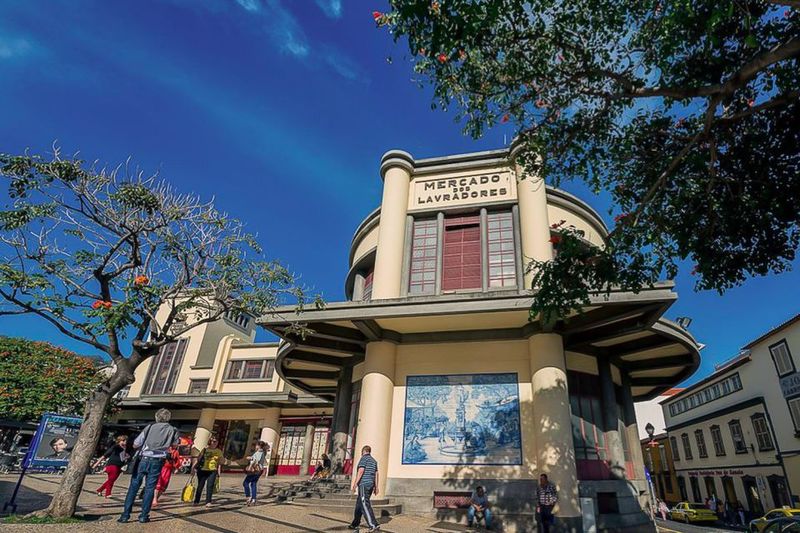
Stop 3: Farmers’ Market Funchal and the Craft Story Behind It
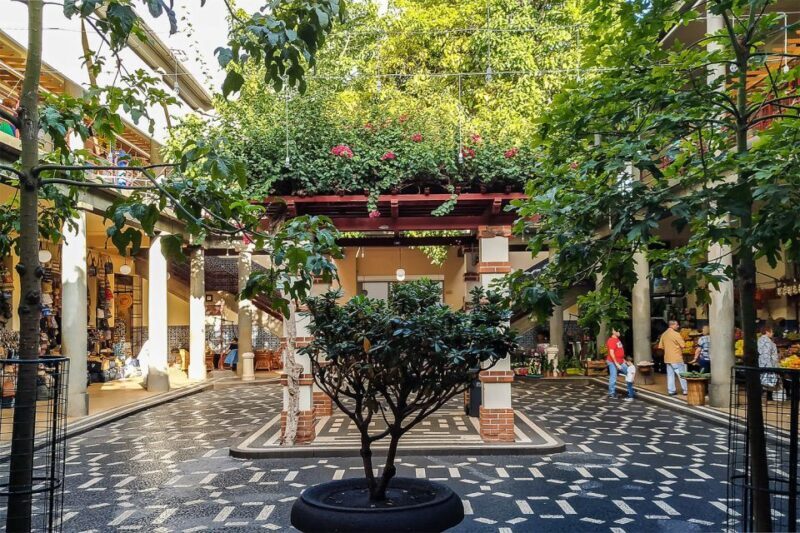
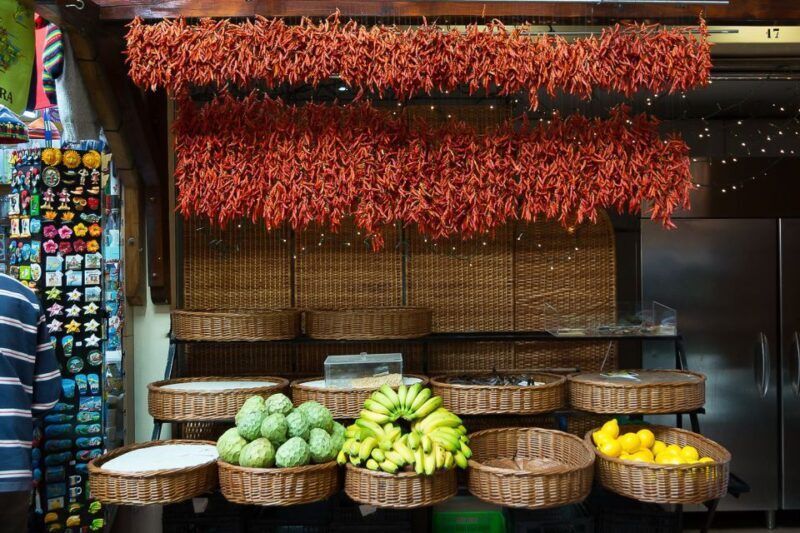
Then you hit the Farmers’ Market, with a guided walkthrough. Markets can be chaotic in the best way, but a guide changes it from random browsing into understanding what you’re seeing.
One of the tour’s great strengths is that it ties the market to Madeira’s earlier industries. You’ll pass along busy streets and hear how embroidery and local work fit into the island’s story.
Practical upside: if you want to come back later and shop, you’ll know where to aim. Several guests mention enjoying time in the market area independently after the guided portion.
Medieval Streets: Santa Maria Street, Admiral’s Garden, and Old Fortress Ruins
After the market, the tour turns into older Funchal territory via Rua de Santa Maria (medieval streets) leading toward Admiral’s Garden and the ruins of an old fortress.
The most interesting detail here is how the ruins connect to geography and safety: the fortress was located near riverbeds that were once walled in to help protect the city from flooding. That’s the kind of explanation that makes a ruin feel real. It wasn’t built for drama. It was built because water and weather are part of life.
Colombo Square: Sugarcane History and the Columbus Connection
At Colombo Square, the tour shifts into a topic Madeira does very well: sugarcane. This is where the city history theme pays off.
You’ll hear about Madeira’s sugar industry and an unexpected connection: the discoverer of the Americas once lived on the island. That detail is the sort of historical curveball that makes the tour memorable, especially if you thought the story was only about grapes and wine.
Key Landmarks Without the Rush: Assembly, Cathedral, and Big-Scope History
From Colombo Square, you move toward major civic and religious sights:
- The Regional Legislative Assembly (you explore as part of the walk)
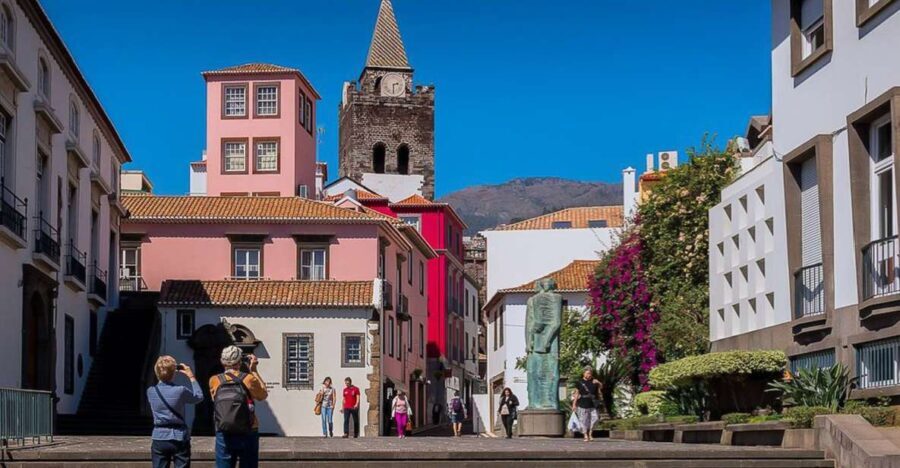
- The Funchal Cathedral, which in the 16th century served as the seat of the largest diocese in the world
That last point is a mind-set changer. It’s not just a church stop. It’s a signal of Funchal’s reach and importance back then—when trade routes and religious authority shaped where power ended up.
Municipal Garden and a Traditional Wine Lodge Stop
Next you head through the Jardim Municipal do Funchal area for a quick visit at a traditional Wine Lodge.
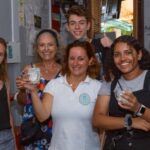
If you’re coming to Madeira for wine, this part is a gentle win. Reviews often mention that the tour ends with a mini Madeira wine tasting, which turns history into something you can taste, not just read about.
Even if you’re not a big wine person, this stop works because the guide helps you connect the wine culture to the island’s broader economy and identity.
The Finale: Jesuits’ Church and the College Founded by King Sebastian
To close the loop, you visit Igreja do Colégio (the Jesuits’ Church) and then return to the former Jesuits’ College of Funchal, founded by King Sebastian of Portugal in the 16th century.
This ending matters because it ties back to where you started. You begin in the Jesuit college setting, learn how institutions shaped the city, and then finish by stepping back into that same historic “center.” It’s a satisfying loop.
What Guides Do Differently Here (And Why Guests Keep Complimenting Them)
This tour earns its high marks for one reason: the guides know how to make places feel connected.
Reviewers repeatedly mention guides like Annabelle, Elias, Elea, Hugo, and Hannah. Common threads show up:
- They’re extremely knowledgeable without making it dry
- They answer questions patiently
- They set a pace that allows photos and a bit of wandering
- They give useful local tips for the rest of your stay
In other words, the tour doesn’t just show you where things are. It helps you understand what to notice when you wander later on your own.
Wine Stop and Madeira’s Flavor: What to Expect From the Lodge Visit
The tour includes a visit to a traditional Wine Lodge. And while food and beverages aren’t listed as generally included, many guests specifically mention a small Madeira wine tasting at the end of the experience.
So your expectation should be: you’ll likely get at least a tasting-style moment here, but don’t plan this as a full drink package. If you’re picky about wine, ask your guide what kind of Madeira you’re tasting and what to buy next.
Accessibility and Footing: Wheelchair-Friendly on Paper, Cobblestones in Real Life
The tour is marked wheelchair accessible, which is good news. But the route also includes cobbled streets and slight inclines, and the info notes suggest it may not suit limited mobility.
My practical advice: if you use a wheelchair or mobility device, contact the operator before booking and ask about the exact route surface. If you can handle uneven pavement for short stretches, you’ll probably be fine.
Weather and Season Tips for a Coastal City Walk
The tour runs in most weather conditions. That matters in Madeira because you can get sun, breeze, and surprise drizzle. Bring sun protection, or a light rain layer if rain’s possible.
Also wear comfortable shoes. It’s a walking tour in a city with older streets, not a sandaled promenade.
Value for Money: Why $19 Works Here
At $19 per person for a 2-hour guided walk, this is strong value for two reasons.
First, you get more than “street sightseeing.” You visit multiple sites: Jesuits’ College entrance, a sweet factory, the Farmers’ Market (guided), and a Wine Lodge visit. You also get context for major sights like the cathedral and legislative assembly.
Second, your money supports the Madeiran Heritage student-led initiatives and educational programs linked to the University of Madeira. Reviews mention the funds support student welfare and social assistance. Even if you’re only in Funchal for a short time, you’re spending your day and your money in a way that helps local education continue.
Practical Tips for Your Day in Funchal
A few small things will make this tour smoother:
- Arrive 10 minutes early to the University entrance meeting point
- Wear shoes that work on cobbles
- Bring a small day bag only (no large luggage)
- If you care about language, choose English/German/French based on availability
Also, if you’re the kind of traveler who likes to do one “anchor activity” early, this tour is a good choice. It gives you context for later self-guided wandering.
Who Should Book This Tour (and Who Might Skip)
Book it if you:
- Want a guided introduction to old-town Funchal quickly
- Like history tied to daily life (market, sweets, sugar, wine)
- Appreciate knowledgeable student or local heritage guides who can answer questions
- Prefer a small-group format
You might skip if:
- You need step-free, smooth ground for long stretches
- You’re not interested in the Madeira sugar industry thread
- You’re looking for a full food-and-drink experience (food and beverages aren’t listed as included)
Should You Book This Funchal Old Town Walking Tour?
Yes—if this is your first time in Funchal, or you want an efficient way to learn what you’re looking at. The biggest selling points are the guides’ knowledge, the mix of major landmarks and hidden spots, and the Madeira wine stop that many guests mention as a small tasting moment.
One last thought: book early in your trip. Get the story first, then walk the streets afterward like you already belong there.
Funchal: Old Town Walking Tour
FAQ
How long is the Funchal Old Town Walking Tour?
It lasts 2 hours.
What is the price per person?
The price is $19 per person.
Where do I meet the guide?
Meet at the Jesuits’ College of Funchal, University of Madeira (Rua dos Ferreiros), next to D’Oliveiras Madeira Wine. The meeting point is at the University entrance on the street beside the Jesuits’ Church.
Is there hotel pickup or drop-off?
No, hotel pickup and drop-off are not included.
What’s included in the tour?
Included are the 2-hour guided walking tour, entrance to the Jesuits’ College of Funchal, visits to the Farmers’ Market, a traditional Wine Lodge, and a 19th-century sweet factory, plus guided commentary and printed/visual materials. It’s also a small group experience.
Are food and beverages included?
Food and beverages are not included.
Does the tour include a wine stop?
Yes. The tour includes a visit to a traditional Wine Lodge, and some guests mention a small Madeira wine tasting at the end.
What languages are the guides available in?
The tour offers live guiding in German, English, and French.
Is the tour wheelchair accessible?
The tour is listed as wheelchair accessible, but the route includes cobbled streets and slight inclines, so it may still be challenging for some visitors with limited mobility.
Is the tour suitable for children?
It’s suitable for children aged 10+ (younger guests are welcome with supervision).
You can check availability for your dates here: