If you want Amsterdam’s highlights without wandering in circles, this is a smart first-day choice. It’s built as a compact orientation through the center, so you leave with a clearer map in your head and a stronger feel for how the city works.
The group stays small (up to 15), which makes it easier to hear the guide and mingle with fellow travelers. It’s also a good option if you like your sightseeing with a bit of momentum instead of a museum pace.
- Starting at Dam Square: The Best Place to Reset Your Bearings
- Damstraat to the Money Trail: Beurs van Berlage Explained
- Damrak Play-Game Stop: Learning Amsterdam Without Feeling Like a Lesson
- The Bike Culture Viewpoint: Haarlemmersluis and the Two-Wheel Reality
- Singel Canalside: Dancing Houses, Tilted Stories
- Torensluis and the UNESCO Canal Belt: Beauty With Honest History
- Keizersgracht Family Insights: A Dutch Life Snapshot
- Westerkerk Finish by the Homomonument: Diversity in Plain Sight
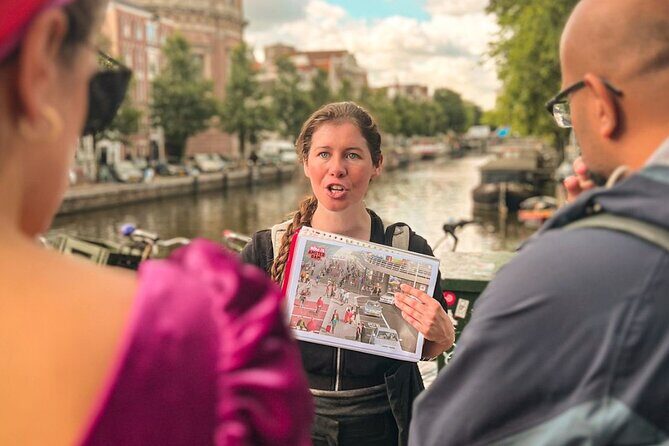
- Meet Your Guide: Games, Storytelling, and Useful Local Tips
- How Much Walking and How to Prepare
- Tickets, Weather, and Cancellation: Know the Practical Stuff
- Final Take: Best Value Orientation for First-Timers
- The Best Of Amsterdam!
- More Walking Tours in Amsterdam
- More Tours in Amsterdam
- More Tour Reviews in Amsterdam
Starting at Dam Square: The Best Place to Reset Your Bearings
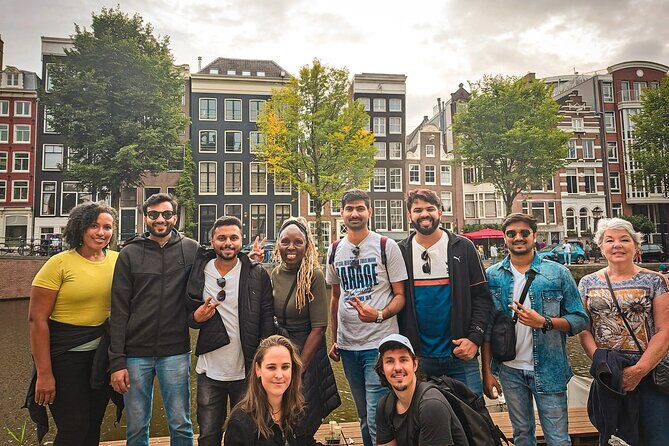
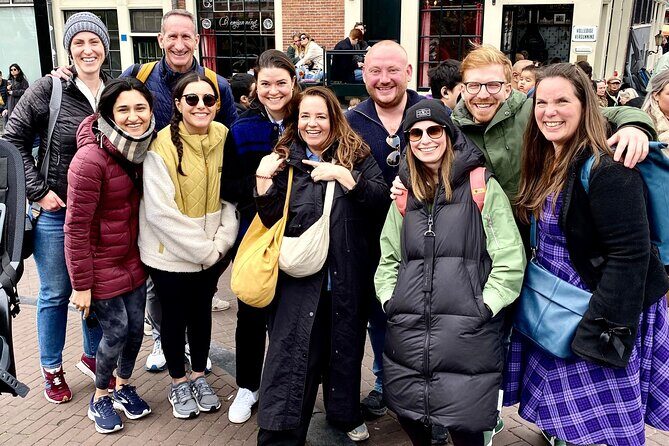
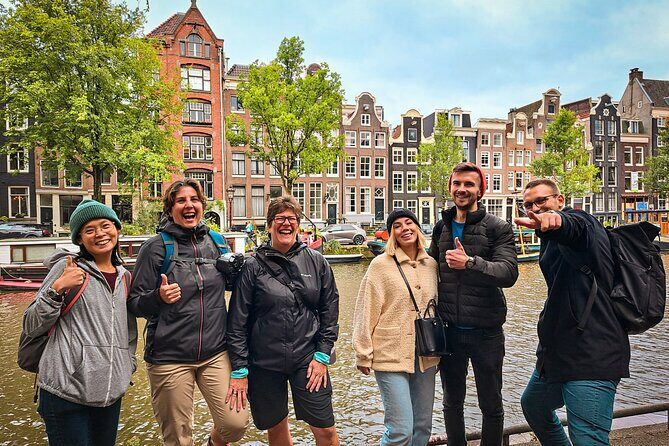
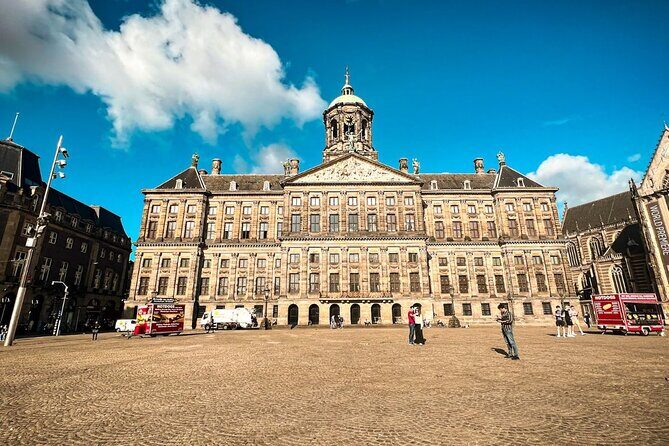
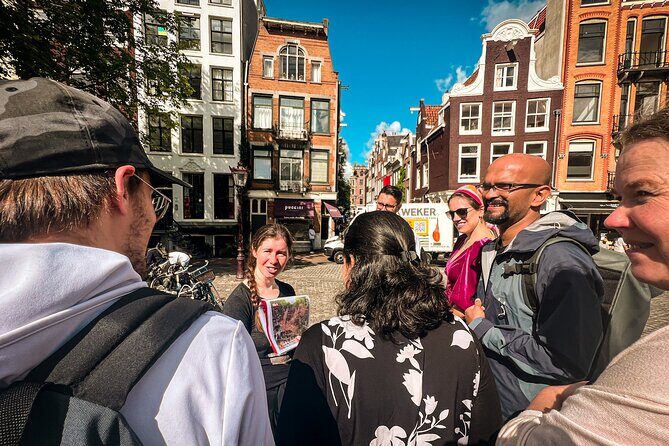
The tour kicks off at Dam Square, right by major landmarks like the Royal Palace area and the New Church zone. It’s busy, noisy, and thoroughly Amsterdam, which is exactly why it works as a starting point.
Expect the guide to set the tone quickly: a quick historical framing, then practical context so the city stops feeling like a blur. Even if you’ve seen photos, standing here gives you a real sense of scale and rhythm.

👉 See our pick of the 15 Of The Best Workshops & Classes In Amsterdam
Damstraat to the Money Trail: Beurs van Berlage Explained
Next comes Beurs van Berlage, an architectural highlight that adds surprising depth to your Amsterdam picture. This is where the city’s commercial and financial story gets connected to real people and real history, not just dates and details.
What I like is that it’s not a straight lecture. The guide ties the building to Amsterdam’s rise and explains why this city became a trading powerhouse. It’s history with a reason.
You can also read our reviews of more walking tours in Amsterdam



Damrak Play-Game Stop: Learning Amsterdam Without Feeling Like a Lesson
At Damrak, you shift from landmark viewing to interactive learning. Reviews repeatedly mention the games, and it shows: the tour uses quick true-or-false-style prompts to spark discussion about Dutch culture.
This stop is close to the Red Light District, but the approach stays grounded and curious rather than sensational. You learn how to interpret what you see, and you’ll likely pick up a few facts that make later strolls feel more intentional.
The Bike Culture Viewpoint: Haarlemmersluis and the Two-Wheel Reality
Amsterdam’s bike reputation is real, and this walk helps it click. At Haarlemmersluis, the tour spotlights the canal-area gateway and then zooms in on bicycle culture as a defining part of daily life.
This is a great checkpoint for practical travelers: once you understand how bike traffic shapes streets, you’ll navigate with more confidence. You’ll also start noticing why so many locals treat bikes as infrastructure, not an activity.
Singel Canalside: Dancing Houses, Tilted Stories
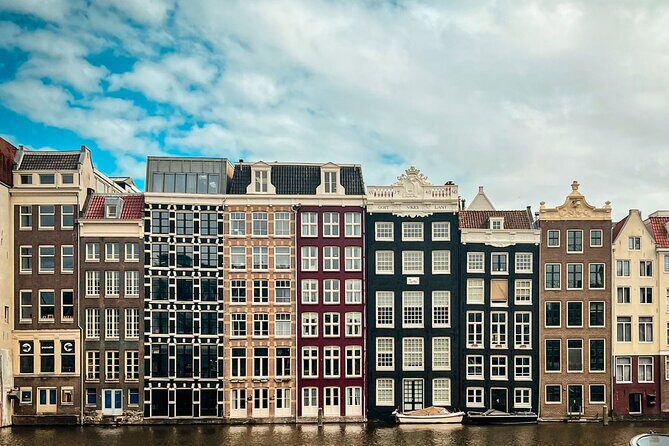
On Singel, the tour sets you down for one of those postcard-perfect canal moments—specifically around the famous tilted buildings people call the Dancing Houses. The guide explains why these structures look the way they do and what that tells you about Amsterdam’s building past.
This stop is visually rewarding, but the value is in the context. You’ll look at canal-side architecture differently after hearing how the city’s development shaped what’s there today.
Torensluis and the UNESCO Canal Belt: Beauty With Honest History
Canal-belt scenery is stunning, and this tour doesn’t just coast on that. At Torensluis, you get the UNESCO-level story of how the canal belt came to be, along with a serious note about the darker chapters tied to the city’s wealth.
A good guide can hold two truths at once—wonder and responsibility—and this stop aims for that balance. It’s the kind of moment that makes the tour feel more complete, not just decorative.



Keizersgracht Family Insights: A Dutch Life Snapshot
Along the Emperor’s Canal (Keizersgracht), the tour turns to everyday Dutch identity, including family life. The theme here is how Dutch values are shaped in daily routines, including what influences how kids grow up.
It’s not abstract. The guide connects the dots so it feels like a window into how people live now, not just how Amsterdam got famous.
Westerkerk Finish by the Homomonument: Diversity in Plain Sight
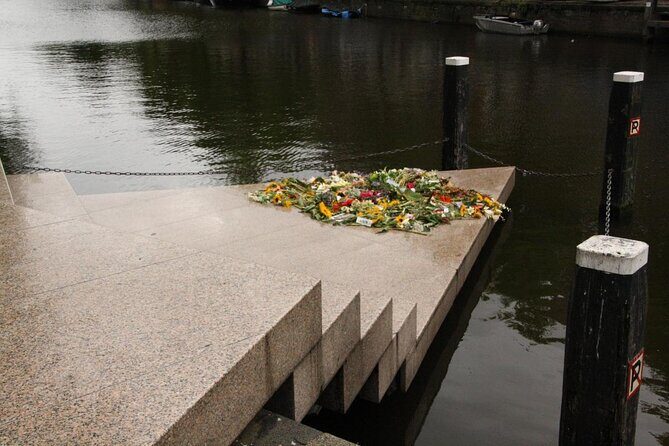
The final stretch lands at the Westerkerk area and ties together big-city themes—acceptance, coexistence, and the idea that Amsterdam’s identity shows up in how it treats differences. The walk finishes at the Homomonument, near the Anne Frank House and the Westerchurch area.
This ending works well because it gives you a clear next-step: if your schedule allows, you’re close to some of the city’s most meaningful sites. Even if you don’t go inside, you’ll have the emotional and historical map in your head.
Meet Your Guide: Games, Storytelling, and Useful Local Tips
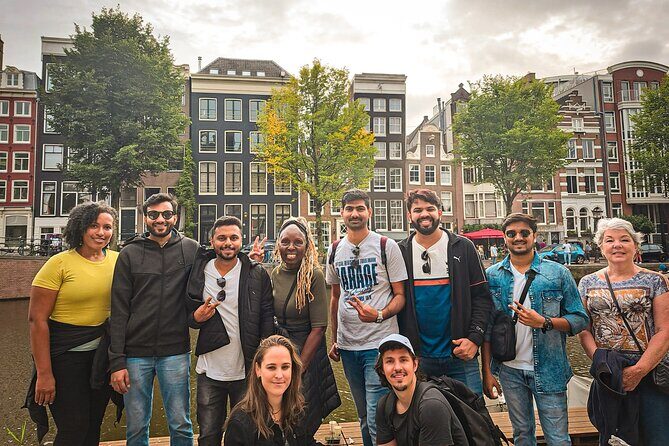
The best thing about this tour, based on the reviews, is the guide experience. Multiple travelers call out guides like Dani and Jonas for being lively story tellers, with games that keep the group engaged.
Beyond facts, you’ll also get practical recommendations for where to eat and shop. That matters because Amsterdam can be overwhelming—knowing what to skip (and where to wander) saves time and money.
How Much Walking and How to Prepare
This isn’t a heavy hike, but it’s also not a sit-down tour. Expect a moderate amount of walking that covers key central areas efficiently.
A quick practical tip: since the meeting point is busy, give yourself a little buffer time and arrive a few minutes early. One review noted difficulty spotting the guide due to ticket/operator naming, but that’s the exception rather than the norm. Double-check your instructions on the voucher and look for the local team signage once you’re there.
Tickets, Weather, and Cancellation: Know the Practical Stuff
This is a mobile-ticket tour, and the confirmation comes at booking time. It’s also designed for most travelers to participate, with service animals allowed and public transport nearby.
Like many walking tours, it requires decent weather. If conditions are bad, you’ll be offered a different date or a full refund, and cancellations are flexible up to 24 hours before start time.
Small Group Walking Tour – Hello Amsterdam
Final Take: Best Value Orientation for First-Timers
For the price, this tour delivers a lot: you get a tight loop through the center, canal-belt viewpoints, major landmarks, and a guide who keeps it lively with interactive learning. With an easy pace and a smart finish near Anne Frank House and the Homomonument, it’s a tour that helps your whole trip feel more organized.
If you’re visiting Amsterdam for the first time and want bearings fast, this is one of the best ways to start—walking, learning, and leaving with ideas you can act on immediately.