I reviewed the Grand Canyon Village Grand Canyon South Rim airplane tour as a way to see major canyon landmarks fast, without spending days on hiking trails. You depart from the Grand Canyon Airport near Grand Canyon Village and fly over the Kaibab National Forest, the Confluence area, and parts of the Zuni Corridor, with audio narration in many languages.
Two things I really like about it: first, the panoramic windows and “all seats” sightseeing setup make it feel built for photography and quick visual comparisons. Second, the storytelling is handled well—there’s a live English component plus multilingual headset narration covering what you’re seeing overhead.
One possible drawback: depending on your exact flight and conditions, visibility can be affected by smoke or weather, and a few travelers mention minor window/frame obstructions in photos. In other words, it’s a great experience, but you’ll want to plan for imperfect skies sometimes.
- Key Points Before You Book
- Why Fly the South Rim at All
- Where You Depart: Grand Canyon Airport Near Grand Canyon Village
- Flight Time Options: 40 to 165 Minutes
- The Big Reason This Works: Aerial Views You Can’t Match From Trails
- Kaibab National Forest and Kaibab Plateau From Above
- Imperial Point: A Landmark You’ll Recognize Later
- The Confluence Area: Colorado and Little Colorado Rivers
- Zuni Corridor: The Scenic “In-Between” That Adds Context
- Audio Narration in Many Languages: How the Headsets Help
- Live English Guide Plus Pilot Commentary
- Panoramic Windows and Photography Reality
- Comfort, Turbulence, and Motion Sickness Tips
- Weather, Smoke, and Visibility: What Changes in Real Life
- Rescheduling and Flexibility Options You’ll Appreciate
- Practical Details: What to Bring and What to Expect
- Value for Money: 9 and Why It Can Be Worth It
- Who This Tour Fits Best
- Best Day to Go: Aim for Clear Skies When You Can
- Should You Book This Grand Canyon South Rim Airplane Tour?
- FAQ
- How much does the Grand Canyon South Rim airplane tour cost?
- How long is the tour?
- Where do I meet for the tour?
- What languages are included in the narration?
- Are panoramic windows provided?
- Is cancellation free, and how late can I cancel?
- What should I bring?
- When do tours usually operate?
- More Tours in Tusayan
- More Tour Reviews in Tusayan
Key Points Before You Book
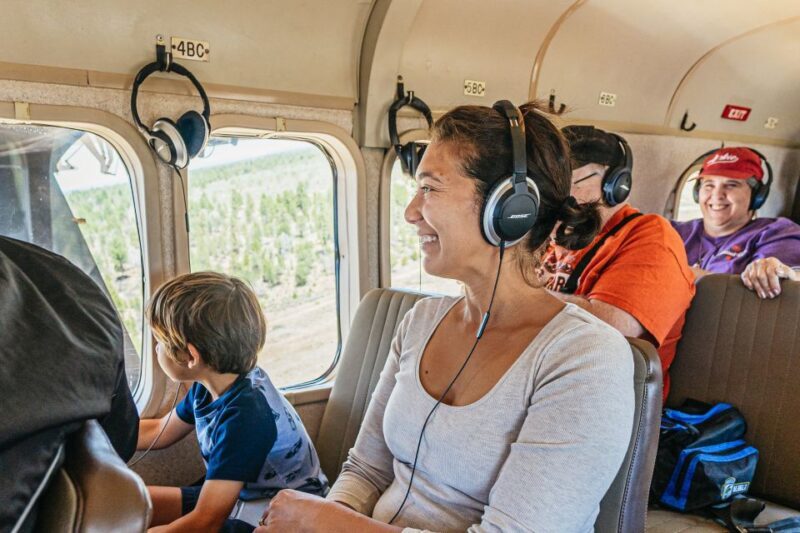
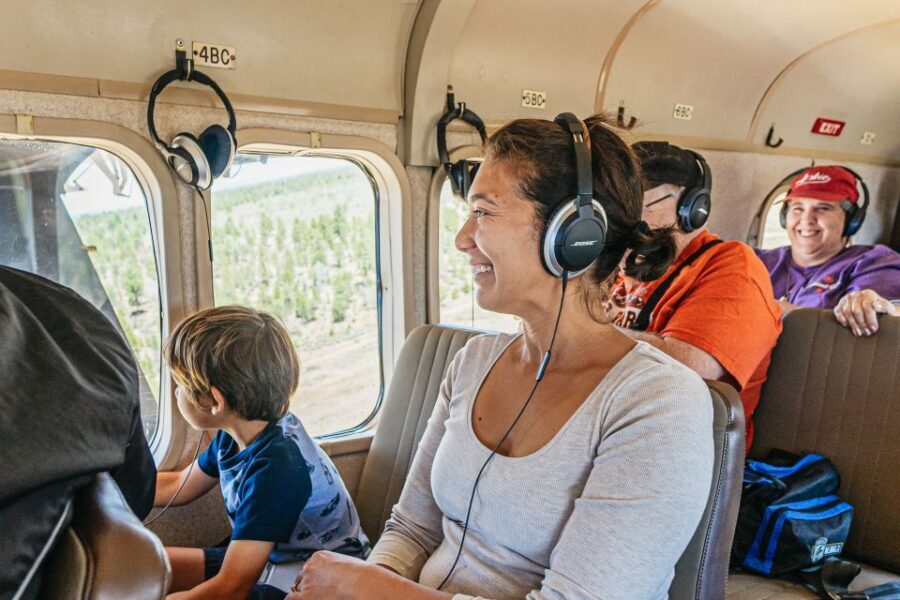
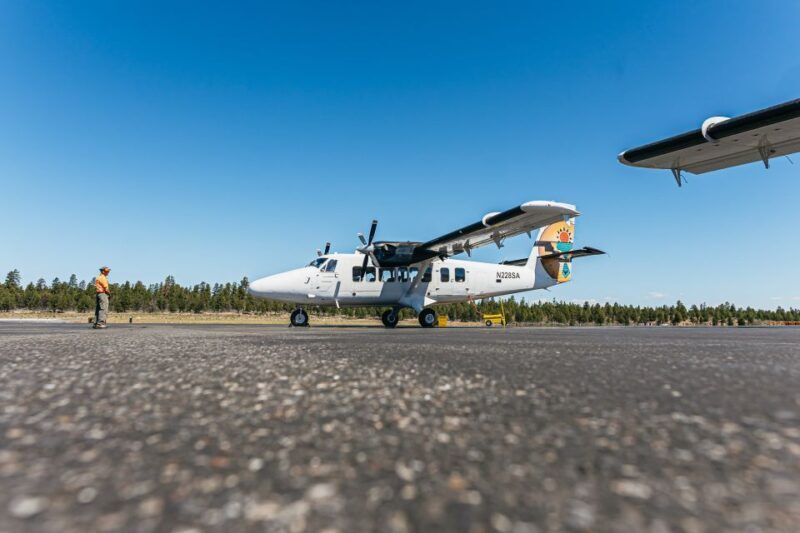
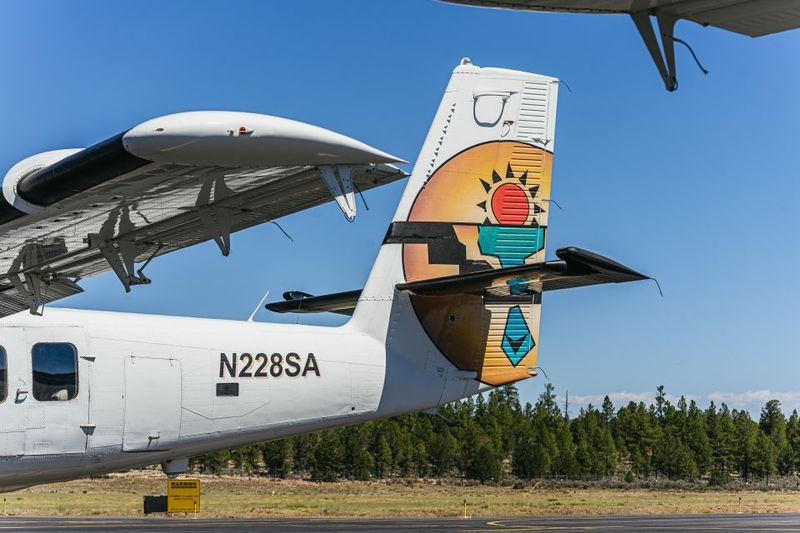
- Oversized panoramic windows help every seat work for sightseeing and photos, not just the front row.
- Multilingual headset narration covers key landmarks like the confluence and corridor areas as you fly.
- A flight beats long trail time when you’re short on hours but want big aerial perspective.
- Small-aircraft reality: turbulence can happen, so plan accordingly if you’re motion-sensitive.
- Weather can change plans, but the operator offers rescheduling and free cancellation up to 24 hours ahead.
- Pilot knowledge matters; multiple reviews name pilots who explained what’s coming next in a calm, confident way.
Why Fly the South Rim at All
If you’re visiting the South Rim and you only have one chunk of time, flying is the shortcut that actually pays off. From ground viewpoints you see sections of the canyon, then you shift locations and hope the angles line up. From the air, you get the sense of scale instantly—walls, river bends, plateaus, and the way everything connects.
This is the kind of activity that also helps you “sort” the canyon in your mind. After the flight, you’re better at picking what to see on foot because you already understand where major landmarks sit relative to each other.
You can also read our reviews of more tours and experiences in Tusayan.
Where You Depart: Grand Canyon Airport Near Grand Canyon Village
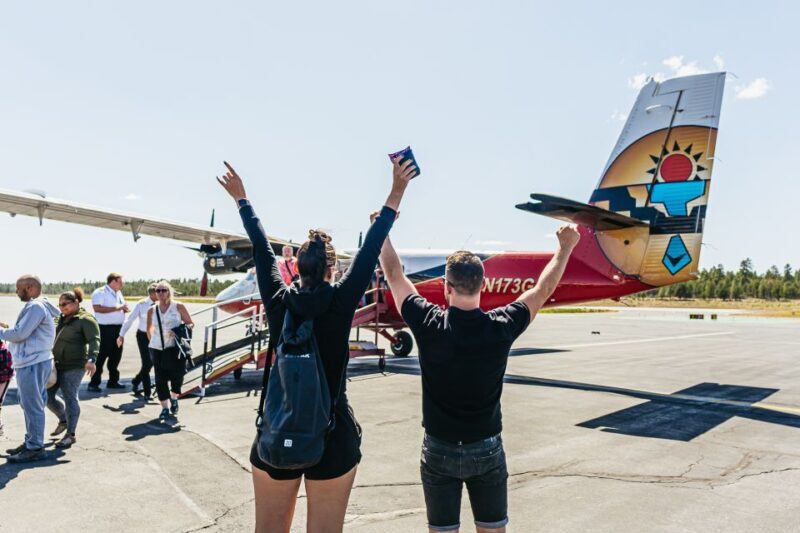
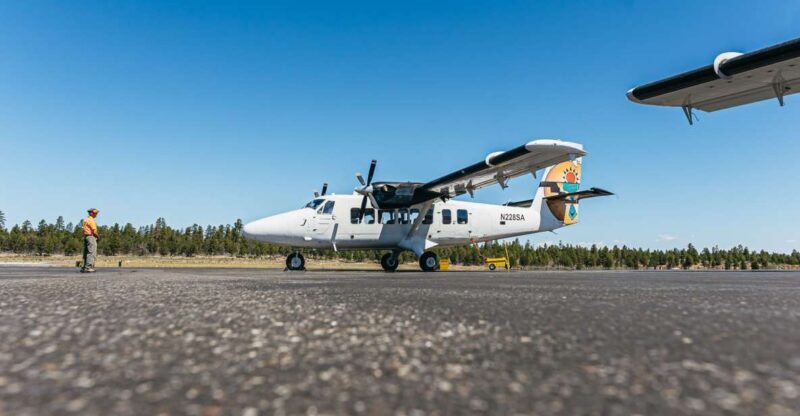
Your meeting point is straightforward: Grand Canyon Airlines – South Rim. The tour departs from the Grand Canyon Airport near Grand Canyon Village, which is convenient if you’re staying in the main visitor area.
That location matters more than you’d think. You’re not spending your day transferring across the region just to start the sightseeing. It keeps the experience focused on the flight itself, which is what most people come for.
Flight Time Options: 40 to 165 Minutes
The listed duration ranges from 40 to 165 minutes. Usually these flights run in the morning and afternoon. In plain terms, you’re choosing between a shorter overview and a longer, more detailed route experience.
If you’re doing other canyon activities the same day—shuttle rides, a couple of viewpoints, maybe a meal—aim for the duration that fits your energy level. A longer flight is great if you want maximum aerial coverage. A shorter flight is often the smarter move if you’re trying to keep the rest of your itinerary realistic.
The Big Reason This Works: Aerial Views You Can’t Match From Trails
Several travelers point out a blunt truth: the canyon’s size is hard to grasp from the ground. Even on a good day with famous overlooks, you’re still limited by where trails and stops can go.
From the airplane, you can see:
- big canyon reaches at once
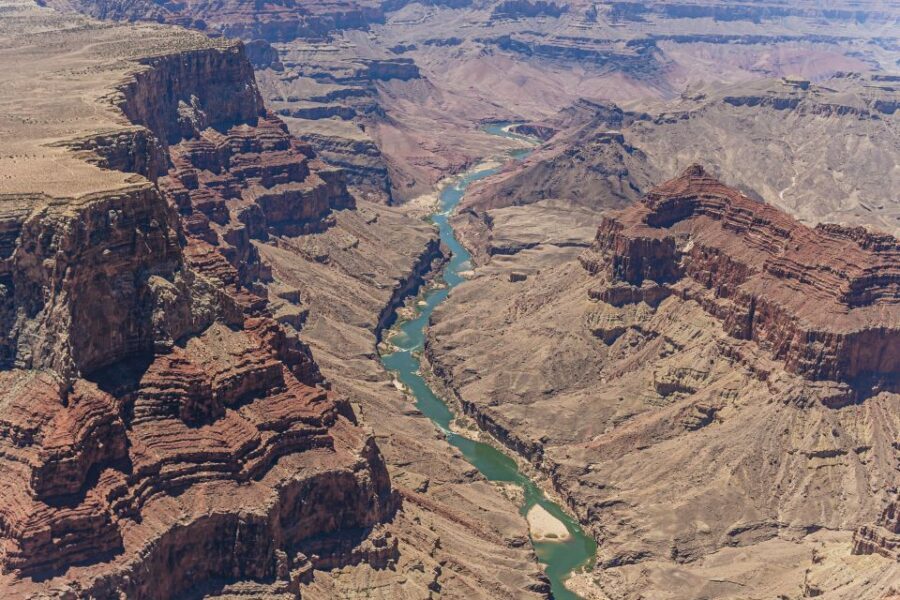
- river patterns as they snake through the rock
- plateaus and forest zones around the edges
- landmarks that would take hours (or days) to piece together on foot
One traveler even noted the flight gave more landscape than they’d seen from a helicopter. Another said the canyon looks different from above, like you finally understand the whole picture instead of fragments.
More Great Tours NearbyKaibab National Forest and Kaibab Plateau From Above
One of the most striking parts of this tour is the shift from lush forest to high, open plateau. The route includes Kaibab National Forest and the Kaibab Plateau, which helps you visualize how elevation and terrain shape the canyon.
On the ground, it’s easy to forget what surrounds the canyon because you’re so focused on the walls and overlooks. From the air, the edges make sense: the forested zones act like the canyon’s border, and the plateau reads like the platform the canyon was carved into.
Photography note: when you get higher contrast between forest green and pale rock, photos tend to come out better even on partly hazy days. You’ll notice it as the scenery changes.

Imperial Point: A Landmark You’ll Recognize Later
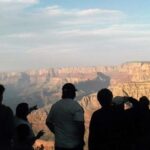
The flight also includes Imperial Point. Even if you haven’t studied maps before, seeing it from above helps connect what you read or hear on the ground to real geometry.
This is the kind of landmark that turns into a “reference point.” Later, when you stand at a viewpoint and realize you’re looking at that same stretch of terrain, you feel the canyon click into place.
The Confluence Area: Colorado and Little Colorado Rivers
The itinerary highlights the Confluence of the Colorado and Little Colorado River—one of the canyon’s headline scenes. Aerial views make the meeting point easier to understand because you can see both river corridors and how the landscape funnels the water through.
Even travelers who didn’t spend long on the ground mention this as a top moment. It’s not just pretty from above; it also clarifies how the canyon’s shape guides the rivers.
Zuni Corridor: The Scenic “In-Between” That Adds Context
The tour includes the Zuni Corridor, plus aerial views connected to the Zuni side of the canyon region. This part matters because it gives context beyond the main canyon cut itself.
When you see the canyon from above, you stop thinking of it as a single hole in the rock. Instead, you see it as part of a larger system of corridors, plateaus, and river routes. That’s the “aha” moment for a lot of first-timers.
Audio Narration in Many Languages: How the Headsets Help
You get included narration in multiple languages via audio headsets. The list includes Spanish, Thai, Chinese, Dutch, French, German, Greek, Indonesian, Italian, Japanese, Portuguese, Russian, plus English.
This is a big deal if:
- you’re traveling with mixed-language companions
- you want to understand what you’re seeing without constant photo-checking
- you don’t have time for a guided walk on the ground
The narration also helps the flight feel more than just sightseeing. You’re not only looking at shapes; you’re learning the names and the reasons those shapes are important.
Live English Guide Plus Pilot Commentary
The activity includes an English live tour guide component, and pilots often add their own explanations. Reviews consistently mention pilots who were friendly and knowledgeable, keeping the atmosphere calm and informative.
You’ll see names come up often in traveler feedback, including Jacob, Ryan, Ian, Sam, Jack, Steven, Shawn, Chelsea, and Rich. A few travelers specifically praised pilots for making everyone feel comfortable while explaining what’s ahead during the flight.
What I like about this combo (audio narration plus real human delivery) is that it reduces the “pause and guess” feeling. You don’t need to be a geology buff to get something meaningful from the ride.
Panoramic Windows and Photography Reality
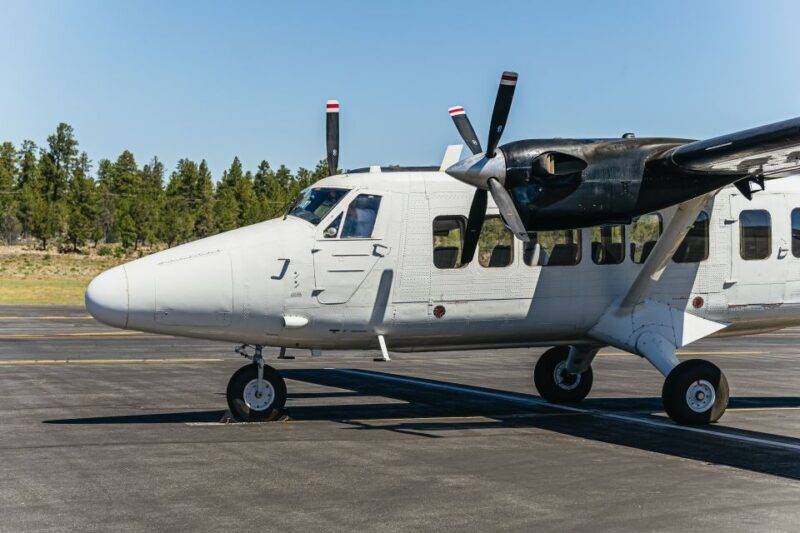
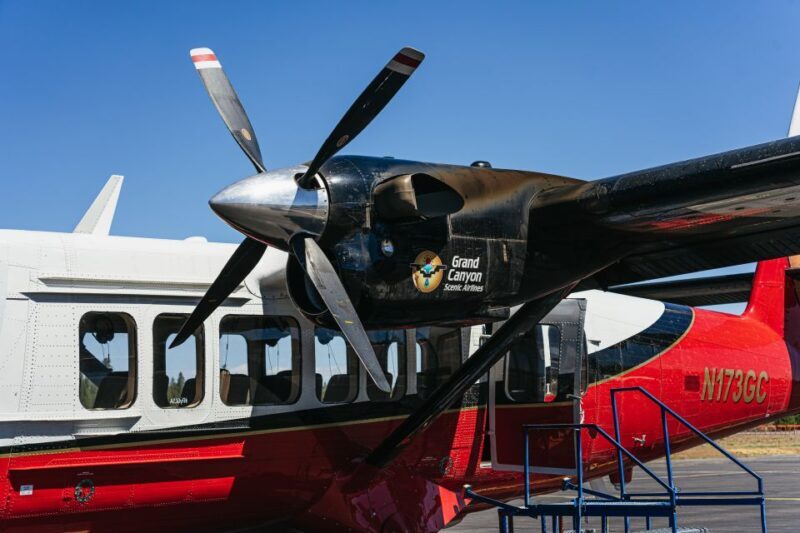
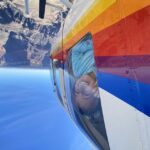
The tour emphasizes panoramic windows designed for unobstructed viewing and photography. Many seats are set up for sightseeing, and several reviewers mention how much they could capture from inside the aircraft.
Still, there’s one practical consideration: at least one traveler noted that plane elements blocked part of the view and affected picture quality. That’s a reminder that even with great windows, the aircraft design can leave small obstructions in certain seats or angles.
My practical advice:
- If photography matters a lot, be mindful about where you’re sitting when they assign seats.
- Expect some window glare. Even great glass can reflect interior brightness.
- If you’re bringing a camera, consider a quick wipe of the window area if allowed and keep settings flexible for changing light.
Comfort, Turbulence, and Motion Sickness Tips
Most reviews describe smooth flights, and multiple travelers say the flight felt safe and professional. But at least a few people mention rougher moments.
One traveler recommended taking motion sickness medicine beforehand if you’re sensitive. Another noted windy conditions affecting comfort. If you’re prone to nausea, don’t ignore this. Small-aircraft flights can feel different than big jets.
Simple strategy: plan for it. Bring your preferred remedy, keep your eyes on the horizon when possible, and avoid going in overly full if you’re worried.
Weather, Smoke, and Visibility: What Changes in Real Life
Grand Canyon weather isn’t just about clouds. Reviews mention smoke reducing visibility on some dates, including an example of fire activity impacting views on the North Rim.
There’s also mention of wind creating the need to reschedule. The important point: you’re not stuck with a dead-end plan. Travelers describe rescheduling help, and the tour also has free cancellation up to 24 hours in advance for a full refund.
If visibility is a priority (and for aerial tours it is), you may want to keep a little flexibility in your overall schedule.
Rescheduling and Flexibility Options You’ll Appreciate
This tour includes a reserve now & pay later option, which helps if you’re still locking in travel dates. Cancellation is also flexible up to 24 hours in advance.
Some reviews also mention waiting an extra period when conditions weren’t ideal, so patience can be part of the deal. In a place like this, weather is the boss.
Practical Details: What to Bring and What to Expect
Bring a passport or ID card. That’s the main document requirement listed.
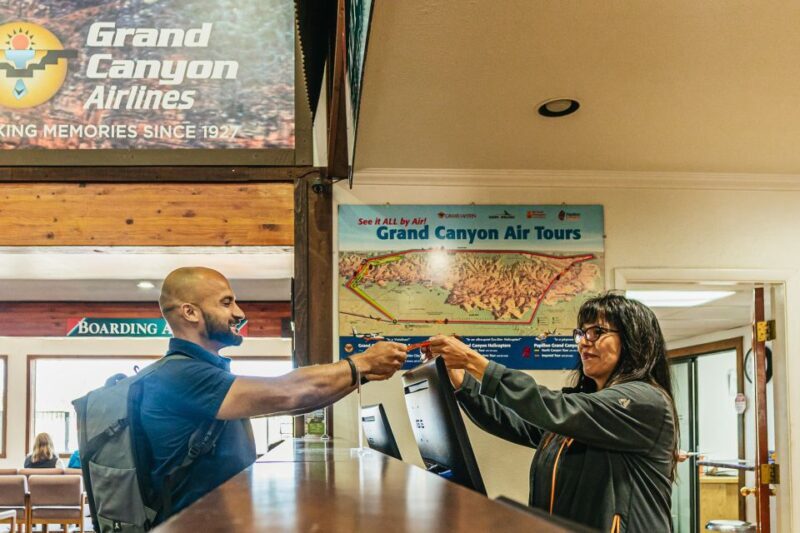
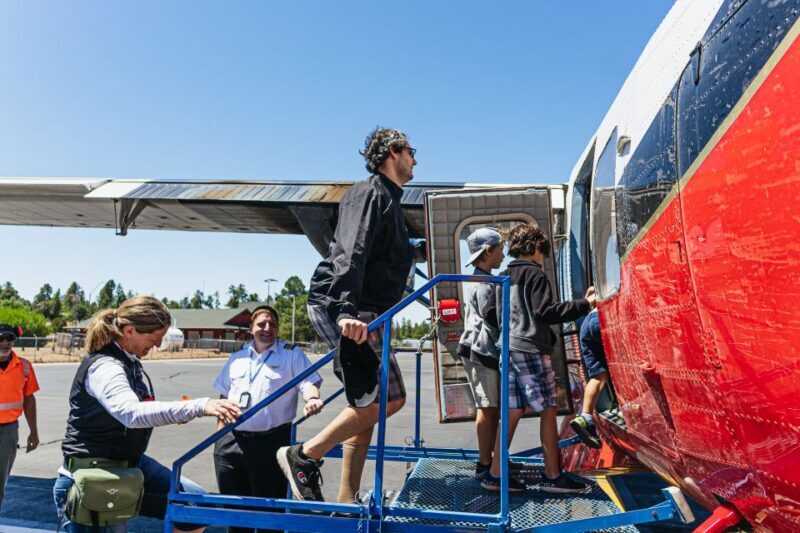
Meeting is at Grand Canyon Airlines – South Rim, and travelers often report an efficient check-in process. A few reviews mention a waiting area with information and even restrooms, plus a video before boarding. Others emphasize that staff were helpful and got them through smoothly.
A tip from traveler experience: some people advise confirming bookings around 24 hours before the flight. Even if your confirmation email is clear, it’s smart to double-check details close to departure.
Value for Money: $189 and Why It Can Be Worth It
At $189 per person, this isn’t the cheapest way to see the canyon. But for many travelers, it’s priced about right for what it delivers: maximum canyon perspective with minimal time investment.
Here’s the value angle I think most people feel:
- You skip the “drive, hike, reposition” cycle.
- You get broad coverage quickly.
- You learn names and features while you fly, not after.
- You come away with a mental map you can use while you explore the rest of the park.
If you’re comparing to ground-only sightseeing, the math is simple: your time on the ground is limited. A flight compresses a huge area of views into one guided session.
And compared to helicopter tours, one traveler felt the fixed-wing plane gave more landscape per minute. Your mileage may vary by aircraft and route, but the takeaway is consistent: this style of flight is designed for wide scenery.
Who This Tour Fits Best
This tour is a strong fit if you:
- have limited time at the South Rim
- want a big-picture orientation to the canyon
- travel with kids or anyone who doesn’t want long walks
- want guided narration without needing to read maps constantly
- value photo opportunities from multiple angles
It may not be ideal if:
- you’re extremely budget-sensitive and need the lowest-cost option
- you’re very risk-averse about weather-driven changes
- you have strong motion sickness issues and you don’t plan for it
Best Day to Go: Aim for Clear Skies When You Can
Since visibility influences what you see, try to schedule this on the clearest day you have available. Reviews mention smoke and wind affecting some flights, so flexibility helps.
Even on a less-than-perfect day, the canyon’s shapes still come through. But if you’re paying for aerial views, you want the sharpest version of those views you can reasonably get.
Should You Book This Grand Canyon South Rim Airplane Tour?
If your goal is to see the Grand Canyon from the air and come away with a real understanding of where the major features sit, I think this is an easy yes. The combination of panoramic windows, multilingual narration, and knowledgeable pilot delivery is exactly what makes a short timeframe worth it.
Book it if:
- you want a guided aerial overview without spending all day driving and hiking
- you appreciate learning while you look out the window
- you want a high-impact experience that fits families and first-timers
Consider another option if:
- you can only travel on one day and visibility is likely to be poor
- you know you’ll struggle with turbulence and don’t want to plan for it
- you’re already comfortable with a full day of ground viewpoints and shuttles
Grand Canyon Village: Grand Canyon South Rim Airplane Tour
FAQ
How much does the Grand Canyon South Rim airplane tour cost?
The price is listed as $189 per person.
How long is the tour?
The duration is listed as 40 to 165 minutes.
Where do I meet for the tour?
Meet at Grand Canyon Airlines – South Rim.
What languages are included in the narration?
Audio narration is available in Spanish, Thai, Chinese, Dutch, English, French, German, Greek, Indonesian, Italian, Japanese, Portuguese, and Russian. There is also an English live tour guide.
Are panoramic windows provided?
Yes. The tour includes panoramic windows for optimal viewing and sightseeing.
Is cancellation free, and how late can I cancel?
Yes, free cancellation is available up to 24 hours in advance for a full refund.
What should I bring?
Bring a passport or ID card.
When do tours usually operate?
Tours are usually available in the morning and afternoon.
You can check availability for your dates here: