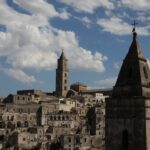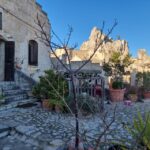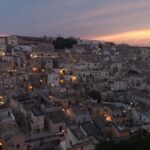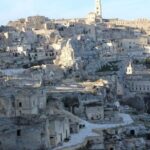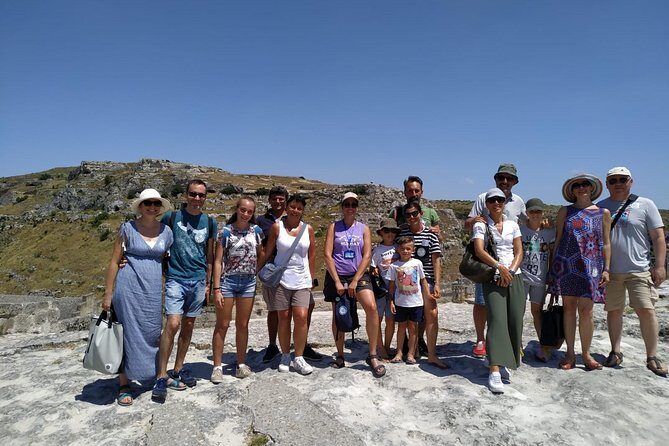
When you arrive in Matera, you’re standing in one of Europe’s oldest continuously inhabited settlements. This guided tour gives you the keys to understanding why—and the 4.5-star rating from over 1,300 travelers tells you the experience really delivers. We particularly appreciate how the tour strikes a genuine balance between historical depth and practical pacing, covering the essential highlights without rushing you through one of Italy’s most extraordinary landscapes. The inclusion of actual cave houses and rupestrian churches—places where people really lived and worshipped—means you’re not just looking at history from the street; you’re stepping inside it.
That said, there’s one honest consideration worth mentioning upfront: this is a walking tour through a genuinely hilly, ancient stone town. The terrain is uneven, the steps are steep in places, and there’s no getting around it. But if you’re reasonably mobile and willing to embrace the physical reality of exploring a 9,000-year-old settlement carved into cliffs, you’ll find this experience absolutely rewarding.
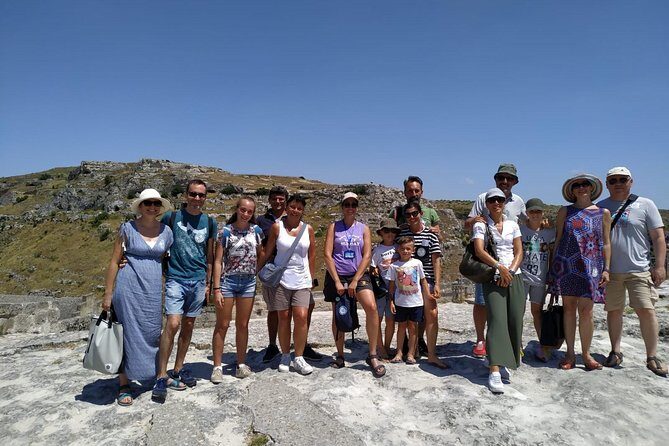
This tour works best for history enthusiasts, cultural travelers who want to understand a place beyond surface-level sightseeing, and anyone curious about how ordinary people lived in extraordinary circumstances. Multi-generational groups do particularly well here—the guides consistently earn praise for adjusting their pace to include everyone from energetic teenagers to travelers in their seventies.
- Why Matera’s Sassi Demands a Guided Tour
- The Itinerary: What You’ll Actually See and Do
- Your First Stop: The Church of Purgatory
- The Heart of the Experience: The Rupestrian Churches and Casa Grotta
- San Pietro and the Final View
- What’s Included—And What Represents Real Value
- The Guide Experience: What Actually Matters
- Physical Demands: Being Honest About the Walking
- Timing and Practical Considerations
- The Honest Perspective: Who Should Book This
- Frequently Asked Questions
- More Guided Tours in Matera
- More Tours in Matera
- More Tour Reviews in Matera
Why Matera’s Sassi Demands a Guided Tour
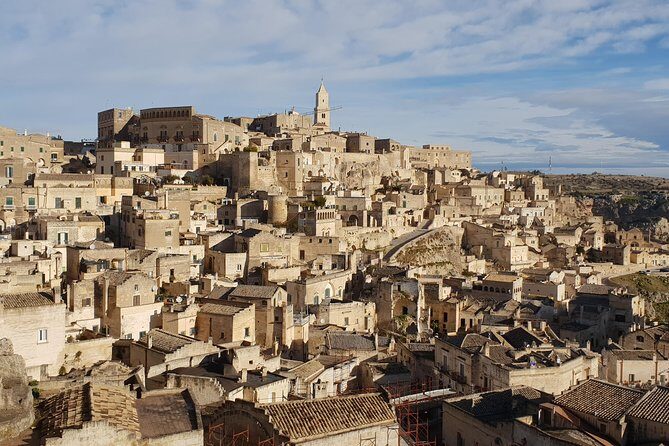
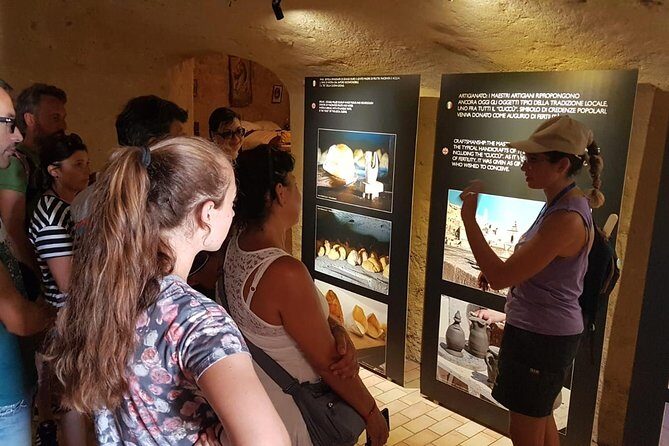
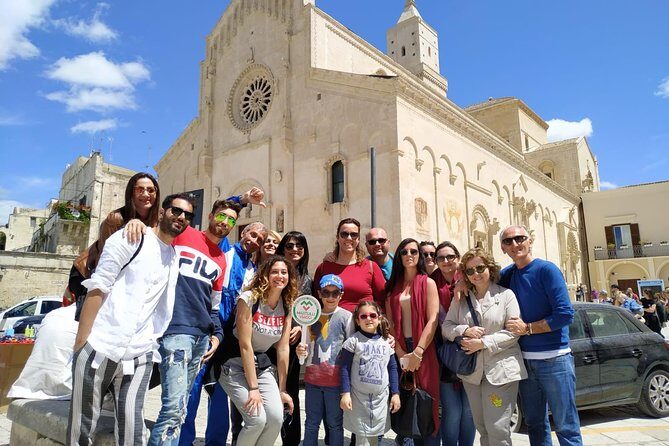
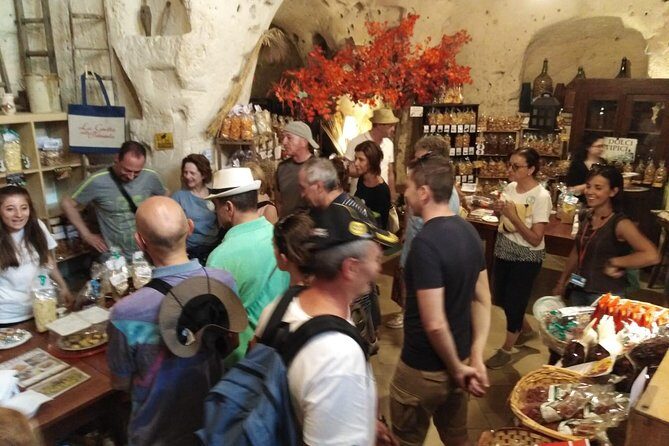
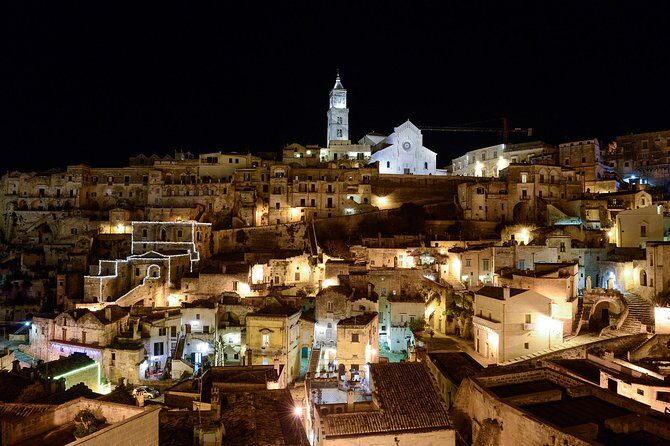
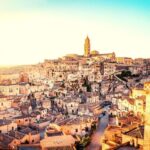
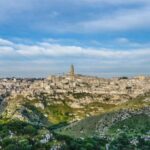
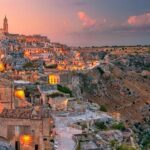
Matera isn’t a place you can fully understand by wandering alone with a guidebook. The Sassi district—the old town carved directly into the limestone cliffs—tells a story that needs context. Without knowing what you’re looking at, the stacked stone buildings and cave entrances can feel like a pleasant maze. With a guide, they become a fascinating window into centuries of human adaptation and resilience.
The Sassi was famously called “the shame of Italy” in the 1950s, when poverty and living conditions prompted the government to relocate residents to modern housing. What might have been demolished instead became recognized as an architectural and cultural treasure. Today, understanding that trajectory—how this place was nearly erased and then preserved—completely changes how you experience walking through it.
This tour does exactly that work for you. Rather than spending your time figuring out which church is which or why certain buildings are carved differently, you get an expert explaining the evolution of the district while you’re actually standing in it. The guides consistently receive praise for bringing this history alive. One traveler noted that their guide “brought the history of the Sassi to life,” while another appreciated how their local guide “shared personal stories” that deepened the experience.
The Itinerary: What You’ll Actually See and Do
The tour meets at the agency on Via Alessandro Volta and unfolds over approximately two hours. Rather than a rigid march through checkboxes, the experience moves through the Sassi with logical progression, hitting the major sites while building a coherent narrative.
You can also read our reviews of more guided tours in Matera
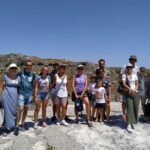
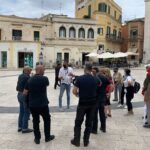
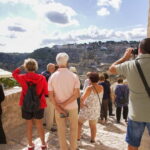
Your First Stop: The Church of Purgatory
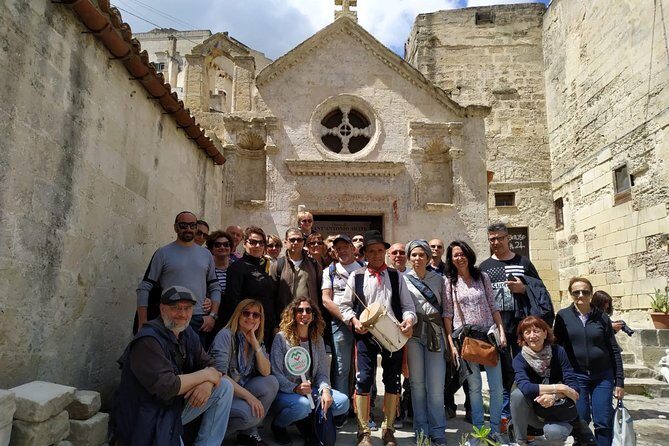
The tour begins by setting the stage at the Church of Purgatory, establishing the religious and cultural significance of the Sassi. From here, you move to Via San Francesco to see the majestic Church of San Francesco itself. This opening context matters—it helps you understand that the Sassi wasn’t just a residential district but a fully functioning community with spiritual and civic centers.
The Heart of the Experience: The Rupestrian Churches and Casa Grotta
The tour’s centerpiece involves visiting the Rupestrian Church of Sant’Antonio Abate at Sasso Barisano. This isn’t a Renaissance chapel or baroque cathedral. These are churches carved directly into the rock, adorned with frescoes that residents created over centuries. Your guide provides detailed information about how these spaces were used and what their existence tells us about medieval religious life in the Sassi.
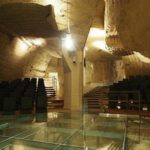
The other major inclusion is the Casa Grotta—a restored cave house that functioned as an actual dwelling. This is where the tour becomes genuinely visceral. You’re walking through rooms carved from stone, seeing where families cooked, slept, and lived. The cramped quarters, the cooking hearth, the lack of running water—it all becomes real in a way photographs never capture. Travelers consistently highlight this as a standout moment. One visitor called it “an authentic glimpse into daily life in the past,” while another noted it “helps to better understand the architecture and lifestyle of the Sassi.”
San Pietro and the Final View
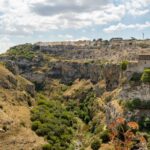
The tour includes a brief stop at the Church of San Pietro, another historically significant rupestrian church. The experience concludes at Piazzetta Pascoli, which offers what multiple reviewers describe as a “spectacular view of the Sassi.” This isn’t accidental positioning—ending at a viewpoint allows you to see the full scope of what you’ve just explored, with the guide able to point out landmarks you’ve visited and help you understand how the district is organized.
What’s Included—And What Represents Real Value
At $18.14 per person for a two-hour guided tour with a local expert, plus entrance to a rupestrian church and a cave house, you’re looking at genuinely good value. The entrance fees alone to these sites would run you considerably more if purchased separately. You’re also getting a 10% discount coupon at MòVado Food & Drink, which might seem minor until you’re actually hungry after two hours of walking uphill in Italian heat.
The mobile ticket system means you’re not fumbling with printed confirmations or waiting in lines—everything is digital and streamlined. The tour is offered in English (and other languages), so language barriers aren’t an issue. The fact that you’re booking well in advance (the average booking happens 14 days ahead) suggests this isn’t a tour that regularly sells out, so you should be able to find availability that works with your schedule.
One practical detail: transportation to and from the meeting point isn’t included. The tour starts at Via Alessandro Volta in central Matera and ends at Via Bruno Buozzi. Both are near public transportation, so if you’re staying in the modern town center, you can easily reach the starting point via local buses or a short taxi ride. This is actually typical for walking tours in European cities and keeps the price down.
The Guide Experience: What Actually Matters
The overwhelming majority of reviews focus on guide quality, and that’s telling—it’s the variable that most determines whether you have a good experience or a great one. The guides here earn consistent praise. Travelers mention guides who were “knowledgeable and engaging,” “passionate,” “patient,” and “full of historical tidbits.” One visitor described their guide as “a brilliant” local who made the experience “all the more memorable.”
The best reviews note guides who are flexible with questions, who share personal connections to the city, and who adjust pacing to the group’s needs. One group of travelers spanning from their seventies to their forties noted that “the pace was perfect” for everyone. Another visitor appreciated that their guide was “open to questions” and “flexible.”
That said, a handful of reviews mention challenges worth considering. A couple of travelers noted difficulty hearing guides in larger groups, particularly in outdoor settings with street noise. One person commented on a guide with a strong accent that made following along difficult. Another mentioned a guide who seemed to jump between topics in a confusing way. These are exceptions rather than the rule, but they’re worth acknowledging—if you have hearing difficulties or strong preferences about guide style, you might want to ask about guide assignments when you book.
The tour operates with a maximum of 200 travelers, though in practice, groups appear to be considerably smaller. Several reviewers specifically praised having “a small group,” which allowed for better interaction with the guide and the ability to ask questions.
Physical Demands: Being Honest About the Walking
This is a walking tour through an ancient hillside settlement. Multiple reviewers mention “quite a bit of walking,” “lots of steps,” and “hilly” terrain. One traveler noted that surfaces are “surprisingly slippery,” particularly where centuries of foot traffic have worn stone smooth. Another mentioned bringing water and a hat as essential if you’re visiting in summer.
If you have mobility concerns, this might be challenging. The tour isn’t wheelchair-accessible, and the terrain genuinely requires decent physical fitness. However, guides have proven responsive to groups with varied abilities. One traveler in their seventies reported having an excellent experience with appropriate pacing. If you have specific concerns, it’s worth mentioning them when you book—guides appear willing to adjust their approach.
One clever suggestion from a reviewer: if you’re visiting in summer, try booking an evening tour to avoid the worst heat. This is genuinely smart advice for Matera, which sits in southern Italy and gets intensely hot in July and August.
Timing and Practical Considerations
The two-hour duration is realistic and well-calibrated. It’s long enough to see the major sites and hear substantial historical context, but short enough that you’re not exhausted before you’ve finished exploring. Several travelers mention using the tour as a foundation and then spending additional time exploring independently afterward—one group actually hopped off the tour mid-experience to have lunch and shop, then rejoined for the second half. Worth asking if this is an option when you book.
The free cancellation policy (up to 24 hours in advance) is genuinely useful. Life happens, weather changes, plans shift. You can book with confidence knowing you can cancel without penalty if circumstances change.
The experience requires a minimum number of travelers to operate. If cancellation happens due to insufficient bookings, you’ll be offered an alternative date or a full refund. This is standard practice and shouldn’t be a concern if you’re booking 14 days in advance—these tours clearly run regularly.
The Honest Perspective: Who Should Book This
This tour is worth booking if you’re genuinely interested in understanding Matera’s history and culture. It’s not a sightseeing checklist where you accumulate photos of famous spots. The value is in context, understanding, and connection to place. The guides consistently deliver that.
You should book this if you have at least moderate physical fitness and don’t mind steep terrain. You should book this if you enjoy walking tours and prefer human-scale exploration to bus tours. You should book this if you want to understand how ordinary people lived in extraordinary circumstances.
You might skip this if you have significant mobility limitations, if you strongly prefer climate-controlled transportation, or if you’re in Matera for only an hour or two. In those cases, alternative tours using vehicles might suit you better.
Guided Tour of Matera Sassi
Frequently Asked Questions
How much walking is actually involved?
This is genuinely a walking tour through hilly terrain with steps and uneven stone surfaces. Most travelers describe it as 1.5 to 2 miles of walking with elevation changes. It’s not extreme, but it’s real walking, not casual strolling. Wear comfortable shoes with good grip.
What’s the best time of year to do this tour?
Summer (July-August) gets very hot in Matera—reviewers mention temperatures around 43°C (109°F). Spring (April-May) and fall (September-October) offer better weather. If you must visit in summer, book an evening tour to avoid midday heat.
Can children do this tour?
Yes, children are welcome and must be accompanied by an adult. Several reviewers mention multi-generational groups enjoying the experience. The historical content is accessible even to younger children, though the walking pace might challenge very small children.
What if I can’t hear the guide in a large group?
Some reviews mention difficulty hearing guides in groups with street noise, particularly without microphones. When booking, you might ask about group size expectations. Smaller groups (under 20 people) seem to have better audio clarity based on reviews.
Is there food included?
No, food isn’t included, but you do get a 10% discount coupon at MòVado Food & Drink. The tour doesn’t include designated meal breaks, though you could arrange to have lunch before or after. Some travelers strategically take breaks during the tour to eat.
What if the weather is bad?
The tour requires good weather. If it’s canceled due to poor conditions, you’ll be offered a different date or full refund. Matera has generally sunny weather, so this is rarely an issue, but it’s good to know.
Do I need to arrange my own transportation to the starting point?
Yes, you’ll need to get to Via Alessandro Volta in Matera. Both the start and end points are near public transportation. If you’re staying in the modern town center, local buses serve the area. Alternatively, a taxi from your hotel should be inexpensive.
This tour represents genuinely good value for travelers who want to understand Matera beyond surface-level sightseeing. The combination of a knowledgeable local guide, actual entrance to rupestrian churches and cave houses, and a two-hour exploration of one of Europe’s most unusual settlements makes this one of the better ways to spend $18 in Italy. It works best for history-minded travelers with reasonable mobility, cultural explorers willing to embrace authentic experiences over comfort, and anyone curious about how communities adapt and survive in extraordinary settings. The consistently high ratings from over 1,300 travelers—particularly the specific praise for guide knowledge and authentic experience—suggest this isn’t hype. It’s reliable, well-organized, and genuinely educational.