CRETAquarium is a smart, easy day stop in Heraklion: one-day admission inside the THALASSOKOSMOS marine park, where you can wander through Mediterranean habitats and see sharks, stingrays, jellyfish, and more. It’s self-paced, wheelchair accessible, and it’s set up so most visitors can finish in about an hour.
Two things I really like here are the value (around $9 per person) and the way the aquarium mixes entertainment with education. The staff run daily educational programs, and the whole place is tied to marine research at HCMR, so you’re not just watching fish—you’re picking up real context as you go.
One consideration: in summer, it can get crowded from roughly 11:00 AM to 4:00 PM, so plan timing if you hate lines. Also, the ticket is timed, and if you miss your exact slot you’ll still enter the same day, but you may not skip the line.
- Key things to know before you go
- CRETAquarium in Heraklion: what this place is really about
- Price and value: is a ticket actually worth it?
- Location and getting there: 25 minutes by taxi or car
- Ticket rules that affect your day (timed entry and lines)
- How long it takes: plan for 60 minutes, then decide
- Entering the THALASSOKOSMOS park: check-in and first impressions
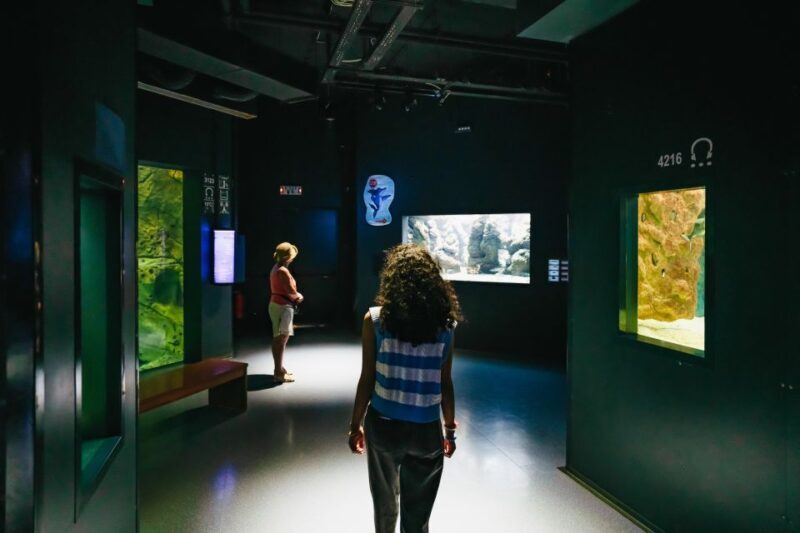
- Your self-guided route: caves, crevices, and open ocean tanks
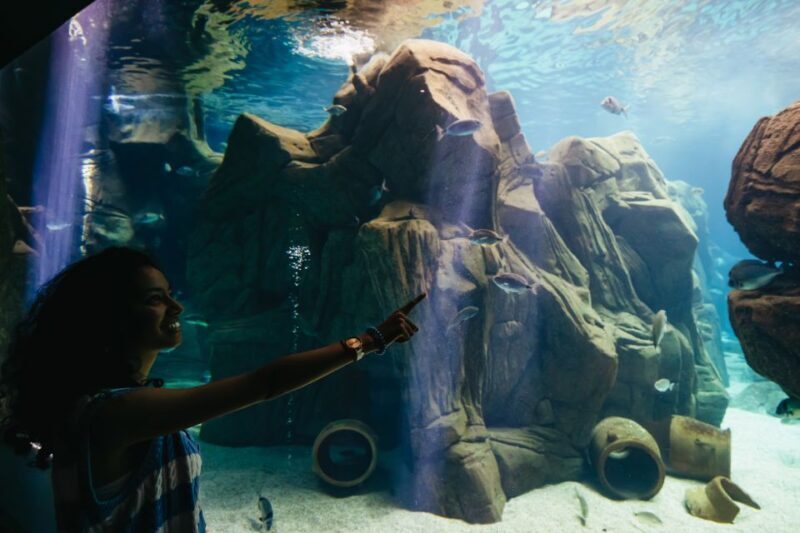
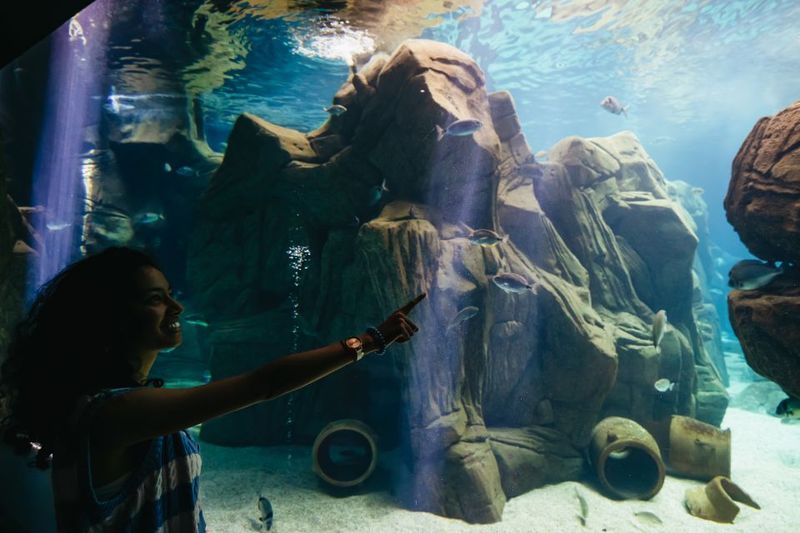
- Mediterranean rocky sections and hidden corners
- Open ocean sections and big-predator moments
- The “wow” animals people actually remember
- Shallow open-topped tanks: better angles than you expect
- The science connection: HCMR, ethics, and protection work
- Audio guide: optional, and usually a good value at 3€
- Facilities and food: cafeteria time without killing your mood
- Parking, walking, and comfort tips
- Crowds and the best time to go
- Who this trip suits best (and who might not)
- Should you book the CRETAquarium admission ticket?
- FAQ
- How much is the CRETAquarium admission ticket?
- How long does it take to explore CRETAquarium?
- Do I need a guided tour to enjoy CRETAquarium?
- Is an audio guide available, and what does it cost?
- Where is the aquarium, and how do I get there?
- Is food or drinks included in the ticket?
- What’s the best time to avoid crowds?
- The Best Of Heraklion!
- More Tickets in Heraklion
- More Tour Reviews in Heraklion
Key things to know before you go
 1 / 10
 2 / 10
 3 / 10
 4 / 10
 5 / 10
 6 / 10
 7 / 10
 8 / 10
 9 / 10
 10 / 10
- European-scale aquarium feel without needing half a day—most people get through in about 60 minutes
- Mediterranean-focused habitats: caves and open ocean sections make the route feel varied
- Lots of marine “stars” mentioned by visitors, including sharks, jellyfish, and sea turtles
- Research-backed education through HCMR, with attention to ethics and welfare for animals
- On-site food option (a cafeteria is available, and visitors mention dishes like carbonara)
- Summer crowd reality: expect the busiest window roughly 11:00 AM–4:00 PM

👉 See our pick of the 15 Must-Try Private Driver Services In Heraklion
CRETAquarium in Heraklion: what this place is really about
CRETAquarium isn’t just a tank room. It’s part of the THALASSOKOSMOS park, tied to the HCMR facilities (Heraklion Centre for Marine Research). That matters because the aquarium’s job is split into two tracks: recreation for visitors and support for marine science and marine protection.
As you walk through, you can feel the design goal. The habitats aren’t random. They’re built to mirror how Mediterranean life changes from rocky areas and caves to more open-water environments. If you’re the type who gets more out of a trip when you learn something while you’re there, you’ll probably enjoy this more than a plain “watch fish” stop.
You can also read our reviews of more tours and experiences in Heraklion

Price and value: is a $9 ticket actually worth it?
At about $9 per person for one day, CRETAquarium lands in the sweet spot between “worth it” and “I can still enjoy my afternoon elsewhere.” In practical terms, you’re paying for:
- A large aquarium experience with many tanks and habitats
- An easy, self-guided visit (no guided tour included)
- A route that usually takes around 1 hour, so you’re not locking in a whole day
You’ll also find that value comes from the pace. Several visitors report finishing in about an hour to 90 minutes, which is perfect when you’re traveling with kids, when it’s hot outside, or when your day already has other plans in Heraklion.
If you were hoping for a massive aquarium that takes 4 hours, you might find it smaller than the biggest blockbuster aquariums. But as value for time and money, it’s a strong deal.
Location and getting there: 25 minutes by taxi or car
You can reach the aquarium by taxi or car via the national road. One helpful detail for planning: it’s about 25 minutes from Heraklion, and also roughly 25 minutes from Malia and Hersonissos.
That timing is why CRETAquarium works so well as a “half-day anchor.” You can head over late morning, handle the aquarium first, then move on to a beach afternoon without feeling rushed.
Parking is another practical win—visitors mention plenty of spaces. And if you’re using public transport, you’ll likely find it signposted once you’re near the site (one review notes it was easy after getting off a bus, though exact routes vary).
Ticket rules that affect your day (timed entry and lines)
Your admission ticket is valid for one day, but it’s tied to a time slot. Here’s the practical part:
- You’ll need about 1 hour to explore.
- If you miss the exact time, your ticket is still valid for the day, but you may not be able to skip the line.
In summer, when it’s busiest roughly 11:00 AM–4:00 PM, arriving a bit earlier is the easiest way to keep your day smooth. If your schedule is flexible, I’d treat CRETAquarium like a “go early” activity, not something to cram after lunch.
More Great Tours NearbyHow long it takes: plan for 60 minutes, then decide
The “official” expectation is about 1 hour inside. In real life, you might spend:
- about an hour if you mainly want highlights
- up to 2 hours if you stop for reading, interactive areas, and lots of tank time
A lot of visitors describe it as a calm, efficient visit—especially compared with the larger, longer aquariums where you feel like you’re speed-walking.



Entering the THALASSOKOSMOS park: check-in and first impressions
You’ll enter CRETAquarium and start your self-guided route. Visitors consistently mention the place feels clean and well kept, and staff are friendly at the ticket counter.
The site is also wheelchair accessible, so you can move at an easy pace without feeling like you’re fighting stairs or crowd bottlenecks.
One small heads-up: one visitor mentioned stray cats around the outside area and that it wasn’t ideal if you’re very afraid of cats. If that’s you, it’s worth knowing before you plan a stressful arrival and departure.
Your self-guided route: caves, crevices, and open ocean tanks
CRETAquarium is built around moving through different “moods” of the Mediterranean. Based on how the aquarium describes its habitats (and how visitors talk about what they saw), the experience typically feels like this:
Mediterranean rocky sections and hidden corners
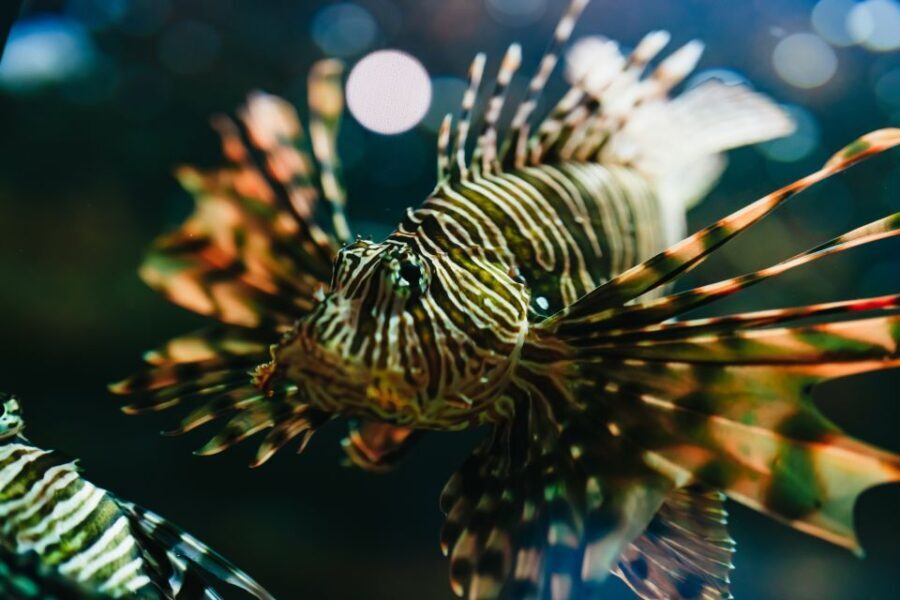
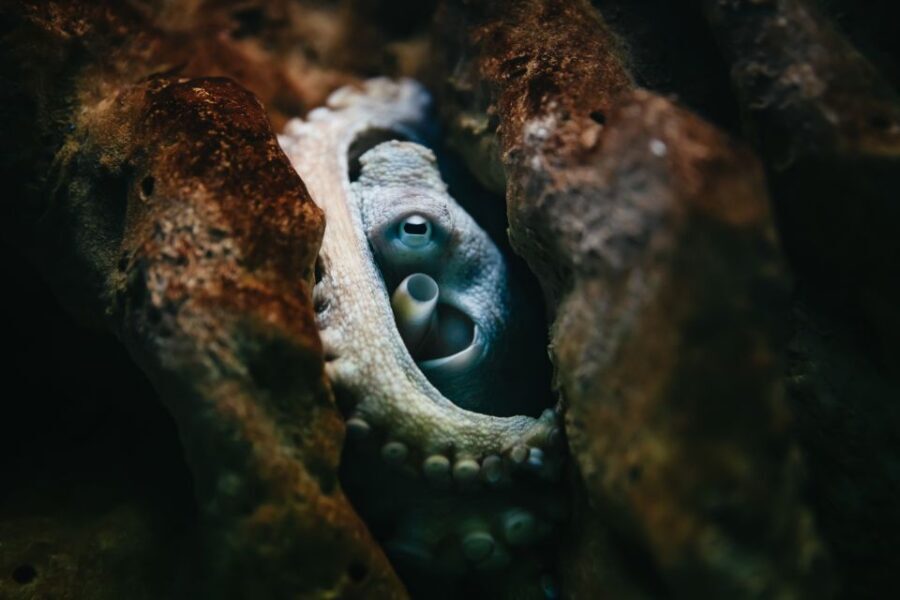
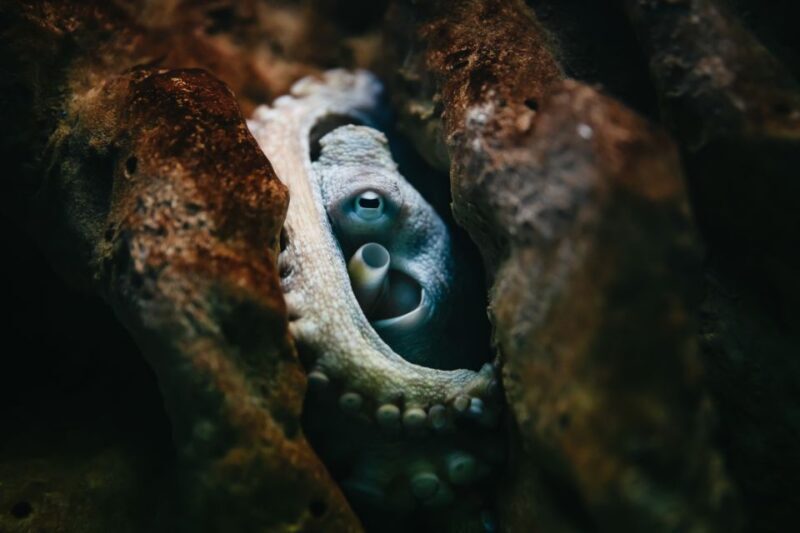
Look for habitats described around caves and crevices, where stingrays and rock-like scorpionfish are part of the show. This is the kind of setup that makes even common species feel more interesting, because the aquariums don’t treat everything like a flat backdrop.
Open ocean sections and big-predator moments
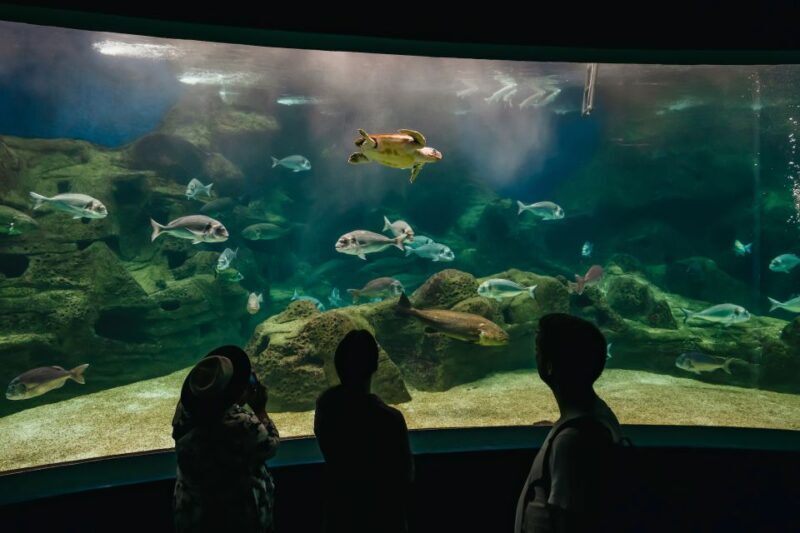
Then you transition into the open-water vibe, where sharks are part of what you may see. Some visitors specifically call out sharks as amazing, which tells you these tanks are worth slowing down for.
The “wow” animals people actually remember
CRETAquarium doesn’t lean on only one theme. It spreads the attention across many groups of marine life.
Here are some highlights that show up in the experience description and in visitor feedback:
- Sharks in open-water tanks (often mentioned as a memorable stop)
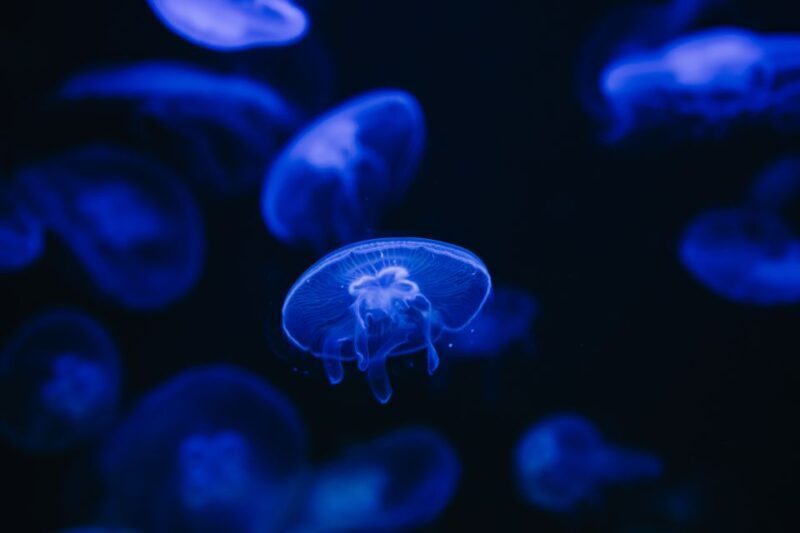
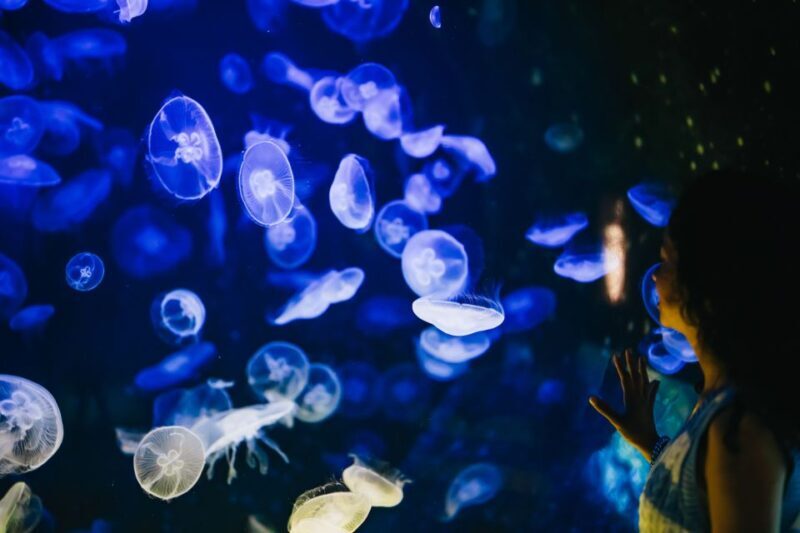
- Jellyfish in shallow, open-topped viewing tanks
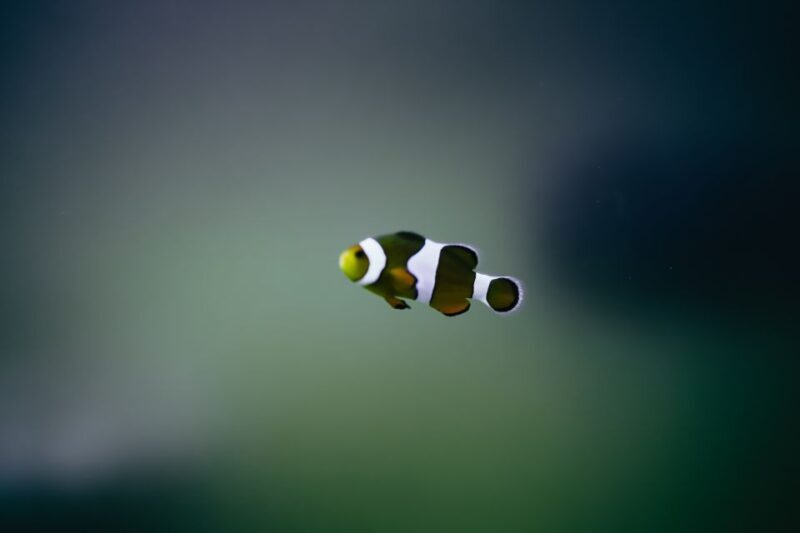
- Clownfish and colorful tropical species in shallow viewing areas
- Stingrays and scorpionfish in Mediterranean-style rocky habitats
- Sea turtles appear as a topic tied to the aquarium’s care and research, and visitors also mention turtles specifically
One more detail I appreciate: the aquarium mixes Mediterranean focus with a glimpse of “tropicals.” That keeps the visit from feeling like a single narrow theme.
Shallow open-topped tanks: better angles than you expect
One of the most practical “design wins” is the shallow, open-topped tank approach. It changes the viewing angle compared with deeper tanks where you just stare at glass from farther away.
If you’re traveling with kids (or if you’re an adult who enjoys photos), this section can make the experience feel more personal. Jellyfish and clownfish are the kinds of animals that look better when you can see them at a comfortable distance without craning.
The science connection: HCMR, ethics, and protection work
This is the part that makes CRETAquarium more than a rainy-day aquarium.
The aquarium operates within the THALASSOKOSMOS park and is connected to HCMR, which helps explain the “why” behind the displays. The aquarium also emphasizes:
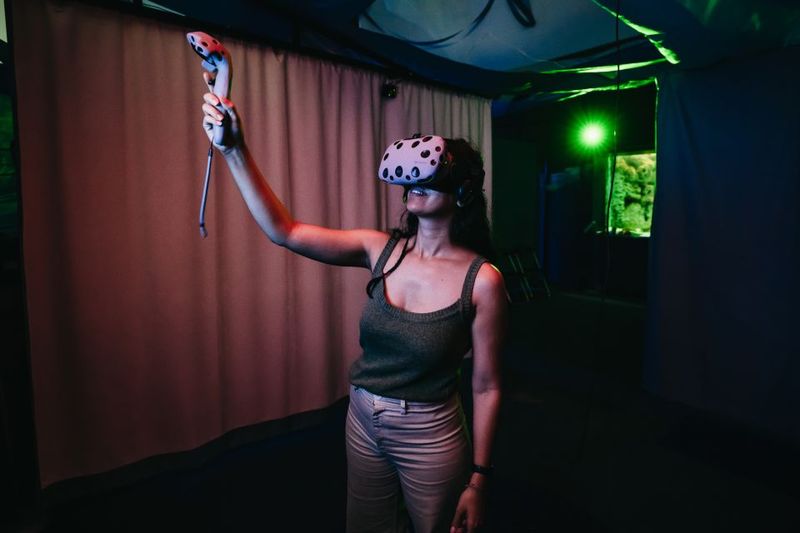
- Education and awareness, with staff designing daily interactive programs for all age groups
- Ethics and welfare, including rules meant to ensure animals are cared for properly
- Marine research, such as studies tied to climate change impacts on marine organisms
- Care for endangered or threatened species, with particular attention mentioned for sea turtles
For you as a traveler, it means the visit comes with better context. You can connect what you see in tanks to real conservation and research goals, instead of treating the aquarium like entertainment with no connection to the ocean outside.
Audio guide: optional, and usually a good value at 3€
You can rent an audio guide at the reception for €3, with a choice of 9 languages.
If you’re the type who reads labels, you might not need it. But if you want to understand the habitat sections quickly while you walk, the audio guide can help you keep moving without constantly stopping to decode every sign.
I’d treat the audio guide as a “choose your own adventure” add-on: great for curious adults and for travelers who don’t want to miss the science bits.
Facilities and food: cafeteria time without killing your mood
You’re not stuck bringing snacks the whole way. There’s a cafeteria on site, and visitors note it’s a pleasant place to recharge.
One review specifically mentions having carbonara at the end, and several people call out the cafeteria as nice. So if you need a proper sit-down break (especially in summer heat), this is a relief.
There’s also a gift shop, which tends to be a standard end-of-visit feature.
Parking, walking, and comfort tips
A few small practical notes can make the visit feel smoother:
- Bring comfortable shoes (you’ll do more walking than you might expect for an hour)
- Plan for a mix of shaded and sunlit areas depending on the layout around the tanks
- If you’re driving, the aquarium is described as having parking spaces and being easy to reach
If you’re sensitive to crowds, timing is your best tool. It usually gets very busy in summer from about 11:00 AM to 4:00 PM.
Crowds and the best time to go
If you want the calmer version of CRETAquarium, aim for earlier entry or avoid the peak midday window. Several visitors mention that the site can be busy and lines can form in summer.
Also, the ticket time slot matters. Even if you’ve bought ahead, it’s still smart to arrive close to your slot so you can get in smoothly and keep your day on track.
Who this trip suits best (and who might not)
CRETAquarium is a great fit for:
- Families who want a cool, indoor activity that finishes without swallowing the whole day
- Travelers who like animals but also enjoy learning the background
- Adults who want a low-stress plan with an easy exit into the rest of Crete
You might consider skipping or pairing it differently if:
- You want a huge, all-day mega-aquarium experience
- You hate timed entry and are likely to miss your slot
- Stray animals outside could be a problem for you
Should you book the CRETAquarium admission ticket?
Yes, I think you should book this if you want a smart value attraction that’s easy to fit into a day in Heraklion. The reasons are simple:
- Great price for a real aquarium visit
- Most people finish in about 1 hour, which helps you keep control of your itinerary
- You get education and science context tied to HCMR, not just a walk past tanks
- There’s an on-site cafeteria for an easy end-of-visit break
Book it especially if you’re traveling with kids, want shade, or you like Mediterranean marine life. Just go earlier in summer if you can, and wear comfortable shoes.
Heraklion Area: CRETAquarium Admission Ticket
FAQ
How much is the CRETAquarium admission ticket?
The ticket price is listed as about $9 per person.
How long does it take to explore CRETAquarium?
You should plan about 1 hour to explore the aquarium.
Do I need a guided tour to enjoy CRETAquarium?
No. Entrance is included, and a guided tour is not listed as part of the ticket.
Is an audio guide available, and what does it cost?
Yes. You can rent an audio guide at reception for €3, with options in 9 languages.
Where is the aquarium, and how do I get there?
You can reach it by taxi or car via the national road, and it’s about 25 minutes from Heraklion, Malia, and Hersonissos.
Is food or drinks included in the ticket?
No. Food and drinks are not included.
What’s the best time to avoid crowds?
It usually gets very busy in summer between 11:00 AM and 4:00 PM, so going earlier can help you avoid longer lines.
You can check availability for your dates here: