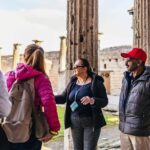
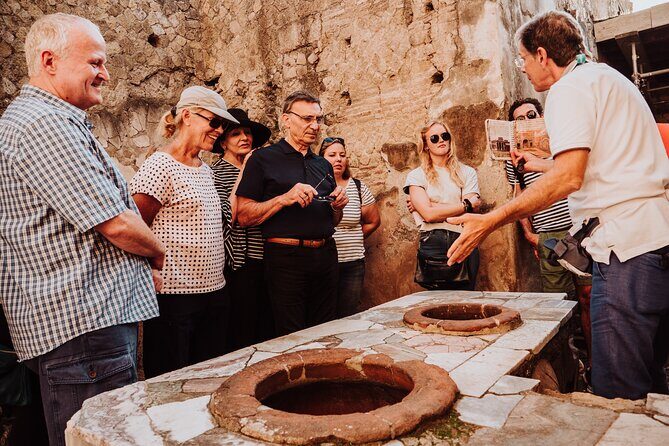
When you’re standing in the shadow of Mount Vesuvius, surrounded by the remarkably preserved ruins of a 2,000-year-old Roman town, having an actual archaeologist at your side transforms the experience from interesting to genuinely revelatory. This small group tour of Herculaneum does exactly that—it puts you in the hands of working professionals who excavate these sites and understand the intricate details of daily life in the ancient world.
We love this tour for two specific reasons. First, the skip-the-line tickets mean you’re not wasting precious time in queues while your energy and attention span are fresh. Second, the guide genuinely knows what they’re talking about—these aren’t people who memorized a script last month. They’re archaeologists who can explain the engineering choices behind a wooden partition, connect the dots between architectural details and social hierarchies, and bring the stories of real people to life based on what they’ve uncovered.
The one thing to keep in mind is that this is a walking tour involving substantial time on your feet with limited sitting opportunities. If mobility is a concern, you’ll want to be realistic about your comfort level before booking.
This tour suits history buffs, architecture enthusiasts, families with curious teenagers, and anyone who wants to understand how ordinary Romans actually lived rather than just seeing pretty ruins. It’s also perfect if you’re choosing between visiting Herculaneum and Pompeii and want to make sure you’re getting the most from whichever site you select.
- What Makes This Tour Different From Going Solo
- The Practical Details That Matter
- The Itinerary: What You’ll Actually See and Learn
- House of the Deer
- La Terrazza of M. Nonius Balbus
- College of the Augustales
- Casa del Rilievo di Telefo (House of the Relief of Telephus)
- Partem Domus Lignea – Casa del Tramezzo di Legno (House of the Wooden Partition)
- House of the Skeleton
- Central Thermae (Public Baths)
- House of the Black Salon
- Casa Sannitica (Samnite House)
- Casa del Bel Cortile (House of the Beautiful Courtyard)
- House of the Grand Portal
- What Travelers Are Actually Saying
- The Museum and What Happens After Your Tour
- Physical Demands and What to Expect
- Practical Logistics and Booking
- Should You Choose Herculaneum or Pompeii?
- The Guide Matters
- The Bottom Line
- Frequently Asked Questions
- More Tickets in Naples
- More Tours in Naples
- More Tour Reviews in Naples
What Makes This Tour Different From Going Solo
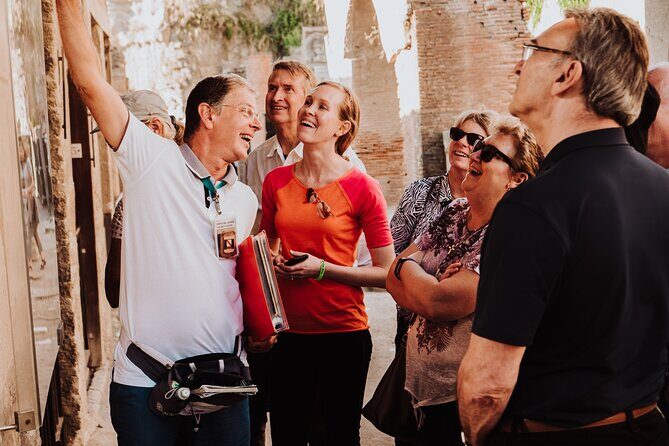
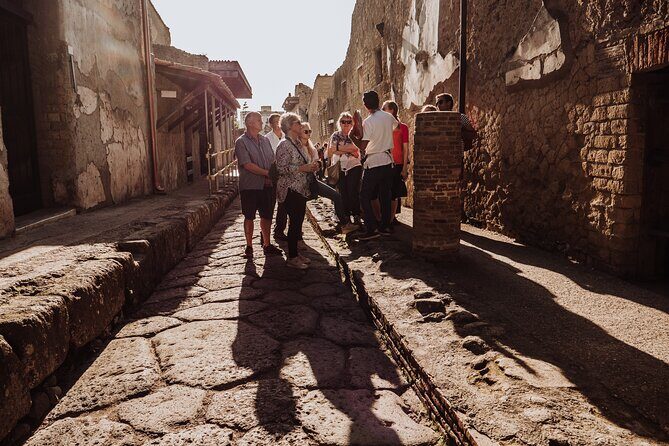
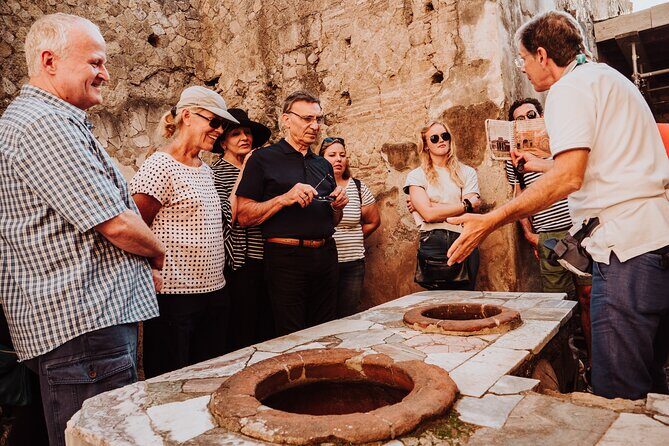
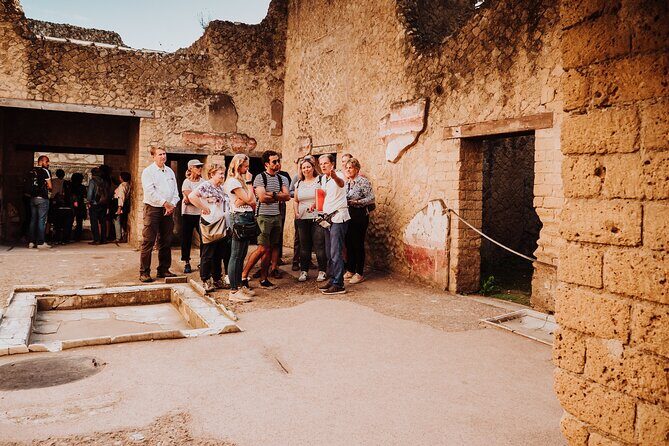
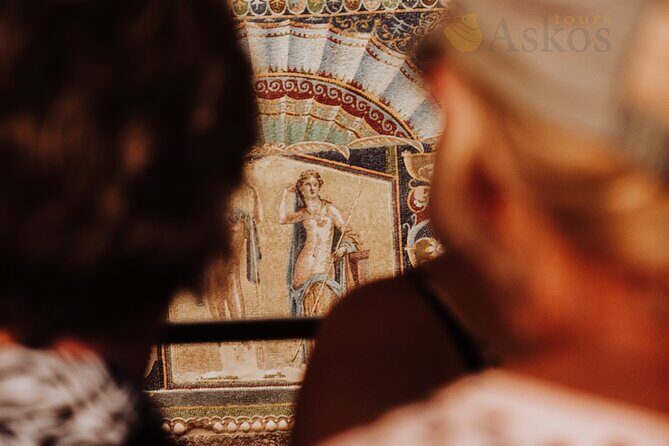
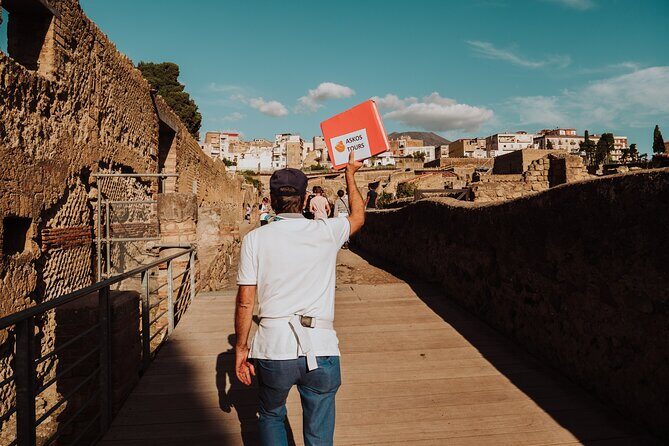
The difference between wandering Herculaneum on your own and taking this guided experience is genuinely substantial. One reviewer who’d done multiple tours worldwide called their guide “by far the best guide I’ve ever had” and specifically praised how the archaeologist “made this experience a great learning experience and an incredible memory.”
Here’s the thing: Herculaneum is visually stunning, but without context, you’re essentially looking at old walls and floors. With an expert guide, those walls become evidence of how Romans engineered their homes, those floors tell you about the wealth and status of the inhabitants, and the whole site transforms into a narrative about real people—their hopes, their daily routines, and their final moments when Vesuvius erupted.
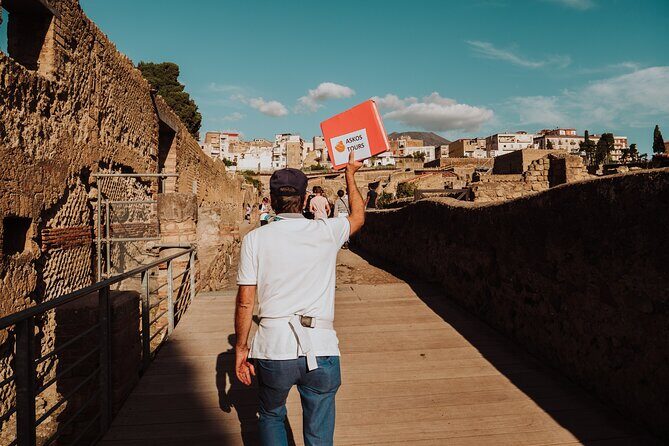
The guides on this tour bring resources with them too. One traveler mentioned that their guide “carries with him a book of resources he shows the groups he leads, including images he has created expertly himself, showing how the buildings you are viewing on the tour would have looked 2,000 years ago.” That kind of visual reconstruction helps your brain actually picture the vibrancy of the ancient city rather than just seeing charred remnants.
The Practical Details That Matter
Price and Value
At $53.81 per person (plus the €16 Herculaneum entry fee for adults), you’re looking at roughly $70 total per person for two hours with an archaeologist guide and skip-the-line access. That’s genuinely affordable for what you’re getting. The entry ticket alone is €16, so you’re essentially paying about $35-40 for the guided expertise and line-skipping convenience. For comparison, many archaeological tours in European cities run $80-150 per person. This offers exceptional value.
Duration and Pacing
The two-hour timeframe is carefully calibrated. It’s long enough to see the major highlights and understand the layout and social structure of the site, but short enough that you won’t be exhausted by the end. Several reviewers noted that guides moved at a “good pace so we could take everything in” and that the tour was “well-paced” and “vastly informative.”
One traveler did mention that their guide “ran overtime” and caused them to miss the museum, so timing can occasionally vary. This is worth keeping in mind if you’re planning to visit the onsite Antiquarium (museum) afterward—you might want to either book an earlier tour time or ask the operator about the expected end time.
Group Size
Maximum 20 people per guide is genuinely small for a group tour. This means you can actually hear the guide, see what they’re pointing out, and ask questions without feeling like you’re in a cattle herd. One reviewer specifically praised how the “earpieces worked really well and Luciano made sure that everyone could see and hear everything clearly.” The headsets are included, which is particularly helpful in an outdoor setting where ambient noise can be an issue.
Getting There
You meet at the Ticket Office of the Herculaneum ruins. The Circumvesuviana train from Naples drops you about 10 minutes’ walk away, or there’s parking nearby if you’re driving. Public transportation is convenient, making this accessible if you’re staying in Naples.
You can also read our reviews of more tours and experiences in Naples


The Itinerary: What You’ll Actually See and Learn
The tour hits 11 major stops, each giving you a different window into Roman life. Rather than just listing them, here’s what each stop actually reveals:
House of the Deer
This opens the tour by showing you the private residences of wealthy Romans. The marble statues of stags that gave the house its name speak to the kind of decorative sophistication available to the affluent. Your guide will explain how these homes were structured, what the different rooms meant socially, and how the architecture reflects the values and daily routines of the inhabitants.
La Terrazza of M. Nonius Balbus
This stop introduces you to the civic and social structures of the city. M. Nonius Balbus was essentially the philanthropist and major benefactor of Herculaneum. Understanding who he was and what the inscription on his funeral altar says teaches you about power, prestige, and how Romans memorialized their important citizens. It’s a concrete example of how archaeology reveals social hierarchies.
College of the Augustales
This building was either a center for the cult of Emperor Augustus or the local seat of government (scholars still debate). Your guide will help you understand what this ambiguity tells us about Roman religious and political life, and why archaeologists remain uncertain about some aspects of ancient cities despite having the physical remains.

Casa del Rilievo di Telefo (House of the Relief of Telephus)
This house possibly belonged to Marcus Nonius Balbus (the benefactor’s relative) and features a private connection to the adjacent public baths. This detail is significant—it shows how wealth translated into private access and convenience, much like modern luxury amenities. The guide will explain what this tells us about social inequality and privilege in the ancient world.
Partem Domus Lignea – Casa del Tramezzo di Legno (House of the Wooden Partition)
Here’s where the tour gets genuinely special. This house contains an elegant wooden partition that survived the eruption—an extraordinarily rare artifact. Wood typically doesn’t survive 2,000 years, so this gives archaeologists direct evidence of interior design, craftsmanship, and how Romans divided their living spaces. Your guide can explain the carpentry techniques and what this tells us about Roman building practices.
House of the Skeleton
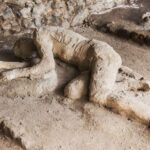
The macabre name comes from human remains discovered here in 1831. This stop illustrates both the tragic reality of the eruption and how archaeologists piece together what happened. The guide will likely explain the circumstances of the discovery and what the remains tell us about the final moments of Herculaneum’s inhabitants.
Central Thermae (Public Baths)
The public baths were social centers, not just places to get clean. This stop reveals the sophistication of Roman engineering—the heating systems, the separation of bathing areas by gender, the architectural planning. One reviewer noted they “saw the men’s and women’s bath houses” and learned about “what archeologists believe life was like when the city was lively.” The baths are a window into how Romans spent their leisure time and how they socialized.
House of the Black Salon
This is one of the most luxurious homes in Herculaneum, with a monumental entrance that still shows the carbonized remains of the original wooden doorframe and lintel. This house demonstrates wealth and architectural ambition. The guide will explain what the design choices reveal about status and taste.
Casa Sannitica (Samnite House)
This house features the architectural style of the Samnites, the ancient people who occupied central Italy before Roman expansion. It has a splendid atrium with Ionic columns and decorated rooms with frescoes. This stop teaches you about pre-Roman history and how different cultures influenced Roman design.
Casa del Bel Cortile (House of the Beautiful Courtyard)
Rather than following the typical atrium layout, this house features a courtyard with a stairway and stone balcony. It’s “one of the most original houses in Herculaneum,” according to the tour description. This shows you architectural variation and individual choices—not all Romans built their homes the same way.
House of the Grand Portal
This central building features various decorated rooms, columns, and charred wooden remains. It exemplifies the kind of architectural sophistication found throughout the site.
What Travelers Are Actually Saying
The reviews for this tour are genuinely strong—906 out of 994 reviews are 5-star ratings. But beyond the numbers, the language people use tells you what they actually valued.
“Our guide was very knowledgeable and interesting,” one traveler wrote. Another said their archaeologist guide “spoke with great authority and passion about her work and experience.” These aren’t generic compliments—they’re describing people who clearly care about what they’re sharing.
One particularly detailed review noted: “Luciano is entertaining, expert and enthusiastic. He carries with him a book of resources he shows the groups he leads, including images he has created expertly himself, showing how the buildings you are viewing on the tour would have looked 2,000 years ago. This really helps bring this ancient site to life.” This is the kind of preparation and thoughtfulness that separates an average tour from a memorable one.
A family reviewer mentioned they “greatly enjoyed our tour with Diego as a family of 4 (2 teens)” and appreciated “his calm passion for the site along with a light sprinkling of humour.” This suggests the guides adjust their approach for different group compositions and keep things engaging rather than academic and dry.
One concern did surface in a 2-star review: a guide ran overtime, causing the traveler to miss time in the museum. The operator responded professionally, acknowledging the issue and promising to address it with their team. This suggests they take feedback seriously, though it’s worth noting as a potential issue.
The Museum and What Happens After Your Tour
Your tour ticket includes entry to the Herculaneum Antiquarium (the onsite museum), though you won’t have time to explore it thoroughly during the two-hour guided experience. Several reviewers specifically mentioned visiting the museum afterward to see “jewelry and furniture recovered from the site” and “original frescos, tiled floors, and artifacts.” Plan an additional 45 minutes to an hour if you want to see the museum—it’s genuinely worth the time.
Physical Demands and What to Expect
This tour involves significant standing and walking on uneven ancient surfaces. One reviewer specifically noted: “It does involve a lot of standing and some walking and little opportunity to sit. Therefore if you are with anyone for whom this may be difficult please be aware.” This is important information if you have mobility concerns, are traveling with elderly relatives, or have physical limitations.
Wear comfortable walking shoes with good support. The site is exposed, so sun protection matters in summer months. The tour operates in all weather, so bring a light rain jacket or umbrella if rain is in the forecast—one reviewer mentioned it “rained a bit” during their tour, but it didn’t diminish their experience.
Practical Logistics and Booking
Transportation to the Meeting Point
The Circumvesuviana train is the most convenient option if you’re staying in Naples. The station is about a 10-minute walk from the meeting point. If you’re driving, there’s unguarded parking very close to the ticket office. Public transportation is convenient, making this accessible without a car.
Cancellation Policy
You can cancel up to 24 hours in advance for a full refund. Changes made less than 24 hours before the tour won’t be accepted. The tour requires a minimum number of travelers; if that minimum isn’t met, you’ll be offered a different date or a full refund.
What’s Included
The price covers guidance from a licensed archaeologist, your entry ticket to Herculaneum, the small group experience, and headsets so you can hear the guide clearly. Meals and drinks aren’t included, though there are likely cafes near the site.
Accessibility Notes
Service animals are allowed, and dogs are permitted at the archaeological park (must be leashed or muzzled). However, dogs can only enter certain areas—they can’t go into the museum pavilion or rooms with mosaic floors unless carried.
Should You Choose Herculaneum or Pompeii?
Several reviewers mentioned choosing Herculaneum over Pompeii. One traveler wrote: “I chose not to see Pompei, and see Herculaneum instead. I’m not sure if it was the best choice or not. I did very much enjoy seeing the original frescos, tiled floors, and artifacts that were still in the city.”
The truth is, Herculaneum is smaller and more intimate than Pompeii, with better-preserved organic materials (wood, textiles) because of how the eruption buried it. If you can only do one, Herculaneum with a guide offers more depth in a shorter timeframe. If you have time for both, they complement each other—Pompeii shows you the scale of a Roman city, while Herculaneum shows you the intimate details of how people actually lived.
The Guide Matters
Multiple reviewers mentioned their guides by name and spoke about them with genuine affection: Luciano, Paulo, Julia, Michele, Diego, Gennaro, Marie. This isn’t coincidental. The tour operator, Askos Tours, clearly invests in training and employs guides who are passionate about their work. One reviewer said their experience was “so engaging throughout that I lost all sense of time” and called it “one of the best tours I’ve been on regarding history.”
This is the kind of experience where the guide can make or break the tour. The good news is that the reviews suggest consistency in quality. The challenging part is you won’t know which guide you’ll get until the day of your tour, though the operator does communicate details through WhatsApp on the day of your experience.
The Bottom Line
This tour delivers genuine value for the price and offers something you simply can’t get on your own: access to someone who understands Herculaneum at a professional level and can connect the physical ruins to the human stories behind them. The small group size keeps it intimate, the skip-the-line access saves you time, and the two-hour duration is perfectly calibrated to see the highlights without exhaustion. If you’re visiting the Naples area and have any interest in Roman history or archaeology, this is worth booking. The 96% recommendation rate and the language people use when reviewing it suggest this is one of those experiences that genuinely sticks with travelers.
Herculaneum Small Group Tour and Ticket With an Archaeologist
Frequently Asked Questions
How much does the tour cost, and what’s included?
The tour is $53.81 per person, plus the €16 adult entry fee to Herculaneum (€2 for EU citizens ages 18-25). This covers your archaeologist guide, skip-the-line tickets, the small group experience, and headsets. Meals and drinks aren’t included. You might want to bring water and snacks for the two-hour walking tour.
What time does the tour start, and how long does it last?
The tour lasts approximately two hours and starts at the Ticket Office of the Herculaneum ruins. You’ll meet at Corso Resina, 187, 80056 Ercolano. Check your confirmation for the specific start time when you book, as times vary throughout the day.
How many people are in each group?
Groups are limited to a maximum of 20 people per guide. This small size means you can actually hear the guide, see what they’re pointing out, and ask questions without feeling crowded. Headsets are provided to help everyone hear clearly in the outdoor setting.
Do I need to be in good physical condition to do this tour?
The tour involves substantial standing and walking on uneven ancient surfaces with limited opportunities to sit. If you have mobility concerns or physical limitations, you should honestly assess whether two hours of continuous walking will be comfortable for you. Wear sturdy, comfortable walking shoes with good support.
Can I bring my dog to Herculaneum?
Yes, dogs are allowed at the archaeological park without breed or size restrictions, but they must be leashed or muzzled, and you need to bring bags to collect droppings. However, dogs can’t enter the museum pavilion, the Boat Pavilion, or rooms with mosaic floors unless they’re carried or transported in an appropriate carrier.
What if it rains during the tour?
The tour operates in all weather conditions. One reviewer mentioned it “rained a bit” during their tour but still had an “amazing” experience. Bring a light rain jacket or umbrella, and dress appropriately for the weather. Waterproof walking shoes might be a good idea if rain is forecasted.
Can I cancel if my plans change?
You can cancel up to 24 hours before the tour for a full refund. Cancellations made less than 24 hours before won’t be refunded. If the minimum number of travelers isn’t met, the tour operator will offer you a different date or a full refund.
How do I get to the meeting point?
The Circumvesuviana train from Naples stops about 10 minutes’ walk away. If you’re driving, there’s unguarded parking very close to the ticket office. Public transportation is convenient, so you don’t need a car to participate.
Should I visit Herculaneum or Pompeii?
Herculaneum is smaller and more intimate, with better-preserved details like wood, textiles, and frescoes. Pompeii is larger and shows the scale of a Roman city. If you can only do one, a guided tour of Herculaneum offers more depth in a shorter timeframe. If you have time for both, they complement each other beautifully.