When you’re planning a trip to Vienna, you’ll encounter plenty of tours focused on imperial palaces, classical music venues, and Austro-Hungarian grandeur. This tour takes a different path—one that’s far more challenging and ultimately more meaningful. We’ve found this walking experience to be an exceptional way to understand how Vienna shaped the ideology of one of history’s most destructive figures, and how the city itself grappled with the horrors that followed.
What makes this tour particularly valuable is its scholarly approach to an uncomfortable subject. Rather than sensationalizing Hitler or focusing solely on WWII, the guides lead you through Vienna’s historical and social context at the turn of the 20th century, exploring the environment that influenced Hitler during his formative years. You’ll also pay respects at Holocaust memorials and learn about Vienna’s Jewish community and their tragic fate. It’s educational without being exploitative, and thought-provoking without being preachy.
That said, there’s one consideration worth noting upfront: this isn’t a light afternoon stroll. The tour runs for two and a half hours, covers significant ground on foot, and deals with heavy historical material. You’ll want to dress warmly (especially if visiting in winter), wear comfortable shoes, and come prepared mentally for some sobering stories. If you’re someone who finds history fascinating and wants to understand how cities can become complicit in dark political movements, this experience is exactly what you’re looking for.
- Why This Tour Matters: Understanding Vienna’s Complex History
- Meeting Your Guide: The Heart of This Experience
- Walking the Route: A Step-by-Step Journey Through History
- Vienna State Opera: Where Culture Met Catastrophe
- Memorial Against War & Fascism: Acknowledgment and Remembrance
- The Academy of Fine Arts: A Rejection That Changed History
- Heldenplatz: The Moment Everything Changed
- Judenplatz Holocaust Memorial: Confronting the Consequences
- The Stadttempel Synagogue: Survival and Resilience
- Morzinplatz: The Machinery of Oppression
- Value for Money: What You’re Really Getting
- Practical Considerations: What You Need to Know
- What Travelers Say: Real Feedback from Real People
- Who Should Take This Tour?
- The Bigger Picture: Why This Tour Exists
- Final Thoughts
- Frequently Asked Questions
- More Walking Tours in Vienna
- More Tours in Vienna
- More Tour Reviews in Vienna
Why This Tour Matters: Understanding Vienna’s Complex History
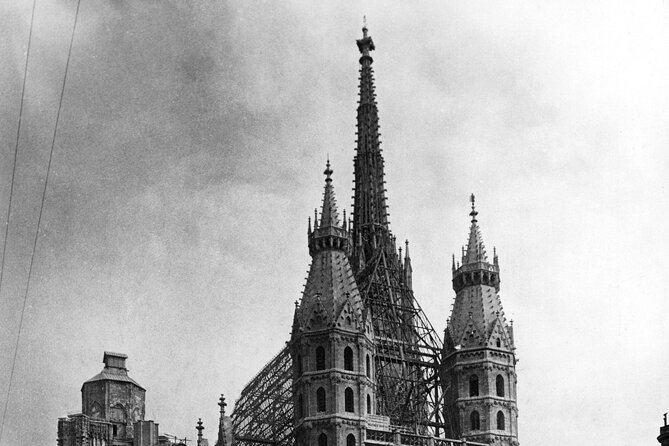
Vienna has always been a city of contradictions. It’s produced some of humanity’s greatest composers, architects, and thinkers, yet it also became a hotbed of antisemitism and nationalism. This tour doesn’t shy away from those contradictions—it explores them directly.
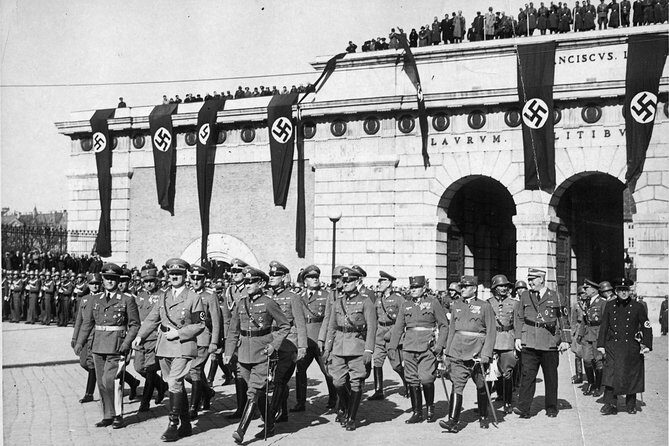
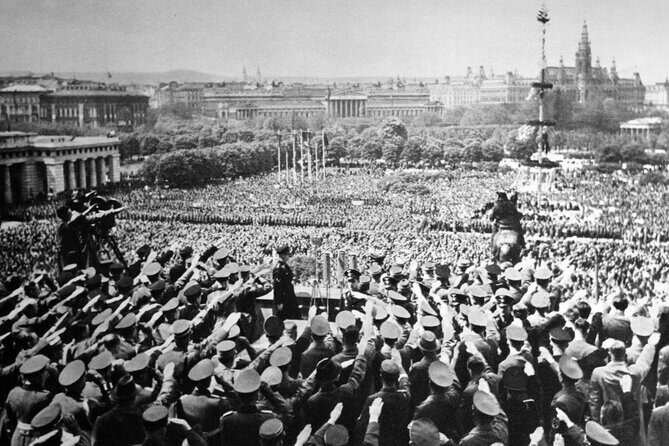
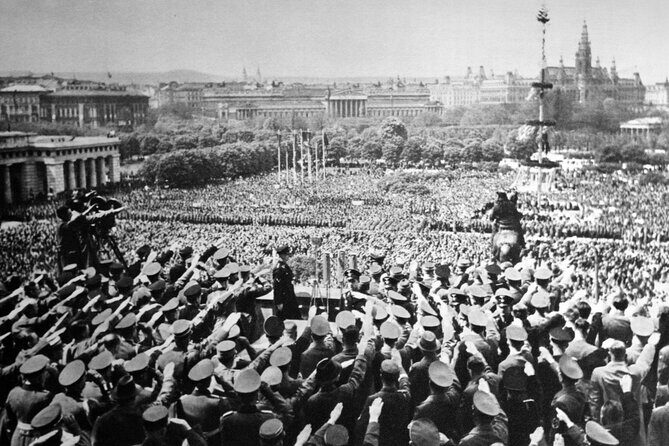
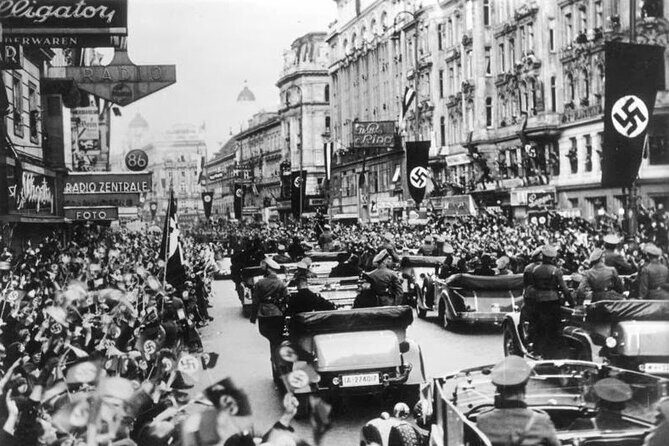
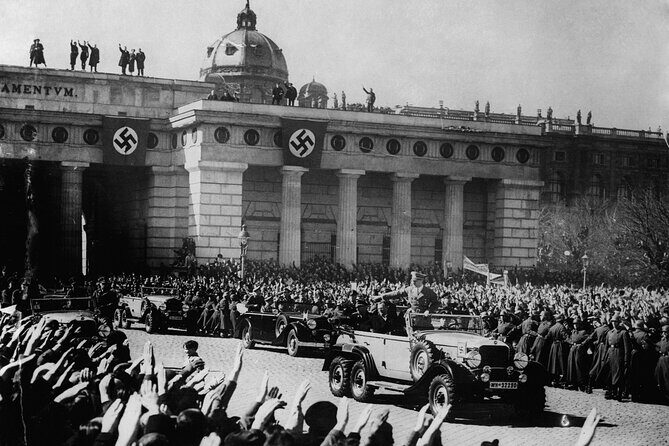
The guides here understand that history isn’t abstract. It’s about real people, real choices, and real consequences. When you stand at Heldenplatz, where Hitler delivered his triumphant speech on March 15, 1938, your guide will help you understand what led to that moment and what happened because of it. You’re not just looking at a plaza; you’re confronting a moment when thousands of Viennese citizens gathered to celebrate the annexation of Austria into Nazi Germany.
What we particularly appreciate about this tour is how it connects the dots between Vienna’s cultural history and the rise of fascism. You’ll visit the Vienna State Opera, where performances were banned and artists were persecuted, then move to the Academy of Fine Arts—the very school that rejected Hitler as a student. These aren’t just random historical facts; they’re pieces of a puzzle that help explain how a city could transform so dramatically in such a short time.
Meeting Your Guide: The Heart of This Experience
One thing that immediately stands out from the reviews is the consistent praise for the guides. People mention them by name—Dieter, Wolfgang, Stephan, Charles, Siggy—and describe them with genuine warmth and respect. This isn’t coincidental. Good Vienna Tours has clearly invested in recruiting and training knowledgeable historians who can handle sensitive material with both accuracy and humanity.
Reviewers repeatedly describe their guides as “exceptionally knowledgeable,” and several mention being surprised by how much they learned despite thinking they already knew quite a bit about this period. One traveler noted, “While I would have said I was relatively well versed on the rise of Hitler there was so much I didn’t know.” Another reviewer, a retired World History teacher, praised the guide’s “interesting and accurate historical detail throughout the tour.”
What’s particularly impressive is how guides manage the emotional weight of the material. One traveler mentioned learning about “the huge numbers of Jews who took their lives instead of being deported to the camps” and how the guide presented this information with appropriate gravity. Another described their guide as having “a philosophical approach” to the subject matter, which suggests these aren’t just fact-delivering machines—they’re thoughtful educators who understand the significance of what they’re sharing.
The guides also take care of practical concerns. Multiple reviews mention that guides included “a couple of indoor stops to warm up and recharge” during the winter months, and they ensure the group stays together and moves at a sustainable pace. One reviewer noted, “He made sure the group stayed together, had rests when they needed it and he made sure everyone was looked after.”
You can also read our reviews of more walking tours in Vienna
Walking the Route: A Step-by-Step Journey Through History
The tour begins at Albertinaplatz, outside the Albertina Museum, which serves as a natural gathering point in Vienna’s historic center. From there, you’ll make your way through some of the city’s most significant locations, each one carefully chosen to tell a specific part of this historical narrative.
Vienna State Opera: Where Culture Met Catastrophe
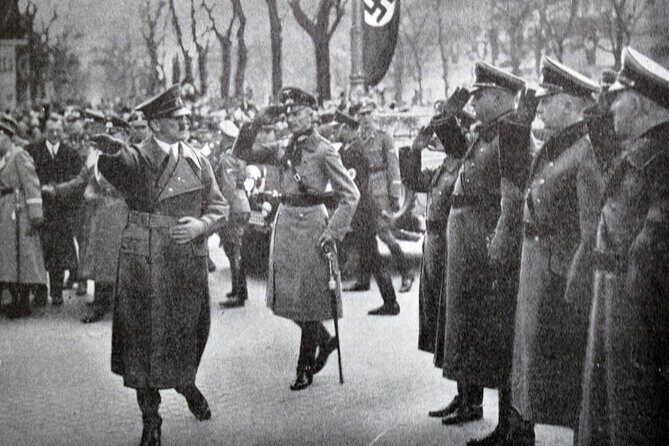
Your first major stop is the Vienna State Opera House, one of Europe’s most magnificent buildings. Completed in 1869, it represents everything Vienna was proud of—world-class culture, imperial grandeur, and artistic excellence. But after the Anschluss in 1938, everything changed. Hitler himself visited the State Opera twice that year, and the cultural persecution that followed was swift and devastating.
Your guide will explain how Jewish artists and musicians were forced out, how certain works were banned from performance, and how an institution that once celebrated human creativity became complicit in a system that denied people’s humanity. Standing in front of this beautiful building while learning about these contradictions is genuinely moving.
Memorial Against War & Fascism: Acknowledgment and Remembrance
The Memorial Against War & Fascism, created by Austrian sculptor Alfred Hrdlicka and installed in 1988, serves as Vienna’s official acknowledgment of its past. This isn’t a hidden monument; it stands prominently on Albertinaplatz, and Viennese residents pass it regularly. The tour pauses here to discuss how Austria has chosen to remember this period, and what it means that such a memorial exists at all.
The Academy of Fine Arts: A Rejection That Changed History
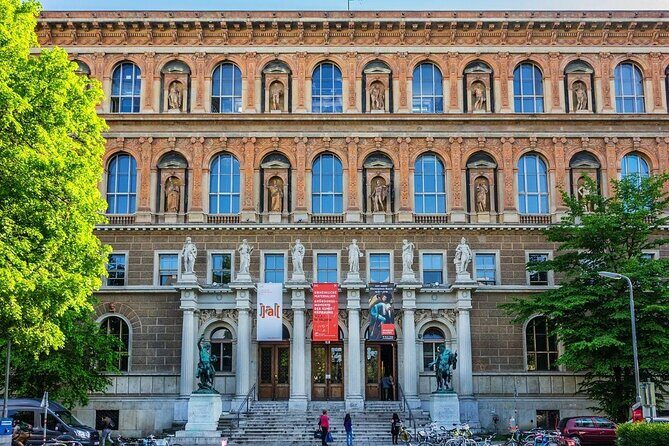
One of the tour’s most poignant stops is the Academy of Fine Arts, the school that rejected Hitler’s application as a young artist. Imagine standing at this building knowing that this rejection—one of thousands that the academy made that year—fundamentally altered the course of history. Your guide will discuss Hitler’s artistic aspirations, his disappointment, and how this rejection may have contributed to the bitterness and resentment that characterized his later worldview.
You can also read our reviews of more historical tours in Vienna

Heldenplatz: The Moment Everything Changed
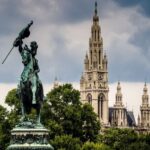
Heldenplatz is where the tour reaches its emotional and historical apex. On March 15, 1938, Hitler stood on the balcony of the Neue Hofburg and delivered a speech to an estimated crowd of 250,000 Viennese citizens. The roar of approval was deafening. This moment represents the “Anschluss”—Austria’s union with Nazi Germany—and for many Austrians, it remains a trauma point in the nation’s collective memory.
Standing here with your guide, you’ll understand the context that made this moment possible. You’ll learn about the economic conditions, the political divisions, and the nationalist sentiment that made this annexation seem appealing to many ordinary Viennese. It’s not comfortable knowledge, but it’s essential knowledge for understanding how democracies can fail.
Judenplatz Holocaust Memorial: Confronting the Consequences
The tour then moves to the Judenplatz Holocaust Memorial, dedicated to the more than 65,000 Austrian Jews murdered between 1938 and 1945. This is where the historical narrative moves from context and causation to consequences and tragedy. Your guide will discuss Vienna’s Jewish population before the war, and what happened to them during it.
The memorial itself—a library-shaped monument with books facing inward—represents the destruction of Jewish life and culture in Vienna. It’s a deeply moving moment in the tour, and one that many reviewers mention as particularly impactful. As one traveler wrote, “One of the most impactful and memorable parts of our trip to enchanting Vienna.”
The Stadttempel Synagogue: Survival and Resilience
One of the tour’s final stops brings you to the Stadttempel Synagogue, Vienna’s main synagogue, which has an unusual feature: it’s hidden behind a five-story apartment building. This wasn’t an accident. In the era when this synagogue was built, regulations required that non-Catholic places of worship be concealed from public view. Your guide will explain how this same building that was meant to hide the synagogue from respectability actually saved it during Kristallnacht, when so many other synagogues across the German-speaking world were destroyed.
The inscription above the entrance gate reads, “Come to his gates with thanksgiving, to his courts with praise!”—a statement of faith that survived one of history’s darkest periods. Learning about this survival, after everything else you’ve heard on the tour, offers a note of resilience.
Morzinplatz: The Machinery of Oppression
The tour also includes a stop at Morzinplatz, where the luxury Hotel Metropole once stood. During the Nazi occupation, this building became one of the most brutal Gestapo headquarters in the Third Reich. Your guide will explain what happened here—the interrogations, the torture, the systematic persecution of anyone deemed a threat to the regime.
Value for Money: What You’re Really Getting
At $32.65 per person, this tour is genuinely affordable, especially considering what you receive. You’re not paying for a bus ride or a quick overview; you’re paying for two and a half hours with an expert historian who can answer questions, provide context, and help you understand one of the most important historical periods of the twentieth century.
Compare this to other walking tours in Vienna that charge similar or higher prices for less substantive content. You could easily spend $50 or more on a general city walking tour that touches on highlights without real depth. This tour goes deep. It challenges you. It makes you think. For the price, that’s exceptional value.
One reviewer captured this perfectly: “Excellent value for money. Dieter is a warm and guide and shared unique insights into the historical significance of Vienna pre and post WWII.”
Practical Considerations: What You Need to Know
Duration and Pace: The tour lasts approximately two and a half hours. This might sound long, but reviewers consistently note that the time passes quickly because the material is engaging and the pace is well-managed. Your guide will build in rest breaks, and as mentioned, will seek out indoor spaces during cold weather.
Physical Requirements: This is a walking tour, and you’ll cover significant ground. You’re not climbing mountains, but you should have moderate fitness and comfortable shoes. Vienna’s streets can be uneven in places, particularly in the historic center, so proper footwear matters.
Weather Considerations: Vienna’s weather is unpredictable. In winter, expect cold temperatures; in summer, you might face rain. The tour operators recommend bringing water, sunblock, a raincoat, or an umbrella depending on the season. Multiple reviews mention cold weather, but interestingly, this doesn’t seem to diminish the experience—guides work around it, and the content is compelling enough that people don’t mind.
Group Size: The tour accommodates a maximum of 25 travelers. This is small enough that you can hear your guide and feel like part of a group rather than a crowd, but large enough that the tour operates regularly.
Meeting Point: You’ll meet at Albertinaplatz, 1010 Wien, Austria, right outside the Albertina Museum. This is in Vienna’s historic center, easily accessible by public transportation. The tour ends near Schwedenplatz, which has U-Bahn connections and plenty of restaurants for dinner afterward.
Booking Details: The tour is offered in English and operates at 2:30 PM. You’ll receive a mobile ticket confirmation at the time of booking. Cancellation is free if you cancel at least 24 hours in advance.
What Travelers Say: Real Feedback from Real People
The review scores tell part of the story—a 5.0 rating with 887 reviews is exceptional—but the actual comments reveal even more. We’ve noticed several consistent themes in what people appreciate:
Knowledge and Expertise: Nearly every positive review mentions the guide’s knowledge. People use words like “exceptional,” “brilliant,” “phenomenal,” and “super knowledgeable.” One reviewer wondered if the guide was a university history professor. Another noted that the guide used an iPad to show maps and historical photos, adding visual context to the stories.
Emotional Impact: This tour isn’t just informational; it’s moving. Reviewers describe it as “impactful,” “thought-provoking,” and note that they “learned so much.” Several mention that despite the cold weather, they “enjoyed every minute of it,” suggesting the content is compelling enough to override physical discomfort.
Balance and Fairness: Reviewers appreciate that guides handle the sensitive material thoughtfully. One person noted the guide’s “balanced” presentation. Another mentioned learning about lesser-known historical details, like the coverup by King Franz Joseph of his son’s suicide due to Catholic Church prohibitions against suicide. This suggests guides go beyond the obvious facts to provide genuine historical insight.
Practical Care: Multiple reviewers mention that guides “made sure we saw everything,” “took breaks inside to warm up,” and were “caring about safety along the way.” This isn’t just about delivering information; it’s about caring for the people in your group.
There is one critical review worth discussing. A traveler felt left behind at the meeting point because the guide moved quickly through a crowded area without ensuring everyone was present. The tour operator responded professionally, noting that meeting point managers are available to help and suggesting that a quick word to them would have redirected the traveler. This isolated incident doesn’t diminish the overwhelming positive feedback, but it does suggest you should arrive a few minutes early and make yourself visible to the guide.
Who Should Take This Tour?
This experience is ideal for several types of travelers. If you’re a history enthusiast with more than a passing interest in WWII or twentieth-century European history, this tour will reward your curiosity with depth and nuance you might not find elsewhere. You’ll learn things that surprise you, even if you consider yourself well-informed on the subject.
If you’re someone who believes that understanding history—even uncomfortable history—is essential for making sense of the present world, this tour aligns with your values. It’s not a fun tour; it’s an important tour. But importance and value aren’t the same as enjoyment, and many travelers find that grappling with difficult history in a thoughtful, guided context is profoundly rewarding.
Teachers, students, and people interested in how cities change over time will also find tremendous value here. The tour essentially answers the question: “How did this happen?” That’s a question worth asking.
Conversely, if you’re looking for a light, entertaining tour of Vienna’s highlights, or if you prefer to avoid heavy historical topics during your vacation, this isn’t the right experience for you. That’s not a criticism of the tour; it’s just a matter of matching the experience to your travel goals.
The Bigger Picture: Why This Tour Exists
Good Vienna Tours operates this tour because understanding history matters. Vienna wasn’t somehow uniquely evil; it was a city where ordinary people made choices—some brave, many complicit, some born of fear or economic desperation. Understanding how that happened in one of Europe’s greatest cities is a way of understanding how it could happen anywhere.
That’s not a comfortable lesson, but it’s an important one. As one reviewer put it, “Even if you are not a history buff, do this as you will learn a lot about a very turbulent period in time.”
Final Thoughts
This tour delivers exceptional value for travelers seeking a thoughtful, expert-led exploration of one of history’s most significant and troubling periods. The guides are genuinely knowledgeable historians who treat the material with appropriate gravity and nuance. The itinerary moves strategically through Vienna’s historic center, connecting cultural history with political history in ways that help you understand how a city becomes complicit in authoritarianism. While the subject matter is heavy and the walk is lengthy, reviewers consistently describe the experience as impactful and well worth their time. At $32.65 per person for two and a half hours with an expert guide, it’s genuinely affordable. We’d recommend this tour to anyone interested in understanding how history shapes cities, how democracies can fail, and how ordinary places become extraordinary in their moral significance.
Historical Hitler Walking Tour of Vienna
Frequently Asked Questions
Q: Is this tour appropriate for teenagers, or is it only for adults?
A: The tour isn’t explicitly restricted by age, but given the heavy subject matter and the length of the walk, it’s best suited for teenagers who are mature enough to engage thoughtfully with Holocaust history and WWII. Younger children might struggle with both the walking duration and the emotional weight of the content. You’d want to use your judgment based on your specific teenager’s maturity level and interest in history.
Q: What happens if the weather is really bad on the day of my tour?
A: According to the cancellation policy, if the tour is canceled due to poor weather, you’ll be offered either a different date or a full refund. The tour operators take weather seriously—multiple reviews mention guides finding indoor spaces to warm up during cold weather, suggesting they monitor conditions carefully. However, if conditions become genuinely unsafe, the tour will be rescheduled rather than proceed.
Q: Can I join the tour if I don’t speak English fluently?
A: The tour is offered in English only. If you’re not comfortable understanding a guide speaking English for two and a half hours, this might not be the right tour for you. There’s a lot of detailed historical information being shared, and you’d want to understand the nuances of what your guide is explaining.
Q: Is there any walking that involves stairs or steep hills?
A: The tour is described as “easy walking” through Vienna’s historic center, and one reviewer specifically noted there are no unusual physical challenges. However, the total distance covered over two and a half hours is significant, so you need to be comfortable walking for extended periods. Vienna’s historic streets can be uneven in places, which is why comfortable shoes are recommended.
Q: What should I wear to this tour?
A: Wear comfortable walking shoes and clothes appropriate for the season. Vienna’s weather is unpredictable, so the tour operators recommend bringing water and sunblock in summer, and a raincoat or umbrella year-round. In winter, expect cold temperatures and dress accordingly. Multiple reviews mention the cold, but guides mitigate this by building in indoor breaks.
Q: Does the tour include admission to any museums or memorials?
A: No. The tour visits the exteriors and public spaces around various memorials and historic sites, but there are no paid admissions included. The stops are at places like Heldenplatz, the Judenplatz Holocaust Memorial (a public outdoor space), and the exterior of the Stadttempel Synagogue. This is why the price is so affordable.
Q: How far in advance should I book this tour?
A: On average, this tour is booked 25 days in advance, which gives you an idea of its popularity. However, you should book as early as possible, particularly if you’re visiting during peak season (May through September). You can cancel free of charge up to 24 hours before the tour, so booking early doesn’t create risk.
Q: Will the guide answer questions, or is it just a one-way presentation?
A: Reviewers mention that guides “entertained all questions,” suggesting this is interactive rather than a straight lecture. One reviewer noted their guide was “quite engaging,” and another mentioned the guide provided “interesting stories” in an organized way. This isn’t a passive experience; you can engage with your guide and ask for clarification or deeper information on topics that interest you.