When you’re planning a first visit to Bruges, one of Europe’s most enchanting medieval cities, you want to make every hour count. This walking tour delivers exactly that—a comprehensive introduction to the city’s most significant landmarks and the stories that shaped them, all without the premium price tag typical of guided experiences.
What we love most about this tour is how efficiently it covers Bruges’ essential history in just over two hours. You’ll visit 11 carefully chosen stops that represent the city’s medieval glory, from the imposing Belfort tower to the peaceful Beguinage where women have lived communally for eight centuries. The other standout feature? The guides themselves consistently earn praise for bringing history alive with passion and personal knowledge. One traveler noted that their guide “made its history come alive with a wealth of fascinating stories,” while another described their experience as “an absolutely fantastic walking tour” where the guide was “incredibly knowledgeable, engaging, and passionate.”
One consideration worth noting: since this operates on a tip-based model (guides pay to lead tours), you’ll want to budget accordingly beyond the headline price. Plus, weather plays a role—the tour requires decent conditions, so rainy days might result in rescheduling.
This tour suits first-time visitors perfectly, travelers with limited time in the city, anyone interested in medieval European history, and families looking for an educational introduction to Bruges without overwhelming complexity.
- The Real Value: Why .62 Feels Like a Steal
- Walking the Landmarks: A Stop-by-Stop Breakdown
- The Guide Experience: Why People Return
- Practical Considerations for Planning Your Visit
- Mobile Ticket Convenience
- The Honest Assessment: What Could Be Better
- Who Should Book This Tour
- Frequently Asked Questions
- Final Verdict
- The Best Of Bruges!
- More Walking Tours in Bruges
- More Tours in Bruges
- More Tour Reviews in Bruges
The Real Value: Why $3.62 Feels Like a Steal


Let’s talk about price first, because it genuinely matters. At $3.62 per person, this tour costs less than a specialty coffee. Yet you’re getting nearly two and a quarter hours with someone who knows this city inside and out—often someone born and raised here. That’s extraordinary value, though the business model does mean guides rely on tips to make this worthwhile. Think of the listed price as an entry fee, and budget perhaps $10-15 per person as a gratuity for an exceptional experience.
The reason guides emphasize tipping becomes clear when you consider what you’re receiving: personalized attention from historians, storytellers, and locals who could easily charge three times as much. One reviewer who gave four stars specifically mentioned this dynamic: “That the guide should be tipped handsomely as they have to pay to do the tour.” It’s a transparent system that actually works well when travelers understand it.
👉 See our pick of the 7 Best Shore Excursions In Bruges
Walking the Landmarks: A Stop-by-Stop Breakdown
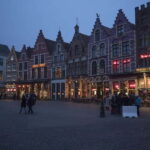
Starting at The Markt: Bruges’ Grand Plaza
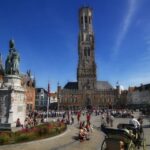
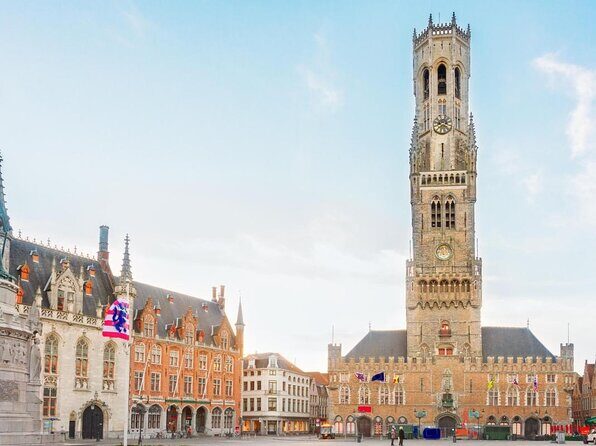
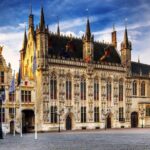
Your journey begins at The Markt, the city’s magnificent central square where medieval merchants once conducted business. Here, guides set the stage for everything you’ll see by explaining Bruges’ rise as a trading powerhouse. You’ll learn about the city’s complicated relationship with French kings—a genuinely interesting political narrative that explains why this seemingly peaceful city had such turbulent medieval history.
This opening segment takes about 15 minutes and establishes context you’ll appreciate at every subsequent stop. One traveler mentioned that learning this foundational history made their later exploration of the city much more meaningful: “We learned history and stories while exploring the most beautiful corners of Bruges.”
The Belfort: Medieval Power in Stone
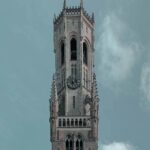
Next comes the iconic Belfort, that soaring belfry that dominates Bruges’ skyline. Rather than just pointing upward, guides take you into the halls behind the tower and explain its crucial role during the Middle Ages. This wasn’t just a bell tower—it was a symbol of civic power and independence.
The 10-minute stop here gives you enough time to appreciate the structure and understand why medieval cities invested so heavily in these towers. They represented municipal authority and served practical purposes from fire warnings to market announcements. You won’t climb the tower on this tour (that requires a separate ticket), but you’ll understand why it’s worth doing on your own time.
Gruuthusemuseum: Where Beer Monopolies Made Fortunes
The newly renovated Gruuthusemuseum is a city palace that tells the story of wealth built on a surprisingly specific monopoly—control of the ingredients that went into beer. This stop reveals how medieval commerce actually worked. One wealthy family essentially controlled a key ingredient, which sounds absurd until you realize how central beer was to medieval life and economy.
The 10-minute exterior tour gives you the architectural context. If you’re interested in the full collection inside, you can return later with a paid ticket, but the guide will explain what makes this building historically significant.
Sint-Janshospitaal: Medicine in the Middle Ages
This magnificent hospital represents something genuinely remarkable—it’s one of the oldest continuously operating hospitals in the world. Medieval hospitals were nothing like modern medicine, but they represented society’s attempt to care for the sick and poor. The building itself is beautiful, with a peaceful courtyard that contrasts sharply with the harsh medical realities of the era.
Your guide will explain how hospitals functioned as both medical facilities and social institutions. For a 10-minute stop, you get a surprisingly complete picture of medieval healthcare and social structures.
The Princely Beguinage: Eight Centuries of Community
The Beguinage might be the most atmospheric stop on the entire tour. Picture a quiet courtyard surrounded by white-walled houses where a community of women has lived together for over 800 years. These weren’t nuns (they took no permanent vows), but rather women who chose to live communally and devote themselves to spiritual and charitable work.
Walking into this space, you feel transported centuries backward. Your guide explains the social conditions that made this community necessary and how it functioned. One reviewer called it “a picturesque beguinage, the biggest of its kind in the world,” and that description captures the peaceful, almost timeless quality of the place. The 10-minute stop gives you time to absorb the atmosphere and ask questions about this unique medieval institution.
De Halve Maan Brewery: Stories and Underground Pipelines
Here’s where the tour gets playful. At this working brewery, your guide explains how Bruges residents earned the nickname “Fools of Bruges”—a story involving medieval politics and public perception. You’ll also see an actual piece of the beer pipeline that runs beneath the city, which is genuinely quirky and memorable.
This 10-minute stop reminds you that history isn’t always serious. Medieval cities had humor, reputation, and personality just like modern ones. The brewery connection also explains why beer culture remains so important to Bruges today.
Minnewater Lake: The Lake of Love and Imperial Conflicts
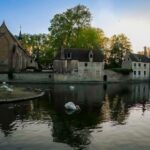
Minnewater Lake is one of Bruges’ most romantic spots, and your guide will explain why swans populate the canals—a story tied to medieval conflict with Emperor Maximilian of Austria. This is storytelling at its finest: a beautiful location connected to historical drama and personal narrative.
The 15-minute stop here is one of the longer ones, giving you time to really absorb the setting. Multiple reviewers mentioned how guides used visual aids and storytelling to make history memorable. This stop exemplifies that approach—you’re not just learning facts, you’re hearing the human stories behind the landscape.
Onze-Lieve-Vrouwekerk: Michelangelo and Medieval Power
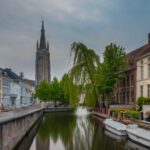
This church holds several superlatives: the second-tallest brick tower in the world and a Michelangelo sculpture. It also houses the tombs of the last Dukes of Burgundy, making it a repository of medieval power and artistic achievement. The 10-minute stop explains the architectural significance and the historical importance of the figures buried here.
Groeningemuseum, Huidenvettersplein, and Burg Square: The Final Chapters
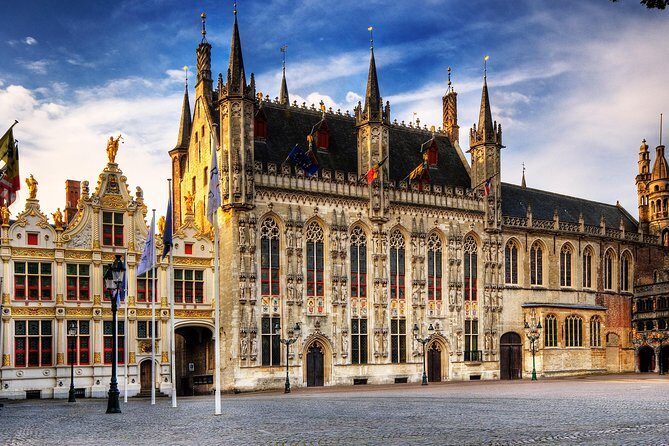
The tour concludes with three final stops that round out your understanding. The Groeninge Museum garden showcases works by Flemish masters. Huidenvettersplein, the old Tanner’s square, reveals how medieval cities managed the messy business of leather production. Finally, Burg Square—the political heart where Bruges was born—provides the perfect ending point.
These final stops take roughly 30 minutes combined and wrap up the narrative arc nicely. You finish understanding not just Bruges’ greatest hits, but how the city functioned as a complete medieval society.
You can also read our reviews of more walking tours in Bruges
The Guide Experience: Why People Return
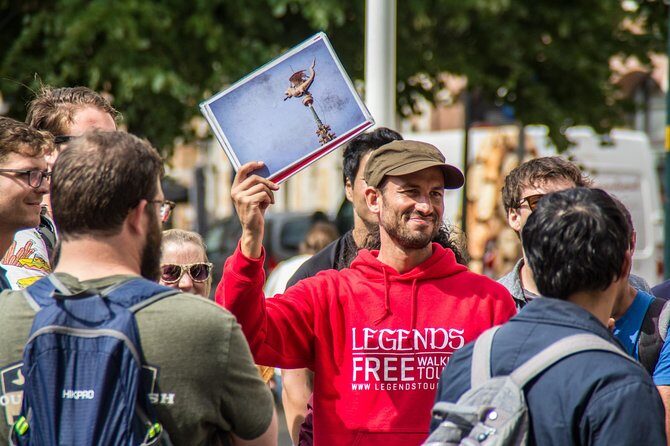
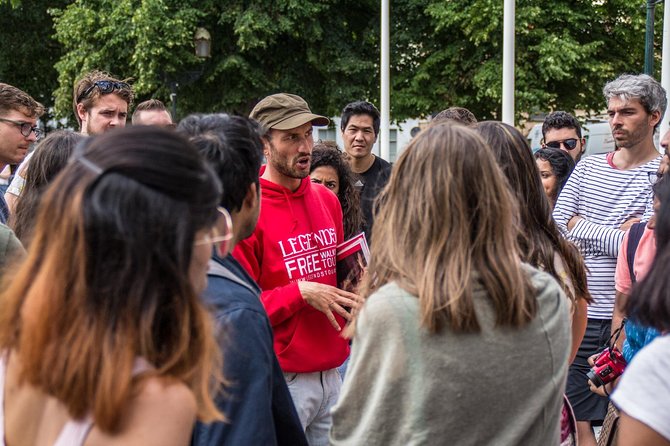
The reviews consistently highlight one factor more than any other: the quality of the guides. This isn’t random praise—it reflects a real pattern. Guides like Louis, Victoria, Thomas, Erik, Sander, and Martin appear by name in multiple reviews, suggesting both consistency and personal investment in the experience.
“His knowledge of Bruges was exemplary and he made its history come alive with a wealth of fascinating stories,” one traveler wrote about Louis. Another noted about their guide: “He clearly knows his stuff” and offered “a fun blend of historical knowledge and personal flair, pointing out some unique facts and sights that you wouldn’t find out on your typical tour.”
What makes these guides different? Many are locals—people born and raised in Bruges who genuinely love their city. One reviewer mentioned their guide was “from Brugge, so she has the best tips to get around the city.” This local knowledge extends beyond the scripted tour to practical recommendations about where to eat, what to see next, and how to navigate like a resident rather than a tourist.
The humor element also matters. Multiple reviews mention guides who were “entertaining,” “funny,” and able to blend serious history with lighthearted storytelling. One traveler noted their guide “offered a fun blend of historical knowledge and personal flair,” while another said the experience included “humour, knowledge and friendly manner.”
Practical Considerations for Planning Your Visit
Timing and Booking Strategy
The tour typically gets booked about 17 days in advance, which suggests it’s popular but not impossible to arrange on shorter notice. At just $3.62 per person, it’s accessible enough that you can often find availability. The 2 hours 15 minutes duration fits perfectly into a morning or afternoon, leaving plenty of time for independent exploration or other activities.
Group Size and Intimacy
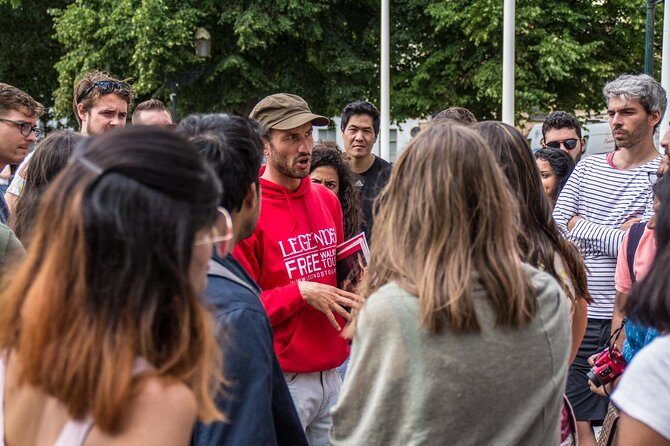
Groups cap at 24 people, though smaller groups are common. One traveler mentioned having only four people on their tour, which allowed for extensive questions and conversation. Smaller groups generally mean more personalized attention from your guide, though larger groups can create a more social atmosphere.
Weather and Flexibility
This is an outdoor walking tour, so weather matters. The tour requires decent conditions and can be rescheduled if weather is poor. Since Bruges sits in Belgium’s temperate climate, rain is possible. Check the forecast and dress appropriately—waterproof jackets are smart, and comfortable walking shoes are essential.
What’s Included and What Costs Extra
All 11 stops are exterior or courtyard visits—you’re not paying separate admission fees. However, many travelers choose to pay separately to enter certain sites like the Belfort tower or museums after the tour. Some guides include complimentary chocolates or truffles, which reviewers found delightful. Budget $10-15 per person for guide tips beyond the $3.62 per person tour cost.
Meeting Point and Accessibility
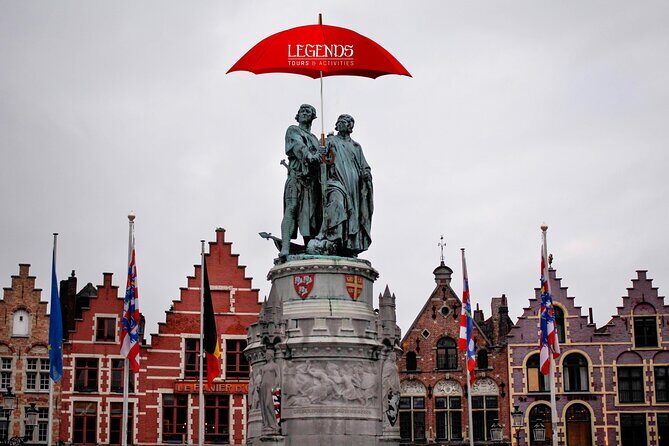
You’ll meet at Pieter de Coninck en Jan Breydel statue in The Markt and end at Burg Square. This central location is easily accessible by public transportation and walking. The tour involves steady walking over 2+ hours, so moderate fitness helps, though most travelers can participate. Service animals are allowed, making it accessible for those with guide dogs.
Mobile Ticket Convenience
Your confirmation arrives immediately upon booking, and you’ll receive a mobile ticket—no printing necessary. This streamlined approach means you can book from your hotel the morning of the tour if you prefer, though advance booking is recommended given the tour’s popularity.
The Honest Assessment: What Could Be Better
With an exceptional 4.9 out of 5-star rating across 2,541 reviews, this tour clearly delivers for most people. However, the one 1-star review deserves mention: a traveler’s guide didn’t show up, leaving them waiting 30 minutes. While this appears to be a rare occurrence, it highlights the importance of confirming your meeting location and time beforehand.
One 4-star reviewer wanted more social and cultural history beyond political and architectural narratives. This is fair feedback—the tour emphasizes medieval power structures, trade, and buildings more than daily life or artistic movements. If you’re interested in deeper dives into specific topics, you might supplement this with museum visits or other specialized tours.
You can also read our reviews of more historical tours in Bruges


Who Should Book This Tour
First-time visitors to Bruges get the most value—you’ll understand the city’s layout and history in one efficient experience. Travelers with 1-2 days in Bruges benefit from the rundown. History enthusiasts appreciate the depth of knowledge guides bring. Families with older children find the tour educational and engaging, though very young children might struggle with the 2+ hour duration and walking pace.
Budget travelers find exceptional value at this price point. Solo travelers enjoy the social aspect of group tours without the isolation of exploring alone. Repeat visitors to Bruges might skip this if they’ve already explored, though different guides offer different perspectives and stories.
Frequently Asked Questions
Q: Is this tour really free?
A: The base price is $3.62 per person, making it extremely affordable. However, the guide-led model means gratuities are expected and important—guides pay to lead these tours, so tipping $10-15 per person is standard practice.
Q: How much walking is involved?
A: You’ll walk for approximately 2 hours 15 minutes total, visiting 11 stops across central Bruges. Most travelers with moderate fitness can participate, though comfortable walking shoes are essential.
Q: What if the weather is bad?
A: The tour requires decent weather and can be rescheduled if conditions are poor. You’ll receive a full refund or the option to reschedule if weather forces cancellation.
Q: Do we go inside buildings?
A: No, this is an exterior tour. You visit courtyards and viewing areas outside significant landmarks. If you want to enter museums or climb towers, those require separate paid tickets and visits.
Q: How many people will be on the tour?
A: Groups cap at 24 people, though smaller groups are common. The size varies by booking, so you might have 4 people or 20—both offer different benefits.
Q: Can I cancel if my plans change?
A: Yes, you can cancel up to 24 hours before the tour for a full refund. Cancellations within 24 hours forfeit payment, so book when you’re reasonably confident about timing.
Q: What should I bring?
A: Wear comfortable walking shoes and dress for the weather. Bruges can be rainy, so a waterproof jacket is smart. You might want a small backpack for a water bottle and camera.
Q: Where exactly do we meet?
A: You’ll meet at the Pieter de Coninck en Jan Breydel statue in The Markt (the main central square). The tour ends at Burg Square nearby. Both locations are easy to find and well-signposted.
Q: Are there any stops where we can buy food or coffee?
A: The itinerary includes stops at locations where you can browse (some guides even include chocolate shop stops), but the tour itself doesn’t include meal breaks. You might want to have breakfast before starting or plan lunch after.
Historical Walking Tour: Legends of Bruges
Final Verdict
This tour represents genuine value for travelers visiting Bruges. For less than the cost of a fancy coffee, you get nearly 2.5 hours with knowledgeable, passionate guides who bring medieval history to life. The carefully chosen 11 stops cover all essential landmarks while avoiding the overwhelming feeling of trying to see too much. What truly sets this experience apart is the guide quality—reviewers consistently praise their knowledge, enthusiasm, and local insight. Whether you’re a history enthusiast, first-time visitor, or simply someone who wants to understand a city before exploring independently, this tour delivers. The business model requiring tips might initially seem off-putting, but it actually ensures guides are genuinely invested in creating exceptional experiences. Book this tour early in your Bruges visit, plan to tip generously, and you’ll have the perfect foundation for everything else you discover in this magical medieval city.