
You can create meaningful family travel experiences through wildlife conservation projects like sea turtle monitoring and gorilla nest counts, educational support by teaching English to children in developing communities, and community development work building homes with organizations like Habitat for Humanity. Engage in environmental stewardship through tree-planting events and zero-waste camping, participate in culture programs with host families, and support local economies by choosing community-run accommodations and cooperatives that guarantee your impact extends far beyond your visit.
- Wildlife Conservation Projects That Engage the Whole Family
- Educational Support and Caregiving Opportunities in Developing Communities
- Community Development Initiatives for Infrastructure and Empowerment
- Environmental Stewardship Activities Across Natural Landscapes
- Cultural Immersion Programs That Combine Service With Learning
- Age-Appropriate Program Selection for Different Family Dynamics
- Top Destinations and Trusted Organizations for Family Volunteering
- Planning Considerations for Duration, Budget, and Logistics
- Creating Lasting Impact Through Sustainable Community Partnerships
- The Sum Up
Wildlife Conservation Projects That Engage the Whole Family
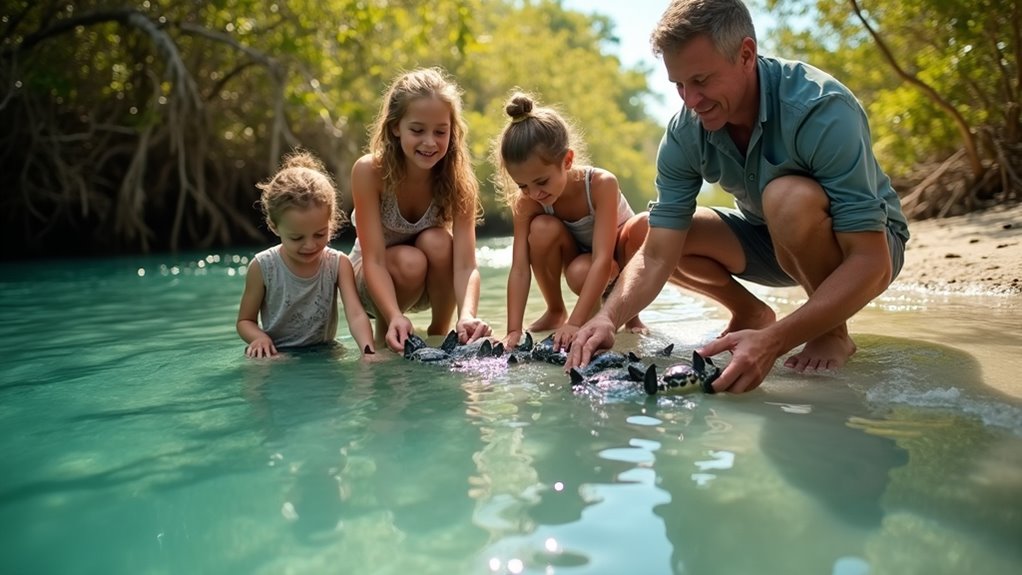
While traditional family vacations create memories, wildlife conservation projects transform your children into passionate environmental stewards who’ll carry these experiences throughout their lives. You’ll find age-appropriate opportunities across continents—from monitoring sea turtle nesting in Sri Lanka to feeding rescued orangutans in Borneo’s Matang Wildlife Centre.
These hands-on experiences teach teamwork and problem-solving through real conservation work. Your family can participate in dawn patrols for sea turtles, design enrichment activities for bonobos, or support gorilla research through nest counts and camera grid maintenance.
Projects in secure sanctuaries assure safety while providing authentic wildlife encounters. Travel experts can help you select the most suitable project by considering your children’s ages and family preferences. The cultural exchange benefits extend beyond your family, boosting local economies while fostering global conservation understanding. You’re not just observing wildlife—you’re actively protecting it together.
Educational Support and Caregiving Opportunities in Developing Communities
Beyond protecting endangered species, your family can create lasting impact by supporting education and childcare in developing communities where your presence becomes a catalyst for learning and growth. Countries like Peru, Cuba, and St. Lucia welcome families with children as young as seven to eleven, offering activities from reading stories to teaching English through games and songs.
You’ll find childcare volunteering ranks as the top choice for family placements in developing nations. These programs accommodate diverse family compositions—grandparents with grandchildren, parents with teens, or aunts and uncles with nieces and nephews. While strengthening your family bonds, you’ll expose children to different cultures and instill empathy.
Rural areas particularly benefit from direct volunteering, filling essential service gaps where formal programs can’t reach. This care-focused approach aligns with the primary activities that volunteers worldwide engage in, which center on caring for people, teaching, and providing healthcare support.
Community Development Initiatives for Infrastructure and Empowerment
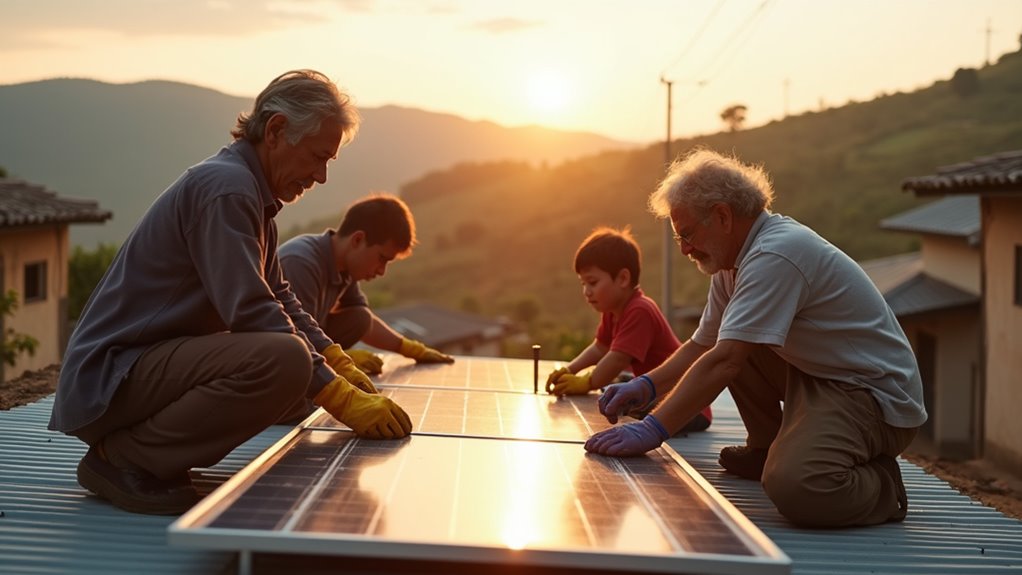
When you’re ready to roll up your sleeves and create tangible change in communities, infrastructure-focused volunteering offers your family the chance to build something lasting together. Habitat for Humanity creates the perfect opportunity—you’ll construct homes alongside families who’ll become homeowners, transforming entire neighborhoods through collective effort.
These builds are available both locally and internationally, fitting various family schedules with flexible location options.
Your involvement goes beyond hammering nails. You’re contributing to family independence through strength and hope initiatives that create community stability. These experiences strengthen family bonds through collaborative construction work that brings families together around meaningful goals.
Lafayette Habitat for Humanity offers spring and summer building days that work perfectly for traveling families. Meanwhile, local development opportunities like New Hope Community Development provide tutoring support for young children, extending your impact beyond physical construction to educational empowerment that builds stronger communities from within.
Environmental Stewardship Activities Across Natural Landscapes
As your family explores breathtaking natural landscapes, you’re perfectly positioned to become environmental stewards who protect these treasured spaces for future generations. Transform beach and park visits into cleanup adventures, turning litter collection into friendly competitions before celebrating with zero-waste picnics.
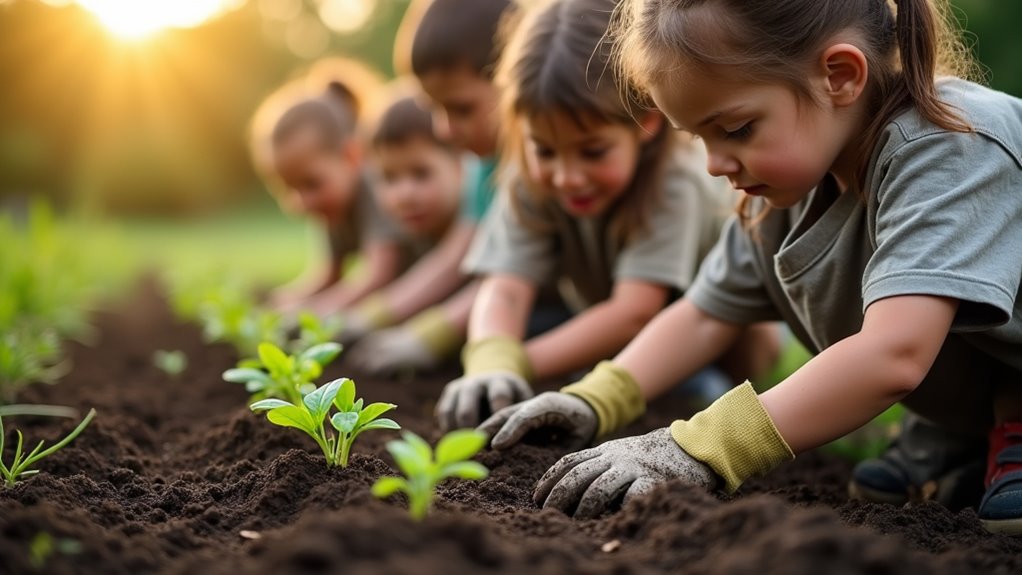
Join local tree-planting events where you’ll dig soil, plant native species, and mark your contributions with certificates that commemorate your impact.
Create memorable nature walks using scavenger hunts to discover wildflowers and wildlife while sketching findings in nature journals. Start family gardens featuring native plants that support local pollinators and reduce water usage. Set up rainwater harvesting systems to conserve water resources while teaching children about sustainable water management.
When camping, embrace leave-no-trace principles using reusable gear and minimal-waste cooking, then plant native seeds before departing to leave these landscapes better than you found them.
Cultural Immersion Programs That Combine Service With Learning
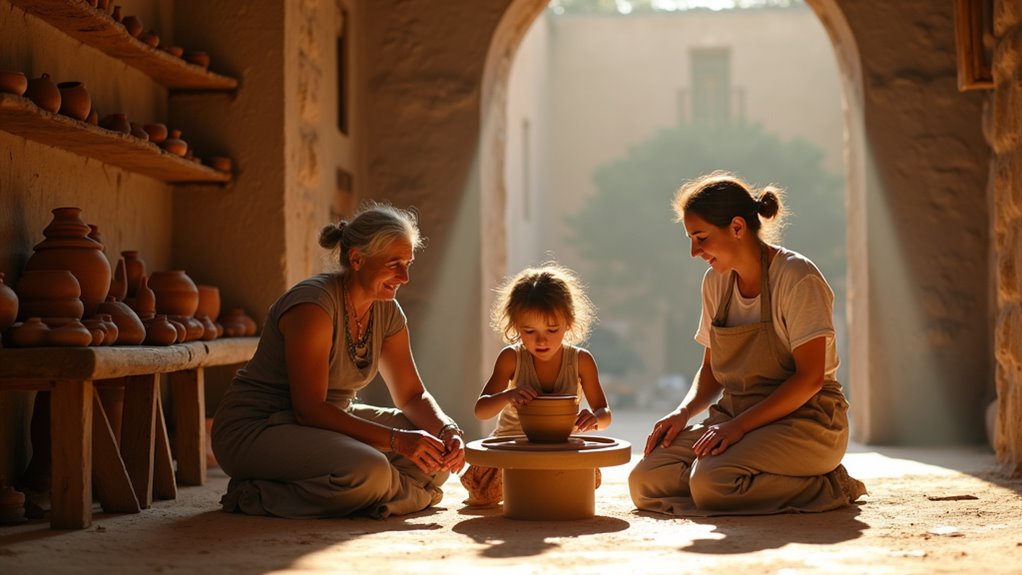
While protecting natural environments creates lasting impact, engaging with local communities through structured culture programs offers your family transformative learning experiences that benefit both you and your hosts. You’ll find programs ranging from one-week immersions to year-long commitments, with most families choosing medium-term six to eight-week experiences.
Staying with host families becomes the cornerstone of authentic cultural exchange. Your children will step outside their comfort zones, developing global awareness and cultural competency that textbooks can’t provide.
These programs integrate educational learning with meaningful community service, creating reciprocal benefits for everyone involved. Guided reflection activities during your immersion experience help facilitate deeper perspective transformation and identity development for all family members.
You’ll discover that 94% of community partners report high satisfaction with these initiatives. The transformative outcomes extend beyond your trip—many families pursue continued civic engagement, activism, or career paths inspired by their immersive experiences.
Age-Appropriate Program Selection for Different Family Dynamics
Choosing the right volunteer program depends heavily on your children’s ages and developmental stages, since what works for a curious toddler won’t engage a service-minded teenager.
For ages 2-5, stick to 30-60 minute activities like sorting donations or planting seeds with heavy parental involvement.
Children 6-11 thrive in school or church-based programs, showing 34% participation rates and improved health outcomes.
Pre-teens and teens (12-17) demonstrate 54% participation rates and handle more independent responsibilities with reduced behavioral problems.
Families with multiple children benefit from mixed-age programs, especially households of four or more people who show 37.5% volunteering rates. Research demonstrates that volunteering creates stronger health outcomes across all youth age groups, with participants showing increased odds of excellent health status.
These cross-generational activities build stronger commitment, with 51% of volunteers including family members and averaging 4.3 hours weekly together.
Top Destinations and Trusted Organizations for Family Volunteering
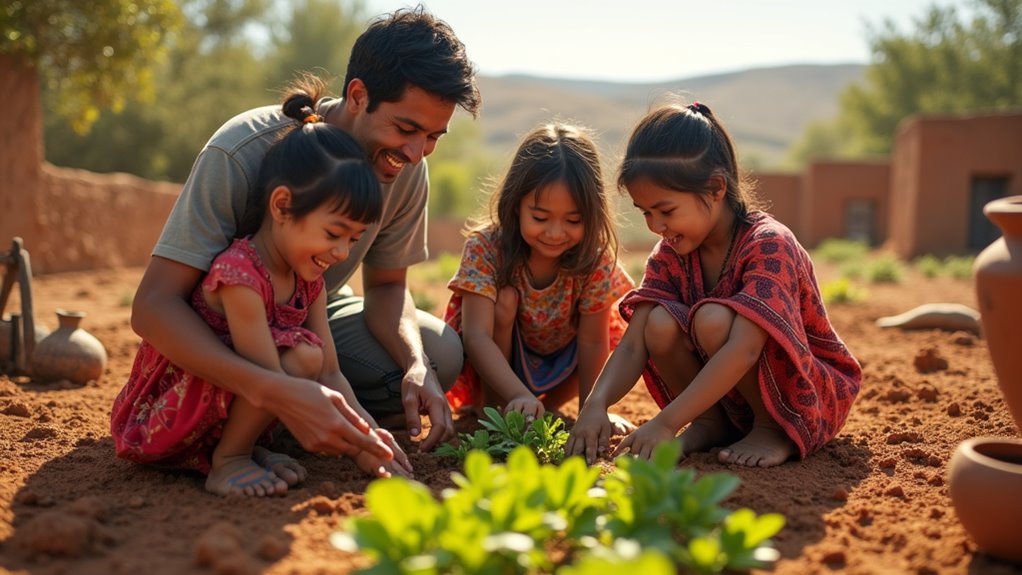
Five continents offer exceptional family volunteering opportunities through established organizations that prioritize safety, meaningful impact, and age-appropriate engagement.
Nepal’s Chitwan and Kathmandu regions provide budget-friendly childcare and education programs through United Planet and Volunteering Solutions, with two-to-four-week options year-round.
Costa Rica’s Kaya Responsible Travel creates family-friendly experiences in Atenas, combining childcare with beach conservation on the Nicoya Peninsula.
Peru’s Amazon offers wildlife rehabilitation through Projects Abroad, while the Galapagos Islands feature giant tortoise care requiring minimum three-week commitments.
Africa presents diverse options: Zimbabwe’s wildlife sanctuaries, Kenya’s childcare programs with Maasai culture, and Tanzania’s community-focused initiatives.
These trusted organizations make certain you’ll make genuine connections while creating lasting memories that’ll inspire your family’s global perspective. Reputable providers offer 24/7 support and maintain comprehensive safety standards to ensure peace of mind throughout your volunteer adventure.
Planning Considerations for Duration, Budget, and Logistics
Once you’ve identified your dream destination and organization, the real work begins with mapping out your family’s volunteer adventure. Duration matters more than you might think—while 90% of trips last two weeks or less, host communities strongly prefer three weeks minimum for meaningful impact. Anything under eight days simply won’t cut it.
Budget beyond program fees covering accommodation, food, and training. Factor in airfare, travel insurance, visas, and background checks that organizers often exclude from quoted prices.
Timing around school holidays works best for family participation. Invest in proper preparation—cultural training and basic language skills align with host preferences and maximize your impact. Many organizations accept nearly all applicants regardless of their qualifications or suitability for the specific community needs.
Creating Lasting Impact Through Sustainable Community Partnerships
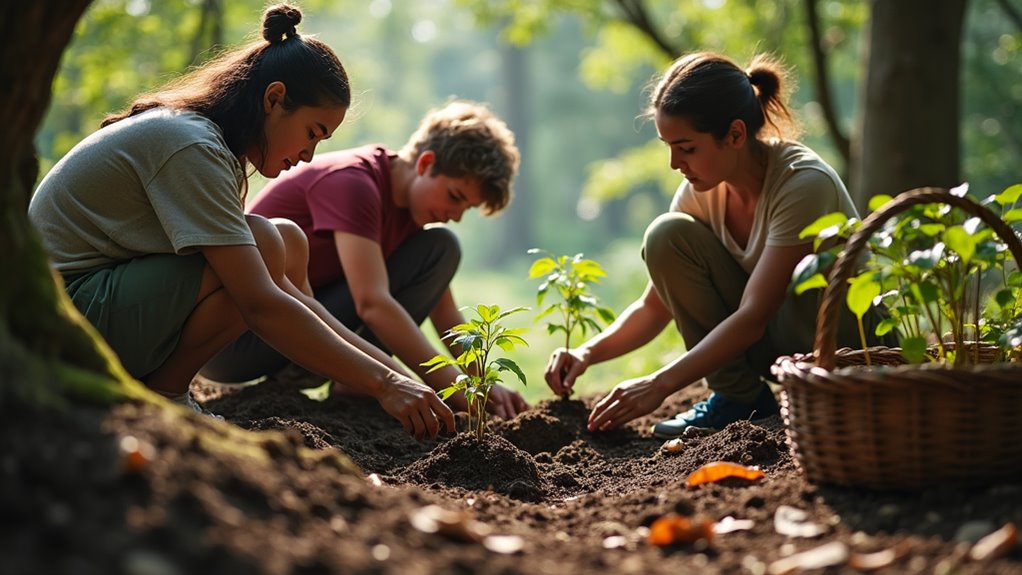
How can your family’s volunteer efforts create ripples that extend far beyond your departure date? The secret lies in choosing community-based tourism partnerships that prioritize local ownership and long-term sustainability.
When you stay in locally-run accommodations, eat at family restaurants, and book tours through community cooperatives, you’re directly supporting economic models that keep tourism revenue within the destination.
Look for partnerships where communities control their tourism operations through clusters or steering groups. These initiatives often provide digital marketing training and capacity-building support that strengthens local businesses long after travelers leave.
Your family’s participation helps validate these sustainable models, encouraging more communities to develop authentic experiences while preserving their cultural heritage and protecting their environments for future generations. These authentic experiences avoid mass-market imitations and provide genuine connections to local life and traditions.
The Sum Up
You’ve got the power to transform your family travels into meaningful adventures that create ripple effects far beyond your vacation. Start small, choose projects that match your kids’ interests, and don’t underestimate the impact you’ll make together. These shared experiences won’t just help communities—they’ll shape your children’s worldview and strengthen your family bond. Pack your bags with purpose and watch how giving back becomes your family’s greatest travel tradition.