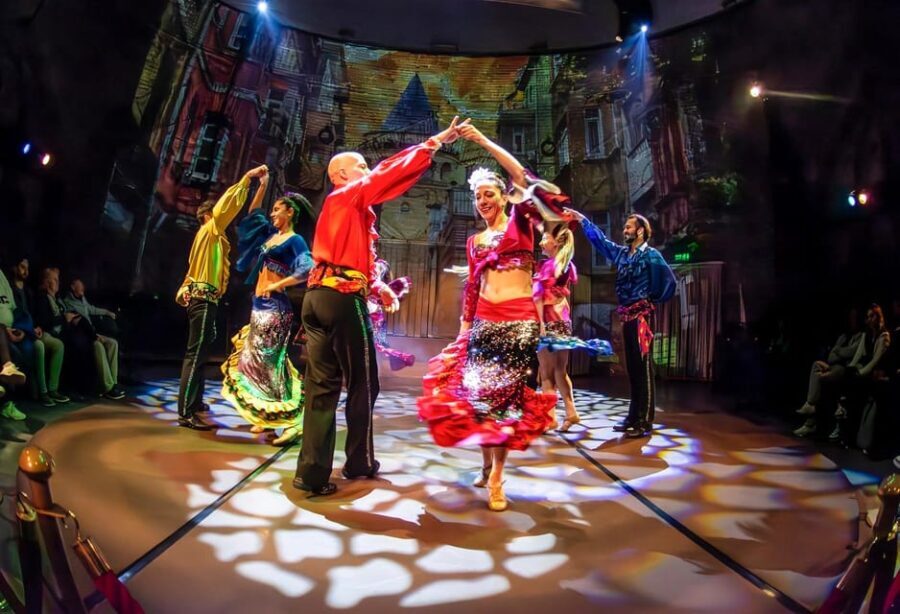
I love a good dance show in Istanbul, but this one has a hook. The Hodjapasha Culture Center is built in a restored 550-year-old Ottoman hammam, so you’re not just watching choreography—you’re watching it in a real historical room. The whole experience runs about 65 minutes, and it’s packed with folk dances, live music, and visual effects.
Two things really work here. First, the dancers hit a serious level of energy and polish, with performances that mix traditional Turkish folk steps and modern touches. Second, the Ottoman bath setting makes the show feel intimate instead of staged or distant.
One thing to think about before you go: seats work on a first-booked first-served basis, so arriving promptly matters if you care about the best view.
- Key Highlights at Hodjapasha Rhythm of The Dance Show
- Ottoman Bath Theater in Istanbul: What the Experience Really Feels Like
- Getting There: Hodjapasha Culture Center and Why Timing Matters
- Ticket Value: for 65 Minutes (What’s Actually Included)
- The Venue: A 550-Year-Old Hammam That Changes How You Watch
- Before the Show: Dervish Exhibition in the Foyer Area
- What You’ll See: Turkish Folk Dances From Multiple Regions
- Modern Touch Meets Tradition: Choreography + Video Projections
- The Music: Live Drumming That Pulls You In
- Costumes and Lighting: Where the Visuals Do Real Work
- Seating and Comfort: First-Booked First-Served Reality Check
- Who This Show Is Best For (And Who Might Skip It)
- What About Belly Dance and the Big Crowd-Pleaser Moments?
- Pair It With Other Hodjapasha Programs (If You Want More Than One Night)
- Booking Tips: How to Get the Best Seat and Smooth Evening
- Should You Book Hodjapasha Rhythm of The Dance Show?
- The Best Of Istanbul!
- More Shows & Entertainment in Istanbul
- More Tour Reviews in Istanbul
Key Highlights at Hodjapasha Rhythm of The Dance Show
- Restored Ottoman hammam setting from the 15th century makes the evening feel special
- Professional Turkish folk dance from different regions of Anatolia, with modern choreography
- Live music plus lighting and video projections that keep the tempo moving
- Dancers in vivid costumes that help each region’s style pop on stage
- Dervish exhibition in the foyer area before the show
- Free bottled water included, with no pickup service offered
👉 See our pick of the 15 Best Photography Experiences In Istanbul (With Prices)
Ottoman Bath Theater in Istanbul: What the Experience Really Feels Like
This show is simple on paper: buy a ticket, sit down, and enjoy Turkish folklore dances. In real life, the setting does a lot of the heavy lifting. You’re inside the Hodjapasha Hamam, a restored Ottoman bath structure that dates back roughly 550 years, and the walls make everything feel closer and more grounded.
I also like that the show isn’t trying to be a slow museum lesson. It’s built as an entertaining hour: live music, colorful costumes, and a lineup that keeps shifting styles rather than repeating the same dance formula.
If you’re planning your first full day in Istanbul, this can be a smart choice too. A lively performance like this is a good way to get your head fully into the city without committing to a late-night marathon.
You can also read our reviews of more tours and experiences in Istanbul
Getting There: Hodjapasha Culture Center and Why Timing Matters
The meeting point is the Hodjapasha Culture Center. Since there’s no pickup service included, you’ll want to handle your own route.
One practical note from traveler experience: this area can involve tight turns and small lanes, so don’t assume you’ll find it instantly. I’d plan extra time to get oriented. If you’re unsure, ask a shopkeeper or staff nearby—people tend to be willing to point you in the right direction.
Also, because seating is first-booked first-served, the earlier you arrive, the better your odds of getting a comfortable view. If you’re traveling with anyone who’s sensitive to crowds or standing, build in buffer time so you’re not rushing right before the show starts.
Ticket Value: $32 for 65 Minutes (What’s Actually Included)
At $32 per person, this isn’t a bargain show. It is, however, solid value for what you get: performance admission, a program booklet, and bottled drinking water.
Here’s why I think the math works. Live dance shows require more than just dancers. You’re paying for professional performers, live music, lighting, and the staging needed to keep the choreography clear in an intimate venue. An hour-long program at a focused cultural center is often a fair deal, and here you also get the booklet, which helps you connect the dances to regions and styles.
Budget tip: come prepared with basic essentials, but you won’t need to buy water separately since bottled water is included.
The Venue: A 550-Year-Old Hammam That Changes How You Watch
The Hodjapasha setting is the standout “ingredient.” The building is described as a former hammam built in the 15th century, restored and turned into a cultural center. That means the show isn’t happening in a generic theater room. The architecture brings texture and atmosphere.
You’ll also notice the way the room supports sound and movement. With live music happening on site and dancers performing close to the audience, the show feels more immediate than a standard stage setup.
And yes, it’s visually attractive. The hall lends a warm, historic feel, and that contrast helps when costumes go bright and bold under stage lighting.
Before the Show: Dervish Exhibition in the Foyer Area
If you arrive early, use the time well. There’s a Dervish exhibition in the foyer area. You can treat it like a short cultural warm-up rather than dead time.
This matters because the show itself is built around Turkish folklore and regional dance styles. Seeing a bit of context before you sit down can help you understand what you’re watching. Even if you don’t know the background, the exhibition gives your brain something to latch onto as the performance begins.

What You’ll See: Turkish Folk Dances From Multiple Regions
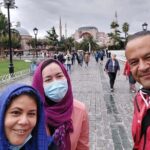
The core promise is traditional dances from Turkish folklore performed by professional dancers. The show includes dances inspired by different parts of Anatolia, and the staging aims to make that variety easy to follow.
You can think of the program as a “high-energy tour of styles,” where each act has its own mood and movement vocabulary. Some dances may feel lighter and more rhythmic, while others look more dramatic or ceremonial. The variety helps you stay engaged because you’re not watching the same theme for the full hour.
One reason this works for many visitors: it’s cultural without being confusing. You’re not expected to read a thesis to enjoy it. You just watch, listen, and let the music and costumes do their job.
Modern Touch Meets Tradition: Choreography + Video Projections
This show doesn’t treat tradition like it has to be frozen in time. The performance blends folk dance with modern choreography, so you get familiar dance roots but presented in a contemporary stage language.
Lighting and video projections also play a role. The projections and stage effects don’t just decorate the performance; they help transition between acts and keep the pacing sharp.
If you like dance shows that feel made for today—without losing cultural identity—this format should click for you.
The Music: Live Drumming That Pulls You In
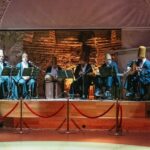
Music is a big deal here, and it’s not background noise. You’ll hear live folk music, including drumming. The rhythm drives the dancers’ timing, and it also keeps the audience alert during costume changes and transitions.
More than that, the show uses the musicians as part of the energy. A strong drummer presence can turn the sound into something physical—like it’s shaping the room.
When you choose this show, you’re choosing an evening where music and movement are treated as one performance unit, not separate elements.
Costumes and Lighting: Where the Visuals Do Real Work
Costumes aren’t just pretty here. They help you tell one dance identity from another. The show leans hard into color and detail, and the lighting makes those costume choices visible even in a busy, changing program.
Expect a lot of visual contrast: brighter solo moments, group patterns, and dynamic stage presentation. The lighting also helps highlight footwork and turns, which matters because folk dance is often more about precision and rhythm than big theatrical poses.
If you like photography, this is the kind of show where you can capture color and motion—though you should still follow any house rules about filming.
Seating and Comfort: First-Booked First-Served Reality Check
Here’s the practical part you can control. Seats are allocated on a first-booked first-served basis, so your best strategy is arriving early and not waiting until the last minute.
Most travelers want two things: a clear view of the stage and an easy time settling in. In a smaller venue, a bad seat can mean you spend the show craning your neck. Arriving early increases your odds of getting a spot that doesn’t ruin the experience.
Also note: the show is not suitable for wheelchair users. If mobility is a concern, plan around that.
Who This Show Is Best For (And Who Might Skip It)
This is a good fit if you want one evening that’s cultural, entertaining, and easy to understand at a glance. I’d especially recommend it if you:
- Want a Turkish culture experience that doesn’t require long travel or complex planning
- Like professional performers with strong stage energy
- Enjoy variety—different dances and different musical flavors in one sitting
It may be less ideal if you:
- Need wheelchair access
- Prefer long, slow performances rather than a nonstop style flow
- Hate seating uncertainty (because the best seats go early)
For families and mixed groups, the length helps. For travelers juggling jet lag, the hour-plus format can also feel manageable.
What About Belly Dance and the Big Crowd-Pleaser Moments?
Some visitors come hoping for a belly dance segment, and this show includes belly dance moments in its lineup. When it happens, lighting and music help make it feel like the show’s spotlight act rather than a random add-on.
More broadly, the show’s structure keeps your attention by shifting focus: different dancers, different styles, and different musical textures. That’s why people often say it’s hard to look away—you’re never stuck waiting for the next “real” highlight.
Pair It With Other Hodjapasha Programs (If You Want More Than One Night)
The Hodjapasha Cultural Center is known for more than one performance type. Some visitors mention pairing this dance show with a sema ceremony by whirling dervishes at the same venue.
If you’re the kind of traveler who likes to see both a fast, celebratory dance style and a calmer, ceremonial experience, doing two different programs in one trip can be a great strategy. You’ll get a fuller sense of Turkish performance culture without hopping between multiple locations.
Just don’t feel pressure to do both. One show is already complete for an evening.
Booking Tips: How to Get the Best Seat and Smooth Evening
If you want to maximize value and comfort, do these three things:
- Book early so you’re not chasing the best seats at the last minute
- Arrive early to settle in calmly (and to handle locating the venue in smaller lanes)
- Keep your expectations realistic: this is an upbeat, professional show, not a long lecture
Also, since no pickup is included, plan your own route. A map app usually helps, but give yourself extra time if you’re unfamiliar with the area.
Istanbul: Hodjapasha Rhythm of The Dance Show
Should You Book Hodjapasha Rhythm of The Dance Show?
I’d book it if you want a fun, well-produced cultural evening in Istanbul with a strong setting and a tight runtime. At $32 for about 65 minutes, with admission, a program booklet, and bottled water included, it’s priced like a real cultural event rather than a tourist-only gamble.
Skip it only if the seating setup would stress you out, you need wheelchair access, or you prefer slower, meditative experiences over high-energy choreography.
If you want one night that feels both entertaining and authentically local-looking—inside a restored Ottoman bath—this is one of the better calls you can make.
You can check availability for your dates here: