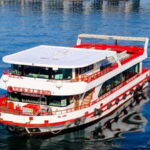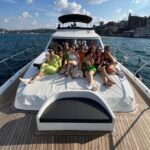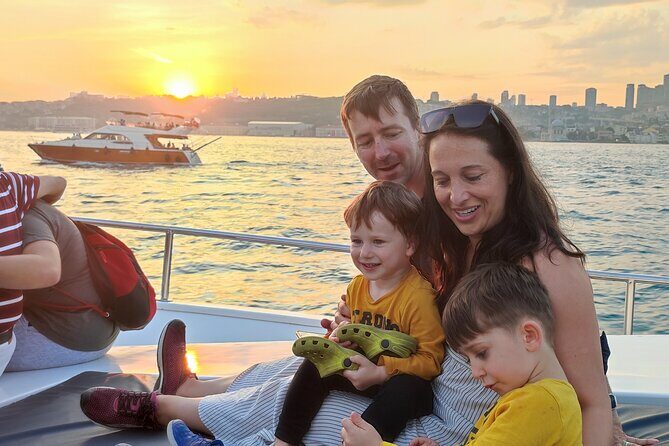
After reviewing hundreds of traveler experiences with this sunset cruise, we’ve found a tour that delivers exceptional value and genuine connection to Istanbul’s most iconic waterfront. What makes this experience particularly special is the combination of a small, personal-scale yacht (maximum 40 passengers) paired with live historical commentary that actually helps you understand what you’re seeing—not just a floating platform crammed with hundreds of people.
The price point deserves immediate attention. At $22.86 per person, you’re getting what amounts to a private yacht experience at public transportation prices. That’s genuine value in a city where tour operators often charge three or four times this amount for similar activities. The fact that this tour consistently earns a 4.9-star rating across nearly 1,900 reviews suggests the operator has figured out how to maintain quality while keeping costs reasonable.
One consideration worth mentioning upfront: this tour depends entirely on weather conditions. While the operator handles cancellations professionally with full refunds or rescheduling options, the unpredictability does require some flexibility in your planning. Similarly, if you’re prone to seasickness or vertigo, this may not be the ideal choice, though the boat’s size and the Bosphorus’s relatively calm waters make it manageable for most travelers.
This experience suits anyone who wants to see Istanbul’s most famous sights from a perspective most travelers never get—the water—without the overwhelming crowds or premium price tag of larger cruise operations. Whether you’re a solo traveler, couple, or family with older children, the two-hour duration and curated refreshments make it an accessible addition to any Istanbul itinerary.
- What You’re Actually Getting: The Real Value Proposition
- The Itinerary: A Waterfront Journey Through Ottoman Splendor
- The Practical Experience: What Actually Happens
- Realistic Expectations: The Honest Assessment
- The Money Question: Is It Worth .86?
- Who Should Book This Tour
- Practical Details That Matter
- Frequently Asked Questions
- The Bottom Line
- The Best Of Istanbul!
- More Guided Tours in Istanbul
- More Boat Tours & Cruises in Istanbul
- More Tour Reviews in Istanbul
What You’re Actually Getting: The Real Value Proposition
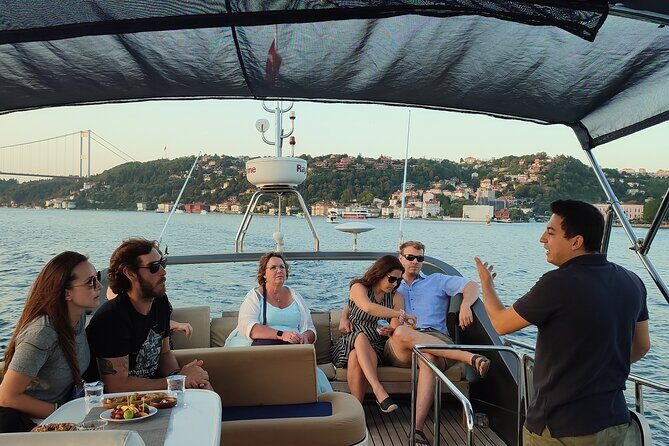


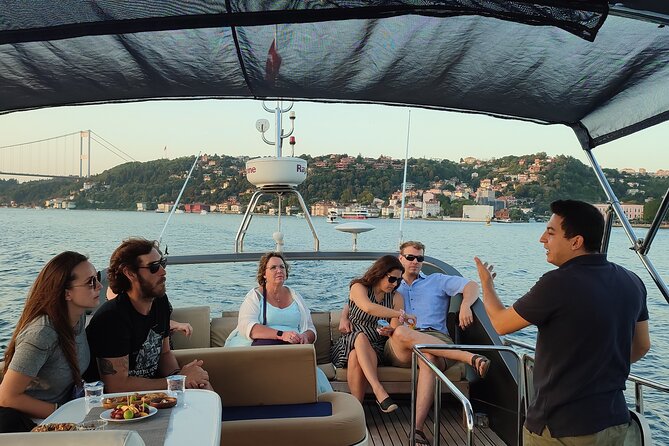
When you book this cruise, you’re not just paying for transportation on a boat. You’re purchasing a guided tour that contextualizes some of Istanbul’s most historically significant landmarks while you experience them from their most dramatic vantage point—the water.
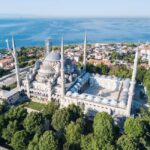
Most of Istanbul’s defining monuments cluster along the Bosphorus, the narrow strait that quite literally divides Europe from Asia. From street level, these buildings feel disconnected, scattered across different neighborhoods you’d need hours to navigate. From the water, they tell a cohesive story about Ottoman power, architectural evolution, and a city’s relationship with the waterway that made it possible.
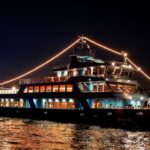
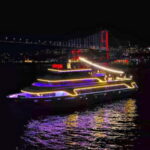
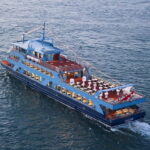
The small group size fundamentally changes the experience compared to massive cruise ships. With a maximum of 40 passengers on a luxury yacht, you actually have space to move around, find a comfortable spot, and hear the guide without straining. Travelers repeatedly mention this in their reviews: “I think it’s better than going on the bigger cruises. Feels more private,” one visitor noted. Another appreciated that the boat was “the perfect size.”
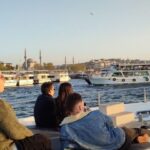
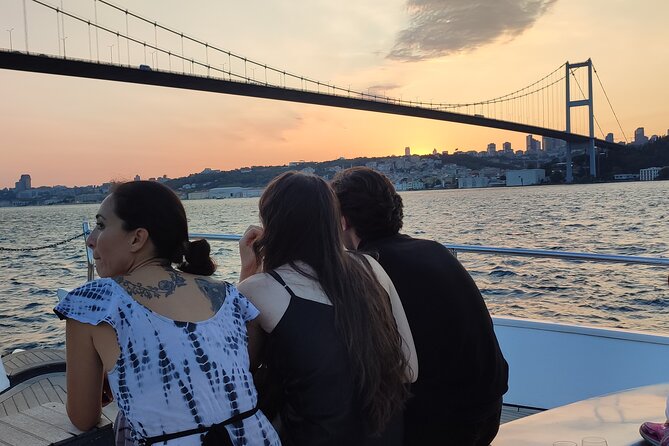
The timing matters too. A sunset cruise captures the city at its most photogenic moment, when the light turns golden across the water and the buildings glow. But you’re not just chasing Instagram moments—you’re watching how Istanbul transforms as daylight fades, seeing how the city’s lights come alive, and experiencing the atmosphere that locals have valued for centuries.
👉 See our pick of the 15 Best Photography Experiences In Istanbul (With Prices)
The Itinerary: A Waterfront Journey Through Ottoman Splendor
The cruise departs from Kabataş Square, a working waterfront area that immediately signals you’re not in some sanitized tourist zone. From here, you’ll head toward some of Istanbul’s most recognizable landmarks, and the guide provides historical context that makes each stop meaningful rather than just a photo opportunity.
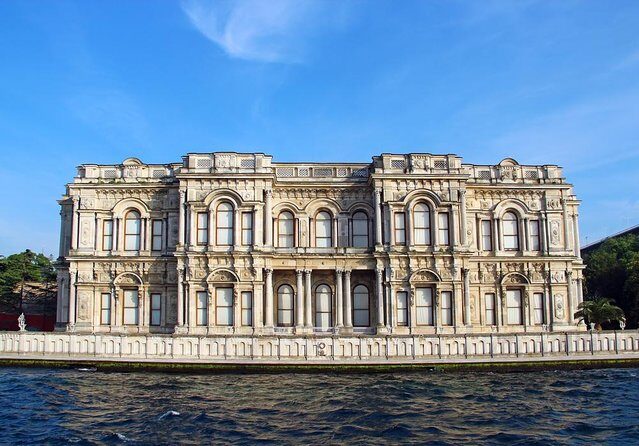
Dolmabahçe Palace serves as an early highlight. This massive Ottoman palace once functioned as the favorite residence of the sultans, sprawling across 250,000 square meters of waterfront property. From the water, you see the palace as the sultans themselves would have—approached by the Bosphorus, architecturally dominating the landscape. The palace’s history reflects Istanbul’s transformation from a medieval fortress city to a cosmopolitan power, and a good guide will explain how the sultans shifted their residence here from the older Topkapi Palace, signaling changing tastes and political priorities.
As you continue, you’ll pass through Beşiktaş, a vibrant neighborhood that remains far more authentically Istanbul than many tourist-focused areas. From the water, you see how this district developed along the waterfront, with both historic landmarks and modern life coexisting. The area’s importance extends beyond tourism—it’s home to one of Turkey’s most famous football clubs, and locals actually live and work here, not just perform their lives for visitors.
Çırağan Palace represents another architectural marvel. Built in 1871 for Sultan Abdulaziz by the renowned architect Sarkis Balyan, this marble palace tells a darker story than Dolmabahçe. After various sultans fell from power, the palace served as a prison for deposed rulers and their families. Today it operates as a luxury hotel, but the guide will explain its complex history. The palace demonstrates how Ottoman architecture served not just as a showcase of power but as a tool of political control.
Ortaköy marks a shift in the journey’s character. This neighborhood, with its famous Ortaköy Bazaar, sits on the European slope of the Bosphorus and represents the city’s more bohemian side. The Büyük Mecidiye Mosque, built in 1856, sits right at the waterline and has become one of Istanbul’s most photographed landmarks, especially with the Bosphorus Bridge framing it in the background. The mosque’s elegant 19th-century design incorporates Western architectural influences alongside Ottoman traditions—a physical representation of the cultural crossroads Istanbul has always occupied.
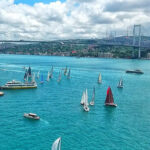
The Bosphorus Bridge itself carries historical weight. Completed in 1973 on the 50th anniversary of the Turkish Republic, this suspension bridge physically connected Europe and Asia in a way that had been attempted for centuries. From the water, you see not just the engineering feat but understand why this connection mattered so profoundly to a nation that had always straddled two continents.
As the cruise continues northward, you’ll pass Kuruçeşme and Bebek, affluent neighborhoods where Istanbul’s wealthy have built waterfront mansions. These areas show how the Bosphorus has always functioned as Istanbul’s most prestigious address, a pattern that continues today.
Arnavutköy presents a different character entirely—colorful wooden houses dating back centuries, narrow streets, and a relaxed atmosphere that feels worlds away from the city center despite being just minutes away by water. This neighborhood demonstrates how the Bosphorus’s villages retained distinct identities even as the city grew around them.
Rumeli Fortress (Rumeli Hisari) marks a significant historical point. Built in just three months in 1453 by order of Sultan Mehmet the Conqueror, this fortress sits at the narrowest point of the Bosphorus. Its construction was a strategic military move before the conquest of Constantinople, and afterward it served as an inspection point for maritime traffic. Today it functions as an open-air theater and museum. From the water, you see the fortress’s original purpose clearly—controlling who could move through this crucial waterway.
The Fatih Sultan Mehmet Bridge, completed in 1988, represents another engineering landmark. As the 14th largest steel suspension bridge in the world, it demonstrates how Istanbul continued to develop its infrastructure centuries after the Ottoman Empire’s decline. The contrast between the medieval fortress and the modern bridge, visible from the same vantage point, encapsulates Istanbul’s historical journey.
Anadolu Hisari, the Anatolian Fortress built in 1395, sits on the Asian side at the same narrow point. Seeing both fortresses from the water explains the strategic logic that governed Ottoman military planning—control this narrow passage, and you control the Bosphorus.
Kuleli Military High School, an Ottoman-era building with distinctive waterfront architecture, represents the institutional development of the Turkish military. Its grand towers and waterfront setting make it unmistakably important, even if visitors don’t have detailed knowledge of its history.
Beylerbeyi Palace, an Ottoman summer palace built in the 1860s, combines Renaissance, Baroque, and Eastern architectural elements. Located just beneath the Bosphorus Bridge, it demonstrates how Ottoman architecture evolved to incorporate Western influences while maintaining its own distinctive character. The palace’s lily pond and gardens visible from the water add to its romantic appeal.
Üsküdar, on the Asian side, serves as a reminder that Istanbul’s history extends equally to both continents. This ancient district, with its historic mosques and waterfront squares, shows how the city developed on both sides of the Bosphorus simultaneously.
The Maiden’s Tower (Kız Kulesi) stands on a tiny island about 200 meters from the shore. This distinctive landmark carries centuries of legend and history, and seeing it from the water—isolated on its small island—creates an almost magical visual that photographs alone can’t capture. The guide will likely share the famous legend about a sultan’s daughter and an oracle’s prophecy, adding narrative color to the visual experience.
Galata Bridge, spanning the Golden Horn, has been a symbol of Istanbul since 1845. From the water, you see it as it was meant to be experienced—not walked across, but viewed in context with the city’s skyline. The bridge’s restaurants and cafés below create the vibrant street-level energy that defines Istanbul’s daily life.
The Galata Tower, built by Genoese in 1348, rises 66.90 meters and was the city’s tallest building when constructed. Most famously, in 1632, Hezarfen Ahmet Celebi reportedly glided from its top to Üsküdar with self-constructed wings—a moment of aviation history that happened right here. The tower’s conical roof, destroyed in a storm in 1875 and restored in the 1960s, shows how even Istanbul’s most iconic structures require constant maintenance and restoration.
Galataport, a modern development in Karaköy, represents contemporary Istanbul. This blend of historical charm and modern architecture, with its restaurants, cafés, and cultural venues, shows how the city continues to evolve while respecting its past.
You can also read our reviews of more boat tours in Istanbul
The Practical Experience: What Actually Happens
The cruise departs from Kabataş Square, which sits near public transportation, making it accessible without requiring a hotel pickup service (which isn’t included anyway). The meeting point requires a short walk to the marina, and you’ll climb two wooden steps to board—manageable for most people but worth noting if you have mobility concerns.
Once aboard, you’ll find the yacht clean and well-maintained. The crew demonstrates genuine hospitality; multiple reviewers mentioned staff members going out of their way to help. One traveler arrived five minutes late and the guide, Nur, “found me and show me the boat.” These moments of actual customer service—not scripted hospitality, but genuine helpfulness—appear repeatedly in reviews.
The refreshments deserve specific mention because they genuinely enhance the experience without feeling like an afterthought. You’ll receive complimentary homemade lemonade with fresh mint, water, tea, and coffee throughout the two hours. The fresh fruit plate and baklava served aboard represent actual Turkish hospitality rather than generic cruise snacks. Travelers consistently praised these details: “The snacks were excellent,” one visitor wrote. Another noted, “The snacks kept coming,” and appreciated both the variety and quality.
The boat has restroom facilities aboard, which matters on a two-hour excursion. The presence of these practical amenities shows the operator has thought through what actual travelers need.
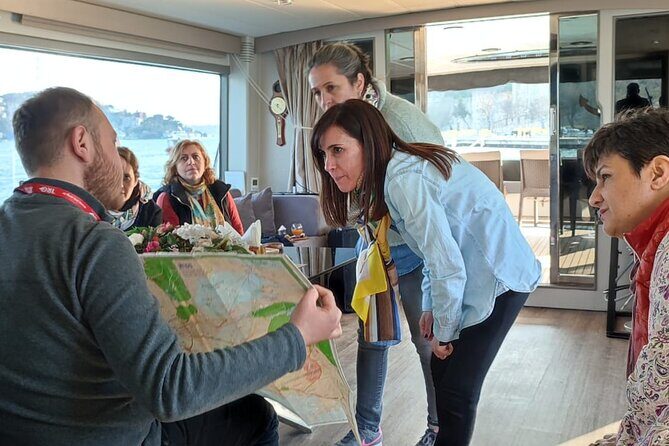
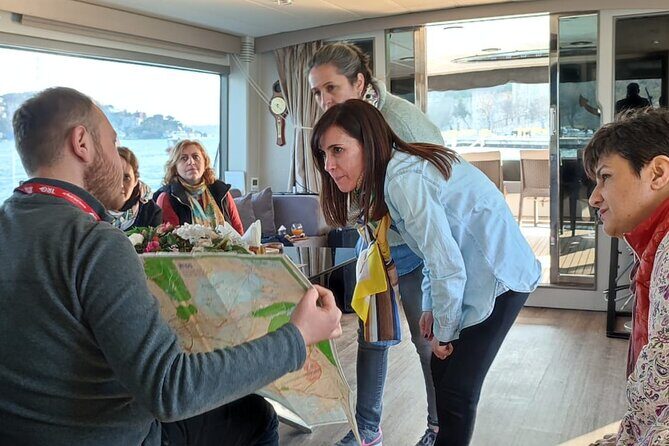
The guide’s commentary forms the intellectual core of the experience. When it works well, travelers describe learning genuinely interesting historical information that contextualizes what they’re seeing. One visitor noted, “The guide was very informative and well versed in the history of Istanbul and the Bosphorus.” Another appreciated that “The guide was excellent. I learned a lot.”
One caveat worth noting: audio quality can be inconsistent, particularly if you sit on the upper deck during windy conditions. One reviewer mentioned difficulty hearing the commentary due to “a cheap speaker which was echoing,” though the operator’s response noted that inside the boat and on the lower deck, audio clarity is better. If historical information matters to you, positioning yourself inside during the cruise ensures you hear everything clearly.
Realistic Expectations: The Honest Assessment
With 1,891 reviews averaging 4.9 stars, this tour clearly satisfies most travelers. The overwhelming majority describe genuine enjoyment and value. However, the small number of negative reviews offer useful perspective.
One reviewer experienced a last-minute cancellation due to severe weather, which genuinely wasted their time getting to the remote meeting point. The operator’s response was professional—weather cancellations were verified by official sources, and refunds were issued—but the inconvenience remains real. This isn’t a flaw in the tour itself but rather a reminder that outdoor activities require weather flexibility.
Another reviewer had an unsafe boarding experience where they struck a safety feature (described as a bollard, not an anchor as they recalled). The crew was pleasant throughout, but this incident highlights that the boat has legitimate safety equipment, and boarding requires some care and attention.
A few reviewers mentioned that while the snacks were good, some items were “definitely better than others,” suggesting consistency varies slightly. This is minor feedback, but worth noting if you have specific dietary preferences.
The Money Question: Is It Worth $22.86?
This is genuinely exceptional value. To understand why, consider what you’re getting: a two-hour guided tour on a small luxury yacht with refreshments and snacks, covering some of the world’s most historically significant and visually stunning landmarks.
In Istanbul, larger cruise ships charging $30-50 per person pack hundreds of people together with minimal personal attention. Private yacht charters run $300-800 for small groups. This tour splits the difference—the intimate experience of a private charter at a fraction of the cost.
The inclusions matter: homemade lemonade, fresh fruit, baklava, tea, and coffee aren’t add-ons you’d typically expect at this price point. The guide’s expertise, the boat’s cleanliness, the crew’s attentiveness—these reflect operational quality that justifies the pricing.
What you’re not getting (hotel pickup, alcoholic beverages) are services that would add significantly to costs. The operator’s decision to keep these separate actually keeps the base price accessible while allowing travelers who want them to add them on.
Who Should Book This Tour
This experience works beautifully for several traveler types. Solo travelers appreciate the small group atmosphere and the opportunity to meet other visitors in a relaxed setting. Couples find the sunset timing and romantic waterfront setting particularly appealing. Families with children old enough to sit still for two hours (roughly age 8 and up) report that kids “were not bored at all,” according to one parent.
Photography enthusiasts will appreciate the slow pace that lets you capture images from multiple angles as the yacht moves through the water. History buffs will value the guide’s commentary contextualizing the landmarks. Anyone seeking an authentic Istanbul experience without the tourist crowds will find this genuinely satisfying.
If you experience motion sickness easily or have significant vertigo, the operator recommends reconsidering. The Bosphorus’s opposite-facing currents can create some choppiness, and one reviewer specifically mentioned this. Most people handle it fine, but self-awareness matters here.
The tour also requires flexibility with weather. Severe storms do occasionally cancel sailings, and while refunds are handled professionally, the unpredictability means you should build this into your schedule rather than treating it as a must-do on a specific date.
You can also read our reviews of more guided tours in Istanbul

Practical Details That Matter
Timing and Booking: Most travelers book this about 14 days in advance, which gives you flexibility while ensuring availability. You receive a mobile ticket at booking, so no printing necessary. The tour is offered in English, and the guide appears consistently knowledgeable and personable based on review mentions of specific guides like Nur.
Cancellation Policy: You can cancel up to 24 hours in advance for a full refund, which provides genuine flexibility. Weather-related cancellations receive full refunds or rescheduling options. Last-minute cancellations (within 24 hours) forfeit your payment, so booking with some advance notice is wise.
Physical Accessibility: The boarding process requires climbing two wooden steps, which could be challenging for those with mobility limitations. The boat itself appears accessible once aboard, with restroom facilities available.
What to Bring: While not specified, you’ll want a camera or smartphone for photography, comfortable clothing in layers (water can be cooler than the city, and sunset brings temperature drops), and sunscreen if you’re sensitive. The crew provides refreshments, so you don’t need to bring drinks.
Frequently Asked Questions
Q: What time does the cruise depart, and how long does it last?
A: The tour lasts approximately two hours. Specific departure times aren’t specified in the tour details, but you should confirm the exact time when you receive your mobile ticket at booking. Most sunset cruises operate in the evening hours when light conditions are optimal for photography.
Q: Is the tour suitable for people with motion sickness?
A: The operator specifically notes that this tour is not recommended for travelers with seasickness or vertigo. The Bosphorus does experience some opposing currents that can create choppiness, and one reviewer specifically mentioned this. If you’re prone to motion sickness, consider taking preventative medication or reconsidering this activity.
Q: Can I bring my own food and drinks aboard?
A: The tour includes complimentary refreshments (lemonade, water, tea, coffee, fruit, and baklava), so bringing your own isn’t necessary. The operator does not permit outside alcoholic beverages, though you can purchase beer, wine, raki, and prosecco aboard if you prefer.
Q: What happens if the weather is bad on the day of my tour?
A: The operator cancels tours only when weather makes sailing unsafe and hazardous. If your tour is canceled due to weather, you’ll receive either a full refund or the option to reschedule for a different date. You should allow flexibility in your itinerary for this possibility.
Q: How far in advance should I book?
A: Most travelers book about 14 days in advance, which balances availability with flexibility. You can cancel up to 24 hours before departure for a full refund, so booking with at least a day’s notice gives you options.
Q: What is the meeting point, and how do I get there?
A: The tour departs from Kabataş Square (Kabataş, Meclis-i Mebusan Cd., 34427 Beyoğlu/İstanbul). The area is near public transportation, making it accessible without hotel pickup service. You’ll walk to the marina and climb two wooden steps to board the yacht.
Q: How many people typically go on this cruise?
A: The maximum is 40 passengers, which is significantly smaller than large cruise ships. The actual group size varies, but the small capacity is intentional—it creates an intimate atmosphere where you can actually hear the guide and move around the boat comfortably.
Q: Will I be able to hear the guide’s commentary?
A: Most reviewers heard the commentary clearly, particularly when seated inside the boat. On the upper deck during windy conditions, audio quality can be inconsistent. If hearing the historical information is important to you, position yourself inside or on the lower deck.
Q: What should I wear and bring?
A: Comfortable clothing in layers works best—the water is cooler than the city, and temperatures drop at sunset. Bring a camera or smartphone for photography and sunscreen if you’re sensitive to sun exposure. The crew provides all beverages and snacks, so you don’t need to bring food or drinks.
Istanbul Sunset Cruise on Luxury Yacht – Guided Group Cruise
The Bottom Line
This sunset cruise represents one of Istanbul’s best value-for-money experiences, delivering the intimate, knowledgeable-guide atmosphere of a private tour at a price point accessible to budget-conscious travelers. With nearly 1,900 reviews averaging 4.9 stars, the consistency of positive feedback suggests the operator has genuinely figured out how to maintain quality while keeping costs remarkably low. You’ll see Istanbul’s most significant Bosphorus landmarks from perspectives most travelers never experience, with refreshments and historical context included. The small group size—capped at 40 passengers—ensures you’re not crammed onto a massive ship, and the guide’s expertise brings meaning to what you’re viewing. If you can be flexible with weather, don’t suffer from motion sickness, and want to experience Istanbul from the water without breaking your budget, this tour deserves a spot in your itinerary. At $22.86 per person, it’s difficult to imagine better value for a guided, two-hour experience in one of the world’s most historically rich cities.