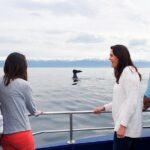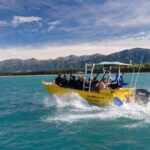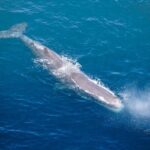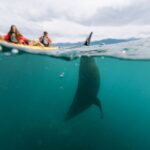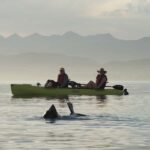
Kaikōura’s whale watching cruise is a pretty focused, high-success way to spend time on the water in New Zealand’s South Island—about 2 hours cruising, chasing sightings of the giant sperm whale, with expert onboard narration and wildlife spotting from the decks. You’ll also get scientific and cultural context as you sail, not just a running commentary.
Two big things I like: the chance at an up-close encounter with giant sperm whales, and the value baked into the setup—catamaran comfort, smart onboard explanation, and smaller-than-usual passenger loads. The views of the mountainous coastline also do a lot of the work even if the whales take their time.
One consideration: this trip depends on favorable weather and sea conditions, and if you’re prone to motion sickness you’ll want to plan ahead before you board.
- Key Highlights You’ll Actually Care About
- Where Kaikōura’s Whales Are Waiting
- Getting There: Whale Watch Kaikōura Meeting Point and Transfers
- What You Do Before the Cruise (And Why It’s Helpful)
- The Catamaran Setup: Comfort + Space for Real Viewing
- The Wildlife You’re Likely to See (Beyond the Whale Target)
- Dolphins
- Seals
- Birds (including the wandering albatross)
- Other surprises
- How the Crew Guides Your Sightings
- The Lookout From Every Angle: Deck vs Cabin
- Timing: When You Get Out There Matters
- Weather and Motion Sickness: What to Do Before You Feel It
- Value for Money: Why This Price Can Make Sense
- Food and Drinks: Plan for Being Out on the Water
- Accessibility and Rules You Should Know
- Who This Cruise Is Best For
- Tips to Boost Your Chances (Without Overthinking It)
- Should You Book Whale Watch Kaikōura?
- FAQ
- How long is the whale watching cruise?
- Where do I meet for the tour?
- Is food and drinks included?
- What is the cancellation policy?
- Is the tour wheelchair accessible?
- What is the minimum age?
- What should I do if I get motion sickness?
- More Whale Watching Tours in Kaikoura
- More Boat Tours & Cruises in Kaikoura
- More Tour Reviews in Kaikoura
Key Highlights You’ll Actually Care About


- Quiet-in-the-water catamaran design: engines minimize underwater noise
- Small-group feel: passenger numbers are kept well below capacity
- Expert spotting + onboard science: narration from knowledgeable crew with indigenous knowledge
- Multiple wildlife chances: seals, dolphins, and birds often join the show
- Weather-dependent timing: your exact departure can shift after booking
- Comfort options: outdoor decks plus air-conditioned indoor seating with screens
Where Kaikōura’s Whales Are Waiting
Kaikōura is famous because marine life concentrates there, and you’re not just “touring around.” You’re heading out from the Whale Watch Kaikōura operation on a catamaran built for this job—fast enough to cover ground, and designed to reduce underwater disturbance.
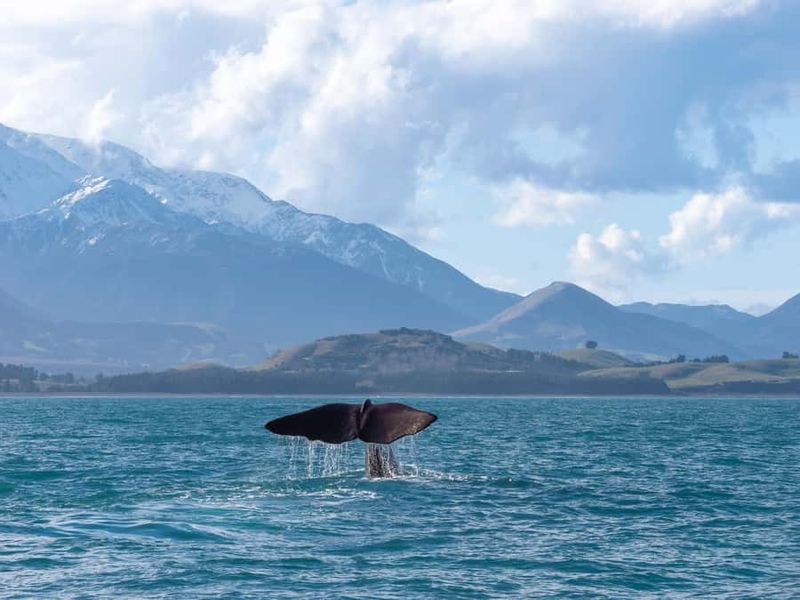
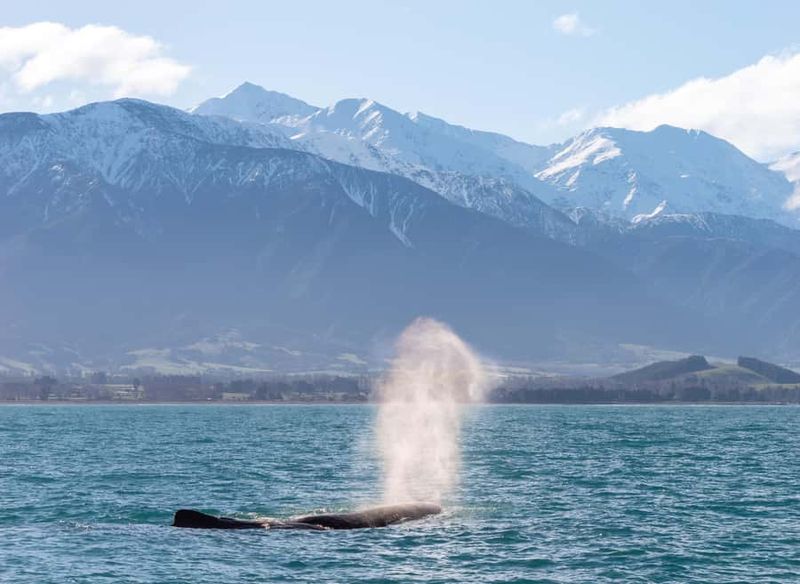
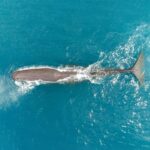
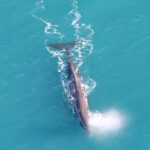
The main target is the world’s largest toothed predator: the giant sperm whale. But you’re not stuck watching only one species. As conditions line up, you may see seals hauled near the water, pods of dolphins, and seabirds like the wandering albatross.
Even if you’ve seen whales on TV, what hits in person is scale and timing. Sperm whales don’t always show themselves continuously. When one finally surfaces, you get that clear “this is happening now” moment—then they vanish again, sometimes for a while. That’s why the crew’s ability to track whale activity matters.
You can also read our reviews of more boat tours in Kaikoura
Getting There: Whale Watch Kaikōura Meeting Point and Transfers
The meeting point is the local partner office: Whale Watch Kaikōura. After you check in, you’ll go through the usual pre-departure steps (including a safety briefing), and the experience guidance notes that bus transfers are part of the process.
Timing matters here. The cruise itself is listed as about 2 hours on the water (210 minutes total duration for the activity), but they recommend you plan for 3 hours 15 minutes total from start to finish. That buffer covers check-in, safety, and getting to and from the port.
If you’re tight on schedule—say you’re trying to connect to another activity right after—build in margin. Weather can also push start times.
What You Do Before the Cruise (And Why It’s Helpful)
Before you head out, you’ll get organized and briefed. This isn’t just about rules and life jackets. It sets expectations for how whale sightings actually work.
You also get onboard commentary as you encounter wildlife. The experience includes award-winning animation and plasma screens with marine wildlife animations in the comfortable indoor cabin. For many travelers, that visual primer is a big help because it gives you a framework for what you’re seeing outside—especially when the whales are under the surface longer than you might expect.
This is also where motion sickness planning becomes real. If you tend to feel queasy on boats, it’s smart to take precautions before you arrive. The office notes that motion sickness tablets are available for purchase there.
The Catamaran Setup: Comfort + Space for Real Viewing
This is a catamaran, and the key practical detail is that you have both outdoor deck space and air-conditioned indoor seating. That matters because weather can change quickly in coastal New Zealand.
From the outside decks, you’ll be able to scan for spouts and birds. Indoors, you can warm up or cool down while still staying connected to the marine spotting through screens and ongoing narration.
Two more details you’ll appreciate if you care about animal welfare and science:
- The vessel’s engines are designed to minimize underwater noise.
- Toilets are listed as nonpolluting.
That combination signals you’re on a tour that’s trying to be effective for spotting while also being responsible around the animals.
More Great Tours NearbyThe Wildlife You’re Likely to See (Beyond the Whale Target)
Yes, the headline is the giant sperm whale. But what makes this cruise feel like a true marine trip is the variety that can show up in the same window.
You can also read our reviews of more whale watching tours in Kaikoura

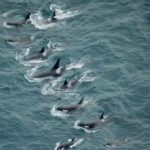
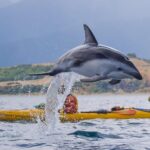
Dolphins
Dolphins are repeatedly mentioned as part of the experience—often in pods and sometimes alongside the boat as you travel. That’s great for two reasons: it’s usually easier to spot than whales, and it adds a more playful, energetic vibe to the cruise.
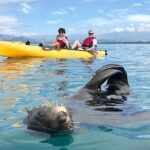
Seals
Fur seals are another common add-on. Even when the main whales are quiet, seals can keep you entertained with short bursts of activity near the waterline.
Birds (including the wandering albatross)
Birds are a big part of what makes the coastal scenery feel alive. The wandering albatross is listed as a possible sight, and people often respond strongly to seeing large seabirds gliding overhead in a rugged landscape.
Other surprises
Some travelers report additional whale species on certain days (like orcas and humpbacks), but those aren’t guaranteed. What you can count on is that the crew is actively searching, not waiting passively for the ocean to deliver.
How the Crew Guides Your Sightings
This is one of the best-value elements of the cruise: the narration isn’t generic. You’re told you’ll get scientific information plus indigenous knowledge from the crew.
You’ll also hear explanations tied to behavior—why a whale might surface, what sightings can mean, and what to watch for in between. Several travelers mention how knowledgeable the captain and crew are at finding whales, and how the whale-watching approach feels structured rather than random.
You might even notice specific onboard techniques like listening for whale activity through hydrophone-style whale communication. Some people mention being able to hear whale clicks through the system, which turns the whole “why are they hard to spot?” question into something more tangible.
Also worth noting: some travelers have named crew members they got on board (for example, guides like Caolan and Mikayla, and a captain referenced as Captain Jack). Names vary by day, but the consistent theme is expertise.
The Lookout From Every Angle: Deck vs Cabin
Here’s a practical way to think about where you sit:
- Outdoor decks: best for scanning spouts, birds, and watching whales when they surface. Fresh air also helps you feel less seasick.
- Indoor cabin: best if seas are rough or the wind is strong. You can still follow along with commentary and screens.
Because the water conditions can be choppy, it’s smart to give yourself options. If you start feeling off, don’t force it—move inside early rather than waiting until you feel miserable.
Some travelers report that the trip can be rough on windy or wave-heavy days. The good news is the operation includes motion-sickness info and sells tablets at check-in, and many people say the boat handles conditions well.
Timing: When You Get Out There Matters
Your exact departure time is confirmed by email after booking, and the tour time you request may change based on availability. That’s normal for a whale search—whales don’t follow schedules.
The trip is also subject to favorable weather. If conditions aren’t right, rescheduling is part of the system. At least one traveler reports that their booking was moved due to bad weather and they still went out the next day with sightings.
Bottom line: if you’re visiting Kaikōura on a tight multi-day route, build in flexibility. Whale watching is a nature product, not a factory product.
Weather and Motion Sickness: What to Do Before You Feel It
This is the one part you can control.
If you get motion sickness easily, plan to take precautions ahead of time. The operator explicitly warns that they recommend doing so before you arrive, and they offer tablets for purchase at the office.
A few practical moves:
- Sit where motion feels least (often mid-ship, if you have choice).
- Stay hydrated, and avoid heavy meals right before boarding.
- Dress in layers so you can regulate temperature without overheating.
- Keep your eyes on the horizon when you’re outside; screens inside can be easier on some people.
One traveler described a scenario where many people were sick during a rough outing. That’s a reminder that on certain sea states, it can be intense. If you’re the “I’m fine… until I’m not” type, take it seriously early.
Value for Money: Why This Price Can Make Sense
At about $104 per person for a ~2-hour cruise, this isn’t the cheapest activity in Kaikōura. But it also isn’t just “a boat ride.”
For the price, you get:
- A purpose-built catamaran experience
- Expert narration while you search
- Award-winning animation and on-board educational content
- A setup intended to keep the experience personal (passenger numbers kept below capacity)
- Low-noise and nonpolluting vessel details
When whale tours work well, you’re getting a once-per-lifetime encounter. When they don’t, you still have a scenic coastal cruise and onboard explanations, but obviously the whale sightings are the reason to come.
Based on what many travelers describe, the crew’s effectiveness at finding wildlife is a major driver of satisfaction—people consistently mention that guides are attentive and knowledgeable and that the sightings weren’t just luck.
Food and Drinks: Plan for Being Out on the Water
Food and drinks are not included. That means you should eat beforehand or plan for refreshments after you return.
This is one of those small logistics details that can make a difference. If you’re prone to getting hungry during travel days, don’t assume there will be something onboard you can count on.
Accessibility and Rules You Should Know
This cruise is listed as wheelchair accessible, and the overall format supports that with onboard viewing options (outdoor decks and indoor seating).
A couple of rules:
- No smoking on the tour.
Minimum age is listed as three years old, but it’s also noted that the minimum age is subject to sea and weather conditions at check-in. If you’re traveling with young kids, plan for flexibility on that day.
Who This Cruise Is Best For
You’ll probably enjoy this most if you:
- Want expert-guided wildlife spotting rather than a bare-bones boat excursion
- Appreciate education and context (scientific and indigenous knowledge)
- Like having options for comfort (outdoor deck + indoor cabin)
- Are okay with weather-driven schedules and the reality that whales may take time
It’s also a strong choice for families old enough to handle a sea day and for couples looking for a memorable “only-in-New-Zealand” experience.
Tips to Boost Your Chances (Without Overthinking It)
You can’t control whale behavior, but you can set yourself up for a better day:
- Book a time that fits your weather tolerance. If you’re flexible, you can sometimes adjust plans later if conditions aren’t great.
- Arrive early for check-in so you don’t feel rushed.
- If you get motion sick, follow the recommendation to take precautions before you arrive.
- Spend time on the decks when the crew signals or when you’re actively scanning. Whales and birds are spot-and-wait.
Also, don’t chase photos so hard that you miss the moment. Some travelers mention that the photos aren’t always perfect, and that’s honest. The best reward here is seeing the whale behavior itself—breathing surfaces, sudden movements, and the spectacle of a large animal in its environment.
Should You Book Whale Watch Kaikōura?
I’d book it if you want a well-run, science-forward whale cruise with strong odds of good sightings and a crew that actually knows what it’s doing. The value case is strongest when you care about onboard narration, comfortable viewing space, and a vessel designed to reduce underwater noise.
Skip—or at least think twice—if motion sickness is a major concern for you and you haven’t planned for it. Also, if you need a perfectly fixed schedule with zero weather flexibility, this type of whale watching may frustrate you.
If you can be flexible, dress for changing conditions, and take sea sickness seriously, this is one of the more satisfying ways to experience Kaikōura’s marine world.
Kaikoura: Whale Watching Cruise
FAQ
How long is the whale watching cruise?
The duration is listed as 210 minutes total, and the time on the water is just over 2 hours. The overall experience is longer because you’ll allow for check-in, safety briefing, and bus transfers.
Where do I meet for the tour?
You meet at the Whale Watch Kaikōura office, the local partner’s meeting point.
Is food and drinks included?
No. Food and drinks are not included.
What is the cancellation policy?
Free cancellation is available up to 24 hours in advance for a full refund.
Is the tour wheelchair accessible?
Yes, the activity is listed as wheelchair accessible.
What is the minimum age?
The minimum age is three years old, but it’s also subject to sea and weather conditions at the time of check-in.
What should I do if I get motion sickness?
The operator recommends taking precautions before arriving. Motion sickness tablets are available for purchase at the office.
You can check availability for your dates here: