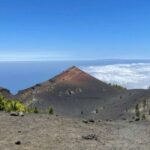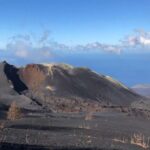
I’m reviewing this guided trek as a solid, practical way to experience La Palma’s volcanic reality up close, without doing anything reckless. You’ll start near the historic Tacande volcano (listed in 1480, called the Burnt Mountain), then hike toward the newest Tajogaite cone created by the 2021 eruption.
What I like most is the combo of hands-on geology and storytelling. The guides you might meet—like Bebe, Gianluca, Juan, or Steven—tend to explain what you’re seeing in clear, human terms, and they manage the group pace.
One thing to consider: this isn’t a casual stroll. It’s moderate walking over about 8 kilometers, with elevation changes (roughly -300m to +300m), and it’s not suitable for wheelchair users or people with mobility limits. On bad weather days, you may get clouds or reduced visibility, but you’ll still learn a lot and walk a restricted, high-interest area safely.
- Key highlights you’ll actually care about
- Tajogaite and Cumbre Vieja: what you’re walking toward
- Getting there from C. Antonio Pino Pérez 1 (and how the timing works)
- The walk begins at Tacande, the Burnt Mountain from 1480
- The 2021 lava landscape: ashes, new land, and a peninsula you can picture
- The route details: 8 kilometers, moderate effort, and big views
- From lava flows to viewpoints: seeing the eruption’s force at work
- Your guide is the difference: clear teaching, humor, and real questions
- Weather on La Palma: why warm layers and a hat aren’t optional
- What’s included (and what’s not): keep it simple
- Price and value: is worth it?
- Who should book this trek (and who should skip it)
- Practical do’s and don’ts before you go
- Languages and what that means for you on the ground
- Should you book the La Palma Tajogaite guided trek?
- FAQ
- How long is the La Palma Tajogaite guided trek?
- How much does the tour cost?
- Where does the tour meet and what about hotel pickup?
- What languages are available for the live guide?
- Is the hike suitable for everyone?
- What is the cancellation policy?
- The Best Of La Palma!
- More Hiking & Trekking Tours in La Palma
- More Guided Tours in La Palma
- More Tour Reviews in La Palma
Key highlights you’ll actually care about
 1 / 7
1 / 7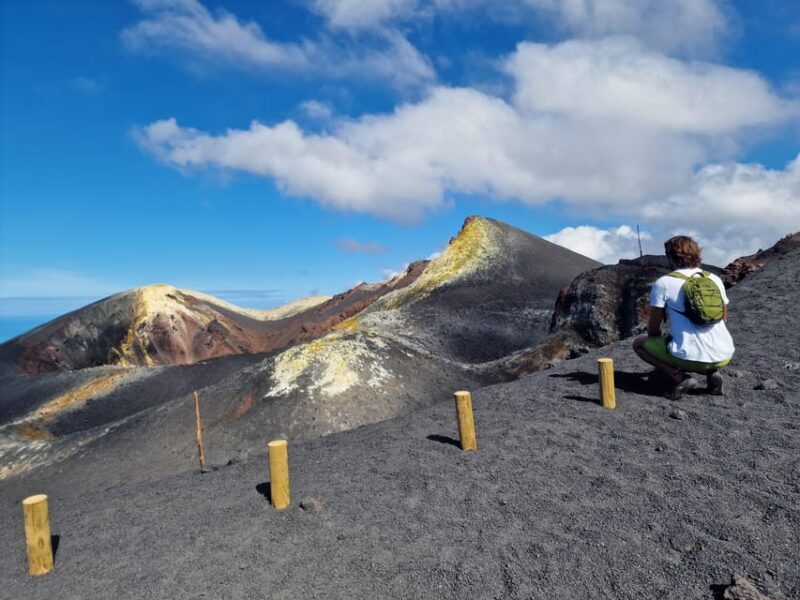 2 / 7
2 / 7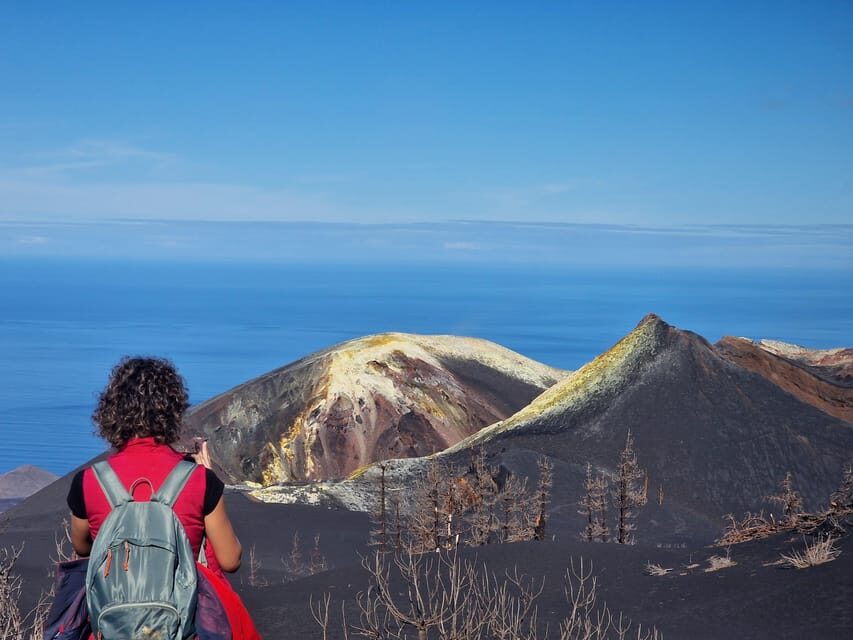 3 / 7
3 / 7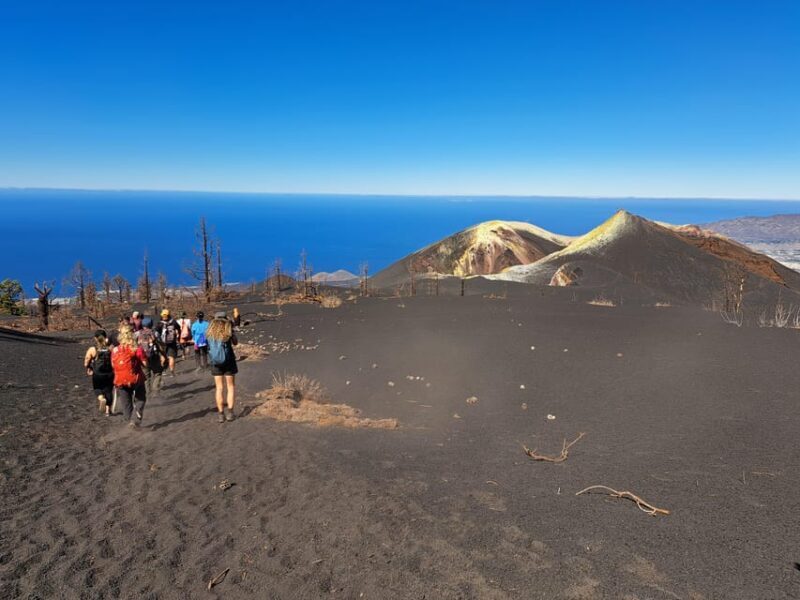 4 / 7
4 / 7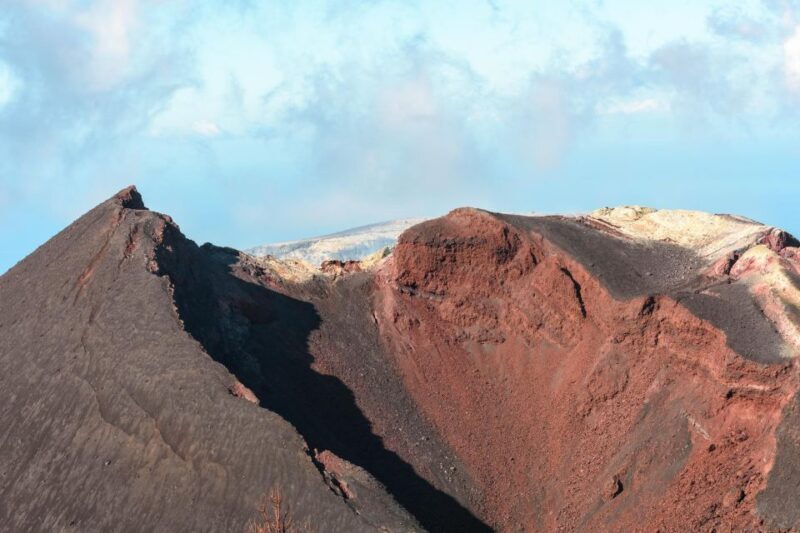 5 / 7
5 / 7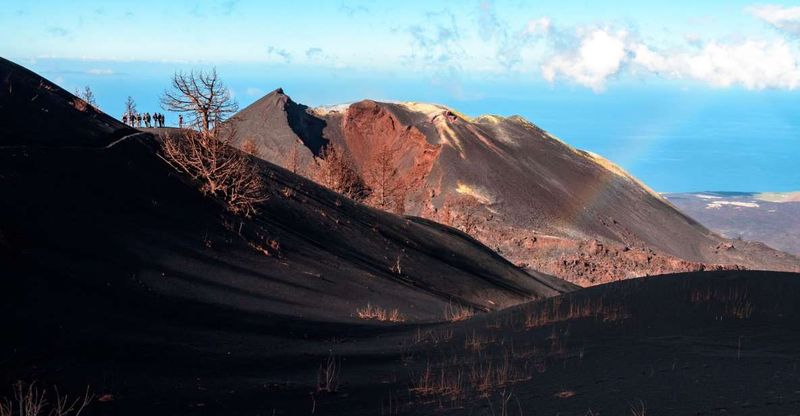 6 / 7
6 / 7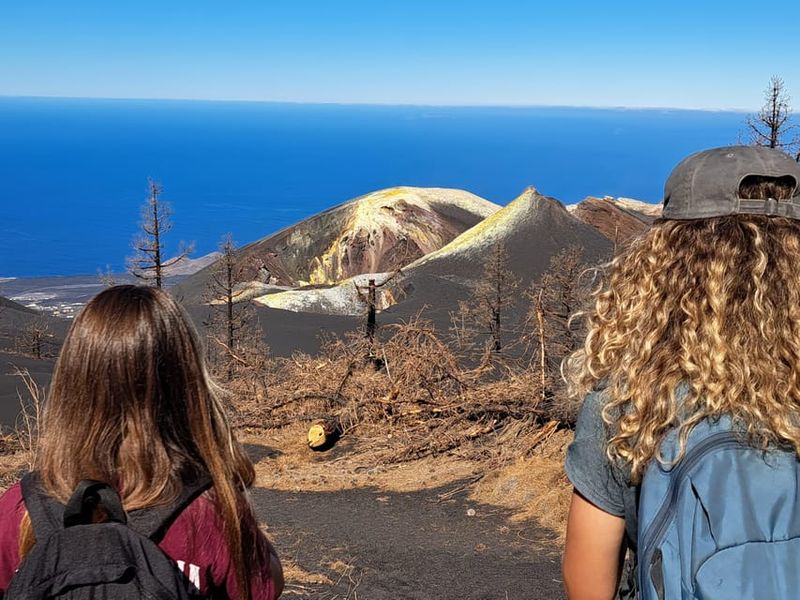 7 / 7
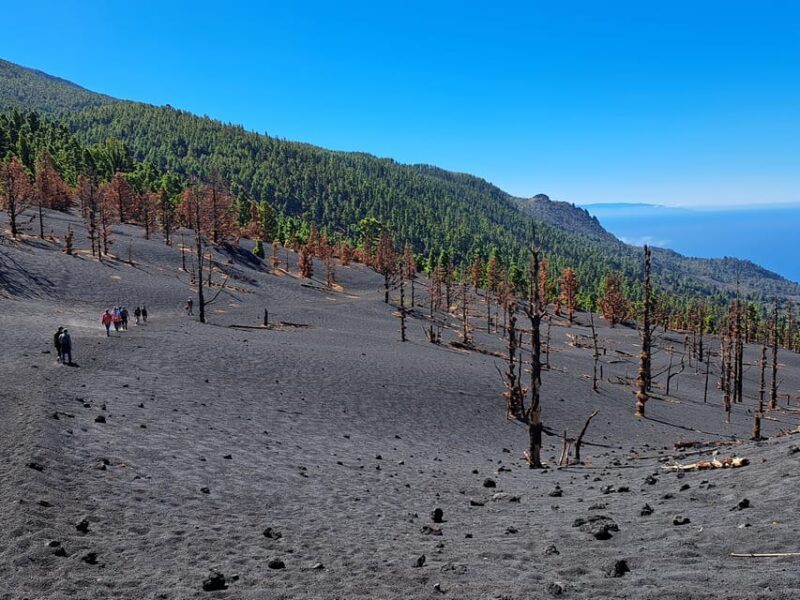
7 / 7- Tajogaite’s close-up: You see the brand-new volcano formed in the 2021 eruption, from a safe guided route (no crater climbing).
- Real lava terrain under your feet: You walk over ash and volcanic land that formed quickly after the eruption.
- A history-to-now route: You start from Tacande (1480) and then move into the newest landscape at Cumbre Vieja.
- Eruption impact, not just scenery: You’ll hear how lava affected homes and forests and helped form a new peninsula.
- Guides who teach while walking: Expect lively, question-friendly explanations in German, English, or Spanish.
- Strong value for the time: For about 4 hours, you get a guide plus roundtrip transport from the meeting area.
👉 See our pick of the The 2 Top Wine Tours In La Palma: Which Is Best?
Tajogaite and Cumbre Vieja: what you’re walking toward
This trek is built around one simple idea: La Palma’s volcanoes don’t live in books. They’re on the island, in the ground under your shoes, and in the way the landscape looks “wrong” in a fascinating way.
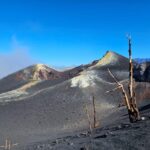
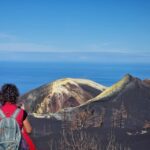
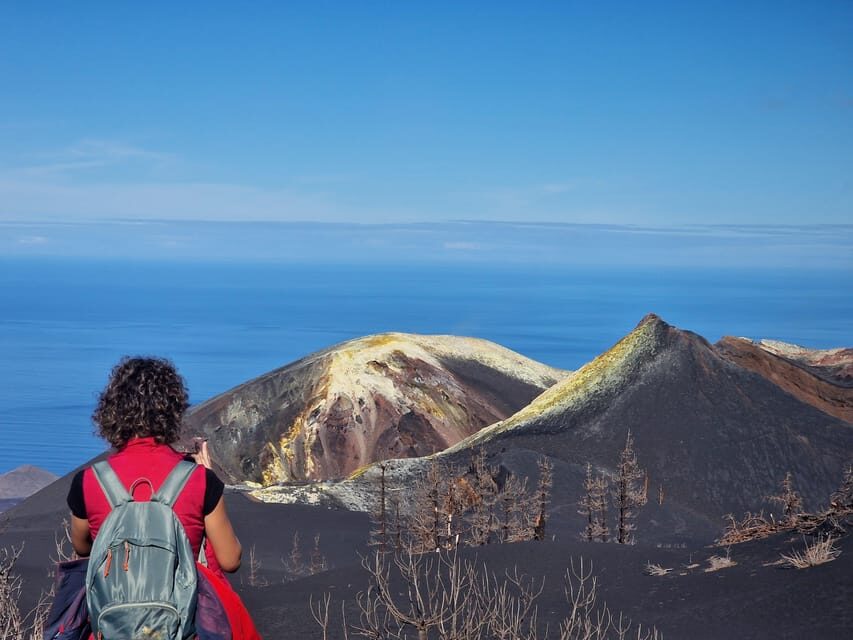
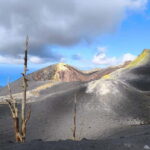
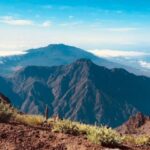
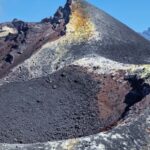
You’re heading to Tajogaite, the newest piece of volcanic activity in the area after the 2021 eruption. You won’t just look from far away. You’ll hike through ash and new land, then reach viewpoints on a route that lets you observe the eruption’s force from a closer angle.
And because the walk starts at Tacande, you’ll also get a sense of how old volcanic history meets brand-new land. That contrast makes the whole experience click.
You can also read our reviews of more guided tours in La Palma
Getting there from C. Antonio Pino Pérez 1 (and how the timing works)
Your tour starts at a meeting point that can vary by booking option, with the main address listed as C. Antonio Pino Pérez, 1. The day runs about 4 hours total, including transport.
You’ll ride in a van for roughly 15 minutes to reach the start area, then hike with the guide for about 3.75 hours, then take the van back again for about 15 minutes. Hotel pickup isn’t included, so you’ll want to plan how you’ll reach the meeting point on your own.
This setup is convenient if you’re based in or near El Paso, since you’re not trying to solve complicated parking or self-navigation for a restricted zone.
The walk begins at Tacande, the Burnt Mountain from 1480
The first historic stop is Tacande, known as the Burnt Mountain. It’s recorded as far back as 1480, which gives you an anchor point before you step into the 2021 aftermath.
Why this matters: when you land in La Palma as a visitor, it’s easy to treat “volcano stuff” as one continuous theme. Starting with Tacande helps you separate time periods. Old volcanic structure gives context for what came next—especially when you’re watching how dramatically the 2021 lava reshaped the ground in a short window of time (the quick formation is part of what makes Tajogaite so striking).
You’ll begin moving into the Cumbre Vieja area from here, building up the day as a story: older volcanic events, then the newest one that literally changed the coastline and land patterns.
The 2021 lava landscape: ashes, new land, and a peninsula you can picture
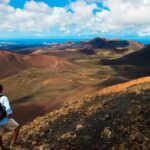
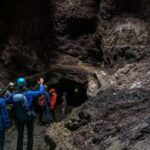
Once you’re on the newer terrain, the hike becomes more than scenery. You walk over ash and volcanic land formed by the eruption—ground that feels oddly fresh compared to what most islands look like.
A key part of the experience is how the guide connects the visuals to what happened. You’ll learn about the consequences of the lava flow, including the figure that it destroyed over 3,000 buildings and affected forests, and that the lava helped create a new peninsula.
That last detail is surprisingly helpful. When you hear about a “new peninsula,” it’s easy to treat it as trivia. On the hike, it becomes something you can mentally map onto the land around you: flows have direction, valleys channel movement, and new rock builds where the landscape needed to re-form.
More Great Tours NearbyThe route details: 8 kilometers, moderate effort, and big views
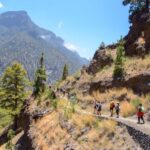
The walking route is around 8 kilometers and follows a comfortable path. It includes a climb toward the top of the volcano area and also a loop-like walk around the back edge.
You’ll also be dealing with elevation changes of about -300m to +300m. That’s not extreme, but it’s enough to earn the “moderate” label. If you usually walk a lot on vacation, you’ll likely manage it fine. If you don’t, plan for slower pacing.
One helpful detail: you do not climb into the crater. Instead, you get close enough for strong perspective—without turning the trip into a risky scrambling session.
In practice, this kind of hike often feels like “watch, walk, stop, learn, repeat.” Reviews mention regular breaks for photo moments and absorbing what’s around you, which makes the effort feel more manageable.
You can also read our reviews of more hiking tours in La Palma
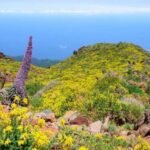
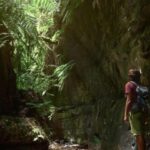
From lava flows to viewpoints: seeing the eruption’s force at work
A big reason this tour earns strong ratings is perspective. You’ll observe the eruption’s power from different angles as you move along the route.
You’ll walk in an area that reflects where molten rock carved its own path. That’s the core lesson you’ll take home: lava isn’t just hot rock—it’s moving pressure and gravity made physical. As the guide explains what you’re seeing, the terrain starts to read like a map of the eruption’s decisions.
And because you’re on a guided track in a controlled area, you’re also close enough to notice how the land looks at human walking scale, not just at “postcard distance.”
Your guide is the difference: clear teaching, humor, and real questions
This tour stands out for guides. Many reviews point to people like Bebe, Gianluca, Juan, Steven, Amanda, and others as knowledgeable and enthusiastic.
What you’re looking for in a good volcano guide is not just facts. It’s translation: turning geology into something you can understand while walking in changing light and tricky terrain.
Based on traveler comments, guides often:
- explain the eruption sequence in a clear way,
- connect volcano mechanics to what you see on the ground,
- make room for questions without rushing people,
- and keep the group moving at a safe pace.
One small but real travel tip: if weather is rough or visibility is limited (cloud cover happens on La Palma), a strong guide still helps you interpret the landscape. You might not get every dramatic view, but you can still get the meaning.
Weather on La Palma: why warm layers and a hat aren’t optional
Even when the island looks calm from town, volcanic hikes can come with changing conditions. Bring warm clothing and a jacket. Reviews also mention that weather can shift quickly and that clouds or rain can show up.
That’s why the packing list matters:
- comfortable shoes (you’ll want traction),
- warm clothing plus a jacket,
- hat and sunscreen,
- water,
- a charged smartphone (use it for photos and guide explanations),
- and layers you can add or remove.
If you’re prone to being cold, don’t just pack a light top. The hike can be more comfortable when you’re not shivering through the most interesting parts.
What’s included (and what’s not): keep it simple
Included:
- a live guide,
- roundtrip transportation from the meeting point.
Not included:
- hotel pickup and drop-off.
That means you control one important variable: how you reach the meeting point. Plan for it early. If you’re late, you may not be the first group to wait around.
Price and value: is $45 worth it?
At about $45 per person for roughly 4 hours, this is one of those trips where value comes from what’s bundled, not just the ticket price.
You’re paying for:
- an expert guide,
- a route you can’t freely access on your own (restricted walking access is part of the experience),
- and transport so you don’t have to solve logistics in a sensitive area.
Also, the hike is not “long” by distance standards, but it’s long enough to change your view of the island. After a guided walk like this, Tajogaite stops being a name and starts being a place you can picture.
So yes, it’s good value—especially if you’re on your first days and want a grounded understanding of what La Palma’s volcanoes have done recently.
Who should book this trek (and who should skip it)
This is best for travelers who:
- can handle moderate walking over 8 kilometers,
- want close-up volcanic landscapes without crater climbing,
- enjoy learning from guides,
- and don’t mind that weather can alter visibility.
It’s not suitable for:
- people with mobility impairments,
- wheelchair users,
- and people with pre-existing medical conditions.
Pets are not allowed, so leave furry companions at home or find a different activity.
Practical do’s and don’ts before you go
Do:
- wear comfortable shoes you trust on uneven volcanic ground,
- bring water and layers,
- use sunscreen and a hat even on cloudy days,
- expect slow-and-steady pacing and take the breaks your guide builds in.
Don’t:
- plan on cratering or scrambling—your route is designed to keep you safe,
- assume this is wheelchair-friendly (it isn’t),
- show up without a plan for getting to C. Antonio Pino Pérez, 1.
One travel reality: group pace matters. Some reviews mention that very unfit participants can cause delays for the rest of the group. If you think you’ll walk slowly, tell yourself now: take the day seriously, not casually.
Languages and what that means for you on the ground
The tour offers live guiding in Spanish and English daily, with German available on some days and times (check availability).
If you’re more comfortable in one of those languages, pick that option. Better comprehension makes the geology and eruption story land harder—and your questions are more likely to get a satisfying answer.
Should you book the La Palma Tajogaite guided trek?
Book it if you want a genuinely close-up volcanic experience with a guide who explains what you’re seeing in plain language. The hike is short enough to fit into a vacation, but it’s long enough to feel like you actually went somewhere—not just stood and looked. At around $45 and with transport and a live guide included, it’s also a strong value deal.
Skip it if you can’t handle moderate hiking or if you have mobility or medical limitations that make 8 kilometers and elevation changes unrealistic. Also, if you’re chasing only perfect views, accept that clouds and rain can happen—though a good guide can still make the day worthwhile.
If you want a memorable, educational walk through one of the newest volcanic landscapes on the continent, this is the kind of tour that earns its reputation.
La Palma: Tajogaite Volcano Guided Trek
FAQ
How long is the La Palma Tajogaite guided trek?
The duration is about 4 hours total, including transportation. The guided tour portion is about 3.75 hours.
How much does the tour cost?
The price is listed as $45 per person.
Where does the tour meet and what about hotel pickup?
The meeting point may vary depending on the option booked, but it’s listed as C. Antonio Pino Pérez, 1. Hotel pickup and drop-off are not included, so you’ll need to reach the meeting point yourself.
What languages are available for the live guide?
Live guide languages include German, English, and Spanish. Spanish and English are available daily, while German is available some days and times.
Is the hike suitable for everyone?
It involves a moderate amount of walking over about 8 kilometers, with elevation change of about -300m/+300m. It is not suitable for wheelchair users, people with mobility impairments, or people with pre-existing medical conditions.
What is the cancellation policy?
You can cancel up to 24 hours in advance for a full refund.
You can check availability for your dates here: