If you want Vienna’s modern art without being herded into a group schedule, this Leopold Museum entrance ticket is a solid way to go. You’re looking at a self-guided visit in the Museum Quarter, with prepaid entry so you can show up ready to walk in.
Two things I really like about the setup: you can move at your own pace, and you get time-saving prebooked admission instead of gambling on tickets when you arrive. The second big plus is the payoff: the museum’s star turns are the massive Egon Schiele collection and major works like Gustav Klimt’s Death and Life.
One consideration: the experience is self-paced, and there’s no included guide. If you want extra structure, you may want the optional audio guide (extra cost), and you’ll also want to budget a realistic 2 to 3 hours so you don’t feel rushed.
- Key Things to Know Before You Go
- Museum Quarter Arrival: What You See Before You Even Buy a Coffee
- Tickets, Voucher Exchange, and the Mobile Ticket Detail
- Entry Hours: Plan Around the One Example Provided
- How Long Does It Take: 2 to 3 Hours That Feel Flexible
- Stop in Your Head First: The Leopold Collection’s Big Story
- Egon Schiele: The Main Event You Should Plan Around
- Gustav Klimt’s Death and Life: A Worthwhile Corner of the Museum
- Austrian Modernity in Motion: Wiener Moderne and the Artists Around It
- Interwar Austria and the Road Toward the Postwar Years
- Design and Architecture Details: Otto Wagner and the Wiener Werkstätte
- The Views: Maria Theresa Square and the Hofburg Palace
- Café Leopold: Where You Reboot After the Art
- Audio Guide vs. Self-Guided: The Smart Choice for Your Style
- Price and Value: Is .98 Actually Fair?
- What Some Travelers Flag: Small Museum, Ticket Confusion, and Staff Moments
- Who This Experience Suits Best
- Should You Book This Leopold Museum Entrance Ticket?
- FAQ
- What do I need to exchange for my ticket?
- Is this ticket mobile, or do I need a printed ticket?
- How long should I plan to spend at the Leopold Museum?
- Is a guide included with the ticket?
- How much is the audio guide, and what languages are available?
- Can I get a full refund if my plans change?
- More Museum Experiences in Vienna
- More Tickets in Vienna
- More Tour Reviews in Vienna
Key Things to Know Before You Go
- Skip-the-arrival-stress entry: prebooked admission helps you avoid the letdown of sold-out tickets.
- Self-paced galleries: you choose when to linger and when to speed-walk.
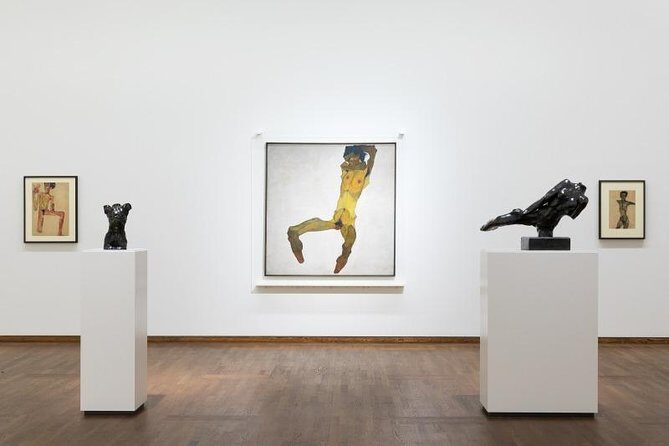
- Schiele fans have a field day: the museum is home to the largest Egon Schiele collection in the world.
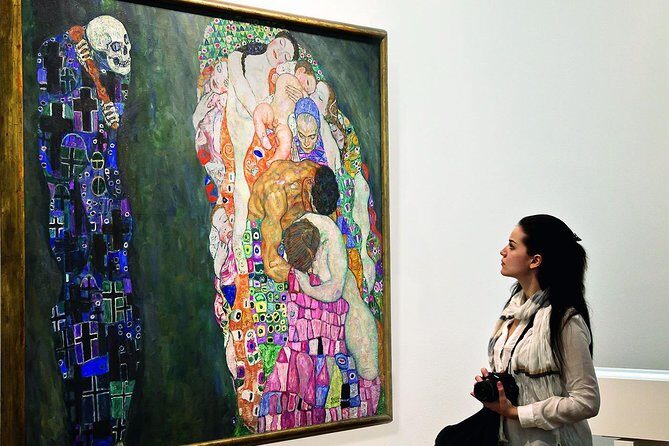
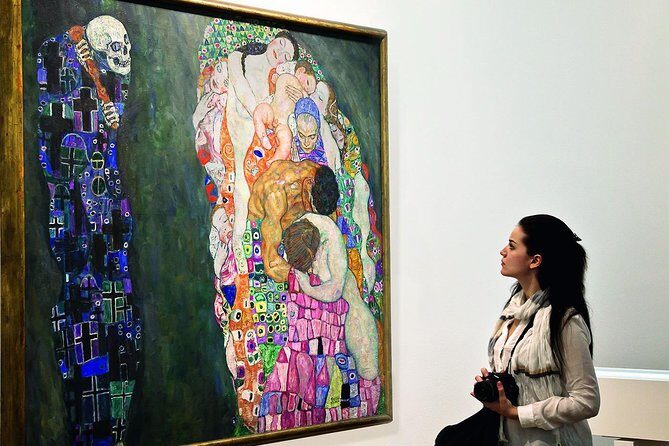
- Klimt is not an afterthought: you can see major works including Death and Life.
- Big Vienna views at the end: windows look out toward Maria Theresa Square and the Hofburg Palace.
- Optional audio guide: available in German, English, French, and Italian for an added fee.
Museum Quarter Arrival: What You See Before You Even Buy a Coffee
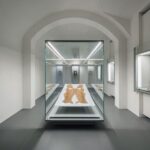
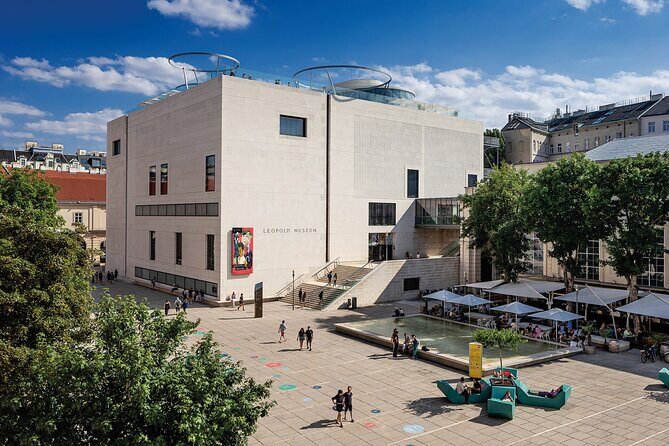
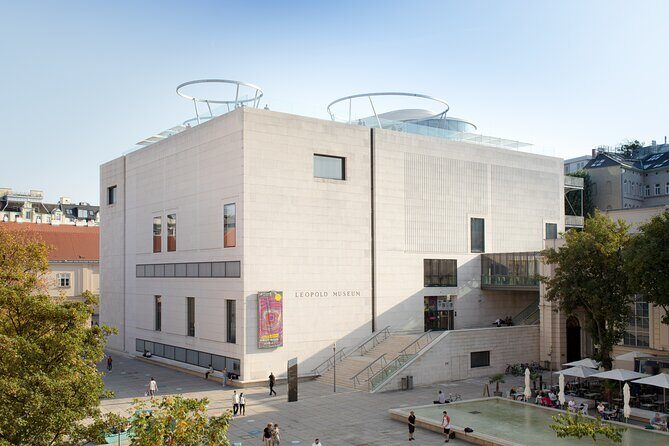
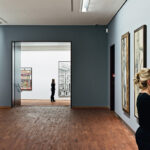
The Leopold Museum sits in Vienna’s MuseumsQuartier, which is already a pleasant place to wander. Even before you reach the art, the museum building is part of the experience. The modern architecture is striking, and it sets the tone for what you’ll find inside: Vienna at the edge of tradition and modernity.
Once you’re through the ticket exchange, you’ll have unlimited access to the permanent collection and exhibitions tied to your admission. That matters because it turns the visit from a quick in-and-out stop into something you can shape around your interests.
You can also read our reviews of more tours and experiences in Vienna
Tickets, Voucher Exchange, and the Mobile Ticket Detail
This is a mobile ticket experience, but there’s an important practical step: you’re instructed to present your Viator Voucher at the cashier desk to exchange for the current ticket, and you should print your voucher.
So think of it like this: your purchase gets you the reserved entry, but you still need that printed voucher to make the on-site ticket real. It’s a small step, but it’s the kind that can ruin your timing if you show up with only a phone screen.
Also, the confirmation is handled at booking time, and children must be accompanied by an adult. If you’re traveling with kids, that’s an easy box to check early.
Entry Hours: Plan Around the One Example Provided
The hours listed include Monday, 10:00 AM to 6:00 PM. Since only that specific day is shown in the details you have, you should double-check the exact hours for the day you plan to visit.
If you’re doing a broader MuseumsQuartier or central Vienna route, it helps to aim for a time that gives you a clean 2 to 3 hours without rushing. Modern art can take longer than you expect, especially if you like reading wall text and comparing works.
How Long Does It Take: 2 to 3 Hours That Feel Flexible
The visit window is listed as 2 to 3 hours. In practice, some travelers treat it as a roughly two-hour museum, while others slow down because there’s a lot to see and the collection connects themes across rooms.
Here’s a good way to use the time: don’t try to “cover everything.” Pick a few anchors (Schiele, Klimt, and the Viennese modern movements), then let the rest fill in the gaps. If you do it that way, you’ll leave feeling satisfied rather than sprinty.
Stop in Your Head First: The Leopold Collection’s Big Story
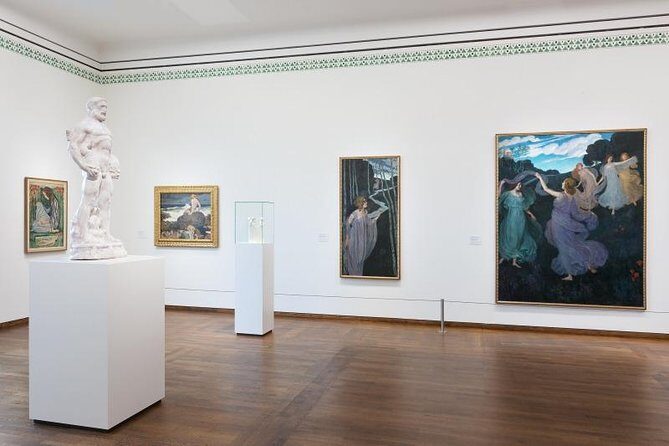
The museum’s collection centers on modern Austrian art and major movements such as Viennese Jugendstil, the Wiener Werkstätte, and Expressionism. That sounds like art-history jargon, but it’s useful because it helps you notice connections as you move from room to room.
You’ll see artists including Oskar Kokoschka, Richard Gerstl, Koloman Moser, Herbert Boeckl, and Otto Wagner. Even if you’re not a deep art-history person, the collection is arranged so your eye can catch themes: design ideas, personal expression, and the shift from earlier styles to something more charged and modern.
You can also read our reviews of more museum experiences in Vienna

Egon Schiele: The Main Event You Should Plan Around
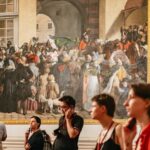
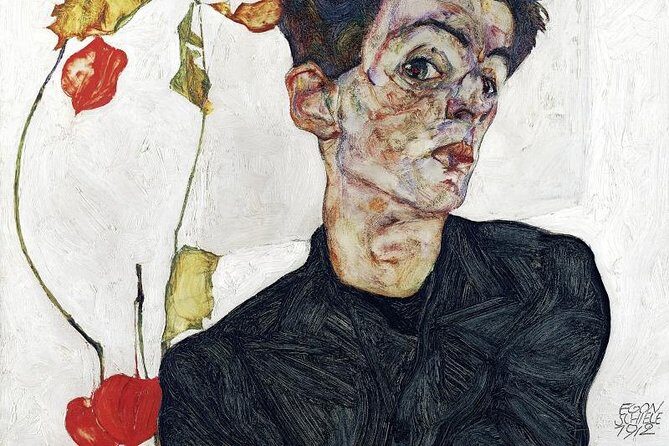
The highlight many people come for is the Egon Schiele collection. It’s described as the largest of its kind in the world, and that’s not a small claim. This is where you’ll likely spend your real time, because the museum has a wide range of his paintings and drawings.
If you like artists with strong line work and emotionally direct subjects, Schiele will feel intense, and it’s the kind of intensity you might want to pace. Give yourself permission to stand back, then move in again, then step to the side. With a collection this large, you’ll get more from slow choices than from trying to hit every piece.
One practical tip: because this is the big draw, expect that the Schiele rooms can feel busy at certain times. If you want breathing room, start with Schiele early in your visit, then use the rest of the museum as your calm-down loop.
Gustav Klimt’s Death and Life: A Worthwhile Corner of the Museum
You can also see Gustav Klimt’s Death and Life, which is named as one of the museum’s standout works. If Klimt is your reason for Vienna museum time, don’t expect him to be the only focus. The museum’s real strength is modern Austrian art broadly, with Klimt and Schiele as the major magnets.
That balance can be a letdown if you’re expecting a Klimt-heavy museum. But if you’re open to how Klimt fits into the wider story of fin de siècle and the birth of modernity, this stop makes a lot more sense.
Austrian Modernity in Motion: Wiener Moderne and the Artists Around It
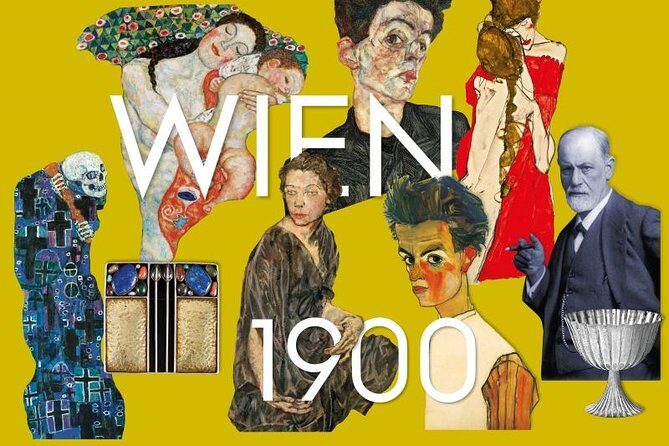
The collection is also presented as a way to experience the shift in art from earlier traditions to what’s called Wiener Moderne. You can think of it like a change in temperature. Earlier styles focus on decor and mood. Later styles push into bolder expression and new ways of seeing.
That’s why names like Oskar Kokoschka and Richard Gerstl show up alongside Koloman Moser and other key figures. The museum isn’t just showing pretty pictures. It’s showing how a place, a moment, and a group of artists fed each other.
And if you like design, not just paintings, you’ll be happy here. The museum also rounds out the experience with everyday objects from the Fin de Siècle, connecting art to how people lived and built their surroundings. That mix often makes the visit more memorable than you’d expect from a museum ticket.
Interwar Austria and the Road Toward the Postwar Years
Another focus is the Austrian interwar period, featuring artists like Albin Egger-Lienz, Anton Kolig, and Herbert Boeckl. This gives you a bridge from the fin de siècle energy into the later 20th-century artistic direction.
If you like seeing how styles evolve instead of staying locked in one moment, this part helps. It can also help you avoid the common mistake of leaving the museum thinking Vienna modern art is only about one movement. The collection suggests continuity and change.
Design and Architecture Details: Otto Wagner and the Wiener Werkstätte
The museum’s angle includes architecture and design minds too, with emphasis on figures such as Otto Wagner, Adolf Loos, Dagobert Peche, and founders of the Wiener Werkstätte: Josef Hoffmann and Koloman Moser.
Why you should care: these names help you connect the visual language of buildings, furniture, prints, and objects to the art on the walls. It’s a more complete sense of the era, not just a lineup of famous artists.
Also, since the museum is described as awash with light in its heart and has a modern design, it tends to make the experience feel crisp. Some people notice the exterior as colder in tone, but the interior is where it wins you over.
The Views: Maria Theresa Square and the Hofburg Palace
Before you leave, take a slow moment by the windows. The museum is set up so you can enjoy panoramic views over Maria Theresa Square and the Hofburg Palace.
This is more than just a photo stop. It’s a chance to reset your eyes after rooms full of strong modern imagery. Plus, you’ll get that feeling of central Vienna continuing outside, even if you’re spending your time indoors with art from a very specific historical moment.
Café Leopold: Where You Reboot After the Art
If your legs and brain need a break, there’s Café Leopold inside the museum. It’s not included in the ticket price, so plan on paying for food and drinks separately.
But the café gets strong mentions for quality—people describe the food as phenomenal. If you’re the type who likes to end a museum visit with a sit-down moment, this is a good match.
Also, if you’re traveling with someone who gets museum fatigue, the café can act as a friendly pressure valve. You can split the difference: one person stays longer with Schiele, and the other heads for a coffee, then you regroup.
Audio Guide vs. Self-Guided: The Smart Choice for Your Style
No guide is included, and no audio guide is included. However, an audio guide is available in German, English, French, and Italian for an added cost of EUR 4.
If you don’t want to read every label, the audio guide can help you follow the bigger threads of the art movements without losing momentum. If you’re happy reading at your own pace, you might skip it and spend that money on café time instead.
Either way, the museum supports self-guided wandering. That is one of its biggest practical strengths.
Price and Value: Is $22.98 Actually Fair?
At $22.98 per person, this ticket sits in a reasonable zone for a major Vienna museum experience—especially because your admission includes the permanent collection and you get flexibility on timing. The key value driver here is time freedom: you’re not stuck on a fixed group schedule.
It also helps that the museum has major anchors. If you care about Schiele and Klimt, you’re paying for access to a concentration of world-class works. And if you’re more of a modern design and movements person, the collection offers variety beyond the two headline artists.
If your visit is more of a casual glance-through, you might feel the price more strongly. But if you treat it as a proper 2 to 3 hour museum session with deliberate stops, the value tends to feel solid.
What Some Travelers Flag: Small Museum, Ticket Confusion, and Staff Moments
A few patterns show up in traveler experiences, and it’s worth weighing them honestly.
- Some people found the museum small enough to see in about two hours, and they expected more Klimt than they found. If you’re coming with a single-artist mindset, set expectations accordingly.
- There have been cases of ticket confusion at the desk, where a traveler said the ticket did not get honored as expected and they had to buy again. This seems like the kind of hiccup that can happen with voucher exchange steps, so bring your printed voucher and stay calm at the cashier desk.
- A separate complaint mentioned staff making a big issue out of a bottle of water in a handbag. That may not happen to everyone, but if you’re traveling with liquids, it’s smart to check museum rules before you arrive or keep water accessible but not in a way that triggers extra attention.
None of this should scare you off. It just means you’ll have a smoother day if you follow the ticket exchange instructions and show up prepared.
Who This Experience Suits Best
This ticket works well if you are:
- A fan of modern Austrian art and want a museum that gives you connections, not just isolated masterpieces.
- Interested in Egon Schiele and want a large, focused collection.
- Looking for a visit you can shape around your pace, especially if you dislike rushing.
- The type who likes a payoff combo: art inside, plus big Vienna views and a café to close.
You might think twice if:
- You only care about Klimt and want a museum packed with his paintings.
- You rely heavily on a live guide to explain context, since this is fundamentally self-guided.
Should You Book This Leopold Museum Entrance Ticket?
I’d book it if your goal is a self-paced, high-quality modern art visit centered on Schiele, with major Klimt and lots of Vienna-modern context. The ticket price feels fair when you actually plan a full museum session, and the views and café turn it into a proper outing rather than a quick stop.
Skip it or reconsider if you’re expecting a huge museum with endless Klimt or if you strongly prefer guided tours. In that case, you may want a different format. But for most travelers who want value, flexibility, and genuine art highlights in Vienna’s Museum Quarter, this is an easy yes.
Leopold Museum Vienna Entrance Ticket
FAQ
What do I need to exchange for my ticket?
You should present your Viator Voucher at the cashier desk to exchange for the current ticket, and you’re asked to print the voucher.
Is this ticket mobile, or do I need a printed ticket?
It’s described as a mobile ticket, but you still need the printed Viator Voucher to exchange at the cashier desk.
How long should I plan to spend at the Leopold Museum?
The visit duration is listed as about 2 to 3 hours. Some travelers mention they can see it in around 2 hours, so you can plan a flexible half-day window.
Is a guide included with the ticket?
No guide is included. An audio guide is available for an additional cost.
How much is the audio guide, and what languages are available?
The audio guide costs EUR 4 extra and is available in German, English, French, and Italian.
Can I get a full refund if my plans change?
Yes. You can cancel up to 24 hours in advance for a full refund, using the local time cutoff for the experience.