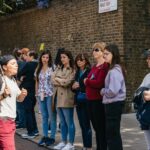
London’s Changing of the Guard is one of those sights that feels like a movie scene, even when you’re standing in real crowds. This 2-hour tour from Urban Saunters takes you from the Equestrian statue of Edward VII at Waterloo Place to prime viewing along the route toward Buckingham Palace, with a guide who explains the ceremony as you walk.
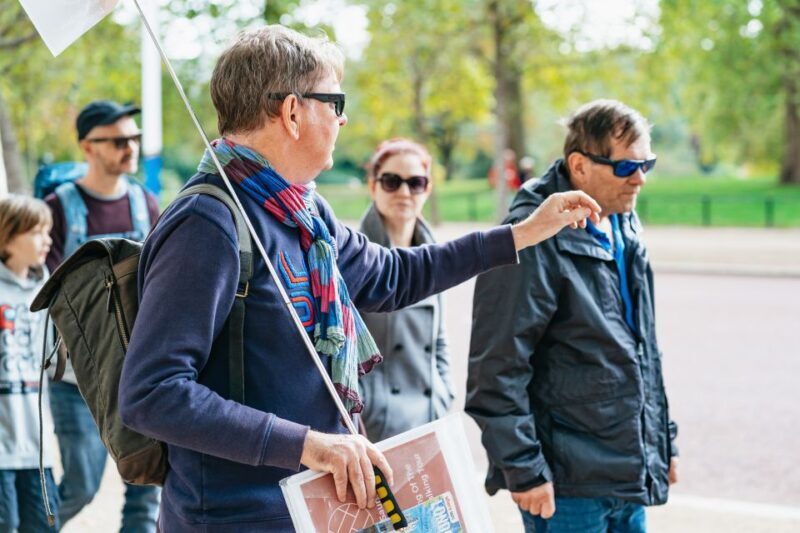
What I like most is the guidance. People mention guides like Chris, Nathan, Babs, Jo, and Nathan again for the same reasons: clear explanations, strong crowd sense, and getting the group to good positions instead of everyone wandering around. I also like the value. At $15 per person, you’re basically paying for a smart, time-saving plan and a history lesson packaged with photo-friendly stops.
One thing to keep in mind: you won’t get the “stand inside the fenced forecourt” view at Buckingham Palace. Crowds block that, and the Army can also change or cancel the music depending on the day. Still, even in a cancellation scenario, you may be able to watch the guards marching.
- Key Points You’ll Appreciate
- A Smart Way to See the Changing of the Guard Route
- Where You Meet: Edward VII at Waterloo Place
- Tubes and walking direction
- How Long Is It, and What Pace Should You Expect?
- Stop 1: Edward VII Statue (Your Ceremony Starter)
- What you’ll notice
- Stop 2: The First Guided Run-Up (About 10 Minutes)
- The Mall: Prime Corridor Energy for Watching (About 10 Minutes)
- George VI & Queen Elizabeth Memorial: A Meaning-First Pause (About 10 Minutes)
- St James’s Palace Stop: Photos Plus Context (About 15 Minutes)
- Bonus: you may spot related cavalry action
- Clarence House Quick Stops: Best Views Without Overdoing It (About 5 Minutes)
- St James’s Park: A Short Reset Before Buckingham
- Finish at Buckingham Palace: What You Will Actually See
- Rain or Shine: Planning for Real London Weather
- The Big Day Variables: Music Changes and Sunday Parade Trial
- Sunday trial starting in April 2025
- Uniform Symbol Talk: What Makes the Tour Worth It
- Price and Value: Why Can Be a Great Deal
- Who This Tour Suits Best (and Who Should Skip It)
- What to Know About Bags and Limits
- Guide Quality: Why Names Like Chris, Nathan, and Babs Keep Coming Up
- Family-Friendly or Not?
- Should You Book This Changing of the Guard Tour?
- FAQ
- How long is the London Changing of the Guard tour?
- How much does the tour cost?
- Where do I meet the guide?
- Does the tour include hotel pickup and drop-off?
- Is the tour private or a small group?
- Does the tour run in bad weather?
- Is there a cancellation policy?
- Is luggage allowed?
- What if the ceremony is canceled?
- The Best Of London!
- More Tours in London
- More Tour Reviews in London
Key Points You’ll Appreciate

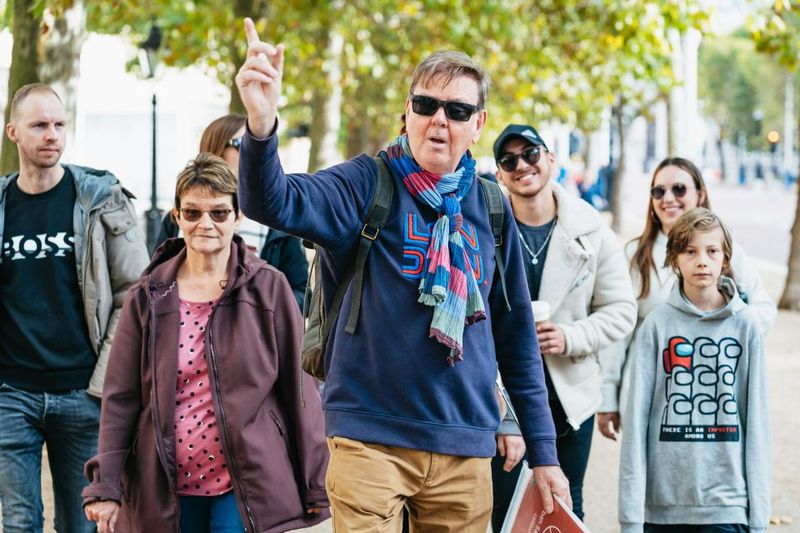
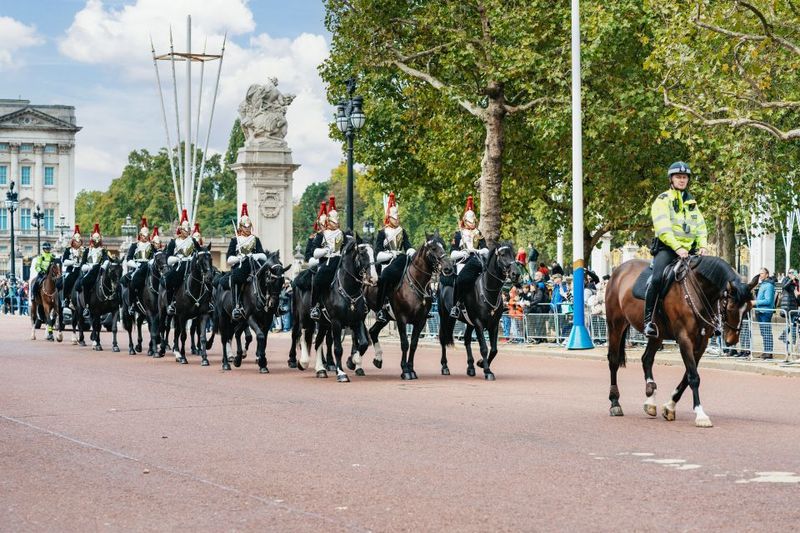
Small-group or private-style pacing (depending on what you book)
A guide-led route so you’re not stuck guessing where to stand
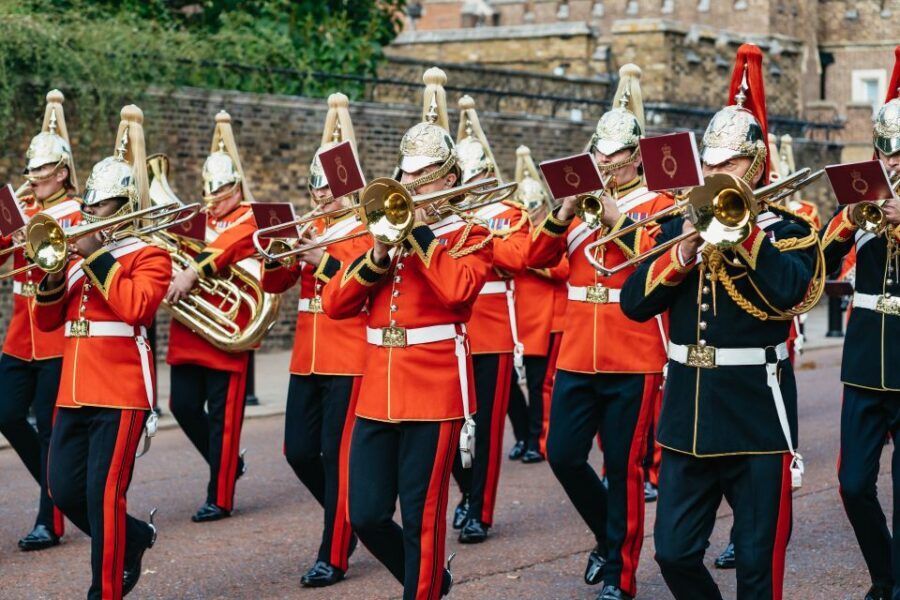
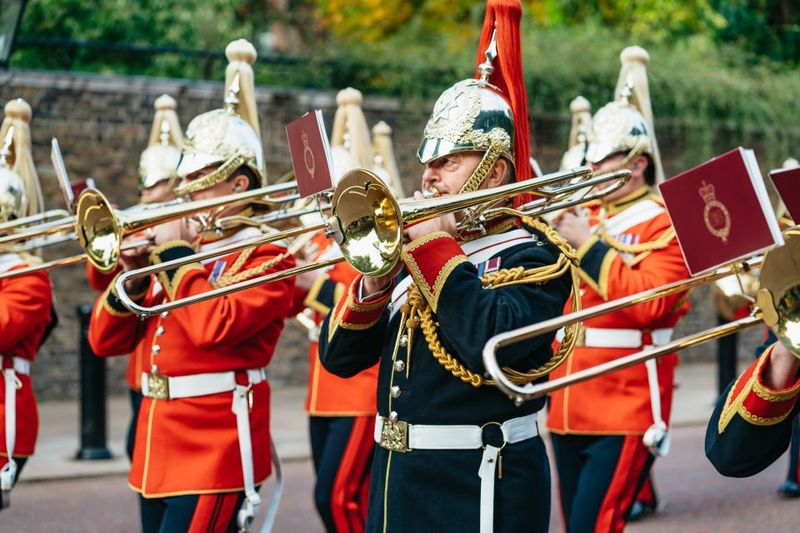
Symbol-focused uniform talk: colors, gestures, buttons, and regiments
Multiple viewing points instead of one long wait
Rain or shine touring, with flexible outcomes if the music changes
Very affordable at $15 per person for a guided experience
👉 See our pick of the We Rank The 15 Best Shopping & Market Tours In London
A Smart Way to See the Changing of the Guard Route
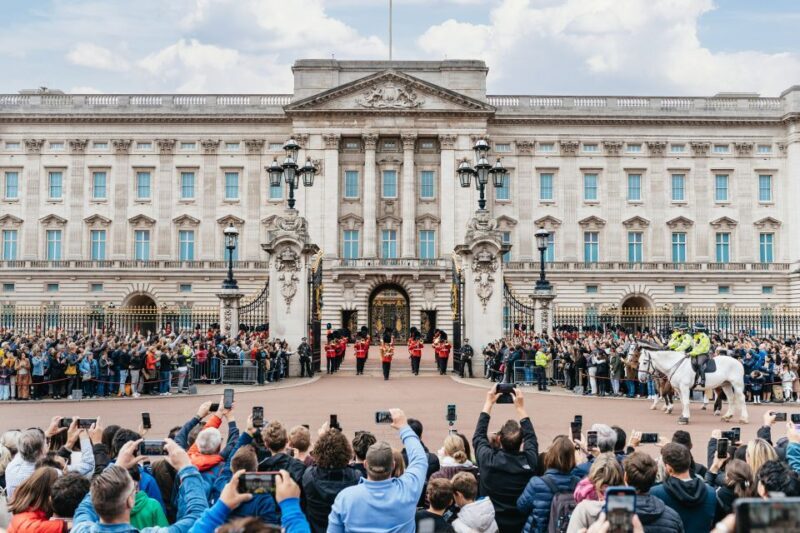
If you’re coming to London for the ceremony, you’ll quickly learn the biggest problem isn’t the guards. It’s the crowd management. People swarm around Buckingham Palace and then spend time inching, waiting, and hoping they guessed right.
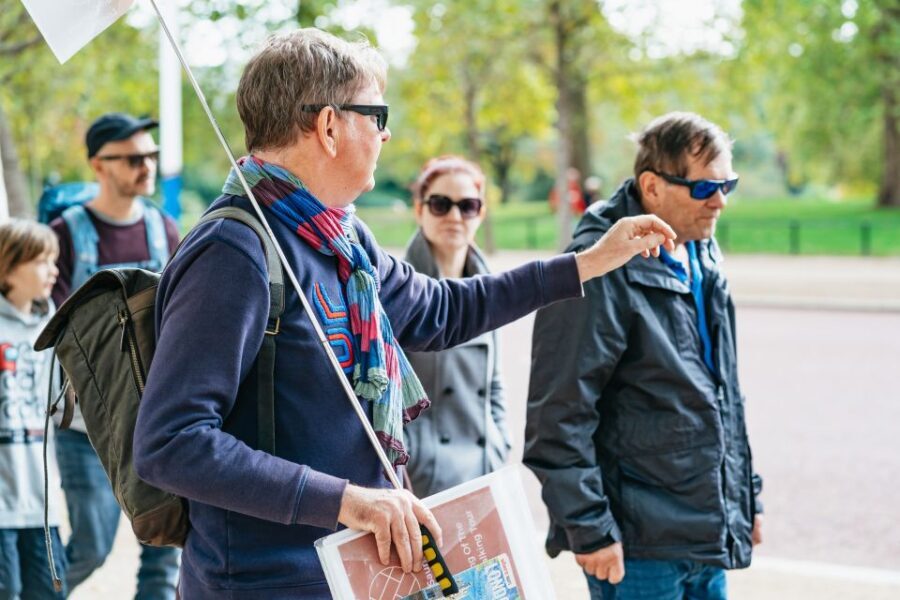
This tour is built for the reality of London. You start at Waterloo Place, then move along the route while your guide explains what you’re seeing and where you’ll get the best sightlines for each stage. You’re also not stuck listening to a lecture while everyone stares forward. The walking keeps you engaged, and the stops give you time to watch and take photos without feeling rushed.
And since the guide is focused on meaning—uniform details, movements, and what each part is for—you get more than a quick spectacle. You understand what the performance is doing and why.
You can also read our reviews of more tours and experiences in London.


Where You Meet: Edward VII at Waterloo Place
Meeting point matters for this one, because the first ten minutes set the tone.
You’ll meet by the Equestrian statue of Edward VII at Waterloo Place. Look for a man-on-a-horse statue and a sign saying Urban Saunters.
Tubes and walking direction
If you’re arriving by tube:
- Take the tube to Piccadilly Circus
- Use exit No. 3 onto Regent Street / St. James’s
- Walk south down Regent Street toward St. James’s Park
Important detail: the info specifically says not to walk north toward Oxford Street. Waterloo Place is at the end of Regent Street.
How Long Is It, and What Pace Should You Expect?
This tour runs about 2 hours. It takes place in English with a live guide, and the tour can be private or small groups depending on the option you select.
The pace is “walk with purpose.” You’ll have short guided segments and photo stops, so you’re moving through the area while still getting time to watch. Based on what travelers consistently highlight, the guide’s job includes timing the group so you’re in the right place at the right moment, not just following behind like a slow parade yourself.
More Great Tours NearbyStop 1: Edward VII Statue (Your Ceremony Starter)
You begin at the equestrian statue of Edward VII, Waterloo Place. This is a good way to start because it gets you oriented fast. You’re in the right general zone for the route, and it helps you understand the “march” part of the ceremony rather than treating it like one fixed photo point.
What you’ll notice
Even before the first real action, you’ll start spotting key landmarks along the walk. And since your guide uses this time to set up the story, you’ll know what to watch for next instead of just staring at uniforms like they’re all the same.
Stop 2: The First Guided Run-Up (About 10 Minutes)
Right after meeting, you get a short guided introduction. The goal here is to help you decode the ceremony’s visual language quickly.
You’ll likely hear:
- Differences in guards and regiments (you’ll get the sense of who’s who)
- How tradition is carried out in a very formal, choreographed way
- Why certain movements matter
One reason travelers love these tours is that the guide doesn’t just say, “This is important.” They explain what to look for—down to gestures and color meanings—so you’re not confused when the uniforms and roles shift throughout the route.
The Mall: Prime Corridor Energy for Watching (About 10 Minutes)
Next you head to The Mall, London for another guided segment.
The Mall is a classic London axis, and it’s useful for two reasons:
1. It gives you a long, readable view of the route.
2. It helps the guide manage the group because there’s more natural flow space for moving and stopping.
This is where the tour starts to feel less like a history chat and more like a “watch, then understand” experience. You’re following the guards on foot and seeing how the ceremony unfolds in real time.
George VI & Queen Elizabeth Memorial: A Meaning-First Pause (About 10 Minutes)
You then stop near the George VI & Queen Elizabeth Memorial. This pause is short, but it adds context. The ceremony isn’t just a parade for travelers. It’s tied to the monarchy’s modern symbolism and Britain’s long habit of ceremony as public identity.
With a guide, this kind of stop helps you connect the dots:
- What the monarchy represents today
- Why historical continuity matters
- How the guards fit into that story
Expect this part to be straightforward and story-based, not a textbook moment.
St James’s Palace Stop: Photos Plus Context (About 15 Minutes)
At St James’s Palace, you’ll get both a photo stop and sightseeing with your guide (about 15 minutes).
This is one of the most “use your camera” stretches of the route. It’s also where the guide’s explanations really pay off, because once you’re close to the action, you can match what you heard—uniform details, color meaning, gestures—to what you’re seeing.
Bonus: you may spot related cavalry action
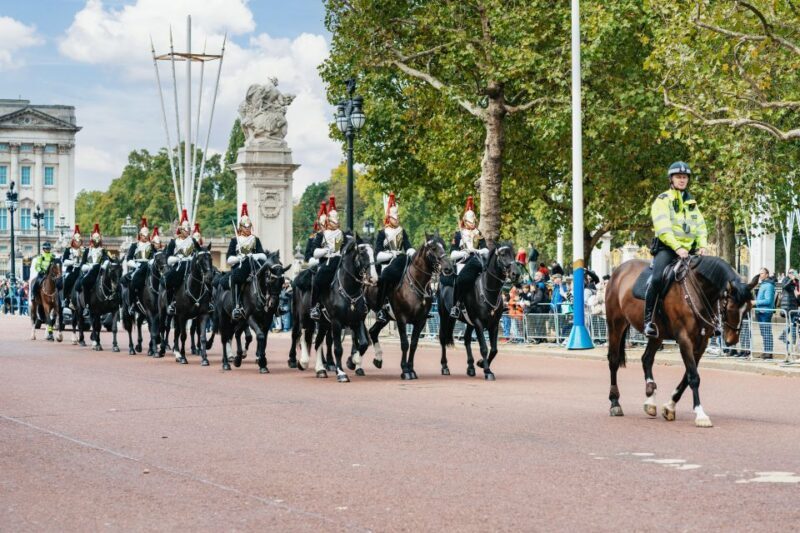
Some travelers mention seeing horse cavalry as a bonus during their experience. The tour itself is about the Changing of the Guard route, but London can surprise you with adjacent military pomp depending on the day’s schedule.
Clarence House Quick Stops: Best Views Without Overdoing It (About 5 Minutes)
Next comes Clarence House for a shorter photo stop and sightseeing (about 5 minutes).
Don’t expect this to be a long explanation. The value here is that you get brief, high-impact visibility points without losing momentum. If you’re the type who wants the “where should I stand” answer, this stop is part of the tour’s appeal: it’s guided positioning rather than random wandering.
St James’s Park: A Short Reset Before Buckingham
Then you make another brief stop in St. James’s Park (again around 5 minutes for photos and sightseeing).
Why this helps: it gives you a breather. You’ve walked and watched for a while, and even if you’re excited, you need a moment to reset—feet, breathing, phone battery, and patience.
Also, St James’s Park is part of what makes this area feel distinctly London: greenery, historic buildings nearby, and the sense that you’re watching a living city while the ceremony moves through it.
Finish at Buckingham Palace: What You Will Actually See
You finish at Buckingham Palace.
Here’s the honest part: you will not stand at the forecourt for the same kind of inside-the-fence view many people imagine. Due to crowds, this tour sets you up for meaningful viewing where you can actually see the guards rather than being pushed into a spot where you see very little.
You’ll still be close enough to feel the ceremony’s scale, and because you’ve had multiple viewing points along the walk, you’re not pinning your whole experience on one final moment.
Rain or Shine: Planning for Real London Weather
This tour runs rain or shine. Bring what you need so you don’t spend the ceremony wishing you were elsewhere:
- Comfortable shoes
- Umbrella
- Water
- Comfortable clothes
Also note the tour doesn’t include hotel pickup or drop-off. You’ll be walking between points in central London, so show up ready to move.
The Big Day Variables: Music Changes and Sunday Parade Trial
The Army controls what happens on the day, and you should plan for the possibility that things shift.
Key points:
- It’s at the discretion of the British Army to change or cancel the ceremony.
- The announcement won’t be made until after 10:30 AM.
- If the full ceremony is canceled, there may still be a chance to see the guards marching without the music.
Sunday trial starting in April 2025
Starting in April 2025, the Army will try a slightly different version of the usual ceremony on Sundays. It will be called a Parade instead of a Change, with the same number of guard movements and the same locations. The end date for the trial isn’t announced.
Translation for you: expect a “this might not be the exact same script” day, especially on Sundays. The tour is still designed to keep you watching and understanding what’s happening.
Uniform Symbol Talk: What Makes the Tour Worth It
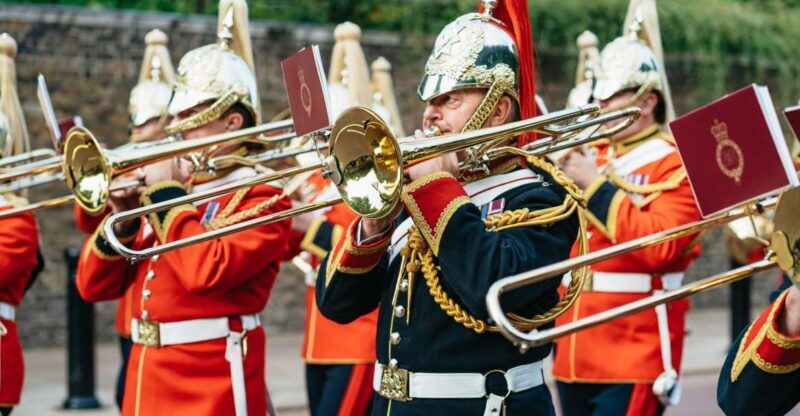
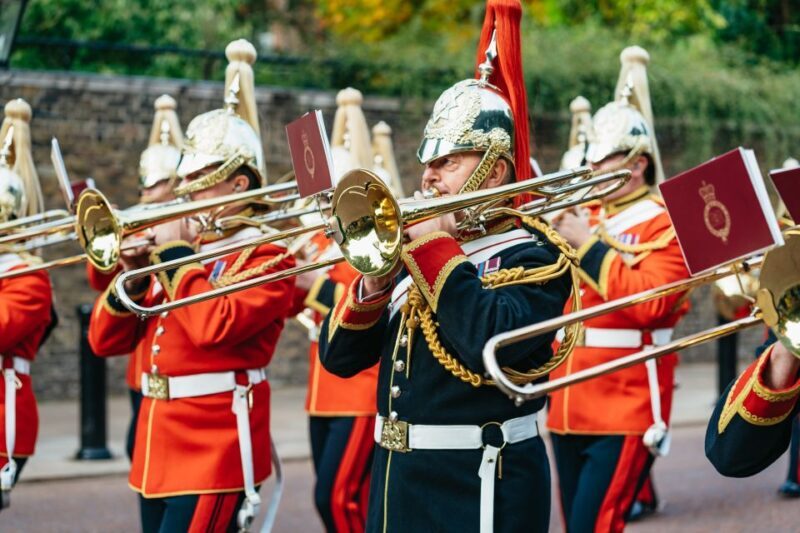
A lot of people can point at guards and say, “Cool uniforms.” This tour focuses on why those uniforms look the way they do and why movements happen when they do.
From the information provided, the guide explains:
- Meaning behind buttons
- Gesture and color symbolism
- How the ceremony’s choreography connects to British history and tradition
- How to tell different types of guards and roles (so you stop guessing)
Travel tip: this is exactly what makes a guided version better than standing with your own curiosity. You’ll walk away thinking, I get it now. And that’s the kind of “memory” that lasts longer than one photo.
Price and Value: Why $15 Can Be a Great Deal
At $15 per person (for a 2-hour guided experience), this is the kind of tour that fits tight budgets without feeling cheap.
Here’s where the value shows up:
- You get a guide actively steering you to good viewing points.
- You get multiple stops that add context instead of one long wait.
- You gain understanding of the ceremony’s symbolism, which you’d otherwise miss.
So you’re paying for time saved, crowd strategy, and interpretation. In London, that combo often costs more—especially when you’re trying to do something as popular as the Changing of the Guard.
Who This Tour Suits Best (and Who Should Skip It)
This is a great fit if you:
- Want an organized plan for a crowded public event
- Like history you can see in front of you, not just read later
- Enjoy photography and want better positioning than guessing
It’s not suitable for people with:
- Back problems
- Mobility impairments
- Heart problems
- Respiratory issues
Also, it’s not ideal if you need long seated breaks. The tour is mostly walking and standing, and the route includes several short viewing segments.
What to Know About Bags and Limits
The tour information states:
- No luggage or large bags
So travel light. A small day bag is usually fine, but the key rule here is clear: don’t bring bulky baggage that slows down through crowds.
Guide Quality: Why Names Like Chris, Nathan, and Babs Keep Coming Up
One of the strongest themes in the guide feedback is communication. People specifically mention that guides:
- Explain clearly so everyone can follow
- Use humor to keep families engaged
- Know the best places to stand even when it’s packed
Several guide names come up repeatedly—Chris, Nathan, and Babs—along with other guides like Jo and David. The names matter because it signals the same pattern: experienced people who can manage crowd flow and still give you real content.
If you’re booking, look for the option that matches the day and group setup you want. Once you’re there, the guide’s skill is what turns the walk into a “wow, I learned something” morning.
Family-Friendly or Not?
It can work well for families. Travelers mention kids enjoyed the history and the ceremony details—one example was a 12-year-old learning about the royal family in an engaging way, and another was a 6-year-old enjoying the tour.
That said, the key condition is patience and walking. You’ll be standing at points along a route and listening to commentary while the ceremony happens.
Should You Book This Changing of the Guard Tour?
I’d book it if you want:
- Better viewing strategy than doing it solo
- A guide who explains what the uniforms and moves mean
- A cost that feels reasonable for a central London, timed experience
I’d think twice if:
- You need a forecourt-style view inside the fenced area
- You have mobility or health limitations listed as not suitable
- You’re very sensitive to standing in crowds and walking between points
If you’re willing to follow a plan, bring comfortable shoes, and accept that the Army can change details on the day, this is one of the more practical ways to experience one of London’s most famous ceremonies.
London: Changing of The Guard Tour
FAQ
How long is the London Changing of the Guard tour?
It’s about 2 hours long.
How much does the tour cost?
The price is listed as $15 per person.
Where do I meet the guide?
Meet at the equestrian statue of Edward VII, Waterloo Place. Look for a sign saying Urban Saunters.
Does the tour include hotel pickup and drop-off?
No. Hotel pickup and drop-off are not included.
Is the tour private or a small group?
You’ll have a private tour or small groups depending on the option you book.
Does the tour run in bad weather?
Yes, it takes place rain or shine.
Is there a cancellation policy?
Yes. You can cancel up to 24 hours in advance for a full refund.
Is luggage allowed?
No luggage or large bags are allowed.
What if the ceremony is canceled?
The Army may change or cancel the ceremony, and announcements won’t be made until after 10:30 AM. If the full ceremony is canceled, there may still be a chance to see the guards marching without the music.
You can check availability for your dates here: