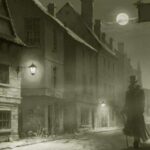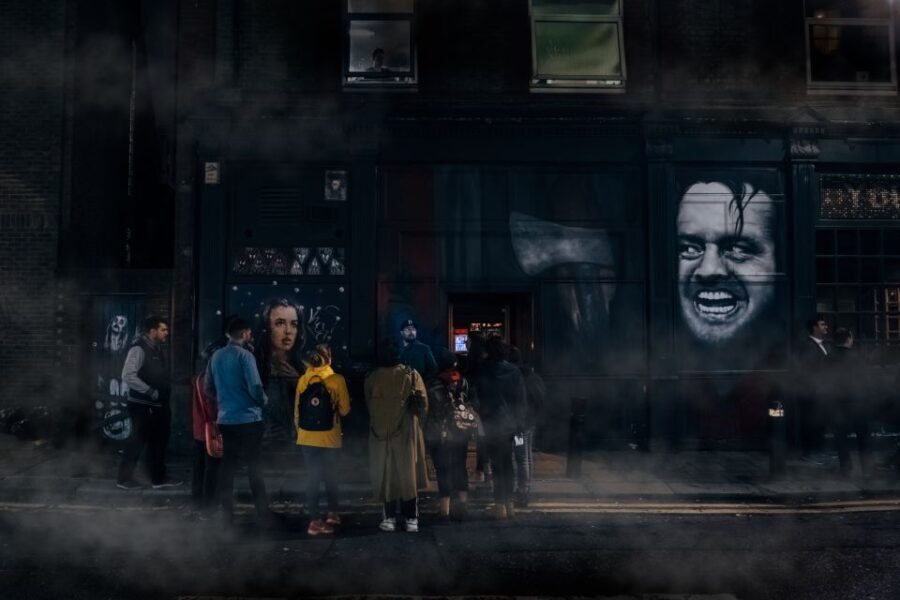
I’m always a little cautious with true-crime tours in London, but this one earns its place. It’s a 2-hour Jack the Ripper walking tour in Whitechapel, starting at St Marys Whitechapel Church Memorial and finishing at the Ten Bells, with a guide who ties together places, evidence, and theories.
Two things I especially like: the storytelling stays grounded in what we know, including alleged suspects and photographic evidence, and the route hits key East End landmarks like Spitalfields Market and Brick Lane so you’re not just hearing a monologue on a sidestreet. In the real-world guide mix, people mention guides like Martin Cheng, Nic, Ivan, and Gabby for clear explanations and good pacing.
One consideration: this experience includes graphic details and visual content, and it’s outdoors the whole time—so dress for the weather and keep the age guidance in mind (not suitable for children under 12, and teens must be with an adult).
- Key things to know before you go
- Where you start: Altab Ali Park and the blue flag
- 2 hours walking: what to wear and what to expect outdoors
- The story begins at St Marys Whitechapel Church Memorial
- Christ Church Spitalfields: the neighborhood backdrop comes alive
- Old Spitalfields Market: a glimpse of real East End commerce
- Mitre Square: where the walking narrative tightens
- Brick Lane: streets, culture, and the 1888 mindset
- Petticoat Lane: learning the neighborhood through its routes
- Ten Bells Spitalfields: the finish line with atmosphere
- What you’ll actually learn: victims, suspects, and evidence
- Sherlock Holmes connections: why this case shaped culture
- How guides make or break a walking tour
- Graphic content and respectful storytelling
- Value for money: is worth it?
- Food and drinks: plan ahead since nothing is included
- Practical tips to make the walk smoother
- Who this tour is best for (and who might want a different option)
- Should you book this Jack the Ripper walking tour?
- FAQ
- Where is the meeting point for the tour?
- What is the nearest Underground station?
- How long is the Jack the Ripper walking tour?
- How much does it cost?
- What is included in the tour price?
- Are food or drinks included?
- What languages are available for the live guide?
- Is the tour wheelchair accessible?
- Is this tour suitable for children?
- More Walking Tours in London
- More Tours in London
- More Tour Reviews in London
Key things to know before you go
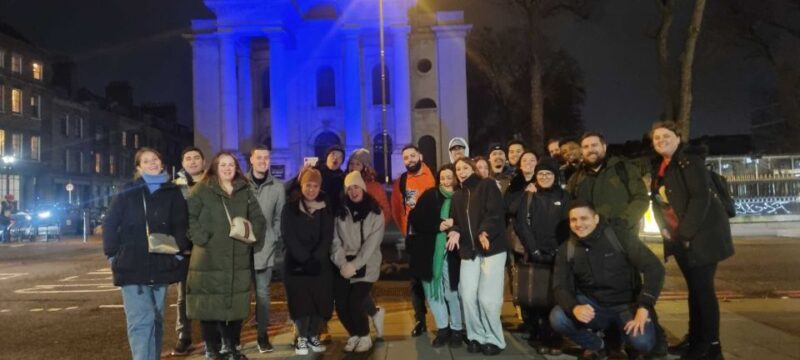
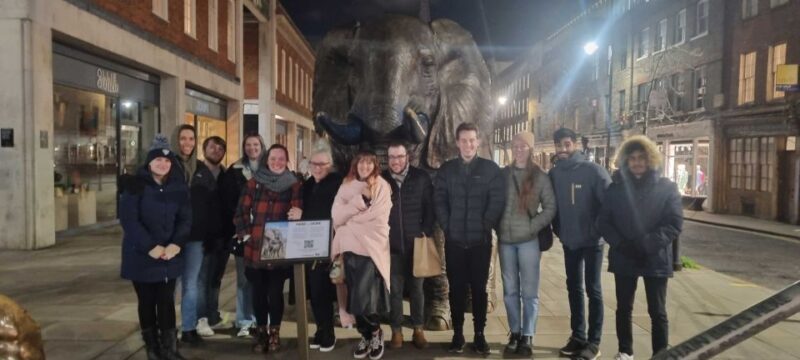
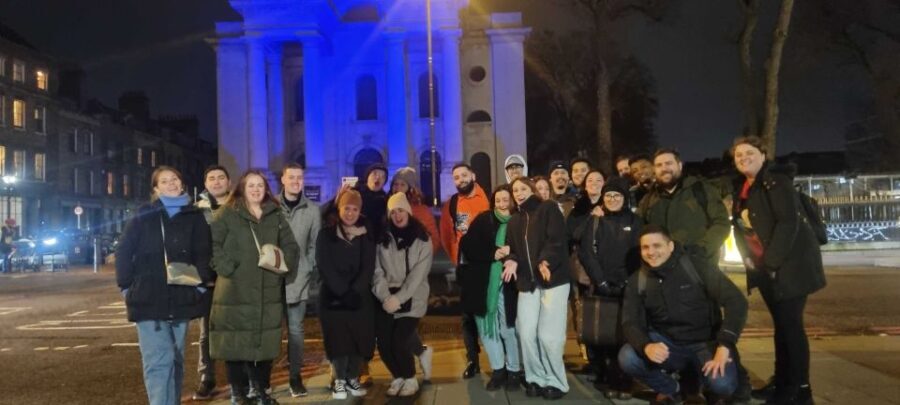
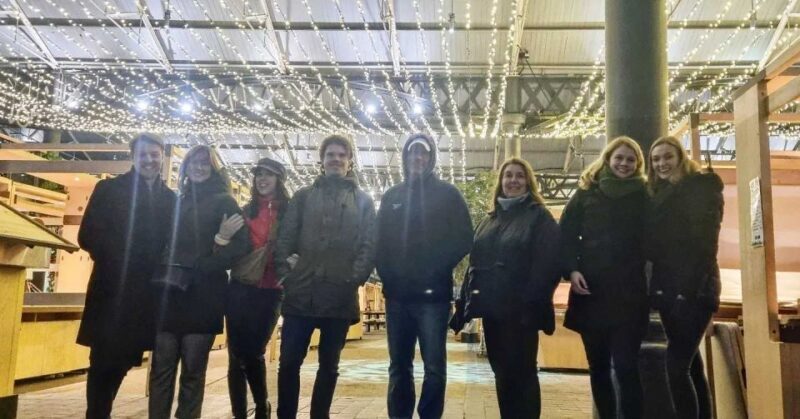

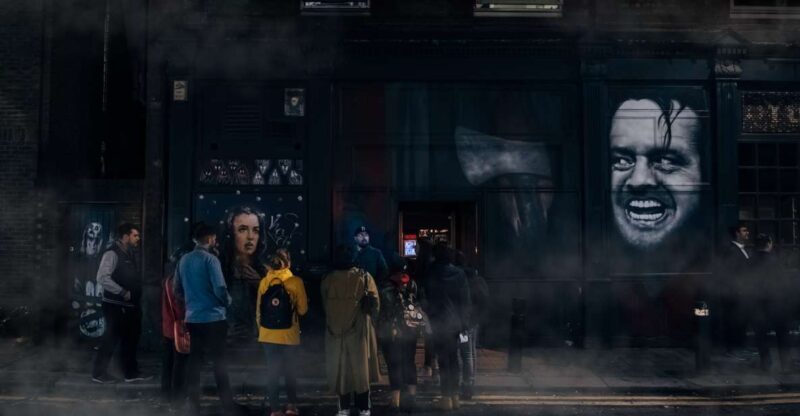
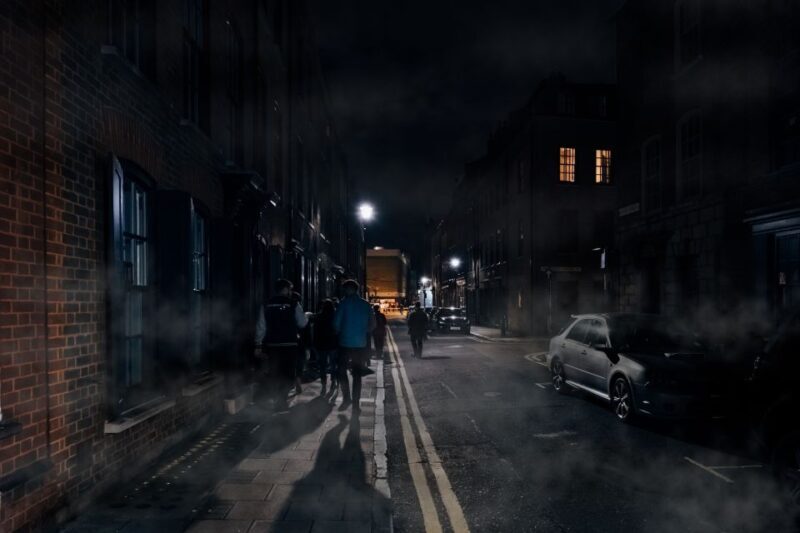
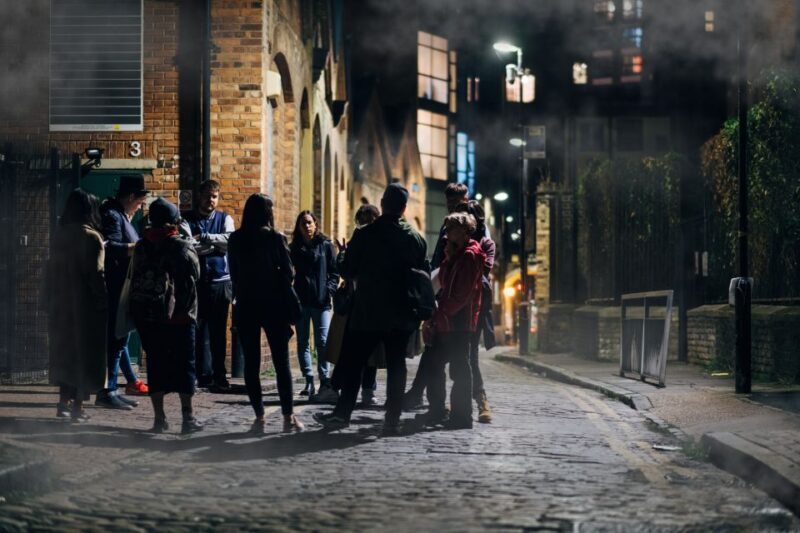
- Meet at Altab Ali Park: west entrance, large iron arch gate at White Church Lane and Whitechapel High Street (guide holds a blue flag).
- 2 hours, street level: an outdoor walk that’s designed to stay moving, with mostly flat conditions but changing public-path surfaces.
- Real places, not just legends: you’ll pass well-known Whitechapel stops tied to the cultural story of 1888 London.
- Evidence + theories: you’ll hear about what investigators looked at, plus competing ideas on who may have been responsible.
- Scholarly but lively: guides are repeatedly praised for being knowledgeable, engaging, and respectful toward victims.
- Food is on you: no food or drinks are included, so plan to eat before or after.
Where you start: Altab Ali Park and the blue flag
The meeting point is the west entrance of Altab Ali Park, right by a large iron arch gate on the corner of White Church Lane and Whitechapel High Street. The guide will be easy to spot—holding a blue flag.
If you’re using the Underground, the nearest station is Aldgate East. I like meeting points that don’t require a scavenger hunt, and this one is set up so you can find the group without guesswork. Still, give yourself a few minutes buffer, especially if you arrive early and need time to orient yourself on the streets.
You can also read our reviews of more walking tours in London



2 hours walking: what to wear and what to expect outdoors
This is a walking tour that takes place entirely outdoors. Bring comfortable shoes—the East End pavement can be uneven, and you’ll be on your feet for the full stretch. Also wear weather-appropriate clothing, because you won’t be ducking into warm venues during the experience.
For mobility, the info says the tour doesn’t include stairs or many inclines, but public paths can vary. If you use a wheelchair or mobility aid, the tour is listed as wheelchair accessible, but I’d still plan for the practical stuff: sidewalk textures, curb cuts, and crowd flow around busy spots.
The story begins at St Marys Whitechapel Church Memorial
You kick things off at St Marys Whitechapel Church Memorial. This opening matters because it frames the area as a community, not just a crime scene. Instead of jumping straight to sensational details, the tour starts you on the ground—this neighborhood had everyday routines, work, poverty, and human lives.
Expect your guide to set the tone fast: what happened, why these cases became infamous, and how theories formed when modern identification tools weren’t available. If you’re new to Jack the Ripper, this start helps you build the mental map you’ll need later when you’re moving between squares, lanes, and market streets.
Christ Church Spitalfields: the neighborhood backdrop comes alive
Next you pass by Christ Church Spitalfields. Even as a pass-by stop, it’s a useful anchor because it reminds you what the area looked like in the Victorian period—religion, community spaces, and the street grid that would have shaped daily life.
A big part of the tour’s appeal is how it connects place to context. You’ll be hearing about Whitechapel as an impoverished neighborhood at the time, and this stop helps you feel why that mattered—people lived close together, and institutions and landmarks shaped movement and access.
More Great Tours NearbyOld Spitalfields Market: a glimpse of real East End commerce
You then pass by Old Spitalfields Market. If you’ve ever visited Spitalfields Market in modern times, this is the historical cousin—busy, practical, and tied to the way London fed and employed its working population.
I like this stop because it gives you a break from the crime-only lens. The tour highlights everyday life, so you understand the setting behind the horror: who had the means, who didn’t, what crowds looked like, and how streets functioned when you didn’t have the conveniences we take for granted.
You can also read our reviews of more guided tours in London



Mitre Square: where the walking narrative tightens
After that, you move to Mitre Square. Squares like this are natural storytelling points on foot tours because they work like a visual timeline—wide enough to orient, close enough to keep the pace.
This is also the kind of place where you can expect your guide to start connecting theories with geography: why certain areas became associated with the murders, how witnesses and movement patterns might have played out, and what investigators might have prioritized. Since the tour is designed to “investigate” suspects and theories, stops like Mitre Square tend to feel like a turning point.
Brick Lane: streets, culture, and the 1888 mindset
Then you head to Brick Lane, one of the most famous streets in this stretch of London. The key here isn’t just the street name—it’s how the guide uses these places to explain the cultural context of the period.
Brick Lane also supports one of the tour’s stated goals: understanding how Whitechapel became part of the wider British story, including how later pop culture latched onto it. As you walk, you’re not only learning about crimes—you’re learning why the crimes stuck in public imagination.
Petticoat Lane: learning the neighborhood through its routes
Next is Petticoat Lane. Like Brick Lane, it’s a place you’ve probably heard of, even if you haven’t known it in detail. On this tour, it’s used for something practical: showing you how East End streets formed networks—where people walked, where commerce happened, and why the geography mattered.
This is also the moment where your guide’s ability to pace the group matters. Many travelers enjoy this tour because it keeps both the “mystery” and the “why” running at the same time, rather than turning into a pure repeat of famous lines.
Ten Bells Spitalfields: the finish line with atmosphere
The tour ends at The Ten Bells Spitalfields. This finish is smart: you get a clear endpoint, and it’s in a spot that feels connected to the public storytelling around these murders.
It’s also a good moment to ask questions while everything is still fresh in your mind. People mention that guides keep things engaging and answer group questions, and a final stop like Ten Bells gives you a natural chance to get clarity—especially if you want to know which theories are stronger and which are mostly speculation.
What you’ll actually learn: victims, suspects, and evidence
The tour promise isn’t just spooky facts. You’ll hear true-to-life stories about victims and alleged suspects, including how theories were built. A major element is reviewing photographic evidence and discussing what investigators may have found and what they missed.
You’ll also get answers—or at least strong arguments—to questions that keep true-crime fans up at night, like whether Jack was ever close to being caught, why Whitechapel was chosen, and where evidence turned up. And importantly, the tour isn’t framed as one single guaranteed identity. You’ll hear multiple angles and learn how uncertainty survived across time.
In several guide styles described by travelers, a theme comes up: focus on what we know rather than myths. That’s valuable on a subject where misinformation can spread fast.
Sherlock Holmes connections: why this case shaped culture
One of the highlights is learning the inspiration and cultural context behind Sherlock Holmes. The point here isn’t that Holmes was “involved” in 1888—it’s that the era’s fascination with crime, detection, and urban fear fed the kinds of stories that later became iconic.
This section is a helpful “bridge” for readers of detective fiction. You get to see how real-world anxieties and investigative methods helped create the mood and themes that writers leaned into. If you love mysteries, it gives the Jack the Ripper story a bigger frame than just murders.
How guides make or break a walking tour
This tour’s ratings are tightly linked to one factor: the guide. Travelers consistently praise guides for being knowledgeable, keeping the group engaged, and creating a real sense of narrative momentum without turning into pure theater.
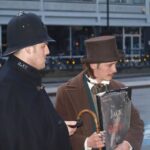
Names that come up include Martin Cheng, Nic, Ivan, Gabby, Anna, Bettina, Marisol, Gemma, and even “Jack” and “Christophe” among others. What I’d take from that: you should expect someone who knows the material and can explain it in plain language. Some guides also bring a touch of dramatics—like dressing up—while still staying respectful and not turning the story into slapstick.
If you’re the type who asks questions (or wants to), you’ll probably like the way these tours allow interaction rather than shutting down curiosity.
Graphic content and respectful storytelling
A clear heads-up: this activity contains graphic details and visual content, and it’s not suitable for children under 12. If you’re bringing teens, the rule is that those under 18 must be accompanied by an adult.
What I appreciate is the repeated mention that guides handle the victims’ stories respectfully. When done well, this kind of subject becomes less about shock and more about understanding—who the victims were, what their lives looked like, and what kind of world created the conditions for tragedy.
If you’re sensitive to graphic material, consider going in with that in mind. You can always step back from a moment that feels too intense, but the tour is designed around these details.
Value for money: is $25 worth it?
At $25 per person for 2 hours, the value depends on what you want: a casual walk with facts, or a structured true-crime explanation with a professional guide.
Given that you get a Ripperologist guide, a guided walk through multiple specific locations, and a mix of victims, suspects, evidence, and cultural context, this price is easy to justify for most travelers. It’s also good value compared with self-guided options, because the guide’s role is doing the hard work—connecting the dots and explaining the uncertainty instead of leaving you to guess.
If you’re booking for a first-time visitor, I’d treat this as your “orientation tour” to Whitechapel before you branch out into museums or deeper reading.
Food and drinks: plan ahead since nothing is included
Food and drinks are not included. That’s not a dealbreaker—this tour is short enough that you can eat before you go or grab something afterward.
The good news is that the route passes through market and street areas, including Spitalfields Market and major East End lanes. So if you want snacks or a drink, you’ll likely find places nearby to stop on your own schedule. Just don’t build your timing around the tour pausing for meals.
Practical tips to make the walk smoother
- Arrive early enough to find the blue flag and settle your group pace.
- Wear shoes you trust on uneven outdoor streets.
- Bring a layer for London weather changes, especially if you’re walking at night.
- If you have mobility needs, aim for a route where you can keep moving steadily and take breaks if needed.
- Go with a curious mind: the tour is built around evidence, competing theories, and questions.
Who this tour is best for (and who might want a different option)
You’ll likely love this if you:
- enjoy true crime, but want context, not just shock
- like walking tours that connect places to stories
- are interested in the East End beyond just famous names
- want the Sherlock Holmes cultural link explained in an approachable way
You might skip it if:
- you or your group dislikes graphic details and visuals
- you’re traveling with kids under the recommended ages
- you prefer indoor, seated experiences when learning about heavy subjects
Should you book this Jack the Ripper walking tour?
If you want a guided, place-based look at Jack the Ripper that balances victims, suspects, and the logic behind theories, I’d say yes—book it. The biggest draw is the guide-led storytelling and the structured route through recognizable Whitechapel landmarks.
Book with confidence if:
- you can handle graphic content
- you’re comfortable walking outdoors for two hours
- you want a real orientation to Whitechapel, including market life and cultural connections
Skip or reconsider if graphic material is a hard no for your group. Otherwise, this is a strong value way to turn East End streets into a clear, story-driven experience—one that leaves you with more questions, and better ones.
London: The Original Jack the Ripper Walking Tour
FAQ
Where is the meeting point for the tour?
Meet your guide at the west entrance to Altab Ali Park, at the large iron arch gate on the corner of White Church Lane and Whitechapel High Street. The guide will be holding a blue flag.
What is the nearest Underground station?
The nearest Underground station is Aldgate East Station.
How long is the Jack the Ripper walking tour?
The tour lasts 2 hours.
How much does it cost?
The price is $25 per person.
What is included in the tour price?
The tour includes a 2-hour Jack the Ripper walking tour and a Ripperologist guide.
Are food or drinks included?
No. Food and drinks are not included.
What languages are available for the live guide?
The live tour guide is available in Spanish, Italian, French, English, and German.
Is the tour wheelchair accessible?
Yes, the tour is listed as wheelchair accessible.
Is this tour suitable for children?
It is not suitable for children under 12. Participants under 18 must be accompanied by an adult, and the activity contains graphic details and visual content.
You can check availability for your dates here: