
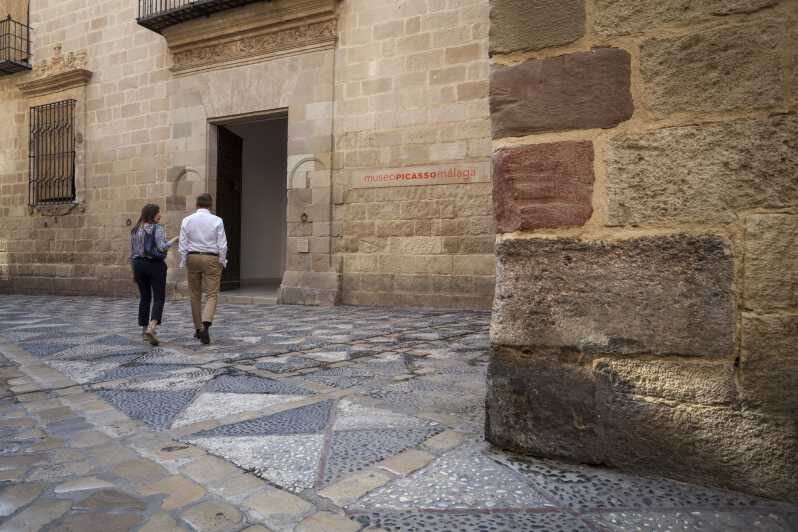
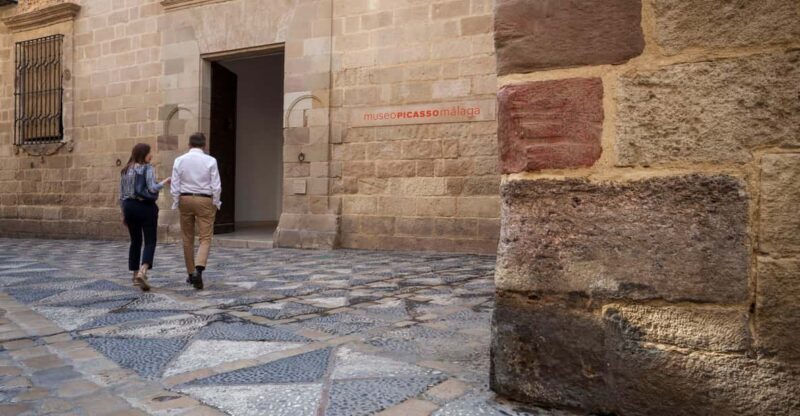
In Málaga, this entry ticket is a smart way to meet Picasso in his own hometown. You’ll visit the Museo Picasso Málaga in the historic Palacio de Buenavista, plus the underground archaeological remains beneath it.
Two things I really like about it: you get access to 141 works in the permanent collection (so you can see Picasso’s change over time), and you can step into a rare architectural setting that mixes historic styles with calm, modern museum spaces. If you time it right, you also get a smooth arrival and a short, practical museum visit length.
One consideration: the site has rules around bags, liquids, and outside food, so plan a light carry and use the cloakroom. Also, a time slot helps avoid queues, but you still need to scan the QR code for the audio guide right at entry if you want to use it.
- Key highlights before you go
- Picasso in Málaga: why this museum feels personal
- Palacio de Buenavista: more than a wrapper for art
- Tickets and time slots: how you avoid the headache
- Meeting point and practical check-in tips
- The audio guide: QR code, languages, and one common mistake
- Permanent collection: 141 works and a clear sense of change
- Temporary exhibitions included: what’s on during your ticket window
- Downstairs archaeology: Phoenician, Roman, and Arabic remains
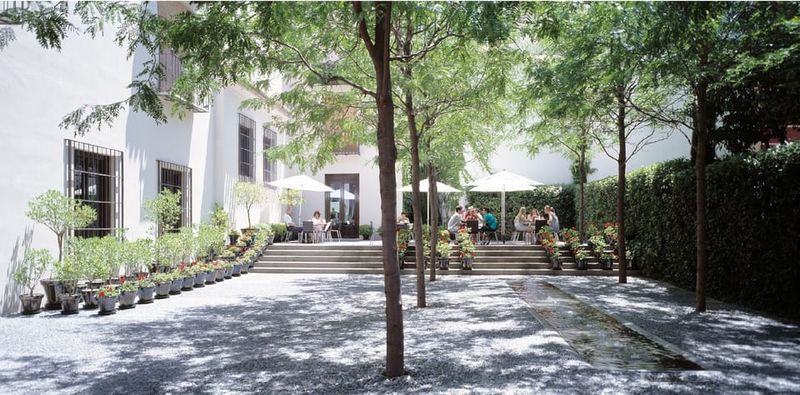
- Cafe break in the garden courtyard: where to recharge
- How long to plan, and the best order to move
- Crowd levels: go early, and you’ll feel calmer
- Accessibility and rules that affect your comfort
- Price and value: is a good deal?
- What I’d recommend based on how people enjoyed it
- Should you book the Museo Picasso Málaga entry ticket?
- FAQ
- Where is the Museo Picasso Málaga entry?
- How long is the visit?
- Does the ticket include the audio guide?
- Can I visit the archaeological ruins even if I only have this ticket?
- Are there restrictions on bags and luggage?
- Are food and drinks allowed inside?
- Is the museum wheelchair accessible?
- Are there any special rules for free or reduced tickets?
- Is there free entry on Sundays?
Key highlights before you go
- 141 Picasso works across mediums in the permanent collection, from early academic work to later ideas
- Palacio de Buenavista setting: Renaissance + Mudéjar character, plus peaceful contemporary lines
- Under the museum: Phoenician, Roman, and Arabic archaeological ruins on the lower floor
- Audio guide included via QR in many languages, so you can go at your pace
- Café and bookshop access for a break in the garden courtyard area
- Time-slot entry with a 15-minute margin, often meaning less waiting than walk-up tickets
Picasso in Málaga: why this museum feels personal
Picasso’s connection to Málaga isn’t a marketing slogan here. The museum was created because Picasso wanted his work shown in the city of his birth back in 1881. That framing matters when you walk in, because the museum doesn’t just show famous paintings. It builds context for where the artist started and how his style evolved.
You’ll also notice the museum’s overall mission: to present Picasso’s revolutionary innovations in a way that’s understandable without needing a doctorate. The collections cover paintings, drawings, sculptures, ceramics, and graphic work. That range helps you see Picasso as an experimenter, not just a Cubism brand.
And since you’re in Málaga, you’ll get a cultural “two-for-one.” Picasso brings the art story, while the building and the ruins bring the much older layers of the city.
Palacio de Buenavista: more than a wrapper for art
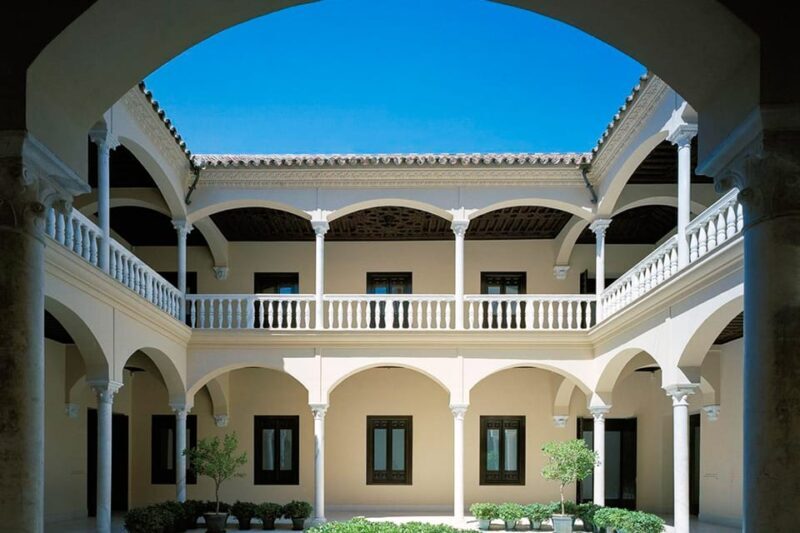
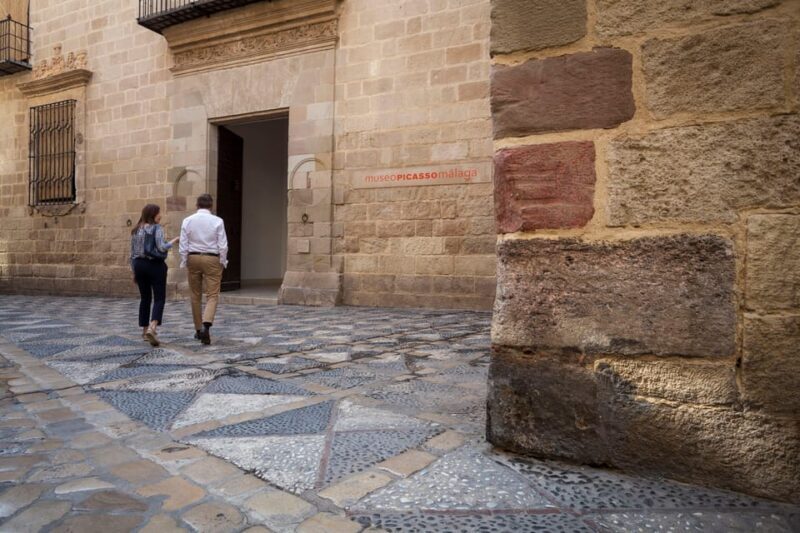
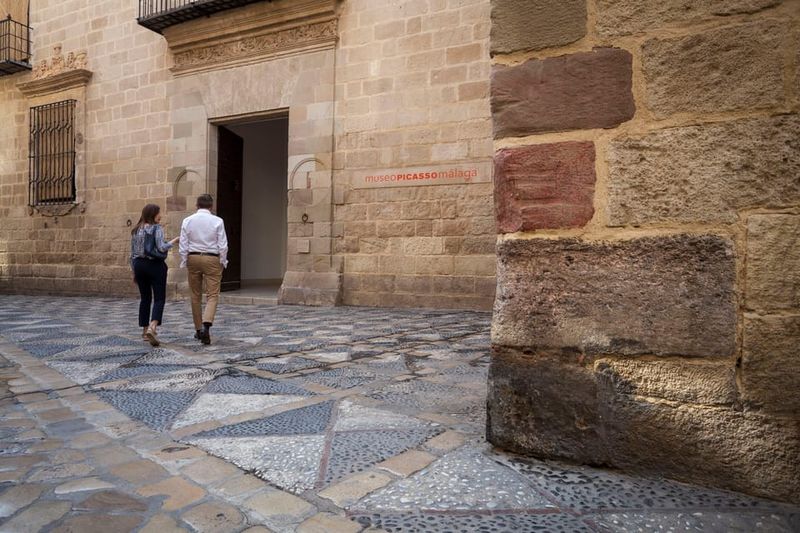
Your visit happens inside the Palacio de Buenavista, which was declared a National Monument in 1939. It opened as the museum in 2003, and the building itself is part of the experience.
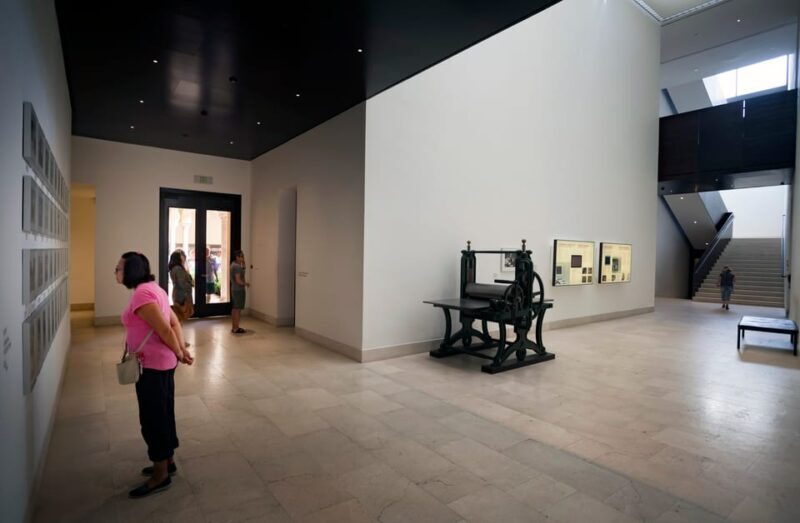
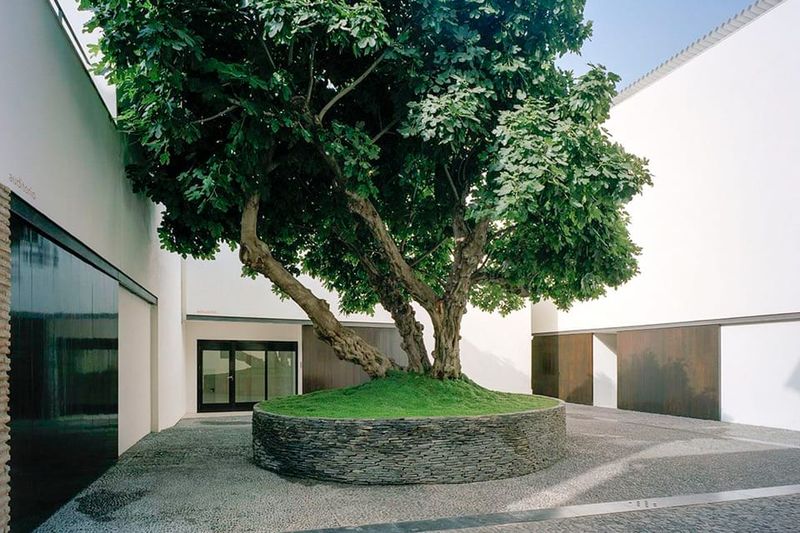
Think of it as a blend: Renaissance and Mudéjar elements up top, and a more serene, contemporary museum layout in the way galleries flow. For travelers, that means less “maze confusion” and more clean paths from one idea to the next.
Then there’s the twist that makes this museum feel different from most Picasso stops: on the lower floor, you’re also entering archaeological remains. So you’re not only moving through art history. You’re moving through Málaga’s physical history too.
If you’re sensitive to heat or you’re traveling in summer, this kind of museum layout can also be a welcome break from walking outside all day.
Tickets and time slots: how you avoid the headache
The museum runs on time-slot entry, and your ticket includes a 15-minute margin for access. That’s the practical detail that can save your time.
In visitor experiences, pre-booking is a big advantage. People report that walk-ups may be turned away if the day sells out, while those with reservations can often walk in without the long wait. One clear tip that comes up: line up a few minutes early and be ready at your scheduled time.
Price-wise, the ticket is about $15 per person. Is that “cheap”? Not exactly. But the value is in the package: permanent collection access, temporary exhibitions listed on your ticket, an audio guide, plus archaeological remains access. For many travelers, it lands closer to a great deal than a splurge.
Also: free cancellation up to 24 hours in advance can help you keep plans flexible.
Meeting point and practical check-in tips
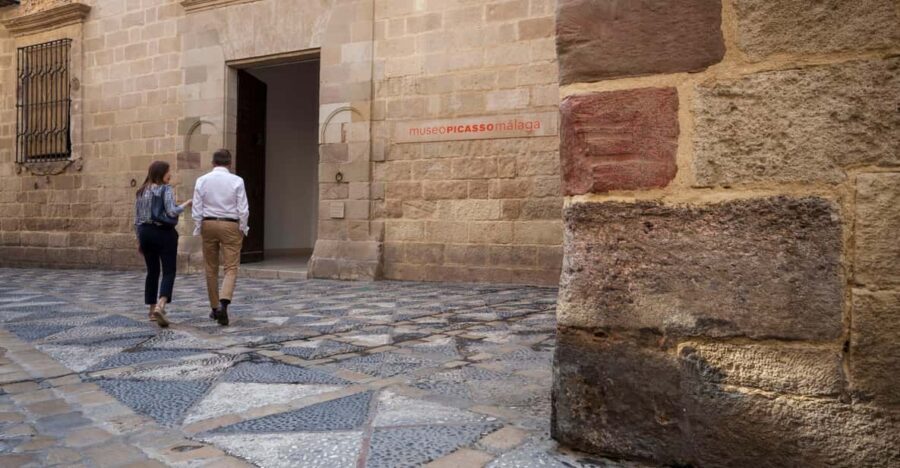
You meet at Palacio de Buenavista, Calle San Agustín, 8, Málaga 29015. It’s central, and that matters because you can pair the visit with strolling nearby streets after.
Before you arrive, remember the no-drama carry rules:
- No pets
- No food and drinks
- No luggage or large bags
- No bikes, scooters, or similar items
If you’re traveling with a bigger backpack, plan to use the cloakroom. Only suitcases and backpacks up to 55 x 35 x 20 cm are allowed. Deposited items must be picked up the same day, so don’t treat the cloakroom like a storage plan.
If you show up with umbrellas or potentially dangerous objects, you’ll also need to deposit them at the cloakroom.
The audio guide: QR code, languages, and one common mistake
The ticket includes an audio guide service. The audio guide is accessed through a web app, and you scan a QR code with your mobile device.
One very common visitor problem: people miss the chance to scan at entry, then end up seeing the exhibitions without audio. To avoid that, be ready with your phone and scan right when you’re supposed to enter.
What’s nice is the language coverage is wide: Spanish, Chinese, English, French, German, Italian, Japanese, Arabic, Portuguese, Russian, Basque, Catalan, Galician, Korean. For anyone traveling internationally, that reduces the “translation stress.”
A balanced note from visitor feedback: a few people felt the audio guide didn’t cover everything they wanted in equal depth. My advice is simple. Use the audio to guide your priorities, but don’t feel locked into it. If a piece grabs you, stay longer and let the room do the talking.
Permanent collection: 141 works and a clear sense of change
This is the heart of the ticket. You’ll see the museum’s permanent collection featuring 141 works by Pablo Picasso. The collection is organized to show progression across periods and techniques.
You can expect a mix of:
- early academic studies
- later neoclassical perspective
- Cubist breakthroughs, including overlapping forms
- experiments in ceramics
- interpretations of older masters
- works from the last phase of the 1970s
What helps travelers most is the way the museum gives you a timeline feel. Visitors often mention timeline displays and clear connections between Picasso’s life phases and the art on view. If you’ve ever felt confused by Picasso’s style shifts, this kind of “step-by-step” presentation tends to make the work feel less random.
A realistic time target: many visitors report spending around an hour to two hours, depending on how closely they read labels and how much they pause at each medium.
Temporary exhibitions included: what’s on during your ticket window
Your entry also includes two special items listed for the ticket period:
- William Kentridge, More Sweetly Play the Dance (November 21, 2024 to April 27, 2025)
- Picasso: The Royan Sketchbooks (January 31 to May 5, 2025)
Because these dates are specific, check what your travel dates match. The benefit of including temporary exhibitions is that you’re not stuck only with the permanent collection. You’re also getting a fresh interpretive layer.
One more practical point: temporary rooms can be one of the easiest ways to understand how museums want you to think about Picasso and his world—especially if you’re not a “read every label” type of visitor.
Some travelers also mentioned seeing other related exhibitions while they were there. If that’s true during your dates, it could be a bonus. Just don’t count on it unless it’s on your included ticket.
Downstairs archaeology: Phoenician, Roman, and Arabic remains
One reason this museum works well for non-Picasso fans, too, is the underground section. On the lower floor, you can enter archaeological remains with any museum entry ticket.
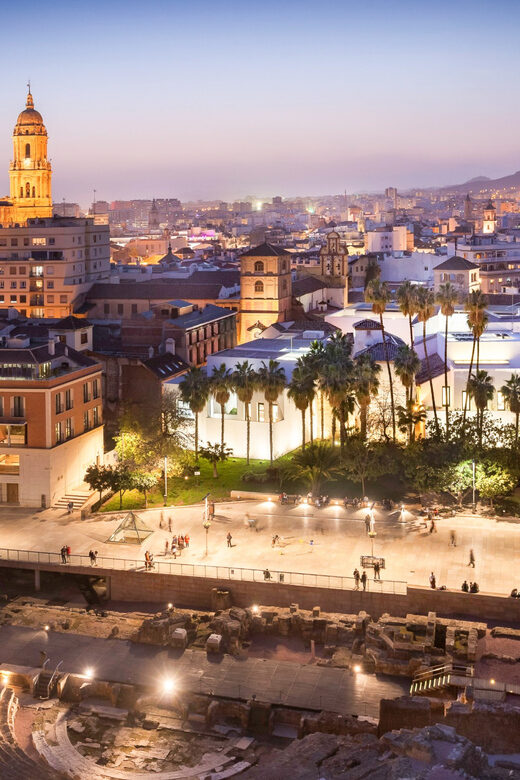
You’ll see traces from Phoenician, Roman, and Arabic periods. Even if you don’t consider yourself an archaeology person, it’s a fascinating “pause” from art browsing. And it helps explain why Málaga’s cultural layers matter—Picasso’s birthplace sits on top of a much older story.
How to enjoy it: keep your expectations simple. You’re seeing ruins and artifacts in a museum setting, not a full outdoor dig experience. Still, the contrast is powerful: modern art upstairs, ancient foundations beneath.
Cafe break in the garden courtyard: where to recharge
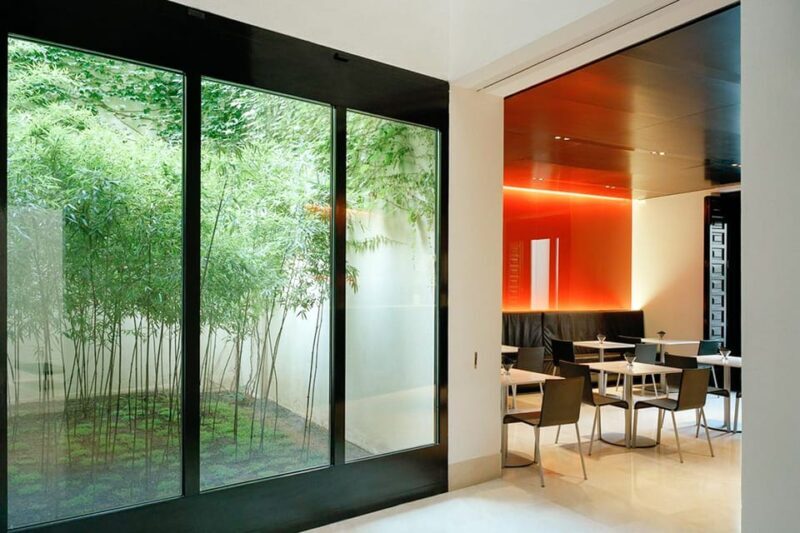
Your ticket includes access to the café and bookshop. The café is in the Palacio de Buenavista garden area, and it’s a convenient place to stop without rushing.
Food here is practical rather than fancy: think snack, appetizer, lunch, or a drink. If you’re visiting during a hot Málaga day, this kind of break can change the whole experience, because it lets you keep energy for the final rooms.
A good strategy: visit the permanent collection first, then come back for the garden stop once you’ve “earned” it. Or reverse it if you’re the type who needs a recharge before you start focusing hard on art.
How long to plan, and the best order to move
The ticket is valid for 1 day, and the entry is based on your time slot. But you control your pace once you’re inside.
Here’s a good way to structure your time:
- Start with the permanent collection so the big picture sticks
- Add the temporary exhibitions next, while you’re still in the same art mindset
- Finish with the archaeological remains downstairs for a memorable change of tone
If you’re trying to keep it efficient, aim for about an hour for a solid visit, or up to two hours if you want to pause at more pieces. Some visitors also described taking their time and seeing almost everything closely, and that can easily run longer in the summer when you’re waiting for the heat to fade.
Crowd levels: go early, and you’ll feel calmer
Even with reserved entry, crowds can build, especially around prime hours. Several visitors recommended going early to avoid the worst of queues and waiting.
You’ll also be walking through active museum space. If you don’t enjoy tight timing, book an earlier slot so you can move at a human pace once you’re inside.
Inside the museum, visitors mention air-conditioning can help. That’s another reason early slots feel worth it: you’ll spend more time comfortable and less time stressed.
Accessibility and rules that affect your comfort
The museum is wheelchair accessible, and that’s a meaningful plus for mobility needs.
For accessibility beyond mobility, the info notes equipment availability for people who are blind or visually impaired, including audio-written guides in Spanish, and sign language in Spanish for a specific exhibit titled Pablo Picasso: Structures of Invention. The Unity of a Life’s Work.
Now for the rules that affect everyday travelers:
- No food and drinks
- Cloakroom service available
- Umbrellas must be deposited
- Scooters, tricycles, and bicycles aren’t accepted
If you’re traveling with kids, pay attention. One visitor noted this museum may not suit toddlers well because of the atmosphere and the fact that touching artifacts or noisy behavior isn’t appropriate.
Price and value: is $15 a good deal?
For about $15 per person, the value is strongest when you use everything included:
- permanent collection access (including 141 works)
- access to the temporary exhibitions listed on your ticket
- audio guide via QR in multiple languages
- access to the archaeological remains
- café and bookshop access
If you’re a Picasso fan, this ticket tends to feel clearly worthwhile. Many visitors specifically praise the collection’s ability to show technique changes across decades and mediums.
If you’re a casual visitor, it can still be good value because the ruins and the architecture add extra layers. But go in expecting a museum visit, not a quick photo stop.
And if your travel date doesn’t align with the temporary exhibitions listed on your ticket, the value can shift slightly. Still, the permanent collection alone is the big anchor.
What I’d recommend based on how people enjoyed it
I’d recommend this ticket if you want:
- a structured introduction to Picasso’s development
- a museum that isn’t only paintings (ceramics, drawings, sculpture, plus archaeology)
- a mostly manageable visit length
- audio in your language
I’d think twice if:
- you hate using your phone for QR scans and rely on paper only
- you’re traveling with lots of oversized luggage (you’ll need the cloakroom and rules are strict)
- you want a super long, slow museum day with endless content. Some visitors felt the audio coverage wasn’t uniform, and the permanent show may feel short to those expecting a massive multi-day program.
Should you book the Museo Picasso Málaga entry ticket?
Yes, book it if you want a high-quality Picasso experience without wasting time at the door. Pre-booking is a clear advantage, and the ticket package covers more than just art—it includes the archaeological ruins and an audio guide you can use at your pace.
Book it especially if you:
- plan to go on a busy day or want to avoid queues
- care about understanding Picasso’s shift across time and mediums
- like combining a cultural stop with a calm indoor break and a café moment in the courtyard
Skip or double-check if you need to store many bags, are sensitive to museum rules about food/liquids, or you’re the type who dislikes audio guides unless they’re detailed for every room.
Málaga: Museo Picasso Málaga Entry Ticket
FAQ
Where is the Museo Picasso Málaga entry?
The meeting point is Palacio de Buenavista, Calle San Agustín, 8, Málaga 29015.
How long is the visit?
The ticket is valid for 1 day. Visitors often spend about an hour up to nearly two hours, depending on how closely you view the works.
Does the ticket include the audio guide?
Yes. The ticket includes an audio guide service, accessed by scanning a QR code on your mobile device. It’s available in many languages.
Can I visit the archaeological ruins even if I only have this ticket?
Yes. The archaeological remains can be entered with any museum entry ticket.
Are there restrictions on bags and luggage?
Yes. There is a cloakroom service, and only suitcases and backpacks up to 55 x 35 x 20 cm are allowed. Larger items are not accepted.
Are food and drinks allowed inside?
No. Food and drinks are not allowed, and any drinks/food must remain inside your bag.
Is the museum wheelchair accessible?
Yes. The museum is listed as wheelchair accessible.
Are there any special rules for free or reduced tickets?
If you have a reduced or free ticket, you must show identification at the Ticket Office.
Is there free entry on Sundays?
On Sundays, entrance is free 2 hours before closing time.
You can check availability for your dates here: