When you’re planning a trip to Malta, the question isn’t whether you should visit Mdina and Rabat—it’s how you should experience them. We’ve reviewed this tour carefully based on over 500 traveler experiences, and what emerges is a picture of an exceptionally well-executed walking experience that combines genuine historical knowledge with the kind of insider perspective you simply can’t get from a guidebook or self-guided wandering.
What makes this tour genuinely special is twofold: first, your guide is actually a lifelong resident of Rabat, not someone who studied tourism in a classroom. Second, the tour deliberately pairs Mdina’s famous “Silent City” atmosphere with Rabat’s living, breathing community—showing you not just monuments but the people and culture that animate these places today. For less than the cost of a decent lunch in most European cities, you’re getting two and a half hours with someone who knows these streets in their bones.
That said, there’s one thing worth knowing upfront. The Rabat portion of the tour is presented quite differently from Mdina. While some travelers find this shift in approach—from monumental history to personal, community-focused storytelling—absolutely authentic and wonderful, others occasionally wish for more traditional historical narration throughout. It’s worth understanding that this tour celebrates Rabat as a living place, not just a historical artifact.
This experience works best for travelers who value authentic encounters over polished presentations, who appreciate humor and personal connection alongside historical facts, and who want to understand Malta through the eyes of someone who actually lives here rather than someone performing a script.
- What You’re Actually Getting for Your Money
- Breaking Down the Itinerary: What Happens When
- Stop 1: Mdina Old City (Approximately 1 Hour)
- Stop 2: Rabat (Approximately 1 Hour)
- The Guide Experience: Why This Matters
- Practical Considerations for Planning
- What the Reviews Tell Us About Real Experiences
- Food, Restaurants, and Local Recommendations
- Comparing This to Other Malta Tours
- Potential Drawbacks and Honest Considerations
- The Community Connection Angle
- Final Verdict: Is This Tour Worth Booking?
- Frequently Asked Questions About This Tour
- More Tours in Malta
- More Tour Reviews in Malta
What You’re Actually Getting for Your Money
 1 / 4
1 / 4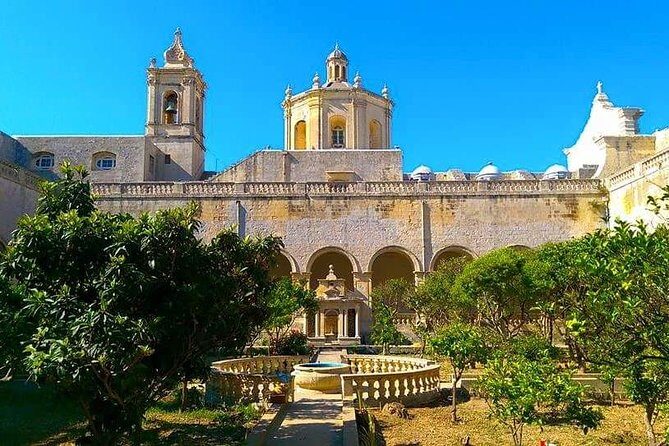 2 / 4
2 / 4 3 / 4
3 / 4 4 / 4
4 / 4At $24.19 per person, this tour represents exceptional value in the world of guided experiences. To put this in perspective, you’re paying less than a coffee and pastry at many European tourist cafés, yet you’re getting two and a half hours with a licensed, guide in two of Malta’s most historically significant locations. The tour includes a small group experience (maximum 10 people), which means you’re not shuffling through crowds behind someone holding an umbrella.
What’s not included matters too, and the transparency here is appreciated. You won’t pay surprise fees for church or museum entrances—those are optional and entirely up to you. This means you control your own spending beyond the base price. Many travelers note in their reviews that they appreciated this flexibility, allowing them to explore at their own pace during the tour.
The afternoon departure time (3:00 PM) is strategically smart, though not explicitly marketed that way. One traveler specifically mentioned that starting at 3 PM meant “there were few other visitors and we saw the setting sun turn the buildings golden.” This is the kind of practical wisdom that comes from actually running tours in a real place, not from a corporate scheduling algorithm.
Breaking Down the Itinerary: What Happens When
You can also read our reviews of more tours and experiences in Malta.



Stop 1: Mdina Old City (Approximately 1 Hour)
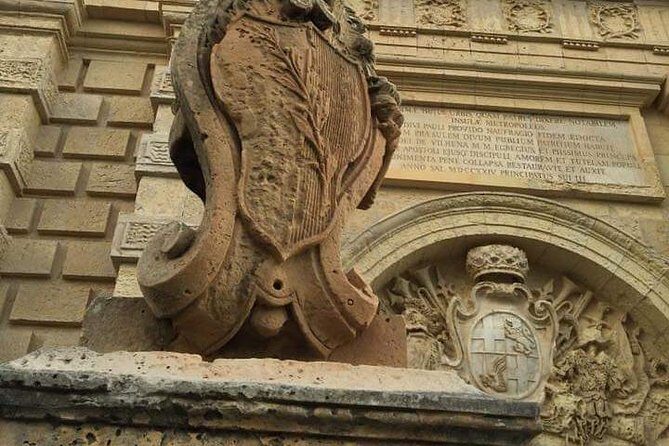
The first hour takes you through Mdina’s narrow, winding streets—the ones that have earned it the nickname “Silent City.” Your guide will walk you past the most important palaces, churches, and monuments that define this centuries-old settlement. But here’s what matters: you’re not just looking at buildings. According to multiple reviews, your guide explains the history of Maltese nobility, points out architectural details you’d otherwise miss, and brings context to what you’re seeing.
One reviewer noted that the guide “did a great job explaining the history of the area, the nuances of the Maltese nobility over time, and pointing out architectural features of administrative buildings and private residences.” Another traveler emphasized that “the sounds of the city (still lived in) were wonderful”—and this is an important detail. Mdina isn’t a museum; it’s an actual town where people live. Your guide helps you experience that reality rather than treating it like a stage set.
The atmospheric quality of Mdina is something you genuinely have to experience rather than read about. The narrow streets create natural quiet—there’s less vehicle traffic than in other Maltese towns, which is why it earned the “Silent City” designation. Walking through with someone who knows the history and can point out which noble families lived where, what architectural styles represent which periods, and what the daily life of residents actually involved—this transforms a pleasant walk into genuine understanding.
Stop 2: Rabat (Approximately 1 Hour)
After Mdina, the tour transitions to Rabat, and this is where the experience shifts in character. Rabat is the larger of the two cities and serves as the actual residential and commercial center. Here you’ll walk through streets where locals live, work, and gather, visiting some of the most beautiful churches and convents in the area.
This is where the “local guide who’s lived an entire life in this place” aspect becomes most apparent. Your guide doesn’t just tell you about Rabat’s history—he shows you his community. Multiple reviewers mentioned this personal dimension specifically. One traveler noted that their guide “actually grew up in Rabat” and even “showed us his grandmother’s home deep in the Rabat neighborhood” and “showed us his church and explained how they are all getting ready for the feast in June.”
This approach isn’t for everyone, and that’s fine. One reviewer appreciated Mdina greatly but felt the Rabat section became “a bit centered around his own experience.” This is honest feedback, and it’s worth considering if you’re the type of traveler who prefers strictly historical narration without personal anecdotes. However, for most travelers, this personal connection is actually what makes Rabat memorable. As one reviewer put it, this is “a discovery of the place while you leave a positive mark behind”—the tour company donates part of ticket proceeds to voluntary organizations in Rabat.
The Guide Experience: Why This Matters
The reviews make clear that your guide will almost certainly be Chris (based on the overwhelming majority of mentions). The consistency of praise across 500+ reviews isn’t accidental—it reflects genuine skill and passion. Travelers describe him as “professional and extremely knowledgeable,” “a born and raised local with clear passion for and knowledge of the area,” and someone who “brought the city’s history to life with fascinating stories.”
What’s particularly noteworthy is how guides handle different types of travelers. One family with children noted that Chris was “incredibly friendly, especially with children, making the tour welcoming and enjoyable for the whole family. He was patient and engaging, even when the kids were doing their own thing.” Another reviewer specifically praised the “nice intimate group” size and how it gave “everyone the opportunity to ask questions.”
The humor factor appears repeatedly in reviews. Multiple travelers mention that their guide had “a great sense of humor,” was “fun to follow,” and made the experience “both educational & fun.” This might seem like a small thing, but it actually matters significantly. A two-and-a-half-hour walking tour in Mediterranean heat can feel long if the guide is dull. A guide with humor and personality makes time fly.
Practical Considerations for Planning
Group Size: With a maximum of 10 travelers per tour, you’re getting an experience that’s genuinely small-group in character. This isn’t a tour of 40 people with someone shouting through a megaphone. The intimacy allows for actual conversation, questions, and the kind of personal attention that makes the difference between a tour you forget and one you remember.
Physical Demands: The tour requires moderate physical fitness. You’ll be walking on narrow, sometimes uneven streets in an old city. It’s not extreme—the tour is only two and a half hours—but it’s not leisurely either. If you have mobility concerns, it’s worth considering this carefully. The good news is that reviewers mention the guide gives “plenty of time to rest, explore, take photos” along the way, so there’s flexibility built in.
Weather Considerations: Malta’s Mediterranean climate means afternoon heat can be significant. One reviewer specifically mentioned appreciation for the guide being “considerate of all of us travelers in the 35 degree heat.” The 3:00 PM start time means you’re walking during the warmest part of the day, so bring water, wear sunscreen, and dress appropriately. The flip side is that late afternoon light creates stunning photography conditions, which multiple reviewers noted.
Getting There: The meeting point is at Mdina Gate, and the tour ends back at the same location. The tour company notes it’s near public transportation—in fact, one traveler mentioned traveling “by public bus from Valletta, which was easy, efficient and only 2 euros each way.”
Booking Timing: The data shows this tour is booked on average 26 days in advance, suggesting it’s popular but not impossible to book last-minute. The 24-hour cancellation policy means you can book with confidence—you have a full day to change your mind if plans shift.


What the Reviews Tell Us About Real Experiences
Beyond the star ratings, the actual written reviews provide valuable insight into what different travelers get from this tour. A family traveler appreciated how the guide “gave us plenty of time to rest, explore, take photos, and even pick up local treats along the way.” A food-focused traveler mentioned that the guide “recommended a fantastic local Maltese bistro” where they had “excellent authentic Maltese food & fabulous cocktail menu.”
Several reviewers specifically highlighted the value of seeing these cities with a local versus going solo. As one put it: “If you want to truly understand Mdina’s and Rabat’s rich past and enjoy a walk through one of Malta’s most magical cities, I couldn’t recommend this tour highly enough.” Another noted they “learned so much about the history, the people, the language, and life today.”
The consistency across reviews suggests this isn’t a case of a few enthusiastic travelers overselling the experience. Even the single 4-star review (out of 528 total ratings) was positive about the Mdina portion and gave thoughtful feedback about the Rabat section—it’s not a complaint about poor quality but rather a preference difference.
Food, Restaurants, and Local Recommendations
A recurring theme in reviews is that your guide provides restaurant recommendations. Multiple travelers mentioned being directed to specific local spots—one reviewer specifically praised “Yana’s in Rabat” where they had “excellent authentic Maltese food.” Another noted that the guide “gave us good recommendations” and “also recommended a great restaurant which we visited at the end of the tour.”
This is valuable beyond just getting a good meal. These recommendations come from someone who actually eats in these neighborhoods, not from a corporate database. You’re getting the kind of insider knowledge that helps you experience the local food culture authentically rather than settling for tourist-oriented establishments.
Comparing This to Other Malta Tours
If you’re trying to decide between this and other Malta experiences, consider what you’re prioritizing. This tour focuses specifically on two interconnected historic cities and offers deep knowledge about their history and current life. It’s not a boat tour (like the Blue Lagoon experiences people book alongside this), and it’s not a multi-site island tour. It’s deliberately focused, which allows for depth rather than breadth.
The price point also matters in context. At $24.19, this is significantly cheaper than most guided experiences in Malta. You’re not paying for transportation, fancy facilities, or large-scale operations—you’re paying for a knowledgeable local’s time and expertise. That’s actually the best value proposition available.
Potential Drawbacks and Honest Considerations
The single 4-star review raises a fair point worth considering. If you’re someone who prefers strictly historical information delivered in a traditional lecture style, the personal, community-focused approach to Rabat might feel less formal than you prefer. The guide’s deep personal connections to the place—his church, his grandmother’s home, his understanding of local feast preparations—are presented as strengths by most travelers but could feel less historically structured to someone seeking pure chronological narration.
Plus, the afternoon timing and Mediterranean heat aren’t ideal for everyone. If you prefer morning tours or have heat sensitivity, this might not be your best option.
Finally, remember that church and museum entrance fees aren’t included. If you want to go inside certain religious or historical sites, you’ll pay extra. This is transparent and fair, but it’s worth budgeting for if you’re interested in interior spaces.
The Community Connection Angle
An element that emerges from the company’s responses to reviews is that this tour operates with a community focus. The company explicitly states that “parts of our proceeds from this tour going to the voluntary organisations of Rabat.” This isn’t just marketing language—it’s reflected in how the guide presents Rabat, as a living community rather than a historical artifact.
For travelers who care about responsible tourism, this matters. You’re not just learning about a place; you’re contributing to local organizations that support it. This philosophical approach seems to genuinely shape how the tour is conducted.
Final Verdict: Is This Tour Worth Booking?
This tour represents one of the best values in Malta tourism, particularly if you prioritize authentic local knowledge, small group experiences, and genuine cultural understanding over packaged convenience. The combination of an exceptionally guide, small group size, reasonable price, and proven track record across 500+ reviews makes this a straightforward recommendation for most travelers.
Book this if you want to understand Malta’s history through someone who actually lives in these cities, if you appreciate humor and personal connection alongside education, if you’re comfortable with afternoon walks in Mediterranean heat, and if you value authentic experiences over polished tourist presentations. Skip it if you’re looking for a quick photo-stop tour, if you need air-conditioned transportation, or if you prefer strictly formal historical presentations without personal anecdotes.
The 24-hour free cancellation means you can book with confidence, and the afternoon timing actually works in your favor for photography and avoiding crowds. At $24.19, this is simply smart travel spending.
Mdina and Rabat Insider’s Tour
Frequently Asked Questions About This Tour
Q: What time does the tour start and how long does it last?
A: The tour departs at 3:00 PM and lasts approximately 2 hours and 30 minutes. The afternoon timing is actually advantageous—you’ll encounter fewer other visitors, and the late-day light creates beautiful conditions for photography.
Q: What’s included in the $24.19 price?
A: Your price includes the services of a licensed local guide for the full 2.5-hour tour through both Mdina and Rabat. Church and museum entrance fees are not included, so if you want to go inside specific sites, you’ll pay separately.
Q: How large are the tour groups?
A: Groups are kept to a maximum of 10 travelers. This small group size allows for genuine interaction, questions, and a personalized experience rather than feeling like you’re part of a large tourist crowd.
Q: Is this tour physically demanding?
A: The tour requires moderate physical fitness. You’ll be walking on narrow, sometimes uneven streets in a historic old city. However, the guide builds in time for rest, photos, and exploration, so it’s not a relentless march. The 3:00 PM start means you’re walking during the warmest part of the day, so dress appropriately and bring water.
Q: Can I cancel if my plans change?
A: Yes, you can cancel free of charge up to 24 hours before the tour starts. Cancellations made less than 24 hours before departure forfeit your payment. If the tour is canceled due to poor weather, you’ll be offered a different date or a full refund.
Q: What’s the difference between Mdina and Rabat, and why does the tour include both?
A: Mdina is the historic “Silent City” known for its atmospheric narrow streets and historical monuments. Rabat is the larger, modern residential city that adjoins Mdina—it’s where locals actually live and work. The tour shows you both to give you a complete picture of the region’s history and current life.
Q: Will the guide be the same person every time, or does it vary?
A: Based on the overwhelming majority of reviews (528 reviews), your guide will almost certainly be Chris, a lifelong Rabat resident and licensed guide. The consistency of praise and personal mentions across reviews indicates he regularly leads this tour.
Q: What should I bring or wear for this tour?
A: Wear comfortable walking shoes suitable for uneven, narrow streets. Bring sunscreen, a hat, and plenty of water—the 3:00 PM start time means afternoon heat. Dress in layers if you’re sensitive to temperature changes. A camera is optional but recommended given the scenic locations.
Q: Are there restaurant recommendations included, or do I need to find my own food?
A: Your guide provides restaurant recommendations based on his personal knowledge of the area. Multiple reviews mention being directed to specific local spots, and some travelers have extended their experience by having dinner at recommended restaurants after the tour ends.
Q: Where do I meet the guide, and how do I get there?
A: The meeting point is Mdina Gate in Mdina, Malta. The tour company notes this location is near public transportation. One traveler mentioned easily reaching it via public bus from Valletta for just 2 euros each way, so you don’t need a rental car or taxi.
Q: What happens if I have mobility issues or can’t walk for 2.5 hours straight?
A: While the tour does involve walking on uneven streets, the guide builds in time for rest and exploration. However, given the narrow, sometimes steep streets of historic Mdina and Rabat, and the requirement for moderate physical fitness, you should carefully consider your mobility before booking. Contact the tour company directly at [email protected] to discuss your specific situation.