
When you’re planning a trip to mainland Greece, Meteora consistently ranks as one of those destinations that sounds almost too dramatic to be real. Massive rock pillars jutting from the earth. Ancient monasteries perched impossibly high. Hermit caves carved into the stone centuries ago. Yet despite its otherworldly reputation, many travelers struggle to figure out how to actually experience Meteora without either hiring a private guide or spending an entire day navigating on their own.
We find the Meteora Sunset with Monastery & Hermit Caves Tour to be a remarkably practical solution to this problem. The tour checks two important boxes: it gives you genuine access to the monasteries and lesser-known sites most visitors miss, and it does so at a price point that feels genuinely fair for what you’re getting. With 706 reviews and a 5.0 rating, this tour has clearly resonated with travelers who want substance without pretension.
That said, there’s one thing worth knowing upfront: this tour runs longer than the advertised four hours during certain times of year, particularly around summer solstice when sunset arrives quite late. If you’re someone who needs to be back at your hotel by 8 p.m., you’ll want to factor in a potentially later return time, especially if you’re being picked up from nearby villages.
This experience works best for travelers who want to understand Meteora’s history and spiritual significance, not just snap photos. If you’re staying in the area for more than one day, you might consider combining this tour with your own monastery visits the following morning for an even deeper experience.
- What You’re Actually Getting for .28
- The Itinerary Broken Down: Where You’ll Go and Why It Matters
- The Practical Details That Make a Difference
- What Guides and Drivers Bring to the Experience
- Who This Tour Is Perfect For—And Who Might Want Something Different
- The Numbers Tell the Story
- Practical Considerations Before Booking
- FAQ: Practical Questions About This Tour
- More Evening Experiences in Meteora
- More Tours in Meteora
- More Tour Reviews in Meteora
What You’re Actually Getting for $36.28
 1 / 7
1 / 7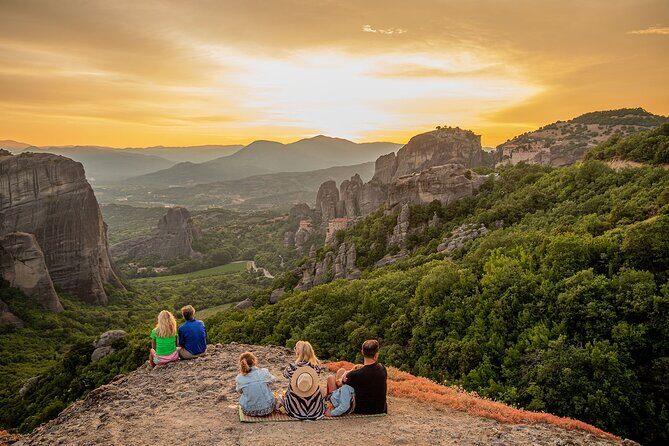 2 / 7
2 / 7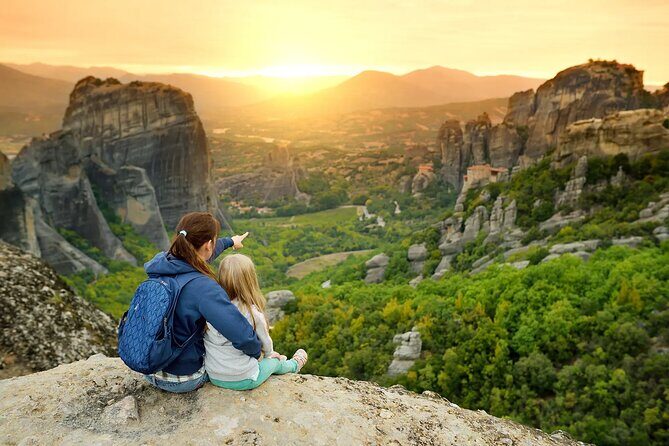 3 / 7
3 / 7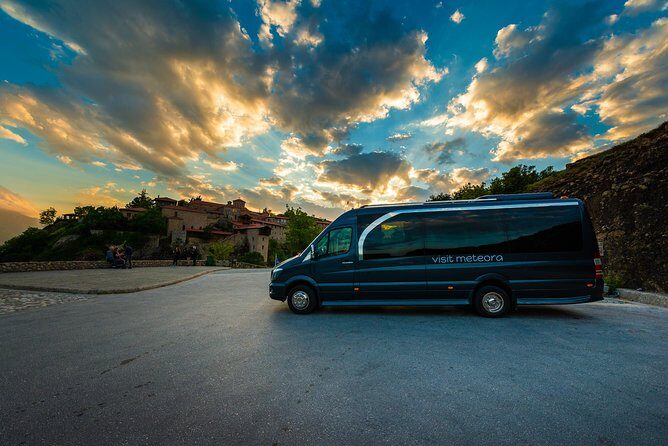 4 / 7
4 / 7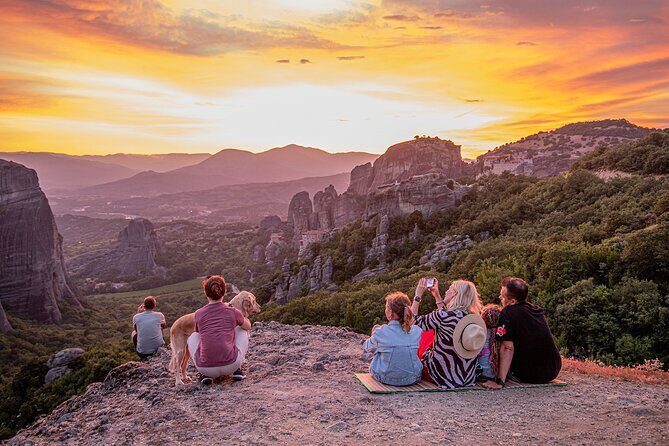 5 / 7
5 / 7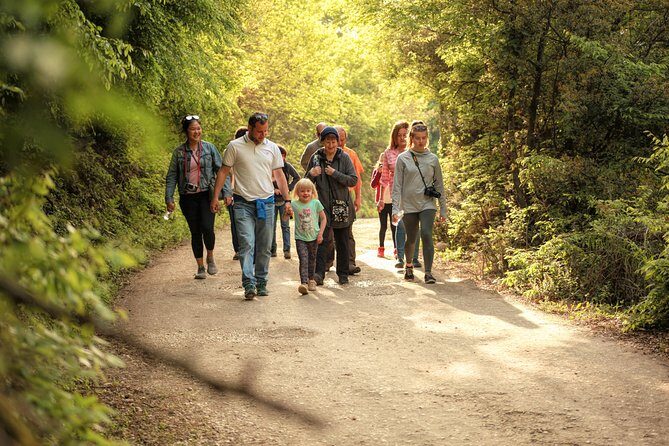 6 / 7
6 / 7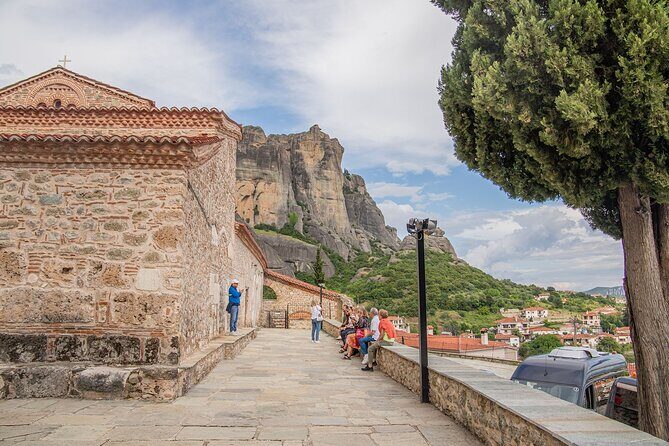 7 / 7
7 / 7At first glance, the price seems almost too good to be true. Thirty-six dollars for a four-hour guided tour that includes hotel pickup and drop-off, entry to a working monastery, visits to a Byzantine church and hidden hermit caves, plus bottled water? You need to understand what makes this value work.
The tour operates with small groups—a maximum of 18 people in a minibus rather than a massive coach. This isn’t just about comfort, though that matters. Smaller groups mean your guide can actually stop and answer questions. They can linger at viewpoints without worrying about a schedule slipping. One traveler noted that their guide “hit every highlight on the tour but the tour didn’t feel rushed,” which is the sweet spot most travelers hope for but rarely find.
Local guides make an enormous difference here. Several reviewers specifically mentioned that their guides were from the Meteora area itself, which translates to the kind of knowledge you simply can’t get from someone reading from a script. When your guide can point to a specific cave and tell you about the hermit monk who lived there, or explain the geological forces that created these formations, you’re getting context that transforms the experience from sightseeing into genuine learning.
The logistics also matter more than you might think. Hotel pickup from either Kalambaka or Kastraki saves you from figuring out bus schedules or paying for a taxi. One reviewer noted that pickups might run a few minutes late due to multiple hotel stops, but they found it “well worth it.” That’s the kind of practical transparency that helps you plan accordingly.
The Itinerary Broken Down: Where You’ll Go and Why It Matters
The Byzantine Church of the Assumption of Virgin Mary: Understanding Layer Upon Layer
Your tour typically begins with a stop at this 11th-century church in Kalambaka, and this is where many visitors initially wonder if they’re spending too much time. The church itself isn’t dramatically perched on a rock pillar like the monasteries. Yet this stop matters more than you’d expect.
The church is constructed partly from materials salvaged from an ancient Greek temple dedicated to Apollo. You’ll see these ancient stones literally embedded in the Christian church walls—a physical representation of how different eras and belief systems have occupied the same space. Inside, Byzantine mosaics peek through beneath the current floor, and the 11th-century frescoes tell stories that your guide will help you understand.
This isn’t just a detour. Seeing this church first actually contextualizes everything that comes next. You begin to grasp how Meteora’s spiritual significance evolved over centuries, and how the monks who later built monasteries on the rocks were part of a much longer story of religious devotion in this region. One traveler mentioned their guide made their independent monastery visit “way more fruitful” because of the context provided earlier.
Saint Stephen’s Monastery: The Accessible Gateway to Monastic Life
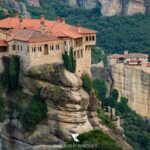
Saint Stephen’s (also called Agios Stephanos) is the crown jewel of the tour itinerary for a specific reason: you actually enter it. Many other Meteora monasteries require climbing steep stone steps or ladders, which excludes travelers with mobility limitations. Saint Stephen’s has a small bridge that gets you to the entrance—a thoughtful detail that makes monastic life genuinely accessible.
The monastery dates back to the 12th century, though the main church was rebuilt in 1545. When you walk inside, you’re stepping into an active monastery where nuns still live and worship. This isn’t a museum. The frescoes on the walls, the religious icons, the sense of quiet devotion—these are all part of an ongoing spiritual tradition rather than historical artifacts.
Your guide will explain the monastic lifestyle and the history of how monks first came to these rocks. One traveler who had previously visited monasteries independently said this tour “gave a lot of background” about “the lives of the monks in the caves and monasteries, as well as the nuns and the nunneries.” That context transforms what you’re seeing from impressive architecture into a window onto a different way of living.
The Hidden Hermit Caves: Glimpsing Solitary Spiritual Life
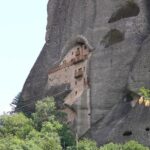
Before the monasteries were built, hermit monks lived in caves carved into the rock formations. The tour takes you to see these cave dwellings, and this is genuinely one of the aspects that separates this tour from basic monastery visits. Most travelers never learn that these caves exist.
Standing at the cave entrances, your guide will help you imagine what life was like for monks who chose extreme isolation as their spiritual path. These weren’t primitive shelters—many show evidence of careful construction and deliberate placement. The caves often overlook the valleys below, suggesting that even in solitude, the monks positioned themselves to observe the wider world.
One reviewer specifically highlighted that seeing “where the hermitages—cave dwellings—of the solo hermits were” before the monasteries were built gave them “a full picture” they wouldn’t have gotten on their own. This historical progression matters because it shows you how Meteora’s spiritual community evolved from individual ascetics to organized monastic communities.
The Sunset Viewpoint: Why Timing Becomes an Experience
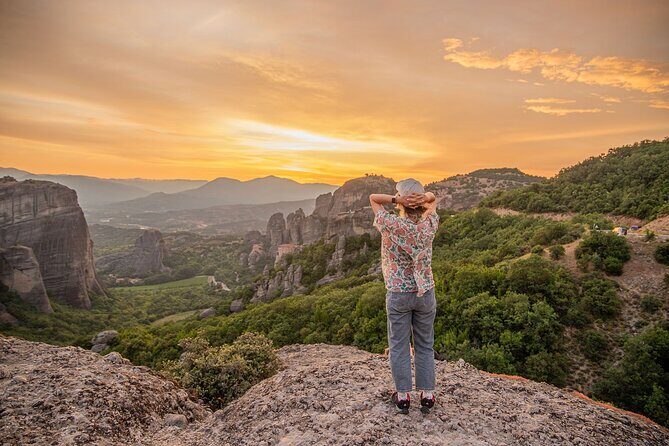
The tour concludes at a viewpoint specifically chosen for sunset viewing. This isn’t just about getting a pretty photo, though you’ll definitely get those. The timing of your tour is built around catching the light at that magical hour when the sun turns the rock formations golden and the shadows deepen the valleys.
One traveler described their experience: “The sunset ended up being out of this world! This tour has a little bit of everything: monastery, hermit caves, neighborhood/historical church and photo opportunities. It started to rain towards the end. I thought that we wouldn’t see a great sunset, but the clouds parted just enough to create a sunset that was out of this world.”
This points to something worth understanding about sunset tours. The weather is always a variable. Sometimes clouds enhance the colors. Sometimes they obscure the view entirely. The tour company does offer full refunds if weather prevents the tour from operating, but you should mentally prepare yourself that occasionally, you might experience a sunset that’s more memorable for the clouds than the colors.
You can also read our reviews of more evening experiences in Meteora
The Practical Details That Make a Difference
Transportation and Logistics
The tour includes hotel pickup and drop-off from either Kalambaka or Kastraki. The minibus is described by reviewers as “spacious,” and you’re traveling with a maximum of 18 people. For context, that’s small enough that your guide can actually have a conversation with you, but large enough that costs stay manageable.
One important note: on Mondays, Saint Stephen’s Monastery is closed. On those days, the tour substitutes either Saint Nicholas Monastery or Roussanou Monastery. This is clearly stated in the tour details, but it’s worth knowing if you have a specific monastery you’re hoping to see.
Dress Code Matters
The monasteries have strict dress codes. Men must wear long trousers and long sleeves. Women must wear long skirts. If you arrive in shorts or sleeveless clothing, the tour provides appropriate covering, but it’s far more comfortable to dress appropriately from the start. Several reviewers specifically mentioned remembering to bring proper clothing, suggesting this is something worth planning for.
Cash for Monastery Entries
The €7 Meteora entry fee is listed separately and is not included in the tour price. More importantly, the monasteries don’t accept credit cards—only cash. One traveler gave what would otherwise be a five-star review but deducted a star specifically because they weren’t prepared for this requirement. Bring euros in cash to avoid any frustration.
How Long Does It Actually Take?
The tour is listed as approximately four hours, but several reviewers noted it ran longer—particularly one who didn’t return until 9:30 p.m. This happens because sunset times vary dramatically by season. In June, the sun doesn’t set until nearly 9 p.m., so a sunset tour naturally runs late. In December, sunset comes around 5 p.m., and the same tour would be much shorter. The tour company addresses this in their responses to reviews, explaining that the “approximate” timing is genuinely approximate depending on the season.
What Guides and Drivers Bring to the Experience
Review after review mentions the guides by name: Lina, Maria, Dimitri, Jim, Apostolos. This isn’t coincidental. The quality of interpretation makes an enormous difference at a place like Meteora, where you’re surrounded by history, geology, and spiritual significance all at once.
One traveler described their guide Jim as someone who “told some great stories rather than just prattling on with facts. He talked like this was the first time he’d told the stories.” Another mentioned their guide Apostolos, saying “he really loves history!” and that he was “very informative.”
The drivers deserve credit too. Multiple reviewers mentioned drivers by name and specifically praised their kindness and willingness to help with photos. When you’re traveling in a small group with limited stops, the driver’s attitude shapes the entire experience.
Who This Tour Is Perfect For—And Who Might Want Something Different
This tour works brilliantly if you’re arriving in Meteora later in the day and want to maximize your time. It’s ideal if you want to understand the history and context rather than just admiring the views. It’s perfect if you have mobility limitations but still want to experience a working monastery. It’s excellent value if you’re budget-conscious but don’t want to sacrifice on quality.
You might want to look at other options if you’re a serious hiker and want to trek between monasteries on foot. If you’re hoping to visit multiple monasteries in depth, you might prefer spreading your monastery visits across two days rather than seeing one in detail on this tour and then visiting others independently.
The Numbers Tell the Story
With 706 reviews and a 5.0 rating, this tour clearly delivers consistent experiences. The review breakdown shows 642 five-star reviews, 49 four-star reviews, and only 13 three-star or lower reviews. That’s roughly 91% five-star ratings—genuinely exceptional consistency.
The few lower-rated reviews tend to focus on either expectations about tour length (particularly during summer sunset tours) or minor logistical surprises like the cash-only monastery fees. These aren’t failures of the tour itself but rather details that could have been clearer in advance.

Practical Considerations Before Booking
The tour is offered in English with guides speaking English. Additional language audio guides are available for Spanish, French, German, Italian, Portuguese, Russian, Polish, Korean, Chinese, and Japanese—though these are audio guides rather than live interpretation.
You can cancel up to 24 hours in advance for a full refund. The tour requires a minimum number of participants and good weather. If either condition isn’t met, you’ll be offered another date or a full refund.
The tour is booked on average 31 days in advance, suggesting you don’t need to plan months ahead but shouldn’t leave it to the last minute either.
Meteora Sunset with Monastery & Hermit Caves Tour in Small Group
FAQ: Practical Questions About This Tour
Q: What’s actually included in the tour price?
A: Hotel pickup and drop-off, bottled water, entry to Saint Stephen’s Monastery, entry to the Byzantine Church of the Assumption, and access to the hermit caves. The €7 Meteora entry fee and any monastery donations are separate and cash-only.
Q: Will I have time to actually explore inside the monastery, or is it just a quick walk-through?
A: Based on reviews, the tour allocates meaningful time at each site. One traveler specifically noted “very good allocation of time between the visited sites,” and another mentioned the guide “hit every highlight on the tour but the tour didn’t feel rushed.” You’re not being rushed through.
Q: What if I can’t climb stairs? Can I still do this tour?
A: Yes. Saint Stephen’s Monastery, which is the main monastery visited, is specifically accessible without stairs—you cross a small bridge to reach the entrance. This makes it ideal for visitors with mobility concerns.
Q: Do I need to bring cash for the monastery visits?
A: Yes, absolutely. Bring euros in cash for the €7 Meteora entry fee and any offerings you wish to make at the monastery. The tour company has noted this is a common surprise for travelers, so plan accordingly.
Q: What time does the tour actually end?
A: It depends on the season. The tour is listed as approximately four hours, but this varies significantly based on sunset time. In summer, sunset tours can return as late as 9:30 p.m. In winter, they’d be much shorter. Check the exact sunset time for your visit date.
Q: What should I wear?
A: Comfortable walking shoes and weather-appropriate clothing. Crucially, wear long trousers (for men) and a long skirt (for women) for monastery entry. Long sleeves are also required. The tour provides appropriate clothing if needed, but it’s more comfortable to dress properly from the start.
Q: Is this tour better than visiting the monasteries on my own?
A: Multiple reviewers said that doing this tour first made their independent monastery visits far more meaningful because they understood the historical context. The guides provide interpretation that transforms the experience from sightseeing to genuine learning. That said, some travelers prefer to see the major monasteries independently and use this tour as a supplementary experience.
Q: How many other people will be on the tour?
A: Maximum 18 people in a minibus. This is small enough to feel personal but large enough that costs stay reasonable.
Q: What if the weather is bad on my tour date?
A: If weather prevents the tour from operating, you’ll be offered either a different date or a full refund. Keep in mind that some weather (like light rain) won’t cancel the tour, and occasionally clouds can actually enhance sunset colors.
The Bottom Line: Exceptional Value Meets Authentic Experience
At $36.28 per person for a guided tour that includes transportation, monastery entry, and expert interpretation of one of Greece’s most remarkable sites, this tour represents genuinely thoughtful value. The 706 reviews and 5.0 rating aren’t flukes—they reflect consistent delivery of what travelers actually care about: knowledgeable local guides, meaningful access to sacred spaces, stunning viewpoints, and logistics that work without stress.
This tour is best for travelers who want to understand Meteora’s history and spiritual significance, not just photograph the rock formations. It’s ideal if you’re staying in the area for just one evening and want to maximize your time. It’s perfect if you prefer small groups and personal attention over massive tour buses. And it’s excellent if you appreciate guides who know their subject deeply and can answer questions rather than simply recite facts. Book this tour, bring cash for monastery fees, wear appropriate clothing, and prepare yourself for one of mainland Greece’s most unforgettable experiences.