I’m sharing a practical review of this Milford Sound 2-hour small boat scenic cruise from Mitre Peak Cruises, built for getting close to the sights without the big-group feel. You’ll head out past Mitre Peak, cruise the 16km fiord stretch, and make frequent stops for waterfalls and rock formations, with live commentary along the way.
Two things I like here are the focus on photo-friendly proximity (you’re not stuck staring from far away) and the high-energy, skipper-led storytelling. In particular, travelers often mention skippers like Quinn bringing the right amount of commentary, plus lots of time to look outward from the decks.
One drawback to consider: the smaller boat can feel choppier once you’re out toward the Tasman Sea, especially if you’re sensitive to motion. If you’re prone to sea sickness, this is the part to plan for.
- Key points at a glance
- Entering Milford Sound on a small boat: what the experience really feels like
- Where you meet and how to park: Milford Sound Visitor Terminal logistics
- Out past Mitre Peak: your first big landmark and the pace of the trip
- St Annes Point Lighthouse and the 16km fiord stretch: seeing Milford Sound in layers
- Lady Bowen Falls up close: the spray factor (and how to manage it)
- Rock formations you’ll actually remember: Lion Mountain, Copper Point, Stirling Falls
- Wildlife from the deck: seals, dolphins, and penguins (seasonal)
- The Tasman Sea moment: when the chop kicks in
- Inside vs outside on board: hot drinks and the best viewing spots
- Food and drinks: what’s included, what’s not, and how to plan
- Accessibility and boarding: wheelchair-friendly details that matter
- Value for money at around 1 per person
- Weather reality: rain days can be the best days
- Who should book this cruise, and who might prefer another option
- Should you book this Milford Sound small boat cruise?
- More Boat Tours & Cruises in Milford Sound
- More Tour Reviews in Milford Sound
Key points at a glance
 1 / 9
1 / 9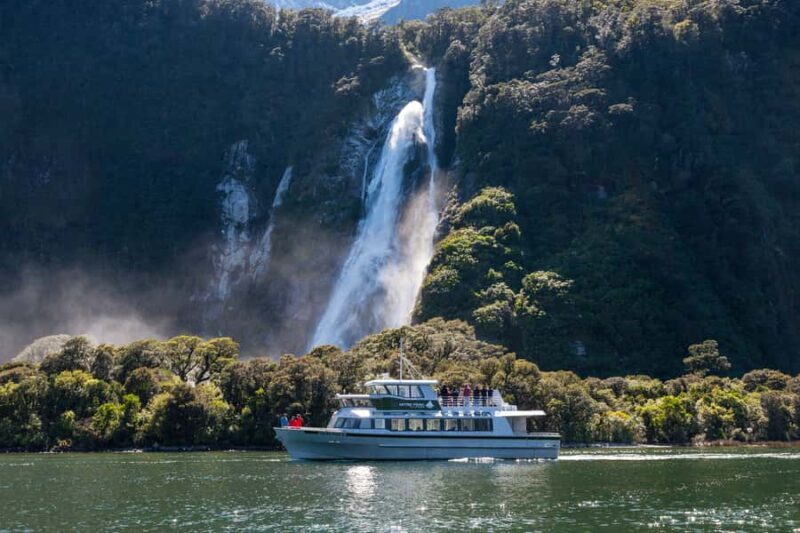 2 / 9
2 / 9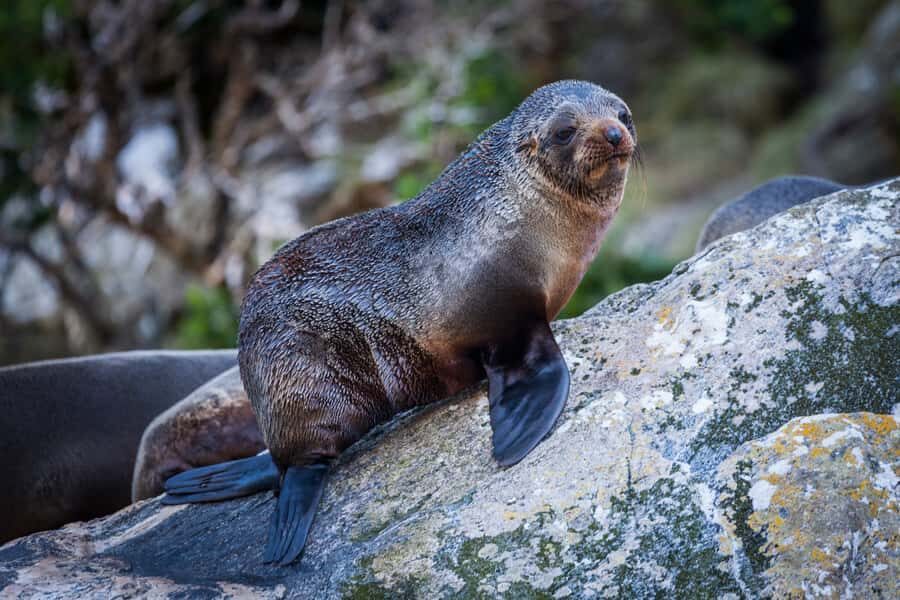 3 / 9
3 / 9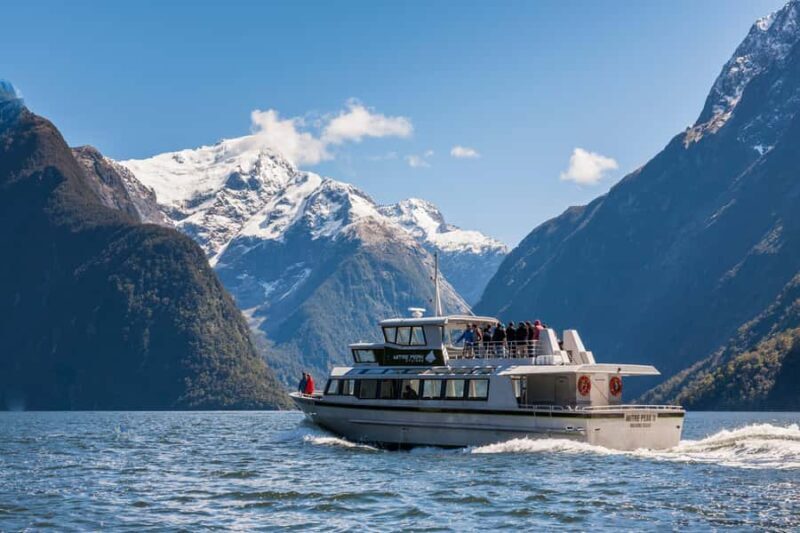 4 / 9
4 / 9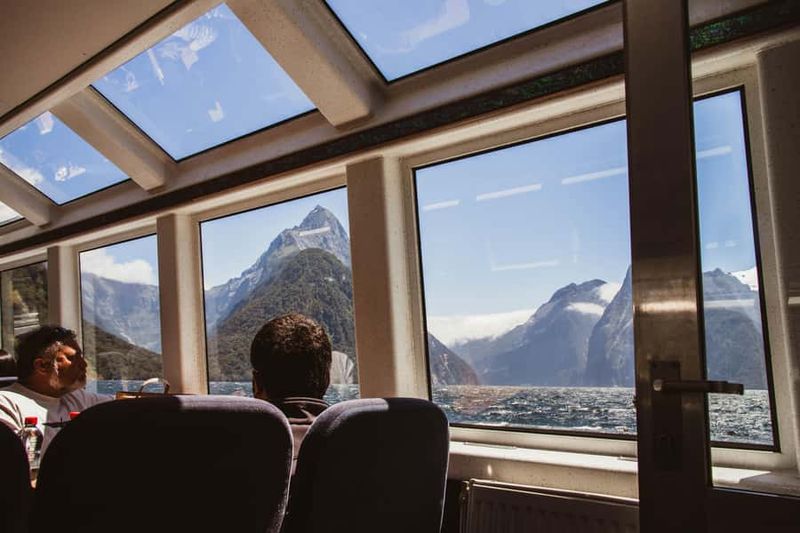 5 / 9
5 / 9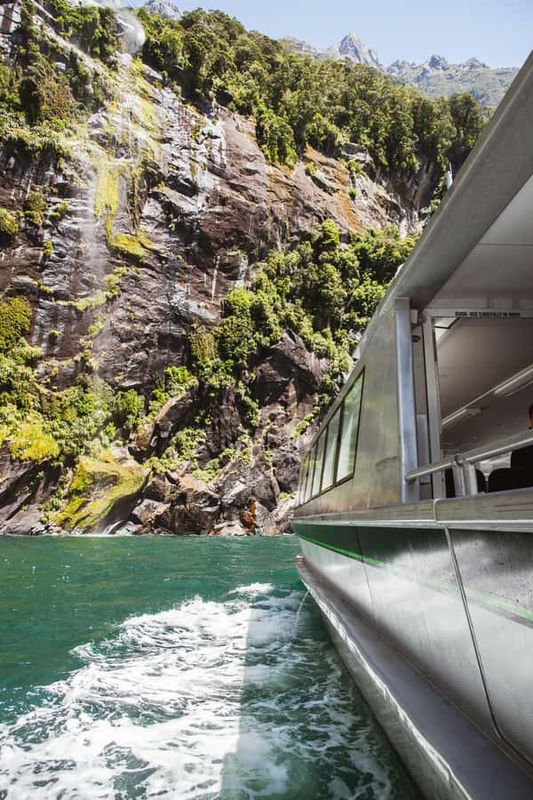 6 / 9
6 / 9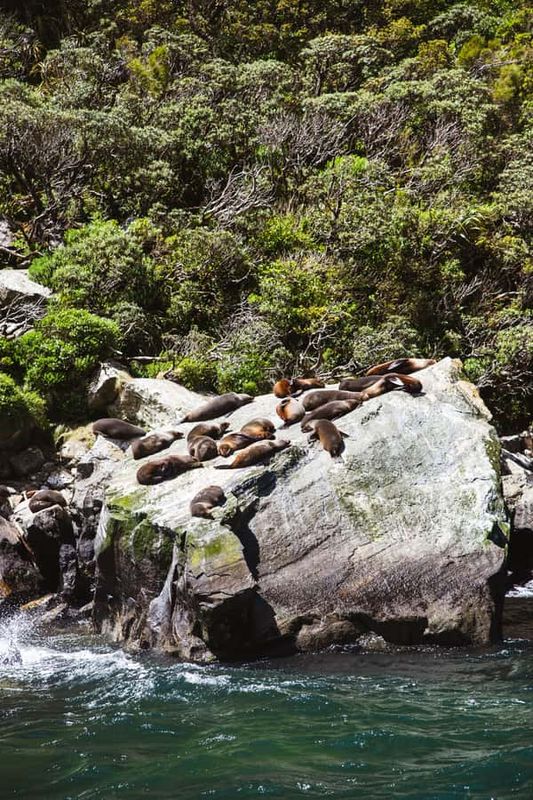 7 / 9
7 / 9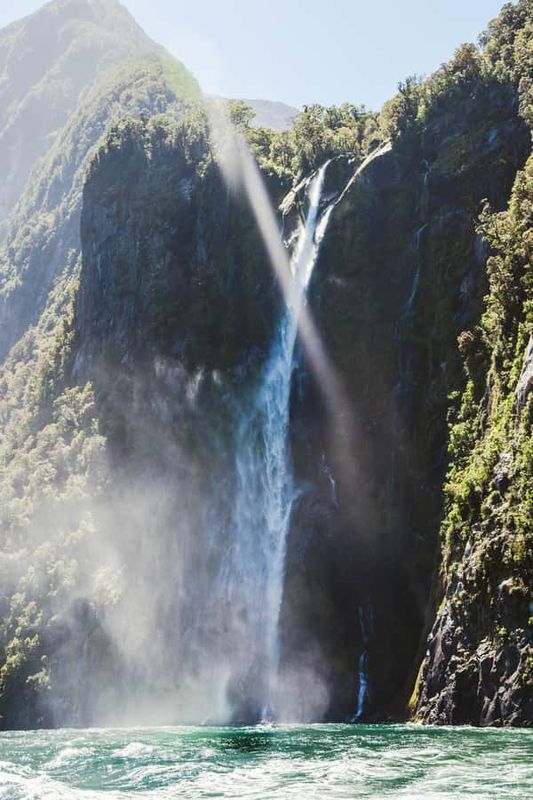 8 / 9
8 / 9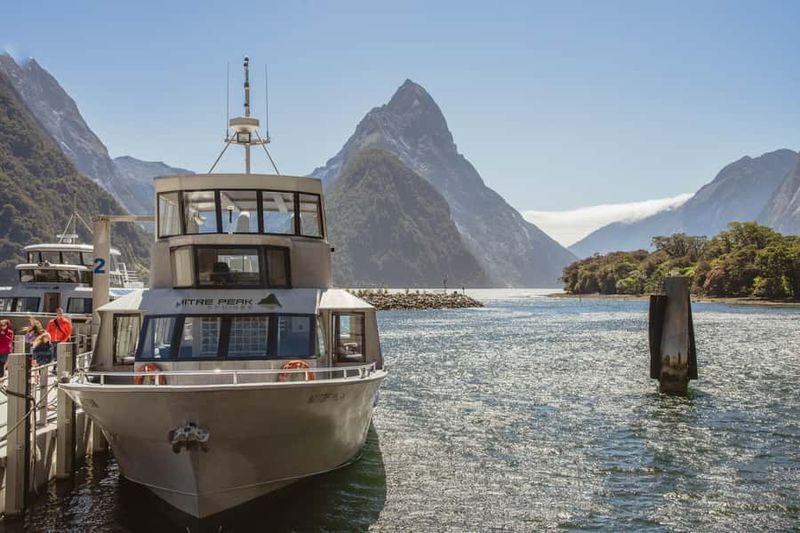 9 / 9
9 / 9- Small boat, limited passenger numbers means easier movement and less crowding than larger operations
- Frequent stops at major sights like Lady Bowen Falls and Stirling Falls for real “close-up” viewing
- Live skipper commentary keeps the cruise moving with stories, locations, and what to look for next
- Indoor lounge + outdoor viewing decks give you options when spray or weather rolls in
- Wildlife is a real possibility (seals, dolphins, and Fiordland Crested Penguins seasonally)
- Hot drinks on board plus the option to bring your own food keeps you comfortable for the 2 hours
Entering Milford Sound on a small boat: what the experience really feels like
Milford Sound is one of those places that looks impossible until you’re actually there. This cruise is built for the “up close” version of the experience, not the sightseeing-from-a-distance version. From the start, the boat is oriented around viewing—frequent pauses, exterior decks, and stops where the skipper can safely position you for the best angles.
What makes it stand out for most travelers is the scale. This operator markets itself as the smallest cruise operator in Milford Sound, and the vibe on board matches that. People tend to describe enough space to move, with lots of opportunities to get individual views rather than everyone filming the same view from one tight lane.
And yes, you’ll likely get wet. Even on calmer days, the boat comes in close enough that waterfall spray becomes part of the memory.
You can also read our reviews of more boat tours in Milford Sound
Where you meet and how to park: Milford Sound Visitor Terminal logistics
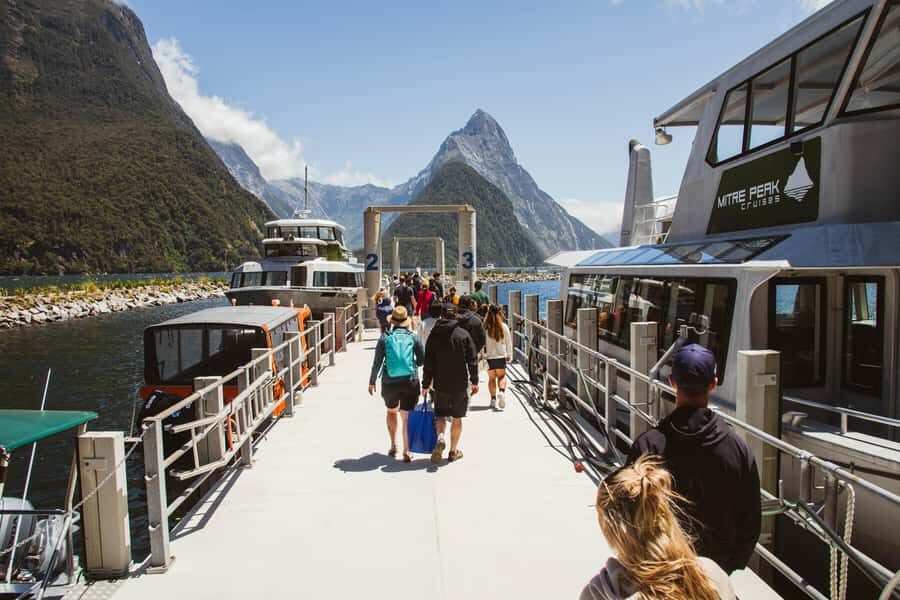
You meet at the Milford Sound Visitor Terminal on State Highway 94, right where most trips begin.
Parking can be the part that catches people off guard:
- Free parking is at Deepwater Basin, about a 40-minute nature walk from the cruise terminal.
- Paid parking is much closer—about 10 minutes from the cruise terminal.
- Disability parking is available outside the visitor terminal if you can show your badge.
If you’re visiting on a busy day, I’d plan extra time. Even when the check-in is smooth, parking and the walk/transfer can eat into your buffer.
Out past Mitre Peak: your first big landmark and the pace of the trip
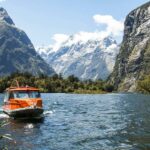
After you board, the cruise leaves from the wharf and starts by heading out past Mitre Peak—Milford Sound’s icon. This is where the fiord walls start to feel “real,” because you can see the height and shape change as you move.
From there, you’ll travel along the fiord toward key points of interest, with the skipper pointing out what you’re looking at as you go. The goal is simple: you don’t just watch scenery slide by. You learn what the geography is doing, and then you get a chance to look at it properly when the boat stops.
The ride is only 2 hours, so the pacing matters. This itinerary doesn’t waste time with long “transit-only” stretches. Even the travel segments usually come with commentary about the next stop.
St Annes Point Lighthouse and the 16km fiord stretch: seeing Milford Sound in layers
One neat part of this cruise is how it uses the full fiord length, not just a quick loop around the highlights. You’ll cruise the 16km fiord stretch out past St Annes Point Lighthouse before turning your attention to the main waterfall and rock-formations run.
Why that matters: Milford Sound is dramatic in multiple ways. Some sections feel like sheer rock faces and long sight lines. Others feel tighter—more sheltered, more layered, and more likely to bring you close enough for spray and wildlife sightings.
If you’re the type who gets bored when tours feel repetitive, this matters. It’s not just one scenic angle repeated.
More Great Tours NearbyLady Bowen Falls up close: the spray factor (and how to manage it)
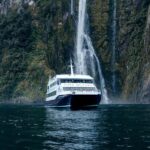
The cruise calls out Lady Bowen Falls as one of the major stops, and travelers consistently mention getting very close—close enough to feel the spray. That’s not a complaint. It’s part of the deal.
The best practical move is to show up ready:
- A waterproof jacket is recommended because you get near the falls.
- Sunglasses and sunscreen help because the weather can shift fast—especially on days where you end up with brighter skies.
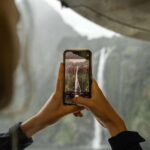
- If you’re planning photos, think about protecting your camera (even if the boat has you close, you still need to keep your gear safe).
This is also where small-boat positioning pays off. Larger boats sometimes keep you farther away, meaning less spray and fewer “edge of the waterfall” shots.
Rock formations you’ll actually remember: Lion Mountain, Copper Point, Stirling Falls
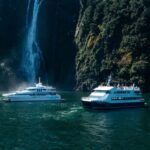
The skipper’s live commentary is a big part of why the stops land. You’re not just told the names; you’re given a sense of what makes each formation notable.
Some of the key named points you’ll hear about include:
- Lion Mountain
- Copper Point
- Seal Rock
- Stirling Falls
The reason I like this style is that it turns the cruise from a quick look into a story you can follow. When you learn the landmarks in context, the whole fiord becomes easier to picture later—on photos, in your head, and when you compare Milford Sound to other places you visit in New Zealand.
A small tip I’ve picked up from how people describe the cruise: don’t stay locked inside. If there’s any open deck time, step out when the boat slows down. The views are better, and you’re more likely to get the “wow” shot.
Wildlife from the deck: seals, dolphins, and penguins (seasonal)
Milford Sound has wildlife, and this cruise is timed and positioned to make wildlife spotting realistic. You might see:
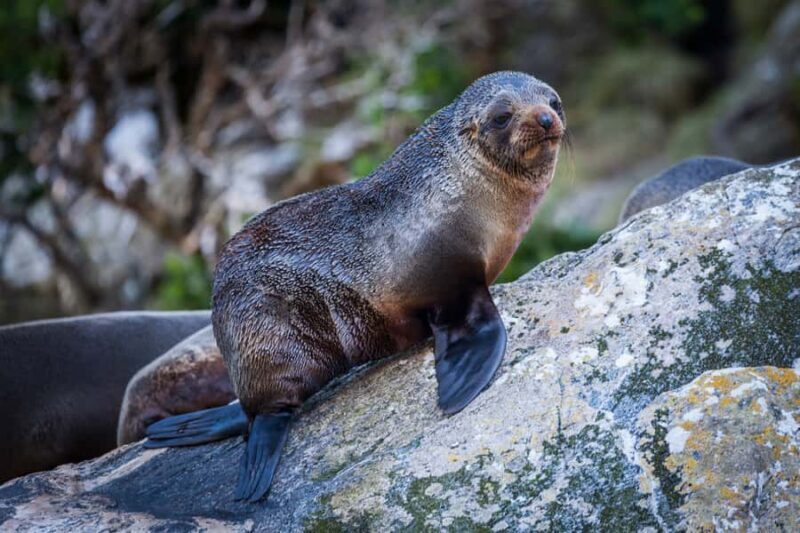
- seals basking on sunlit rocks
- pods of dolphins
- Fiordland Crested Penguins seasonally
A recurring theme from travelers is that the small boat experience makes wildlife easier to see because the skipper can move the boat into good positions. People even describe the boat taking action when dolphins are around—at times sitting and watching rather than constantly repositioning.
Two practical notes:
- Wildlife sightings are never guaranteed. Plan to enjoy the scenery first.
- If you care about photos, keep your camera ready, not buried away. The best moments can be short.
The Tasman Sea moment: when the chop kicks in
Here’s the honest trade-off. The smaller boat can be more sensitive to wave motion once you’re out toward the Tasman Sea, and some travelers mention wobbling or chop for around 10 minutes during the ocean portion.
That doesn’t mean the tour is unsafe. It means it’s not “motion-neutral.” If you know you get sea sick, treat this cruise like a motion test:
- Consider anti-nausea pills if that’s your usual solution.
- Choose a seat where you can face outward comfortably.
- If it’s available when you check in, ask staff what they recommend for motion sensitivity.
The good news: many travelers still rate this cruise as smooth and memorable, and even describe stormy or rainy days as spectacular. Weather can make the waterfalls more intense, too.
Inside vs outside on board: hot drinks and the best viewing spots
You get both an indoor lounge and outdoor viewing decks. That flexibility is more valuable than it sounds. Milford Sound weather can change quickly, and waterfall spray can mean you’ll want a warm break without missing everything.
On board you’ll find complimentary:
- tea
- coffee
- hot chocolate
You can keep warm inside, then step out when the boat stops. This also helps if you have different comfort levels in windy or wet conditions—someone can stay warm while another person goes outside for photos.
If you’re traveling with others, this layout can reduce whining. People who want fresh air get it. People who want a rest aren’t forced to stand in the cold for the entire 2 hours.
Food and drinks: what’s included, what’s not, and how to plan
This is where you should set expectations correctly. There are no food options provided onboard. You can bring your own food in a bag or backpack if you want snacks during the cruise.
The complimentary hot drinks are a nice touch, especially on colder or wet days. But if you expect a meal or tapas-style food service, you’ll be disappointed—this cruise is all about the water, the cliffs, the waterfalls, and the views.
Practical approach: bring a snack you can eat quickly (and wipes for your hands if you get wet). That way you don’t waste time trying to buy food at the terminal, and you’re not stuck hungry for the whole ride.
Accessibility and boarding: wheelchair-friendly details that matter
This tour is wheelchair accessible, and staff can help with boarding logistics. If you have a passenger with a disability, the crew can organize boarding early to help avoid queueing.
If a passenger is wheelchair bound, it’s strongly suggested to use the terminal restrooms before the cruise. That’s good advice for any visitor, but especially when you’re planning for smoother boarding and fewer hassles.
If you have specific needs, communicate them with the crew ahead of time. The tour data indicates they will do their best to accommodate.
Value for money at around $101 per person
At $101 per person for a 2-hour cruise, this isn’t the cheapest way to see Milford Sound. But the value comes from what you get for that time.
You’re paying for:
- a small-boat feel and limited passenger numbers
- frequent stops at major points of interest
- live skipper guidance
- close-up viewing that helps you actually see the waterfalls rather than just watch them from afar
- a comfortable mix of outdoor and indoor space
- complimentary hot drinks
Is it “all inclusive”? Not really. No onboard meals, and you still need to bring your own food if you want to eat. But in exchange, you get a shorter, high-impact cruise designed for maximum viewing per minute.
If you’re going to Milford Sound once, this is the kind of tour that can make that one shot count.
Weather reality: rain days can be the best days
Milford Sound weather can be stubborn. But many travelers describe rain as making the waterfalls even more impressive—more spray, more intensity, more movement in every cascade.
What matters is how prepared you are. Based on what travelers mention, the biggest “win” is having the right gear:
- waterproof jacket (recommended)
- sunglasses and sunscreen
- camera
- insect repellent
If it’s windy or cold, layers help. If you bring the right outer layer, you can stay on the deck and still enjoy the views instead of retreating every time you get sprayed.
Who should book this cruise, and who might prefer another option
This tour fits best if you:
- want close viewing rather than distant sightseeing
- like learning as you go (live commentary matters here)
- want a smaller-boat feel with room to move around
- plan photos and want outdoor deck time
- enjoy wildlife spotting when conditions allow
It might be less ideal if you:
- are very motion-sensitive and don’t do well on small boats
- expect a food-focused cruise (there are no onboard meals)
- need a fully stable, ocean-like ride with no chop ever
Also, if you’re comparing Milford Sound versus other fiords, it’s worth knowing that some travelers who did both describe Milford Sound as the more straightforward “best bang for your time,” mainly because of the waterfall density and wildlife chances.
Milford Sound: 2-Hour Small Boat Scenic Cruise
Should you book this Milford Sound small boat cruise?
If you’re aiming for an unforgettable Milford Sound visit without feeling packed in, I’d book this. The mix of small-boat proximity, live skipper commentary, and frequent stops is exactly what turns Milford Sound from pretty scenery into a real experience you remember.
Book it if:
- you want to get close to waterfalls like Lady Bowen Falls
- you care about wildlife chances (seals, dolphins, and penguins seasonally)
- you like the idea of hot drinks and open-deck viewing options
Consider another operator (or plan motion precautions) if:
- you get sea sick easily and small-boat chop sounds like your nightmare
- you want onboard food service
If you’re ready for spray, big cliffs, and a 2-hour “maximum views” approach, this is a strong choice for Milford Sound.
You can check availability for your dates here: