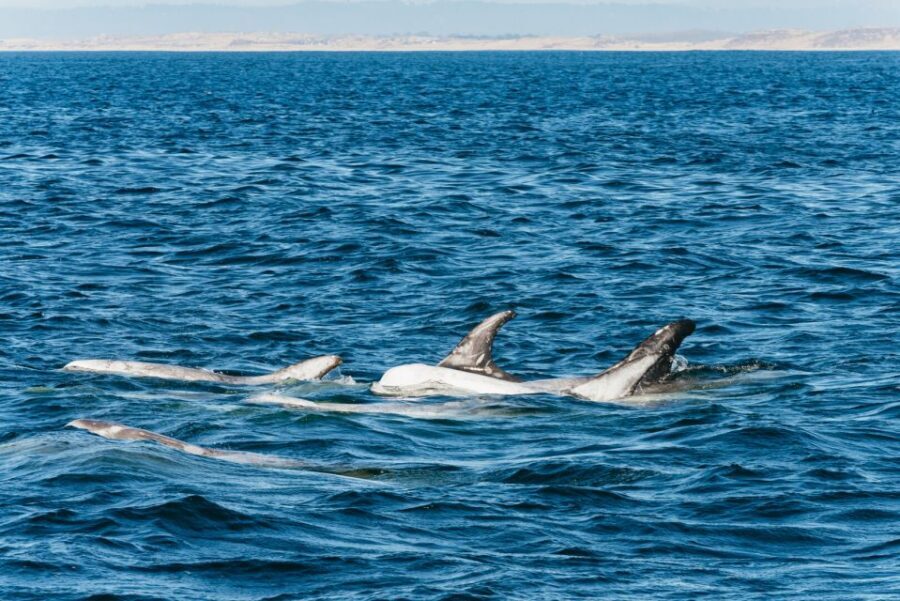
I’m a big fan of tours that make the wild feel close, not staged—and this Monterey Bay whale-watching cruise from Discovery Whale Watch is built for exactly that. You depart from Old Fisherman’s Wharf, often spotting sea lions right as you leave, then head into the Monterey Bay National Marine Sanctuary where whales live near shore.
What I really like is the mix of wildlife plus good education. Guests repeatedly mention guides like Isaiah and Maddy being knowledgeable and genuinely funny, and you’re not just waiting for whales—you’re learning how and why they’re there.
One consideration: ocean conditions matter. Even on a calm day, you’ll want to dress for wind and bring motion-sickness help just in case the water turns choppy.
- Key Points You Should Know
- Why Monterey Bay Is a Whale Magnet (And How That Affects Your Odds)
- Discovery Whale Watch: Finding the Boat Without Stress
- The Waiver and Check-in Timing You Can’t Skip
- Departure at Old Fisherman’s Wharf: Sea Lions Before the Whales
- Cannery Row to the Sanctuary: Where the Cruise Feels Like It’s Going Somewhere
- What You Can See: Species Chances by Season
- Summer and Fall: Feeding Whales
- Winter: Migrating Gray Whales and More
- The Biologist Guide: The Difference Between Seeing and Understanding
- A Stop-by-Stop Breakdown of Your 3–4 Hour Day
- 1) Starting Point: Discovery Whale Watch
- 2) Old Fisherman’s Wharf: Sea Lions in the Harbor
- 3) Cannery Row: Getting Into the Sanctuary Zone
- 4) Monterey Bay and Sanctuary Waters: The Wildlife Search
- 5) Return: Back to Discovery Whale Watch
- Boat Comfort, Deck Time, and Staying Upright
- Motion sickness tips that actually help
- Hot Drinks, Snacks, and What Food Rules Mean for You
- Photos, Close Encounters, and Wildlife Etiquette
- Price and Value: Is Worth It?
- Who Should Book This Tour (And Who Should Reconsider)
- Practical Packing List (So You Don’t Freeze or Forget Anything)
- When to Go: Picking a Time Window That Matches Your Goals
- Should You Book It?
- FAQ
- How long is the whale watching cruise?
- Where do we meet for the tour?
- Is hotel pickup included?
- Do I need to complete a waiver before boarding?
- What’s included in the price?
- Is food provided?
- Are restrooms available and are dogs allowed?
- More Whale Watching Tours in Monterey
- More Tours in Monterey
- More Tour Reviews in Monterey
Key Points You Should Know
- Shore-close whale habitat: Monterey Bay’s deep canyon system makes it one of the top whale-watching areas in the world.
- Guides who explain what you’re seeing: Expect biologist commentary that connects sightings to feeding and conservation.
- Seasonal “mission mode”: Summer/fall often focuses on feeding whales; winter shifts to migrating species.
- Hot drinks included: Small comfort that matters when the ocean air is cold.
- Most trips feel uncrowded: Reviews mention boats around the ~25-person range, which helps with viewing.
- Easy meeting point: Fisherman’s Wharf location, with clear parking and walking directions.
Why Monterey Bay Is a Whale Magnet (And How That Affects Your Odds)
Monterey Bay isn’t just “pretty ocean.” It’s a working wildlife address. The bay includes a deep submarine canyon system close to shore. That matters because food and currents can bring whales into areas where you can actually see them without a long offshore run.
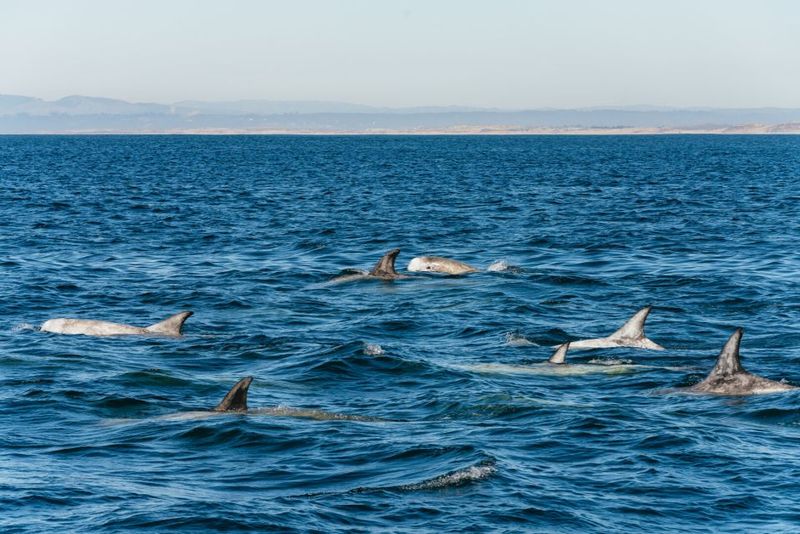
The tour is designed around that reality. You’re cruising with an onboard biologist guide, so when whales show up, you’ll know what you’re looking at—feeding behavior, likely species, and what to listen/watch for beyond a quick blow in the distance. When the bay is doing its thing, you’ll often see multiple kinds of marine life in the same outing: whales plus dolphins, porpoises, seals, and sea lions.
You can also read our reviews of more whale watching tours in Monterey
Discovery Whale Watch: Finding the Boat Without Stress
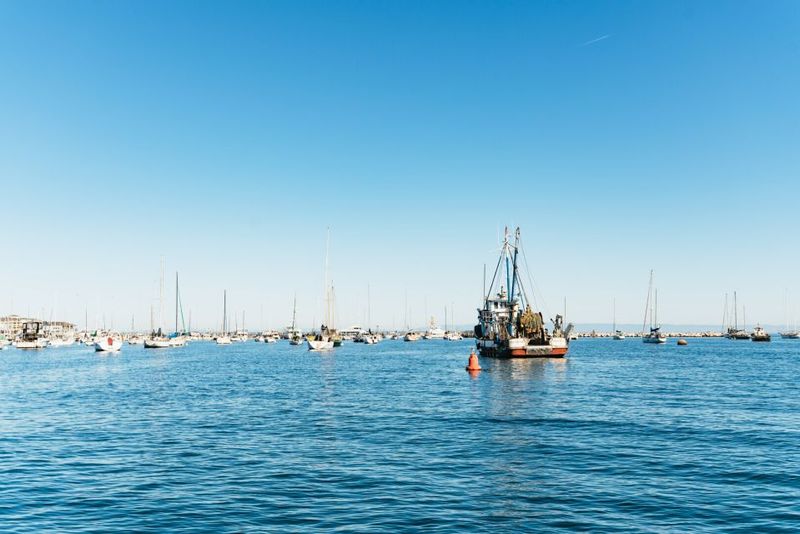
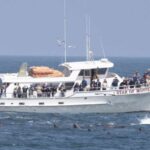
This tour starts at Discovery Whale Watch on Fisherman’s Wharf, at 66 Fisherman’s Wharf, Monterey, CA 93940. It’s the kind of location where you can wander around before the cruise—without the hassle of getting somewhere remote.
Parking: The closest lot is Monterey Harbor Waterfront at 245 Washington St. You pay beforehand using the ParkMobile app or pay stations. The info is clear: if you don’t pay, you can get a $49 ticket. RV parking is available.
Walking directions: After parking, walk toward Wharf 1. Find the pink Harbor House, then pass it until you see the yellow Crab House and turn right. Discovery Whale Watch is the blue building on your right.
If you’re staying nearby, it’s also very doable on foot. Several travelers mention the area being easy to navigate compared to more complicated pickup logistics.
The Waiver and Check-in Timing You Can’t Skip
Check-in is required at least 45 minutes before departure with coastguard waivers completed. You’ll get a separate email with the waiver link, and each person needs their own electronic completion (adults complete waivers for minors).
This is one of those “it takes longer than you think” steps, especially if someone in your group needs help with phone/email access. If you show up late, you’ll be the one stuck waiting while everyone else boards. So I’d plan to arrive early, not just on time.
Departure at Old Fisherman’s Wharf: Sea Lions Before the Whales
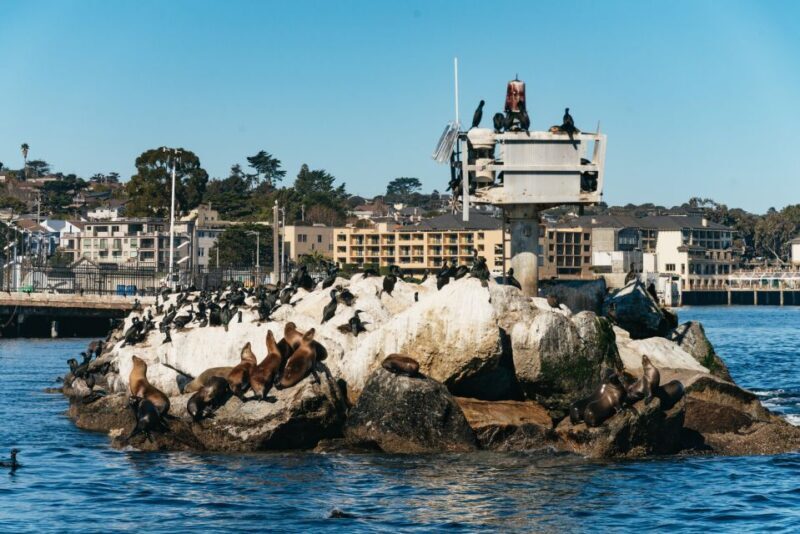
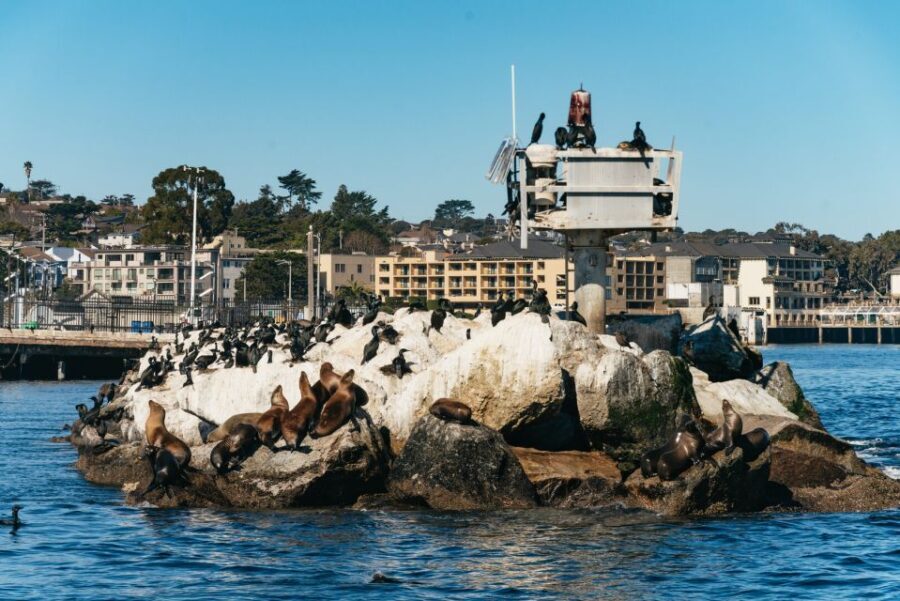
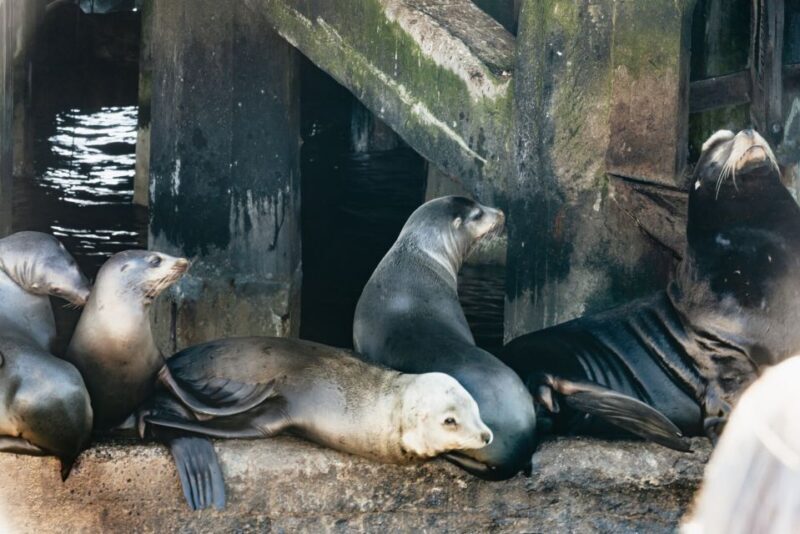
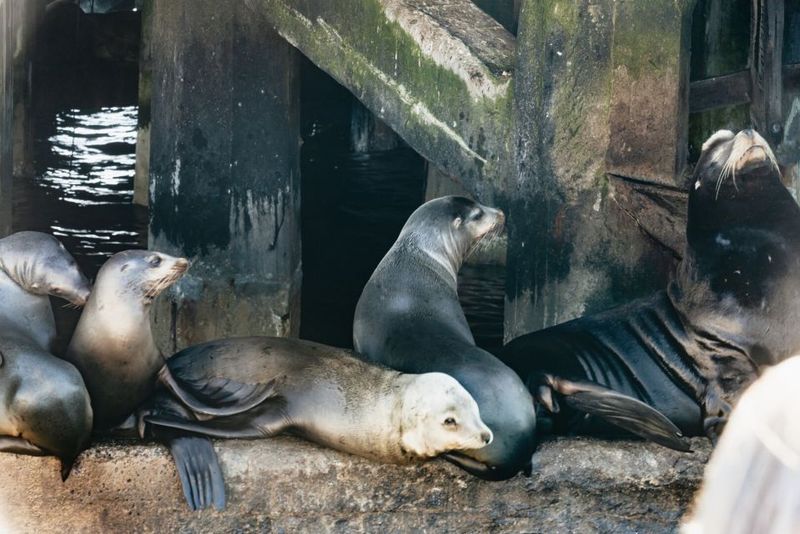
You start in the harbor area at Old Fisherman’s Wharf. As the boat leaves the dock, it’s common to glimpse hundreds of California sea lions hanging out inside the harbor.
That early wildlife moment is a smart feature for first-timers. Even if the main event takes time, your cruise doesn’t feel like you’re “doing nothing” for the first part. You also get a chance to settle in, take a few photos, and get a sense of how the deck feels in motion.
More Great Tours NearbyCannery Row to the Sanctuary: Where the Cruise Feels Like It’s Going Somewhere
As you pass Cannery Row, you enter the Monterey Bay National Marine Sanctuary. This is the transition point where the trip shifts from harbor life to open-water searching for whales.
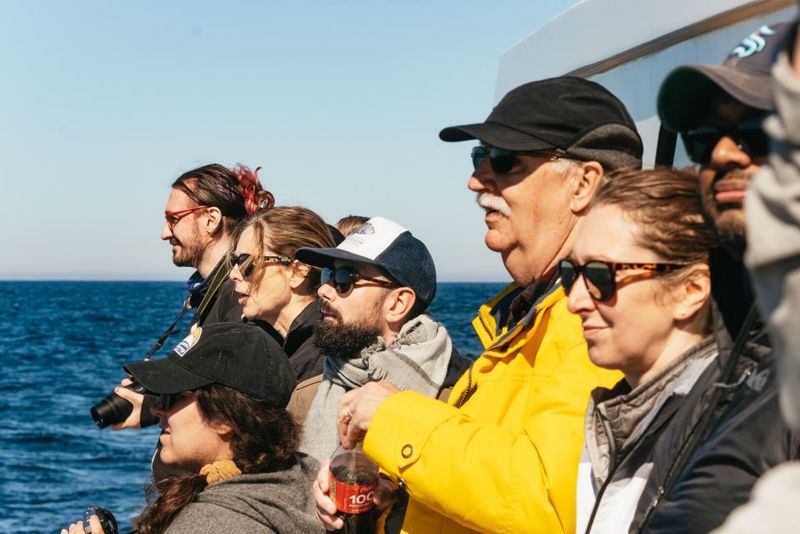
What makes this segment valuable is timing and attention. You’ll want your sunglasses on, layers ready, and eyes up. The ocean can look calm and then suddenly you’ll spot a blow or a fin. The crew and biologist guide help you scan smarter so you’re not just guessing.
One practical note: the closer you are to the action, the more your comfort matters. Don’t wear footwear that’s slippery on a boat deck. Comfortable shoes are a simple “future you” gift.
What You Can See: Species Chances by Season
Monterey Bay can deliver a lot of different animals, but the tour’s focus changes with the time of year.
Summer and Fall: Feeding Whales
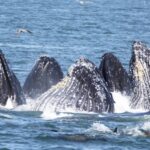
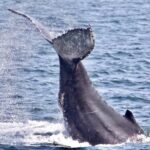
During summer and fall, the tour often centers on feeding whales that come near the surface to feast on small fish and krill. Humpback whales are spotted almost daily, so this season is a strong pick if you want a high chance of seeing at least one whale without gambling too much.
On many trips, you might also see:
- dolphin species
- porpoises
- blue whales
- fin whales
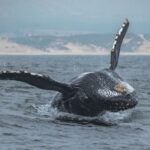
Some travelers describe dramatic behavior like breaching and fin slapping. You can’t count on it every trip, but it happens often enough that you should be ready for it.
Winter: Migrating Gray Whales and More
In winter, the cruise shifts toward the south end of Monterey Bay to follow migrating whales, including gray whales. This is a different kind of whale watching—more about migration timing than just local feeding patterns.
Travelers who went in winter often describe the day as magical, even when conditions weren’t perfect. The guide team works to find whales and adjust the plan as needed, which is exactly what you want when you’re relying on wildlife that does what wildlife wants.
The Biologist Guide: The Difference Between Seeing and Understanding
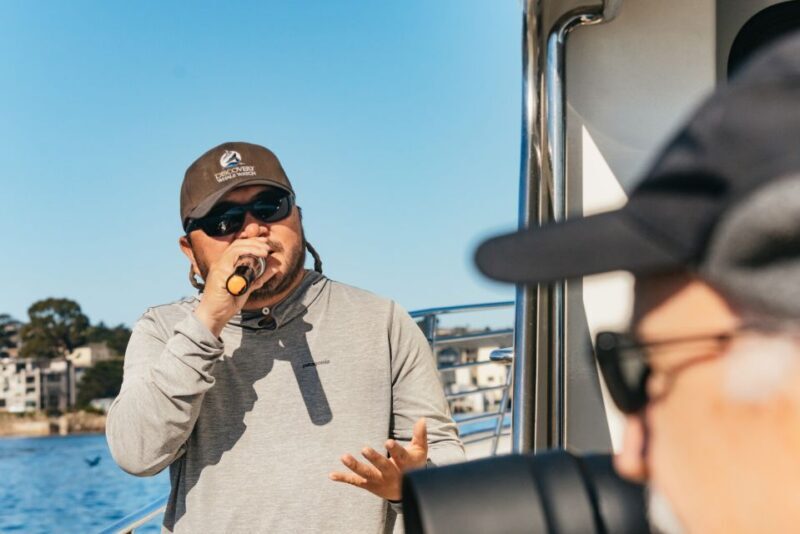
This isn’t just a boat ride with narration. The tour includes an onboard biologist guide who shares insights about marine life and conservation efforts. It’s the kind of commentary that helps you make sense of what you’re seeing without turning the trip into a lecture.
Guests specifically mention guides such as Isaiah (and variants of the name) and Maddy being knowledgeable, engaging, and attentive. Some guides also take photos during the tour, and a few reviews mention that those photos are shared afterward, which makes the experience feel more personal.
Even if you’re not a whale expert, you’ll likely enjoy the way the guide points out what behaviors mean—whether whales are feeding, traveling, or interacting with other marine life. That turns a random sighting into something you can remember clearly.
A Stop-by-Stop Breakdown of Your 3–4 Hour Day
Here’s how the day typically unfolds, and what each part means for your experience.
1) Starting Point: Discovery Whale Watch
You’ll check in, complete waivers, and get ready onboard. This is also where you can pick up motion-sickness remedies before departure (they’re available for purchase at the office). If you’ve ever gotten seasick, this is the easiest time to handle it.
2) Old Fisherman’s Wharf: Sea Lions in the Harbor
The first wildlife hit is usually in the harbor. It’s a great warm-up and helps the trip feel lively fast. If you’re traveling with kids or anyone who’s anxious about being on the water, this part helps.
3) Cannery Row: Getting Into the Sanctuary Zone
As you pass Cannery Row, you’re shifting your focus from “harbor scenery” to “where whales actually spend time.” It’s the lead-in to the main search.
The drawback? If you’re expecting constant whale sightings immediately, you might be surprised by the time it can take to locate them. But that waiting is often active—scanning, listening, and learning with the guide.
4) Monterey Bay and Sanctuary Waters: The Wildlife Search
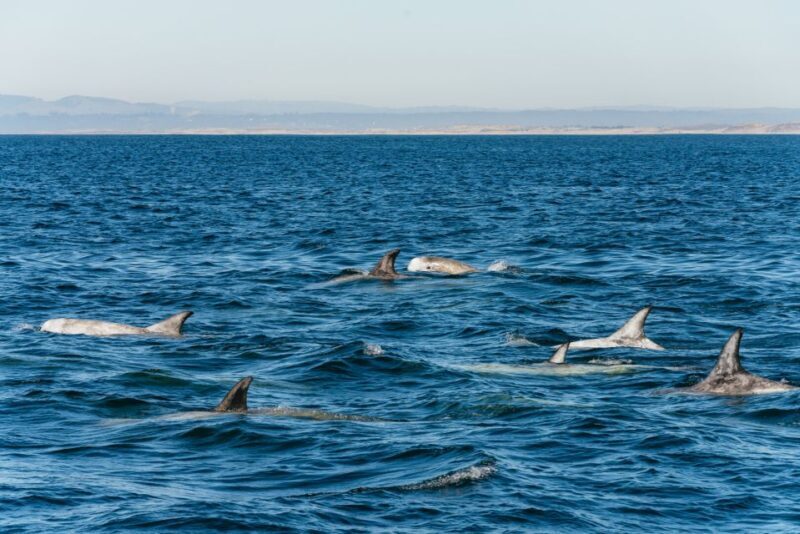
This is the heart of the trip. Depending on the day, you could see humpbacks, dolphins, seals, sea lions, and sometimes multiple whale species. Reviews mention everything from orcas to gray whales, plus lots of dolphin activity like bow riding.
If you’re aiming for the most dramatic behavior, be ready for it at any point—not just at the start. Some people find humpbacks stayed visible for long stretches, while others see more variety over shorter windows.
5) Return: Back to Discovery Whale Watch
Once the sightings slow down or your time window ends, you return to the dock. This is where you’ll appreciate how the day is paced—long enough to search, short enough that you’re not exhausted by the end.
Boat Comfort, Deck Time, and Staying Upright
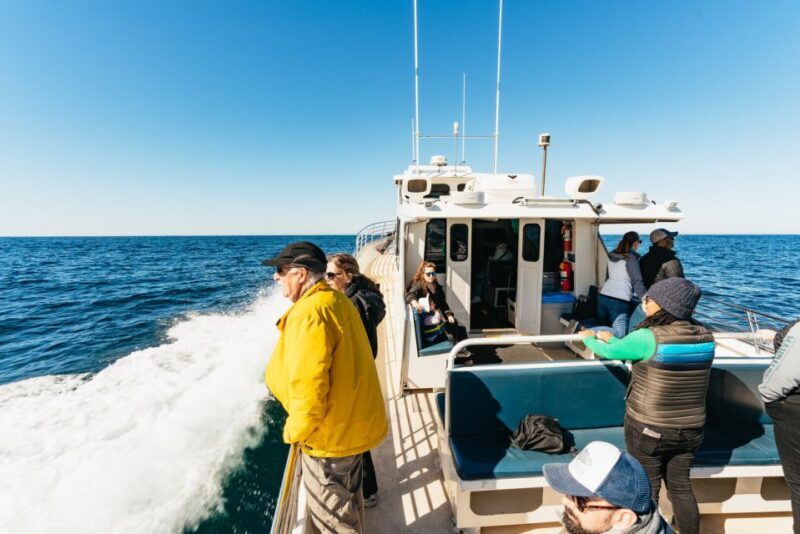
This is a small-to-midsize cruise, and reviews describe the boat as not crowded, with about 25 people mentioned. That matters because you can move around for better views and you don’t feel trapped in a tight row.
Restrooms are available on the vessel, which is a real quality-of-life detail on a multi-hour outing. Friendly dogs are also permitted onboard, so if you travel with pets, this is one more reason it can work well for your schedule.
For comfort:
- Dress in layers. Even in warmer months, ocean wind can chill you fast.
- Wear sunglasses and consider a hat.
- Bring sunscreen. Sun + sea air can still be strong.
Motion sickness tips that actually help
Motion sickness remedies are sold at the office before the tour, but you can also bring your own. Several travelers strongly recommend having something in advance, not after you start feeling rough. If you’re prone to nausea, treat this as a preventive plan, not a reaction.
Hot Drinks, Snacks, and What Food Rules Mean for You
What’s included: hot beverages on the vessel.
What’s not included: food. That said, you can bring a small packed lunch and non-alcoholic beverages. Some travelers also mention that drinks and chips are available for purchase onboard, which can help if you forgot snacks.
If you’re the type who needs a little steadying food during a boat ride, packing something simple makes sense. Keep it non-alcoholic, and keep it small so it’s easy to manage on deck.
Photos, Close Encounters, and Wildlife Etiquette
The best whale watching isn’t just distance. Many reviews describe getting close enough to feel the scale—sometimes whales appear very near the boat, and you can see real behavior like breaching or fin slapping.
Just keep in mind the nature factor: you can’t guarantee a specific number of whales or a specific behavior pattern. But the tour team does work to reach good areas, and guests often mention the captain and crew positioning the boat when whales are active.
Also, listen to crew guidance. Getting too close to the edge of the deck or acting like this is a theme park can be dangerous fast. Wildlife tours are thrilling, but safety stays the priority.
Price and Value: Is $75 Worth It?
At $75 per person, this isn’t the cheapest way to spend half a day—but it also doesn’t feel overpriced if you look at what you get.
You’re paying for:
- access to a top whale-watching area in Monterey Bay
- a biologist guide providing real context
- hot drinks included
- a cruise lasting about 3–4 hours depending on the option
Many travelers describe it as worth the money, even when they note the price feels steep. One reason is that wildlife tours can vary day to day. When you get whales at the right moments, the value suddenly feels obvious.
If you’re deciding between multiple tours in Monterey, I’d treat this as a “main event.” If whale watching is the reason you came to the area, this is one of the strongest ways to put your time where the animals are.
Who Should Book This Tour (And Who Should Reconsider)
This trip is a good match if:
- you’re doing Monterey for the wildlife, not just the views
- you want a guide who explains what you’re seeing
- you like a smaller-group feel and the ability to move around deck
It may not be a good fit if:
- you’re pregnant (not suitable)
- you have mobility impairments (not suitable)
- you have trouble with boats or motion, unless you manage nausea proactively
If you’re traveling with kids, many guests mention children enjoying it—especially when whales hang around long enough for repeated sightings and the guide keeps things fun and understandable.
Practical Packing List (So You Don’t Freeze or Forget Anything)
Bring:
- Passport or ID card
- Comfortable shoes
- Sunglasses
- Sun hat
- Sunscreen
Consider adding:
- layers (especially if the forecast is cloudy or windy)
- motion-sickness support if you’re prone to nausea
- a small packed lunch and non-alcoholic drinks if that helps your comfort
Not allowed:
- smoking
- alcohol and drugs
When to Go: Picking a Time Window That Matches Your Goals
You’ll see different timing depending on season:
- Summer/fall morning tours: 3.5–4 hours
- Winter morning tours and afternoon tours year-round: 2.5–3 hours
If your priority is more time on the water and more chances for multiple sightings, lean toward summer/fall morning options. If you prefer shorter outings or you’re traveling when mornings are harder, afternoon or winter timings can still deliver real results—you’ll just have less cruise time to search.
Should You Book It?
If you want one clear whale-watching plan in Monterey Bay—without trying to self-navigate the ocean—you should book this.
Do it if:
- you want guides and real education, not just waiting for a blow
- you care about getting out into the sanctuary and chasing the best odds
- you can handle boat motion with layers and a motion plan
Think twice if:
- you fall into the not-suitable categories (pregnancy or mobility impairments)
- you know you get severely seasick and you haven’t managed it before
This cruise earns its reputation. The combo of frequent sightings, a biologist guide who helps you understand the wildlife, and included hot drinks turns a simple “whale watch” into a memorable Monterey Bay day.
Monterey Bay: Whale Watching Tour
FAQ
How long is the whale watching cruise?
The cruise is 3 to 4 hours, depending on the option you book. Summer and fall morning tours last about 3.5 to 4 hours, while winter morning tours and afternoon tours year-round last about 2.5 to 3 hours.
Where do we meet for the tour?
Check in at Discovery Whale Watch, 66 Fisherman’s Wharf, Monterey, CA 93940.
Is hotel pickup included?
No. Hotel pickup and drop-off are not included.
Do I need to complete a waiver before boarding?
Yes. You must complete the coastguard waiver electronically. Check in at least 45 minutes before departure, and each person must complete their own waiver.
What’s included in the price?
Included items are the whale-watching cruise, a biologist guide, and hot beverages.
Is food provided?
No. Food is not included, but you may bring a small packed lunch and non-alcoholic beverages.
Are restrooms available and are dogs allowed?
Yes, there are restroom facilities on the vessel. Friendly dogs are permitted onboard.
You can check availability for your dates here: