If you want big ocean energy without losing a whole day, this Monterey Bay dolphin and whale watching boat tour is a great pick. You start at Old Fisherman’s Wharf, head out on a guided cruise for about 3 hours, and you’re set up to spot gray whales, killer whales, dolphins, seals, and more, often with dramatic breaching.
What I like most is the focus on what’s happening in the water, not just a list of animals. The guide work includes the bay’s ecology, including a nearby kelp forest, plus seasonal humpback migration and mating patterns. And you feel the value in the way the tour is run: guests consistently talk about knowledgeable, friendly guides and real effort to find wildlife.
One practical heads-up: it’s not suitable for wheelchair users, and the trip can mean boat motion. Also, parking directions can be a little confusing if you arrive with zero buffer time, so plan to get there early.
- Key points to know before you go
- Where this Monterey whale-watch begins: Old Fisherman’s Wharf
- Parking the day of your cruise: 201 Washington Street to 48 Fisherman’s Wharf #1
- The 3-hour format: why short can be perfect for whale watching
- What you might see: gray whales, killer whales, humpbacks
- Gray whales and killer whales
- Seasonal humpbacks: migration and mating patterns
- Dolphins and porpoises: fast, playful, and often close
- Sea turtles, sharks, and the rest of the food chain
- The ecology lesson: kelp forest and why it matters
- How the guide and captain impact your day
- Smaller-boat viewing: better sightlines, different trade-offs
- Choppy water and motion sickness: practical tips you can use
- What to bring (and what not to overthink)
- Wildlife viewing rhythm: how the cruise tends to play out
- Price and value: is a good deal for 3 hours?
- Who this tour is best for
- The big “book or not” decision
- FAQ
- How long is the Monterey Bay dolphin and whale watching tour?
- How much does it cost?
- Where do we meet and how do we find parking?
- Is there a live guide?
- Is the tour wheelchair accessible?
- What should I bring?
- What is the cancellation policy?
- Can I reserve without paying right away?
- More Boat Tours & Cruises in Monterey
- More Tours in Monterey
- More Tour Reviews in Monterey
Key points to know before you go
- Old Fisherman’s Wharf start: easy to connect with other Monterey Bay seafood-and-views time
- Close sightings happen often: gray whale and killer whale activity is a major theme
- Kelp forest and whale behavior explained: not just spotting, but understanding
- English live guide: Q&A style info keeps the trip from feeling repetitive
- Smaller-boat feel: better visibility than you’d expect on some bigger charters
- Value check: at about $62 for 3 hours, it’s priced as a serious whale-watch bargain
Where this Monterey whale-watch begins: Old Fisherman’s Wharf
The tour is built around a simple idea: get you out on Monterey Bay fast enough to matter, then let the wildlife do the entertaining. You meet your captain and board at Old Fisherman’s Wharf, which is convenient because you can make a half-day out of it. Before you sail, you’re right where Monterey is at its most lively, with the typical waterfront bustle.
Boarding usually feels orderly and straightforward, since the whole plan is time-boxed into a 3-hour cruise. That matters because whale watching is a timing game. Too short and you miss the window; too long and you get tired before the best action happens.
You can also read our reviews of more boat tours in Monterey
Parking the day of your cruise: 201 Washington Street to 48 Fisherman’s Wharf #1
The directions are very specific, which is good. It’s also the one part that seems to trip people up when they’re trying to do it quickly.
For parking, use 201 Washington Street, then proceed to 48 Fisherman’s Wharf #1, Monterey, CA 93940. If you’re driving from elsewhere, I strongly suggest giving yourself extra time. One small wrong turn on a busy day can turn into stress, and you want your brain free for the ocean.
The 3-hour format: why short can be perfect for whale watching
This cruise is set for about 3 hours, including the time needed to get out to where whales and dolphins tend to show up and then return. That duration is a sweet spot for a couple reasons.
First, you’re not stuck waiting forever. Monterey Bay wildlife often has bursts of activity. Second, it’s easier to fit into a real vacation schedule. You can do this, then still have time for dinner, a walk along the shoreline, or a quick stop at the aquarium area.
Starting times vary by availability, so check your slot before you commit. If you’re trying to coordinate with other activities in Monterey, pick the time that keeps your day from getting rushed.
What you might see: gray whales, killer whales, humpbacks
This is a highlight-driven tour, and the species list isn’t shy.
More Great Tours NearbyGray whales and killer whales
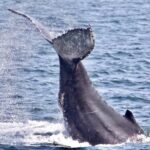
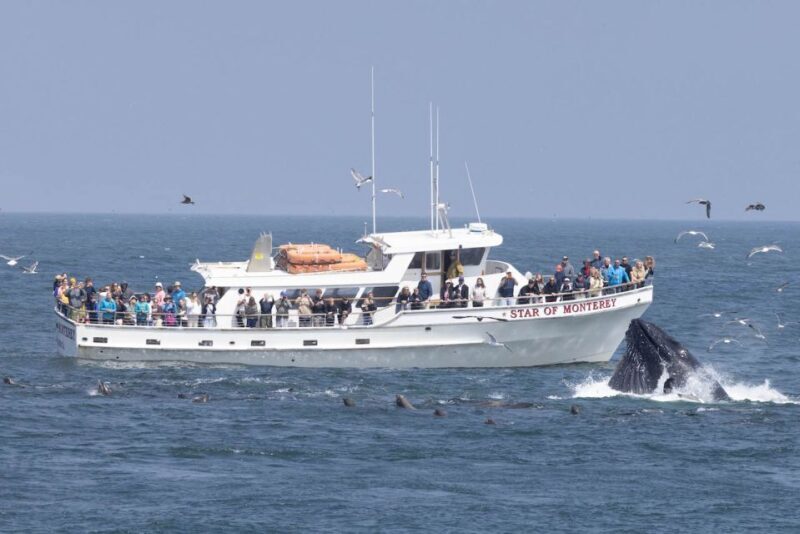
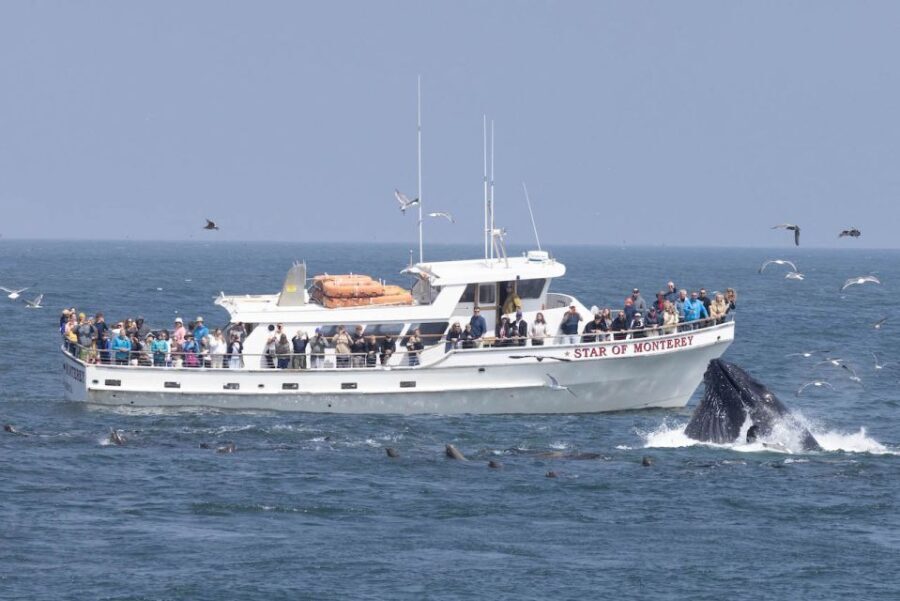
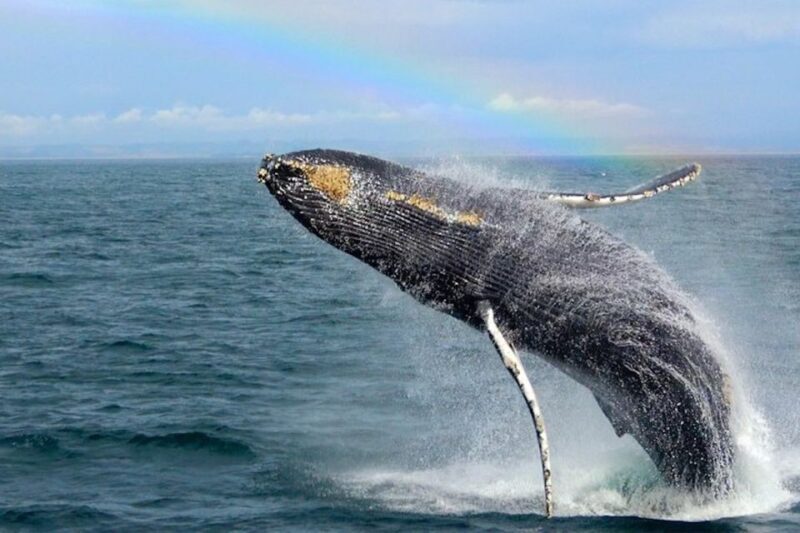
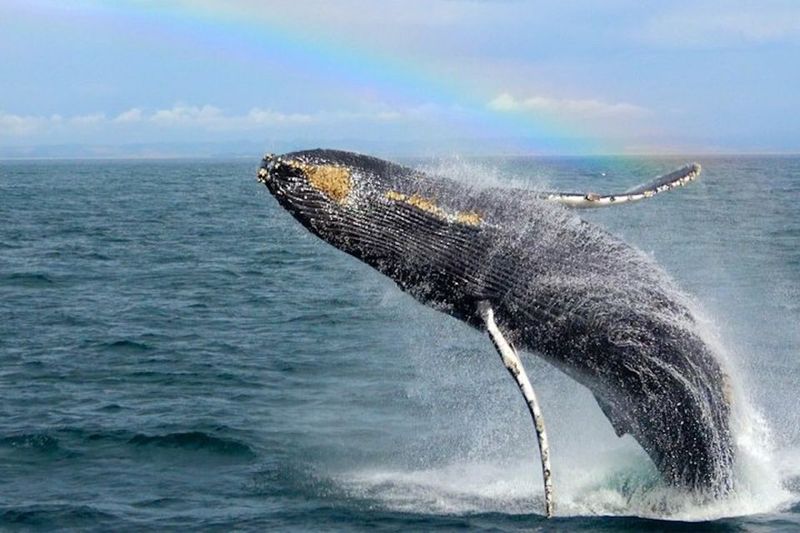
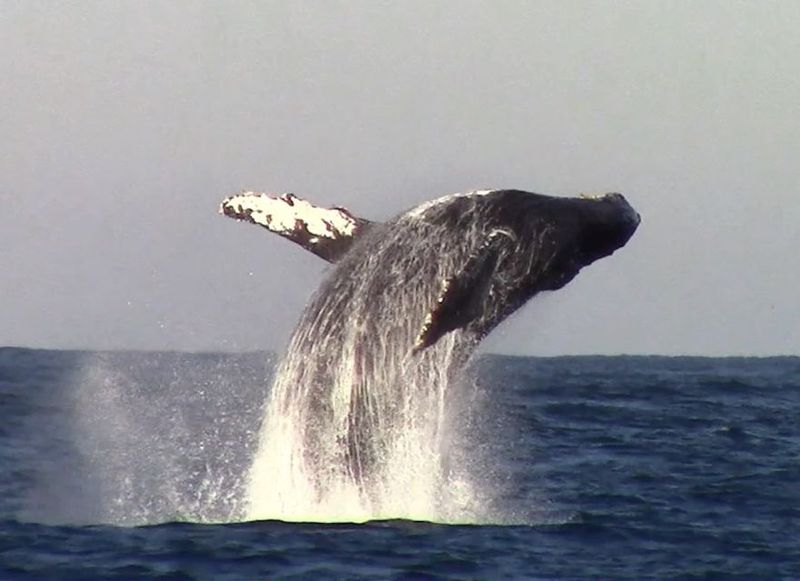
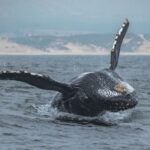
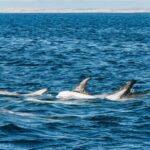
The big adrenaline moments you’re chasing are gray whales and killer whales. The tour description points to whales leaping from the water, and that matches what many guests end up remembering most: quick, high-energy surface activity that makes you forget you even paid for the ticket. Even when you’re not guaranteed a specific behavior on a specific minute, the guiding team is clearly focused on tracking the areas where this kind of action can happen.
You can also read our reviews of more whale watching tours in Monterey
Seasonal humpbacks: migration and mating patterns
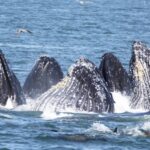
You’re also likely to spend time looking for humpback whales, with the guide explaining what’s going on seasonally. Instead of only saying humpbacks migrate, the tour includes the timing around migration and mating patterns. That kind of context changes how you watch. You start noticing behaviors as signals instead of random movement.
Dolphins and porpoises: fast, playful, and often close
Dolphins are one of those species where the best moments can be quick. The tour sets you up for bottlenose dolphins and porpoises, and the overall vibe is that you’ll spend time where these animals feed, travel, and occasionally ride the wake or pop up near the boat.
Many people love this part because it feels less like a slow search and more like a rolling video of the bay’s personality. One reason the cruise works is that it doesn’t treat dolphins as an afterthought. They’re part of the plan, alongside the larger whales.
Sea turtles, sharks, and the rest of the food chain
Monterey Bay isn’t just whales and dolphins. The tour also highlights wildlife lower and higher on the ocean ladder.
You may spot sea turtles and sharks, along with seals and other marine life. What’s valuable here is how the guide connects these sightings to the ecosystem. You’re not just ticking boxes; you’re seeing how the bay functions as a living system.
And yes, sometimes the “background” animals make the day. Birds, seals, and other creatures can be present even when the whales are taking their time. The guide’s job is keeping your attention on what’s useful to watch for next.
The ecology lesson: kelp forest and why it matters
One of the most practical things you get on this cruise is interpretation. The tour includes learning about Monterey Bay’s fragile ecosystem, including a nearby kelp forest.
Kelp forests matter because they’re like underwater neighborhoods. They support food webs and shelter, and they help explain why certain animals show up where they do. When the guide ties what you’re seeing to the bay’s ecology, you stop watching the ocean like a TV screen and start reading it like a landscape.
There’s also a strong “how to think like a naturalist” angle: what you’re seeing now connects to what you’ll likely see next. That’s why guests often leave feeling they understood more than they expected.
How the guide and captain impact your day
On a whale-watch, the captain’s skill and the guide’s communication can be the difference between a great cruise and a forgettable one.
Guests consistently mention guides such as Kevin and Lauren, with captains including Harry, plus helpful crew members like Tinker. The recurring theme is that they’re knowledgeable and engaged, not stand-offish. You’re not stuck in silence while the boat travels. You get explanations, and you get answers when you ask questions.
There’s also a safety-and-comfort angle. Even in at-times rocky waters, the crew is described as careful and skilled at positioning and handling the ride. You don’t need to be an expert sailor to appreciate that competence once you’re out there.
Smaller-boat viewing: better sightlines, different trade-offs
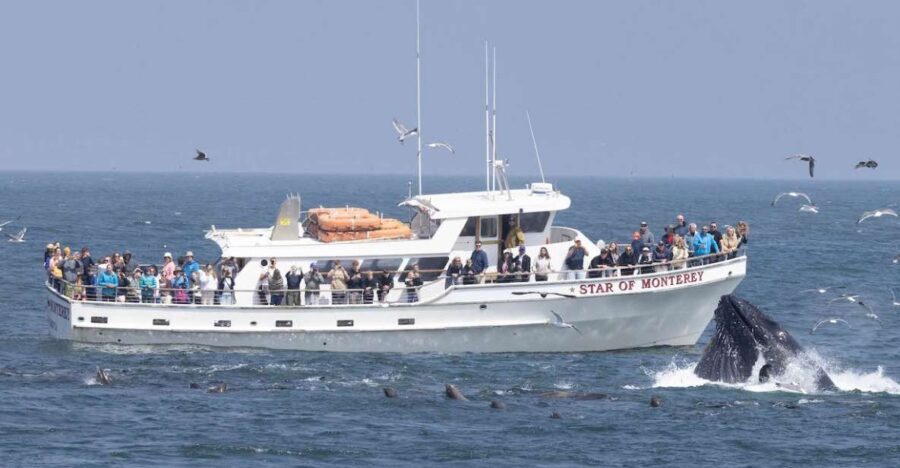
This tour is described and experienced as a smaller-boat style outing. The benefit is obvious: easier viewing. When whales and dolphins surface close to the boat, you want the deck layout and camera angles to work for you. Many guests say the boat size helps with that.
There can be trade-offs. Some people mention that the boat felt older or that movement around the deck wasn’t ideal. Nobody should expect a cruise ship. The goal here is the wildlife, and the design and crew behavior seem built for getting you into good sightlines.
Choppy water and motion sickness: practical tips you can use
Boat motion is real on Monterey Bay, and it can affect your comfort more than you’d expect. One traveler mentioned getting very sea sick but feeling genuinely supported by the crew, which is a good sign that they take passengers seriously when conditions get rough.
So here’s the practical approach:
- Bring comfortable clothes and wear layers you can adjust for wind
- Pack your camera, but be ready for wet spray
- If you’re motion-sensitive, plan ahead so you don’t spend the entire trip fighting your stomach
And if you’re feeling unwell, tell someone. The crew’s job is to help you stay as comfortable as possible while still getting you the best wildlife chances.
What to bring (and what not to overthink)
The tour gives a simple list, and it’s spot on:
- Comfortable shoes
- Camera
- Comfortable clothes
I’d add one common-sense item: something that helps you handle ocean spray (a jacket that blocks wind and a rain layer if you own one). The tour doesn’t say this, so keep it optional, but Monterey weather is changeable and the bay can kick up mist.
Also, set your expectations. You’ll likely see multiple species, and whales can be close, but wildlife never runs on a schedule. Focus on watching behavior, not just chasing the best moment to photograph.
Wildlife viewing rhythm: how the cruise tends to play out
While the wildlife is always the star, there’s a pattern to how the day works.
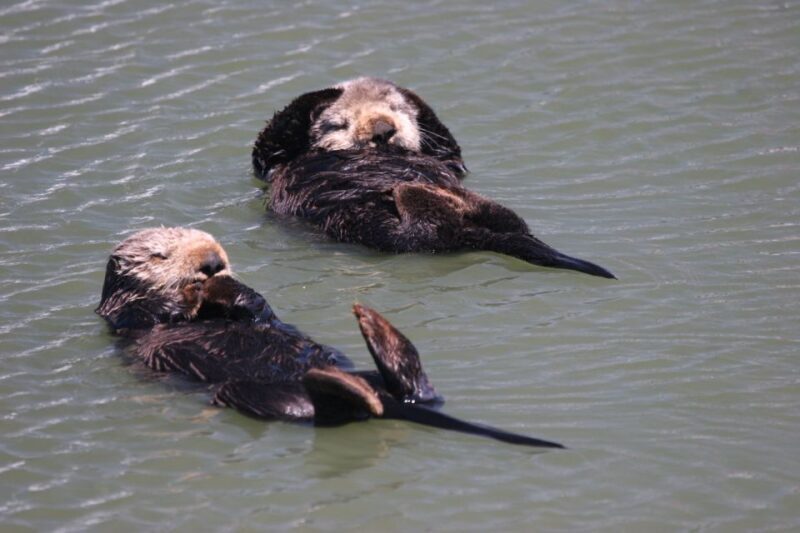
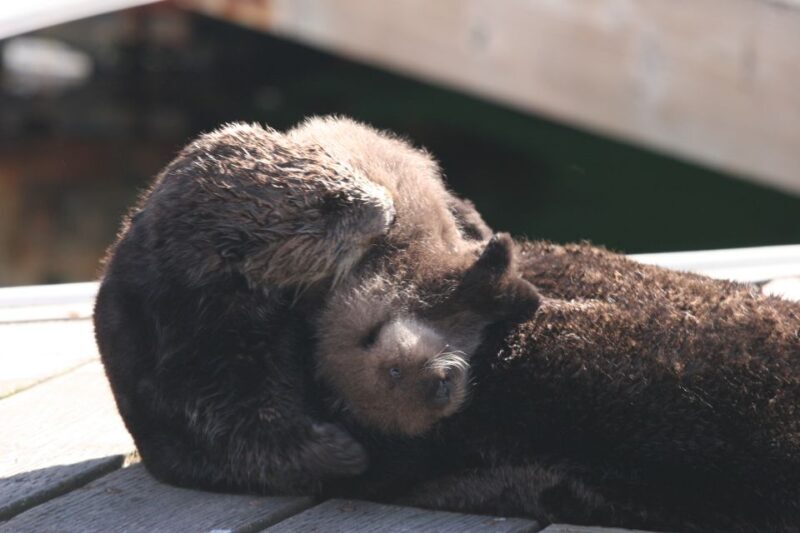
You start by scanning around the wharf area, where you might see birds and even otters along shallow banks. As you head farther out, the cruise typically shifts to harbor seals and other marine mammals, then into deeper water where larger whales and more open-ocean activity can happen.
The tour description also names a range of animals that may appear as you travel along the bay, including elephant seals and sharks. What’s consistent in the guest experience is that the crew doesn’t treat wildlife like background entertainment. They actively search for signs and then spend time where sightings are strongest.
Price and value: is $62 a good deal for 3 hours?
At about $62 per person for a 3-hour cruise, this sits in the category of whale watching that feels like real value. You’re paying for:
- a live guided experience
- time out on Monterey Bay in search of multiple species
- the chance for memorable close-up whale and dolphin moments
You could absolutely spend more on other whale cruises, especially if you’re chasing luxury boats or longer itineraries. Here, the structure feels intentionally efficient: get you on the water, keep you there long enough to matter, and provide enough guide interpretation that the trip stays interesting even between sightings.
Also, the overall experience quality shows up in the rating. The tour is rated 4.7 with 1,645 reviews, which is a strong signal that the guide and captain approach works for a lot of different travelers.
Who this tour is best for
This cruise is a good fit if you:
- want a focused half-day wildlife outing
- enjoy learning while you watch
- like the idea of seeing multiple species in one trip
- appreciate a guide who’s actively answering questions
It’s not a fit for wheelchair users, based on the tour’s accessibility note. If you have mobility needs, you’ll want to confirm whether any accommodations are possible before booking.
This is also a solid option for travelers who are making decisions quickly. The short duration and clear meeting point make it easier to plan the rest of your Monterey time.
The big “book or not” decision
Should you book? If you want a guided Monterey Bay whale-watch that feels well-run, teaches you what you’re seeing, and offers strong value for the time, this one is an easy yes.
Just go in with the right mindset:
- You’re watching wildlife, so outcomes vary, but the tour is set up to find action
- Arrive early so parking and boarding don’t eat your excitement
- Bring the basics the tour requests, and plan for wind and spray
If you want an ocean experience with real interpretation from guides like Kevin or Lauren, and you’re happy to trade fancy comforts for close wildlife viewing, this cruise should be on your Monterey list.
Monterey: Monterey Bay Dolphin and Whale Watching Boat Tour
FAQ
How long is the Monterey Bay dolphin and whale watching tour?
The duration is about 3 hours.
How much does it cost?
The price is $62 per person.
Where do we meet and how do we find parking?
For parking, use 201 Washington Street, then proceed to 48 Fisherman’s Wharf #1, Monterey, CA 93940.
Is there a live guide?
Yes. The tour includes a live tour guide, and it’s in English.
Is the tour wheelchair accessible?
No, the tour is not suitable for wheelchair users.
What should I bring?
Bring comfortable shoes, a camera, and comfortable clothes.
What is the cancellation policy?
Free cancellation is available up to 24 hours in advance for a full refund.
Can I reserve without paying right away?
Yes. The booking offers reserve now & pay later, meaning you can book your spot and pay nothing today.
You can check availability for your dates here: