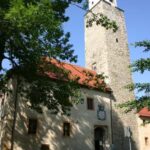
If you’re visiting northern Germany and are interested in a meaningful, thought-provoking experience, the Museum Lützen 1632 is worth considering. It offers more than just a typical museum visit; it’s a space where history, remembrance, and archaeology come together to tell a very human story.
From the moment you arrive, you’ll notice that this museum isn’t about glorifying war but about understanding its impact and remembering those affected.
What really draws people in are the modern battlefield archaeology and the mass grave, which serve as stark reminders of the violence of the 30-year war. We also appreciate the historic Swedish-style memorial that offers a quiet space for reflection.
That said, it’s not a casual stop—if you’re looking for lively, interactive exhibits or family-friendly activities, this tour might feel a bit serious and somber. Still, for those with an interest in history, archaeology, or peace studies, this experience can be quite meaningful.
A small drawback? The visit is not suitable for children under 8 years old, and you’ll need to leave large backpacks at the lockers. But if you’re prepared for the solemn tone and want to explore a significant piece of European history in a restrained, respectful environment, this tour could become a highlight of your trip.
It’s especially suited for history enthusiasts, archaeology buffs, or travelers who appreciate sites with a strong message of remembrance.
This experience made our article of The 2 Best Tours In Lutzen.
- Key Points
- A Closer Look at the Museum and Its Significance
- What To Expect During Your Visit
- Practical Details: What You Need to Know
- Why This Experience Might Be Just Right or Not
- Final Thoughts
- FAQ
- The Best Of Lutzen!
- More Tour Reviews in Lutzen
- Not for you? Here's more nearby things to do in Lutzen we have reviewed
Key Points
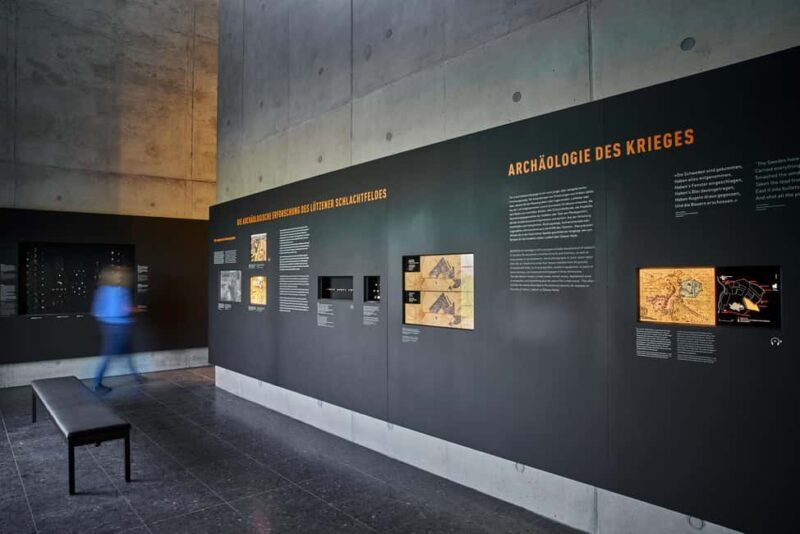
- Powerful remembrance of the 30-year war through a unique anti-war monument.
- Modern battlefield archaeology reveals new insights into the battle’s aftermath.
- The mass grave with 47 victims is a sobering visual of war’s horrors.
- The Gustav Adolf Memorial provides a reflective space and historical context.
- The museum is wheelchair accessible and offers skip-the-line tickets for convenience.
- Not suitable for children under 8 and requires lockers for large backpacks.
👉 See our pick of the The 2 Best Tours In Lutzen
A Closer Look at the Museum and Its Significance

Visiting the Museum Lützen 1632 is a profoundly moving experience, especially if you’re interested in the history of Europe’s turbulent past. The museum itself is a thoughtful space where the focus is on remembrance and understanding rather than entertainment. You’ll start your visit with an overview of the Thirty Years’ War, which ravaged much of Europe from 1618 to 1648, fundamentally shaping the continent’s history.
What makes this site stand out is the modern battlefield archaeology. Thanks to recent excavations, the museum displays a mass grave found in 2011, containing 47 victims. The grave is now carefully preserved in the museum’s crypt-like basement, presented at eye level. It’s a stark, unfiltered look at the human toll of battle—no heroic narratives, just concrete evidence of war’s brutality. Visitors find this to be a powerful anti-war statement, evoking both curiosity and sadness.
The bioarchaeological analyses conducted here add depth to the story, providing insights into the victims’ identities and the battle’s course. It’s easy to appreciate how this scientific approach helps paint a more nuanced picture of history—beyond the usual battle stories. Many reviews highlight that standing before the grave, with its raw visibility, leaves a lasting impression and encourages reflection on the cost of conflict.
Adjacent to this somber display is the Gustav Adolf Memorial, which offers a different tone—more about remembrance and cultural roots. Here lies a Sweden Stone from shortly after the battle, a canopy designed by Karl-Friedrich Schinkel, a chapel dedicated to Gustav Adolf, and Swedish log cabins. This part of the site emphasizes the beginnings of Swedish-German remembrance culture and invites visitors to consider how history is honored across generations.
You can also read our reviews of more tours and experiences in Lutzen.

What To Expect During Your Visit
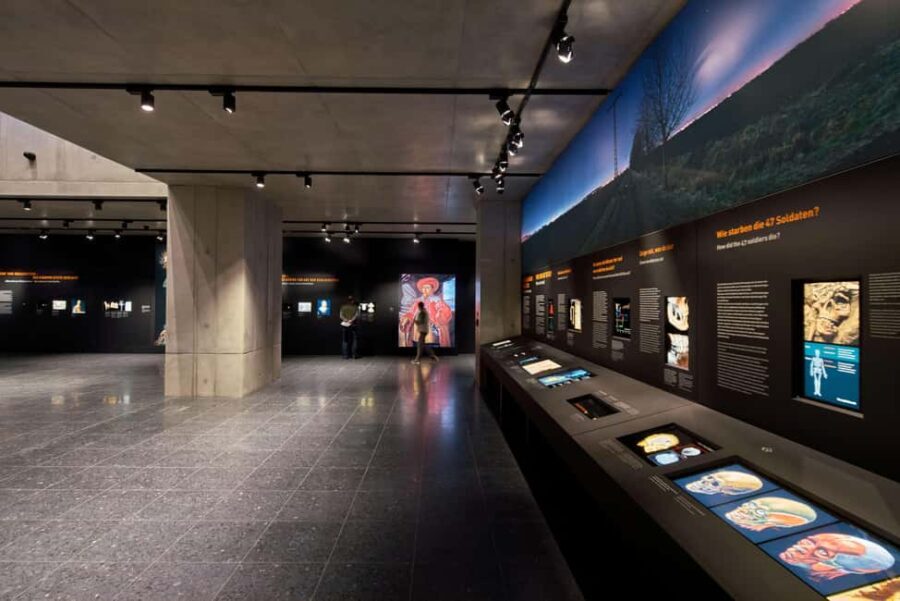
Your visit begins with a quick entry process—skip-the-line tickets make it easier to access, especially during busy times. The staff provide a clear overview of what you’ll see: a mix of exhibits on battlefield archaeology, historical context, and memorials. Since some content is shown in its original language, a little familiarity with German might enhance understanding, but English descriptions are likely provided, especially with the option to cancel your reservation up to 24 hours in advance for a full refund.
You’ll want to spend time in the museum’s crypt-like basement where the mass grave is displayed. The layout is designed to create an intimate, contemplative atmosphere—nothing flashy, just raw history. Visitors often comment that the view at eye level makes the scene more impactful. The analyses of the victims offer deeper understanding about their lives and deaths, making this part of the visit quite memorable.
Next, the Gustav Adolf Memorial area is a peaceful spot filled with historical artifacts and structures. The Swedish log cabins and the chapel add a tangible sense of the past, helping you visualize life during that period. There’s also a small museum here, curated with the help of the Swedish Lützen Foundation, which enriches the narrative about the Swedish influence and remembrance culture.
Practical Details: What You Need to Know
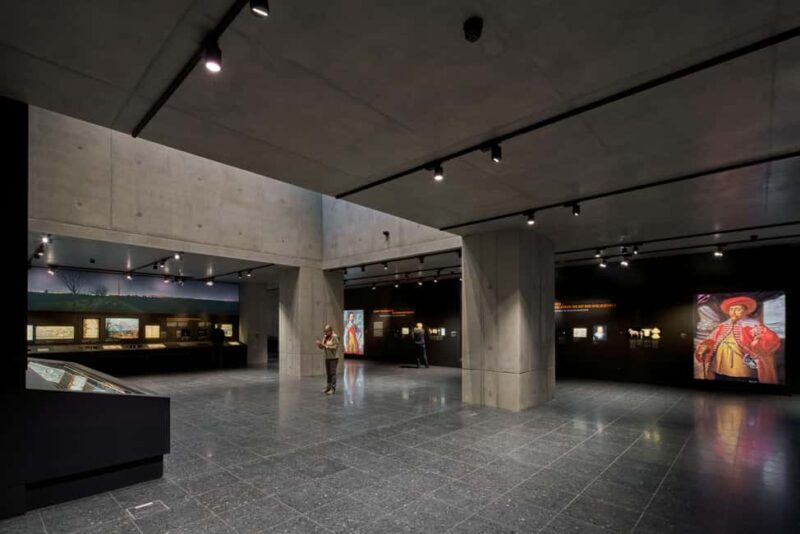
The tour lasts about a day, but it’s very manageable for most travelers. It’s accessible for wheelchair users, and the ticketing process allows for flexible bookings—cancel up to 24 hours in advance. The price seems reasonable given the depth of the experience and the insightful exhibits. Remember to leave large backpacks in lockers, as they aren’t permitted inside the exhibition areas.
Since the experience is quite serious and reflective, it’s not ideal for children under 8. If you’re traveling with older kids or teenagers interested in history, they might find this visit eye-opening. The focus on remembrance and the horrors of war might be too heavy for very young children or those seeking a more interactive or light-hearted museum.
Why This Experience Might Be Just Right or Not
This tour is especially meaningful for those interested in military history, archaeology, or peace studies. It provides an honest, unvarnished look at the aftermath of battle, emphasizing the importance of remembrance. If your trip involves exploring German history or you want a quiet, contemplative activity, it fits perfectly.
However, if you’re after a lively, family-friendly museum with hands-on exhibits, this might not be the best choice. Its focus on graves and war’s consequences is intense, and the atmosphere is respectful but somber.
More Great Tours NearbyFinal Thoughts
For travelers who want to connect with history on a deeper level, the Museum Lützen 1632 offers a compelling, authentic experience. It’s a place to reflect on the costs of war and the importance of remembrance, making it more than just a sightseeing stop. The combination of archaeological findings, historical context, and memorials ensures you leave with a nuanced understanding of this pivotal moment in European history.
This experience is best suited for those who appreciate history that challenges and provokes thought, rather than those looking for light or family-friendly attractions. You’ll find it to be a profoundly respectful space that invites contemplation and honors the past with dignity.
Museum Lützen 1632 Admission Ticket
FAQ
Is the Museum Lützen 1632 suitable for children?
Not for children under 8 years old, mainly because of the serious content and the somber atmosphere. Older children with an interest in history might find it educational and impactful.
Can I cancel my ticket if my plans change?
Yes, you can cancel up to 24 hours in advance for a full refund, giving flexibility if your schedule shifts unexpectedly.
Is the museum accessible for wheelchairs?
Yes, the museum is wheelchair accessible, making it easier for visitors with mobility needs to experience the exhibits.
Are large backpacks allowed inside?
No, large backpacks aren’t permitted inside the exhibition areas. Storage lockers are available for your convenience.
How long does the visit typically last?
While it depends on your pace, plan for about a day to explore the exhibits thoroughly, especially if you want to reflect on each section.
What language are the exhibits in?
Some content may be in its original language, but there are likely descriptions in English and other languages to help non-German speakers.
Is there a guided tour available?
The ticket includes a self-guided experience, but some similar experiences offer private guides—check the provider’s options if you want more in-depth interpretation.
What are the main highlights of the visit?
The mass grave display at eye level, the bioarchaeological analyses, and the Gustav Adolf Memorial are the key features that make this visit memorable.
What should I bring or prepare?
Comfortable shoes, a camera if you want photos (but be respectful of the exhibits), and perhaps a notebook if you like to jot down impressions.
Would I recommend this experience?
Yes, especially if you’re interested in history, archaeology, or cultural remembrance. It offers an honest look at war’s impact while promoting peace awareness.
If this kind of reflective, historically grounded experience appeals to you, the Museum Lützen 1632 could become a meaningful part of your journey through Germany. It’s a quiet, respectful space that leaves visitors with plenty to think about long after you leave.
You can check availability for your dates here: