If you want one day that connects medieval Nuremberg to the dark machinery of the Third Reich, this is a smart pick. The format is simple: start at Nuremberg Central Station, tour the old city on foot, then head out to the rally grounds using public transport.
At around four hours total, it’s long enough to feel substantial but short enough to still have your evening free.
- Old Town Nuremberg: timber frames, walls, and market life
- The stops that make the Renaissance story click
- Craftsmen’s Courtyard and the city’s maker mindset
- Dürer’s home and the Renaissance edge
- Public transit to the rally grounds (and why it matters)
- Great Street, Congress Hall, and the rally layout
- Documentation Center: where the story becomes clear
- What travelers usually love (and what to watch for)
- Is this tour worth it for you?
- Logistics, comfort, and booking tips
- More Walking Tours in Nuremberg
- More Tours in Nuremberg
- More Tour Reviews in Nuremberg
Old Town Nuremberg: timber frames, walls, and market life
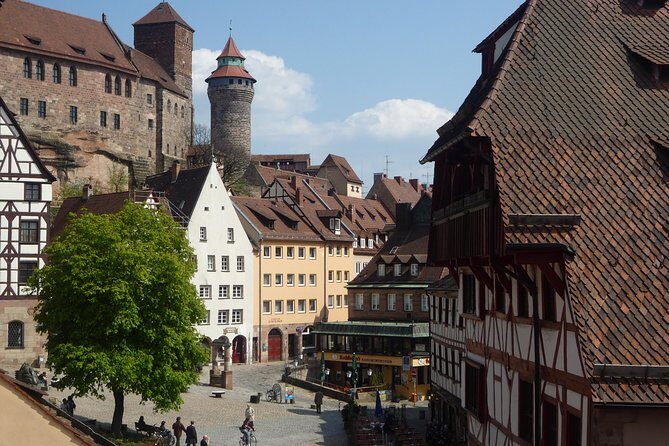
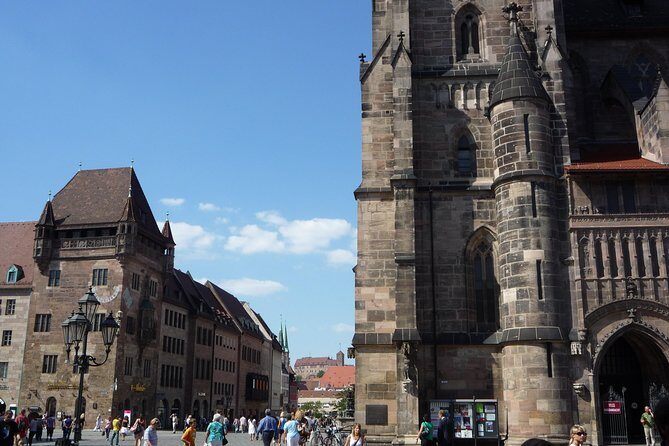
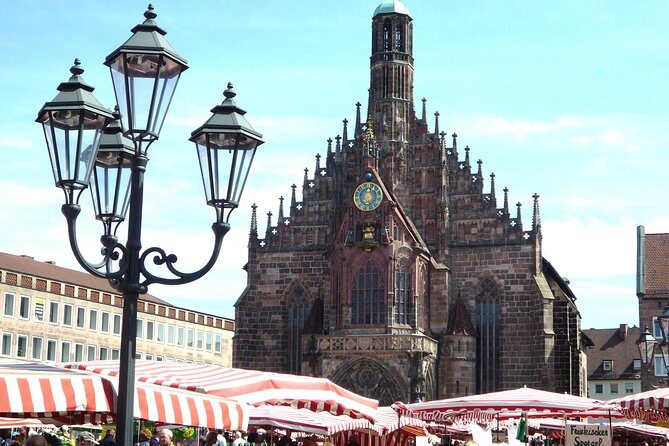
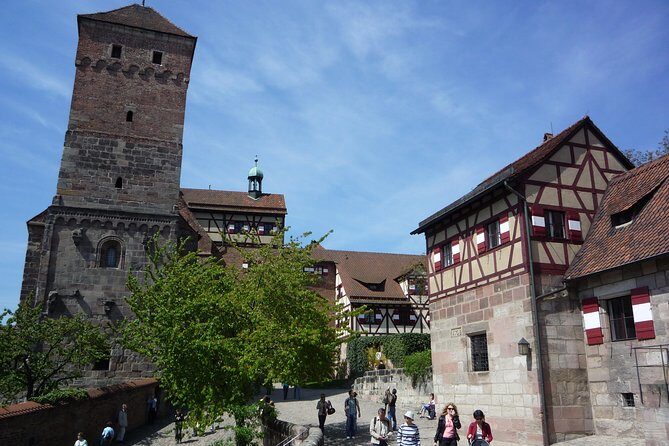
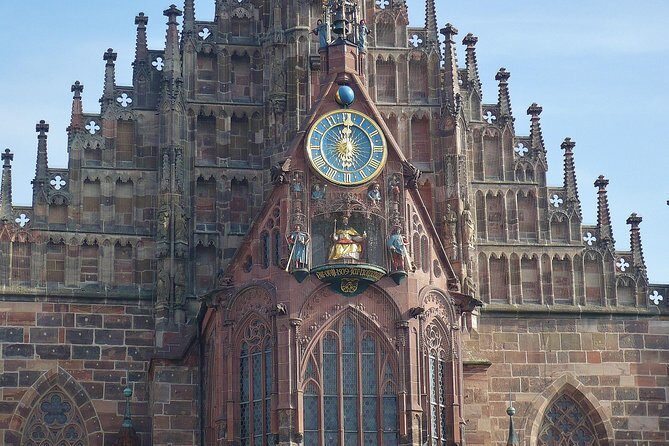
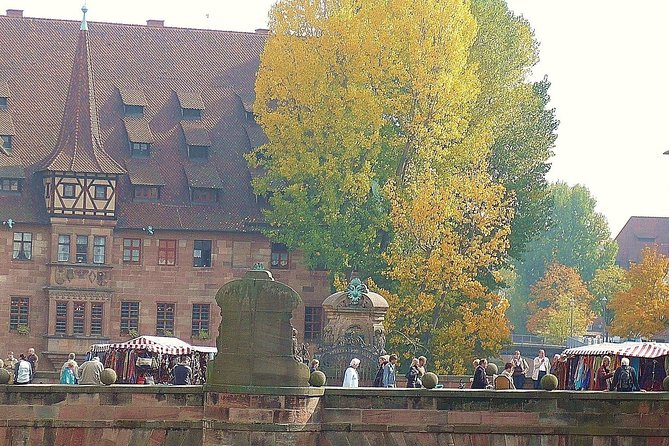
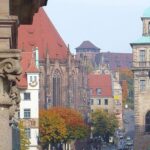
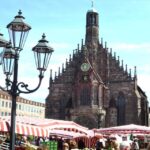
The walk kicks off through the city’s core, where you’ll see cobblestones and the timber-framed facades Nuremberg is known for. The vibe is lively even when the history runs heavy; you’re moving through places where markets have existed for centuries.
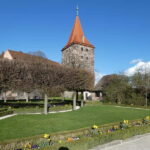
You also get a standout sense of scale from the old town defenses. Expect to pass along Nuremberg City Walls, including viewpoints that help you understand how the city guarded itself when it was a major European power.
The stops that make the Renaissance story click
A big reason this tour works is that it doesn’t just drop names. It uses real locations to show how Nuremberg evolved—Holy Roman Empire importance, Renaissance creativity, and civic pride.
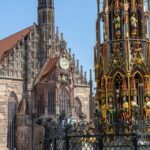
On the old-town side you’ll hit major anchors like Hauptmarkt (the central square with roots in the 1300s) and the impressive Altes Rathaus. You’ll also pass major religious landmarks such as St. Lawrence–area sights and St. Sebaldus Church, plus the iconic fountain area, where details like the famous wishing ring are part of local lore.
You can also read our reviews of more walking tours in Nuremberg

Craftsmen’s Courtyard and the city’s maker mindset
One of the most enjoyable sections is the stop at a craft-market style courtyard (often called Handwerkerhof). Even if you’re not shopping, it’s a useful change of pace: you’ll see how Nuremberg’s identity as a city of artisans shaped its reputation well beyond its borders.
This is also where your guide’s context matters most. The tour connects what you see—craft workshops, trade spaces, and historic market culture—to the broader story of a wealthy, influential city.
Dürer’s home and the Renaissance edge
Nuremberg is inseparable from Renaissance art, and this route includes the home of the city’s most famous artists, Albrecht Dürer. If you’ve ever wondered why Nuremberg stood out culturally, this kind of stop helps make the answer concrete.
You may not spend long inside every museum stop, but you’ll get the background so that if you return later on your own, you’ll know what to look for.
Public transit to the rally grounds (and why it matters)
Unlike tours that feel like a nonstop car ride, this one builds in the local transportation rhythm. You’ll take bus or train out to the rally grounds, which is both practical and authentic—and it helps the day feel more like a real Nuremberg outing.
It also means there’s less wasted time negotiating logistics, and more time absorbing the sites.
Great Street, Congress Hall, and the rally layout
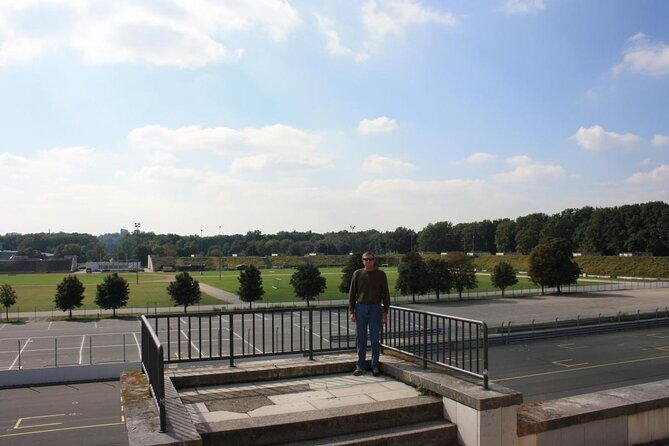
The Nazi party rally area is sprawling and designed with a brutal sense of order. Your guide points out the key geometry—especially the central axis often described as Great Street—so it’s not just buildings you walk past, but a planned stage.
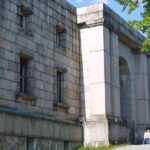
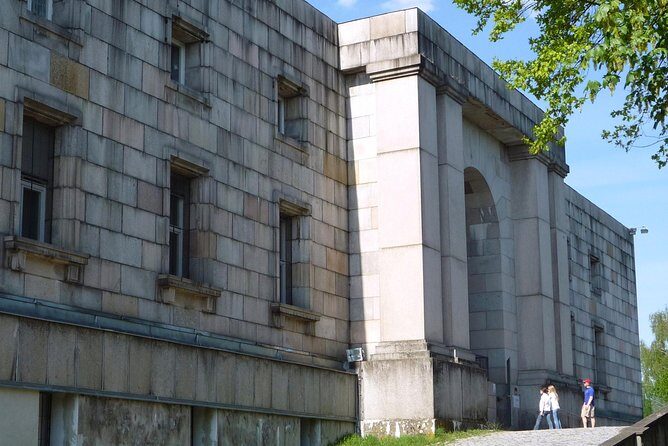
You’ll also see the Congress Hall, famously unfinished and tied to Hitler’s vision for party gatherings. Even though some portions look different today than what existed during the Third Reich, the layout still communicates intent: monumentality built to intimidate.
Documentation Center: where the story becomes clear
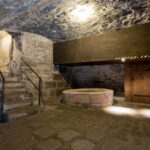
One of the most valuable parts of this tour is the stop at the Documentation Center, which ties wartime events to what followed. It’s the kind of place where context matters, and this guide helps you make sense of what you’re seeing so it doesn’t become just another museum hour.
If you find the exhibits gripping, you can often stay longer before rejoining the group or returning to the city center.
What travelers usually love (and what to watch for)
Most reviews are strongly positive, and the recurring theme is the guide. People mention guides who are engaging, knowledgeable, and good at pacing a day that could easily drag—especially for a history topic this heavy.
Common highlights from past travelers:
- A clear explanation of both the old city and the rally grounds
- A well-run plan with time to regroup and travel smoothly
- Stops that feel carefully chosen rather than random
Two practical realities to keep in mind:
- You’ll be walking, including uphill sections toward the castle area. If you have mobility limits, it’s worth planning carefully.
- Sound can be tricky at busy times. If you’re on a louder day (like around Christmas market season), it helps to position yourself where you can hear the guide.
Is this tour worth it for you?
Choose this if you want:
- A guided connection between Nuremberg’s Renaissance brilliance and its 20th-century catastrophe
- An English-speaking guide who turns sites into stories
- Public transit included, so the day feels effortless
Consider an alternative if you:
- Prefer a lighter, purely scenic old-town visit
- Don’t want to spend time at large-scale memorial and historical sites
Nuremberg Old Town and Nazi Party Rally Grounds Walking Tour in English
Logistics, comfort, and booking tips
- Start/meet point: Nuremberg Central Station at the Bahnhof entrance area.
- Group size: capped at 25, which generally helps with hearing and pacing.
- Best to bring: comfortable walking shoes and a weather layer. The tour runs in real streets and can include uneven surfaces.
- Food: there’s a short lunch break at the market area, but food and drinks aren’t included, so plan to buy your own.
If you like the idea of a day that’s both visually rewarding and historically grounded, this one delivers the kind of overview that makes later independent exploration much richer.