
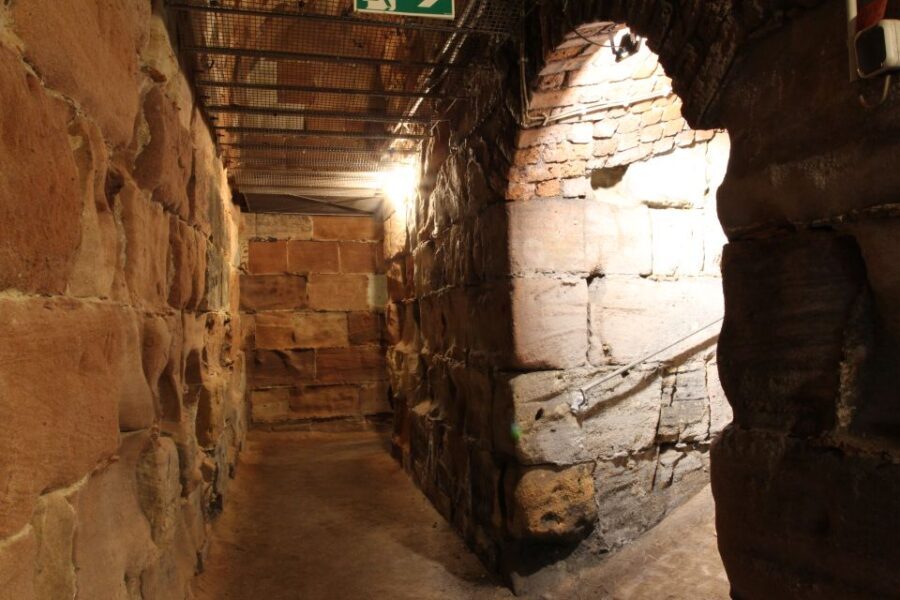
Nuremberg’s tunnels and secret passages tour is a smart hour-long way to see how this Bavarian city stayed standing for centuries. You’ll pace along the sandstone city walls with a guide, then head underground into narrow corridors and high-vaulted chambers beneath the Imperial Castle. It’s part history lesson, part medieval role-play—defenders’ paths included.
Two things I really like: the guides who keep the story clear and fun, and the practical value of seeing areas most visitors never get to enter. People mention guides like Alan, Tom, Robert, Andreas, Ralf, Martin, Penny, and Fiona, and the common thread is confidence with questions, not just facts.
One consideration: this is not a casual stroll. Expect a lot of old stairways and ramps, plus cramped sections that may feel tight—so it’s not a fit for claustrophobia or mobility limits.
- Quick hits: why this tour works
- City walls with teeth: entering Nuremberg’s defensive mindset
- Where you meet and how to plan your timing
- English or German, and how the guides keep the pace fun
- The highlight sequence: from castle rock to defensive tunnels
- Walking the city wall paths
- Moat-and-wall thinking you can actually visualize
- Entering narrow tunnels and high-vaulted chambers
- Secret passages under the Imperial Castle: what you’re really seeing
- How defenders stayed effective: firing positions, teamwork, and hidden weapons
- The 16th-century bastions that could handle cannon fire
- Views from above: don’t skip the above-ground sections
- Comfort and safety: what to wear and what not to bring
- Wear warm clothing and solid grip shoes
- Don’t plan food, drinks, or bathroom breaks
- Pets and accessibility limits
- Claustrophobia warning (seriously)
- Real talk about the pace: steep steps and lots of old ramps
- Small-group feel and question-friendly guides
- Price and value: about for entry to underground defenses
- Best for who: history fans, defense geeks, and curious walkers
- Who should think twice: mobility limits and claustrophobia
- Practical checklist before you book
- Should you book this Nuremberg tunnels tour?
- FAQ
- Where is the meeting point for the tour?
- How long is the tour?
- What languages are available?
- What should I bring or wear?
- Is this tour suitable if I have claustrophobia or mobility issues?
- What parts of the city do you enter on the tour?
- Is it refundable if my plans change?
- More City Tours in Nuremberg
- More Tours in Nuremberg
- More Tour Reviews in Nuremberg
Quick hits: why this tour works
 1 / 9
1 / 9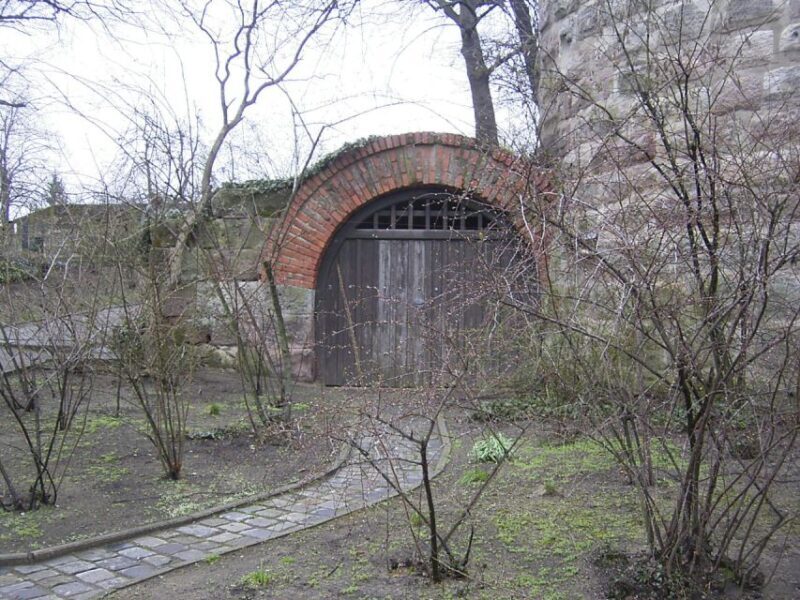 2 / 9
2 / 9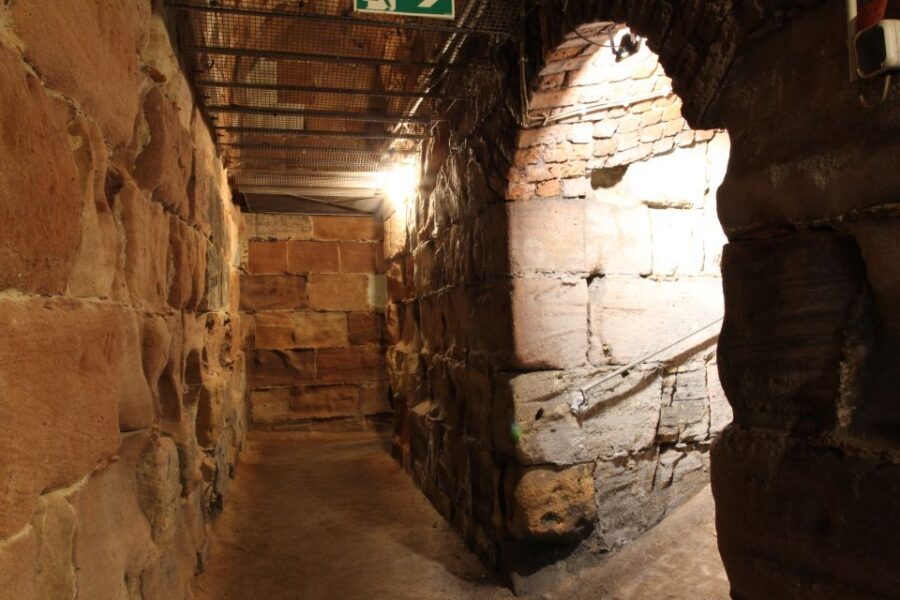 3 / 9
3 / 9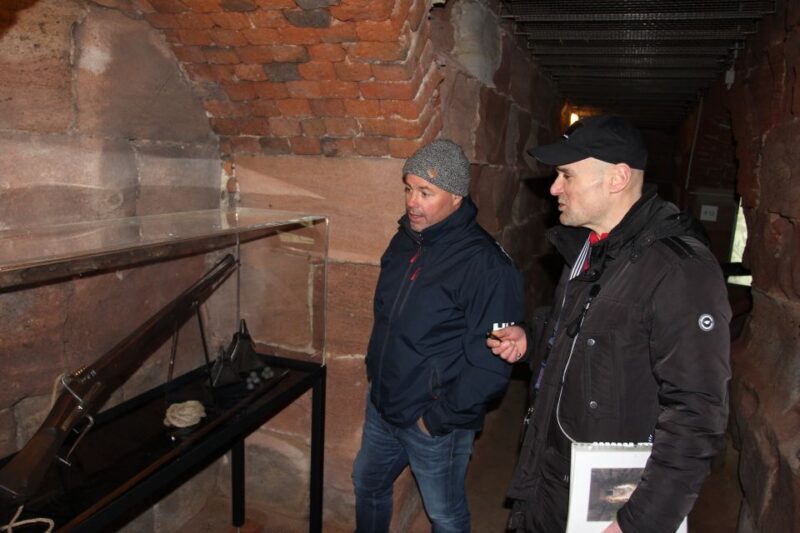 4 / 9
4 / 9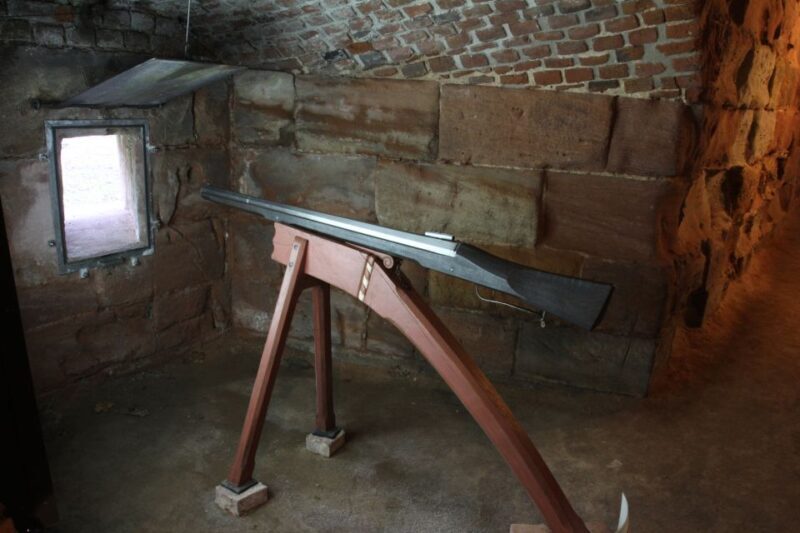 5 / 9
5 / 9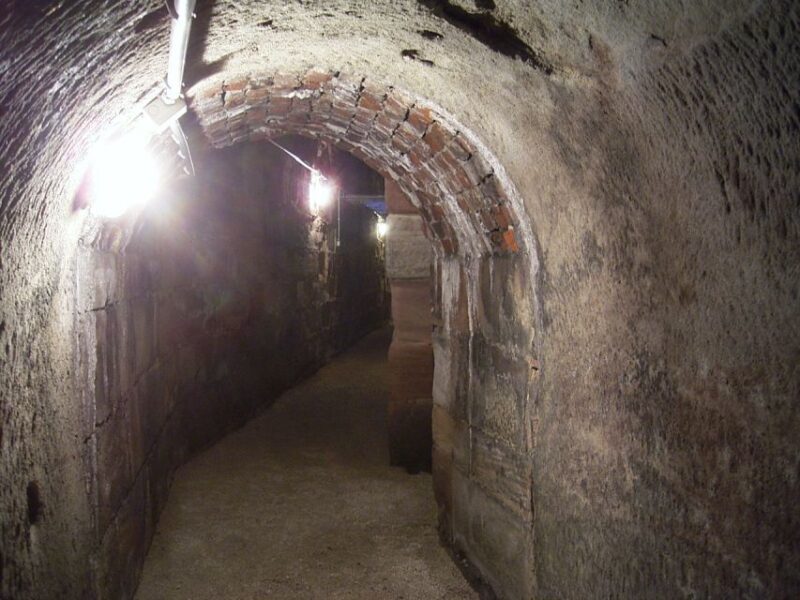 6 / 9
6 / 9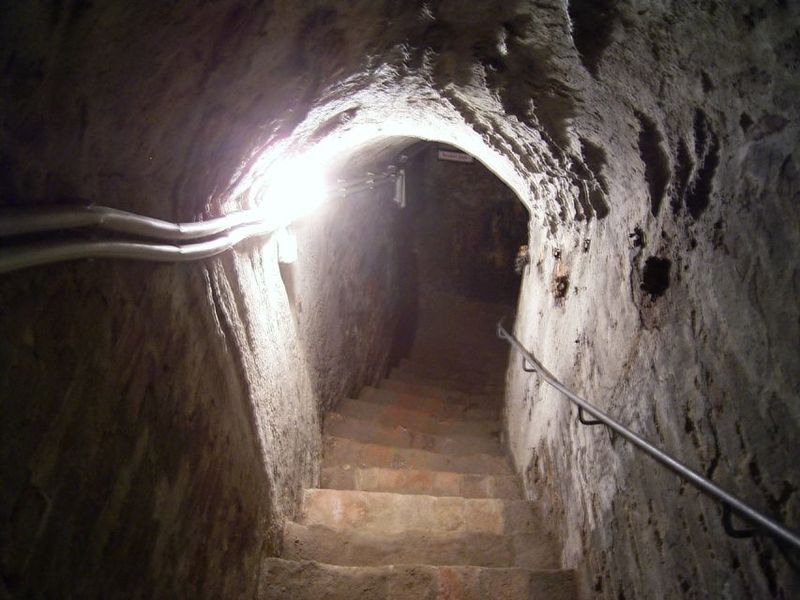 7 / 9
7 / 9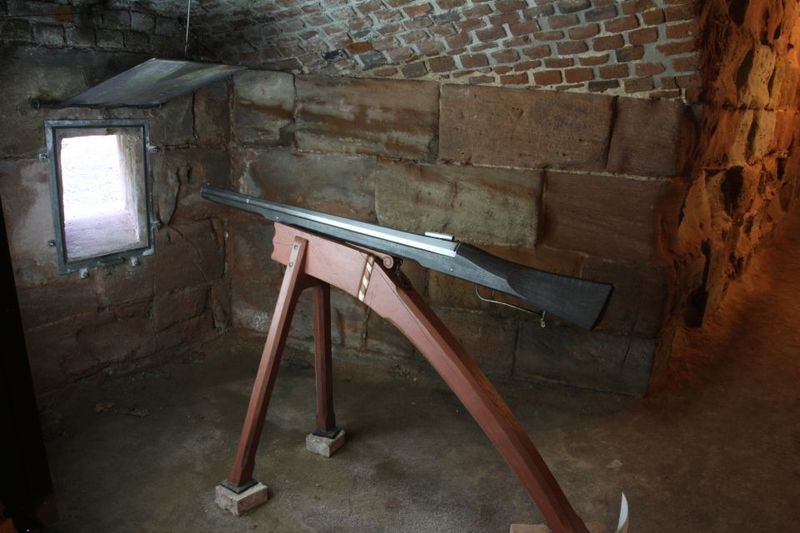 8 / 9
8 / 9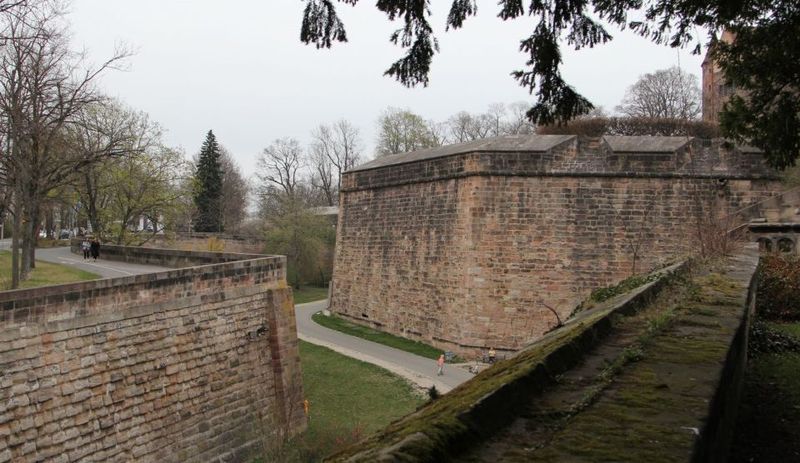 9 / 9
9 / 9- Defensive architecture in real space: moat-and-wall design explained while you’re actually inside the system
- Secret passages under the Imperial Castle: corridors that show how defenders could move and shoot
- Small-group feel: many travelers report a small group where questions are welcome
- Guides who teach actively: lots of answering and prompting with group participation
- Great value for one hour: entry to underground areas for about $14 per person
- Views from above-ground walls: you get open-air scenery before/around the underground sections
City walls with teeth: entering Nuremberg’s defensive mindset
When I think of Nuremberg, I picture fairytale streets and big landmarks. This tour adds a different layer: defense. The story centers on how Nuremberg’s fortifications were built to resist conquest, using layered walls, protected approaches, and underground spaces that kept defenders effective.
You’ll start by admiring the Imperial Castle and the sandstone character of the city walls as your guide frames the bigger question: why Nuremberg wasn’t taken. Then you step into the part many travelers don’t expect—tunnels, chambers, and hidden routes that were designed to keep attackers under pressure.
You can also read our reviews of more city tours in Nuremberg


Where you meet and how to plan your timing
Meeting point is straightforward: in front of the entrance of the Historischer Kunstbunker, Obere Schmiedgasse 52. Because the tour involves lots of climbing on old stairways and ramps, I’d treat arriving early as part of the plan, not a nice-to-have.
The duration is about 1 hour, so it’s efficient. It’s also the kind of activity that works well when you want something different from museums or long walking loops.
English or German, and how the guides keep the pace fun
Tours run with a live guide in English or German. What’s especially praised is how guides explain without dumping jargon. Travelers repeatedly mention guides who are chatty, humorous, and very approachable with questions.
You’ll also notice a teaching style that keeps people awake: guides often ask the group to guess what a feature was for, then guide you to the answer. That approach turns the tunnels from “cool dark holes” into a clear defensive system you can follow.
The highlight sequence: from castle rock to defensive tunnels
This tour is built around a simple flow: above the walls, then into the underground. The point is to connect what you see from street level with what defenders needed below.
Walking the city wall paths
You’ll stroll along parts of Nuremberg’s walls and see the logic of their design. The emphasis is on protection—why the route mattered, where defenders could operate, and how the city’s layout worked alongside the castle.

Moat-and-wall thinking you can actually visualize
Your guide explains how the moat and defensive walls worked as a connected system. It’s one thing to hear “fortifications”; it’s another to understand that these walls were designed with specific scenarios in mind.
Entering narrow tunnels and high-vaulted chambers
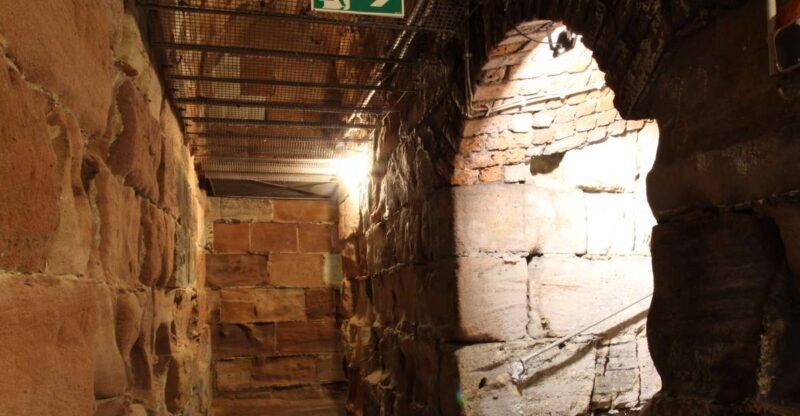
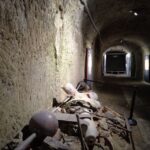
Once underground, expect sandstone tunnels and chambers carved into the castle rock. The space can feel tight and old-schooled—exactly the sort of environment defenders would use in real time.
Secret passages under the Imperial Castle: what you’re really seeing
The underground portion includes secret passages and corridors under the Imperial Castle. This is the part that tends to stick with people because it turns the city wall into a living machine.
The core idea is defender control from multiple angles. Corridors and connected sections were designed so defenders could respond as an enemy tried to cross the moat or push closer to the walls. It’s not just about being hidden—it’s about being positioned.
Many visitors describe the walk as surreal: it’s hard to picture medieval life in a modern city, until you’re in the same kind of carved spaces. And yes, plenty of people mention it can feel a bit claustrophobic in sections with less than comfortable headroom.
How defenders stayed effective: firing positions, teamwork, and hidden weapons
This tour doesn’t treat fortifications like a static monument. It explains how defensive architecture worked alongside the people using it.
Your guide covers how medieval weapons hidden or used around the walls factored into the system. You’ll also hear about how knights and defenders worked together—roles, timing, and coordination—so the city could keep attacks from becoming successful takeovers.
If you like history that has cause-and-effect, this is your kind of tour. Features aren’t explained as trivia; they’re explained as solutions to problems.
The 16th-century bastions that could handle cannon fire
One of the most useful pieces of context is the mention of modern bastions built in the sixteenth century. These weren’t just decorative upgrades. They were designed to withstand cannon fire, showing that the city kept adapting as warfare changed.
This matters for travelers because it prevents a common mistake: thinking medieval defenses stopped evolving after the Middle Ages. Here, you’ll see evidence of change built into the landscape.
Views from above: don’t skip the above-ground sections
Even though the underground areas are the headline, you’ll still spend time outside along the walls and around the castle area. Travelers mention lovely views during the walk, and it makes a difference when you’re alternating between open air and enclosed corridors.
Also, it’s a nice pacing trick. Underground sections can feel heavy; the open-air bits give you breathing room and a better sense of where you are.
Comfort and safety: what to wear and what not to bring
Before you go, read the rules and plan your body for stairs and tight spaces.
Wear warm clothing and solid grip shoes
Bring warm clothing. And please avoid sandals or flip-flops—those surfaces and stone steps aren’t built for slip-free wandering.
Several travelers strongly recommend non-slip shoes, because you’re dealing with damp stone and cave-like stairs at times. Even if the weather is dry, the underground can feel cooler and slick.
Don’t plan food, drinks, or bathroom breaks
Food and drinks are not allowed. Also, there are no toilet breaks during the tour, so plan ahead.
Pets and accessibility limits
Pets aren’t allowed, but assistance dogs are allowed. As for accessibility, this is not suitable for people with mobility impairments or wheelchair users.
Claustrophobia warning (seriously)
If you’re prone to anxiety in tight spaces, consider passing. Multiple travelers note sections that can feel narrow and low in height.
Real talk about the pace: steep steps and lots of old ramps
The tour involves climbing lots of old stairways and ramps. That means you should expect a workout feel, even though the total time is only about an hour.
This is why footwear and arrival timing matter. If you rush to the meeting point and start the climb already winded, the underground portion can feel harder than it should.
Small-group feel and question-friendly guides
Many travelers describe the tour as fun with a small group. That’s a big deal for this kind of experience because the guide can answer questions as they come up, instead of managing a crowd that just wants to move.
People repeatedly mention guides welcoming questions and adjusting explanations so adults and kids can follow. If you’re traveling with family, or you just prefer interaction over lectures, this style tends to work well.
Price and value: about $14 for entry to underground defenses
At around $14 per person for a 1-hour experience, the value is strong because you’re not just hearing about tunnels—you’re entering defensive corridors in the city walls and secret passages under the Imperial Castle.
Also, the booking options help. There’s free cancellation up to 24 hours in advance for a full refund, plus a reserve now and pay later option. For travelers juggling weather, museum fatigue, or tight schedules, that flexibility is practical.
Best for who: history fans, defense geeks, and curious walkers
This tour is a great match if you like:
- Medieval defense systems and how they were built for real-world attacks
- City history you can touch with your feet
- A short activity that feels distinct from standard sightseeing
It can also suit families with older kids who are okay with stairs and enclosed spaces, since several visitors mention kids enjoying it when the guide keeps things engaging.
Who should think twice: mobility limits and claustrophobia
If you have mobility impairments or use a wheelchair, this isn’t suitable. Likewise, if claustrophobia is an issue, the narrow tunnels and old corridors may be too much.
If you’re unsure, the best move is to compare your comfort level with cramped, uneven stair access. This is an underground walking experience first, sightseeing second.
Practical checklist before you book
- Bring warm clothing
- Wear shoes with strong grip; skip sandals and flip-flops
- Leave time for arriving early and getting ready for steps
- Know there are no toilet breaks
- Don’t bring food/drinks
- If you’re claustrophobic or have mobility limits, consider other Nuremberg options
Should you book this Nuremberg tunnels tour?
Book it if you want one of the most memorable, hands-on ways to understand why Nuremberg held its ground. The combination of guided explanation, underground access to secret passages, and the strong feedback on guides makes it a solid choice for value.
Skip or reconsider if you can’t handle tight spaces or lots of uneven stair climbing. With the right fit, though, this tour turns the city walls into an actual defensive map—and that’s a rare thing to get in just an hour.
Nuremberg: Tunnels and Secret Passages in the City Wall Tour
FAQ
Where is the meeting point for the tour?
Meet in front of the entrance of the Historischer Kunstbunker at Obere Schmiedgasse 52.
How long is the tour?
The tour lasts 1 hour.
What languages are available?
The tour guide is available in English and German.
What should I bring or wear?
Bring warm clothing. Avoid sandals or flip-flops.
Is this tour suitable if I have claustrophobia or mobility issues?
No. The tour is not suitable for people with mobility impairments, wheelchair users, or people with claustrophobia.
What parts of the city do you enter on the tour?
You’ll have entry to the defensive corridors in the city walls and entry to the secret passages under the Imperial Castle.
Is it refundable if my plans change?
Yes. There is free cancellation up to 24 hours in advance for a full refund. You can also reserve now and pay later.
You can check availability for your dates here: