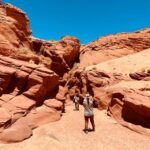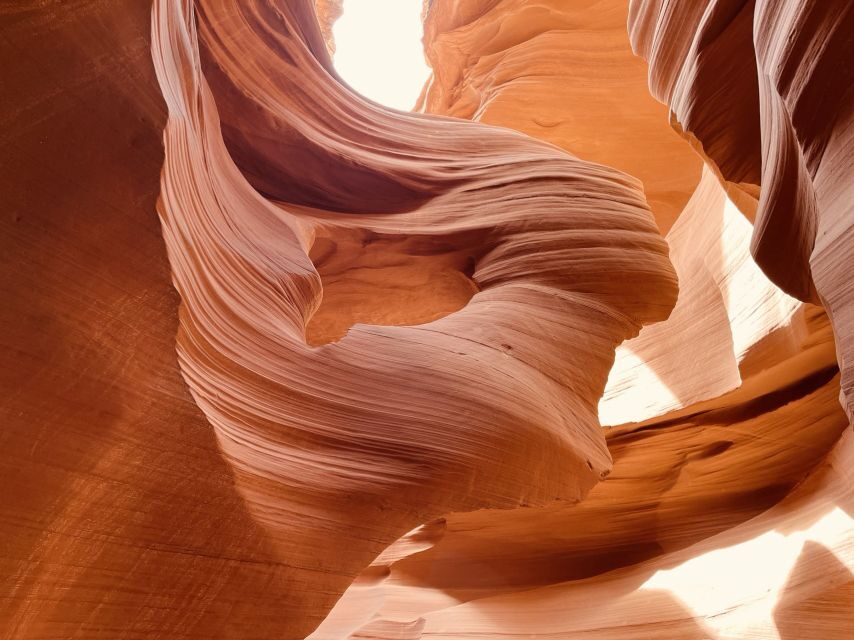
I’m always torn when a place is this famous. Lower Antelope Canyon in Page can feel like a photo factory from a distance, but a good guided walk turns it into something more personal: you’re not just looking at rock, you’re watching light change the canyon walls in real time. This tour is built around that effect, plus the peace of mind that comes from trained help and clear safety systems.
Two things I really like about this experience are the trained Navajo guide focus (geology and cultural context, not just logistics) and the straightforward setup. You get a small group capped at 10, you’ll use the canyon’s built-in access features like anchored ladders, and you return to the meeting point without extra hassle.
One thing to keep in mind: this is a short canyon window (about an hour in the rock), and the canyon can be busy. Some travelers mention pacing can feel tight when other groups are nearby, so if you’re hoping for a slow, solo photo session, you might feel a little rushed.
- Key things to know before you go
- Lower Antelope Canyon’s main trick: shifting light you can actually feel
- The 65-minute schedule: what that really means for your day
- Where to check in at Ken’s Tours: the simple way to not waste time
- The hike itself: guided walking through the canyon’s shapes
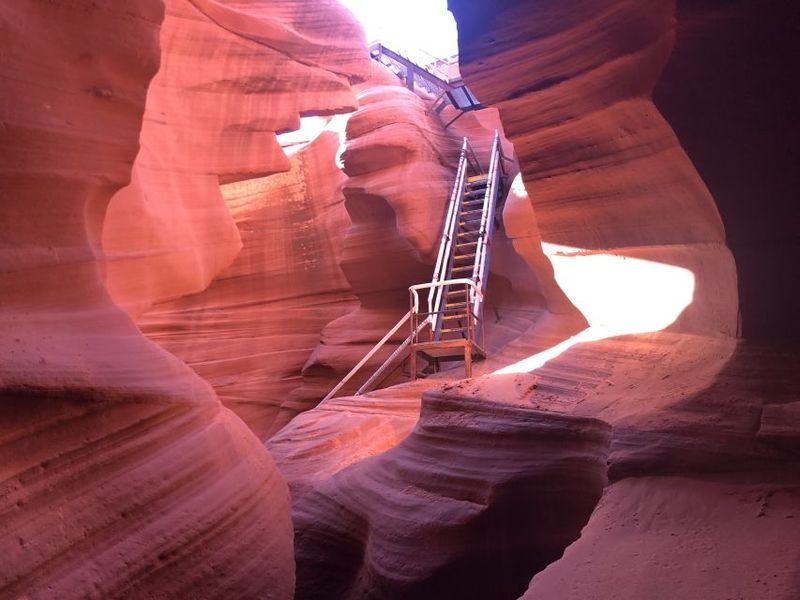
- Safety isn’t an afterthought: ladders, handrails, and escape ropes
- Photography help you’ll actually use: spots, angles, and phone settings
- The Navajo guide experience: more than a commentary track
- What’s included (and what’s not): a clear value picture
- Group size and flow: limited to 10, but still a popular canyon
- Comfort and accessibility limits you should not ignore
- Rules on what you can bring: pack light and follow the list
- Timing tips: when to go for the best light (without overpromising)
- Pairing this tour with other Page plans
- Should you book this Lower Antelope Canyon guided hike?
- FAQ
- How long is the Lower Antelope Canyon tour?
- Where do I check in?
- Is the tour wheelchair accessible?
- What safety features are used in the canyon?
- Are there restrictions on what I can bring?
- What’s included in the price?
- More Guided Tours in Page Arizona
- More Tours in Page Arizona
- More Tour Reviews in Page Arizona
Key things to know before you go
 1 / 10
 2 / 10
 3 / 10
 4 / 10
 5 / 10
 6 / 10
 7 / 10
 8 / 10
 9 / 10
 10 / 10
- Small group (up to 10): less waiting, more time looking closely at the walls
- Trained Navajo guide: you’ll get photography help plus stories tied to the land
- Anchored ladders + handrails: safety features are built into the route
- Rules are strict: no drones, selfie sticks, tripods, umbrellas, bags, or certain footwear
- No food included: plan snacks and water outside the canyon entry
Lower Antelope Canyon’s main trick: shifting light you can actually feel
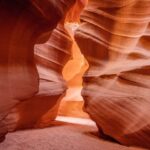
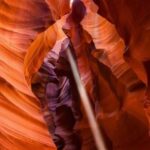
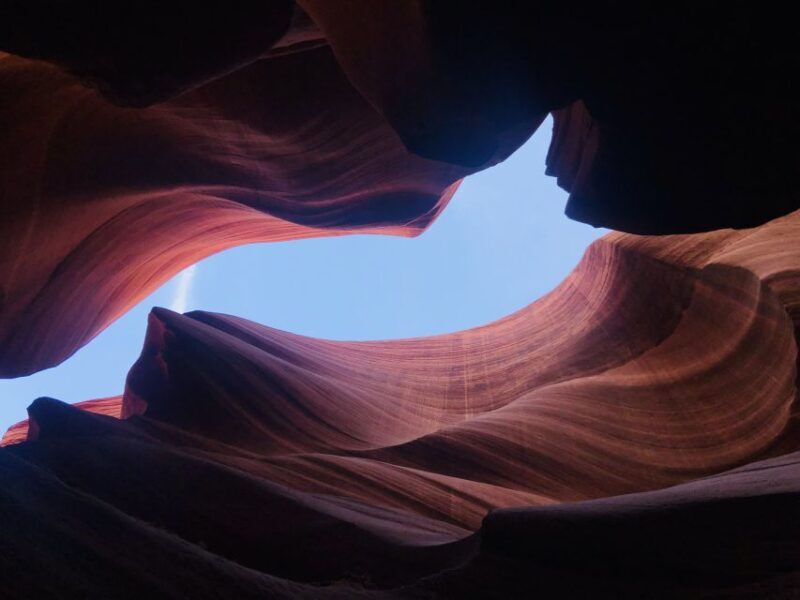
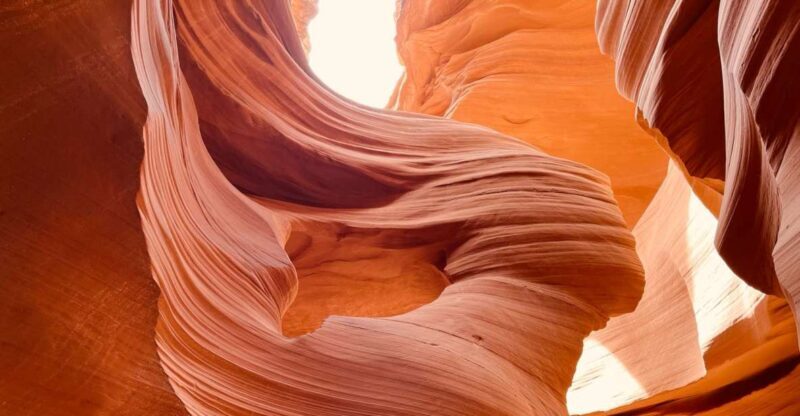
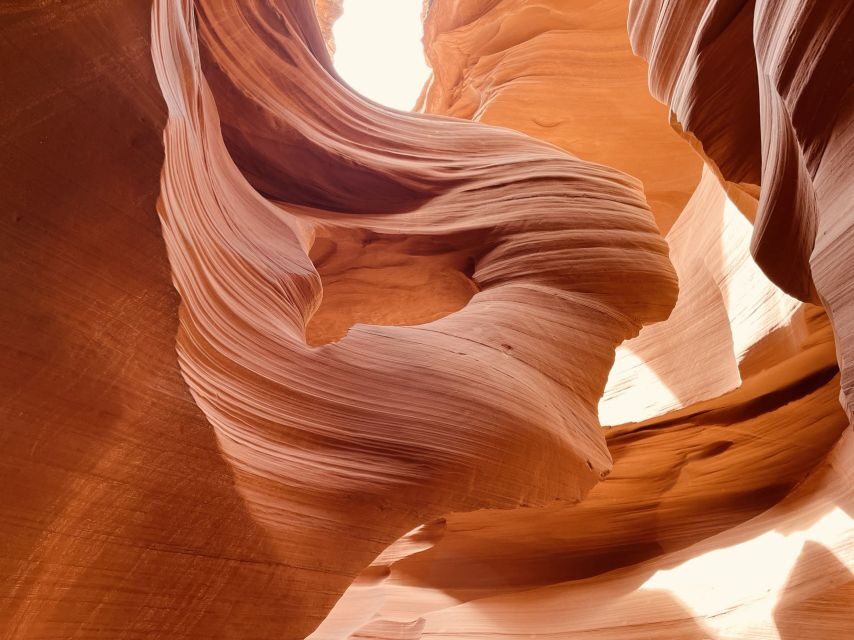
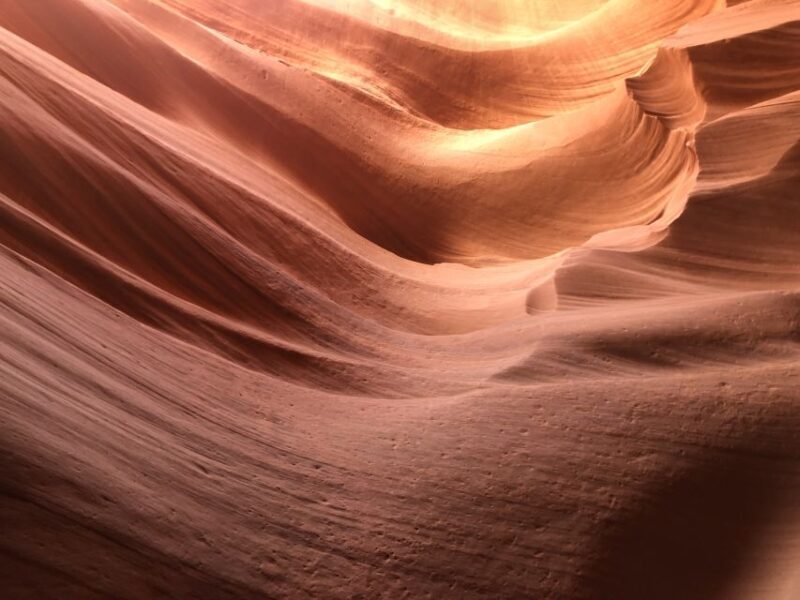
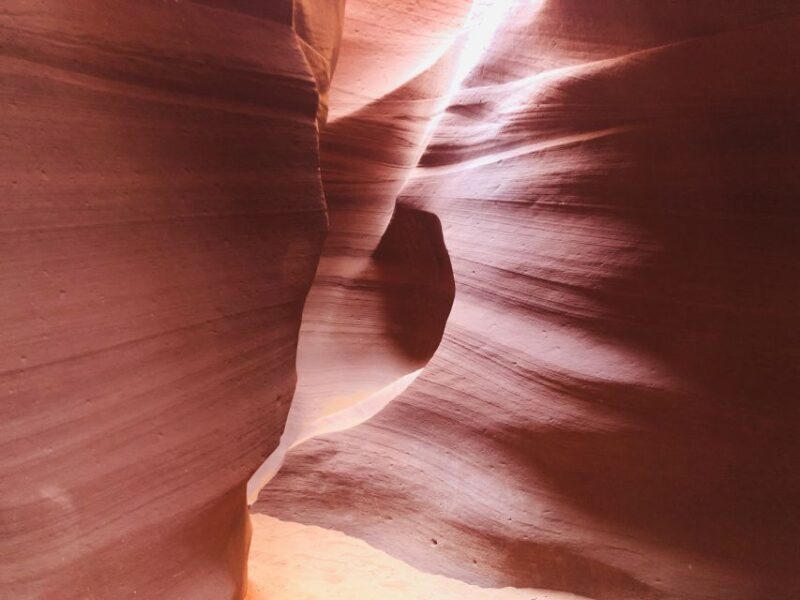
Lower Antelope Canyon is famous for a reason. The shapes are dramatic, but the real magic is how quickly the canyon changes as sunlight bounces, slides, and brightens different textures. A guided walk helps because you’re not guessing where to stand. You’re shown where the light hits best and when to look up.
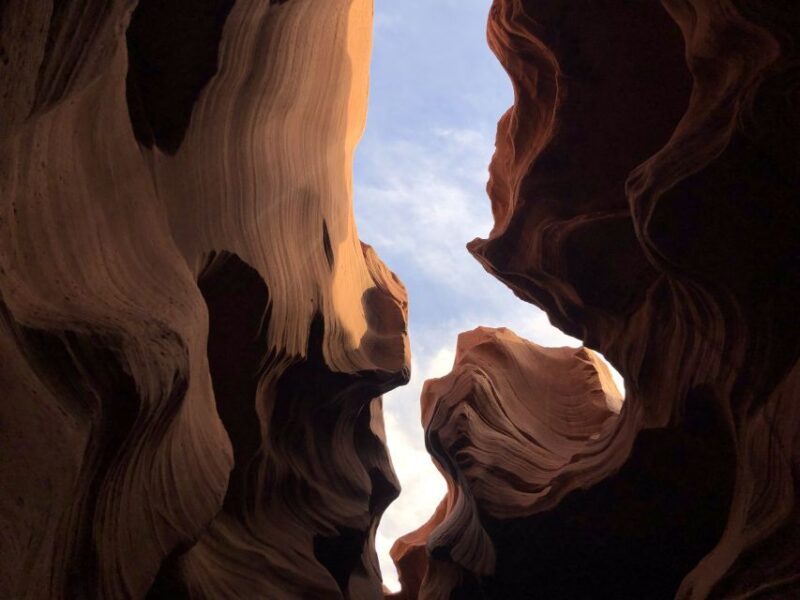
And because this is a slot canyon, the walls guide your attention. You’ll notice ripples, curves, and layered color bands as you move, not just at one “perfect” viewpoint. It’s a walk that feels like a living photo—especially when the guide times stops so you can see the canyon at a few different lighting moments.
You can also read our reviews of more guided tours in Page Arizona



The 65-minute schedule: what that really means for your day
This tour is listed at 65 minutes total, but you should read that as about 90 minutes in your calendar, because check-in takes time. The canyon hike itself runs around an hour, after you check in and receive your ticket.
That matters because you’ll likely want to plan your other Page activities with buffer time. During peak periods, the speed of the overall flow can be influenced by how groups move through, and the operator recommends leaving an extra 1–2 hours if you’re stacking another tour right after.
If you’re traveling on a tight itinerary, treat this as a “highlight slot” early enough that you’re not rushing your next booking.
Where to check in at Ken’s Tours: the simple way to not waste time
You’ll check in at Ken’s Tours Lower Antelope Canyon. After you receive your ticket from the fee booth, head to the southeast corner of the Ken’s Tours building and wait by the yellow sign that reads Please Wait Here.
This is one of those details that can save your sanity. If you arrive a little late, you’ll still know exactly where to go. And if you’re the type who likes to be settled before you hear instructions, you can wait on-site and get your bearings fast.
The hike itself: guided walking through the canyon’s shapes
Once you’re set, you’ll hike into Lower Antelope Canyon with your Navajo guide. The route includes photo stops and a guided walk, so you’re not stuck with one long stretch of moving and no breaks. Instead, you’ll pause where the geometry and light make the canyon walls pop.
Your guide will explain what you’re seeing—how the sandstone was shaped over millions of years by water and wind. You’ll also hear facts like where the canyon’s English name came from, plus how views constantly shift as the sun changes.
It’s not a strenuous hike in the “hours of steep climbing” sense, but it does involve stairs and ladder sections, so your body needs to handle short bursts of vertical movement.
More Great Tours NearbySafety isn’t an afterthought: ladders, handrails, and escape ropes
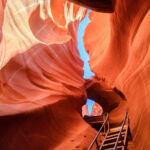
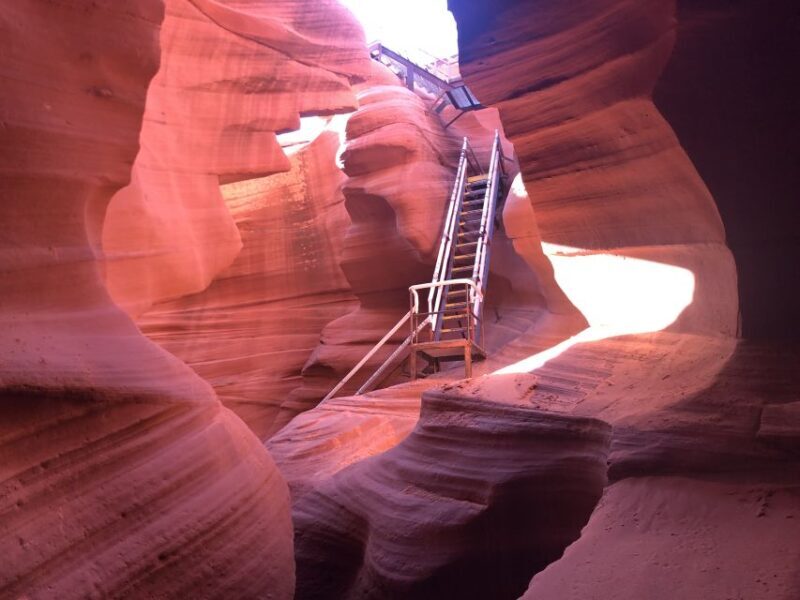
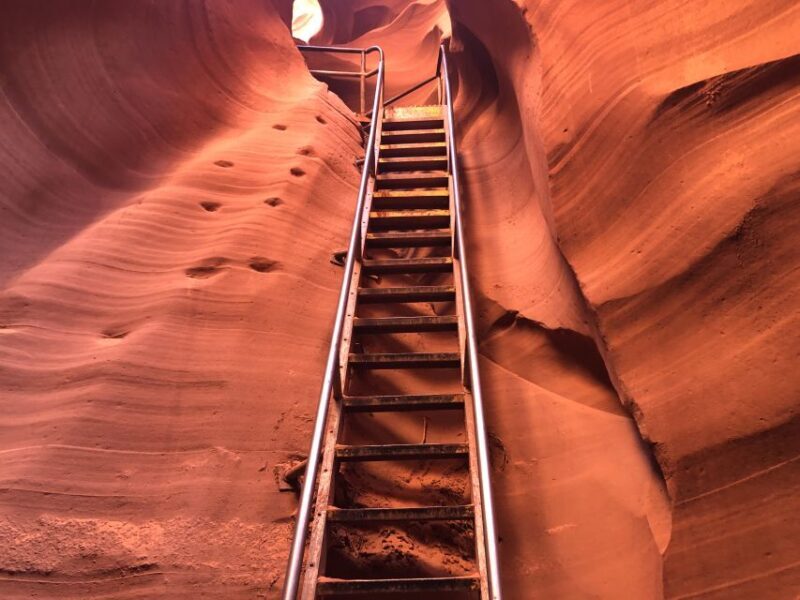
This tour’s safety approach is a big part of why it works. The route uses steel ladders anchored into the canyon walls, with lengths that vary from about 3 ft to 25 ft. Ladders over 8 ft have handrails in place.
If that sounds intense, it helps to know the route is designed for controlled access, with escape rope ladders stored in metal boxes on top of the canyon for emergency situations. In other words, this isn’t improvisation—it’s engineered.
If you’re comfortable with heights and you can use handrails, you’ll likely feel reassured. If you’re not, take the “Not suitable for” notes seriously.

Photography help you’ll actually use: spots, angles, and phone settings
Many visitors come for the photos, and guides seem to take that seriously. People consistently mention that their guides showed them the best spots and gave practical help, including tips for phone settings and angles.
Guides you may hear about from prior groups include Jona, Vanessa, Delilah, Lamar, Joanne, Ali, Shoshonna, and Nolan. Travelers describe them as patient, funny, and tuned into what the group needs—especially when multiple people are trying to capture the same light.
A reality check: the canyon can get crowded. Some guests say it would be nicer if there were more space between groups so they could get clean shots from the floor up. So bring patience, and accept that you’ll be photographing around other people.
Also follow the rules. No selfie sticks, tripods, drones, or umbrellas are allowed, and the tour lists cameras as not allowed as well. If you plan to shoot, stick to what’s permitted and be ready to work with your phone in a crowd.
The Navajo guide experience: more than a commentary track
What makes this tour feel worth it isn’t only the scenery—it’s how the guide frames it. You’ll get cultural history about the canyon and the land, plus geology that makes the patterns make sense.
In past groups, travelers note guides shared not just facts but also stories and a sense of humor. Some people mention their guide helped them connect with the place, and others highlight that their guide explained formation details in a way that was easy to follow while you’re standing inside the rock.
That blend matters. Slot canyons can be visually overwhelming, and a good guide helps you slow down just enough to notice why the canyon looks the way it does.
What’s included (and what’s not): a clear value picture
Included in this tour:
- Lower Antelope Canyon entry fee
- Hike
- Navajo guide
- Navajo tax and permit fee
Not included:
- Food and drinks
- Transportation
That included breakdown is key for value. You’re not only paying for a guide—you’re also paying the entry and the local permits that keep the site regulated. Some travelers say the tour feels a bit pricey for an hour-long canyon walk, but others argue it’s worth it because it supports the Navajo Nation economy and the local operation.
There’s also a pricing detail to watch. One traveler questioned why the booking price didn’t match what they paid on arrival. If you’re budget-tight, double-check what’s shown at checkout and what’s collected in total.
Group size and flow: limited to 10, but still a popular canyon
This tour is listed as a small group with a cap of 10 participants. That’s a strong start because it usually means you won’t be squeezed shoulder-to-shoulder for the entire route.
Still, Lower Antelope Canyon is popular, and some guests mention crowding or that pacing felt rushed due to groups moving one after another. Another common complaint is difficulty getting certain shots because others were standing in the way early on.
So I’d treat it like this: you’ll get a more personal guide experience than the “mega bus tour,” but you’re still visiting a hot ticket at a controlled site.
Comfort and accessibility limits you should not ignore
This tour lists several “Not suitable for” categories:
- Pregnant women
- People with back problems
- Wheelchair users
- People with mobility impairments
Even if the hike doesn’t sound long, ladders and vertical steps change the equation. If you have any mobility concerns, don’t assume you’ll be able to “power through.” Use the operator’s guidance as the deciding factor.
Footwear is also restricted. Open-toed shoes, sandals or flip-flops are not allowed. Ditch anything you can slip out of.
Rules on what you can bring: pack light and follow the list
To protect guests and the canyon, the tour lists several not-allowed items:
- Weapons or sharp objects
- Smoking
- Drones
- Selfie sticks
- Tripods
- Umbrellas
- Cameras
- Walking sticks
- Bags
- Sandals or flip flops
- Pets
That’s a lot, and it’s easy to accidentally bring something you didn’t think counted (like an umbrella for sun protection). The safest approach is to pack only essentials in a way that meets the “no bags” rule, then leave anything questionable in your car.
Also, pets aren’t allowed in the canyon out of respect for allergies and other guest needs.
Timing tips: when to go for the best light (without overpromising)
The canyon’s look depends on the sun, and guides are trained to show you how the views shift. That’s why timing can matter.
One traveler specifically mentioned that visiting at 9.30 am felt like the right time to see the canyon. While that doesn’t guarantee the same outcome every day, it does suggest that early/mid-morning can be a popular choice for light.
If you can choose, aim for a time that fits your energy level and lets you build in buffer time afterward, especially if you’re doing multiple stops in Page.
Pairing this tour with other Page plans
Most visitors do Antelope Canyon as a “must-see” anchor, then stack other nearby experiences like Lake Powell views or a short drive around Page. Because this tour recommends leaving an extra 1–2 hours after it during peak times, plan your next stop with flexibility.
If you’re taking a longer road trip, this slot canyon visit is an easy win: it doesn’t require a full half-day commitment, but it delivers a high-impact experience.
Should you book this Lower Antelope Canyon guided hike?
Yes—if you want the canyon’s light show with a trained Navajo guide, appreciate clear safety infrastructure, and you’re okay with a short, busy, well-run experience.
Skip it if ladders and height exposure are a no-go for you, if mobility limits make stairs and handrails unrealistic, or if you need a quiet, uncrowded photo session. The canyon is popular, and even with the small group size, the overall flow can still feel tight at times.
If you decide to book, do it with the right expectations: come ready to follow rules, keep your packing minimal, and lean into what the guide points out. That’s when Lower Antelope Canyon stops being just a famous stop and starts feeling like a real moment.
Page: Lower Antelope Canyon Tour with Trained Navajo Guide
FAQ
How long is the Lower Antelope Canyon tour?
The tour is listed at 65 minutes total, including about 30 minutes for check-in time, with roughly 1 hour of hiking inside the canyon.
Where do I check in?
Please check in at Ken’s Tours Lower Antelope Canyon. After you get your ticket from the fee booth, go to the southeast corner of the building and wait by the yellow sign that says Please Wait Here.
Is the tour wheelchair accessible?
No. This experience is listed as not suitable for wheelchair users and people with mobility impairments.
What safety features are used in the canyon?
The route includes steel ladders anchored into the canyon walls. The ladders vary from about 3 ft to 25 ft, and ladders over 8 ft have handrails. Escape rope ladders are placed in metal boxes on top of the canyon for emergency situations.
Are there restrictions on what I can bring?
Yes. The tour rules list no drones, selfie sticks, tripods, umbrellas, cameras, walking sticks, bags, and no pets. Open-toed shoes and sandals/flip-flops are also not allowed.
What’s included in the price?
Included are the Lower Antelope Canyon entry fee, the hike, a Navajo guide, and Navajo tax and permit fees. Food and drinks and transportation are not included.
You can check availability for your dates here: