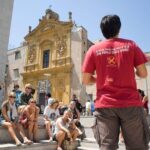
We’ve reviewed countless city tours across Europe, and this Palermo walking experience stands out for one simple reason: it’s led by someone who genuinely loves his hometown. Fabrizio Cavallaro, a born-and-raised Palermitano, brings the kind of insider knowledge that no guidebook can provide. He doesn’t just point out monuments; he tells the stories behind them, shares local humor, and navigates you through the city’s chaotic streets with the confidence of someone who’s walked them his entire life.
The second thing we appreciate is how this tour balances substance with authenticity. You’re not being herded through tourist traps or fed commercialized “experiences.” Instead, you’ll taste genuine street food in working markets, stand in front of a UNESCO World Heritage cathedral, and explore neighborhoods where locals actually live and eat. The combination feels earned rather than packaged.
That said, if you’re expecting this to be primarily a food tour where you’ll spend most of your three hours sampling dishes, you might be disappointed. This is fundamentally a walking tour with food tastings woven throughout—a meaningful distinction that shapes how you should approach the experience.
This tour works beautifully for cruise passengers with limited time, families wanting cultural context alongside their meals, and travelers seeking authentic local perspective rather than polished tourist narratives.
- The Real Value Proposition
- Breaking Down the 3-Hour Experience
- The Meeting Point and Getting Started
- Stop 1: Teatro dell’Opera dei Pupi (10 minutes)
- Stop 2: Teatro Massimo (15 minutes)
- Stop 3: Capo Street Market (30 minutes)
- Stop 4: Dainotti’s da Arianna (45 minutes)
- Stop 5: Via Beati Paoli (10 minutes)
- Stop 6: Cattedrale di Palermo (20 minutes)
- Stop 7: Cassaro Alto (15 minutes)
- Stop 8: Quattro Canti (Return, 15 minutes)
- The Guide Makes the Difference
- Practical Considerations
- What the Numbers Tell Us
- Is This Tour Worth Your Time and Money?
- Frequently Asked Questions
- The Best Of Palermo!
- More Walking Tours in Palermo
- More Tours in Palermo
- More Tour Reviews in Palermo
The Real Value Proposition
 1 / 6
1 / 6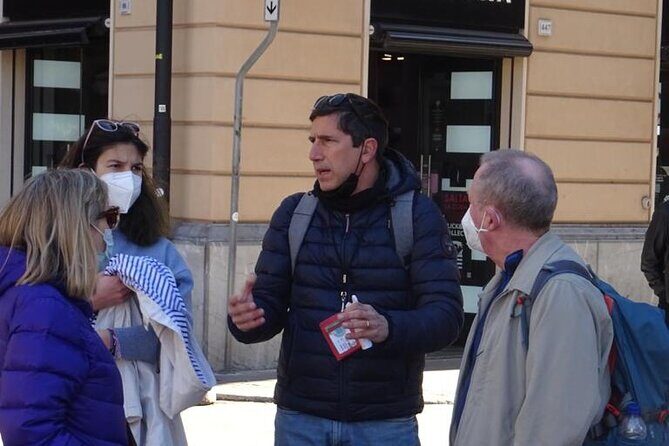 2 / 6
2 / 6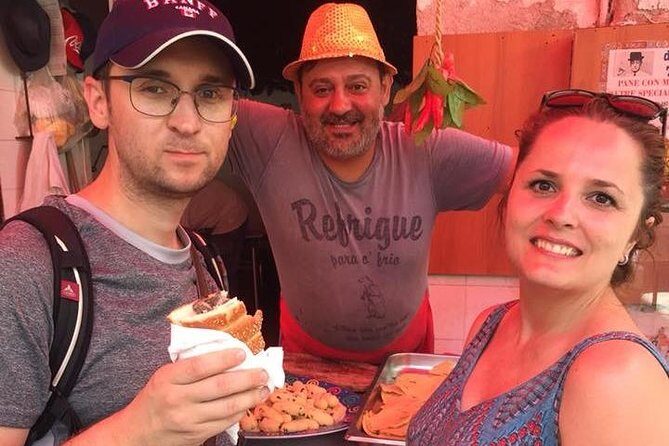 3 / 6
3 / 6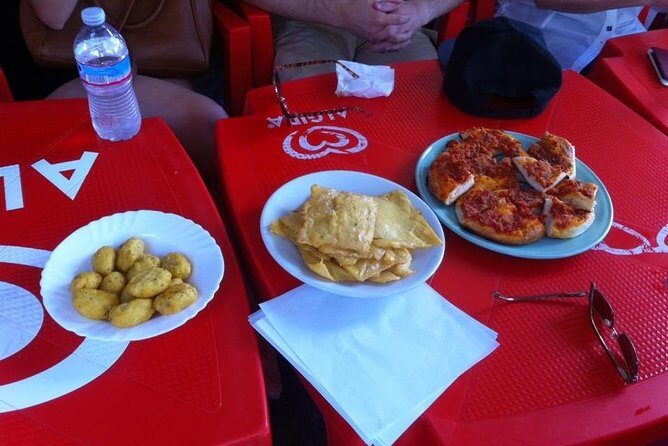 4 / 6
4 / 6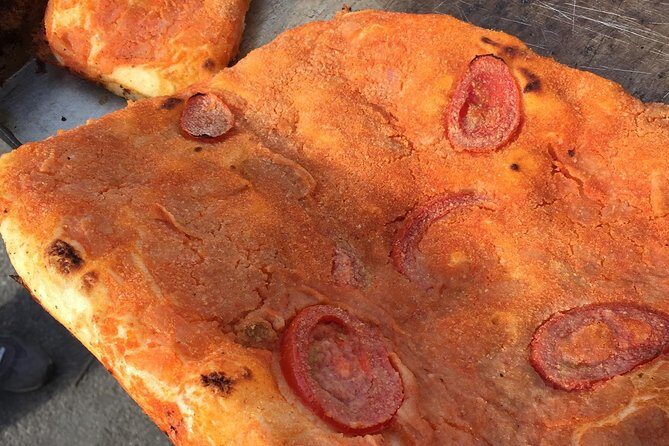 5 / 6
5 / 6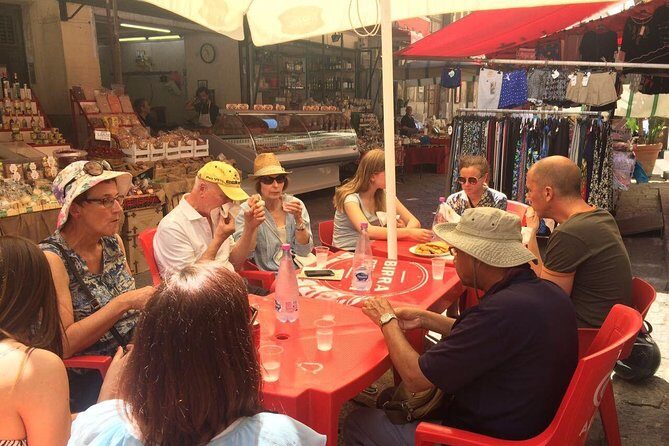 6 / 6
6 / 6At $48.98 per person, you need to understand what you’re actually getting. This isn’t just about the food samples (though they’re excellent). You’re paying for a professional guide who knows Palermo’s 2,800-year history, can navigate the labyrinthine old town without consulting a map, and has genuine relationships with the food vendors he takes you to visit.
The pricing includes admission to the Teatro dell’Opera dei Pupi and the Cathedral of Palermo—two significant cultural sites that alone would cost you €10-15 if you visited independently. Add in the beverages and the curated food tastings, and the math becomes sensible. One reviewer who’d taken food tours “in several cities around the world” noted that Fabrizio’s tour was special precisely because it didn’t try to be just one thing.
👉 See our pick of the What Are The Best Walking Tours In Palermo? Our Top 15 Picks
Breaking Down the 3-Hour Experience
You can also read our reviews of more walking tours in Palermo
The Meeting Point and Getting Started
Your tour begins at Quattro Canti (also called Vigliena Square) at 10:30 AM, the geographical heart of Palermo’s historic center. This isn’t arbitrary—Quattro Canti is where you need to be to understand the city’s layout and history. The piazza itself deserves attention: an octagonal intersection where two major streets meet, lined with buildings whose facades represent centuries of Sicilian power dynamics.
Each of the four corners tells a story through its architecture and decorative elements. You’ll see fountains representing Palermo’s four historic rivers, allegorical statues representing the seasons, and portraits of Spanish kings who once ruled Sicily. It’s the kind of place where a good guide transforms random architectural details into a coherent narrative about conquest, adaptation, and cultural layering.
Stop 1: Teatro dell’Opera dei Pupi (10 minutes)
Your first stop introduces you to one of Sicily’s most distinctive art forms: puppet opera. Unlike the marionettes you might be familiar with, Sicilian puppet theater emerged in the early 1800s and tells epic stories—often about knights, love, and medieval adventure. UNESCO recognizes this as a Masterpiece of the Oral and Intangible Heritage of Humanity, which means what you’re looking at represents centuries of storytelling tradition.
Fabrizio’s knowledge of this art form helps you see why it matters. These weren’t entertainment for the wealthy; they were how ordinary Sicilians encountered epic narratives, heroes, and moral lessons. The puppets themselves are remarkable—elaborately carved and costumed figures that required genuine craftsmanship. Admission is included, so you get to see the actual theater and often view the puppets up close.
Stop 2: Teatro Massimo (15 minutes)
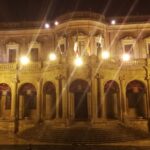
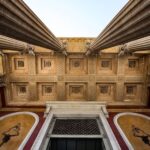
Italy’s largest opera house looms as you approach it—a massive neoclassical building constructed between 1875 and 1897. This is where you get context about Palermo’s aspirations as a major European city during the late 1800s. The theater’s history includes famous performances, restoration periods, and yes, appearances in The Godfather Part III (though Fabrizio will likely focus on the actual history rather than Hollywood references).
You won’t go inside—admission isn’t included—but standing in front of it and understanding its significance is worthwhile. It represents a moment when Palermo was wealthy enough to build monuments that rivaled anything in Europe.
Stop 3: Capo Street Market (30 minutes)
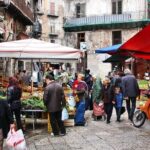
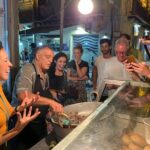
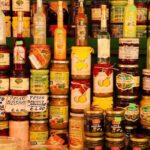
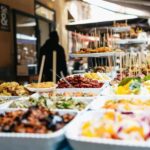
This is where the tour shifts into sensory overload in the best way. Capo Market is a working neighborhood market where Palermitans actually shop for their daily groceries. You’re not in a sanitized tourist zone; you’re navigating through stalls of produce, fish, and prepared foods while vendors call out to customers and shoppers navigate with practiced efficiency.
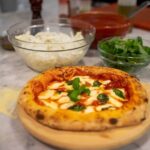
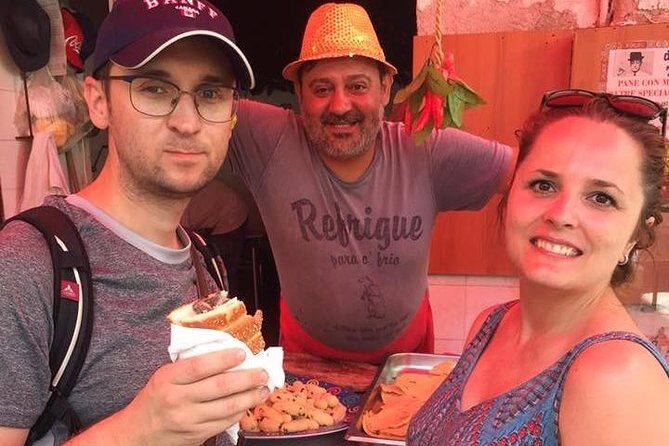
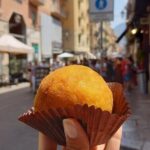
Fabrizio takes you to specific vendors he knows, and here’s where the street food tastings begin. You might sample arancini (rice balls filled with meat or vegetables), sfincione (Sicilian pizza), or other local specialties. One family who’d taken the tour twice mentioned that the food selections are “delicious and informative”—Fabrizio doesn’t just hand you something to eat; he explains what it is, how it’s made, and why it matters to Sicilian food culture.
The market itself teaches you about Palermo’s multicultural history. You’ll see Arabic influences in the layout, Italian traditions in the food, and Spanish elements in the architecture of surrounding buildings. It’s not a museum; it’s living history with the smell of fresh food and the sound of haggling vendors.
You can also read our reviews of more food & drink experiences in Palermo
Stop 4: Dainotti’s da Arianna (45 minutes)
This is the heart of the food experience—a traditional friggitoria (fried food shop) in the old center. This isn’t a restaurant; it’s a takeaway counter where locals grab lunch. You’ll see what authentic street food looks like when it’s not prepared for travelers: simple, flavorful, and often fried to order.
The extended time here (nearly 45 minutes) means you’re not rushing through. You can watch the preparation, understand the ingredients, and actually taste multiple items. Reviewers consistently mention that this stop produces memorable eating moments—one traveler said she’d had “the best arancini I have ever had in my life.”
This is also where dietary accommodations matter. Fabrizio asks about gluten-free and vegetarian preferences in advance and works with the shop to provide suitable options. Multiple reviews mention he goes “above and beyond” to ensure everyone feels included in the food experience, even those with dietary restrictions.
Stop 5: Via Beati Paoli (10 minutes)
The street itself is less visually dramatic than others on the tour, but the story behind it is compelling. The Beati Paoli were a secretive medieval Sicilian sect—part Robin Hood legend, part historical reality. Author Luigi Natoli fictionalized their story, but evidence suggests they actually existed as a kind of vigilante organization defending the poor against aristocratic abuse.
Fabrizio uses this stop to explore themes of Sicilian identity and resistance. It’s the kind of historical tangent that makes local guides invaluable—you’re learning about culture and society, not just monuments.
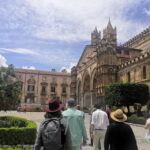
Stop 6: Cattedrale di Palermo (20 minutes)
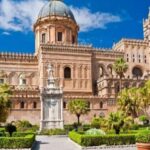
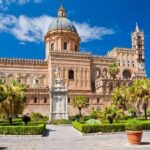
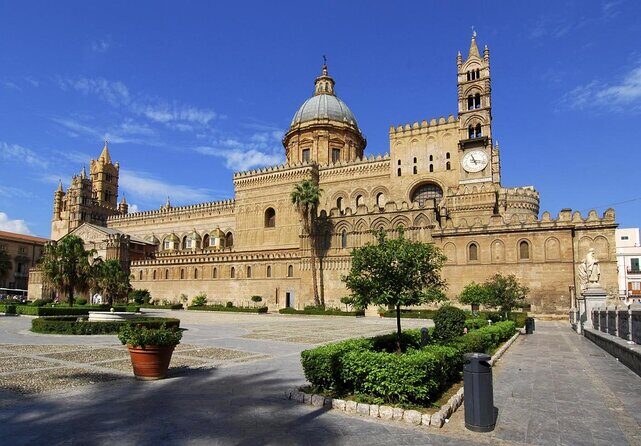
The Cathedral of Palermo represents everything fascinating about Sicily’s history compressed into one building. It was originally a mosque during Islamic rule, then converted into a cathedral after the Norman conquest. The architecture reflects this layering: Arab-Norman style with later Gothic and Baroque additions.
UNESCO recognized it as part of the “Arab-Norman Palermo and the Cathedrals of Cefalù and Monreale” World Heritage Site in 2015. This means you’re standing in front of something officially recognized as representing humanity’s cultural heritage. The inlays, sculptural details, and overall design show how different cultures influenced Sicilian architecture.
Admission is included, so you get to see the interior. Reviewers mention the cathedral as “magnificent” and note that seeing it with Fabrizio’s explanations adds meaningful context. You understand not just what you’re looking at, but why it matters and what it represents about Sicily’s complex history.
Stop 7: Cassaro Alto (15 minutes)
This is Palermo’s oldest street, renamed multiple times as different powers controlled Sicily. It’s called Via Toledo from the 16th century onward (after the Spanish rulers), then renamed Via Vittorio Emanuele II after Italian unification. Locals still use the old name—a small detail that reveals how Palermitans relate to their city’s history.
Walking this street with a guide helps you see the architectural evolution. Buildings reflect different periods and styles, and Fabrizio can point out which elements come from which era. It’s the kind of detail that transforms a simple street into a timeline of Sicilian history.
Stop 8: Quattro Canti (Return, 15 minutes)
You end where you started, but now you understand the square’s significance. The four facades represent different levels of meaning: rivers below, seasons above that, Spanish kings in the middle, and Sicilian saints at the top. You’ve walked through the four districts the square connects (Kalsa, La Loggia, Capo, and Albergheria), so the geography makes sense.
The tour concludes at Bar Ruvolo, just 50 meters from Quattro Canti, where you can continue exploring or grab a final drink. The 1:30 PM end time gives cruise passengers about 20 minutes to reach the port.
The Guide Makes the Difference
What becomes clear from reading dozens of reviews is that Fabrizio is genuinely exceptional. People don’t just say the tour was good; they rebook it years later. They bring their extended families. They mention specific details they learned about Sicilian history and culture months or years after the tour.
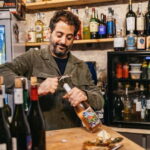
He’s described as “knowledgeable,” “passionate,” “warm,” “inviting,” and “funny.” These aren’t generic praise—reviewers are specific. One family mentioned he “made it fun for the kids” while another noted he was “a wealth of information.” He accommodates dietary restrictions with genuine effort, not begrudging compliance.
This matters because a mediocre guide could make the same route feel rushed and touristy. Fabrizio’s presence transforms it into something genuinely educational and culturally meaningful.
Practical Considerations
Group Size: The tour has a maximum of 14 travelers, which is intimate enough that you can hear the guide and ask questions, but large enough that the per-person cost stays reasonable. Multiple reviewers specifically mentioned preferring this size to “big groups of 20 to 30 people.”
Pacing: This is a walking tour through a busy, hilly old city. There’s “a fair amount of walking involved,” as one reviewer noted. You’re not sitting; you’re moving. But Fabrizio “accommodated our pace” according to multiple reviews, and he’s conscious of heat—one traveler mentioned he “was always stopping in the shaded areas” on a particularly hot day.
Timing: Starting at 10:30 AM and ending around 1:30 PM works well for cruise passengers, but it also means you experience the market and streets during mid-morning hours. This is actually ideal—the market is active, the light is good, and you’re done before the afternoon heat becomes oppressive.
Meeting Point Clarity: One negative review highlighted confusion about the meeting point (multiple tours start from the same general area). The tour information specifies “Quattro Canti, Via Maqueda” and notes it’s “just in front of the Salinas archeologic museum.” Arrive a few minutes early and look for Fabrizio—or message him on WhatsApp if you’re uncertain. The tour operator responds to contact attempts.
Dietary Needs: If you need gluten-free or vegetarian options, message at least 24 hours before. The tour specifically accommodates these requests, and reviews confirm he takes this seriously.
What the Numbers Tell Us
This tour has 617 reviews with a 4.9-star average. The breakdown shows 564 five-star reviews, 40 four-star reviews, 10 three-star reviews, 2 two-star reviews, and 1 one-star review. That’s 98% positive recommendations.
The one-star review involved a meeting point mix-up where the traveler joined a different tour by accident—a cautionary tale about arriving early and confirming you’re with the right group. The 3-star review criticized the amount of food relative to price, but the guide’s response clarifies that this is a walking tour with food tastings, not a food tour with walking. If you understand that distinction going in, you won’t be disappointed.
The consistent praise across reviews suggests this isn’t luck or one great day—this is a reliably good experience led by someone who knows what he’s doing.
Is This Tour Worth Your Time and Money?
You should book this if:
– You’re in Palermo for limited time (especially cruise passengers) and want efficient cultural context
– You want to understand Sicilian history and culture, not just see monuments
– You appreciate authentic food experiences over commercialized tourist meals
– You value a knowledgeable local guide who can answer detailed questions
– You want to explore neighborhoods where locals actually live and eat
You might want to look elsewhere if:
– You’re primarily seeking an extended food tasting with minimal walking
– You prefer larger, more anonymous group experiences
– You have significant mobility challenges (there’s substantial walking on uneven streets)
– You want to visit Teatro Massimo’s interior (admission not included)
Palermo Walking Tour and Street Food
Frequently Asked Questions
Q: Is this tour suitable for children?
A: Yes, children can participate as long as they’re accompanied by an adult. One reviewer brought kids ranging from 4 to 74 years old and mentioned Fabrizio “made it fun for the kids.” Younger children should be comfortable with walking and crowds.
Q: What if I have dietary restrictions?
A: Contact the tour operator at least 24 hours before to request gluten-free or vegetarian street food options. Multiple reviews confirm these accommodations are handled seriously, with the guide going “above and beyond” to ensure everyone is included.
Q: Do I need to arrange my own transportation to the meeting point?
A: The tour offers pickup at 10:00 AM for cruise passengers (you need to message the guide to arrange this). For other travelers, you’ll meet at Quattro Canti, Via Maqueda. The tour ends at Bar Ruvolo, about 20 minutes walking from the cruise port.
Q: How much walking is involved?
A: There’s “a fair amount of walking” through Palermo’s hilly old town. You’re moving between eight stops over three hours, plus navigating through markets and busy streets. Wear comfortable shoes and be prepared for uneven surfaces.
Q: What’s included in the price?
A: The $48.98 price includes the professional guide, food tastings, a drink (water, beer, or cola), admission to the puppet theater, and admission to the Cathedral. It does not include souvenir photos (available for purchase) or return transportation to the cruise port.
Q: How large are the groups?
A: Maximum 14 travelers per tour. This size allows you to hear the guide and ask questions without feeling like you’re in a massive group tour.
Q: What if I’m traveling solo?
A: Contact the tour operator to see if a tour is already organized. They’ll work with you to find a tour that’s happening rather than forcing you to book a private tour at premium pricing.
Q: Can I cancel if plans change?
A: Yes, you can cancel up to 24 hours before the tour start time for a full refund. Cancellations less than 24 hours before are non-refundable.
Q: What’s the weather like, and what should I bring?
A: The tour operates in Palermo’s typical Mediterranean climate. Bring comfortable walking shoes, sun protection, and water. The guide is conscious of heat and will stop in shaded areas, but you’re still outside for three hours.
Q: How does this compare to other Palermo walking tours?
A: The distinguishing factor is the guide. Fabrizio’s local knowledge, passion for his city, and ability to balance history with food creates an experience that consistently earns repeat bookings and enthusiastic recommendations.
Bottom Line: This is one of those tours where the guide transforms a standard itinerary into something genuinely memorable. You’re getting authentic street food, substantial historical context, and the kind of local perspective that makes travel meaningful rather than just checking boxes. At under $50 per person, with food and museum admission included, the value is excellent. The 98% positive recommendation rate isn’t coincidence—it reflects consistent quality and a guide who genuinely cares about sharing his city well. Whether you’re a cruise passenger with three hours to spend or a visitor wanting to understand Palermo’s layered history and food culture, this tour delivers on its promise of authentic local experience.