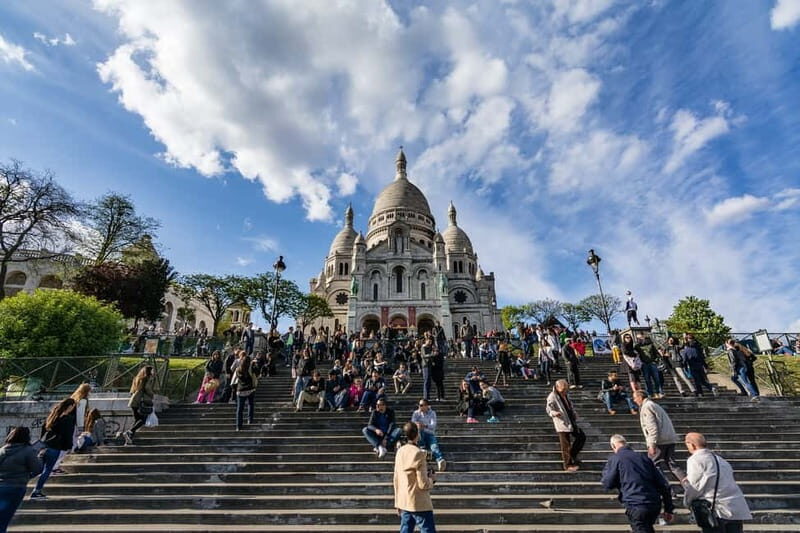
Here’s my practical take on this Montmartre highlights walking tour: it runs about 140 minutes, starts at Place Saint-Pierre under Sacré-Cœur, and ends around Place du Tertre with tips for visiting the basilica afterward. You’ll cover the classic stops plus quieter corners that most people miss.
I really like two things. First, you’re with a passionate local guide (not a generic script), often sharing photos and even music connected to the artists. Second, the route strings together the neighborhood’s creative story—Wall of Love, Bateau-Lavoir, Moulin de la Galette, Maison Rose, and Place du Tertre—so Montmartre makes sense as more than a postcard.
One thing to consider: this tour is not suitable for wheelchair users or people with mobility impairments, and it’s a walking experience on uneven ground in a hilly area.
- Key things I’d plan around
- Where the tour starts: Place Saint-Pierre under Sacré-Cœur
- The Wall of Love: the easiest way to fall for Montmartre
- Bateau-Lavoir: modern art’s unlikely landmark
- Moulin de la Galette: the impressionist icon (with real photo energy)
- Maison Rose: the famous pink shortcut to great pictures
- Place du Tertre: where open-air artists still work
- The “hidden Montmartre” part: vineyards, courtyards, and old cabarets
- Why the guide makes or breaks the experience
- Pacing, stairs, and winter wind reality
- Small group size: the quiet advantage you’ll feel
- Photos that you don’t have to coordinate
- Price and value at about
- What’s included, what’s not (so you don’t get surprised)
- Getting there: meeting near the carrousel
- Sacré-Cœur afterward: how this tour helps you plan
- Who this tour suits best
- Who should skip it
- Should you book this Montmartre highlights tour?
- FAQ
- Where does the tour start?
- Where should I meet the guide?
- How long is the tour?
- What group size is used?
- Is the tour available in English?
- Does the tour include food or tapas?
- Is free cancellation available?
- Is the tour wheelchair accessible?
- More Walking Tours in Paris
- More Tours in Paris
- More Tour Reviews in Paris
Key things I’d plan around
- Small groups (max 16) means less crowding and more time for questions
- Place Saint-Pierre to Place du Tertre is a smart arc that gives big viewpoints without rushing
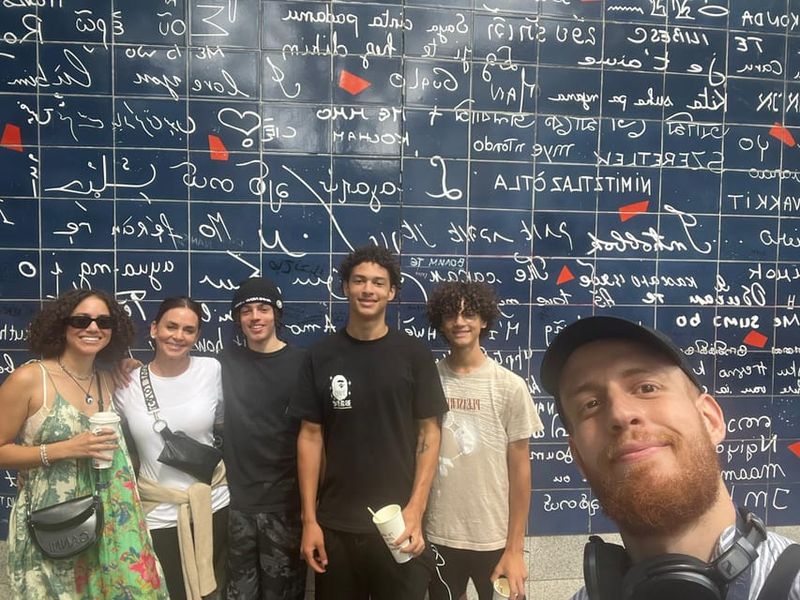
- Wall of Love (311 “I love you” messages) is a fun, photo-friendly break with a built-in story
- Bateau-Lavoir connects the dots between famous names and the modern-art vibe of the area
- Guide-taken family pictures add something concrete that you don’t have to manage yourself
Where the tour starts: Place Saint-Pierre under Sacré-Cœur
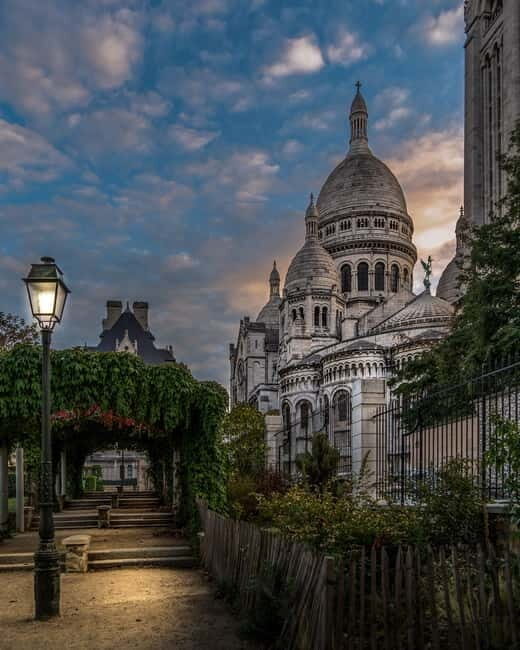
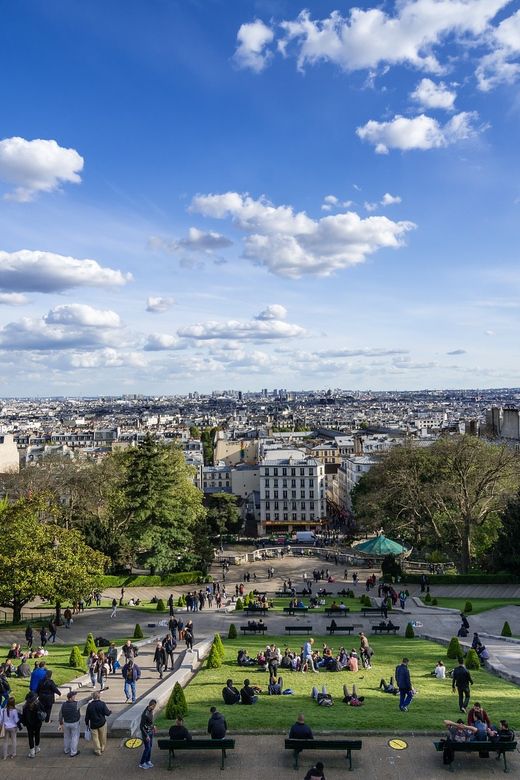
Your tour begins at Place Saint-Pierre, right beneath Sacré-Cœur. Even before the first big stop, the guide helps you get oriented fast—where you are, why this hill mattered, and how Montmartre became the artistic magnet it still is today.
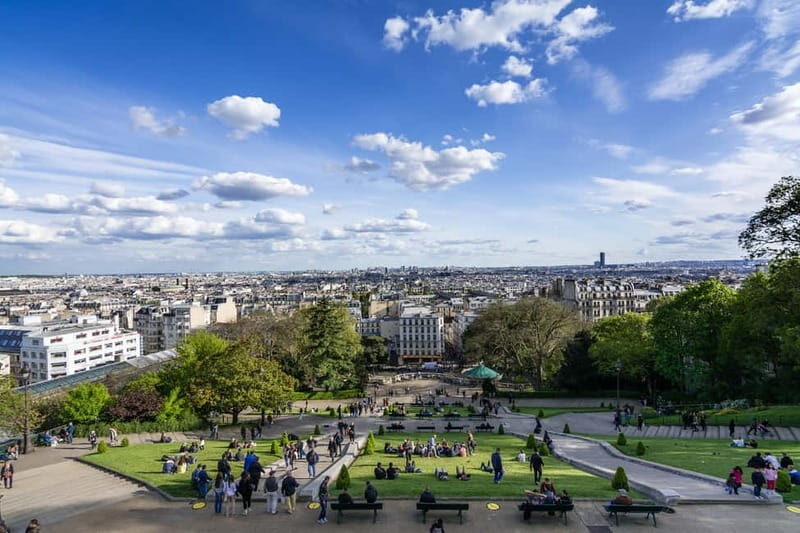
Then you’ll take in panoramic views over Paris. This is one of those moments where the hill does the work: you instantly see why people wrote songs, painted skies, and built little worlds up here.
You can also read our reviews of more walking tours in Paris



The Wall of Love: the easiest way to fall for Montmartre
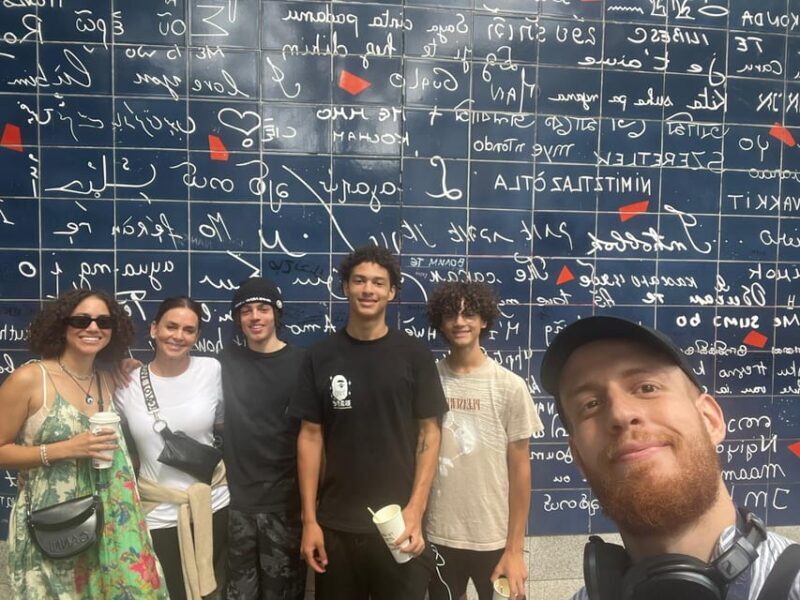
Next up is the Wall of Love, a small but wildly fun stop. You’ll learn how 311 ways to say I love you are hidden in dozens of languages. It’s not just a photo wall; the guide frames it so it feels like part of Montmartre’s story rather than a random attraction.
For photographers, it’s a gift. For everyone else, it’s a nice reset before you move into the lanes and passageways where Montmartre gets more character (and a little more walk-time).
Bateau-Lavoir: modern art’s unlikely landmark
From there, you’ll head to Le Bateau-Lavoir—often described as a birthplace of modern art. This is where the tour becomes more than scenic. You’ll hear how major artists lived and painted here, with names like Picasso and Modigliani coming up in the conversation.
What makes this stop valuable is the cause-and-effect storytelling. You’re not just told that these artists were here—you’re shown how their work shaped the neighborhood’s identity and how Montmartre, in turn, shaped them. That’s the kind of context you’ll struggle to piece together on your own, especially if you’re trying to move fast between sights.
Moulin de la Galette: the impressionist icon (with real photo energy)
Then comes the Moulin de la Galette. The guide explains it as a historic windmill turned icon of impressionist painting. Even if you’re not a diehard art-history person, the location helps you “see” what painters were trying to capture—light, streetscape, everyday life.
You’ll have a photo stop here, plus guided context. This is also a good spot to pause and check your feet. Montmartre’s charm is partly in its uneven cobbles and stair-like terrain, so taking five minutes on purpose is smart.
More Great Tours NearbyMaison Rose: the famous pink shortcut to great pictures
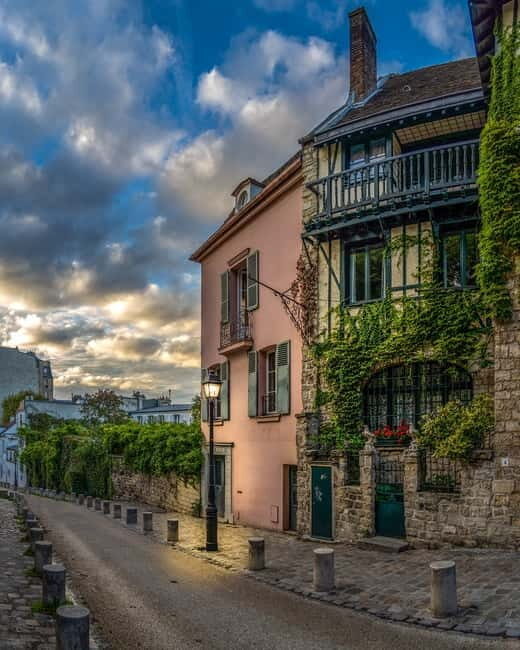
After that you’ll pass La Maison Rose, one of the most photographed spots in the district. You’ll get time to take photos, and the guide ties it back to the wider neighborhood vibe.
Is it famous for a reason? Yes, but the bigger win is that it’s placed in the route so it doesn’t feel like a random detour. It works as a visual landmark while you’re building the “real Montmartre” picture.
You can also read our reviews of more guided tours in Paris



Place du Tertre: where open-air artists still work
The tour ends at Place du Tertre, near the top of the hill and just steps from Sacré-Cœur. This is one of the most lively parts of Montmartre, where artists still paint outdoors.
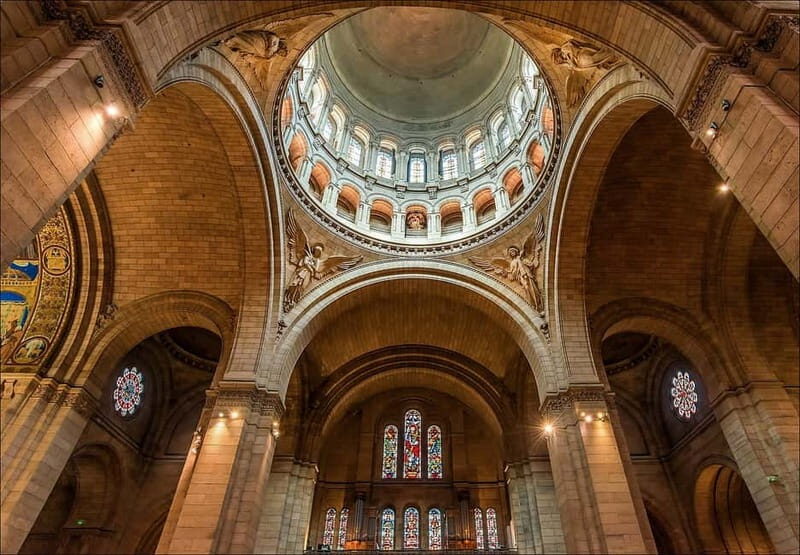
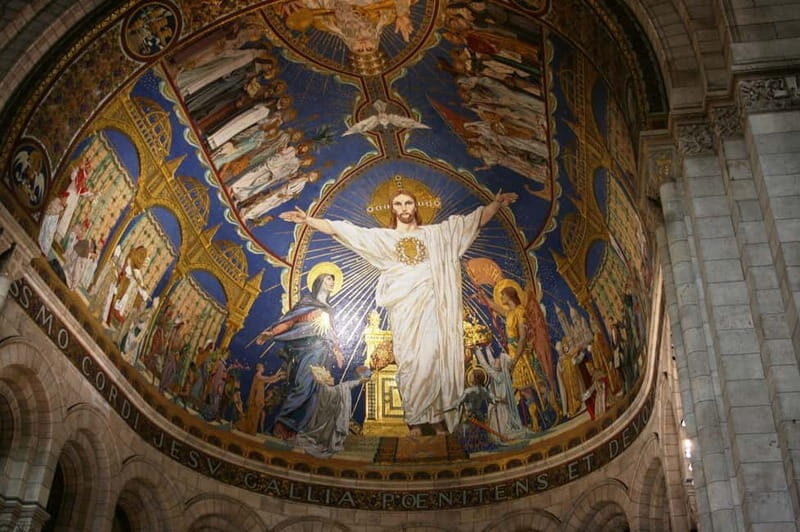
You’ll also get practical guidance for what to do next—especially around Sacré-Cœur. The tour finishes with tips timed and positioned so you can easily plan an inside visit after the walk.
If you’re the type who gets to a big sight and then freezes at the ticket line, these pointers can save real time.
The “hidden Montmartre” part: vineyards, courtyards, and old cabarets
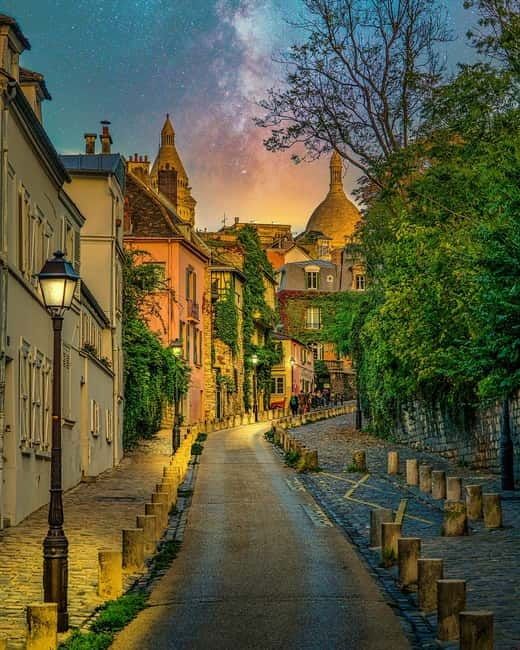
A big reason people love this tour is that it doesn’t behave like a sightseeing checklist. Beyond the headline stops, you’ll move through lesser-known corners of the district—quiet courtyards, vineyards, old cabarets, and hidden passageways.
You’ll hear stories of revolution, resistance, art, and eccentricity, with artist and cultural names connected to the neighborhood over time—Van Gogh, Dalida, Aznavour, Dali, and more. The effect is that Montmartre feels like a living patchwork, not just a set of monuments.
And because it’s guided, you’re not left guessing what you’re seeing. That matters a lot when you’re wandering in streets that look similar until someone explains the differences.
Why the guide makes or breaks the experience
This is the tour’s biggest strength: the guides are described again and again as passionate, knowledgeable, and funny. Many travelers mention Yazid as a standout guide—full of energy, good at keeping the group engaged, and often sharing photos and playing music tied to Montmartre’s famous locals.
Other travelers mention guides like Zoe, Sylvia, and Marcela too, with the same themes: strong storytelling, interactive details, and time for questions. One theme that keeps showing up is that the tour feels personal. The guide seems to learn who you are, then adjusts the pace and emphasis so the group stays interested.
If you’ve ever done a “walking tour” where the guide talks but never really connects, you’ll appreciate the difference here.
Pacing, stairs, and winter wind reality
Montmartre is hilly, no sugarcoating. But several travelers specifically note that the tour is well paced, with frequent stopping for stories so it doesn’t turn into a marathon. People also mention there aren’t many long flights of stairs to power through.
Still, you should plan for uneven ground and hills. If weather is rough, wear shoes with decent grip. One review tip for winter: it can be very windy, so dress warm even if the day looks bright.
If you’re traveling with kids, the tour is adapted for them, and the group size helps keep attention focused instead of scattered.
Small group size: the quiet advantage you’ll feel
This tour caps groups at 16 people. That’s not just a number on a webpage. It affects the whole experience:
- You get more chances to ask questions.
- The guide can keep track of the group on narrow streets.
- You’re more likely to feel “with” the guide rather than “in” a crowd.
A few reviews also describe the tour as engaging for teens and adults alike, which usually means the guide doesn’t talk down to anyone.
Photos that you don’t have to coordinate
Included with the experience is family picture help: the guide takes family pictures at different spots. This is a small inclusion, but it’s genuinely useful. It means you’re not spending your time playing photographer, then realizing you missed the best moment.
You’ll still take your own photos too—just with less hassle.
Price and value at about $23
At about $23 per person and roughly 140 minutes, the value is mostly about what you’re paying for: time with a local expert who can explain how Montmartre became Montmartre.
You’re also getting a route that covers more than one “must-see,” plus quieter corners. And the small group size is a real part of the value—less crowding, more interaction, better pacing.
Downside? You’re not paying for food. The tour explicitly does not include meals, so plan your lunch or snack separately.
What’s included, what’s not (so you don’t get surprised)
Included:
- Walking tour
- Local guide
- Family pictures taken by the guide at different spots
Not included:
- Food
Practical note: bring cash as it’s listed as something to have. Also, avoid oversize luggage—the tour is a walking format, and bulky bags are a hassle in tight areas.
Getting there: meeting near the carrousel
Meeting point guidance is straightforward: look for Paris Tours Experiences near the carrousel. That’s helpful if you tend to arrive and immediately hunt for the correct check-in spot.
If you’re coming early, give yourself a little buffer. With Montmartre, things can take longer than you think—streets, angles, and signage all add up.
Sacré-Cœur afterward: how this tour helps you plan
Because the tour starts under Sacré-Cœur and ends near Place du Tertre, you get a natural timeline. You’ll finish with tips for exploring Sacré-Cœur on your own, perfectly timed and located for an easier visit inside after your walk.
That’s smart. You’re not trying to squeeze everything into the same trip to the same hill. You’ll have a “walk overview” first, then a “slow inside visit” after, when you can decide what you actually want to focus on.
Who this tour suits best
This is a great match if you:
- Love art stories and want them connected to real places
- Like photography and want scheduled photo moments
- Enjoy local knowledge and less generic narration
- Want something that works for curious kids and teens too
It’s also good if you’ve been to Paris before but want a neighborhood that feels specific, human, and character-rich.
Who should skip it
Skip it if:
- You use a wheelchair or have mobility impairments (it’s not suitable)
- You need a fully level, low-walking route
- You’re expecting a food-and-tapas stop (food isn’t included)
Also, if you hate hills in general, you might find Montmartre’s terrain tiring even with frequent stopping.
Should you book this Montmartre highlights tour?
Book it if you want the practical, storyteller-led version of Montmartre: small group, knowledgeable local guides, strong photo stops, and a route that makes the artist mythology feel real because it’s tied to specific streets and landmarks.
Don’t book it if accessibility is a concern, or if you only want the fastest possible “see the postcard” route. And if you were hoping for delicious tapas during the walk—set that expectation now. You’ll be spending your time on sights and stories, then grabbing food on your own afterward.
If you want Montmartre to feel like a place you understand instead of a place you just pass through, this is an easy yes.
Paris: Montmartre Highlights Walking Tour with a Local Guide
FAQ
Where does the tour start?
It starts at Place Saint-Pierre.
Where should I meet the guide?
Look for Paris Tours Experiences near the carrousel.
How long is the tour?
The duration is 140 minutes.
What group size is used?
The group size is small, with a maximum of 16 people.
Is the tour available in English?
Yes, the tour is in English.
Does the tour include food or tapas?
No, food is not included.
Is free cancellation available?
Yes. You can cancel up to 24 hours in advance for a full refund.
Is the tour wheelchair accessible?
No. It is not suitable for wheelchair users or people with mobility impairments.
You can check availability for your dates here: