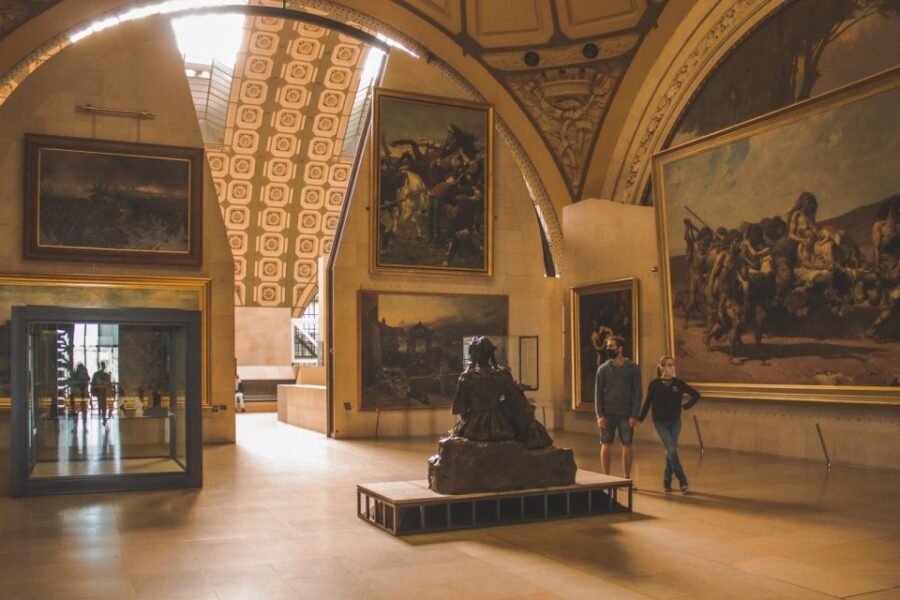
Paris Orsay Museum Entry Ticket and Digital Audio Guide App (Self-Guided Review)
If you want the Orsay Museum experience without being herded into a tour group, this is a smart pick. You get a pre-booked Orsay entry ticket with flexible entry time, plus a downloadable phone audio guide that covers 300+ masterpieces.
Two things I really like: the museum itself makes you slow down (it’s a former railway station, and the light helps the art feel vivid), and the digital guide gives you context while you wander at your own pace. One possible snag to plan for: a few travelers report the digital guide doesn’t perfectly match what’s on display that day, so don’t treat it as flawless, artwork-by-artwork coverage.
- Key Points at a Glance
- Orsay Tickets: Independent Access Without the Tour Group
- Flexible Entry Time: Great for Real Travel Schedules
- Queue C1 Entrance: How Check-In Works on the Ground
- Download First: The Global-Tickets App and Your Audio Link
- Headphones Are On You: Bring What You Need
- Digital Audio Guide: 300+ Works, Multiple Languages, Real-World Quirks
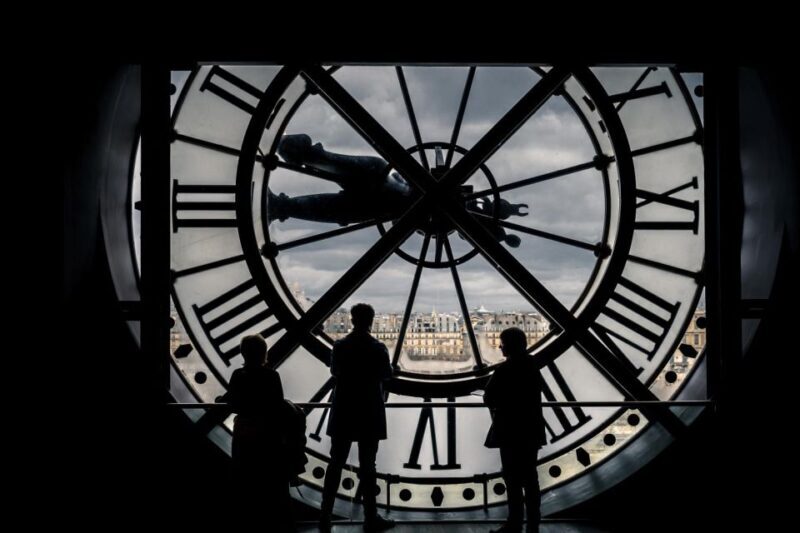
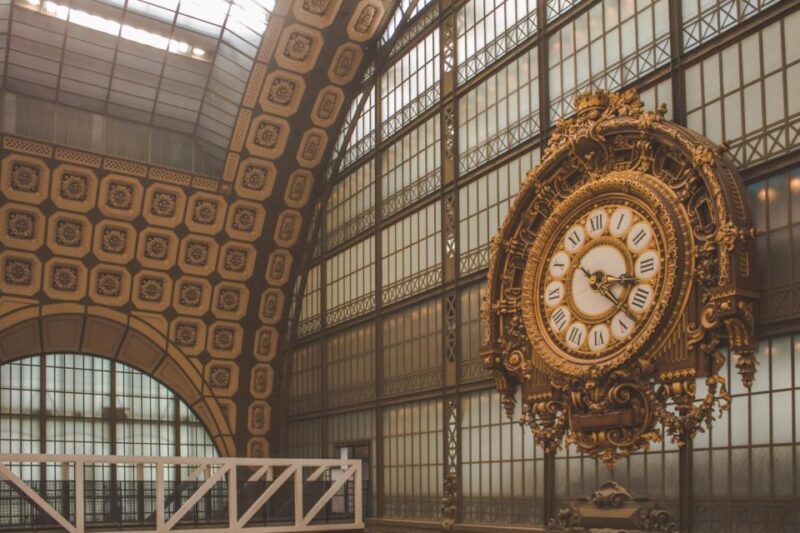
- Musée d’Orsay: The Former Train Station That Adds Atmosphere
- How Orsay Is Laid Out: Five Sections to Think About
- What the Audio Guide Is Best At: Connecting Art to Art History
- Impressionist Floor Strategy: Crowds Cluster Where the Favorites Live
- Go Top First, Then Work Down: A Common Traveler Tip
- Post‑Impressionist Time: Where the Mood Changes
- Temporary Exhibitions: Possible Gaps in the Audio Coverage
- Security Lines and Waiting: Plan Your Arrival Like a Pro
- Value Check: Is Per Person Worth It?
- Accessibility: Wheelchair Accessible
- What You Can Bring (and What You Can’t)
- Lunch Break Reality: Beautiful Cafés, Possible Queues
- Who Should Book This (and Who Might Prefer Something Else)
- Should You Book It? My Honest Take
- More Guided Tours in Paris
- More Tickets in Paris
- More Tour Reviews in Paris
Key Points at a Glance
- Flexible entry time means you can choose a moment that fits your day instead of committing to a strict tour schedule
- Audio guide covers 300+ works and is available in multiple languages for independent exploring
- Queue C1 entrance can help you get through faster than buying tickets at the last minute
- Impressionist and Post‑Impressionist focus is ideal if you want Monet, Degas, Renoir, Cézanne, Van Gogh-adjacent energy
- Plan for real crowds and security lines during peak season, since this is not priority access
Orsay Tickets: Independent Access Without the Tour Group
This experience is not a guided tour. You show up at Musée d’Orsay with your GetYourGuide voucher, go in on your own, and use the included digital audio guide on your phone.
That independence is the main appeal. Orsay can be intense—so being able to pause where you care about art (and skip what you don’t) is a genuine quality-of-life upgrade in Paris.
You can also read our reviews of more tours and experiences in Paris



Flexible Entry Time: Great for Real Travel Schedules
One of the biggest practical wins here is the flexible entry time on the day you booked. If your Paris plans are fluid—train delays, late museum hopping, or you just don’t know how early you’ll be done elsewhere—this helps a lot.
A lot of travelers also like that it can reduce the stress of locking into a specific time window, especially when some timed options sell out.
Queue C1 Entrance: How Check-In Works on the Ground
You’re instructed to use the Queue C1 entrance for admission tickets without designated time slots. In plain terms: follow the signage for C1 and use that lane to get scanned and through security.
One clear reality check: your ticket does not provide priority access. Reviews still mention lines at security checkpoints, especially at busy times, and that entry can take longer than usual in the biggest crowds.
Download First: The Global-Tickets App and Your Audio Link
This is a phone-based audio guide experience, and the process matters. You’ll need to download the separate Global-Tickets app before you go, then access the audio guide link via email.
The ticket info says you should expect the audio guide link 1 day before your booked date, sent to the reachable email you share at booking.
Downloads matter because this isn’t a “press play at the museum” setup. If your phone is low on battery or you forget headphones, you’ll feel it fast.
More Great Tours NearbyHeadphones Are On You: Bring What You Need
Earphones aren’t included, and the “what to bring” list specifically mentions headphones. So bring your own (wired or Bluetooth is fine if you know your phone pairing routine).
A couple of reviews also mention people having to buy headsets on site when the digital setup didn’t work as expected. If you want the smoothest day, come prepared and test your connection at home.
You can also read our reviews of more guided tours in Paris



Digital Audio Guide: 300+ Works, Multiple Languages, Real-World Quirks
The audio guide is a major part of the value. It offers commentary on over 300 masterpieces and supports many languages (listed include Arabic, English, Dutch, French, Hindi, Japanese, Korean, Portuguese, Spanish, Chinese, Italian, Russian, and German).
That said, don’t assume it’s a perfect 1:1 match for every rotation of the museum. Some travelers reported that certain famous works weren’t available in the guide for the sections they visited, and others noted that temporary exhibitions may not be covered by the audio.
My advice: use the guide as a helpful map for highlights, not as a guarantee that every artwork you see will have an audio track ready and accurate.
Musée d’Orsay: The Former Train Station That Adds Atmosphere
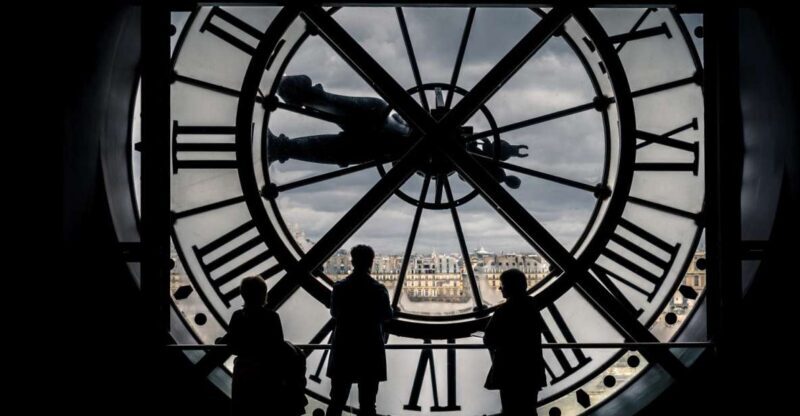
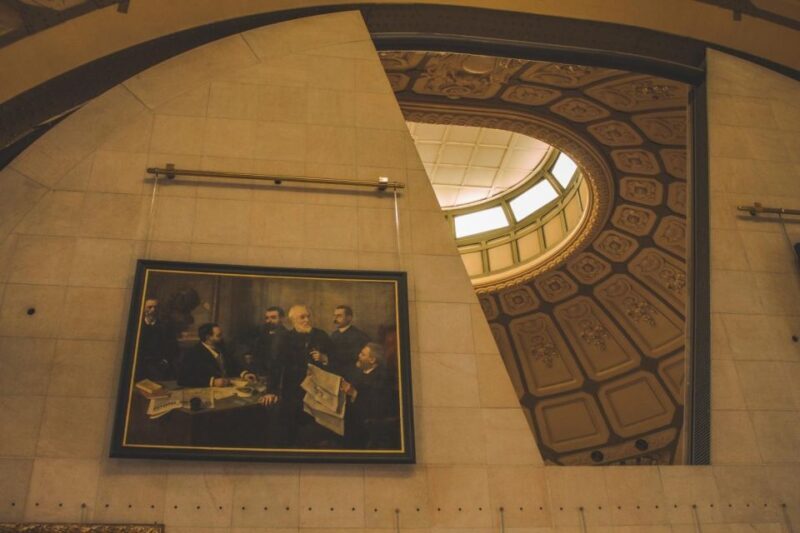
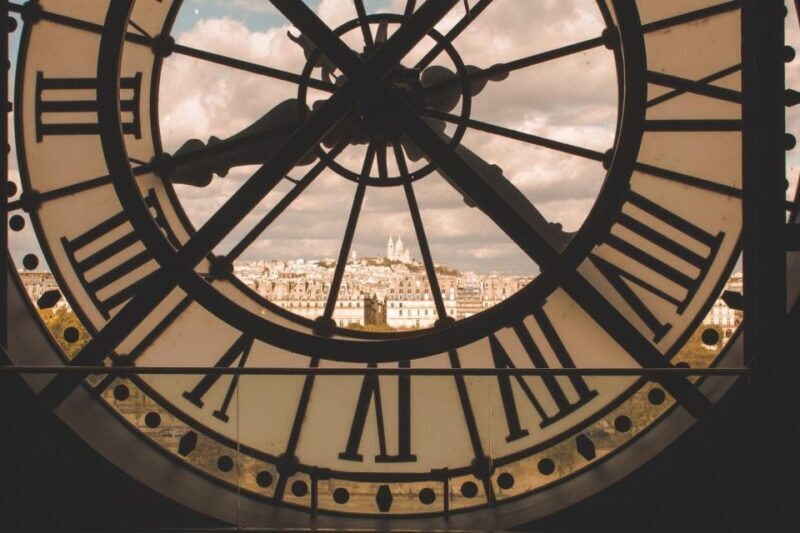
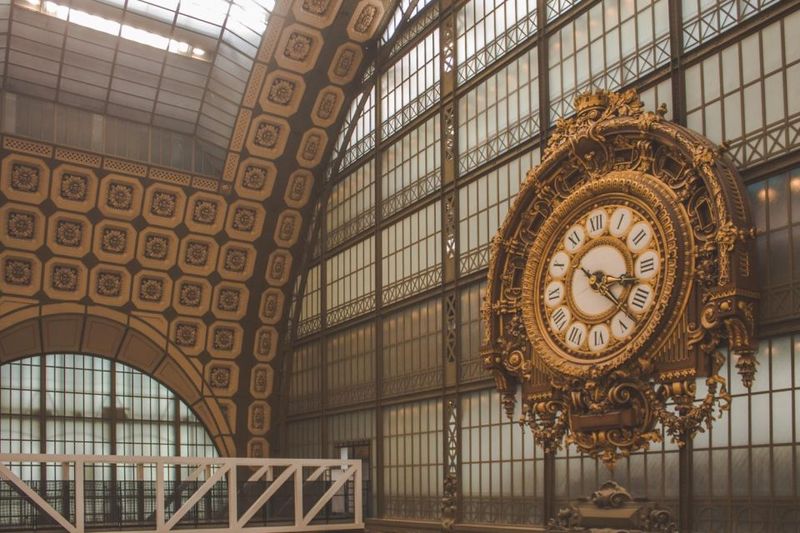
Before you even get to the paintings, the building does something to your mood. Orsay is housed in a former railway station, and that architecture shows—big, bright spaces, dramatic structure, and a layout that keeps you moving.
Several reviews mention the museum being well-lit and beautiful as a setting, and the building feels like part of the experience, not just a container for art.
How Orsay Is Laid Out: Five Sections to Think About
Your visit spans multiple levels and spaces. The information you have says the ground floor includes not just paintings, but also decorative furniture and accessories, plus sculptures and photographs in the overall collection.
In other words: even if you’re an Impressionist-first person, you won’t be stuck in one “paintings only” lane all day.
What the Audio Guide Is Best At: Connecting Art to Art History
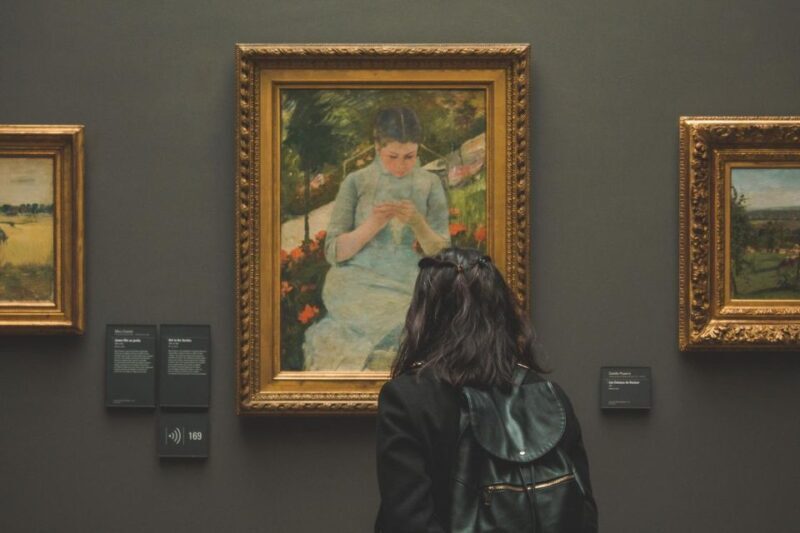
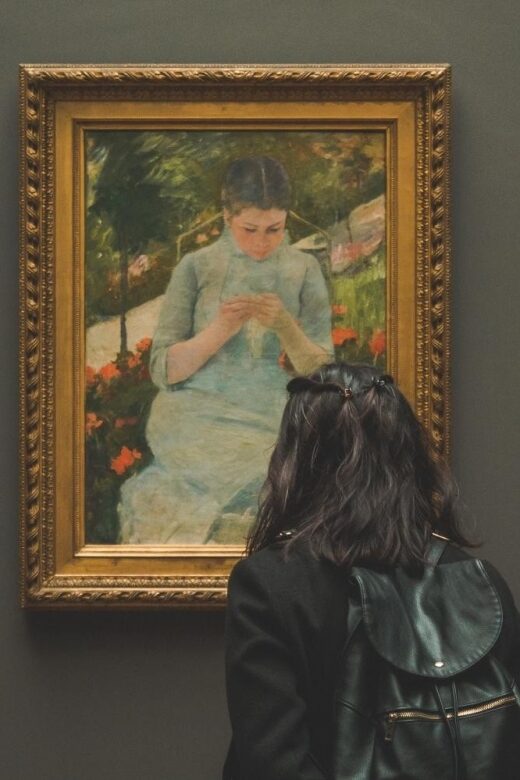
If you’re the type who likes to understand what you’re seeing, the digital guide is built for that. It’s designed to help you follow the story of Impressionism and Post‑Impressionism, including what makes each movement different in style and intention.
You’ll hear commentary tied to artists you came for—reviews specifically name Degas, Renoir, Manet, Monet, Cézanne, and others.
Impressionist Floor Strategy: Crowds Cluster Where the Favorites Live
If you’ve visited big museums in Paris, you already know what happens: the most famous galleries become bottlenecks.
Reviews repeatedly flag that the Impressionist area—especially mid-day—can get crowded. One traveler also called out the 5th floor impressionist concentration as a busy spot.
So if you want a calmer experience, aim for an earlier start or a later visit window when possible. And if you see a crowd thickening, step back, pick a different room for 10 minutes, and come back when things thin out.
Go Top First, Then Work Down: A Common Traveler Tip
One review offers a very practical route tip: go to the top floor first and work your way down. That’s not guaranteed to be perfect for everyone, but it fits the logic of avoiding the heaviest crowd rush at the most popular level early.
Even without following it strictly, the mindset helps: pick the “must-see” level when you’re freshest, then let the rest of the museum become a slower walk.
Post‑Impressionist Time: Where the Mood Changes
Orsay doesn’t stop at Impressionism. Travelers mention the museum’s ability to shift gears into Post‑Impressionist territory, including works that pair well with the Impressionist collections for comparison.
This matters because it turns your visit into more than “pretty paintings.” You start to notice how artists moved toward bolder color, structure, and interpretation.
Temporary Exhibitions: Possible Gaps in the Audio Coverage
Your info specifically warns that some temporary exhibitions may not be on display, and it also notes that audio guide coverage might not include information about temporary exhibitions.
So if you’re traveling for a specific temporary show, this ticket may not cover what you expect in the audio guide. The safe plan is to treat the included audio as a foundation for the permanent-style highlights, not a replacement for exhibition-specific interpretation.
Security Lines and Waiting: Plan Your Arrival Like a Pro
Even if C1 helps, you’re still entering a museum with security checkpoints. During peak seasons, the guidance recommends arriving at least 2 hours before closing, and preferably 3 hours to ensure entry.
That recommendation matches what you see from reviews: sometimes there’s a line even with pre-booked tickets, and mid-day is often the most crowded.
If you only have a tight schedule, try early. If you’re flexible, build in buffer time for scans and bag checks.
Value Check: Is $31 Per Person Worth It?
At about $31 per person for a one-day entry ticket plus a downloadable audio guide app, the value comes from two things:
1) You’re paying to avoid the last-minute ticket stress and (in many cases) the worst of the ticket-purchase line.
2) You’re buying time—time to learn at your pace instead of rushing through rooms.
However, value depends on how much you’ll use the audio guide. Some travelers say the audio wasn’t enough or didn’t match what they saw, and a couple mention paying extra for a headset at the museum.
So if you love self-guided audio and you’re comfortable troubleshooting a phone app, this is a strong deal. If you’d rather rely mostly on wall labels and plaques, the ticket still gives you flexible entry, but you might not feel you got your money’s worth from the audio portion.
Accessibility: Wheelchair Accessible
This experience is listed as wheelchair accessible. If accessibility is important for you, this is a solid baseline.
What’s not spelled out in your info is elevator access details or routing inside the museum. So if you need specific paths, plan to ask staff at the entrance if you run into obstacles.
What You Can Bring (and What You Can’t)
Your info says no luggage or large bags. So keep your load light: daypack, water, and essentials are the way to go.
Also bring a passport or ID card. Free entry can apply for certain visitors (people under 18 and EU residents under 26) if they have valid ID.
Lunch Break Reality: Beautiful Cafés, Possible Queues
You might find the café and lunch spaces are part of the museum’s charm. One review mentioned the lunch area being equally beautiful, and another specifically called out the café on level five.
But plan for queues at eateries during busy times. A traveler noted that lunch spots can have long lines, and they passed and continued exploring instead.
My practical move: treat lunch as a flexible break. If the line is long, grab something quick nearby or circle back later.
Who Should Book This (and Who Might Prefer Something Else)
This ticket is a good fit if you:
- want flexible entry with no live guide schedule
- enjoy learning while you walk, using a phone audio guide
- are focused on Impressionist and Post‑Impressionist highlights
- like to set your own pace and avoid the pressure of a group timeline
It may be less ideal if you:
- want a guaranteed, perfect audio match for every single artwork on display
- rely heavily on the audio guide for temporary exhibitions (those may not be covered)
- hate phone setup tasks and prefer a handheld audio device from the museum
Paris: Orsay Museum Entry Ticket and Digital Audio Guide App
Should You Book It? My Honest Take
If your goal is to see Orsay’s greatest hits—Monet, Degas, Renoir, Cézanne energy—without wasting time on ticket lines, this is a solid booking. The flexible entry plus downloadable audio guide creates good value, especially if you arrive early and use the C1 entrance efficiently.
Book it if you’re comfortable with a phone audio setup and you’re okay treating the audio guide as a strong companion, not a word-for-word script. Skip or reconsider if you want live interpretation or you’re traveling specifically for a temporary exhibition that you expect the audio guide to explain in detail.
You can check availability for your dates here: