
In this review, I’ll help you judge whether a ticket to Paris Zoological Park is a smart use of your time in the city. You’re getting a self-paced walk through continent-themed biozones (Europe, Africa, Madagascar, Amazon, Patagonia), plus a park that went through major upgrades.
What I really like about this zoo is the variety that feels genuinely “big-city convenient,” and the chance to see animals paired with the environments they live in. Reviewers also keep pointing to healthy animals in clean, well-kept enclosures, and lots of places to pause in shade.
One thing to consider: food and drinks aren’t included, and while some people find lunch decent, others say the café pricing can feel steep. If you’re going with kids (or you hate decision-making while hungry), it’s worth planning snacks or a budget.
- Key things to know before you go
- Getting there: the exact meeting point and why it matters in Paris
- Skip-the-line entry: start earlier, enjoy more
- The “route” you’ll walk: five biozones across the park
- African zone highlights: lions, giraffes, zebras, and big-animal energy
- Europe biozone: wolves, lynxes, and otters
- Madagascar zone: you’ll get the “different ecosystem” feeling
- Amazon zone: the rainforest favorites, plus reptiles and birds
- Patagonia zone: penguins, pumas, and pudus
- Don’t miss the smaller critters: birds, lizards, snakes, frogs, and more
- Feedings, shows, and the bird walk: how to plan your hour
- Time needed: how long should you set aside?
- Price and value: is per person fair for a Paris zoo day?
- Food, drinks, and meal strategy inside the park
- Comfort and facilities: shade, benches, and navigating without stress
- Accessibility: wheelchair-friendly planning
- The photo-and-crowd reality: what can interrupt the calm
- Tickets logistics: cancellation, reserve now, and timing rules
- Who this zoo is perfect for (and who might want to rethink)
- Should you book Paris Zoological Park tickets?
- FAQ
- Where is Paris Zoological Park located?
- What is included with the ticket?
- Are food and drinks included?
- Is the park wheelchair accessible?
- When is the last admission time?
- How far in advance can I cancel for a full refund?
- How long is the ticket valid?
- More Tickets in Paris
- More Tour Reviews in Paris
Key things to know before you go
 1 / 5
1 / 5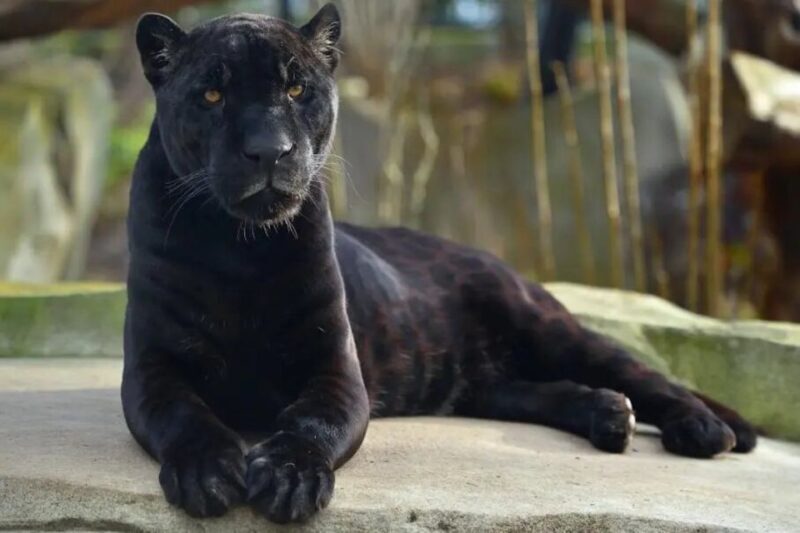 2 / 5
2 / 5 3 / 5
3 / 5 4 / 5
4 / 5 5 / 5
5 / 5- Continent-themed biozones: Europe, Africa, Madagascar, Amazon, and Patagonia, so your route feels like a mini world trip
- Skip-the-line entry: a separate entrance helps you start moving instead of waiting
- Refurbished for modern viewing: the park underwent two years of upgrades around 2014
- Family-friendly pacing: plan at least 3–4 hours, and many visitors end up staying most of the day
- Accessible design: wheelchair accessible, with benches and shady spots mentioned in reviews
- Bring a camera: it’s specifically recommended, and the park layout makes it easy to stop and shoot
Getting there: the exact meeting point and why it matters in Paris
Paris Zoological Park is at the intersection of Avenue Daumesnil and Ceinture du Lac (75012 Paris). It’s a useful landmark area, especially if you’re using rideshare.
A small practical tip: some travelers mention that ride-hailing drop-off spots can be off by quite a bit, so it helps to ask your driver to use the full park name plus nearby roads. Even if you get a wrong drop, the area is walkable enough to correct quickly.
If you want an easy day after the zoo, this area also has a large park nearby. That’s handy when you still have energy for a stroll after animal time.
You can also read our reviews of more tours and experiences in Paris



Skip-the-line entry: start earlier, enjoy more
Your ticket includes entrance, with skip-the-line access via a separate entrance. For a zoo day, that matters because you lose fewer daylight hours to queues.
The park is open for visitors until closing, and the last admission is 1 hour before the park closes. Ticket offices also close 1 hour before closing, so if you’re arriving late in the day, don’t count on being able to buy or exchange things at the last second.
If you’re the kind of traveler who likes a calm start, arrive soon after your time slot (if you chose one during booking) so you can enjoy the first biozones before it gets busier.
The “route” you’ll walk: five biozones across the park
This zoo is set up so you move through zones that change the look and feel of the exhibits. The five biozones are Europe, Africa, Madagascar, Amazon, and Patagonia.
Even though it’s self-guided, the layout makes it easy to plan your day in a logical order: start with the showiest big-animals zones if you’re traveling with kids, then shift into the smaller critters and reptile-style exhibits.
Here’s what travelers typically focus on most.
African zone highlights: lions, giraffes, zebras, and big-animal energy
The African zone is the crowd-pleaser in the best possible way. Expect to see lions, giraffes, and zebras, and the overall setup makes it feel like a real habitat rather than just a row of cages.
Why I think it works well for families: it gives kids immediate payoff early. You can point, compare, and take photos without waiting for a later “maybe we’ll see something” moment.
If you’re sensitive to heat, this is also a good place to pace yourself. Reviews note there’s shade and plenty of benches, so you can slow down without losing your momentum.
More Great Tours NearbyEurope biozone: wolves, lynxes, and otters
Then you shift into Europe, where the animal list gets more “wild and scrappy.” You’ll find wolves, lynxes, and otters, along with other species that fit the region’s theme.
This zone is a nice change of pace after Africa. Instead of the biggest silhouettes, you get animals that feel a bit more challenging and interesting for nature nerds, while still being accessible for younger kids.
It also tends to be where people slow down, because it’s easier to spend time watching smaller movements—otters especially—if the viewing setup lets you linger.
Madagascar zone: you’ll get the “different ecosystem” feeling
The park moves on to Madagascar as part of its five-biozone concept. The exact animal list for Madagascar isn’t spelled out in the details you provided, but the intention is clear: you’re not just walking from one themed sign to the next.
In practice, Madagascar is often the kind of zone that helps you connect the dots between continents and animal adaptations. If you like learning-by-wandering, this is where that pays off.
Tip: give this zone enough time to enjoy the landscaping and exhibit design. Even when you’re not counting species, the environment is part of the experience.
Amazon zone: the rainforest favorites, plus reptiles and birds
The Amazon biozone is where many visitors find the biggest “wow” factor—especially if you like reptiles and birds. You may see jaguars, monkeys, and macaws, and some reviewers specifically call out a rainforest area that includes caimans, sloths, and anacondas.
That variety is a big deal because it covers multiple animal “types” in one zone. So if someone in your group wants big cats, someone else wants colorful birds, and someone else wants snakes or amphibians, you’re not forcing everyone into the same viewing lane.
One review also mentions the rainforest zone being a favorite, even in hot weather. If you’re visiting in summer, plan breaks in shaded areas and don’t rush—this is a zone where stopping longer can feel more rewarding than ticking boxes fast.
Patagonia zone: penguins, pumas, and pudus
Next comes Patagonia, which is all about cooler-climate energy in a city park. You can expect penguins, pumas, and pudus, and the combination feels like a smart way to end a global animal route.
This zone works well late in the day because it gives you a final set of “distinct silhouettes” before you head back out. Pudus are also a nice curveball compared to the usual zoo lineup.
If you’re traveling with teens or adults who want unusual animals, Patagonia is often a good bet.
Don’t miss the smaller critters: birds, lizards, snakes, frogs, and more
The biozones are the backbone, but the zoo also includes lots of smaller animals. Reviews and the provided details highlight birds, lizards, snakes, tarantulas, frogs, and fish, plus mammals both big and small.
This is where a zoo day can surprise you. When you think you’re mostly coming for lions or giraffes, you end up spending a surprising amount of time watching something tiny move in a habitat.
If your group has mixed ages, smaller critters help. Toddlers and kids who get bored quickly often reset their attention when they find a frog or a snake enclosure they can point to.
Feedings, shows, and the bird walk: how to plan your hour
Some visitors mention that there are shows worth catching, and that it’s easy to spot feedings with the help of a map. There’s also mention of a bird walk through, which suggests the park offers at least some structured “movement” inside the overall self-guided plan.
How to use this: don’t treat feedings and shows as an extra bonus you might catch. Instead, aim for one “timed” moment during the day, then build your route around it. That keeps things from feeling random.
Also, one review specifically calls out a sea lion display as brilliant. If that’s your kind of zoo moment, try to check where it fits into your day and allocate time accordingly.
Time needed: how long should you set aside?
Some visitors say you can enjoy it in 2–2.5 hours, but other travelers strongly recommend giving yourself the whole day. A common sweet spot in the comments is 3–4 hours, especially if you want a relaxed pace plus a few key stops.
My practical advice: if you want to do well in one visit, plan for at least 3–4 hours and keep a buffer. Heat, photo pauses, and the simple fact that animals aren’t always positioned perfectly means you’ll adjust on the fly.
If you’re visiting with kids, you’ll also spend time on breaks. Reviews mention benches and shaded areas being helpful, which makes longer stays easier.
Price and value: is $25 per person fair for a Paris zoo day?
The ticket price is listed at about $25 per person, and most reviews describe it as reasonably priced or good value. In Paris, where many attractions can cost a lot more, this is a key reason people recommend it.
Value here isn’t only about the price tag. It’s about the range: continent-themed zones, a large variety of animal types, and the sense that the enclosures are maintained well enough that you don’t feel like you’re visiting a tired facility.
Still, remember food is not included. So the true cost depends on what you plan for meals. If you bring snacks or you’re comfortable buying one meal on site, the total day tends to stay reasonable.
Food, drinks, and meal strategy inside the park
Food and drinks are not included with the ticket. Reviewers mention lunch options and some say they’re good value, while others feel the café food is overpriced and not great quality.
That split matters. It suggests you should go in with a plan rather than waiting until you’re starving.
What I’d do:
- If you’re picky or traveling with kids, bring a simple snack strategy so you don’t have to gamble on café options.
- If you’re fine with café food, consider treating lunch as a convenience, not a culinary highlight.
Also note: there’s mention of picnic spaces in the general area of the park, which can make a more budget-friendly day feel more relaxed.
Comfort and facilities: shade, benches, and navigating without stress
One of the most consistent practical wins: visitors say the park is clean and easy to navigate. It’s well signposted, and people mention benches everywhere, including shaded seating spots.
That’s not a tiny detail. Zoo visits go better when you’re not constantly searching for where to go next or where to sit for a break.
A few practical cautions from reviews:
- Some people noted minor restroom issues near the main entrance (like missing toilet seat coverage).
- The ZooStore is described as expensive by at least one reviewer, so don’t assume you’ll find cheap souvenirs.
Accessibility: wheelchair-friendly planning
The park is listed as wheelchair accessible, and that’s backed by what travelers say about the overall layout and ease of getting around. If you’re managing mobility needs, it’s good that the essential info doesn’t require guesswork.
Also, with wheelchair access, the zone layout matters more than the individual exhibit. Here, the biozone concept makes it simpler to plan a route in a way that feels logical and less exhausting.
The photo-and-crowd reality: what can interrupt the calm
Most reviews are positive about the atmosphere and say it doesn’t feel busy. But one visitor reported that a photo shoot running during part of the visit affected their experience.
What this means for you: expect normal zoo-day crowds and occasional filming or staged activities. If you prefer quiet viewing, keep moving and you’ll usually find another angle or another enclosure to enjoy.
Tickets logistics: cancellation, reserve now, and timing rules
Booking comes with free cancellation up to 24 hours in advance for a full refund. Many travelers like this because weather and family schedules can change fast.
There’s also a reserve now & pay later option, so you can secure your slot and decide later. Validity is listed as 700 days, which gives you flexibility if your plans shift.
Two timing rules are worth putting on your mental checklist:
- Last admission is 1 hour before closing
- Ticket offices close 1 hour before closing
If you’re traveling at the end of the day, arrive earlier than you think you need.
If you use any loan/rental equipment, it must be returned no later than 30 minutes before closing.
Who this zoo is perfect for (and who might want to rethink)
This is a strong pick if you want a family-friendly day with a lot of variety in one place. The African zone big animals, the Amazon zone rainforest-style exhibits, and the Patagonia “cool climate” segment cover a lot of tastes in a single loop.
It’s also a good match if you like practical outings rather than museums. Reviews keep describing it as an easy win after city walking, and it’s close enough to pair with an extra park stroll.
If you’re the type who wants a massive zoo with dozens of elephant or big-cat encounters, you might find it smaller than your ideal. Also, if you’re hunting for top-tier food on site, you’ll want to manage expectations based on the mixed café feedback.
Should you book Paris Zoological Park tickets?
Yes, if you want an easy, well-signed zoo day in Paris that feels worth the time. At around $25 per person, the value comes from the variety of animals, the continent-themed biozones, and the sense that the park is maintained well.
Maybe not, if your main priority is high-end dining or if you only want a short visit. Food isn’t included, and café opinions are mixed. For the best experience, plan for at least 3–4 hours and decide where you’ll eat in advance.
If you’re traveling with kids, animal lovers, or anyone who likes seeing lots of different species without long travel between stops, this is a smart booking. Bring your camera, wear comfortable shoes, and give yourself enough time to wander at a calm pace.
Paris: Paris Zoological Park Entrance Ticket
FAQ
Where is Paris Zoological Park located?
The park is located at the intersection of Avenue Daumesnil and Ceinture du Lac, 75012 Paris.
What is included with the ticket?
The ticket includes entrance to Paris Zoological Park.
Are food and drinks included?
No. Food and drinks are not included with the ticket.
Is the park wheelchair accessible?
Yes. The park is listed as wheelchair accessible.
When is the last admission time?
The last admission will be 1 hour before the park closes for everyone.
How far in advance can I cancel for a full refund?
You can cancel up to 24 hours in advance for a full refund.
How long is the ticket valid?
The ticket validity is listed as 700 days.
You can check availability for your dates here: