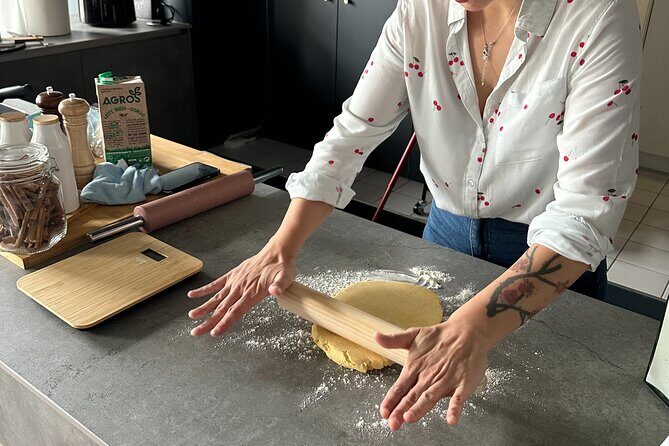
This pastel de nata workshop in Porto’s city center offers something genuinely useful—you’ll actually learn to make these iconic Portuguese pastries from the ground up, not just watch someone else do it. Over 2.5 hours, you’ll get your hands into the dough, learn the lamination technique that gives these tarts their flaky layers, and walk out with warm pastries you made yourself.
What stands out most is how interactive the whole thing feels. You’re not sitting in a lecture; you’re rotating through different stages of the baking process with your instructor, getting hands-on with the rough puff pastry and the custard filling. The instructors—names like Vanessa, Anna, Clara, and Mariah show up repeatedly in feedback—genuinely seem to enjoy teaching and know their craft inside and out.
The main catch is that this works best as a group experience, not solo. If you’re hoping for one-on-one attention, you’d need to book a private lesson instead. That said, the small group size (up to 12 people, though many sessions run with just 4-5) means you’ll actually get meaningful time with the instructor rather than getting lost in a crowd.
- The Real Value of Learning the Lamination Technique
- Where You’ll Be Baking
- What You’ll Actually Do for 2.5 Hours
- The Wine and Coffee Breaks Matter
- Who You’re Learning From Matters
- The Practical Side: What You’re Taking Home
- Timing and Booking Logistics
- Is This Worth ?
- The Group Dynamic Question
- Should You Book This?
- FAQ
- Do I need baking experience to join this workshop?
- What happens if I arrive late?
- Can I bring someone to watch while I participate?
- What if I have a gluten or lactose intolerance?
- How many pastries will I make and take home?
- Is this a good activity if I’m traveling solo?
- The Best Of Porto!
- More Workshops & Classes in Porto
- More Tour Reviews in Porto
The Real Value of Learning the Lamination Technique
Here’s what most casual visitors miss about pastel de nata—those crispy, paper-thin layers aren’t magic, they’re technique. This workshop teaches you the rough puff pastry method, which involves folding butter into dough repeatedly to create those signature flaky sheets. Once you understand how it works, you can actually recreate these at home instead of buying them at a café every time you want one.
The instructors spend real time on this part because it matters. You’re not just learning a recipe; you’re learning why each step happens the way it does. That’s the difference between following instructions and actually understanding pastry.

👉 See our pick of the What Are The Best National Park Tours In Porto? Our Top 15 Picks
Where You’ll Be Baking
The workshop takes place at R. do Souto 67 in Porto’s city center, a location that’s genuinely convenient. It’s near public transportation and walkable from most central hotels. The space itself gets consistent praise for being clean, stylish, and practical—basically a real teaching kitchen that’s been set up for groups, not a cramped apartment kitchen.
You’ll want to arrive right on time. The instructors close the door at the scheduled start and won’t let anyone in after that, which sounds strict but makes sense logistically when you’ve got a group and a timeline. Plan to be there about 10 minutes early just to be safe.
You can also read our reviews of more tours and experiences in Porto


What You’ll Actually Do for 2.5 Hours
 1 / 2
1 / 2 2 / 2
2 / 2The session isn’t structured as you make one tart while everyone watches. Instead, you’ll rotate through the different components. One person might work on rolling the dough while another prepares the custard cream. You’ll get turns at the different stages, which keeps everyone engaged and means you actually learn multiple skills rather than just one narrow task.
Once everything’s baked and ready, you taste the results while they’re still warm. This is when you really appreciate what you’ve made—a properly executed pastel de nata is genuinely better than most versions you’ll find in cafés, partly because it’s fresh and partly because you now understand what you’re tasting.
The Wine and Coffee Breaks Matter
You’re not just making pastries in silence. Local wine comes out while you’re working, and there’s coffee or tea available too. This keeps the atmosphere relaxed rather than frantic. The instructors use these moments to talk about Portuguese food culture and the history of these pastries, so you’re learning context alongside technique.
Several people mention that getting a glass of wine early in the class helped them relax into the experience, especially those who’d never baked before. It’s a small detail that affects the whole vibe.
Who You’re Learning From Matters
The instructors who appear in feedback most often—Vanessa, Anna, Clara, Mariah—are consistently described as knowledgeable, patient, funny, and genuinely interested in teaching. One review mentions an instructor is a professionally trained pastry chef, which explains why the technical explanations are clear rather than vague.
More importantly, they seem to adapt to their group. With a group of nervous bakers, they’re encouraging and break things into smaller steps. With experienced cooks, they share advanced tips about dough temperature and timing. That flexibility makes a real difference in whether you leave feeling confident or confused.
The Practical Side: What You’re Taking Home
You’ll leave with the pastel de nata you made during class, warm and ready to eat. Several people mention eating them for breakfast the next day, which means they keep reasonably well if you have access to an oven for reheating. One helpful tip that appeared in reviews: eat them fresh if you can, or reheat them quickly—they’re best served hot.
More valuable than the pastries themselves is the knowledge. You’ll have hands-on experience with laminated dough, which opens up possibilities beyond just pastel de nata. You could make croissants, Danish pastries, or other pastries using the same technique.



Timing and Booking Logistics
Most people book this about 3 weeks in advance, which tells you it’s reasonably popular without being impossible to access. You get a mobile ticket, so you don’t need to print anything. Cancellation is free up until 24 hours before, which gives you flexibility if your plans change.
One important note: this is strictly for adults (children under 15 aren’t allowed). Teenagers aged 15-17 can join only if accompanied by an adult. Only people with actual reservations can enter the space—you can’t bring a companion to watch from the sidelines.
Is This Worth $48?
At roughly $48 per person, this sits at the higher end for a cooking class but the lower end for a proper hands-on experience. You’re getting 2.5 hours of instruction from someone who actually knows pastry, wine, coffee, the pastries you make, and the knowledge to recreate this at home. Compare that to a tourist dinner that costs similar money and delivers less.
The value isn’t just in the materials or the pastries. It’s in the fact that you’ll actually understand how to make something you’ll probably want to eat for the rest of your life. That’s worth the price.
The Group Dynamic Question
Some people prefer solo experiences; others love the social aspect. This workshop definitely leans toward social. You’re working alongside other travelers, taking turns, and the instructors encourage conversation and sharing. If you’re someone who dreads small talk with strangers, that’s worth knowing. If you enjoy meeting people while doing something fun, this is ideal.
The sweet spot seems to be groups of 4-6 people. Large enough to feel like a real class but small enough that everyone gets meaningful hands-on time. A few people lucked into private or near-private sessions and loved that, but the group energy is part of what makes this work.
Should You Book This?
Book this if you actually want to learn a skill rather than just check off an activity. Book it if you enjoy being hands-on in a kitchen. Book it if you’d like to understand how something you love eating actually gets made. Skip it if you’re looking for a passive experience where you watch a professional work, or if you have a gluten or lactose intolerance (both are central to the recipe).
The 4.9-star rating from 449 reviews isn’t inflated—it reflects consistent quality instruction and genuine value. The instructors clearly care about teaching, and the setup works well for groups. It’s one of those experiences where you leave with a practical skill and warm pastries, which is a pretty good outcome for a morning or afternoon in Porto.
Pastel de Nata | Workshop from scratch | Porto’s city center
FAQ
Do I need baking experience to join this workshop?
No, several reviews mention people who’d never baked before and found the class accessible and encouraging. The instructors break the process into manageable steps and adjust their teaching based on the group’s experience level. If you’re nervous about baking, that’s actually pretty common for this workshop—and people consistently report leaving feeling confident.
What happens if I arrive late?
The workshop starts at the scheduled time with no exceptions, and you won’t be allowed in after the door closes. This is a logistical necessity when you’ve got a group and a baking timeline. Plan to arrive about 10 minutes early to find the location and get settled.
Can I bring someone to watch while I participate?
No, only people with actual reservations can enter the space. If someone wants to join the workshop, they need their own ticket. Companions aren’t allowed to observe from the sidelines, regardless of their age.
What if I have a gluten or lactose intolerance?
This workshop isn’t suitable for people with either intolerance, as both are central ingredients in pastel de nata. The pastries are made with wheat flour and the custard filling contains dairy, and there’s no way to adapt the recipe during the class.
How many pastries will I make and take home?
You’ll make several pastries during the workshop and enjoy them warm at the end. The exact number isn’t specified, but based on reviews, there’s enough that some people had extras for breakfast the next day. You’re taking home what you actually bake, not a pre-made portion.
Is this a good activity if I’m traveling solo?
Yes, many solo travelers book this and enjoy the social aspect of the small group. You’ll be working alongside other people, rotating through different tasks, and the instructors encourage interaction. It’s a good way to meet other travelers while learning something practical, especially if you enjoy group activities.