
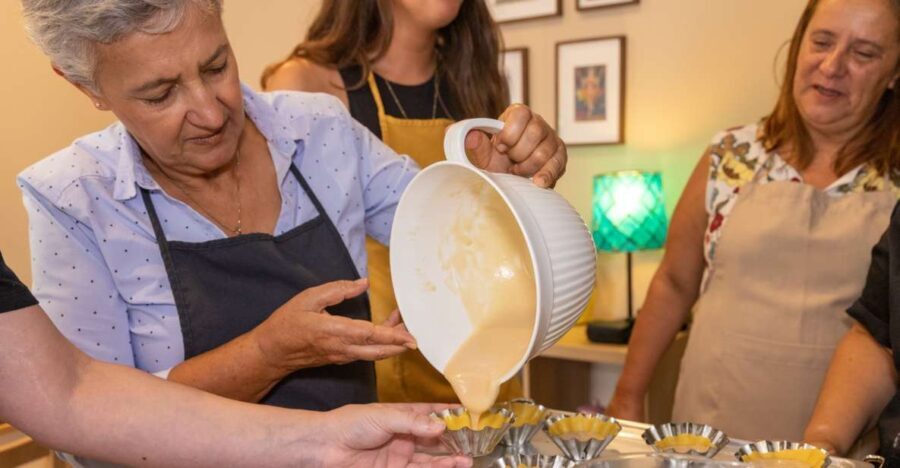
I’m not saying you should skip a big-ticket Porto museum day, but this pastel de nata class is one of the best ways to spend a couple hours. You’ll join a small group (up to 10) at Joana’s home, learn to make custard tarts from scratch, and finish with drinks and the warm pastries you just baked.
What I like most is the hands-on pace and the clear teaching. Joana (an English-speaking host) doesn’t just hand you tasks—she guides you through the process in a calm, friendly way so you can actually repeat the recipe later. The other big win is the ending: you sit together at the table to eat what you made with coffee, tea, and orange juice, plus extra touches some reviewers mentioned like trying port wine.
One consideration: transportation is on you. The home is about 10 minutes from Porto city center by car, and the class cost does not include transfers, so your total trip cost can jump if you rely on taxis/Uber.
- Quick Take: What You’ll Remember After This Porto Pastel de Nata Class
- Why This Porto Pastel de Nata Class Feels More Local Than Touristy
- Price and Value: Is Fair for 2 Hours of Baking?
- Getting There Smoothly: 10 Minutes from Porto City Center (and How to Do It Cheap)
- What Happens When You Arrive: Welcome, Stories, and the Grandma Recipe Context
- Step-by-Step Baking: Puff Pastry Work + Custard Technique
- The Small Group System: How Everyone Gets a Turn
- The Table Finish: Coffee, Tea, Orange Juice, and Fresh Pastéis
- Skills You Can Actually Use at Home
- The Location Factor: Worth It Even If It’s Not in the Center
- Who Should Book This Class (and Who Might Skip)
- How This Compares to Buying Pastéis in Porto
- Final Thoughts: Should You Book the Porto Pastel de Nata Class with Joana?
- FAQ
- How long is the Porto pastel de nata cooking class?
- Where does the class meet?
- How big is the group?
- Is transportation included?
- What drinks are included?
- Is the class taught in English?
- Can I cancel for a full refund?
- Can I reserve now and pay later?
- Is the experience suitable for wheelchair users?
- What’s included in the class besides the cooking?
- More Tour Reviews in Norte Region
Quick Take: What You’ll Remember After This Porto Pastel de Nata Class
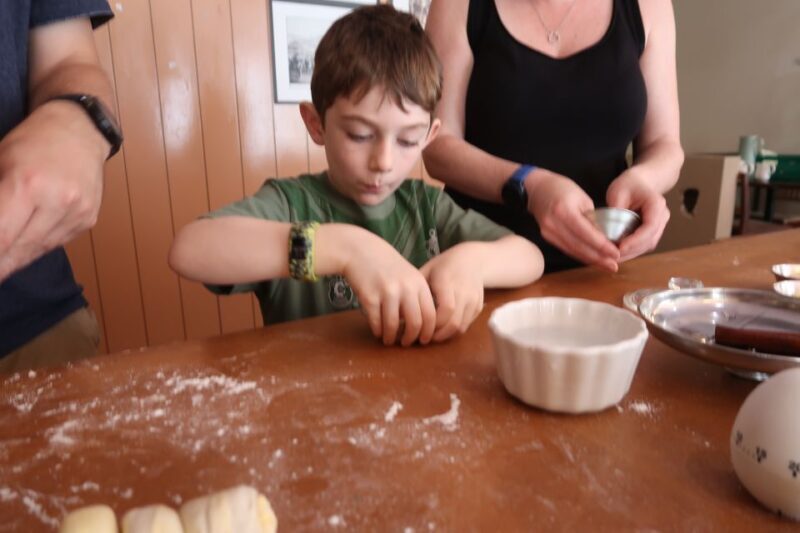
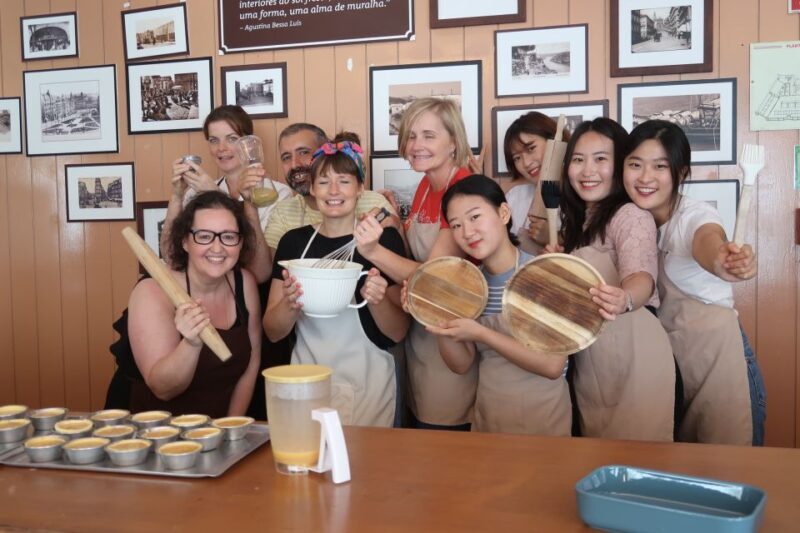
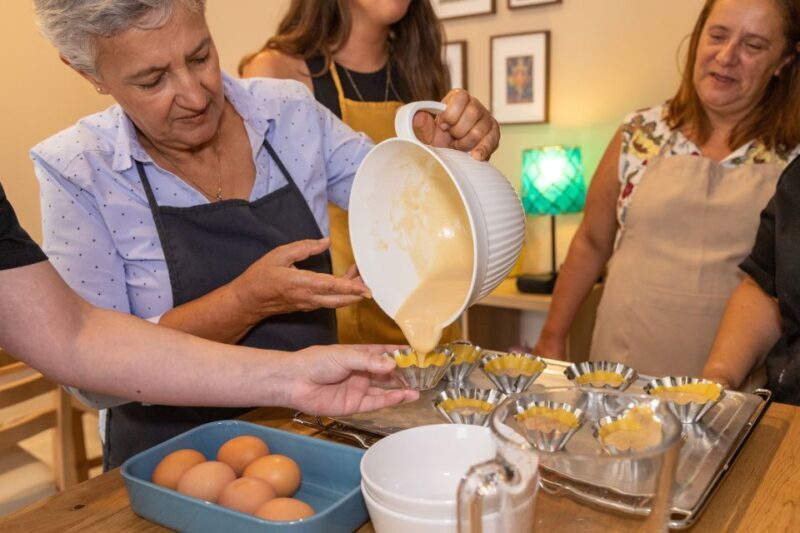
- A true home-kitchen setup: cozy, clean, and bright, not a crowded studio
- Joana’s step-by-step technique: especially helpful if you’ve never worked with Portuguese pastry
- Baking from scratch: you learn the pastry layers and the creamy custard work, not just assembly
- Small-group participation: everyone gets a real role in the process
- A sit-down tasting: drinks and the freshest batch you’ll eat that day
- Recipe and local tips: multiple guests report receiving the recipe and Porto recommendations afterward
Why This Porto Pastel de Nata Class Feels More Local Than Touristy
This isn’t a demo where you watch while someone else works. You’re invited into a lived-in home kitchen, where the atmosphere stays relaxed and social. Reviews repeatedly mention how Joana treats guests like part of her family, not like a ticket number.
That matters because the magic of Portuguese custard tarts isn’t just the flavor—it’s the technique. When someone explains the why behind each step (and lets you practice), the recipe sticks. And since the group is capped at 10, you’re not lost in the shuffle.
There’s also a cultural layer beyond food. You start by getting acquainted with Joana and her family, and you learn the roots behind pastel de nata—why it matters, where it comes from, and how it evolved into something Porto is proud of.
You can also read our reviews of more tours and experiences in Norte Region.

Price and Value: Is $33 Fair for 2 Hours of Baking?
At $33 per person for 2 hours, the pricing is pretty compelling for what’s included. You get ingredients and utensils, a guided cooking class, non-alcoholic drinks, and pastries you make during the session.
Here’s the value math that travelers usually care about:
- You’re paying for instruction, workspace, and ingredients—plus the chance to take home usable skills.
- It’s not just eating a pastry; it’s learning how to reproduce one.
- It’s small group, so you actually get feedback.
The part to watch is the add-on cost of getting there. Transportation isn’t included, and since the home is about 10 minutes from Porto city center by car, you may spend more than the base ticket depending on where you’re staying.
Getting There Smoothly: 10 Minutes from Porto City Center (and How to Do It Cheap)
The meeting point is Joana’s home, roughly 10 minutes away by car from Porto city center. If you’re staying centrally, Bolt or Uber can be quick and straightforward. One reviewer even called out that an Uber ride can add noticeable cost (they cited around 12€ in their case), so factor that into your decision.
If you prefer public transit, you’ve got a workable plan:
- From Bolhão, take bus 800 or 801. It stops across the street from the house. The ticket is bought inside the bus with coins.
- From Trindade Station, take the Orange Metro Line directly to Fânzeres, then walk about 700 meters (around 10 minutes).
- When you arrive at the address, ring the doorbell with the writing 2 Andar.
This is one of those “easy if you plan” situations. If you show up hungry and unprepared, you’ll still have a good time—just expect a little extra time getting oriented.
What Happens When You Arrive: Welcome, Stories, and the Grandma Recipe Context
You’ll be greeted inside the home when you arrive. Reviews describe the welcome as warm and organized, with Joana communicating well in English and keeping the group comfortable from the start.
Before you bake, you’ll learn about:
- Joana’s family and how she connects her recipe to her grandmother
- the roots of pastel de nata
- what to expect during the class, step by step
This early stage is more than small talk. It sets you up to understand what you’re making and why the steps matter. In other words, it’s not just following instructions blindly—you’re learning how to judge texture and results as you go.
More Great Tours NearbyStep-by-Step Baking: Puff Pastry Work + Custard Technique
The core of the experience is making pasteis de nata following Joana’s Grandma’s recipe. Guests repeatedly say the class includes making things from scratch, not shortcuts.
One reviewer specifically noted that this class includes learning the pastry (not just the custard filling). That’s important because lots of workshops skip the hard part. Here, you can actually learn how to handle the pastry dough and understand how the layers affect the final tart.
You’ll work through the process in stages:
- preparing and handling the pastry components
- mixing and creating the creamy custard base
- assembling the tarts properly for baking
- watching the baking results with the group
The pace is described as patient. Reviews mention Joana being encouraging even for guests who already had baking experience, and clear for beginners. Hygiene also comes up more than once, with at least one guest praising the cleanliness and organization of the setup.
The Small Group System: How Everyone Gets a Turn
Group size is limited to 10 participants. That’s not just a comfort detail—it affects how the class runs.
Multiple reviews describe a rotating system where guests take turns at different tasks. That means you’re not stuck watching one person do everything, and you’re less likely to feel like you only contributed with a single stirring session.
A practical downside shows up in one comment: because there are two major components (pastry and custard), some guests wish there were more time to fully participate in every phase at the deepest level. That’s not a failure of organization—it’s just the reality of a 2-hour window. Still, the structure is designed so you leave with real confidence, not just a finished tart and a vague sense of what happened.
The Table Finish: Coffee, Tea, Orange Juice, and Fresh Pastéis
The class ends the best way possible: you sit down and eat what you baked. Reviews mention a properly laid table and a relaxed atmosphere to chat with the group while enjoying the pastries hot.
Drinks include non-alcoholic options such as:
- coffee
- tea
- orange juice
A couple of reviews also mention port wine being offered to try. Even if you don’t drink alcohol, this final tasting moment is built for sharing. You’ll likely compare how your tarts turned out, talk about Porto neighborhoods, and swap restaurant tips with people you met in class.
Skills You Can Actually Use at Home
This experience doesn’t sell you fantasy results. It aims for repeatable technique.
What you’ll likely walk away with:
- a better understanding of how Portuguese custard tarts should look and feel during assembly
- a memory of the steps in the right order, thanks to guided participation
- confidence to attempt the recipe again, because you didn’t just read about it—you made it
Several travelers highlight that they wanted to reproduce the recipe at home right away. There’s also mention that Joana may share the recipe afterward and offer local recommendations for what to do next in Porto.
If you’re the type who likes learning through doing, this is a strong match. You’ll leave with something more useful than photos: a pastry skill.
The Location Factor: Worth It Even If It’s Not in the Center
This class is close enough to be easy, but it’s not inside the busiest tourist zone. Some travelers enjoy that because it feels less like an attraction and more like a neighbor’s kitchen party.
If you stay in the center and plan your ride, you’ll probably find the location painless. If you’re trying to do everything on foot with no buffer time, you might feel the extra transit effort. Public transport options exist, but they add steps.
One subtle plus: by heading into a less central area, you may get a different perspective on Porto. Guests mention exploring a new part of the city around the home. It’s not a guaranteed “scenic viewpoint” kind of experience, but the overall feel is still authentic.
Who Should Book This Class (and Who Might Skip)
This is a great fit if you:
- want hands-on Portuguese food rather than watching from the sidelines
- enjoy meeting people in small group settings
- like learning with clear instruction in English
- want a recipe you can realistically try at home
It’s also a strong choice for travel days when the weather turns, since the experience is indoors and cozy. Several reviews mention enjoying it on rainy afternoons.
You might skip it if you:
- need full wheelchair accessibility (this experience is not suitable for wheelchair users)
- want a purely sightseeing-based itinerary with lots of walking outside
- expect a super-long class (it’s 2 hours—enough to learn, but not endless practice)
How This Compares to Buying Pastéis in Porto
You can absolutely buy pastel de nata in Porto and call it a day. But there’s a big difference in what you’re buying.
Shopping gives you instant pleasure. This class gives you understanding. When you make the pastry and fill the custard yourself, you taste the tart differently—you notice balance, texture, and how the final result depends on the process.
Also, the meal-at-the-table finish turns it into a full experience, not just a snack with instructions. You get to eat right away while it’s fresh, which is hard to recreate later.
Final Thoughts: Should You Book the Porto Pastel de Nata Class with Joana?
If you want something genuinely Portuguese that goes beyond eating, I’d book it. The combination of a knowledgeable English host, a calm hands-on kitchen, and a small group that actually participates makes this feel worth the time.
Be sure to plan transportation ahead, especially if you’re staying far from the 10-minute ride zone. And if wheelchair access is a must, this one isn’t for you.
If you like learning by doing and you want a family-style recipe moment in Porto, this is an easy yes.
Porto: Pastel de Nata Cooking Class with Grandma’s Recipe
FAQ
How long is the Porto pastel de nata cooking class?
The class lasts 2 hours.
Where does the class meet?
You meet at your host’s home. When you arrive, ring the doorbell with the writing 2 Andar.
How big is the group?
It’s a small group limited to 10 participants.
Is transportation included?
No. Transportation to the meeting point is not included.
What drinks are included?
Non-alcoholic drinks are included. Guests also mention coffee, tea, and orange juice at the end.
Is the class taught in English?
Yes. The host or greeter speaks English.
Can I cancel for a full refund?
Yes. You can cancel up to 24 hours in advance for a full refund.
Can I reserve now and pay later?
Yes. The booking offers reserve now & pay later.
Is the experience suitable for wheelchair users?
No, it is not suitable for wheelchair users.
What’s included in the class besides the cooking?
Ingredients and cooking utensils, a guided cooking class, non-alcoholic drinks, and the pastries you make.
If you want, tell me where you’re staying in Porto (neighborhood or landmark) and I’ll suggest the easiest way to get to the home.
You can check availability for your dates here: