We found this tour genuinely exceptional for what it delivers at $59.26 per person. The inclusion of admission tickets alone saves you significant time—no queuing separately at each site—while the tram ticket eliminates the steep uphill walk that leaves many visitors breathless before they’ve even begun exploring. What really sets this apart, though, is the quality of the guides themselves. Review after review mentions guides who don’t just recite dates and facts but tell stories that make Czech history feel alive.
The afternoon timing deserves special mention. By leaving your morning free, you can ease into Prague at your own pace, grab coffee at a local café, or wander Old Town Square before meeting at Charles Bridge. This flexibility matters more than you’d think when you’re managing jet lag and trying to maximize a short visit.
- One Thing to Consider
- Who This Tour Is Perfect For
- The Real Value Proposition
- Understanding the Itinerary: A Walk Through Prague’s Most Important Sites
- Charles Bridge: Your Starting Point
- Lesser Town Square: The Transition
- Prague Castle: The Heart of the Experience
- St. Vitus Cathedral: The Architectural Marvel
- St. George’s Basilica: The Older Story
- The Old Royal Palace and Vladislav Hall
- Golden Lane: The Human Story
- The Transportation Factor: Why the Tram Ticket Matters
- Guide Quality: The Real Differentiator
- Timing Considerations: Morning, Afternoon, and Crowds
- Group Size and the Experience
- What’s Included and What’s Not
- Practical Planning Details
- FAQ: Your Practical Questions Answered
- The Verdict: Is This Tour Worth Your Time and Money?
- More Tickets in Prague
- More Tours in Prague
- More Tour Reviews in Prague
One Thing to Consider
 1 / 9
1 / 9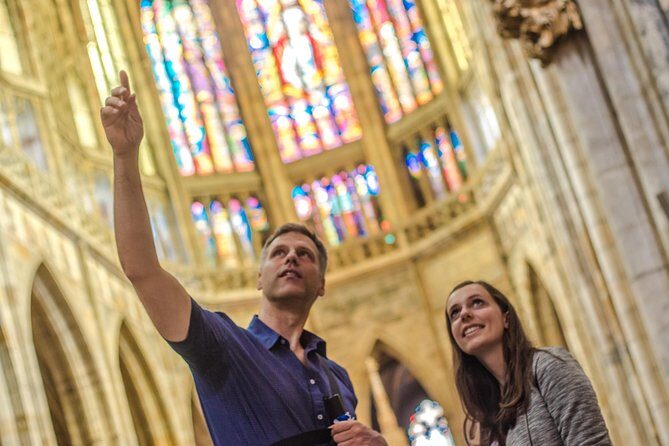 2 / 9
2 / 9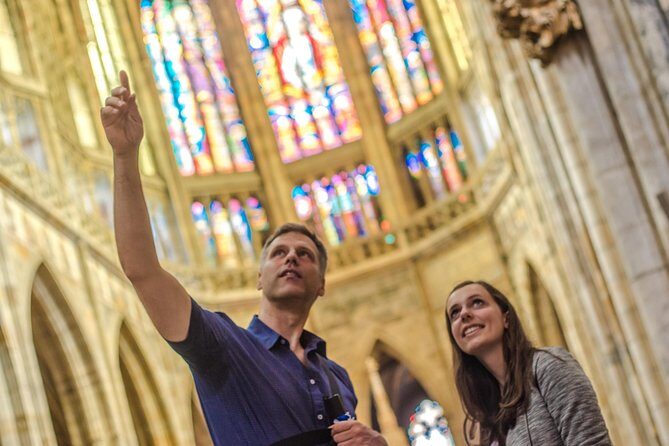 3 / 9
3 / 9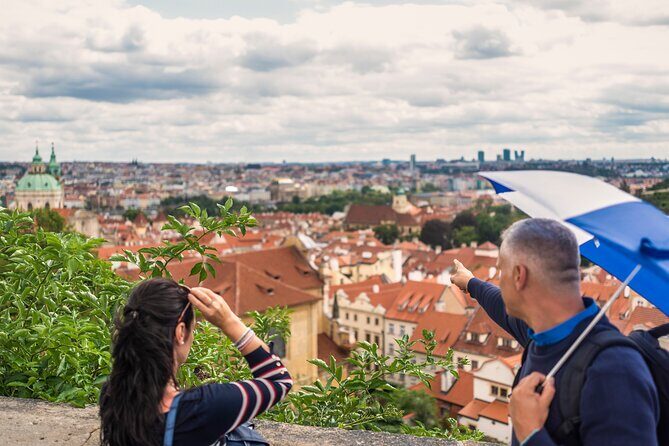 4 / 9
4 / 9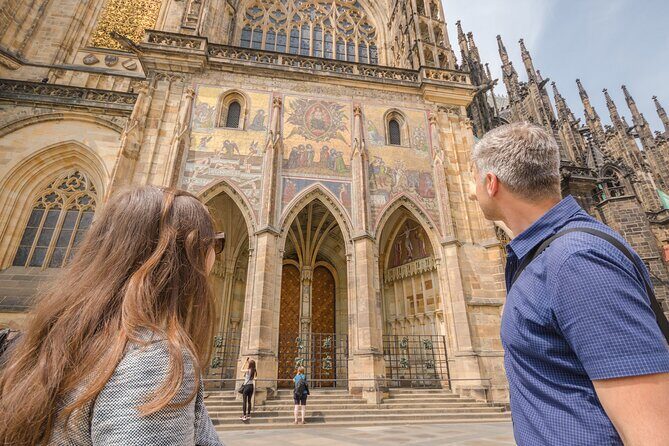 5 / 9
5 / 9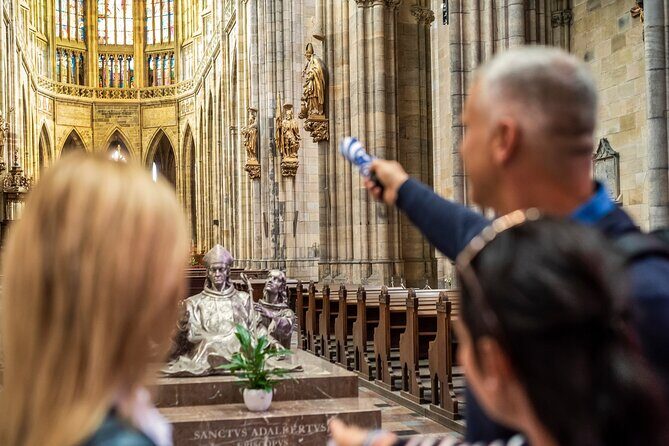 6 / 9
6 / 9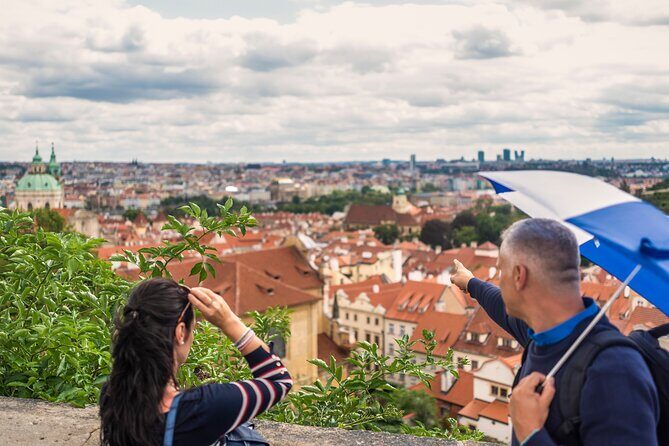 7 / 9
7 / 9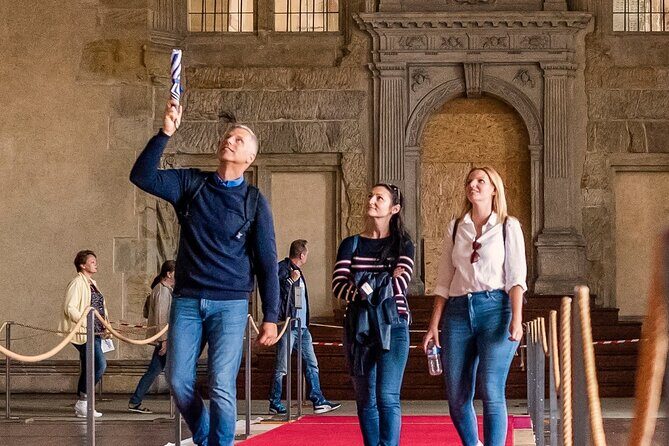 8 / 9
8 / 9 9 / 9
9 / 9If you’re extremely crowd-sensitive, you should know that peak season can mean large group sizes and busy attractions. One traveler mentioned waiting 20 minutes to enter St. Vitus Cathedral, and another noted the tour felt rushed due to overcrowding. That said, the vast majority of reviews praise the pacing and organization, so this is more of an occasional issue than a consistent problem.
Who This Tour Is Perfect For
This experience suits first-time visitors to Prague beautifully. You’ll understand how the city’s different districts connect, why Prague Castle matters historically, and what makes specific buildings worth your time. If you’re visiting for just a few days and want expert context rather than a self-guided wander, this tour essentially pays for itself through the admission tickets alone while adding genuine understanding to what you’re seeing.
You can also read our reviews of more tours and experiences in Prague

The Real Value Proposition
At under $60 including all admissions, this tour offers remarkable value. Consider what you’re getting: a local guide, four separate admission tickets (St. Vitus Cathedral, Old Royal Palace, St. George’s Basilica, and Golden Lane), and a tram ticket that costs roughly 3 euros on its own. If you purchased these admissions separately, you’d easily spend $80-100 without any guided context. The economics alone make sense, but the real value emerges in what the guides actually teach you.
One reviewer perfectly captured why this matters: “This was one of the best tours I’ve taken in Europe. Our guide was sharp, funny, and deeply knowledgeable. He didn’t just recite dates. He told stories that made the castle, the kings, and the city feel real.” That ability to transform a monument into a narrative—to help you understand not just what happened, but why it mattered—is what separates a good tour from a forgettable one.
Understanding the Itinerary: A Walk Through Prague’s Most Important Sites
Charles Bridge: Your Starting Point
Your tour begins at Křižovnické nám. 3, right at Charles Bridge itself. This isn’t arbitrary—the bridge is where Prague’s geography and history intersect. Your guide will meet you here and immediately begin contextualizing what you’re seeing. Charles Bridge, built in the 14th century, connects Old Town with Lesser Town and serves as the main pedestrian route to the castle.
One thing to note: some travelers felt the tour spent too much time on the bridge itself rather than rushing toward the castle. That’s actually a feature, not a flaw. The bridge’s statues, its history, and its role in Prague’s layout all matter for understanding what comes next. You’re not just walking across a bridge; you’re being positioned to understand Prague as a medieval city designed with intention.
Lesser Town Square: The Transition
After crossing Charles Bridge, you’ll spend about 20 minutes in Lesser Town Square. This is where your guide begins explaining Prague Castle’s relationship to the city below. You’re standing in one of Prague’s most atmospheric neighborhoods, surrounded by Renaissance and Baroque architecture, and learning how this district served the castle’s residents and workers for centuries.
The walk between Charles Bridge and the castle proper matters because it shows you scale. You’re climbing gradually toward one of Europe’s largest castle complexes. By the time you reach the castle gates, you’ll understand not just what it is, but where it sits within Prague’s geography and society.


Prague Castle: The Heart of the Experience
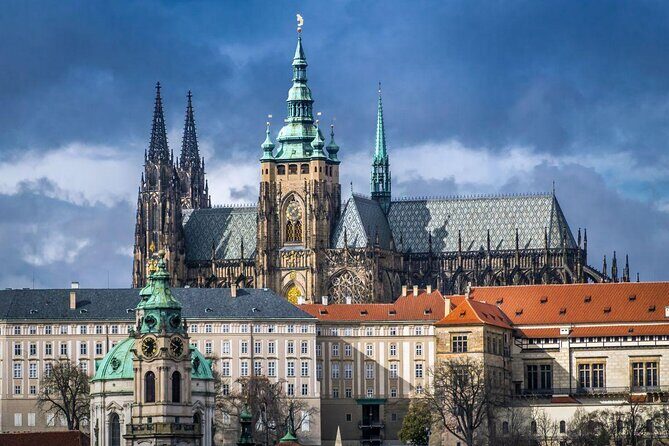
Here’s where the tour really deepens. You’ll spend a full hour at Prague Castle itself, which includes several distinct sites. Your guide will walk you through the ceremonial history of St. Vitus Cathedral, explain the Old Royal Palace’s significance, and share stories about the rulers who lived and worked here.
What makes this hour valuable is the storytelling. One traveler noted: “The way he explained the symbolism, the ceremonies, and the history behind what you’re seeing made it far more meaningful than walking through on your own.” This is the difference between seeing a cathedral and understanding why a cathedral matters—why its architecture was designed a certain way, what ceremonies took place there, and how it reflected the power and ambitions of the people who built it.
St. Vitus Cathedral: The Architectural Marvel
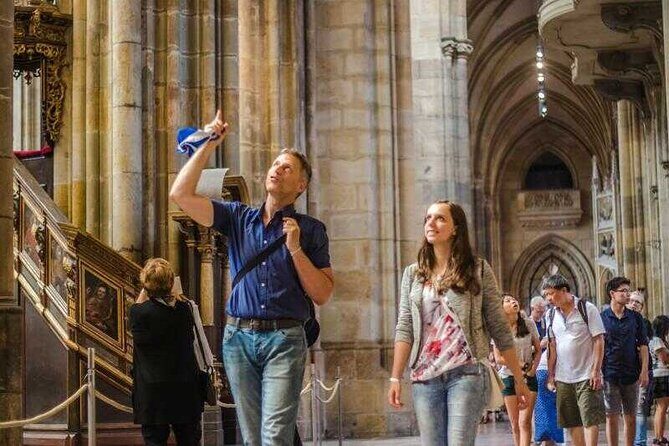
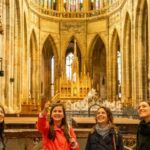
St. Vitus Cathedral is Prague’s largest church and one of the most stunning Gothic structures in Europe. This is where Czech kings and queens were crowned. Your guide will help you read the architecture—the soaring ceilings, the intricate stonework, the stained glass—and understand what each element communicated about power, faith, and Czech identity.
Expect this to be one of the most crowded moments of your tour, especially if you’re visiting during peak season. One reviewer mentioned waiting 40 minutes to enter, though this seems to be the exception rather than the rule. The tour company’s response to this feedback was helpful—they acknowledged the issue and noted they’re working on improvements. If you’re visiting in September or October, be aware that the Crown Jewel Exhibition can cause some closures, though the tour company will notify you in advance.
St. George’s Basilica: The Older Story
St. George’s Basilica, the second church at Prague Castle, offers a different perspective. It’s older and smaller than St. Vitus, and its Romanesque architecture contrasts with the Gothic grandeur you just experienced. Your guide will explain how the castle’s religious needs evolved over time and what each building tells us about different historical periods.
The Old Royal Palace and Vladislav Hall
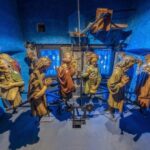
The Old Royal Palace includes the magnificent Vladislav Hall, one of the largest secular Gothic rooms in Europe. This is where you get a sense of how rulers actually lived and held court. Vladislav Hall was used for tournaments, coronations, and formal ceremonies. Your guide will help you visualize these events and understand what the architecture reveals about the power dynamics and daily life of Czech nobility.
Golden Lane: The Human Story
The tour concludes at Golden Lane, a charming narrow street lined with small colorful houses. Historically, these were the homes of castle guards, craftspeople, and servants. This is where the tour shifts from grand history to human history—the lives of ordinary people who worked within the castle walls. One reviewer appreciated this perspective: “Golden Lane and the Old Royal Palace added great context to how people actually lived inside the castle walls, not just how royalty ruled from them.”
The Transportation Factor: Why the Tram Ticket Matters
Prague Castle sits on a hill, and the walk up is steep. Without the included tram ticket, many visitors end up exhausted before they even arrive. The tram takes you most of the way up, which means you arrive fresh and ready to absorb information rather than catching your breath.
This detail matters more than it sounds. A reviewer noted: “Wear proper footwear. Even though you’re taking the tram to the castle, there’s still a lot of walking involved inside the castle and getting out of it.” So while the tram handles the steepest part, you should still expect substantial walking throughout the 2.5 hours. Comfortable shoes are non-negotiable.
Guide Quality: The Real Differentiator
If there’s one consistent theme across 1,171 reviews, it’s the guides. Names like Steve, Peter, Vojta, Jan, Zora, and Misha appear repeatedly in five-star reviews. One traveler said: “Our guide was very knowledgeable and ensured that we understood what we were seeing.” Another noted: “He was so animated, made the tour so very interesting and was a wealth of information.”
This consistency isn’t accidental. Get Prague Guide, the tour operator, clearly selects and trains guides who understand that touring is as much about storytelling as it is about information delivery. One reviewer captured this perfectly: “he kept it flowing with his knowledge, level of detail, and humour. A very interesting and worthwhile experience.”
That said, we should acknowledge that not every experience is perfect. A few reviews mentioned guides who spoke too quietly or couldn’t answer all questions. But these represent a tiny fraction of feedback—roughly 2-3% of reviews rate the tour as 1-2 stars, while 75% rate it as 5 stars. The odds are heavily in your favor for a knowledgeable, engaging guide.
Timing Considerations: Morning, Afternoon, and Crowds
The tour offers afternoon departures, which means you’re not starting at 8 a.m. This is genuinely valuable if you’re adjusting to a new time zone or want to explore Prague’s Old Town first. One reviewer mentioned: “We had the afternoon tour, I just wished the tour started a bit earlier so we can linger longer before closing time.” This is a reasonable consideration—if you’re taking the afternoon slot, the castle will be approaching closing time when you finish.
Crowd levels vary significantly by season. During September and October, some buildings may close for the Crown Jewel Exhibition, so the tour company will notify you in advance if you book during this period. Summer months bring the most visitors, so if you’re flexible, late spring or early fall (outside of the Crown Jewel Exhibition dates) might offer better conditions.
Group Size and the Experience
Reviews mention group sizes ranging from small (12-13 people) to larger (20+ people). One traveler noted: “felt intimate even though the group size was 20,” while another wished for smaller groups due to crowding. The tour description notes a maximum of 999 travelers, which sounds alarming, but in practice, groups seem to operate much smaller than that.
The group size affects your experience differently depending on the guide and the season. A skilled guide can manage a larger group and keep everyone engaged. A less experienced guide with a large group during peak season might lead to the rushed feeling some travelers reported.
What’s Included and What’s Not
Included:
– Local guide (this is your primary value-add)
– Tram ticket (saves you a steep walk and roughly 3 euros)
– Admission to St. Vitus Cathedral
– Admission to Old Royal Palace
– Admission to St. George’s Basilica
– Admission to Golden Lane
Not Included:
– Food and drinks
– Hotel pickup and drop-off
– Anything else not explicitly listed
This is straightforward and honest. The tour doesn’t pretend to include things it doesn’t. If you want coffee or a meal, you’ll need to budget separately. If you need hotel pickup, you’ll need to arrange that independently. The meeting point is easily accessible by public transportation, which works well if you’re staying anywhere central.
Practical Planning Details
Booking in Advance: On average, this tour is booked 23 days ahead. This suggests good availability, but popular time slots do fill up. If you have flexibility, booking a week or two in advance gives you good options.
Cancellation Policy: You can cancel up to 24 hours in advance for a full refund. This is genuinely helpful—if your plans change, you’re not locked in. Just don’t cancel less than 24 hours before your tour time, or you’ll lose your money.
Physical Requirements: The tour requires moderate physical fitness. You’re walking for 2.5 hours, including climbing stairs within the castle complex, even with the tram helping with the initial hill. If you have mobility concerns, mention them when booking—the tour company may be able to offer guidance.
FAQ: Your Practical Questions Answered
Q: Is this tour actually better than visiting Prague Castle on my own?
A: If you’re visiting Prague for the first time, yes. The guides provide context that transforms monuments into stories. One reviewer noted that the guide’s explanations of symbolism and ceremonies made everything “far more meaningful than walking through on your own.” You’re essentially paying for expert knowledge that you can’t get from a guidebook or audio guide.
Q: Will I really skip lines if I book this tour?
A: Mostly yes, but one reviewer mentioned waiting 40 minutes to enter St. Vitus Cathedral. The tour company’s response acknowledged this can happen during peak times. You’re skipping the separate ticketing lines, but you may still wait briefly to enter buildings, especially during summer. This is still better than buying tickets separately and waiting in two different lines.
Q: How much walking is actually involved?
A: About 2.5 hours of walking, though the tram handles the steepest initial climb. You’ll walk through the castle complex, up some stairs, and explore multiple buildings. Reviewers consistently emphasize wearing proper footwear. This isn’t a strenuous hike, but it’s not a casual stroll either.
Q: What’s the best time of year to take this tour?
A: Late spring (May-June) or early fall (September before the Crown Jewel Exhibition) offer good crowds and weather. Avoid September and October if you want to see all buildings, as the Crown Jewel Exhibition can cause closures. Summer is busiest but still manageable with a good guide.
Q: Will I have time to take photos?
A: Yes, though the pacing is steady. One reviewer mentioned the guide ensured “everyone is together” before moving on, which suggests you have time to capture moments. St. Vitus Cathedral, in particular, offers stunning photo opportunities.
Q: What if my guide speaks too quietly or I can’t hear?
A: A few reviews mentioned this issue. If you’re concerned about hearing, mention it when you meet your guide. The tour company should be able to position you closer or adjust. One reviewer specifically noted that the company “needs to provide ear phones and receivers” for larger groups—this is feedback they’ve received and may be implementing.
Q: Do I need to book in advance, or can I book the day before?
A: The average booking happens 23 days ahead, which suggests good availability. You can likely book a few days in advance, and possibly the day before, depending on capacity. Since cancellation is free up to 24 hours out, you could even book a few days ahead and cancel if plans change.
Q: What should I wear besides good shoes?
A: The tour operates year-round, so dress for the season. One reviewer specifically mentioned “the weather is cold” (they visited on Christmas), and another noted climbing stairs and being outdoors for extended periods. Bring a light jacket even in summer, as churches can be cool. Comfortable, supportive shoes are essential.
Q: Is this tour worth the money compared to visiting on my own?
A: Yes, from a pure value perspective. The admission tickets alone total roughly $80-100 if purchased separately. Add in the tram ticket (about 3 euros) and a guide, and you’re getting exceptional value at $59.26. The real question is whether you want expert context or prefer exploring independently—most first-time visitors find the context invaluable.
Prague Castle Tour Including Admission Ticket – 2.5 Hour
The Verdict: Is This Tour Worth Your Time and Money?
This tour represents genuinely smart spending for first-time visitors to Prague. You’re getting admission tickets, transportation, and most importantly, a guide who helps you understand why Prague Castle matters. The 4.5-star rating from 1,171 travelers isn’t inflated—it reflects consistent quality, with 75% of reviews giving five stars.
The experience works because it balances efficiency with depth. You’re not rushing through a checklist of monuments; you’re learning stories that make those monuments meaningful. You understand how Charles Bridge connects to Lesser Town, which connects to the castle. You learn why St. Vitus Cathedral was so important, what Vladislav Hall reveals about Czech power, and how ordinary people lived in Golden Lane.
The guides deserve credit for this. Reviewers repeatedly mention guides who are “knowledgeable,” “funny,” “animated,” and “entertaining.” These aren’t people reading from scripts—they’re historians and storytellers who genuinely enjoy sharing Prague.
If you’re visiting Prague for the first time and have 2.5 hours available, this tour should be on your list. It costs less than a nice dinner, includes all your castle admissions, and provides the kind of expert context that transforms a visit from pleasant to memorable. Book it for your afternoon, leave your morning free for coffee and wandering, and let a local guide help you understand one of Europe’s most beautiful cities.