I like tours that teach you history with real places, not just a lecture. This one strings together Prague’s communist-era landmarks and then drops you into a 1950s nuclear bunker about 50 feet underground for a hands-on Cold War experience, including a gasmask workshop.
Two things I really like: first, the guide—often with firsthand memories from people who lived through the era, like Stan, Ladislav, Pavel, and others—so the stories land as human, not textbook. Second, the bunker visit itself feels unusually real, with genuine equipment, cold war-style exhibits, and a museum stop that explains how civilians prepared for nuclear fear.
One possible drawback: this is not a gentle stroll. It involves walking and stairs, includes time underground, and it is not suitable for claustrophobia or mobility issues, plus there are no toilets at the starting point.
- Key things worth knowing before you go
- How this Prague communism history tour actually runs
- Your guide turns communist history into human stories
- Velvet Revolution Memorial and central Prague stops set the stage
- The fear behind the slogans: Stalin and the secret police era
- The tram ride to the bunker: an easy way to see beyond the center
- Going 50 feet down: your visit to the 1950s nuclear bunker
- Cold War exhibits and the bunker museum stop
- The gasmask workshop: practical and memorable
- Scale you can feel: a bunker for thousands
- Price and value: around for guided history plus transport
- Practical logistics: toilets, photos, and the no-video rule
- Who should book (and who really shouldn’t)
- What to bring and how to set yourself up for comfort
- Book it or skip it? My honest take
- FAQ
- How long is the Prague Communism and Nuclear Bunker guided tour?
- Is the tour wheelchair accessible?
- Are there toilets at the meeting point?
- What languages are available for the guided tour?
- Can I take photos or record video inside the bunker?
- Is food included or can I buy it during the tour?
- More Guided Tours in Prague
- More Tours in Prague
- More Tour Reviews in Prague
Key things worth knowing before you go
 1 / 10
 2 / 10
 3 / 10
 4 / 10
 5 / 10
 6 / 10
 7 / 10
 8 / 10
 9 / 10
 10 / 10
- Firsthand-style storytelling: Many guides bring personal perspective from the communist era, not just dates and slogans.
- Prague to the bunker by public transport: You’ll mix walking with a tram ride that takes you outside the center.
- A real 1950s bunker, 50 feet down: Built for civilian protection with Cold War-era displays and gear.
- Gasmask workshop included: You get a practical, memorable moment instead of only passive viewing.
- Includes museum entry and guided time underground: You don’t have to figure out the exhibits on your own.
How this Prague communism history tour actually runs
This is a guided experience that clocks in around 150 minutes. You start with a short guided walk through central Prague and then transfer to the bunker using public transportation, with guided time all the way through.
The pace is not slow, but it’s also not rushed in a chaotic way. You get stops that build context first, then a long bunker segment, then a wrap-up finish in central Prague near Malé Náměstí.
A small practical note that matters: the tour may vary by about 10 minutes depending on group size. If you’re trying to stack tight plans afterward, leave a little buffer.
You can also read our reviews of more guided tours in Prague

Your guide turns communist history into human stories
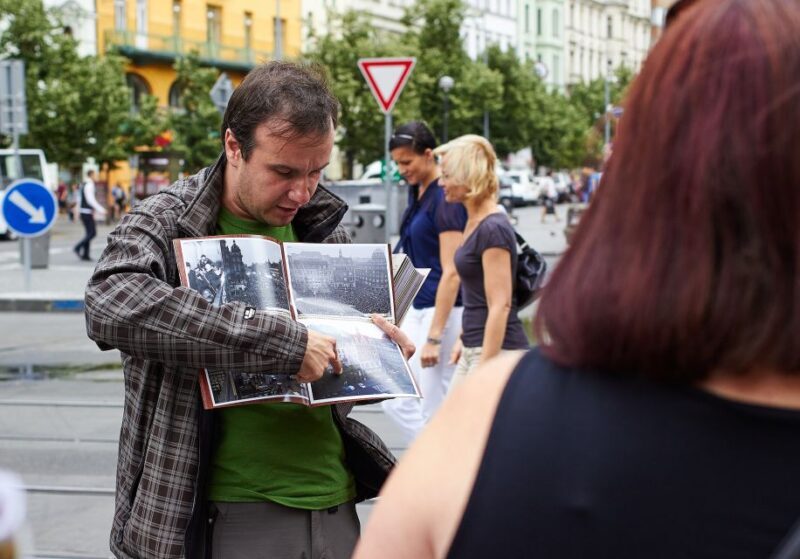
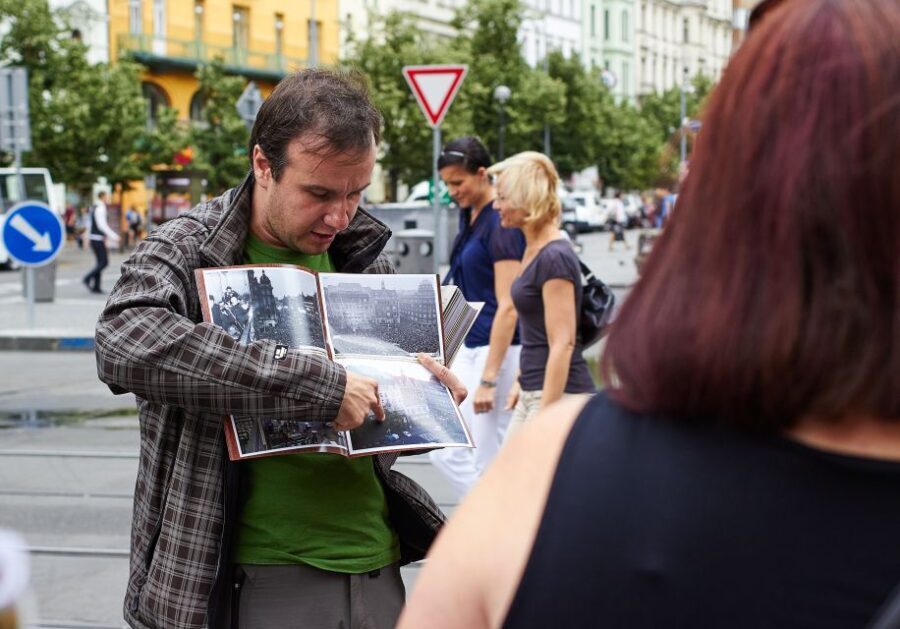
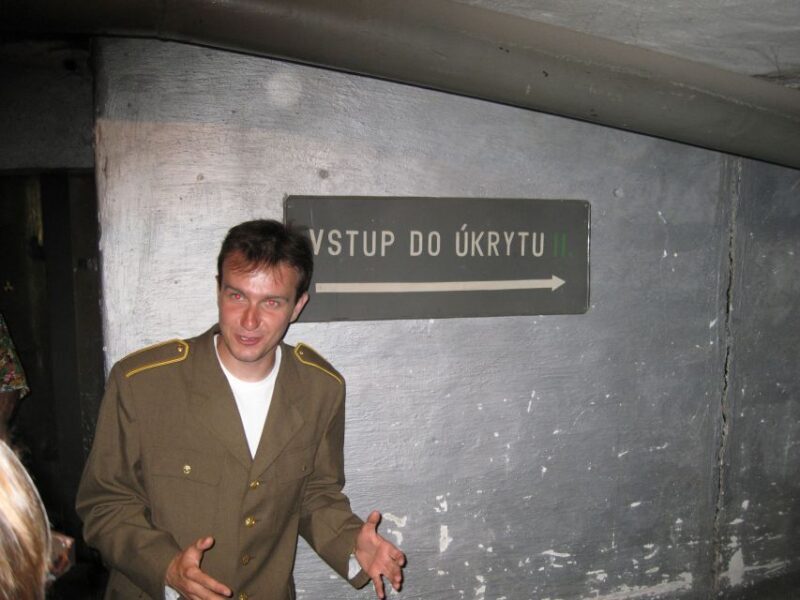
The biggest reason this tour consistently scores high is the guide quality. People mention guides like Stan, Ladislav, Pavel, and others who explain how daily life worked under communist rule, including the pressure of spying and the fear that shaped ordinary routines.
You’ll hear stories about spies, political prisoners, cold war refugees, dissidents, and other lives tangled in the system. Even when the facts are grim, the best guides keep it clear and grounded, sometimes with a touch of humor to help you keep going.
Also, the tour requires you to speak the chosen tour language (German or English). The guide won’t switch languages midstream, and you’re not meant to translate for others, so pick the language you’re comfortable following for the full experience.
Velvet Revolution Memorial and central Prague stops set the stage
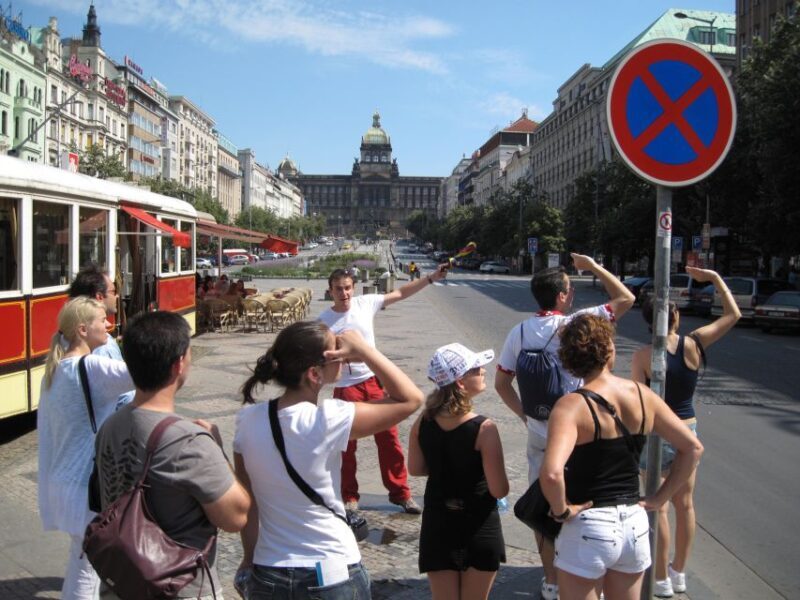
Before you go underground, you’ll work through key Prague sites that connect the communist era to later change. The tour includes a stop at the Velvet Revolution Memorial, plus time around big landmarks such as Wenceslas Square.
These stops are useful because they give you a framework for what you’re about to learn. It’s easier to understand paranoia, secret police power, and state control when you can point to the city’s real “memory places” right in front of you.
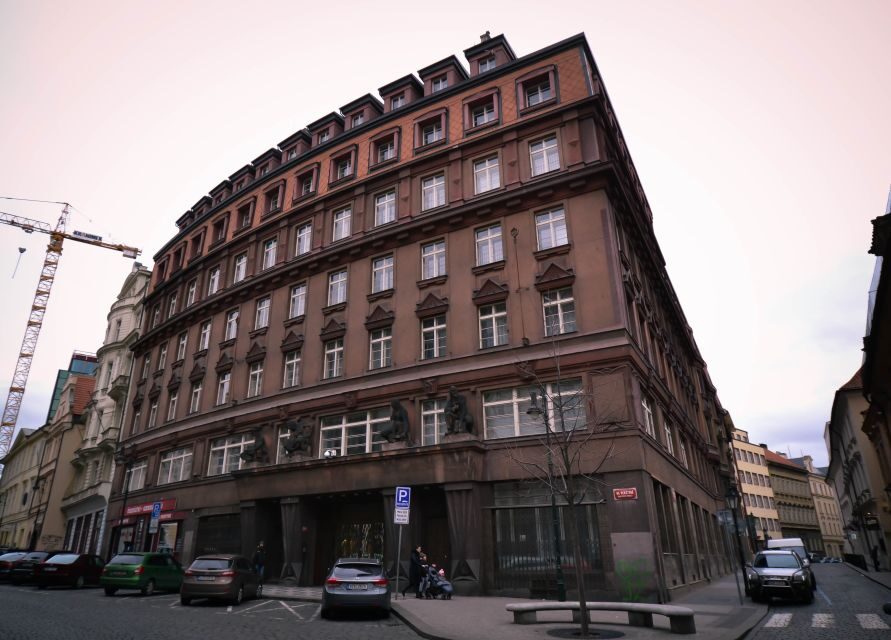
You’ll also get guided explanation around locations linked to the communist period, including references to the largest Stalin statue ever built and the former headquarters of the communist secret police. Even if you’ve seen photos of Prague’s statues, you’ll likely hear a different story from what you expected.
The fear behind the slogans: Stalin and the secret police era
Part of the tour’s value is how it connects ideology to behavior. Instead of only describing what communism promised, you’ll hear how the system worked in daily life—where suspicion came from, why people watched each other, and how fear could turn into silence.
Guides often emphasize how the Cold War didn’t stay “out there.” It shaped decisions at home and in public, from how people communicated to how they trusted institutions.
You don’t need to be a hardcore history fan to appreciate this segment. What you get is cause-and-effect: how the political machine created pressure, and how that pressure rippled through families and neighborhoods.
More Great Tours NearbyThe tram ride to the bunker: an easy way to see beyond the center
A practical perk here is the transport plan. You’ll get public transportation to and from the bunker, so you’re not stuck figuring out where to go by yourself.
Travelers mention that the tram segment helps the day feel less like a “drive-by museum visit.” It also shifts you out of the immediate tourist core and into a more local rhythm, which makes the bunker’s civilian purpose feel more believable.
One caution from real-world constraints: this is not ideal for anyone with limited mobility. The tour isn’t designed for wheelchair use, and it includes walking and stairs.
You can also read our reviews of more historical tours in Prague

Going 50 feet down: your visit to the 1950s nuclear bunker
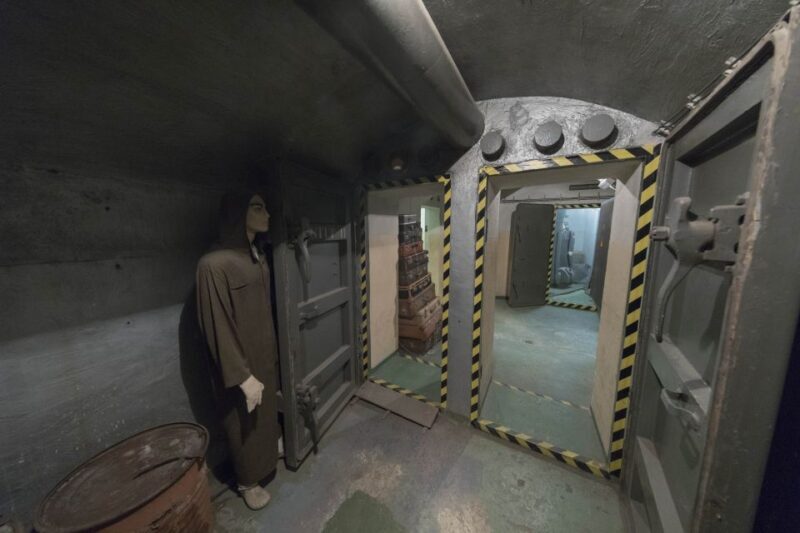
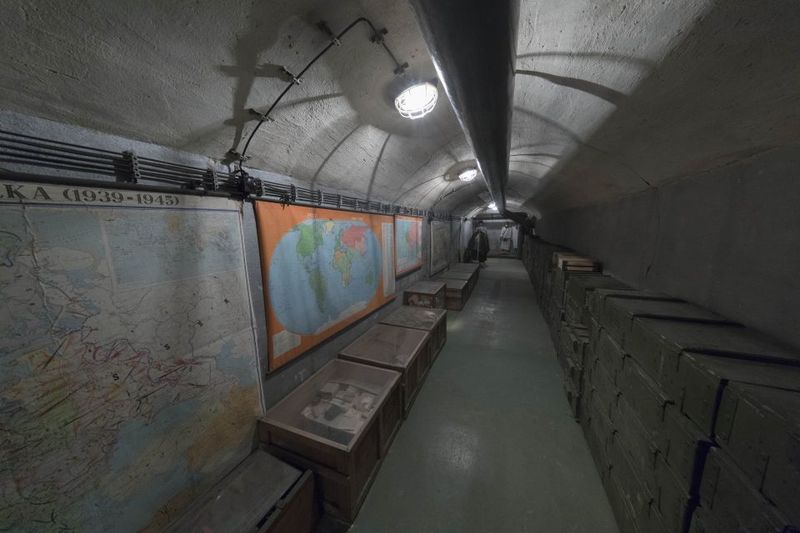
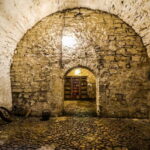
When you arrive, the experience pivots from history explanation to physical atmosphere. This bunker is real, built in the 1950s, and designed to accommodate up to 5000 people—so you can see how serious the threat planning was from the civilian side.
It’s also located deep underground, around 50 feet underground, which changes everything: sound, temperature feel, and what “preparedness” would have meant day to day.
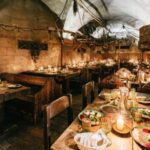
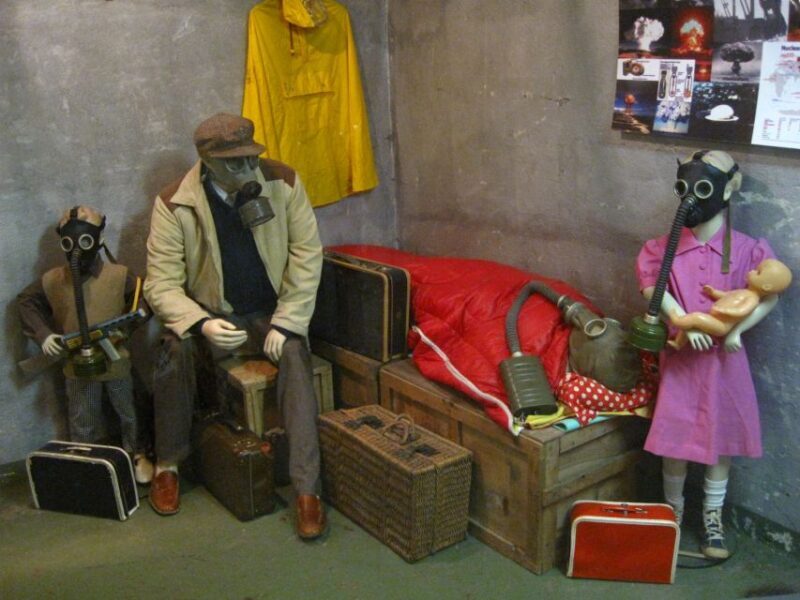
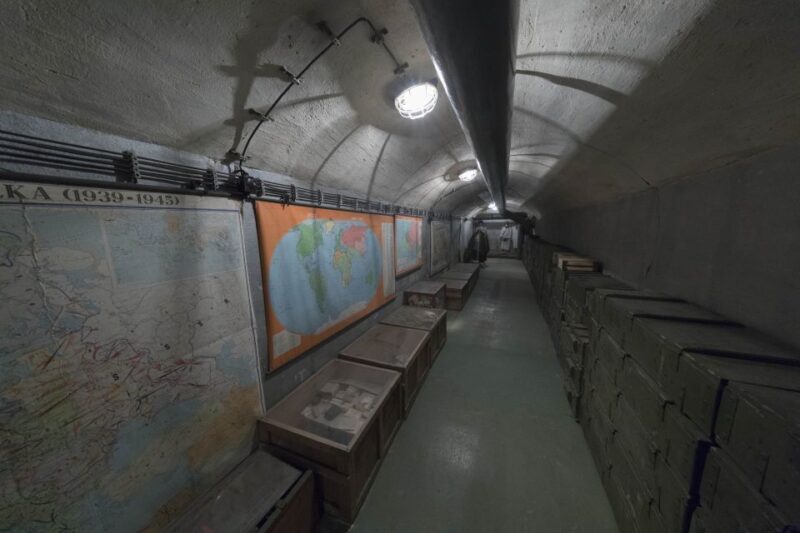
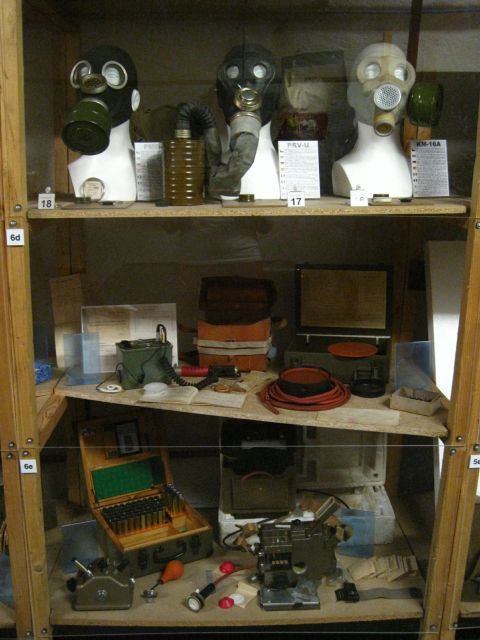
Inside, you’ll encounter cold war time expositions, genuine equipment, and museum-style interpretation that helps you connect objects to the fear they were meant to address.
Even if you’re generally comfortable with history tours, this portion can feel intense. You’re not just reading about the Cold War—you’re walking through it.
Cold War exhibits and the bunker museum stop
After the core bunker visit, you’ll continue into the bunker museum area for additional Cold War expositions. This is where the day’s themes tighten up: paranoia, drills, equipment, and what civilians were told to expect.
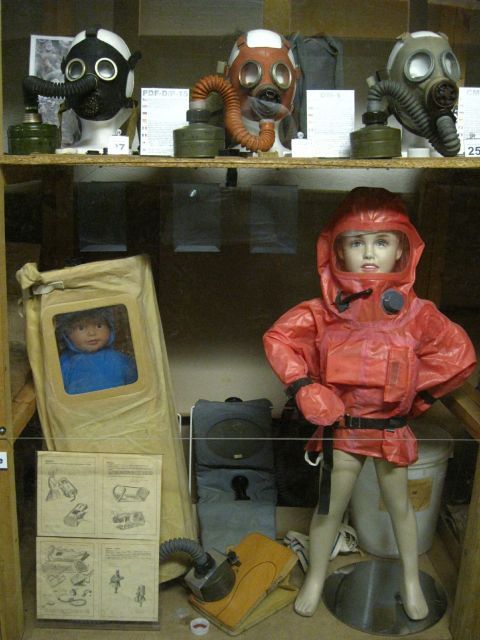
From what travelers report, the exhibits include artifacts that go beyond typical “text on a wall.” Many people describe the bunker as stuffed with period material and details they hadn’t seen in other museums.
This is also the part of the tour where maintenance can vary in any underground site—one traveler noted exhibits looked tired. That doesn’t ruin the experience, but if you’re picky about presentation polish, keep your expectations practical.
The gasmask workshop: practical and memorable
This tour includes a gasmask workshop, and that’s a big reason it sticks in people’s minds. It turns the Cold War theme from abstract fear into something you physically handle and understand.
Workshops like this are more valuable than they sound. You learn how preparedness was meant to work, and you feel the awkwardness and urgency people in that era would have associated with it.
If you’re worried about dust or breathing sensitivity, you might want to plan ahead. Some travelers recommend wearing a face mask during the bunker visit if you’re sensitive to dust, even though it wasn’t described as excessively dirty—just something to consider in enclosed spaces.
Scale you can feel: a bunker for thousands
It’s one thing to hear that a bunker existed. It’s another to understand its scale.
Being designed for up to 5000 people means the space doesn’t feel like a small storage room. It feels like a serious plan for shelter and survival, built into the ground like a city-within-a-city.
You may also hear unusual extra context from your guide about how the space has been used over time, including references mentioned by travelers such as a rock-crawling group that used it. Treat that as guided storytelling flavor, but it helps reinforce the idea that underground sites can shift roles long after their original purpose.
Price and value: around $44 for guided history plus transport
At about $44 per person, this tour stacks up well because it includes the core “expensive bits” that many self-guided trips forget.
What’s included:
- Live guide
- Public transportation to and from the bunker
- Entry to the nuclear bunker museum and exhibitions
- Skip-the-line access via a separate entrance
What’s not included:
- Food and drinks (so don’t plan on tapas being provided here)
- Hotel pickup/drop-off
I’d call this a good value if you want both context and access. You’re not only seeing the bunker; you’re getting guided framing from Prague’s communist-era landmarks first, which helps the underground visit land with meaning.
Practical logistics: toilets, photos, and the no-video rule
A few small details can make or break the experience if you ignore them.
- No toilets at the starting point. Plan for that early.
- Photos are allowed, but video recording isn’t unless you get extra permission.
- Wear comfortable shoes. Expect walking and some stairs.
- The tour doesn’t allow pets, smoking, alcohol, or drugs, and it isn’t for costume groups or bachelor/bachelorette parties.
If you’re bringing a group, remember the tour has rules about disruptive behavior. It’s designed for guided listening, not a roaming photo safari.
Who should book (and who really shouldn’t)
This tour is best for travelers who want serious history with a real location behind it. If you like Cold War stories, political context, and learning through artifacts—not just viewpoints—this fits.
You should think twice if you:
- Have claustrophobia (you’ll be underground)
- Have heart issues (the tour lists health constraints)
- Struggle with mobility, wheelchair use, or walking/stairs (it’s not possible with these limitations)
- Need a stroller setup (it’s not possible due to walking/stairs)
- Are traveling with very young kids (it’s not allowed for infants; it’s not for the smallest children under school age)
Also, if you’re the type who needs to constantly switch languages mid-tour, that won’t work here. The safety requirement is tied to you understanding the chosen language.
What to bring and how to set yourself up for comfort
This is a tour where small prep helps.
Bring:
- Comfortable shoes for walking and stairs
- A layer of clothing for an underground environment (even if you don’t expect it to be chilly)
- If you’re sensitive to dust, consider a mask based on traveler recommendations
- A smartphone for photos (and plan to avoid video)
Also, since there’s no food included, think about whether you want to eat before you start. The tour doesn’t promise a snack stop, and there are no toilets at the meeting point, so timing matters.
Book it or skip it? My honest take
I’d recommend this tour if you want an unusually grounded look at Prague’s communist and Cold War story—one that starts in the city and ends in a real bunker you can walk through. The guides and the included gasmask workshop make it more than a drive-by attraction, and the all-in feel (guide plus museum plus transport) supports the price.
I would skip it if you can’t handle walking/stairs, you’re uncomfortable in enclosed spaces, or you’re sensitive to breathing-related concerns. In those cases, the tour’s core strengths—underground access and hands-on Cold War material—turn into your main stress point.
If you’re an informed traveler who likes learning from places, not just reading about them later, this one is a strong match.
Prague: Communism History and Nuclear Bunker Guided Tour
FAQ
How long is the Prague Communism and Nuclear Bunker guided tour?
The duration is listed as 150 minutes. The exact timing may vary by about 10 minutes depending on group size.
Is the tour wheelchair accessible?
No. The tour is not possible for wheelchair users and it’s not suitable for people with mobility impairments due to walking and stairs.
Are there toilets at the meeting point?
No. There are no toilets at the starting point.
What languages are available for the guided tour?
The live guide is offered in German and English.
Can I take photos or record video inside the bunker?
Photos are allowed, but video recording is not (unless extra permission is granted).
Is food included or can I buy it during the tour?
Food and drinks are not included, so you’ll want to plan your meals outside the tour.
You can check availability for your dates here: