
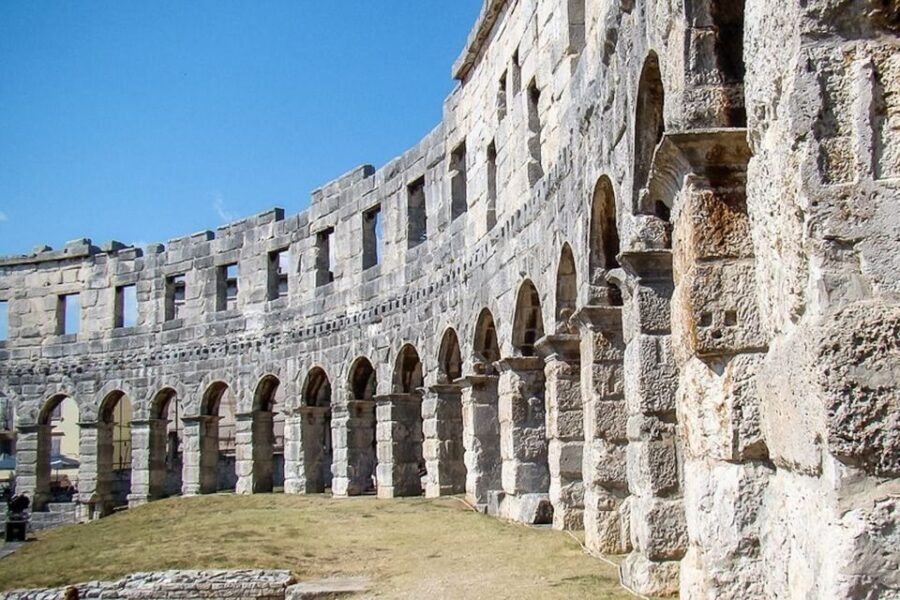
Pula’s Roman amphitheater, the Pula Arena, is one of those places that makes history feel physical. With this arena entrance ticket, you get access to the main site and the permanent underground exhibition connected to gladiators, plus you’re aiming for a calmer visit than the peak beach-and-tours crowd.
What I really like is how easy it is to explore at your own pace using QR-code stops around the arena, and how the underground area adds a different angle beyond gladiators—specifically the story of Istrian olive and viticulture in antiquity (oil and wine, not just sword-and-shout stuff). A lot of visitors also compare it favorably to bigger Roman showpieces, saying it holds up even if you’ve seen places like Arles or the Colosseum.
One consideration: this ticket experience is mostly self-guided. Some travelers mention the audio guide didn’t work or wasn’t available when they went, and you’ll still need to redeem and get scanned at the entrance, even if you booked online. Also plan to bring headphones, since they’re not included.
- Key Highlights at a Glance
- Pula Arena Entrance Ticket: What You’re Actually Getting
- Redeeming Your Ticket at the Main Entrance (No Drama Required)
- What You’ll See Above Ground: The Roman Amphitheater’s “Wow” Factor
- Where to Focus First
- Self-Guided Touring with QR Codes (Plus the Audio Reality)
- The Underground Gladiator Area: Olives, Presses, and Amphorae
- How Long the Underground Part Takes
- Wheelchair Accessibility: Mostly Good, One Basement Exception
- Best Time to Go: Beating Crowds and Avoiding Heat
- Rain, Noise, and Concert Season: What Might Change
- Getting Your Money’s Worth at Around
- What to Bring (So the Visit Doesn’t Get Annoying)
- A Simple Plan for a 1-Day Pula Visit
- Who This Entrance Ticket Is Best For
- Who Might Want to Rethink It
- Should You Book This Pula Arena Ticket?
- FAQ
- Where do I redeem the ticket?
- What is included with this ticket?
- Is an audio guide included?
- How long should I plan for?
- Is Pula Arena wheelchair accessible?
- Is free cancellation available?
Key Highlights at a Glance
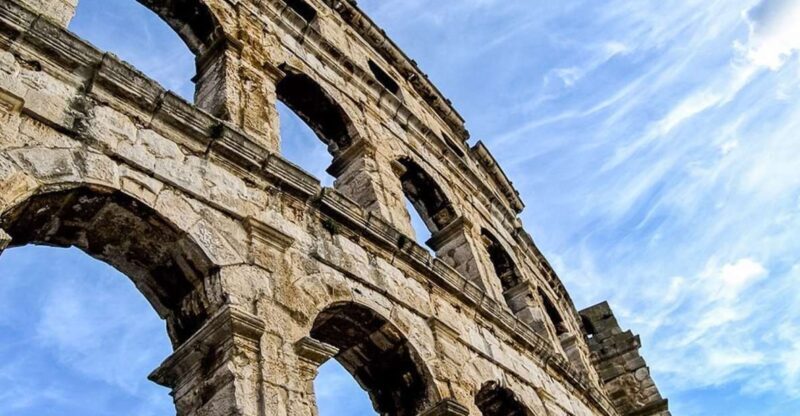
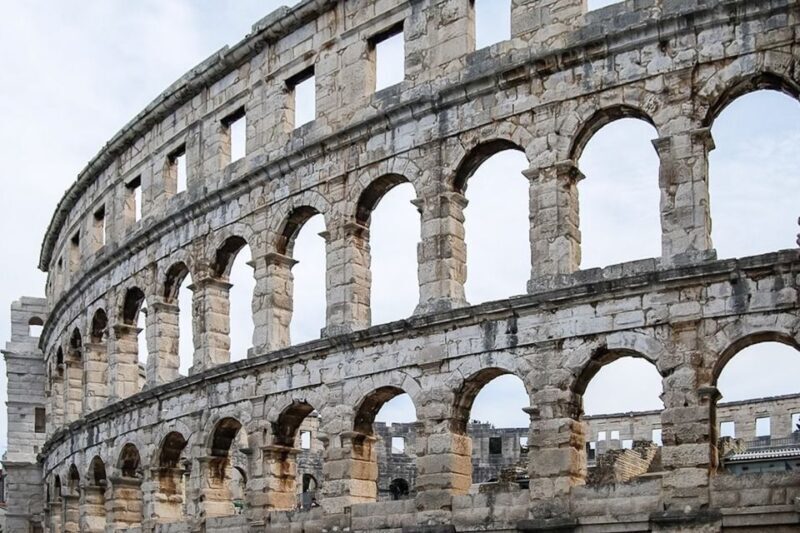
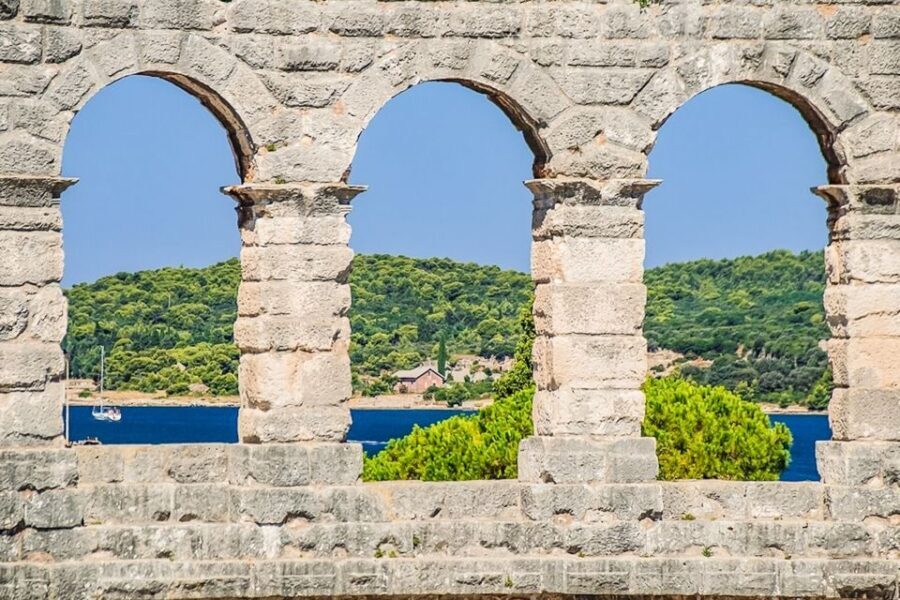
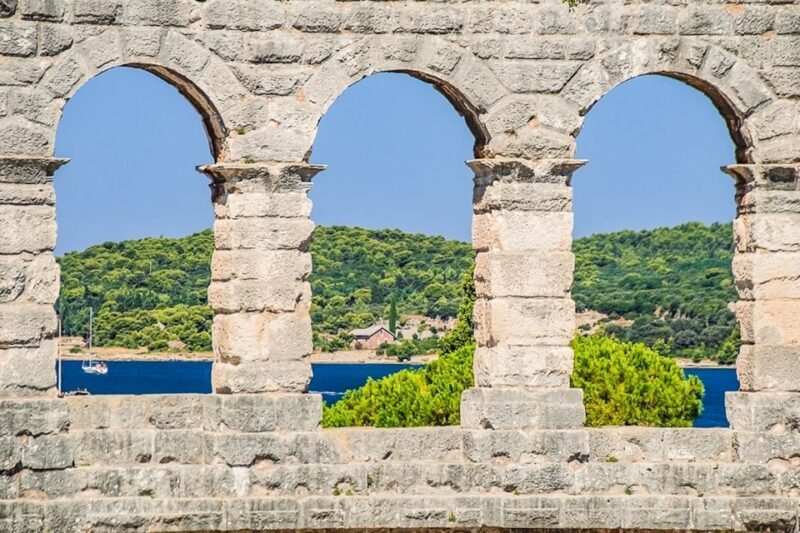
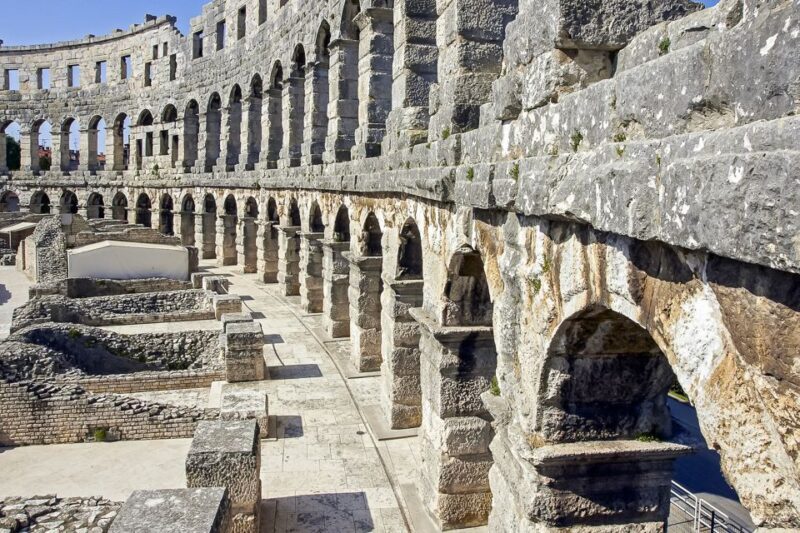
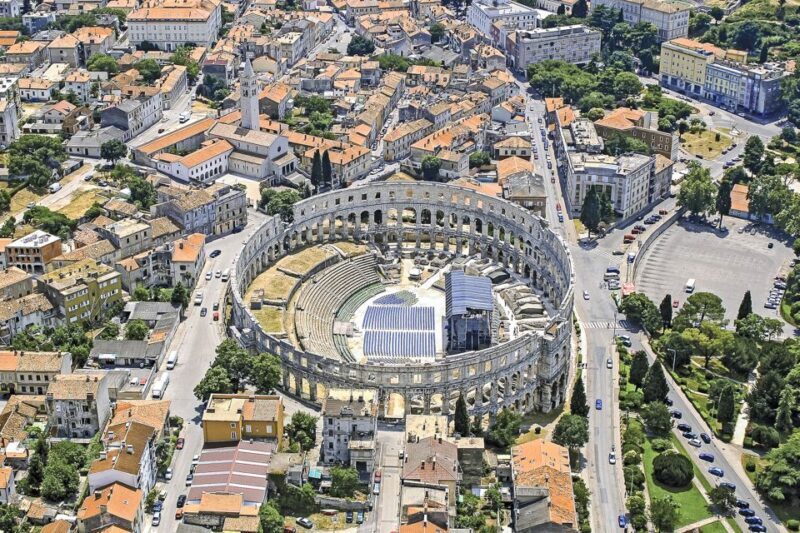
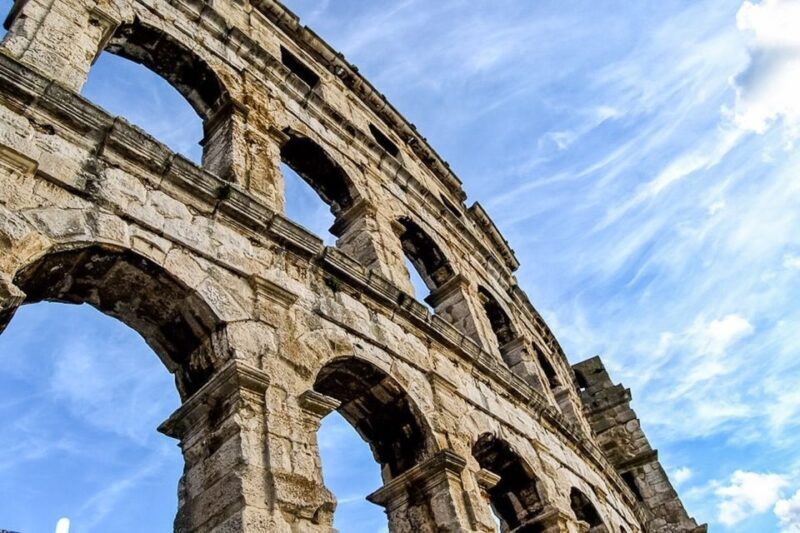

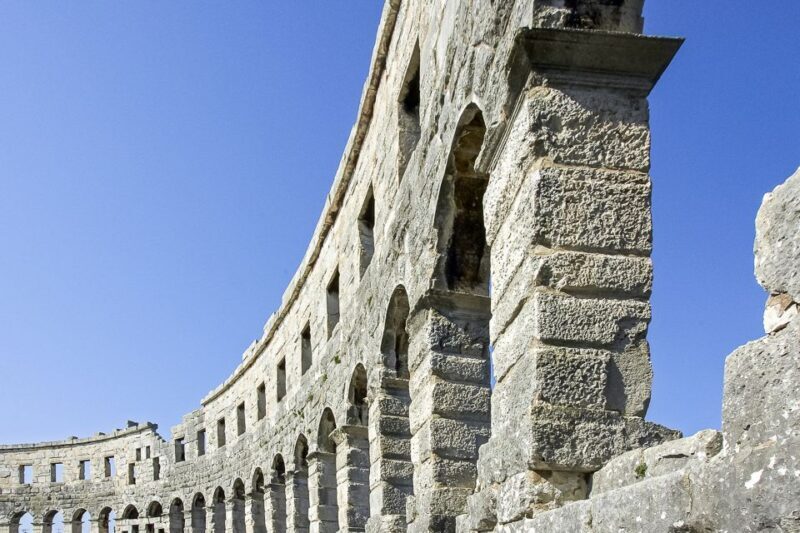
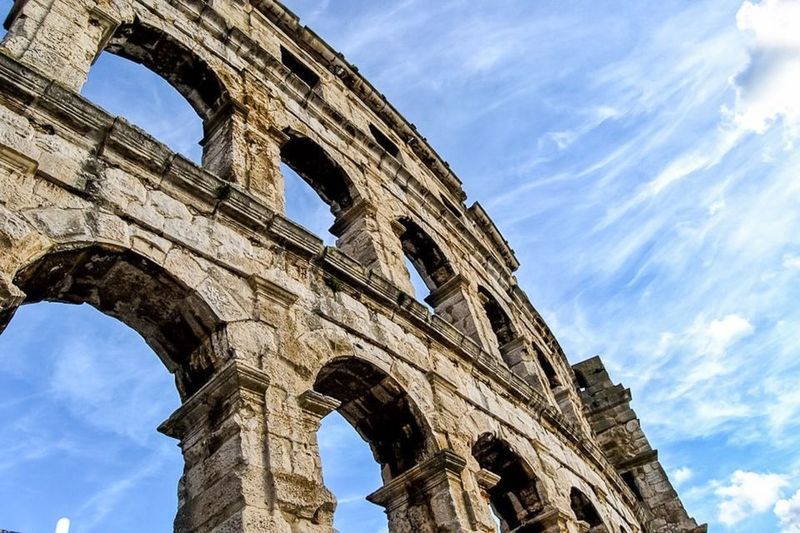
- One of Croatia’s best-preserved Roman amphitheaters with plenty to see from inside
- QR-code info points to self-guide without needing a full guided tour
- Underground gladiator exhibition focused on olive oil and wine production
- Early visit strategy for quieter walking and better photos
- Wheelchair-accessible for most areas, with one basement exception
- Good value for the access you get at around $11 per person
Pula Arena Entrance Ticket: What You’re Actually Getting
This is not a multi-stop tour bus day. It’s a focused entrance ticket that buys you time in the right place: Pula Arena itself. You redeem it at the main Pula Arena entrance, then you’re free to wander the arena grounds and explore the site’s indoor/underground elements.
The big value here is that you’re paying to go beyond the view from the outside. Visitors consistently say the atmosphere changes once you’re inside—standing in the seating area and imagining the crowds, animal hunts, and gladiator shows that once took place here.
And the ticket isn’t just about Roman architecture. The standout add-on is access to the permanent underground exhibition in the gladiator area, centered on local production of olive oil and wine in antiquity. That’s a smart pairing because it gives you everyday-life context, not only spectacle.
Redeeming Your Ticket at the Main Entrance (No Drama Required)
Your meeting point is straightforward: redeem your ticket at the main Pula Arena entrance. Most people find the process easy, especially if you go early and keep things simple.
A common theme from travelers: even with online booking, you should expect a short moment of ticket verification—scanning a QR code and receiving the right receipt or entry confirmation. In other words, the online purchase helps you avoid the biggest entrance lines, but it doesn’t completely remove all on-site processing.
If you’re arriving by car, several visitors report that parking is manageable and close by. If you’re coming on foot after spending time along Pula’s waterfront, just leave a little extra time so you can get inside calmly, not stressed.
What You’ll See Above Ground: The Roman Amphitheater’s “Wow” Factor
Pula Arena is widely recognized as a symbol of the city, and it has that classic amphitheater shape that makes photos look better than expected. But what people notice in real life is the scale and how well preserved it feels for something that’s been around for centuries.
Travelers who’ve visited major Roman sites often say this one still lands as impressive. The seating structure and open arena space create that instant “okay, this is where it happened” feeling. You’re not watching a reenactment from a distance—you’re standing where animals and fighters would have been presented.
You’ll also want to pay attention to how the arena works acoustically. Some visitors mention hearing sound checks for concerts later in the evening, with the acoustics coming across as surprisingly strong. Even if you don’t catch a concert moment, the sheer cavity of the space makes it memorable.
Where to Focus First
If you want the best start without rushing:
- Take a few minutes to walk the perimeter and get your bearings.
- Then move toward the central viewing areas and look for viewpoints where you can see the arena floor from multiple angles.
- If you’re with kids, this is also where the “we’re gladiators now” imagination takes over quickly.
Self-Guided Touring with QR Codes (Plus the Audio Reality)
This ticket is built around self-guided exploration. Around the arena you’ll find information points that use QR codes. Many visitors say the site is well marked and user-friendly, so you’re not wandering completely blind.
You’re also told to bring headphones. That strongly suggests there’s an audio component available through the system. However, a few travelers report that when they arrived, the promised audio/guide features were missing or not working properly.
So here’s the practical way to plan:
- Bring headphones so the audio option is ready if it’s functioning.
- If the audio doesn’t play, don’t panic—QR descriptions and on-site signage can still carry the visit.
- If you’re the kind of person who needs spoken narration to understand everything, you might prefer going with your own reading time. (You can always use a phone for quick background reading if needed, but keep it focused so the moment doesn’t turn into homework.)
One more small detail: some visitors say QR guidance is most useful if you go early and take your time, because you’ll actually have the patience to stop and read each station instead of sprinting between viewpoints.
The Underground Gladiator Area: Olives, Presses, and Amphorae
The underground exhibition is the star “second act” of the experience. It’s located in the underground gladiator area used during tournaments, and it connects gladiator spectacle to the real economy that made the region work—specifically the production of olive oil and wine.
The exhibition’s permanent theme is named Istrian Olive and Viticulture in Antiquity. In that space you can see reproductions of tools and equipment used for:
- oil production, like mills and presses
- wine production and handling, like sedimentation tanks
- storage and transport packaging using amphorae
This is a really clever change of pace. After you’ve stared up at the arena seating, the underground area gives you something tangible: the methods people used to turn raw agricultural work into products that traveled. It’s history you can almost smell, even if the air is just… museum air.
How Long the Underground Part Takes
Travelers often describe the underground visit as part of an overall visit that runs roughly 90 to 120 minutes for many people. Some spend about an hour or so total at the arena and add the underground when they’re ready. If you’re a slower reader, factor in extra time for each equipment display.
Wheelchair Accessibility: Mostly Good, One Basement Exception
Accessibility is listed as wheelchair accessible, with one important caveat. Except for the lower gallery in the basement, the whole site is wheelchair accessible.
So if you use a wheelchair or mobility device, you’ll likely be able to navigate most areas comfortably, but you should expect that the lowest basement section might be a no-go. If that matters to you, it’s worth checking on arrival or asking at the entrance desk where your route can go.
Good news: visitors call out that most of the site is doable for accessibility needs, which is not always the case at older ruins.
Best Time to Go: Beating Crowds and Avoiding Heat
If you’re trying to have a calm, thoughtful visit (and not fight crowds for the same photo angle), the consistent advice is simple: go early.
Many travelers report arriving around the morning and finding the arena much quieter, even saying they were essentially alone at the start. Early timing gives you:
- fewer interruptions while reading QR information
- more time to walk slowly around the seating
- better photo light without people constantly crossing your frame
Also, plan for weather. Some people mention rainy days limiting what they could do beyond the main arena, but others still made it work because the site supports a self-paced, indoor-and-outdoor flow.
In summer, heat can be intense, so bring water and wear sun protection. The arena is open to the elements, and shade is not a guarantee everywhere.
Rain, Noise, and Concert Season: What Might Change
Croatia in summer can mean events. One traveler mentions hearing a massive sound check for a concert happening later. That’s not guaranteed, but it’s a realistic possibility because this arena hosts concerts, festivals, and even reenactment-style gladiator tournaments at times.
That affects the experience in two ways:
- The arena might feel more alive, not frozen in museum mode.
- You might hear noise during construction or sound checks, depending on the day and time you visit.
If you want the most purely historical mood, aim earlier in the day. If you like the idea that this is still an active performance space, you might catch that extra energy.
Getting Your Money’s Worth at Around $11
At about $11 per person, the value depends on one thing: how much you enjoy self-guided exploration and how much you care about the olive-and-wine context.
The ticket includes:
- entrance to the amphitheater
- access to the permanent underground exhibition area
It does not include an audio guide. Still, the site provides QR information, and you’re asked to bring headphones in case the audio component is part of how you access the content.
What makes the price feel fair to most people:
- the arena is a major, well-preserved historic monument
- you get both above-ground structure and the underground exhibition
- online booking helps reduce the biggest line pain
Some visitors feel it’s slightly pricey if you compare it to what you can see from the outside without buying a ticket. But the consensus is clear: going inside is where the story clicks.
What to Bring (So the Visit Doesn’t Get Annoying)
At minimum:
- Headphones (required/strongly recommended since audio isn’t included)
Then, depending on season:
- water (especially in hot months)
- sun protection for open-air parts
- comfortable shoes for walking around the arena and exhibition areas
If you’re traveling with kids, this is one of those sights where imagination is half the fun. Let them run a bit before reading stops, then use the QR stations as a reward loop.
A Simple Plan for a 1-Day Pula Visit
This ticket fits nicely into a larger day without needing a strict schedule.
A practical flow you can follow:
- Arrive early and start with the main arena areas so your visit isn’t squeezed by crowds.
- Then move to the underground exhibition so you cool down and get the olive-and-wine context.
- Finish with a final walk for photos and a last pass over the signage points while you still have energy.
If you’re also planning other Pula sights, this arena acts like an anchor point: you can treat the rest of the day as flexible exploration around it.
Who This Entrance Ticket Is Best For
You’ll be happiest with this if you:
- love Roman history, amphitheaters, or architecture
- like museums but want them tied to a real place, not a distant photo display
- prefer self-guided pacing with QR-code stops
- want something more than “gladiators only,” thanks to the olive-and-wine exhibition
It’s also a good choice if you’re trying to avoid the stress of long guided-group schedules. Several visitors highlight that it’s straightforward and easy to use, which matters when you’re on a short holiday.
Who Might Want to Rethink It
Consider a different approach if you:
- rely on a working audio guide and don’t want any chance of tech issues
- want a fully narrated experience with a live guide throughout (this ticket setup is not positioned that way)
- are only curious about the exterior view (you can see plenty from outside, but the pay-off is inside and underground)
Should You Book This Pula Arena Ticket?
If you want one reliable, high-impact history stop in Pula, I’d book it. $11 is a reasonable price for a major monument plus access to the underground olive-and-wine exhibition. Add in that online booking tends to reduce ticket friction and that the site is easy to self-guide, and it’s a solid value.
I’d only hesitate if you strongly need narration every step of the way. A few visitors report audio/guide glitches, and the experience is designed to run on QR information and your own time. If you bring headphones, arrive early, and go in with the mindset of exploring rather than being carried by a guide, you’ll likely have one of the best historical experiences in Istria County.
Pula: Arena Entrance Ticket
FAQ
Where do I redeem the ticket?
You redeem your ticket at the main Pula Arena entrance.
What is included with this ticket?
The entrance ticket is included, giving you access to the amphitheater and the underground permanent exhibition area.
Is an audio guide included?
No. An audio guide is not included.
How long should I plan for?
Many visitors describe the underground plus arena visit as taking about 90 to 120 minutes, though your pace may vary.
Is Pula Arena wheelchair accessible?
Most of the site is wheelchair accessible. The only noted exception is the lower gallery in the basement.
Is free cancellation available?
Yes. You can cancel up to 24 hours in advance for a full refund.
You can check availability for your dates here: