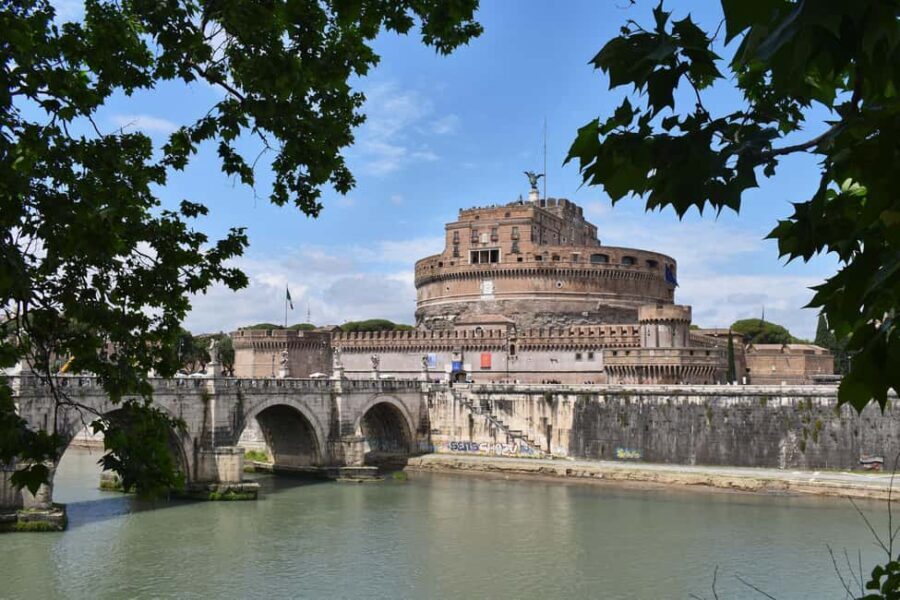
Castel Sant’Angelo is one of those Rome stops that looks dramatic from the outside and then gets even better once you’re walking the halls. With an entry ticket plus a smartphone audio guide, you can move at your own pace across Hadrian’s mausoleum turned Papal fortress.
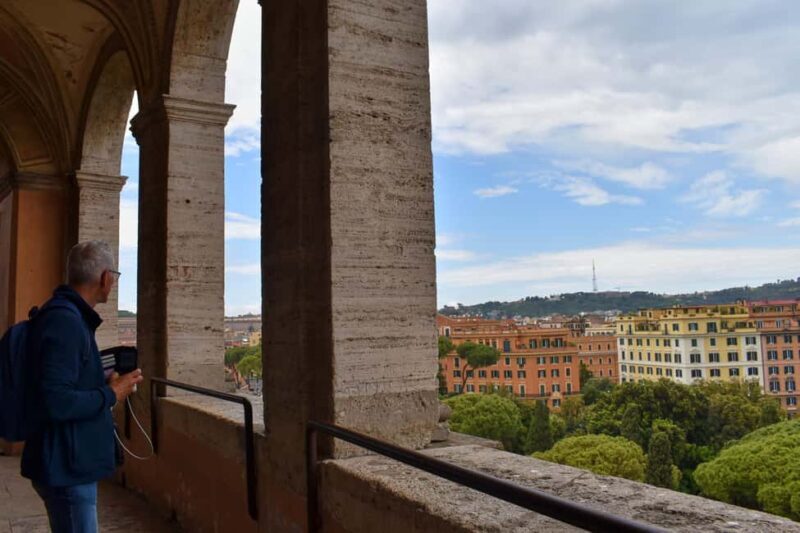
I especially like two things here: the mix of papal rooms and Renaissance frescoes up on the upper floors, and the way the castle turns into an instant “Rome from above” viewpoint the moment you reach the terrace. One consideration: it’s a self-guided visit, and some visitors note the audio app can be a bit inconsistent room to room.
- Key highlights at a glance
- Castel Sant’Angelo ticket + audio guide: what you’re actually buying
- Location tip: getting to Lungotevere Castello fast
- Price and value: is €16-ish worth it?
- Your game plan: how long to plan for
- Entering the fortress: Hadrian’s mausoleum to Papal defense
- The “5 floors” experience: how the layout helps (and how it can wear you out)
- Papal rooms and Renaissance frescoes: where the castle turns artistic
- Weapons collection: why this castle looks more serious up close
- Prison stories: tragic human history behind the walls
- Papal steam baths rooms: Leo X and Clemente VII
- Terrace views and the St. Peter’s skyline payoff
- Audio guide on your phone: great when it works, imperfect in spots
- Skip-the-line logistics: what to expect at the entrance
- Accessibility notes: wheelchair access, but still lots of climbing
- What to pair this with in your Rome day
- Who this self-guided visit suits best
- Downsides to plan around (so they don’t ruin the visit)
- Final verdict: should you book this Castel Sant’Angelo ticket?
- FAQ
- What is included with the Rome Castel Sant’Angelo ticket and audio app?
- Is there a guided tour included?
- Where is the meeting point?
- How do I access the castle after booking?
- Can I choose a time to visit?
- Is the ticket refundable?
- How long is the experience valid?
- Is Castel Sant’Angelo wheelchair accessible?
- What’s the price for an adult ticket?
- Are there reduced or free entry options?
- More Self-Guided Tours in Rome
- More Tickets in Rome
- More Tour Reviews in Rome
Key highlights at a glance
 1 / 9
1 / 9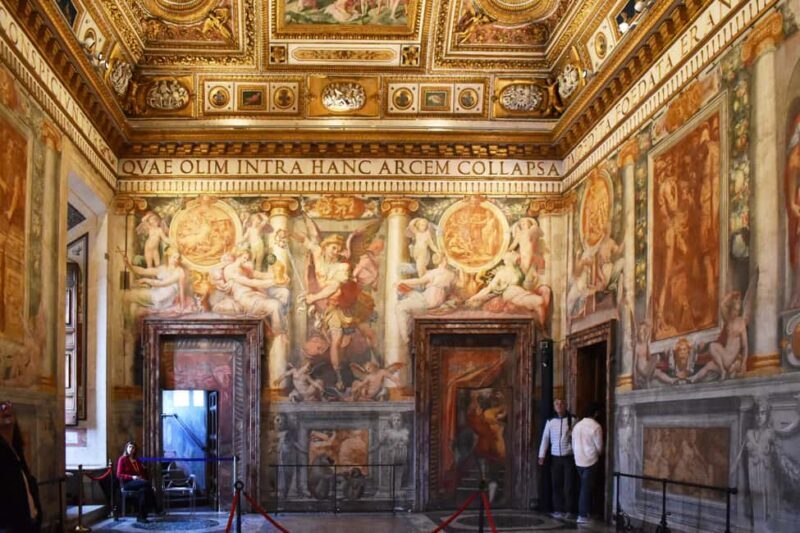 2 / 9
2 / 9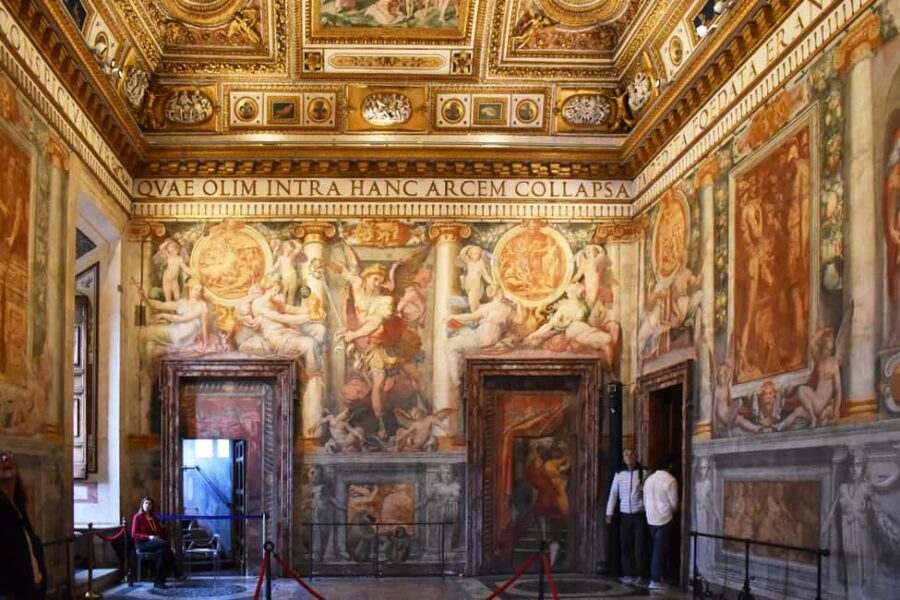 3 / 9
3 / 9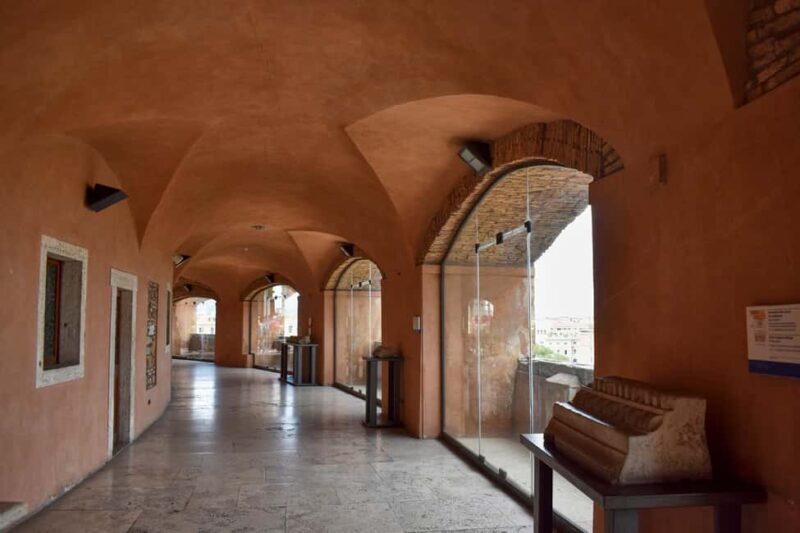 4 / 9
4 / 9 5 / 9
5 / 9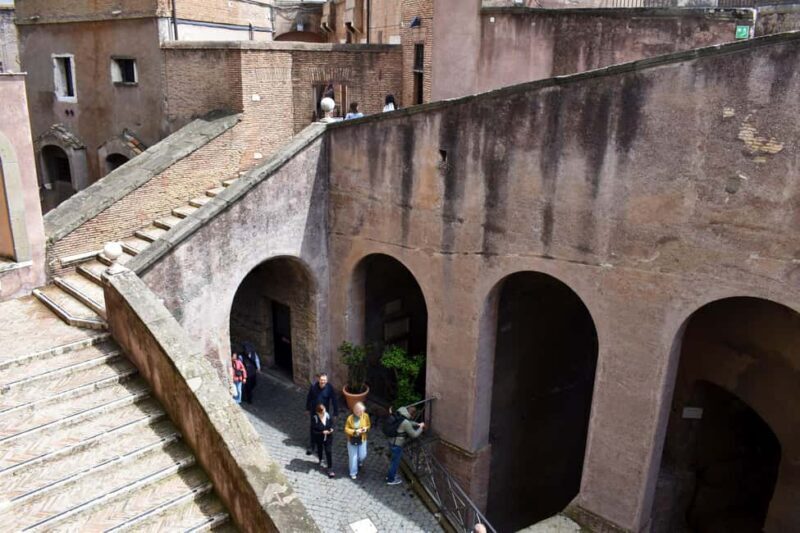 6 / 9
6 / 9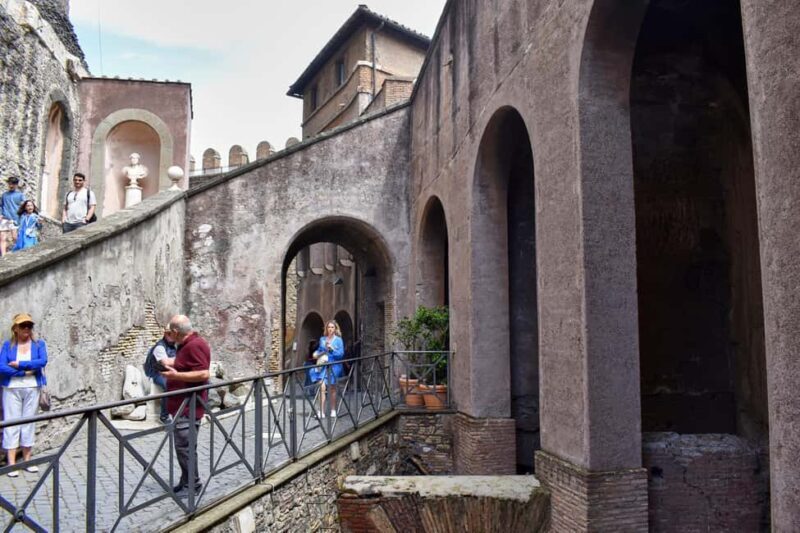 7 / 9
7 / 9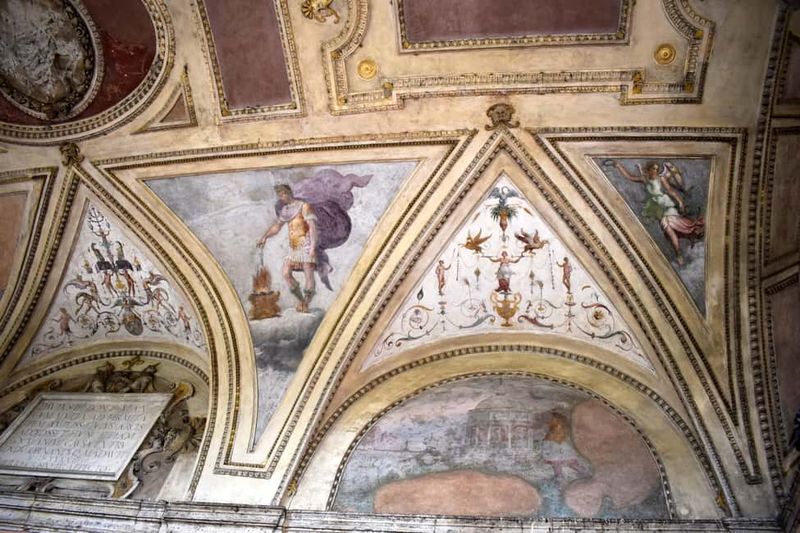 8 / 9
8 / 9 9 / 9
9 / 9- Hadrian to the Popes: a monument that starts as a Roman mausoleum and becomes a defensive fortress
- 5 floors of story: weapons, frescoes, and prison tales that explain why this place mattered
- Papal baths rooms: steam-bath areas linked to Leo X and Clemente VII
- Views that reset your day: terrace panoramas with St. Peter’s nearby
- Book ahead for smoother entry: many travelers report faster access than buying on-site
Castel Sant’Angelo ticket + audio guide: what you’re actually buying
This experience is straightforward: you’re buying a Castel Sant’Angelo entry ticket and a digital audio guide for your phone. There’s no live guide included, so the “tour” is paced by you—think quiet, personal museum time rather than a group walk with a docent.
The ticket is valid for 1 day, and you can choose a preferred timeslot based on availability. After booking, you receive an official ticket to access the castle, and confirmation is listed as arriving within 48 hours.
You can also read our reviews of more tours and experiences in Rome



Location tip: getting to Lungotevere Castello fast
The meeting point is the main entrance at Lungotevere Castello, 50. This matters because Castel Sant’Angelo sits right by the river, and navigating from “general Rome directions” can sometimes lead you a bit sideways.
One visitor even flagged that the address details in booking directions sent them to the wrong part of the castle. So if you’re arriving at peak hours, I’d aim to give yourself a few extra minutes to confirm you’re at the correct entrance.
Price and value: is €16-ish worth it?
The attraction ticket price listed for adults is €16.00, with reduced pricing for EU citizens aged 18–25. Children under 18 and eligible persons have free entry.
Even though the headline “cost” can be shown as about $23 per person, what you’re really paying for is time saved plus a self-paced explanation system. Reviews repeatedly mention that skip-the-line entry (or at least faster access via a reservation approach) is what makes the purchase feel worthwhile—especially when the ticket office line is long.
If you prefer guided tours, this isn’t that. But if you like walking, reading the room (literally), and using audio when it helps, this ticket is good value.
Your game plan: how long to plan for
This is listed as a 1-day experience, and in practice many visitors take their time. One review mentioned spending nearly 3 hours, which feels about right for someone who wants to see the big rooms, take in weapons and frescoes, and still make it to the terrace without rushing.
Because there are multiple levels and you’ll climb to the top areas, I’d treat it as a “half-day to most-of-the-afternoon” visit rather than something you squeeze in for 45 minutes.
More Great Tours NearbyEntering the fortress: Hadrian’s mausoleum to Papal defense
Castel Sant’Angelo is also known as the Mausoleum of Hadrian, built between 135 and 139 AD. Your audio guide frames it as a monument that starts as a Roman statement, then gets repurposed when Rome’s power shifts.
What you’ll notice as you move through the building is that the castle is designed to feel strong—thick structures, defensive thinking, and spaces that were used for security. Later on, the Papal transformation kicks in from the 14th century onward, with the castle used to help protect popes and contain people held inside.
You can also read our reviews of more tours and experiences in Rome


The “5 floors” experience: how the layout helps (and how it can wear you out)
The tour is described as spanning 5 floors. That’s great because the story isn’t just painted on one wall—it’s spread out, so each level gives you a different angle on the same theme: Roman origins, Papal control, and the practical reality of defense.
The drawback is physical. Multiple reviews warn about a lot of walking up steps, especially if you’re heading for the upper areas and terraces. If stairs are an issue, plan for slower pacing and take breaks when you need them.
Papal rooms and Renaissance frescoes: where the castle turns artistic
On the upper floors, you’ll find the beautifully decorated papal rooms and Renaissance frescoes. This is a key part of why many people rate this stop so highly: it breaks the “just a fortress” stereotype.
Instead of only seeing stone and strategy, you also see painted storytelling—rooms that feel like power, not just survival. If you’re a fan of how Renaissance style shows up in unexpected places, this is one of the best moments in the visit.
Weapons collection: why this castle looks more serious up close
Another major highlight is the collection of weapons, which signals Castel Sant’Angelo’s defensive importance. In other words, the castle isn’t only symbolic—it was built and maintained to do real security work.
Even if you’re not a “military history” person, it helps to look at the weapons through the lens the audio guide offers: this is what a fortress needed to handle threats in a city where power was constantly shifting.
Prison stories: tragic human history behind the walls
The experience description also points to prisoners kept within the castle and their often tragic fate. This is one of those sections where you’ll likely slow down.
Because the visit is self-guided, you can spend time (or move quickly) depending on your comfort level. Still, I’d treat this as a moment to pause and let the stories connect to the fortress design you’re seeing.
Papal steam baths rooms: Leo X and Clemente VII
One of the more memorable specifics listed is the steam-bath areas linked to Leo X and Clemente VII. This is a good reminder that Papal power wasn’t only about defense and politics—it was also about court life, ritual, and comfort.
If you’re the type who likes finding the “human” side of historical buildings, these rooms are a nice contrast to weapons and confinement spaces.
Terrace views and the St. Peter’s skyline payoff
The big payoff is the terrace. You get panoramic views of Rome, and many visitors specifically mention seeing St. Peter’s Basilica in the skyline.
Timing matters. One visitor went around 5pm and watched the sunset behind St. Peter’s. Another said evening is especially recommended for the lights and the overall atmosphere. If you can, aim for late afternoon—your photos will thank you.
Audio guide on your phone: great when it works, imperfect in spots
The audio is included and designed to help you explore at your own pace. Several reviews mention the audio app is easy to navigate and helpful.
That said, a few people raised concerns:
- Some weren’t sure which audio matched which room until later.
- A few audio tracks seemed in the wrong place.
- Some rooms reportedly had no audio.
- One visitor mentioned the ticket only provided smartphone audio and that a handheld headset cost extra on-site.
My practical advice: download whatever you can before you arrive and bring headphones you like. One reviewer even warned that forgetting to download on Wi-Fi left them stuck once inside. If your phone battery is fragile, bring a portable charger.
Skip-the-line logistics: what to expect at the entrance
You can access the castle any time during the day once you’re in the system, and prebooking is meant to reduce friction at entry. Reviews repeatedly describe quick entry, sometimes in about a minute, and people mention using a reservation line rather than waiting at the ticket office.
There are also a few glitch reports. One person said there were no staff representatives at the destination when they expected help. Another had voucher/app entry trouble and contacted the provider through WhatsApp, getting a fast response and resolution.
So I’d go with a simple plan: arrive a bit earlier than you think you need, have your email ticket ready, and keep Wi-Fi/data off if that helps you avoid app hiccups—unless you know your system works offline.
Accessibility notes: wheelchair access, but still lots of climbing
The attraction lists wheelchair accessible entry. However, several reviews emphasize that the experience involves many stairs and a lot of walking up.
So you can likely access parts of it with mobility support, but you should still expect upper-level climbing challenges. If you need full step-free routing, it’s worth checking on arrival with staff about what routes are practical for your specific wheelchair or mobility situation.
What to pair this with in your Rome day
Castel Sant’Angelo sits near the Vatican area, which makes it an easy “finish” stop if you’re already seeing St. Peter’s and the surrounding sights. The terrace views also work like a reward after you’ve walked a lot elsewhere.
If you’re building your day, I’d schedule this around golden hour. You’ll get the castle experience plus the sunset payoff without having to guess your timing too much.
Who this self-guided visit suits best
This is a strong match for:
- Travelers who enjoy self-paced exploring more than marching with a group
- People who want a museum with both Roman and Papal layers
- First-timers who want a “Rome from the rooftops” moment without booking a separate panoramic tour
- Families who can handle walking, since reviews mention it was enjoyable for kids when paced well
It’s not the best match if:
- You strongly prefer a live guide for every room (this experience is audio-based)
- You’re sensitive to stairs and long walking distances
- You might struggle with smartphone audio or troubleshooting at the entrance
Downsides to plan around (so they don’t ruin the visit)
Based on visitor feedback, the main friction points are:
- The audio guide can be slightly disorganized in places.
- Some visitors said they had trouble with QR entry steps or location directions.
- A few noted missing audio in certain rooms.
- Expect plenty of steps and uphill movement for the best views.
None of these are dealbreakers, but they are the reasons I’d plan carefully: download audio ahead, bring proper footwear, and keep your expectations aligned with a self-guided visit.
Final verdict: should you book this Castel Sant’Angelo ticket?
I’d book this if you want an efficient, cost-effective way to see Castel Sant’Angelo’s main story beats: Hadrian’s origins, the Papal fortress role, weapons and prison tales, papal rooms and frescoes, and especially the terrace views.
Skip it (or look for a different format) if you need a guaranteed, perfectly smooth guided narration with no app dependency. And if stairs are a concern, double-check what you can realistically access.
This feels like a smart buy for Rome. The views alone help justify the price, and the audio makes the history easier to follow without forcing you into a strict group schedule.
Rome: Castel Sant’Angelo Entry Ticket & Audio App
FAQ
What is included with the Rome Castel Sant’Angelo ticket and audio app?
Your ticket includes entry to Castel Sant’Angelo plus a digital audio guide on your smartphone.
Is there a guided tour included?
No. This experience is self-guided with the audio guide included, not a guided tour.
Where is the meeting point?
The meeting point is the main entrance of Castel Sant’Angelo at Lungotevere Castello, 50.
How do I access the castle after booking?
After booking, you receive an official ticket to access Castel Sant’Angelo.
Can I choose a time to visit?
Yes. You can choose your preferred timeslot, based on availability.
Is the ticket refundable?
No. The cancellation policy says the activity is non-refundable.
How long is the experience valid?
The ticket is valid for 1 day.
Is Castel Sant’Angelo wheelchair accessible?
Yes. The activity is listed as wheelchair accessible.
What’s the price for an adult ticket?
The ticket price listed is €16.00 for an adult.
Are there reduced or free entry options?
Reduced pricing is listed for EU citizens aged 18–25, and entry is free for children under 18 and eligible persons.
You can check availability for your dates here: